Italy:
Rome (page 2 of 4)
Italy:
Rome (page 2 of 4) Italy:
Rome (page 2 of 4)
|
||||||||||||
|
<<< Previous Page Next Page >>> |
||||||||||||
|
||||||||||||
|
|
||||||||||||
|
The page shows some of the most popular tourist places |
||||||||||||
|
|
||||||||||||
|
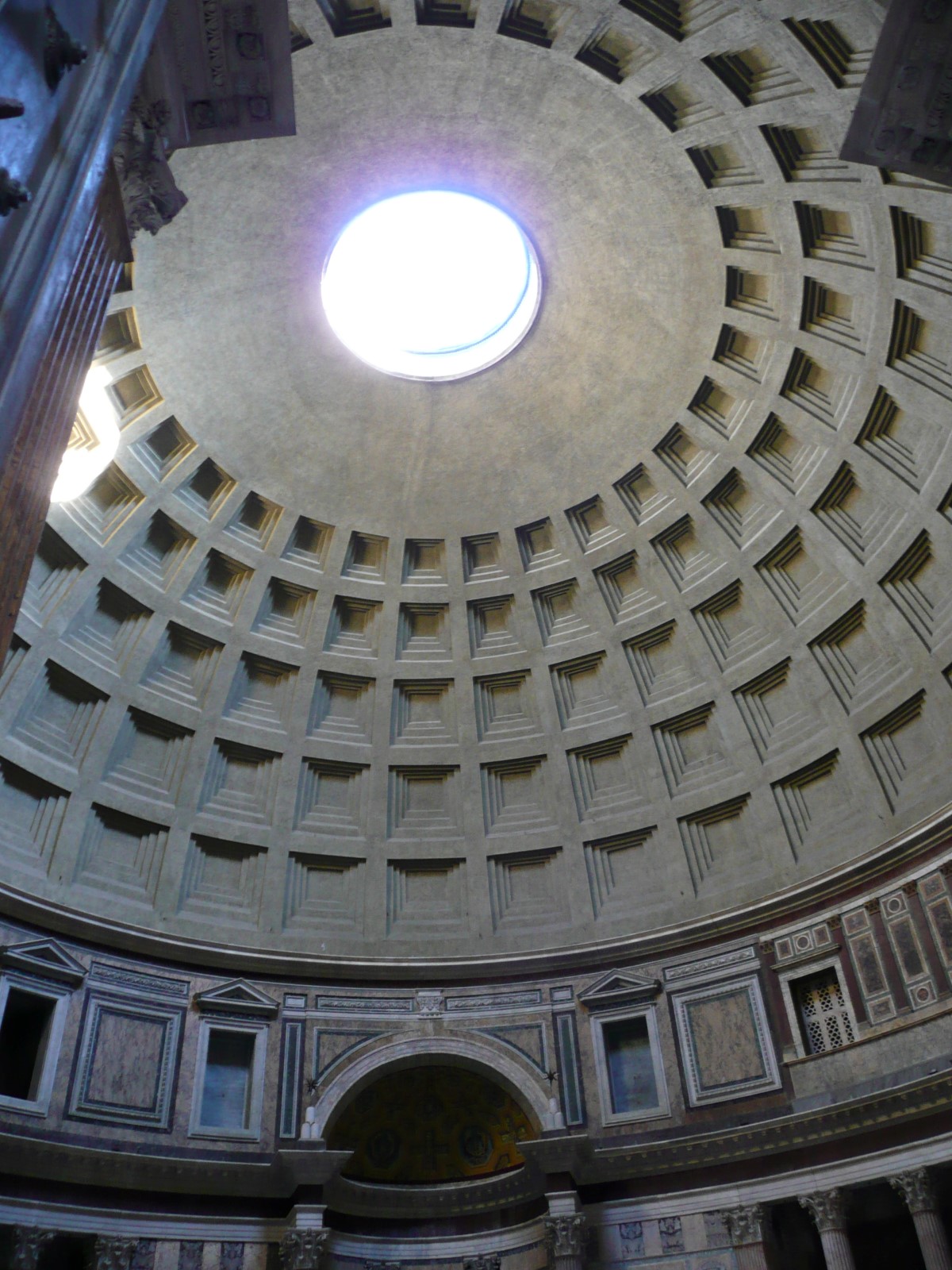
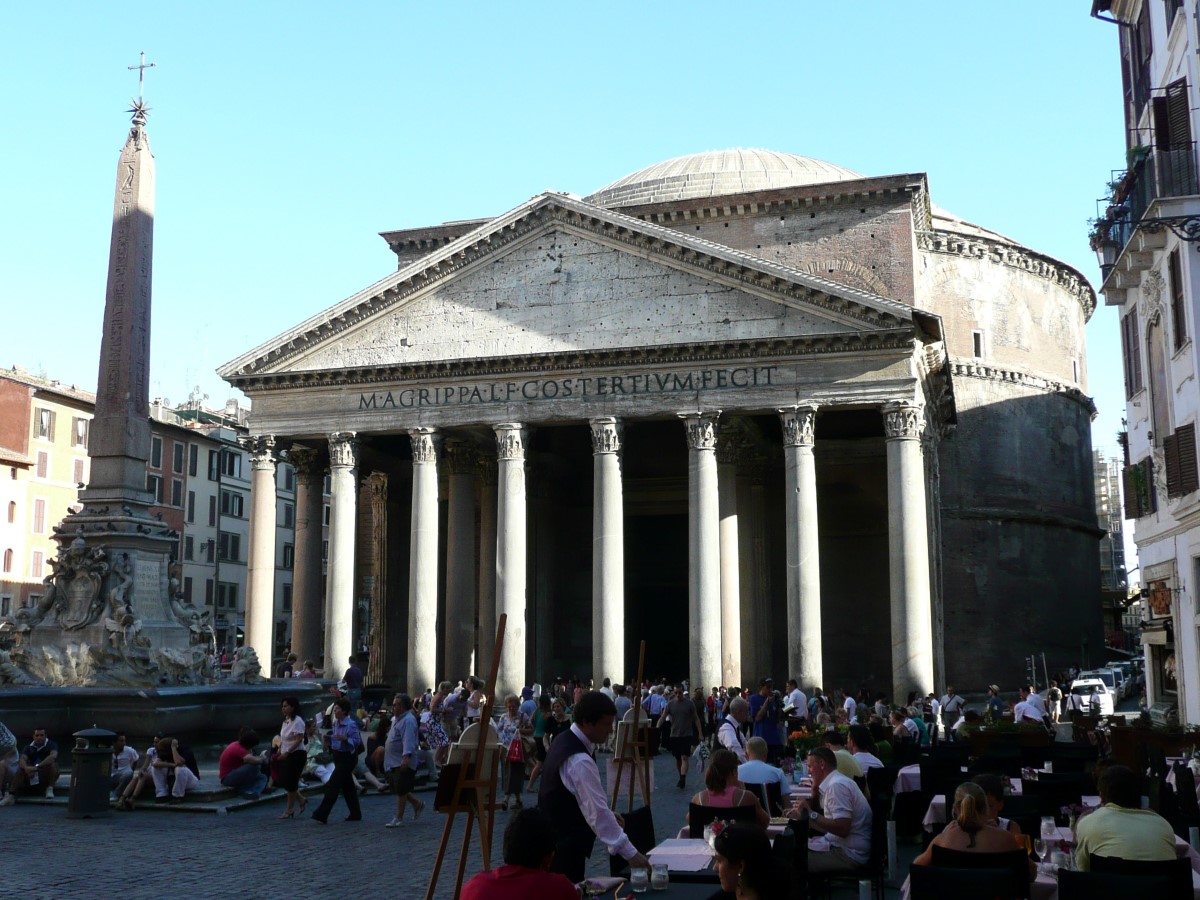
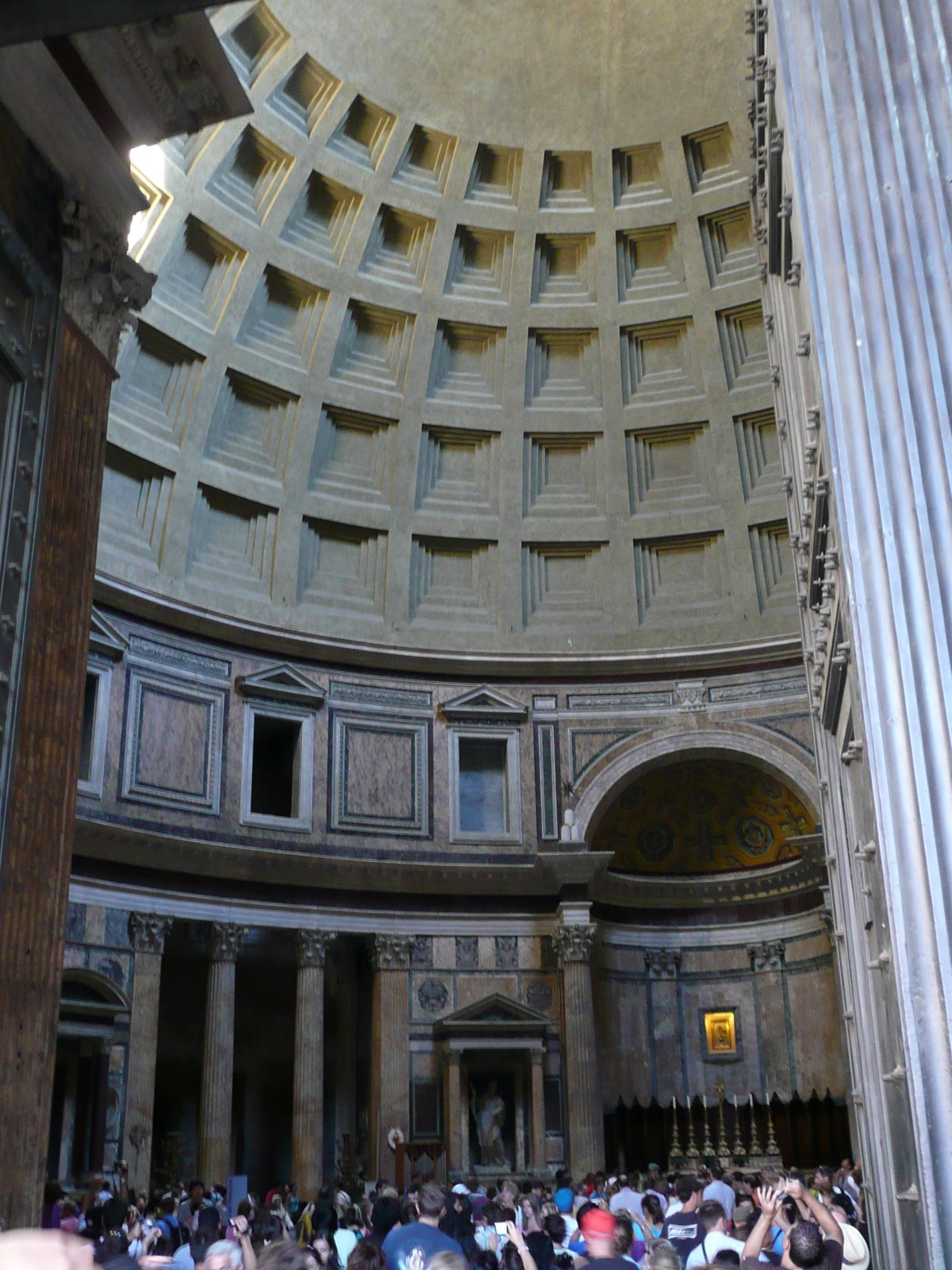
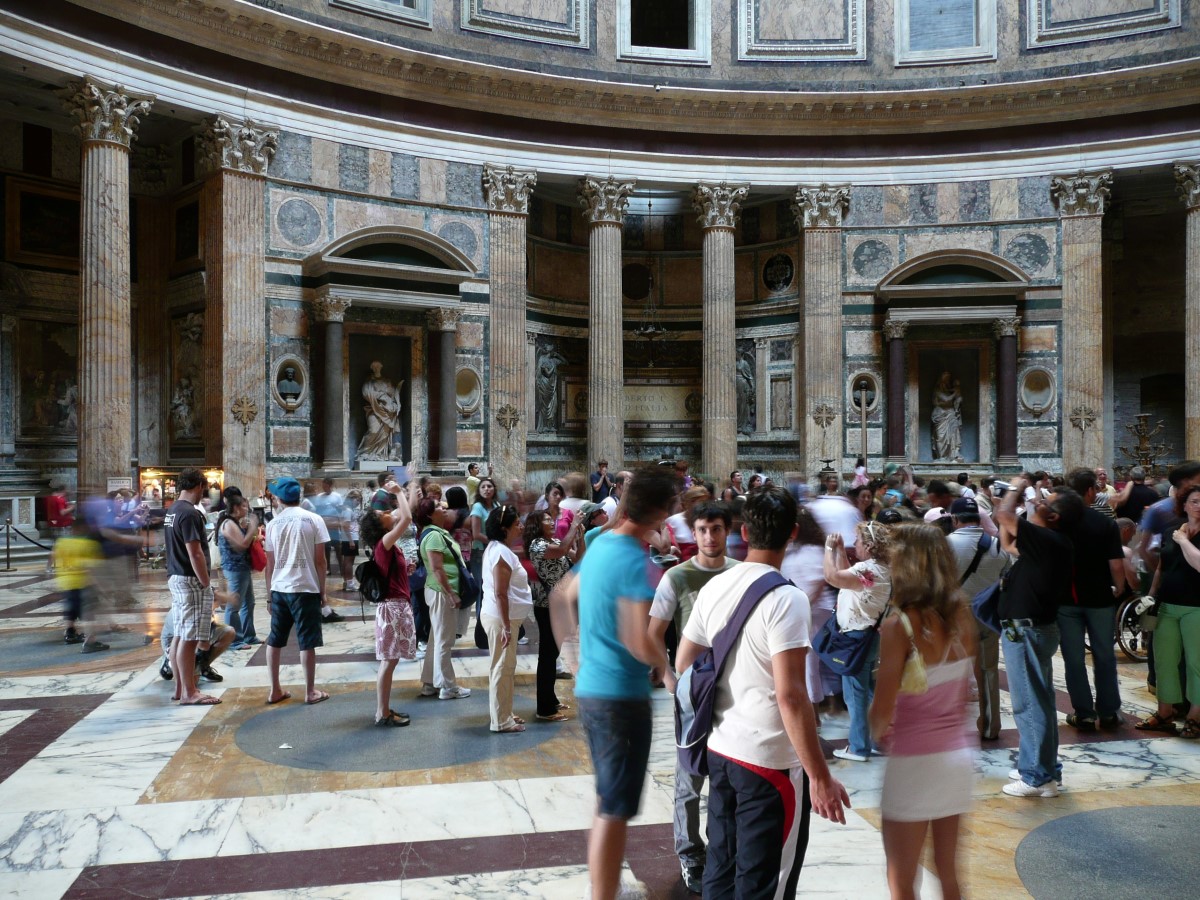
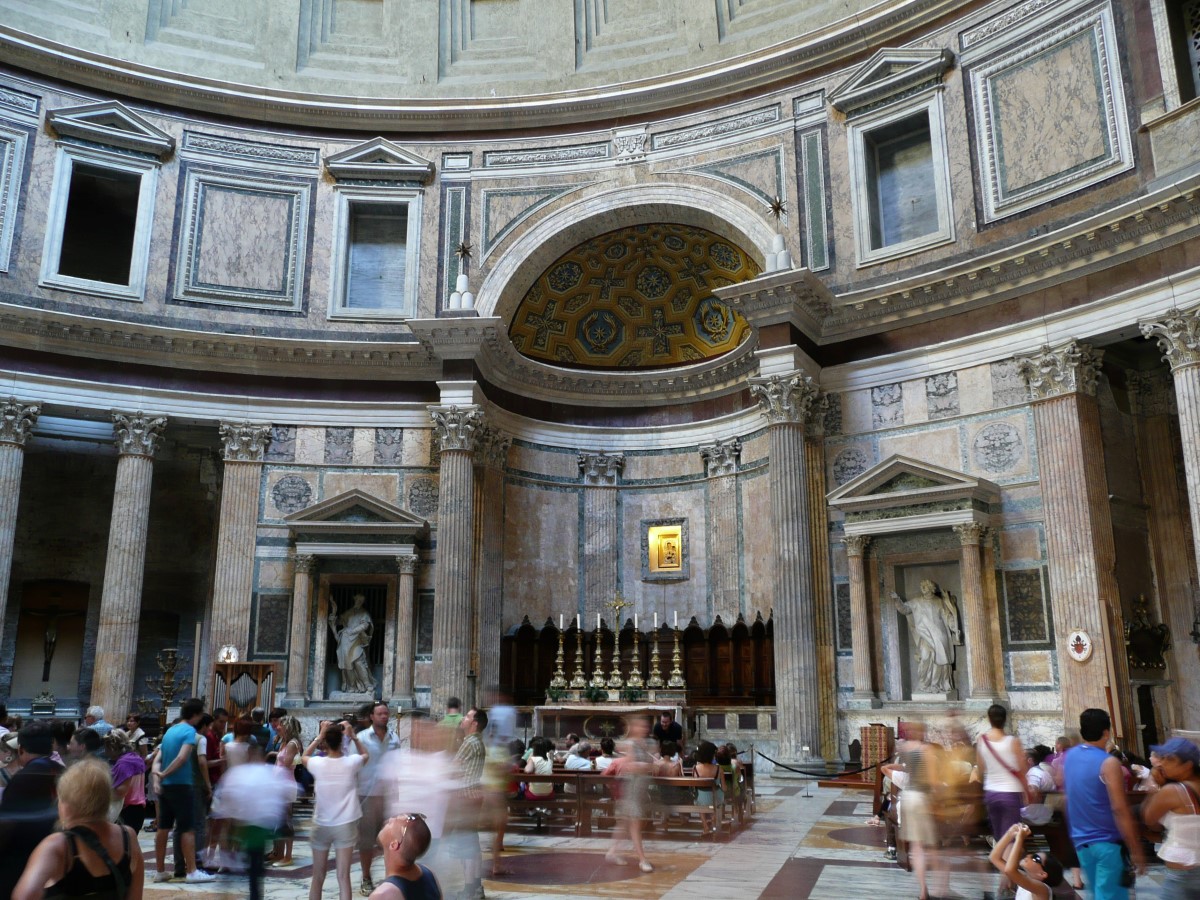
Pantheon: The Pantheon, meaning "Temple of all the
gods" was originally built as a temple to all the gods of Ancient Rome, and rebuilt circa 125 AD during Hadrian's reign.
The generic term pantheon is now applied to a monument in which illustrious dead are buried.
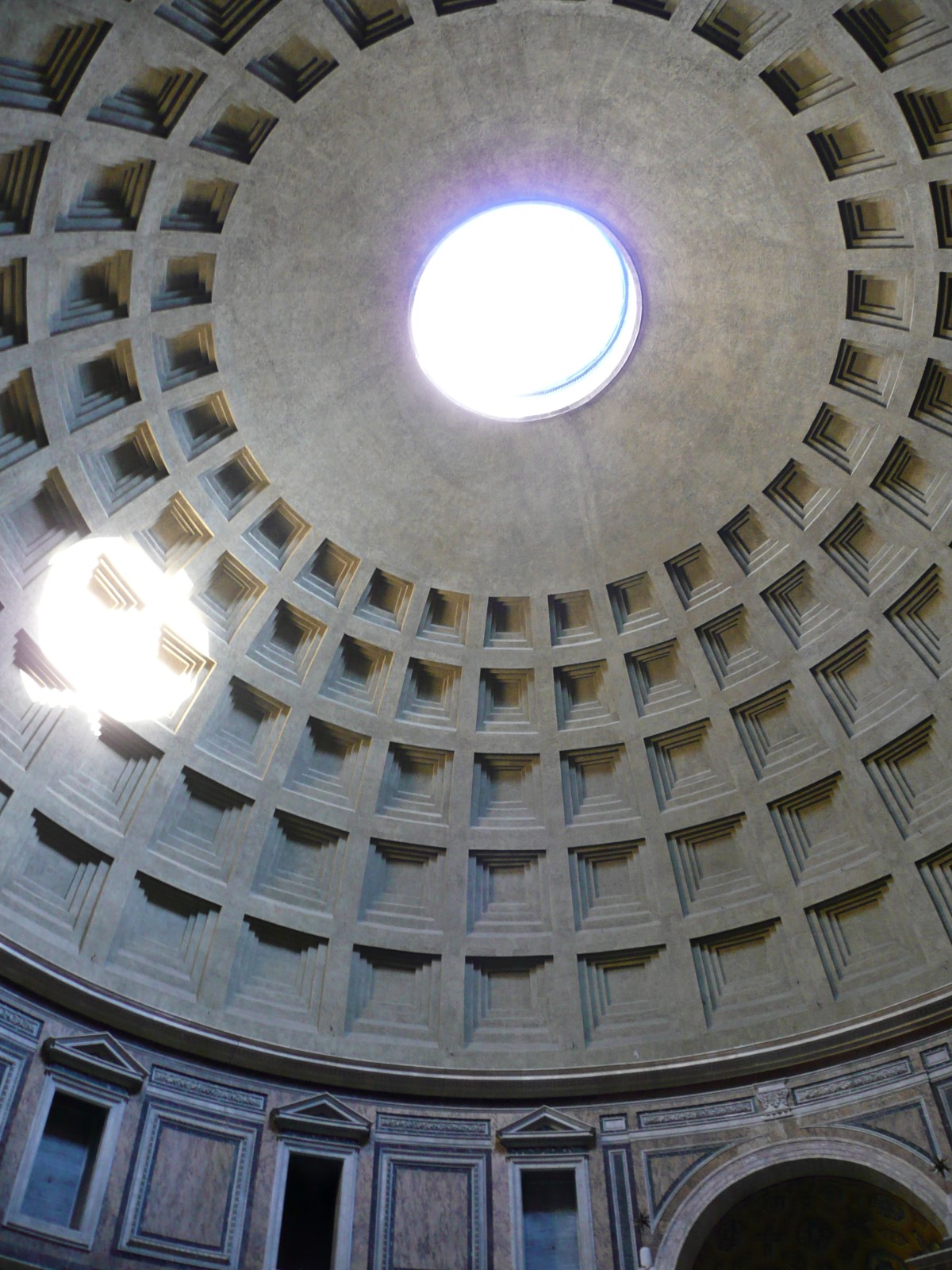
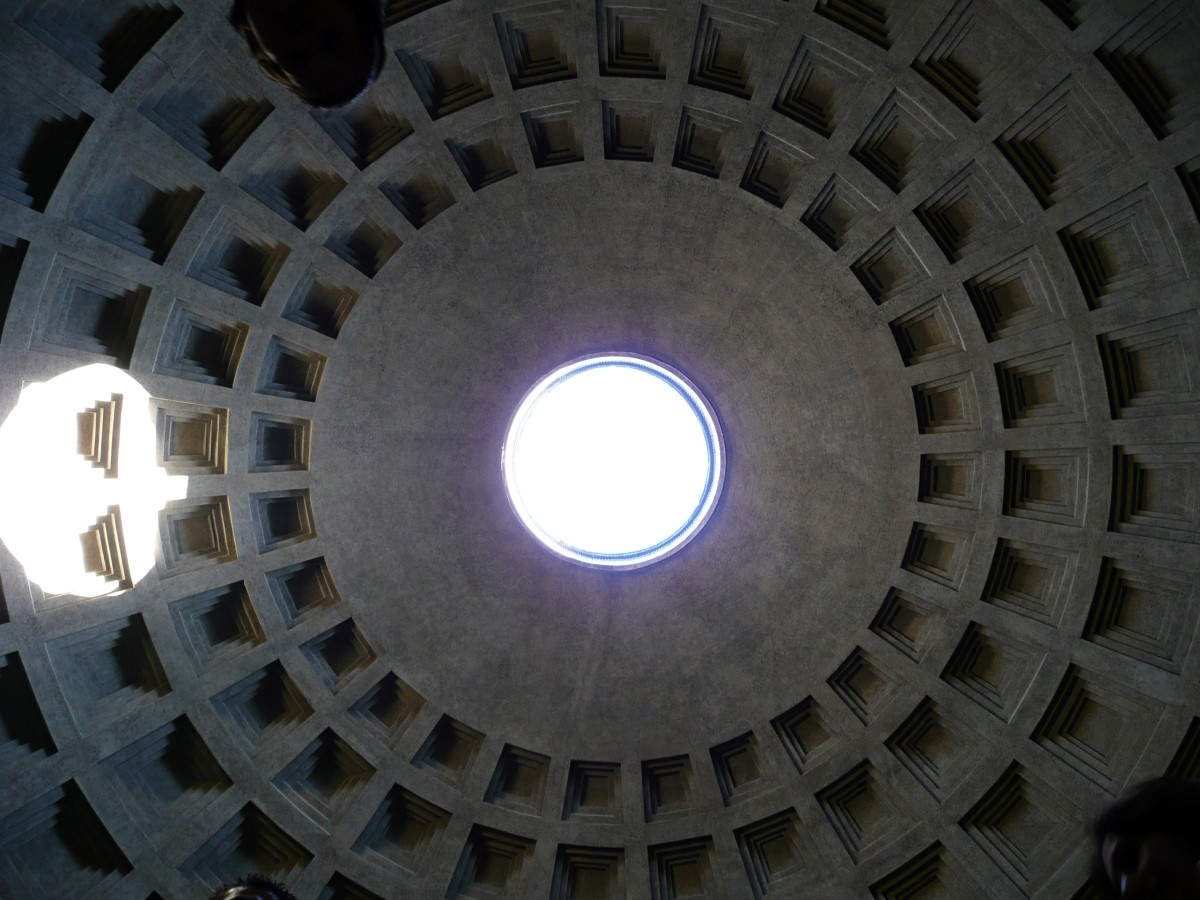
It is the best preserved of all Roman buildings, and perhaps the best preserved building of its age in the world. It has been in continuous use throughout its history. The design of the extant building is sometimes credited to the Trajan's architect Apollodorus of Damascus, but it is equally likely that the building and the design should be credited to the emperor Hadrian or his architects. Since the 7th century, the Pantheon has been used as a Catholic church. The Pantheon is currently the oldest standing domed structure in Rome. The height to the oculus and the diameter of the interior circle are the same, 43.3
meters (142 ft).
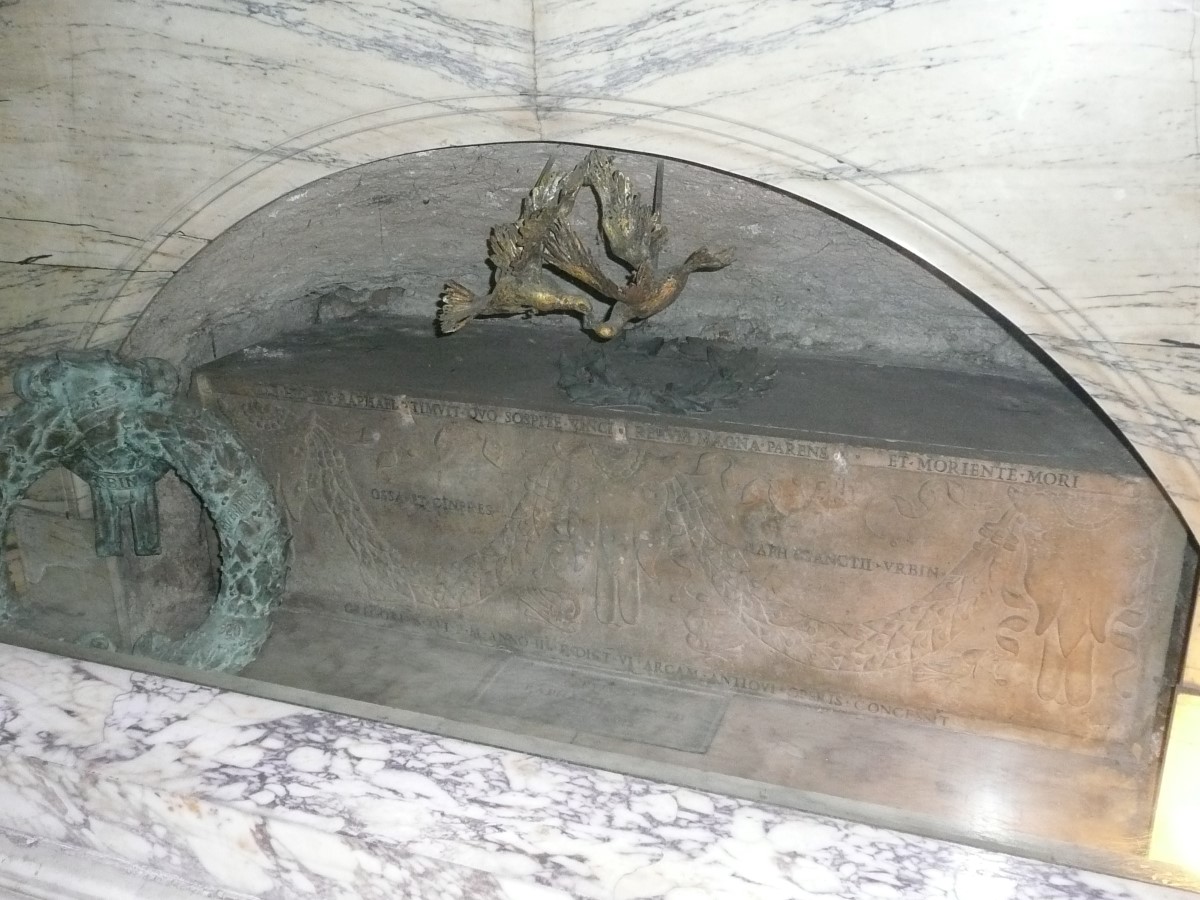
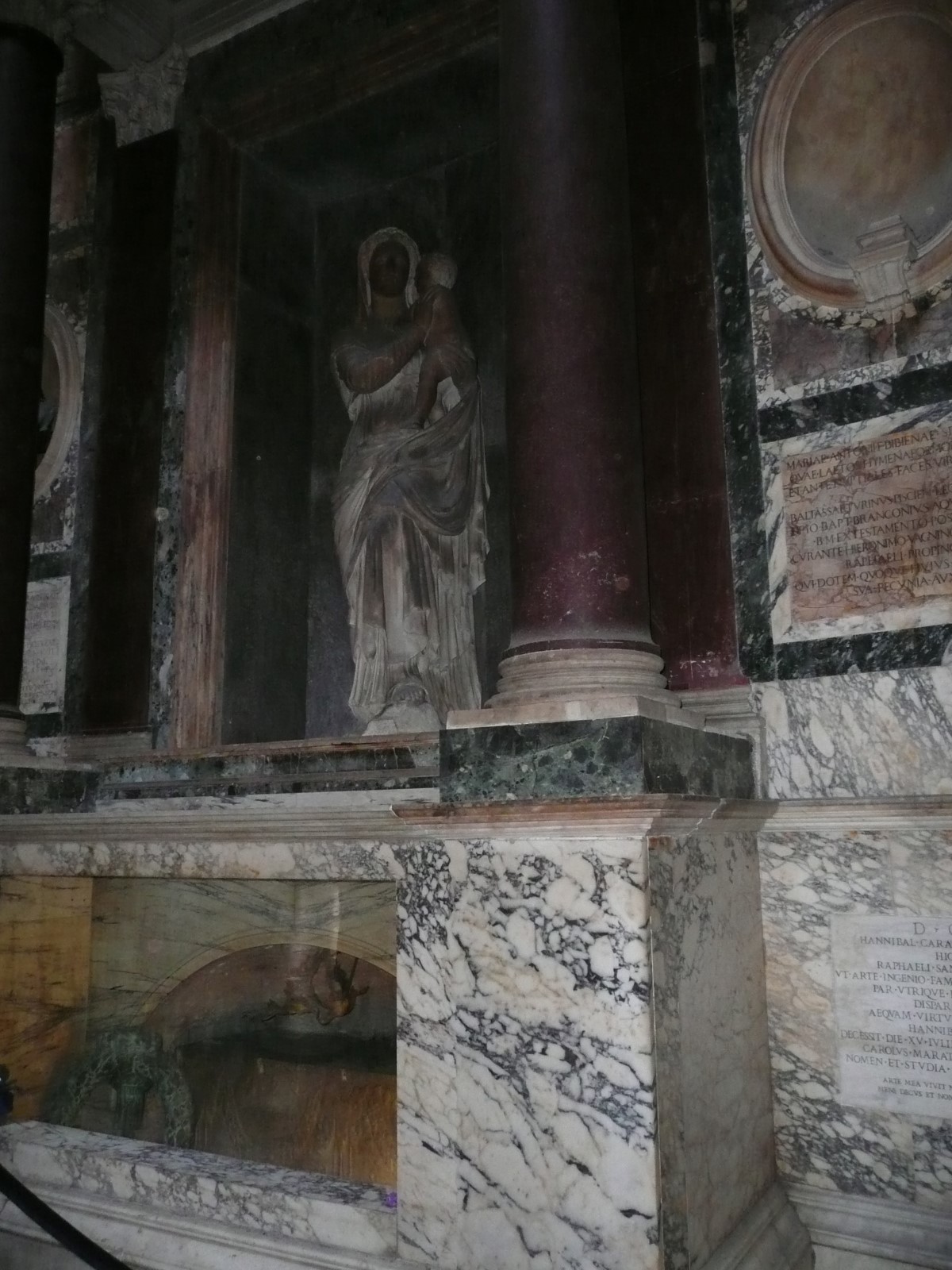
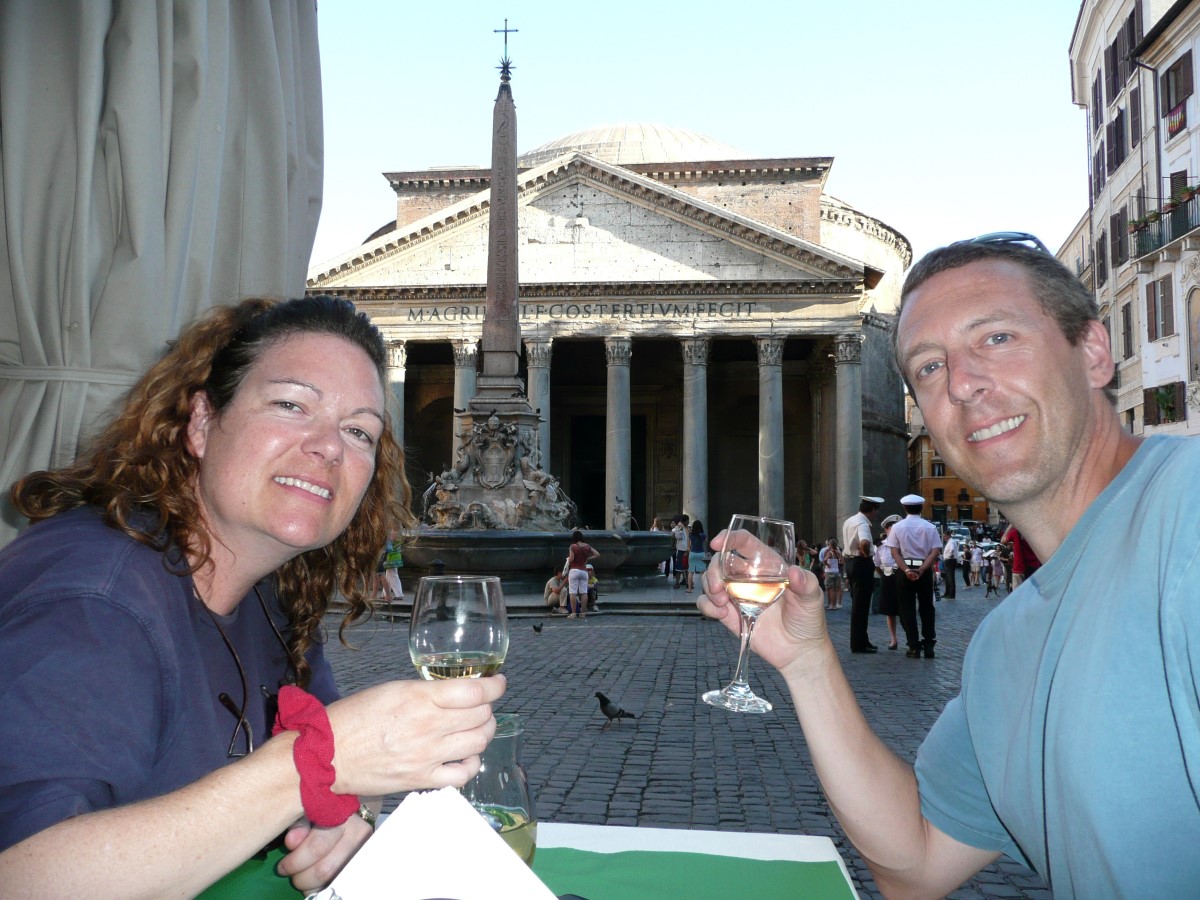
The Pantheon is one of our favorite sites to visit in Rome. It's amazing construction and beauty is something to see. The area around the Pantheon is one of the best places to find a cafe and sit outside to enjoy some pizza and wine. The Pantheon is also the resting place of the artist Raphael. |
||||||||||||
|
Exterior
Interior
The tomb of Raphael
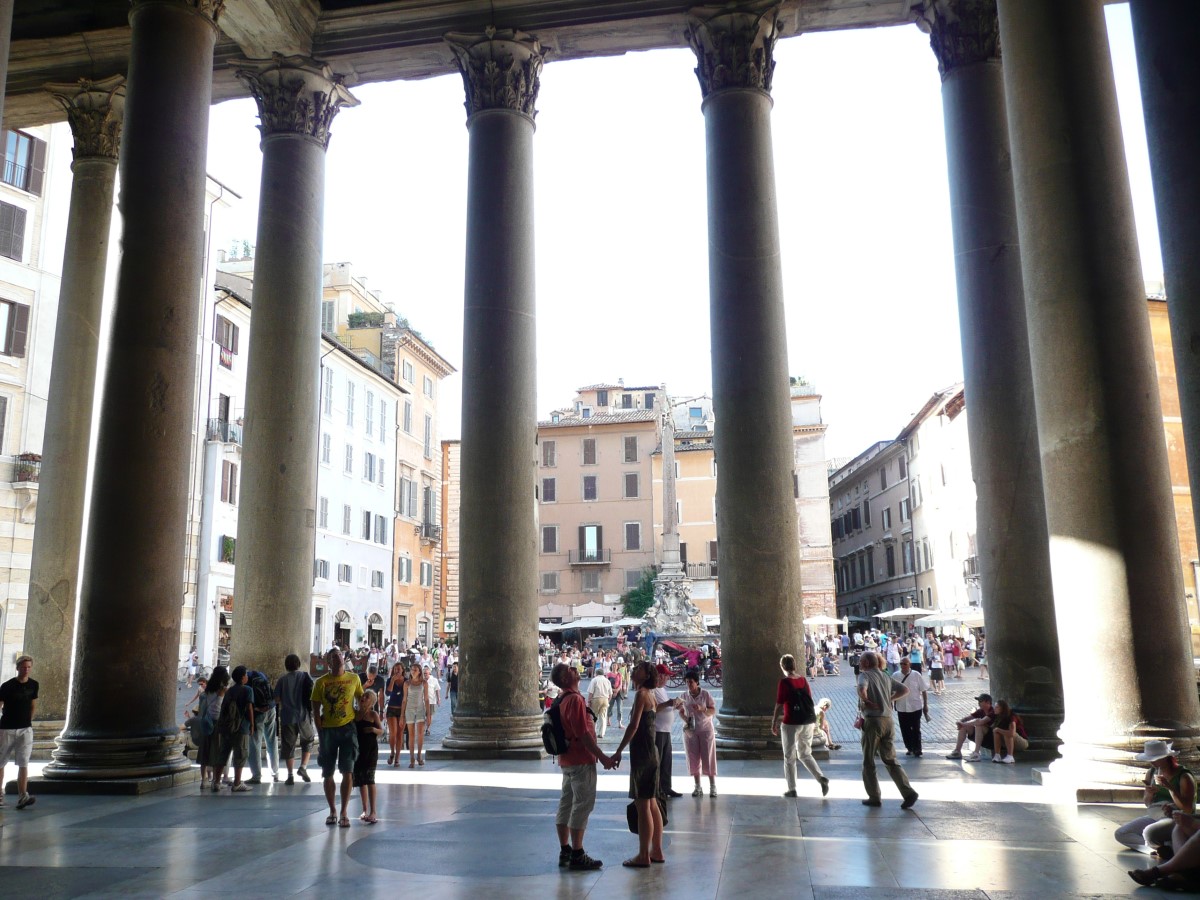
Looking Out
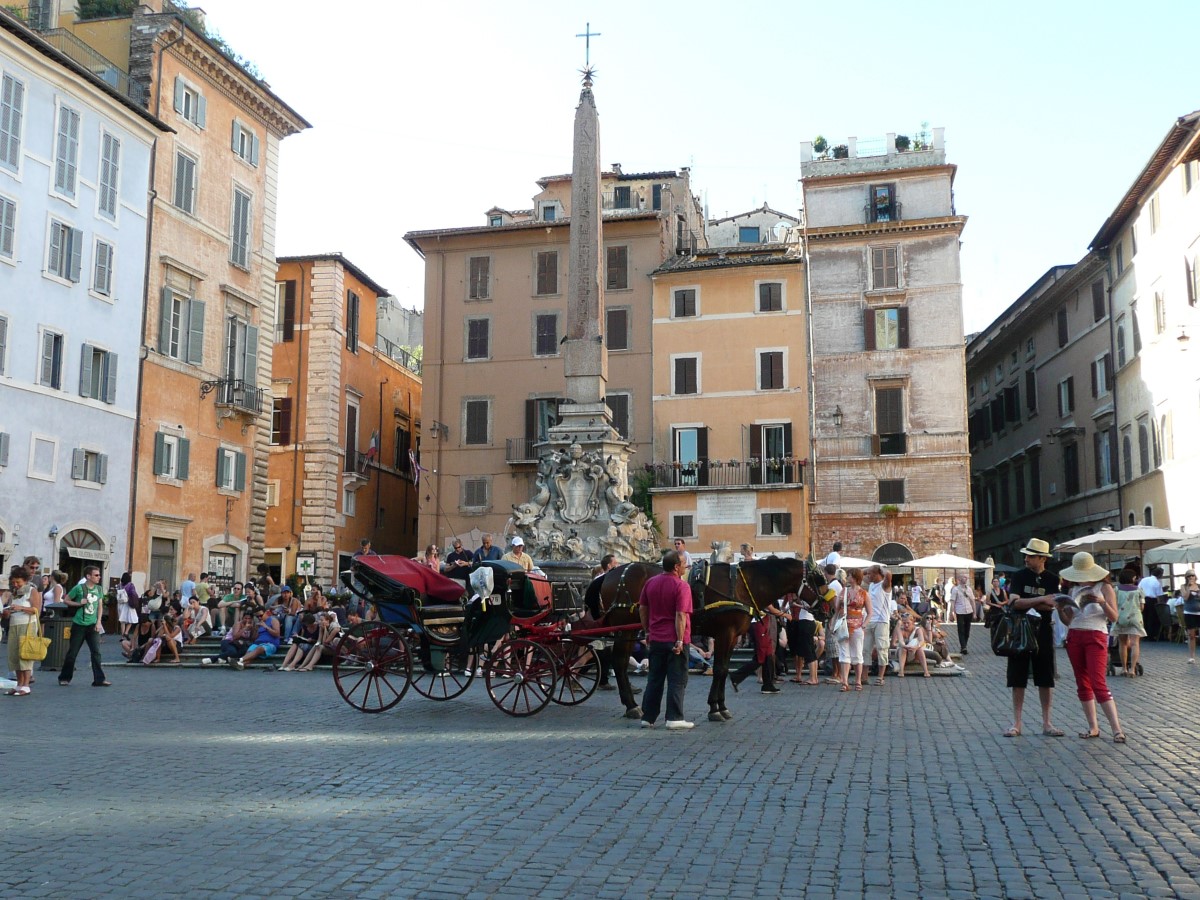
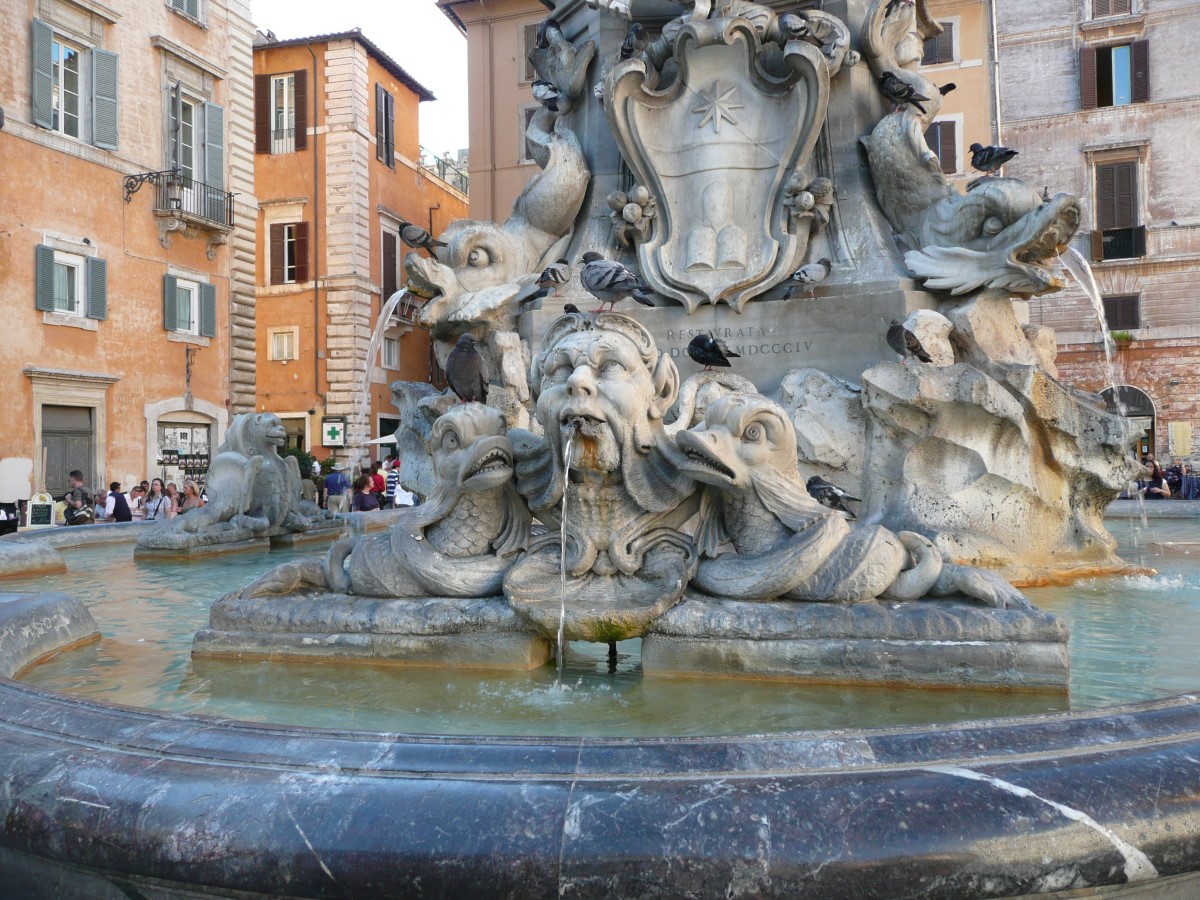
The plaza and fountain
Enjoying some wine at an outdoor cafe
|
||||||||||||
|
|
||||||||||||
|
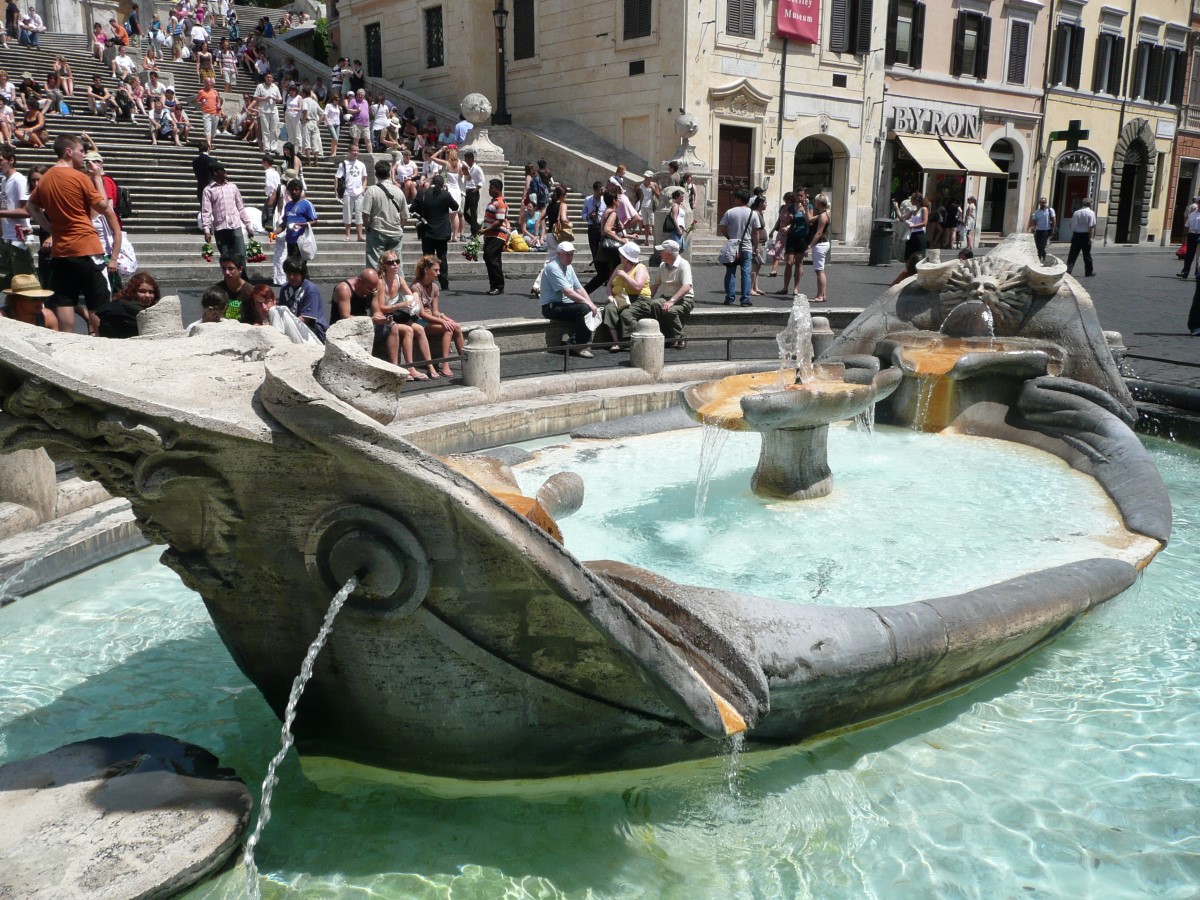
Spanish Steps: The Spanish Steps are a set of steps
climbing a steep slope between the Piazza di Spagna at the base and Piazza Trinità dei Monti, dominated by Trinità dei Monti, the church that was under the patronage of the Bourbon kings of France, above. The
steps are "without a doubt the longest and widest staircase in all Europe." The monumental stairway of 138 steps was built with French diplomat Étienne Gueffier’s bequeathed funds of 20,000 scudi, in 1723–1725, linking the Bourbon Spanish Embassy to the Holy See, today still located in Palazzo Monaldeschi in the piazza below, with the Trinità dei Monti above. This is one of the most popular places in all of Rome. In the evenings, the steps are packed with people just sitting and talking enjoying the evening. The area around the Steps contains many shops and restaurants. |
||||||||||||
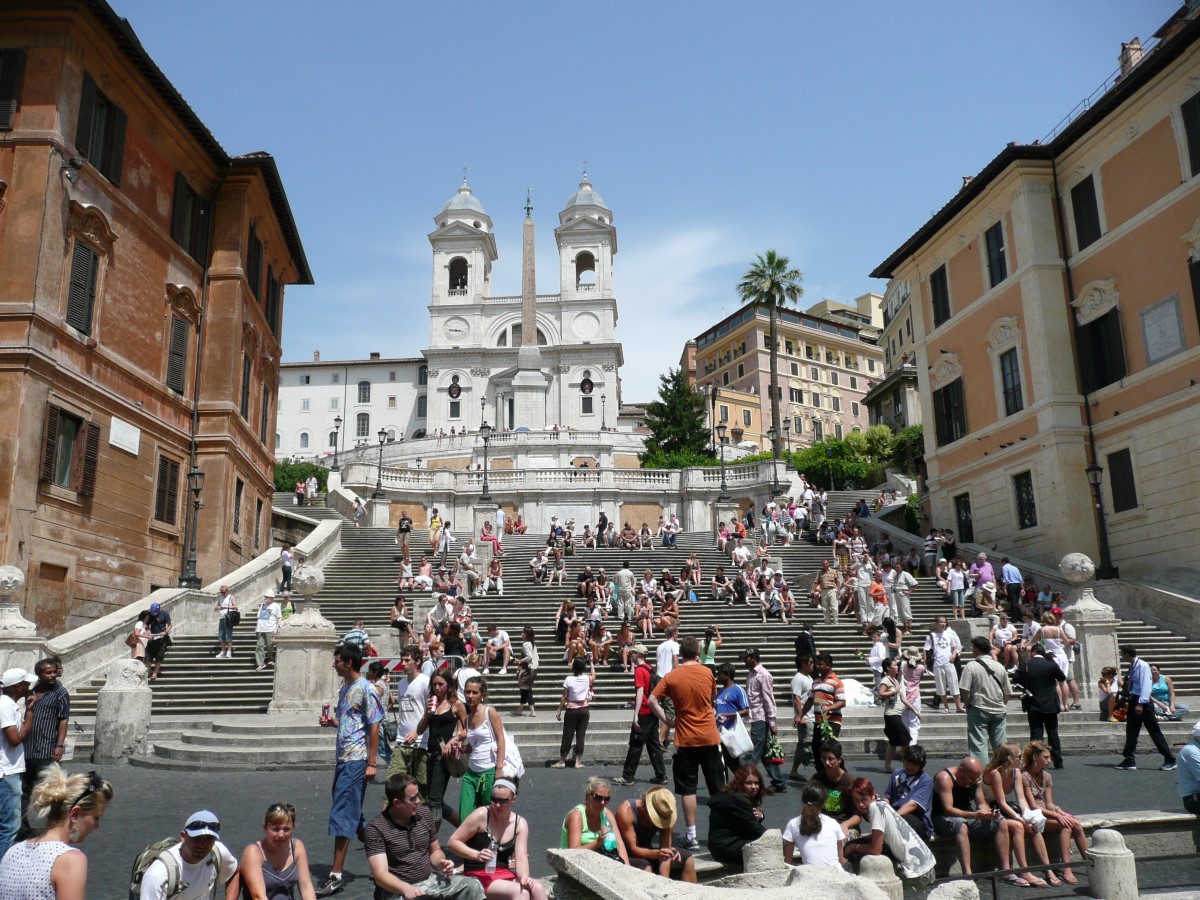
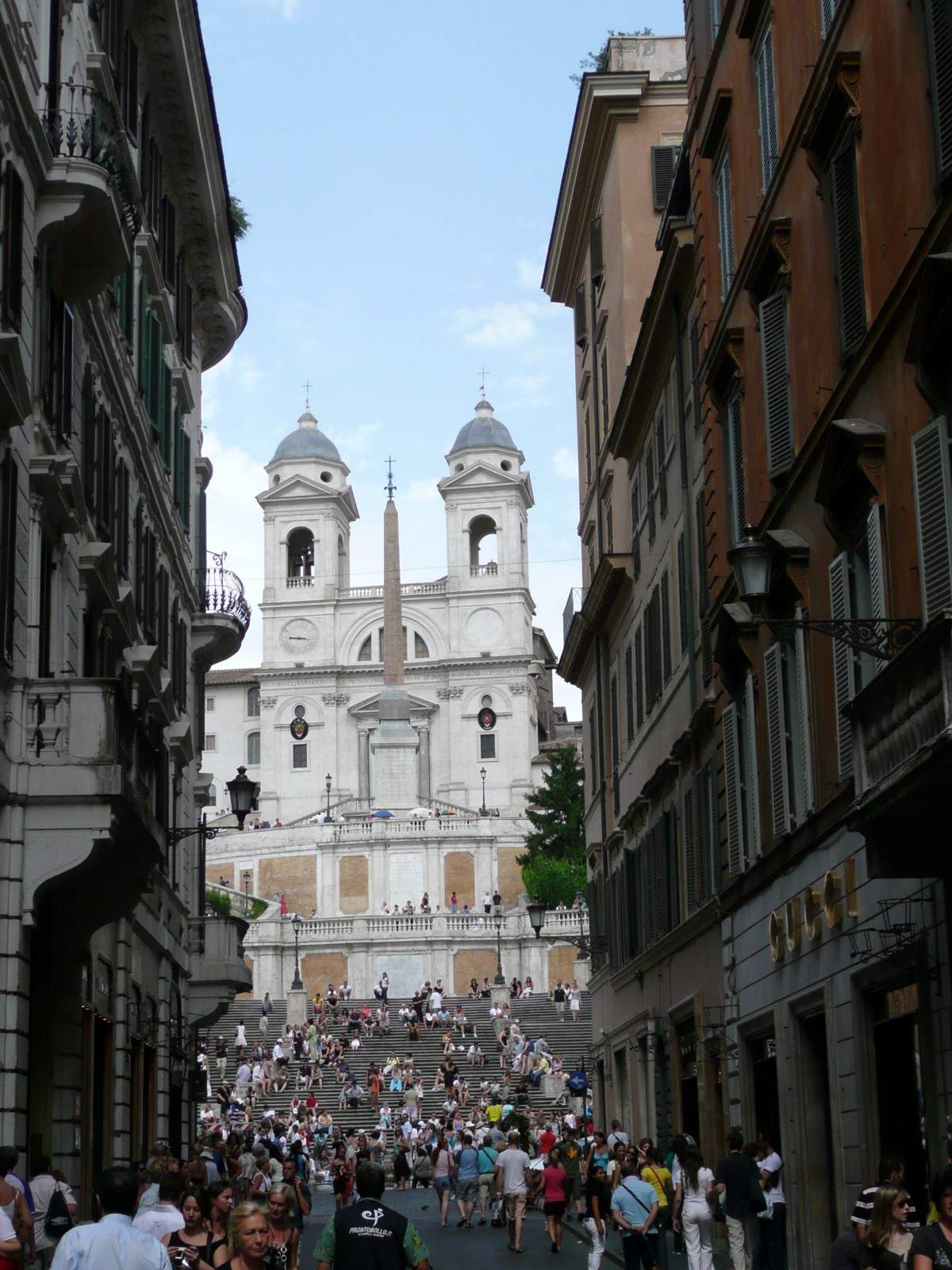
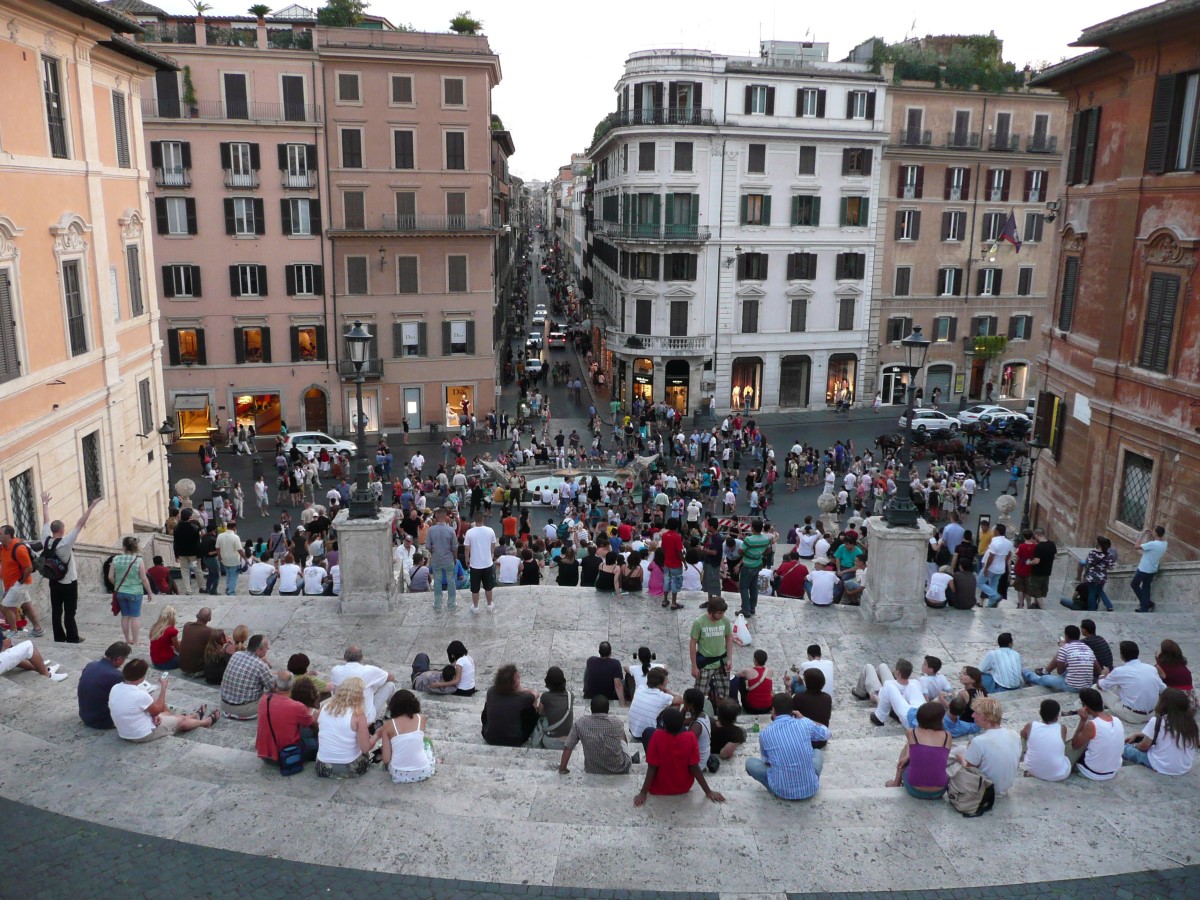
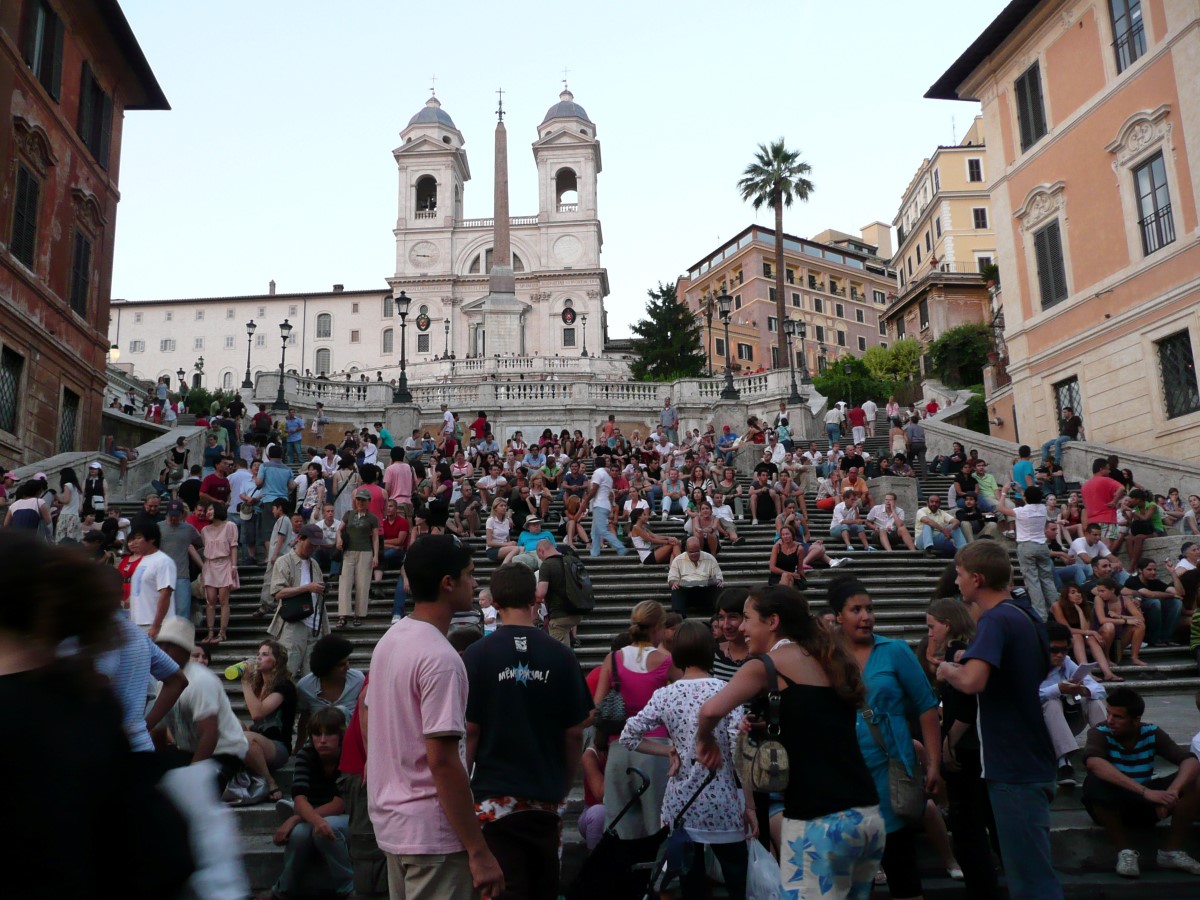
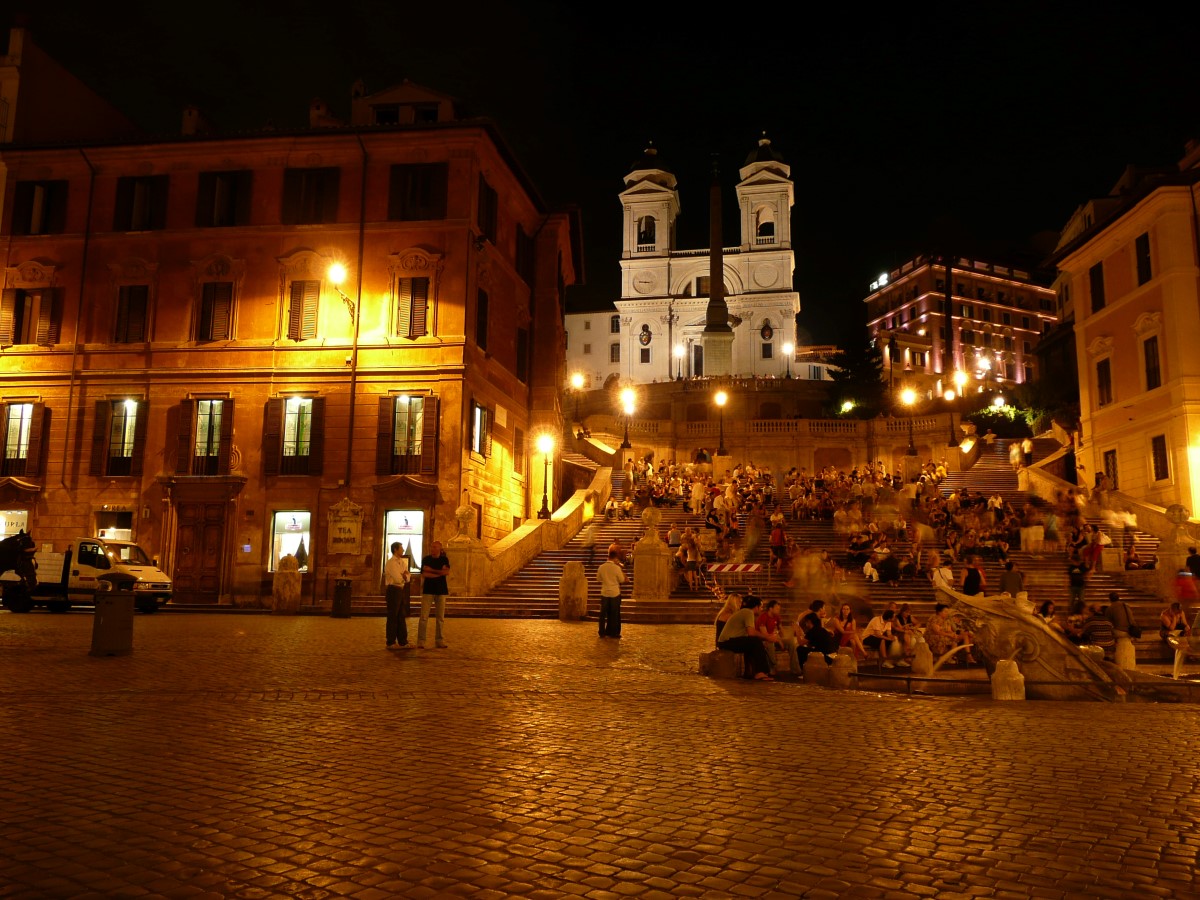
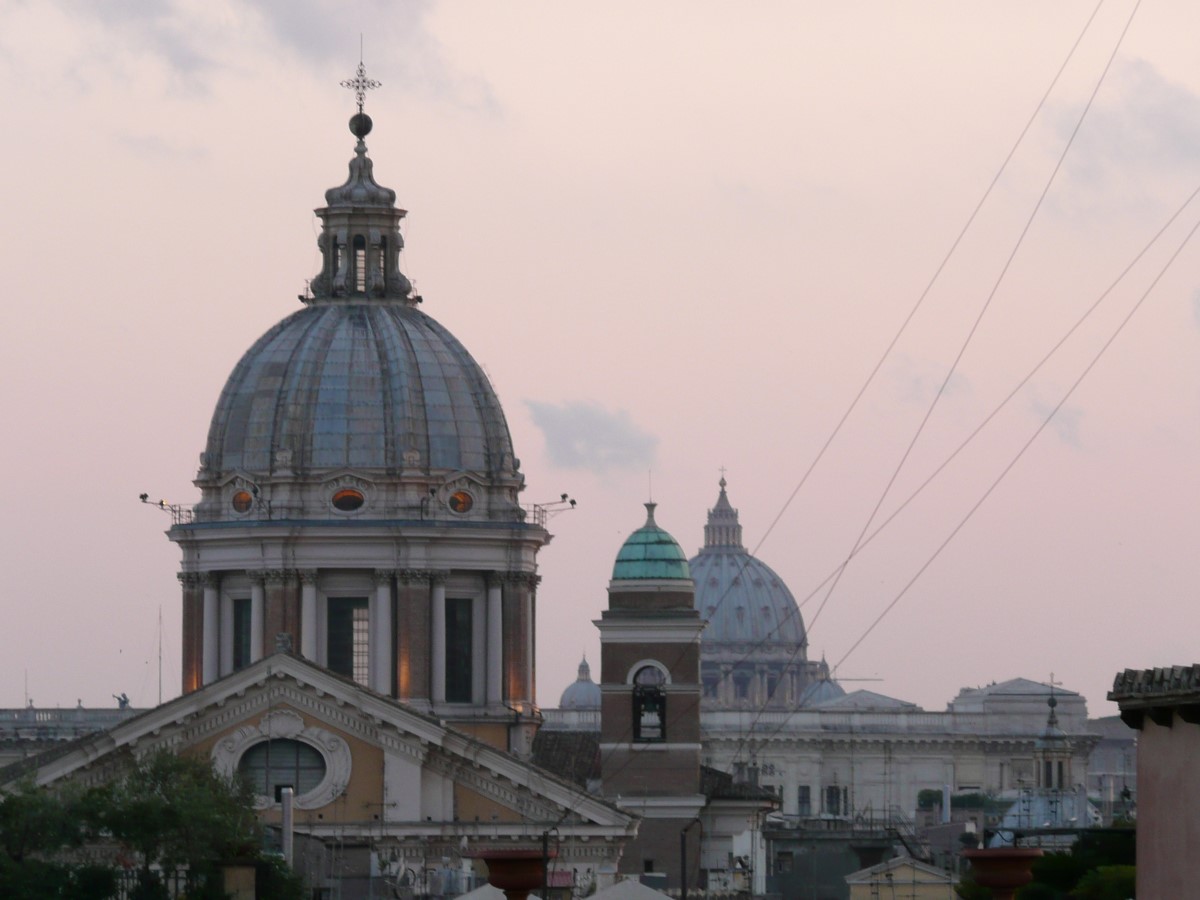
View from the top of the Steps - the Vatican is the large dome in the distance.
|
||||||||||||
|
|
||||||||||||
|
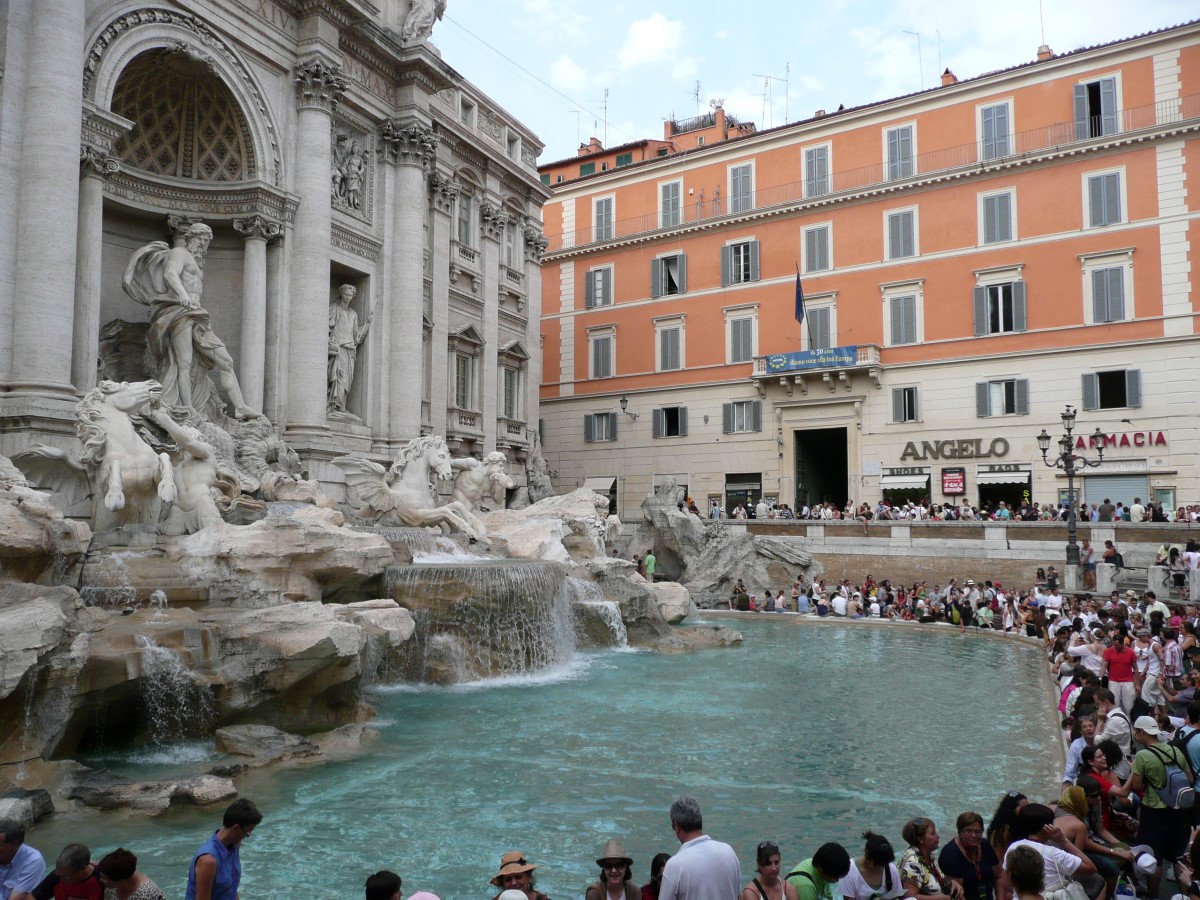
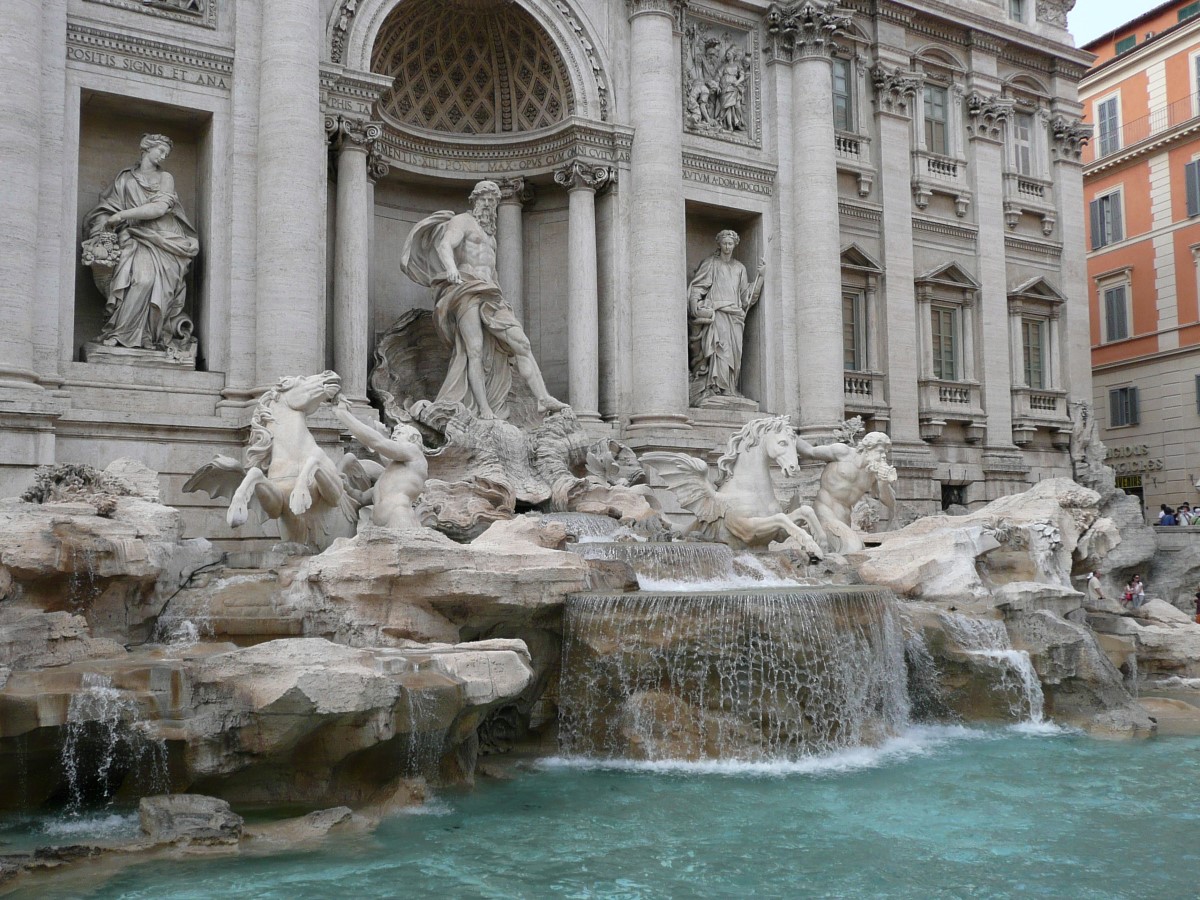
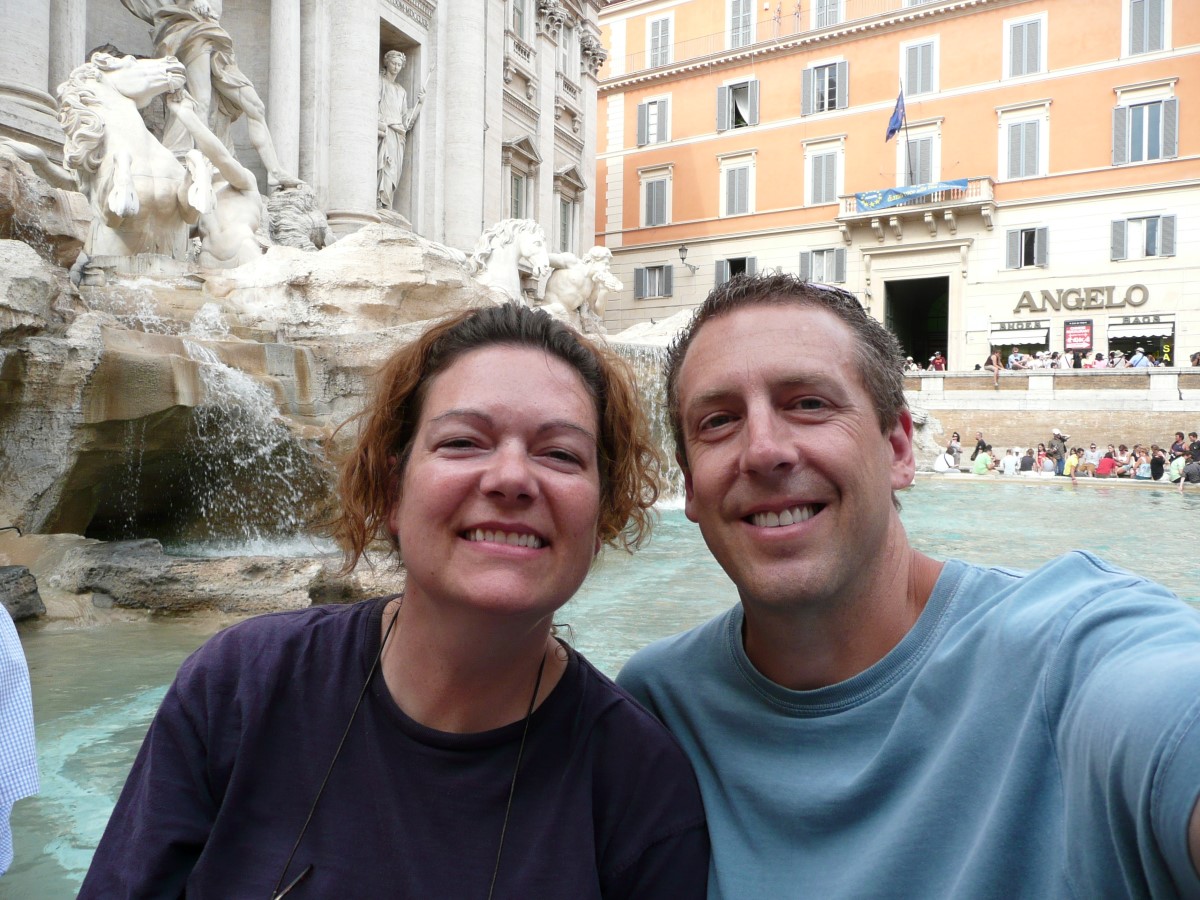
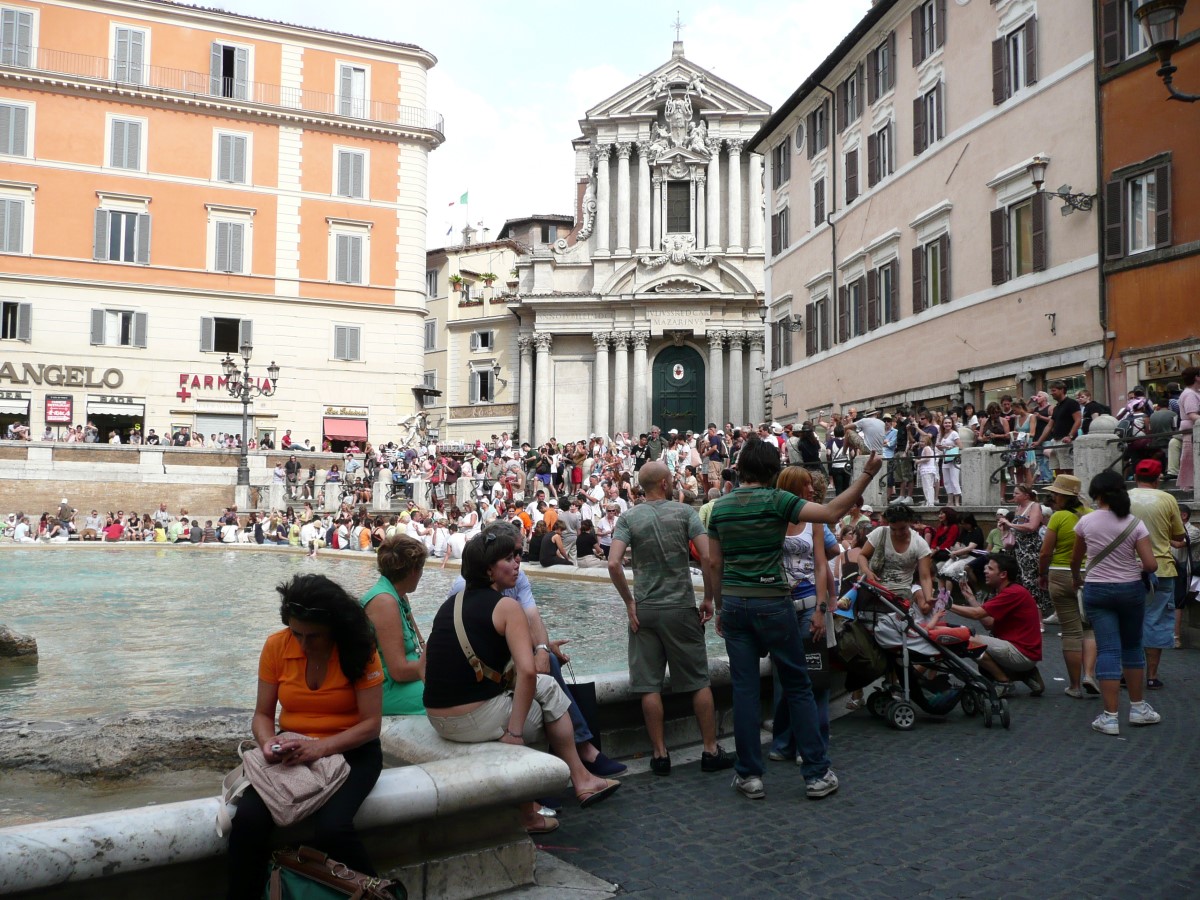
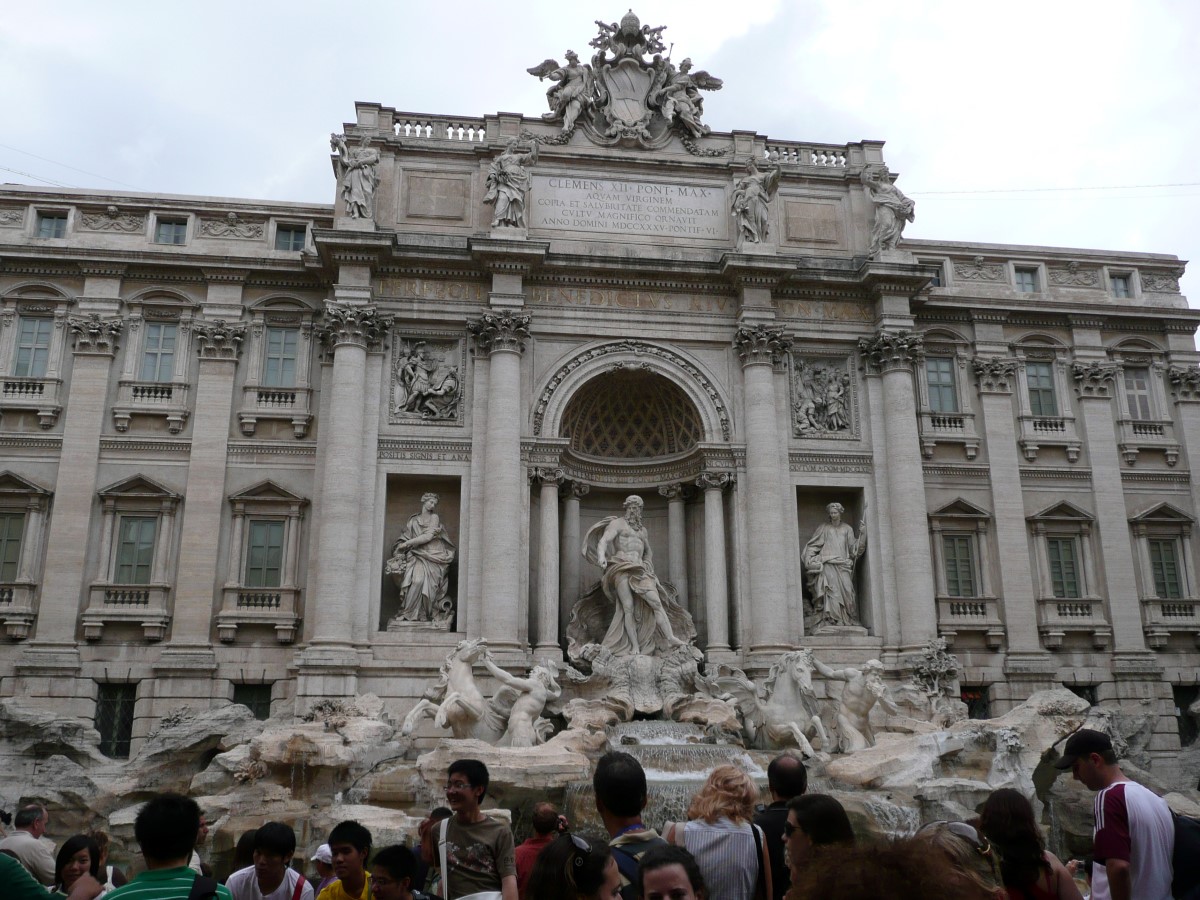
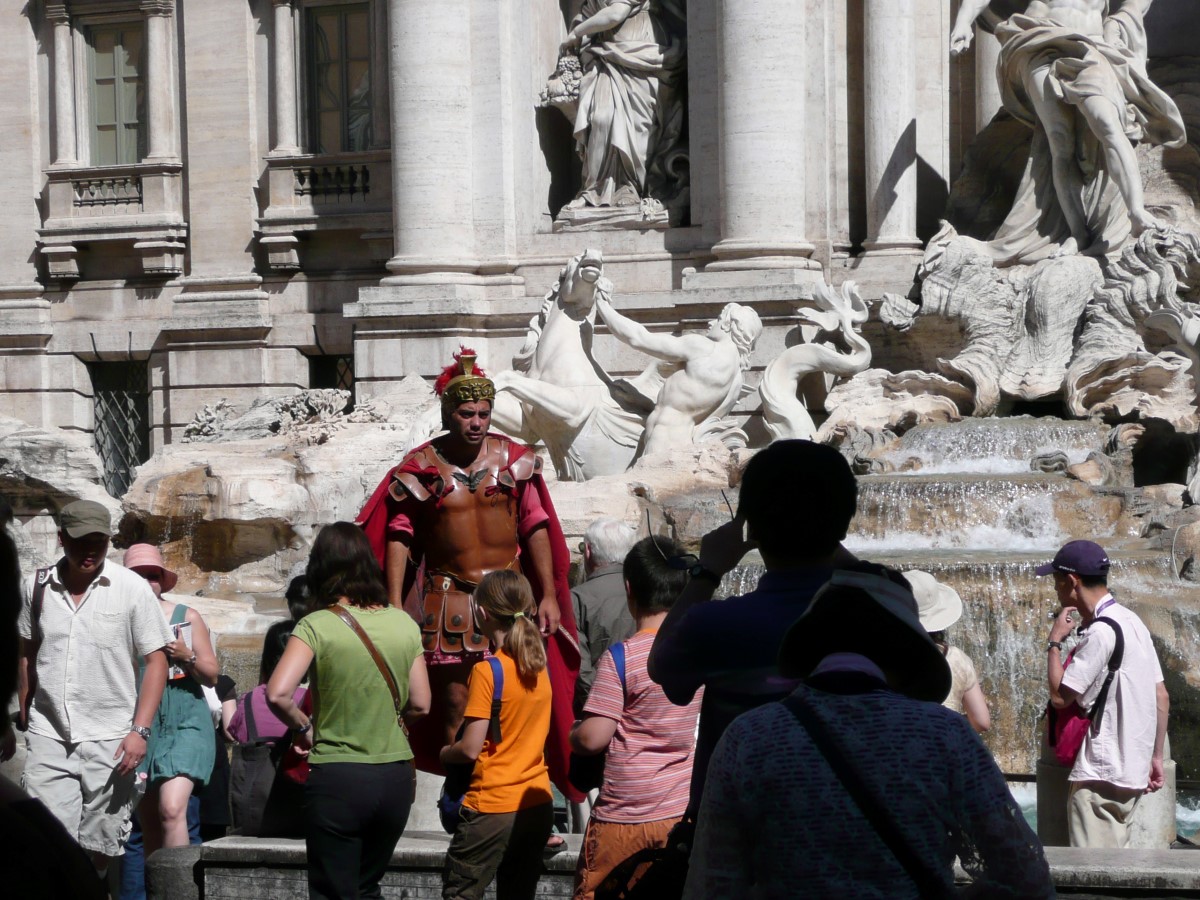
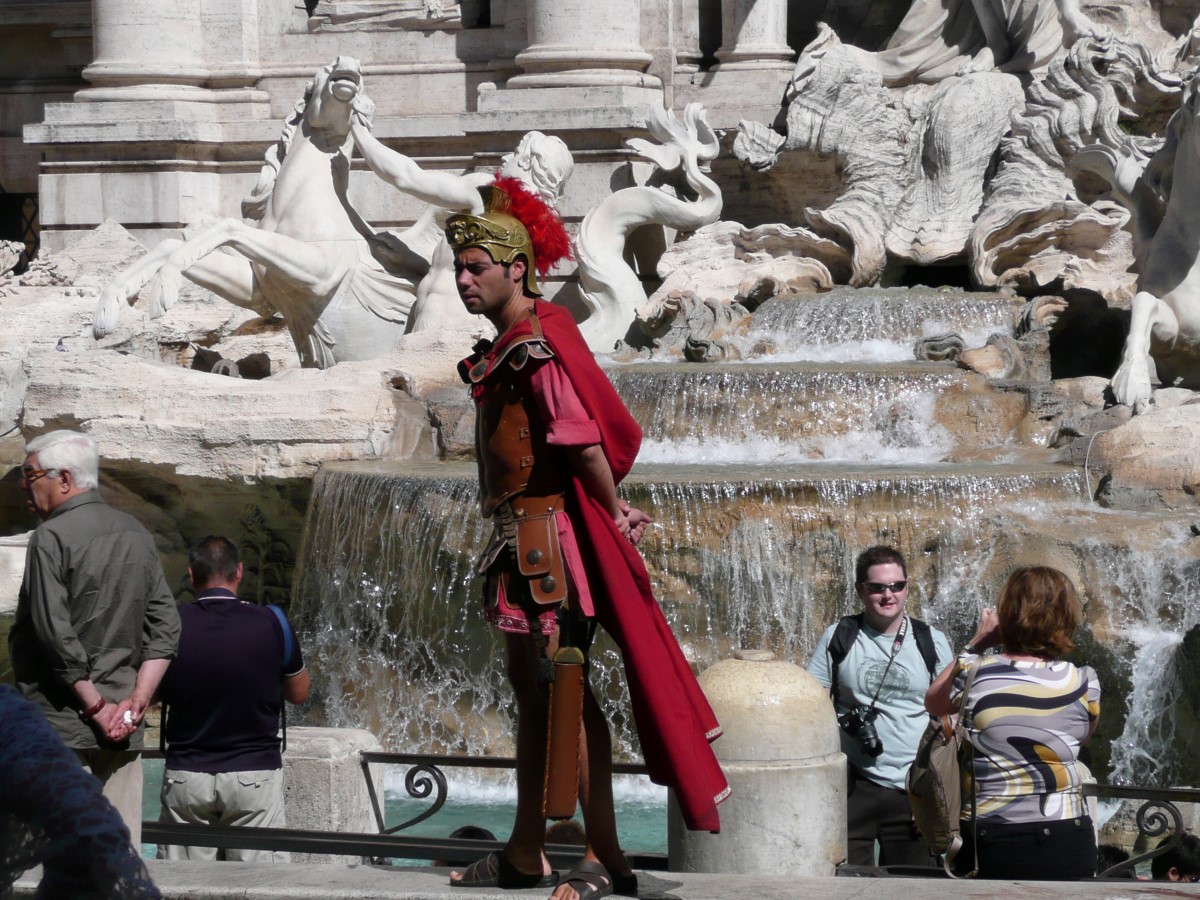
Trevi Fountain: The fountain at the juncture of three roads (tre
vie) marks the terminal point of the "modern" Acqua Vergine, the revivified Aqua Virgo, one of the ancient aqueducts that supplied water to ancient Rome. In 19 BC, supposedly with the help of a virgin, Roman technicians located a source of pure water some 13 km (8 miles) from the city. (This scene is presented on the present fountain's facade). However, the eventual indirect route of the aqueduct made its length some 22 km (14 miles). This Aqua Virgo led the water into the Baths of Agrippa. It served Rome for more than four hundred
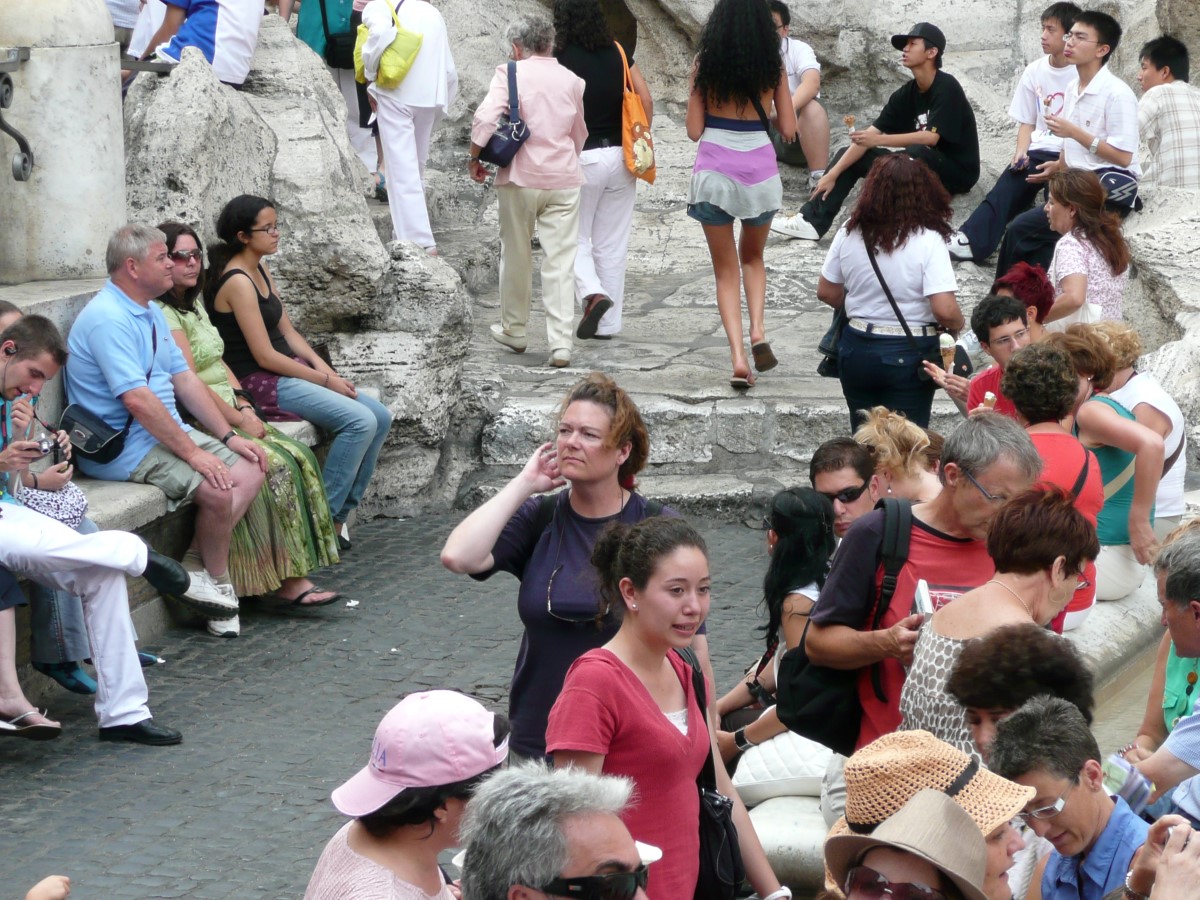
years. The "coup de grace" for the urban life of late classical Rome came when the Goth besiegers in 537/38 broke the aqueducts. Medieval Romans were reduced to drawing water from polluted wells and the Tiber River, which was also used as a sewer. The Roman custom of building a handsome fountain at the endpoint of an aqueduct that brought water to Rome was revived in the fifteenth century, with the Renaissance. In 1453, Pope Nicholas V finished mending the Acqua Vergine aqueduct and built a simple basin, designed by the humanist architect Leon Battista Alberti, to herald the water's arrival. Coin Throwing A traditional legend holds that if visitors throw a coin into the fountain, they are ensured a return to Rome. Among those who are unaware that the "three coins" of Three Coins in the Fountain were thrown by three different individuals, a reported current interpretation is that two coins will lead to a new romance and three will ensure either a marriage or divorce. A reported current version of this legend is that it is lucky to throw three coins with one's right hand over one's left shoulder into the Trevi Fountain. Approximately 3,000 Euros are thrown into the fountain each day and are collected at night. The money has been used to subsidize a supermarket for Rome's needy. However, there are regular attempts to steal coins from the fountain, including some using a magnetized pole. |
||||||||||||
|
||||||||||||
|
|
||||||||||||
|
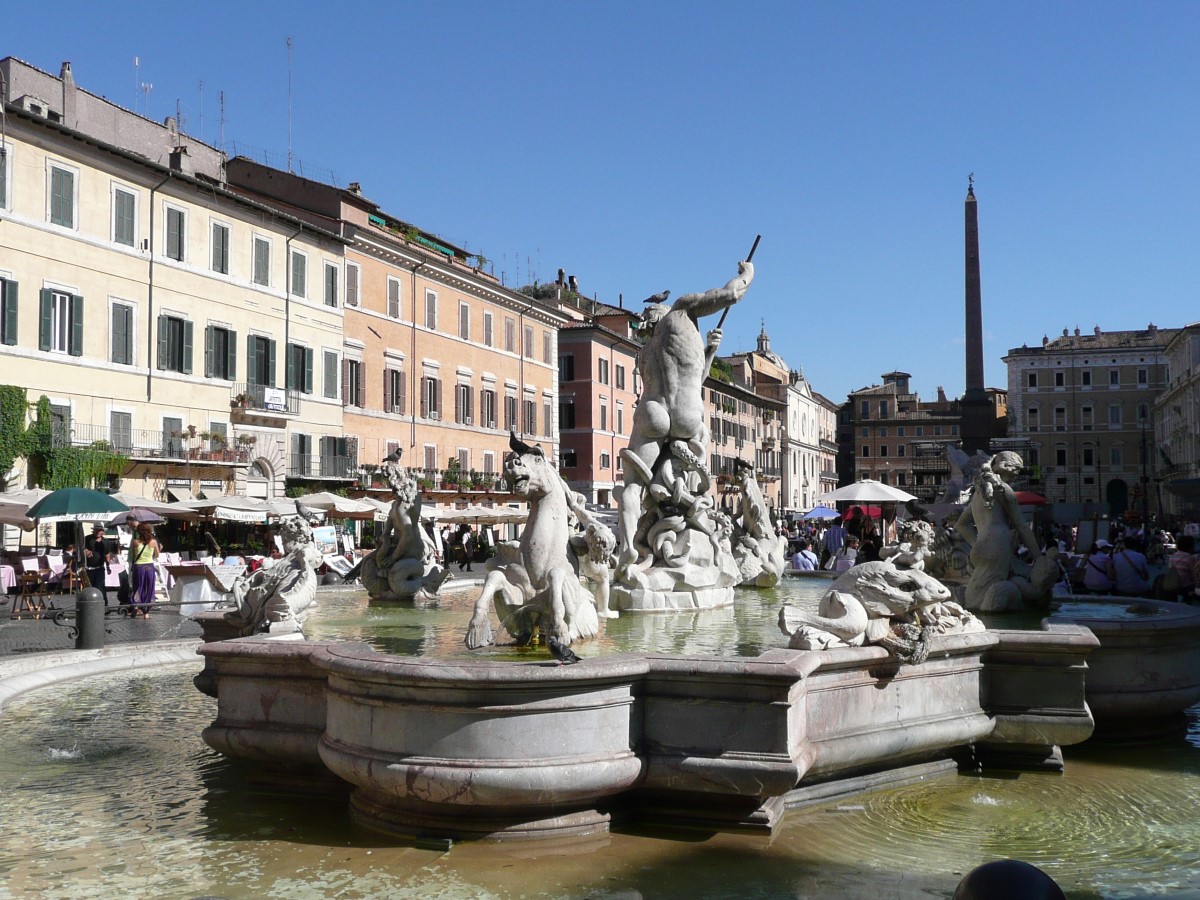
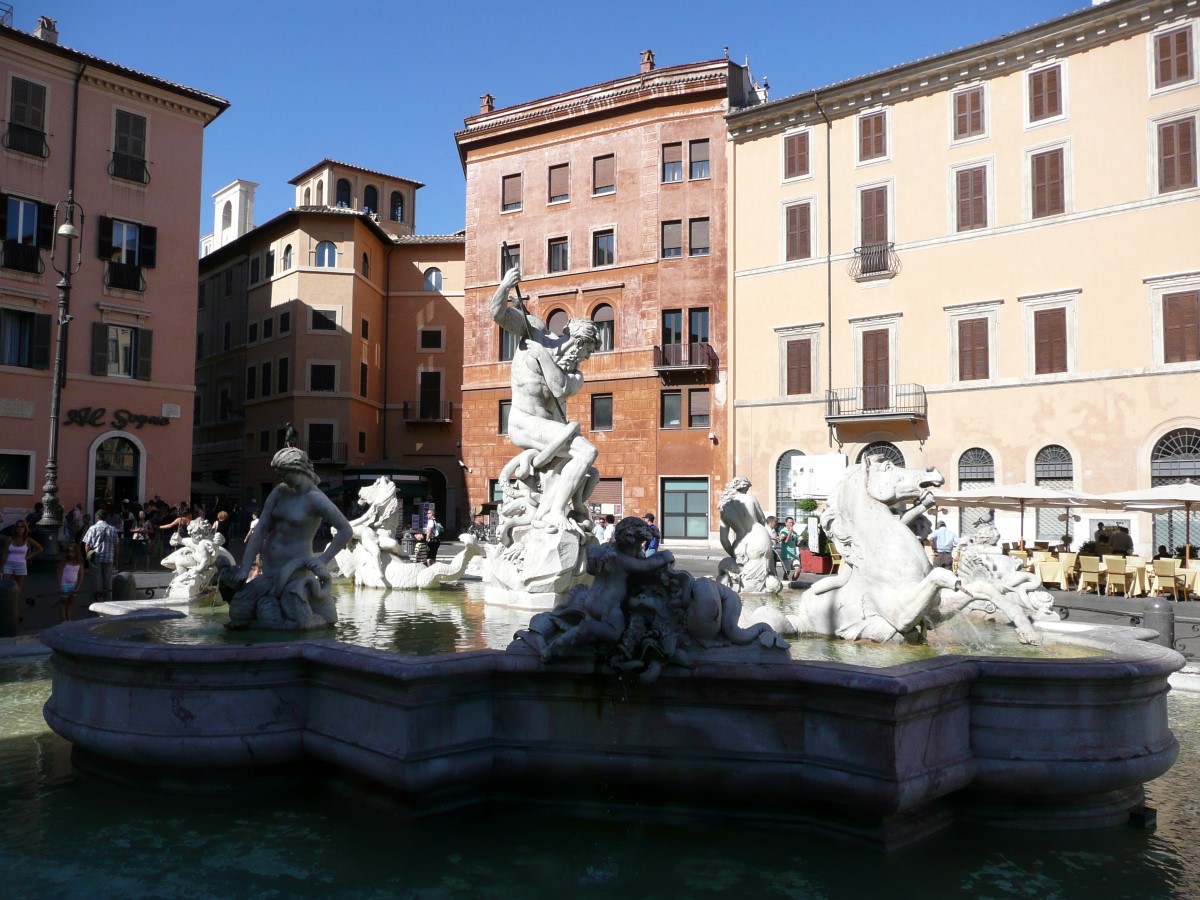
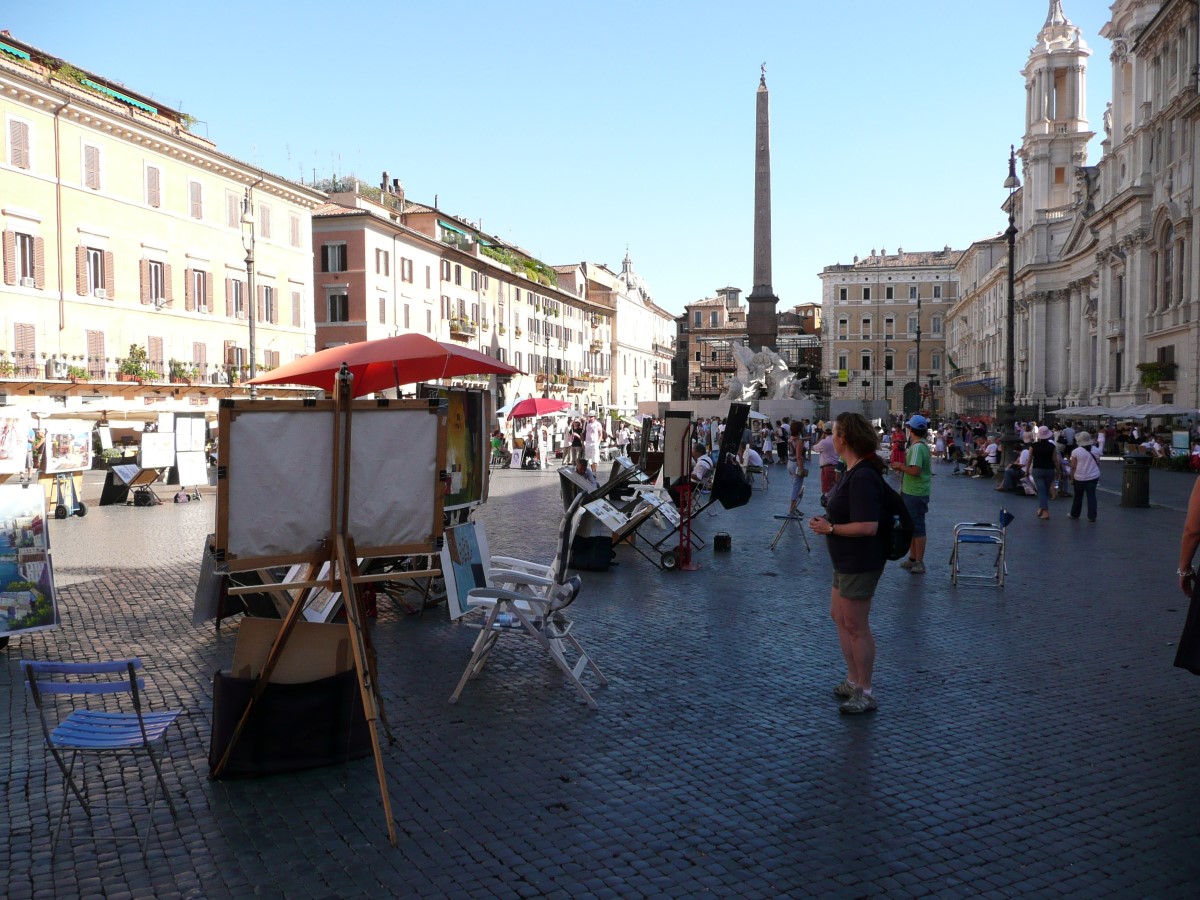
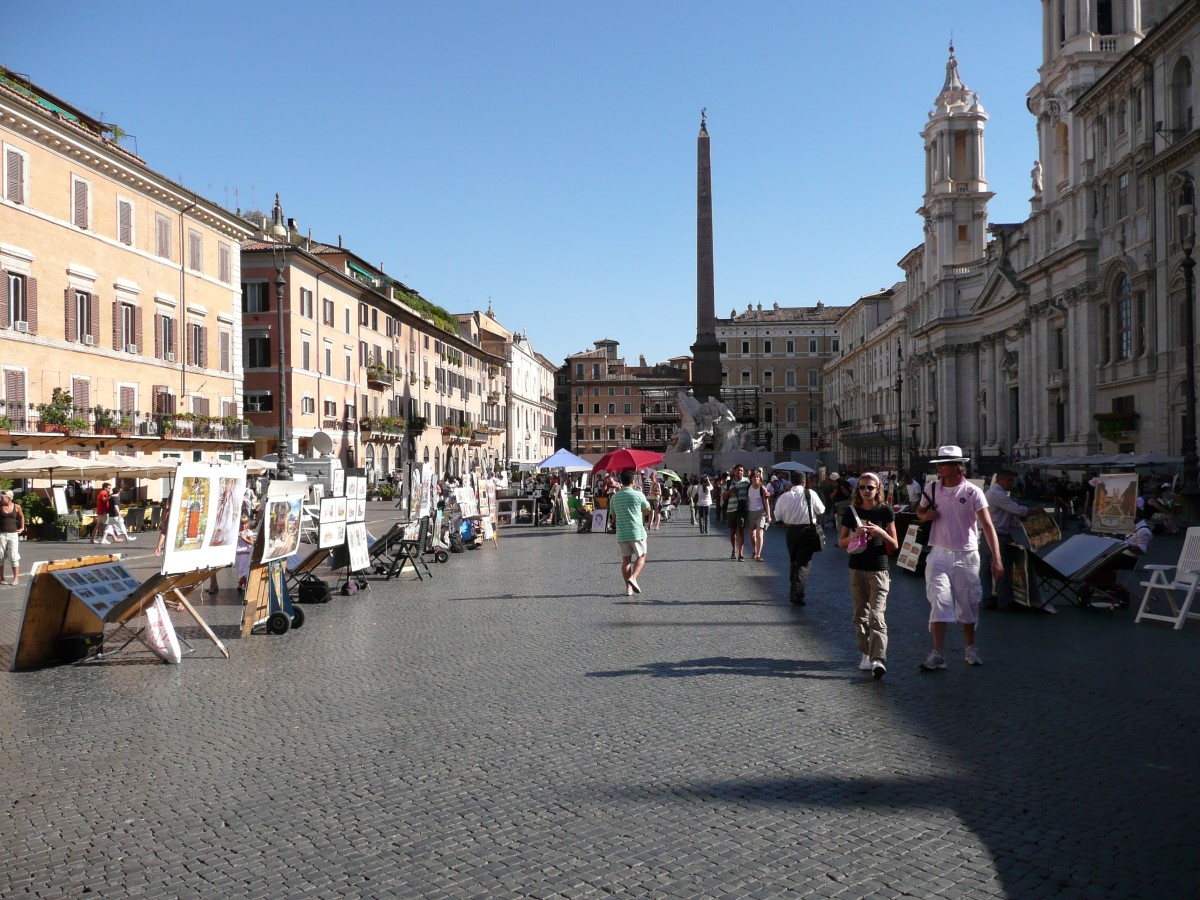
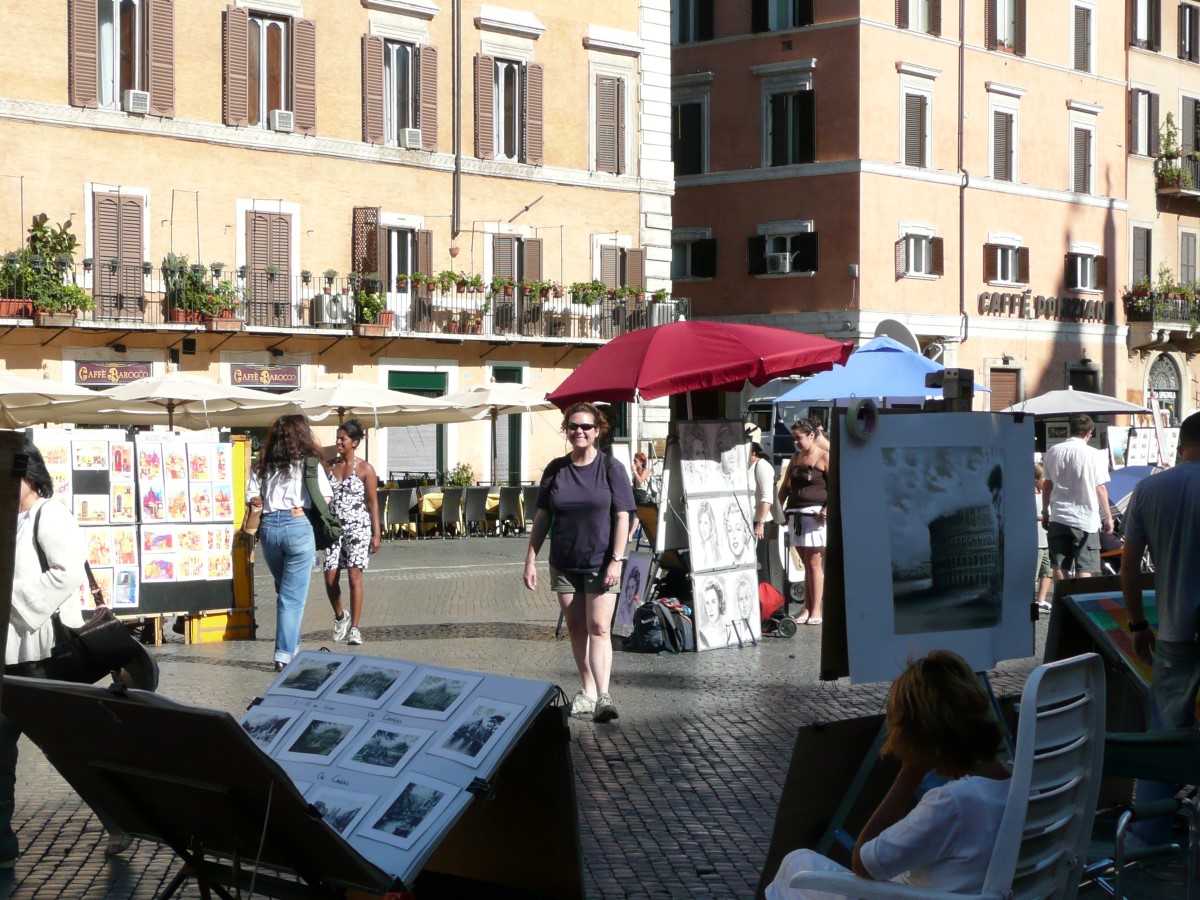
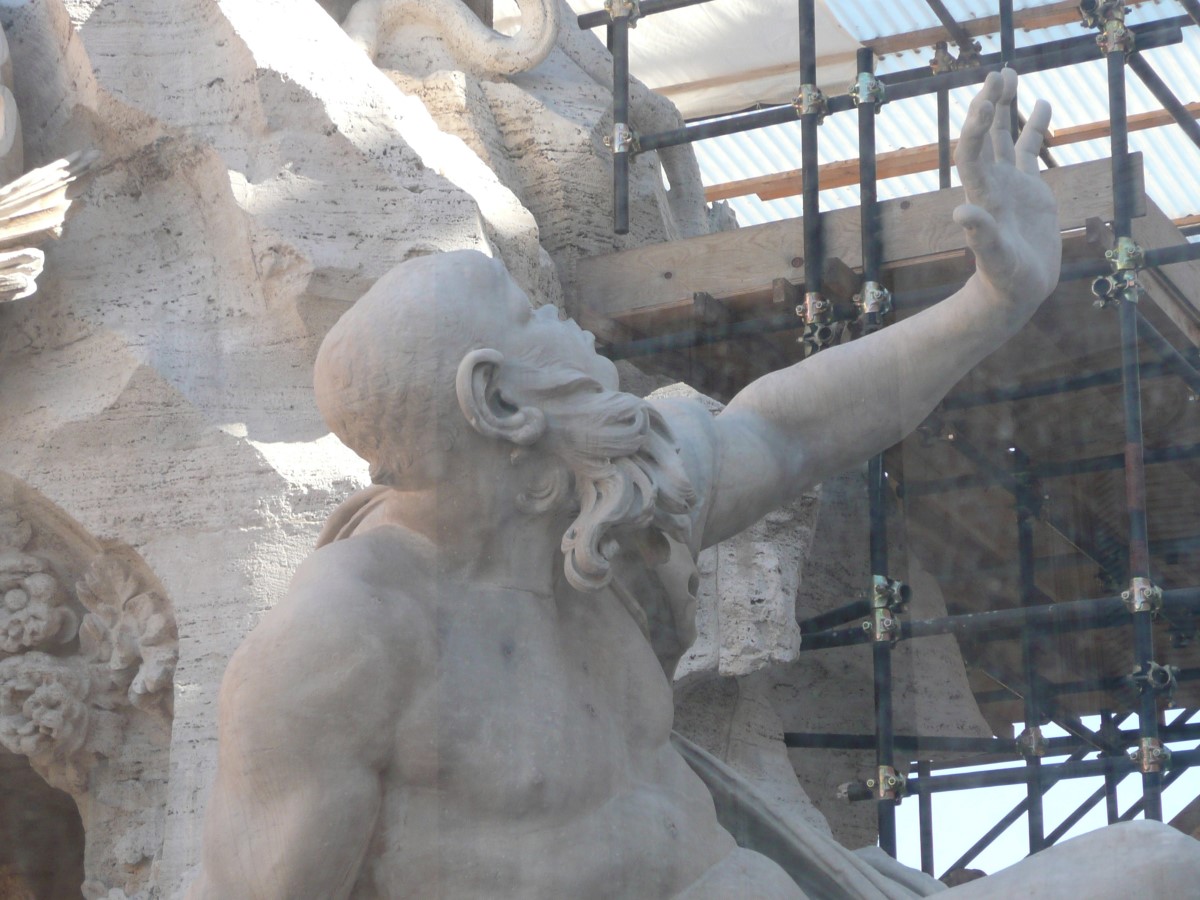
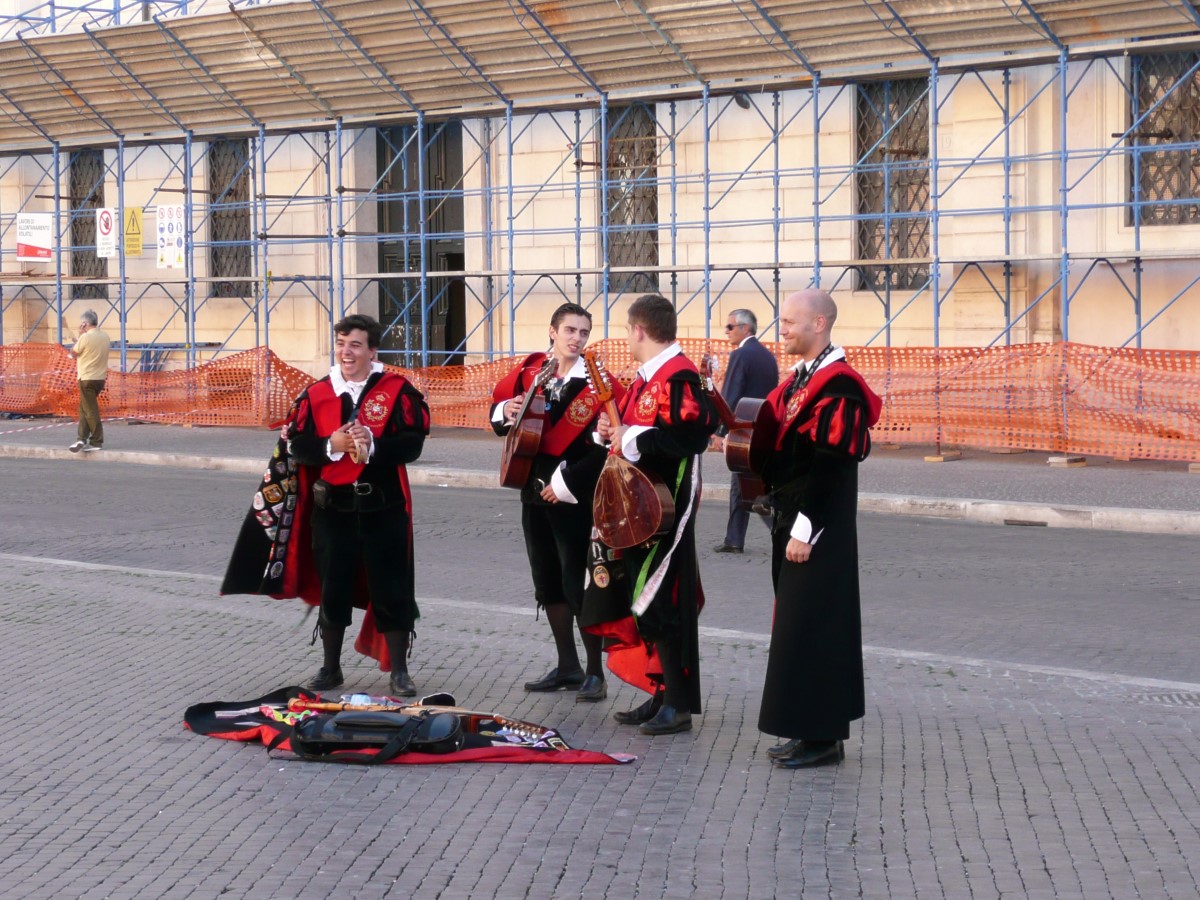
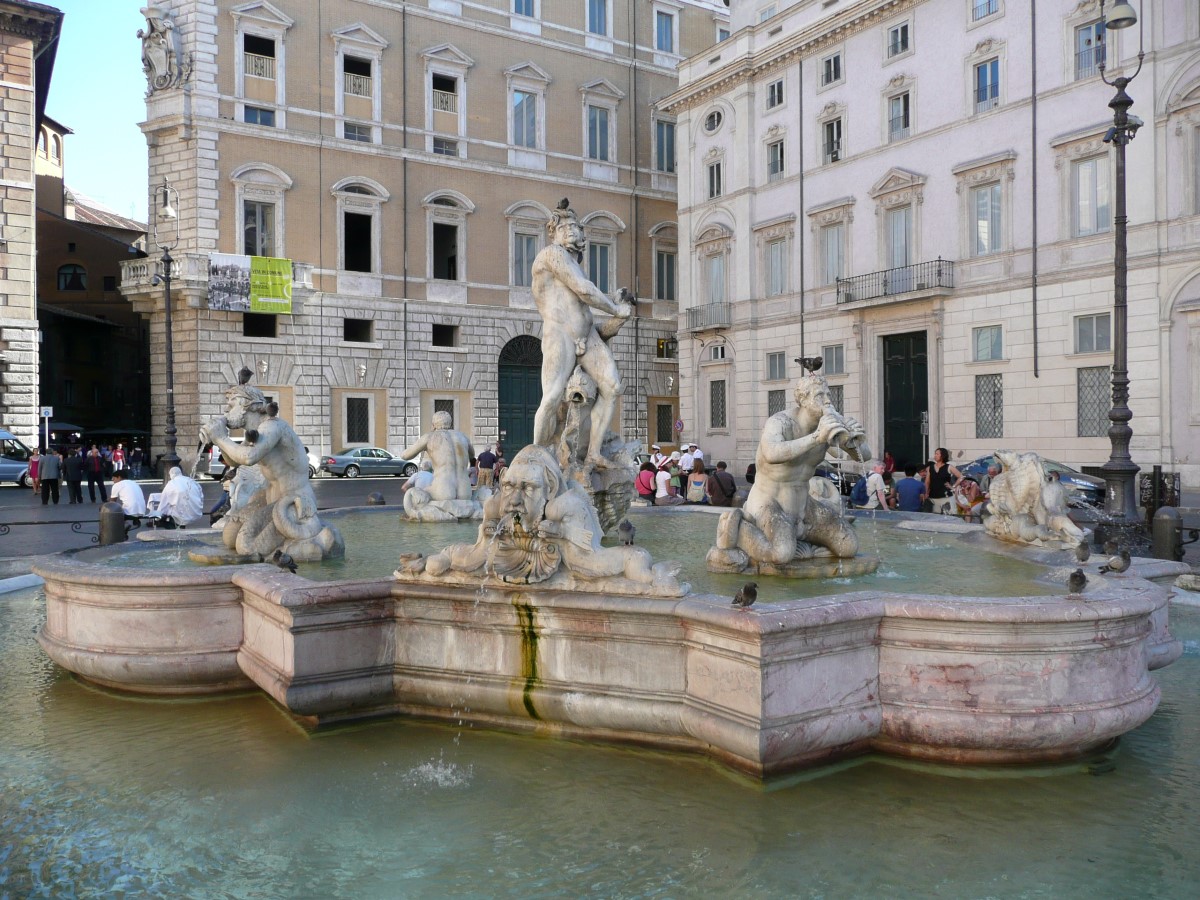
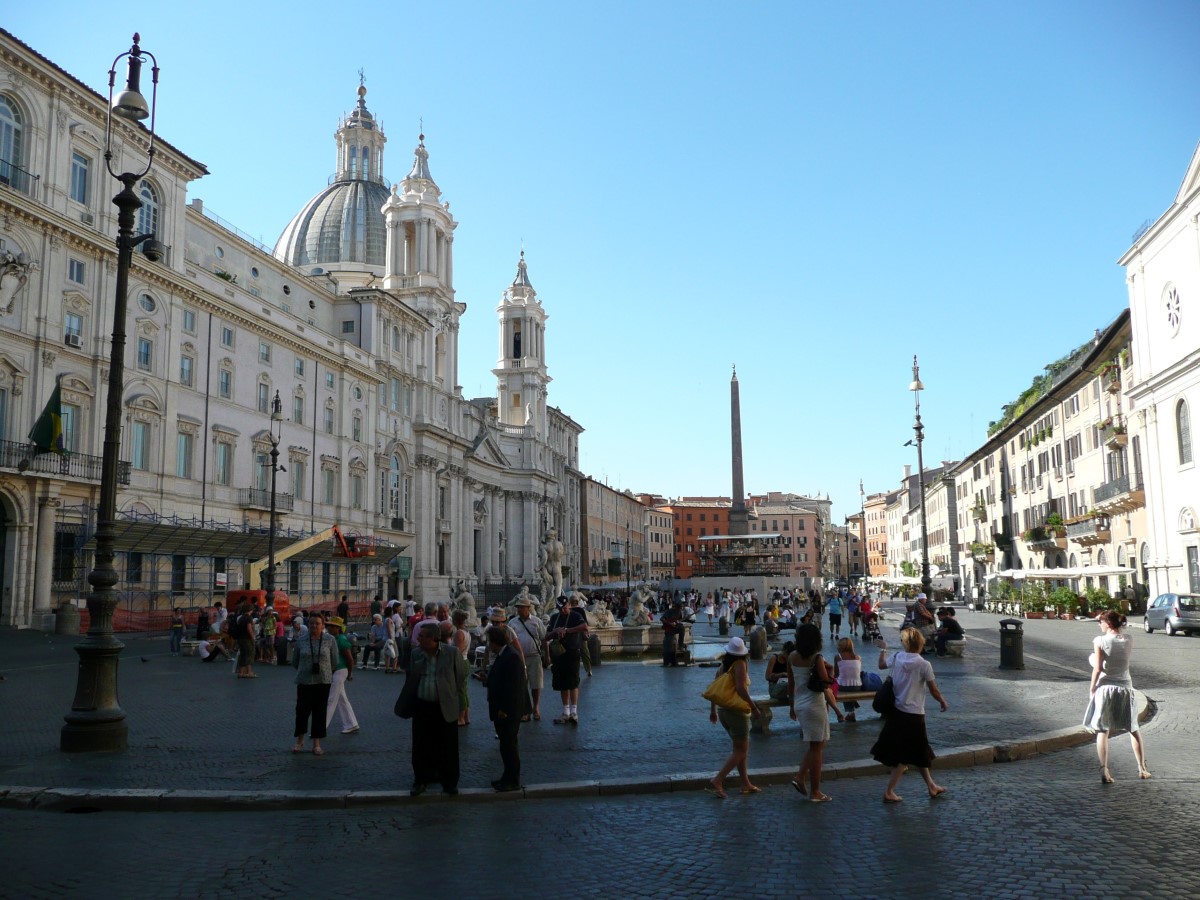
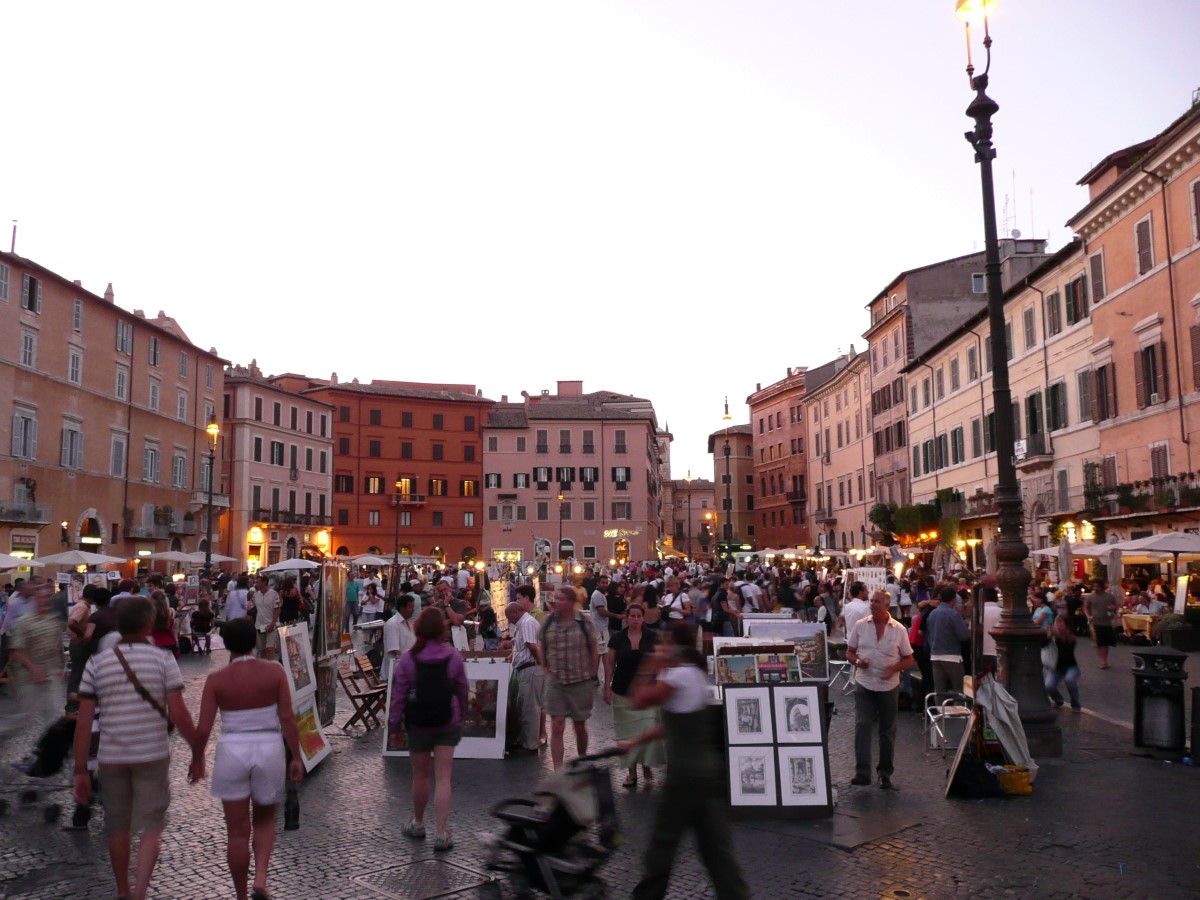
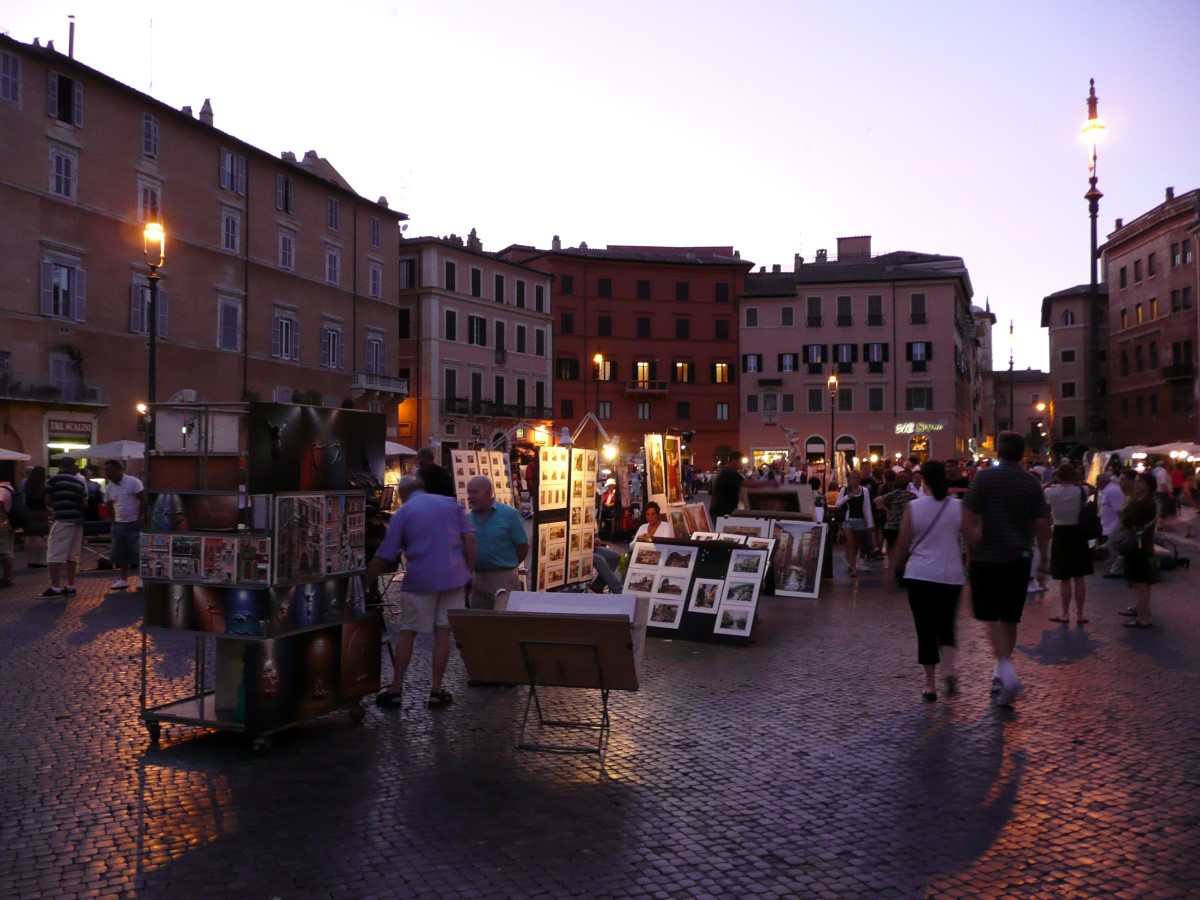
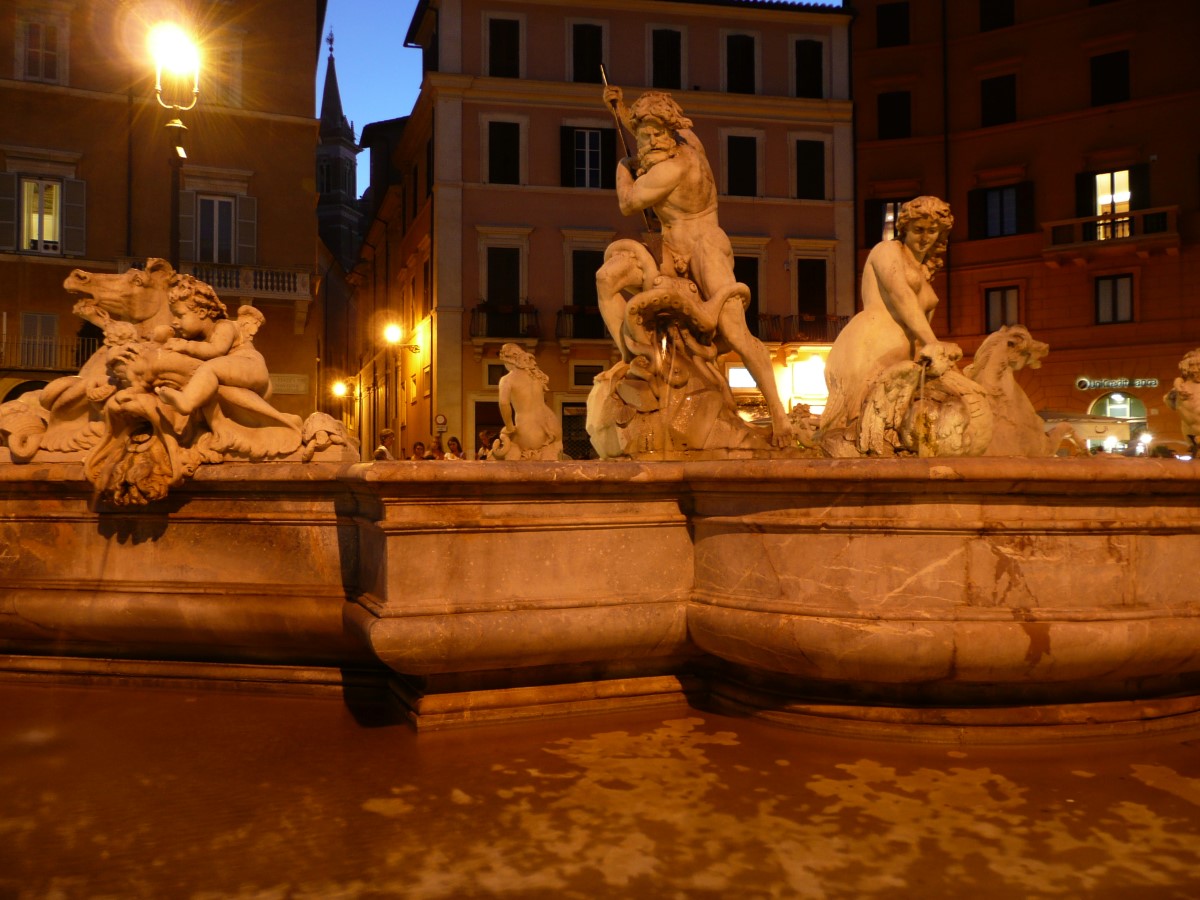
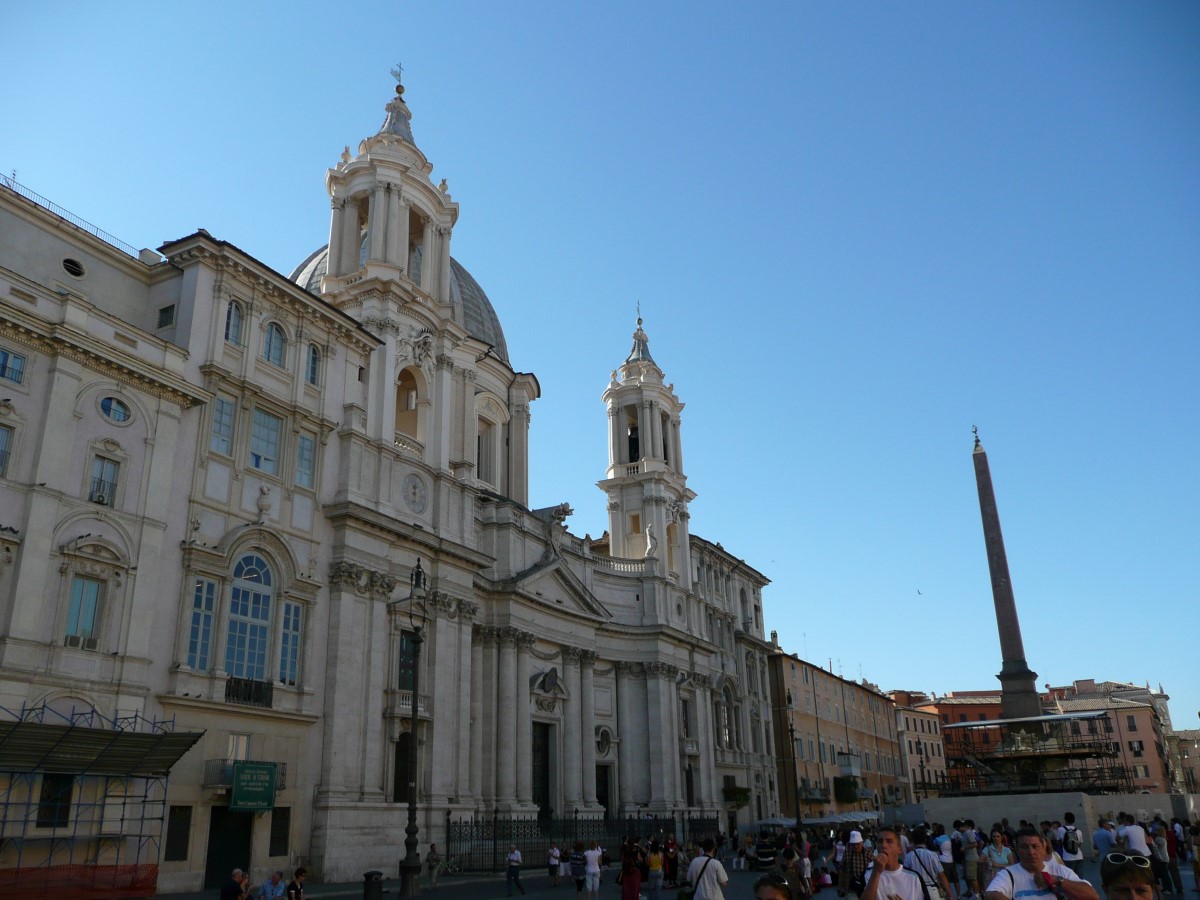
Piazza Navona: Piazza Navona is a square in Rome, Italy. The piazza follows the plan of an ancient Roman circus, the 1st century Stadium of
Domitian, where the Romans came to watch the agones ("games"): It was known as 'Circus Agonalis' (competition arena). It is believed that over time the name changed to 'in agone' to 'navone' and eventually to 'navona'. Defined as a square in the last years of 15th century, when the city market was transferred here from the Campidoglio, Piazza Navona is now the pride of Baroque Rome. It has sculptural and architectural creations: by Gian Lorenzo Bernini, the famous Fontana dei Quattro Fiumi (Fountain of the Four Rivers, 1651) in the center; by Francesco Borromini and Girolamo Rainaldi, the church of Sant'Agnese in Agone; and by Pietro da Cortona, who painted the gallery in the Pamphilj palace. |
||||||||||||
|
||||||||||||
|
|
||||||||||||
|
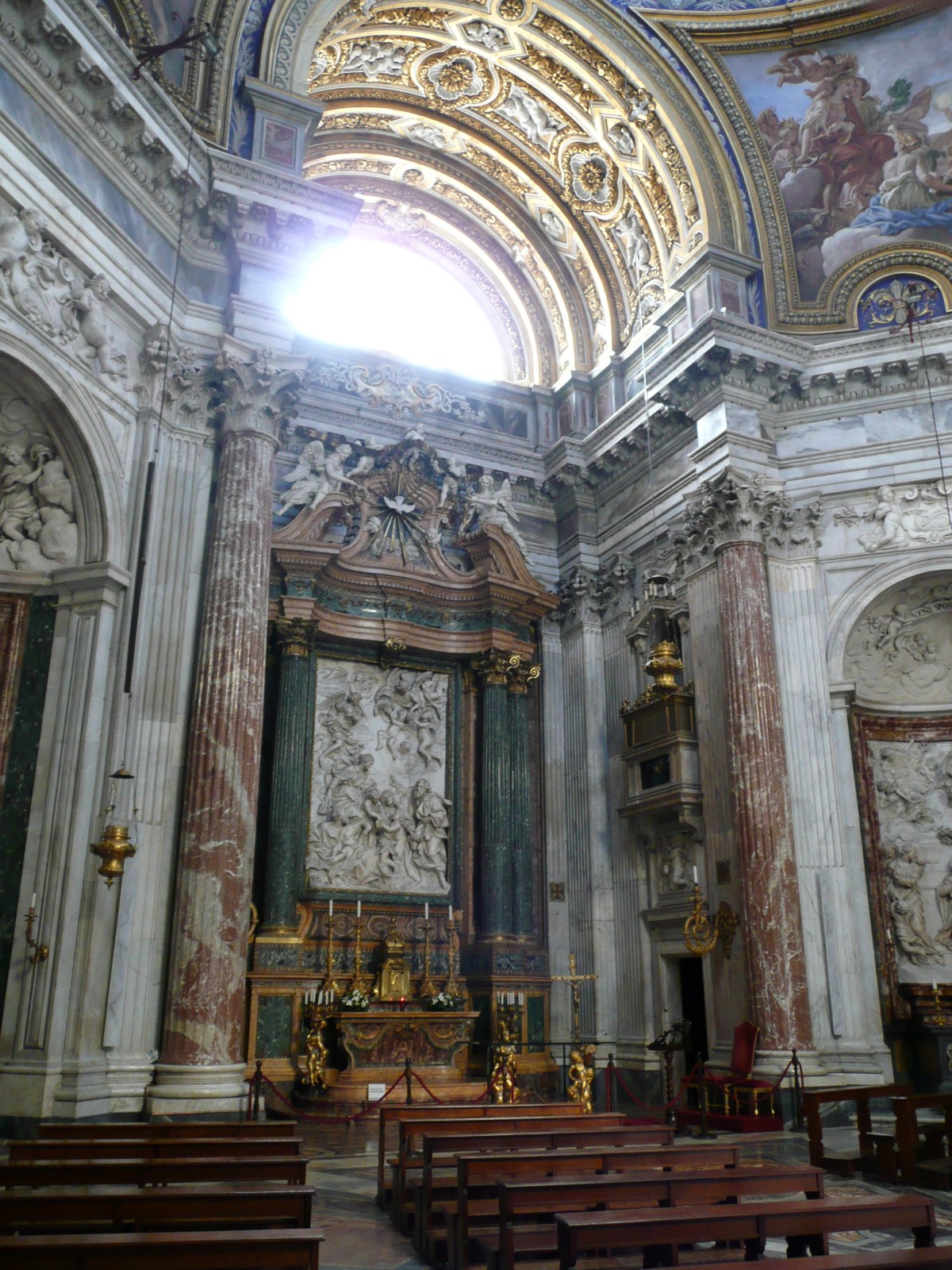
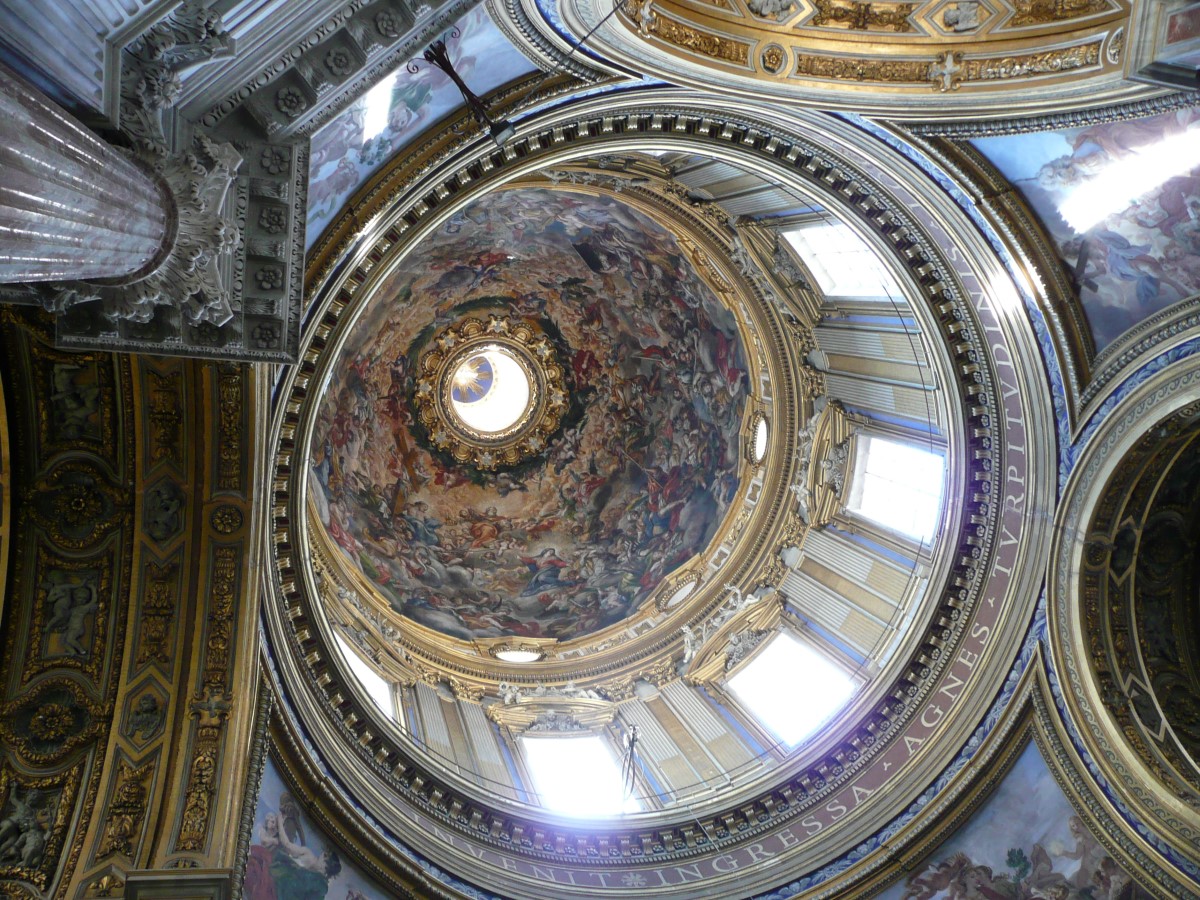
St. Agnese in Agone: AGNES, SAINT, a virgin martyr of the Catholic Church. The legend of St Agnes is that she was a member of the Roman nobility, raised in a Christian family, who suffered martyrdom when but thirteen during the reign of the emperor Diocletian, on the 21st of January 304. The prefect Sempronius wished her to marry his son, and on her refusal condemned her to death. Roman law did not permit the execution of virgins, so he ordered her to be raped beforehand, but her
honor was miraculously preserved. When led out to die she was tied to a stake, but the
wood would not burn, whereupon the officer in charge of the troops drew his sword and struck off her head. St Agnes is the patron saint of young girls, who, in rural districts, formerly indulged in all sorts of quaint country magic on St Agnes' Eve (20th-21st January) with a view to discovering their future husbands. This superstition has been immortalized in Keats's poem, "The Eve of St Agnes." St Agnes's bones rest in the church of her name outside the old walls of Rome (hence, Sant'Agnese fuori le mura, "Saint Agnes outside the walls"). The current church, as rebuilt by Pope Honorius in the mid-7th century, stands over a 4th century catacomb or underground cemetery. In the fourth century the soft rock had been hollowed out around St. Agnes's tomb to create a gathering space, probably for her family to observe the anniversary of her death. The visits of her family and friends spread early to others in Rome, and the site became a place of pilgrimage. By the end of the 4th century the Constantina, daughter of emperor Constantine, had enlarged the underground area and built a church over it. The floor level of the 7th century church is at the level of the catacomb floor, and street entrances are at the level of the 2nd floor gallery. A later church was built after 1652 on the site of her martyrdom (hence, Sant'Agnese in Agone, "Saint Agnes in Agony") in the Circus of Domitian, now the Piazza Navona, by the important Baroque architect Francesco Borromini. At Sant'Agnese fuori le mura on her festival (21st of January) two lambs are specially blessed by the pope after a pontifical high mass, and their wool is later woven into pallia, ceremonial neck-stoles sent by the popes to newly elevated archbishops to symbolize their union with the papacy. |
||||||||||||
|
||||||||||||
|
|
||||||||||||
|
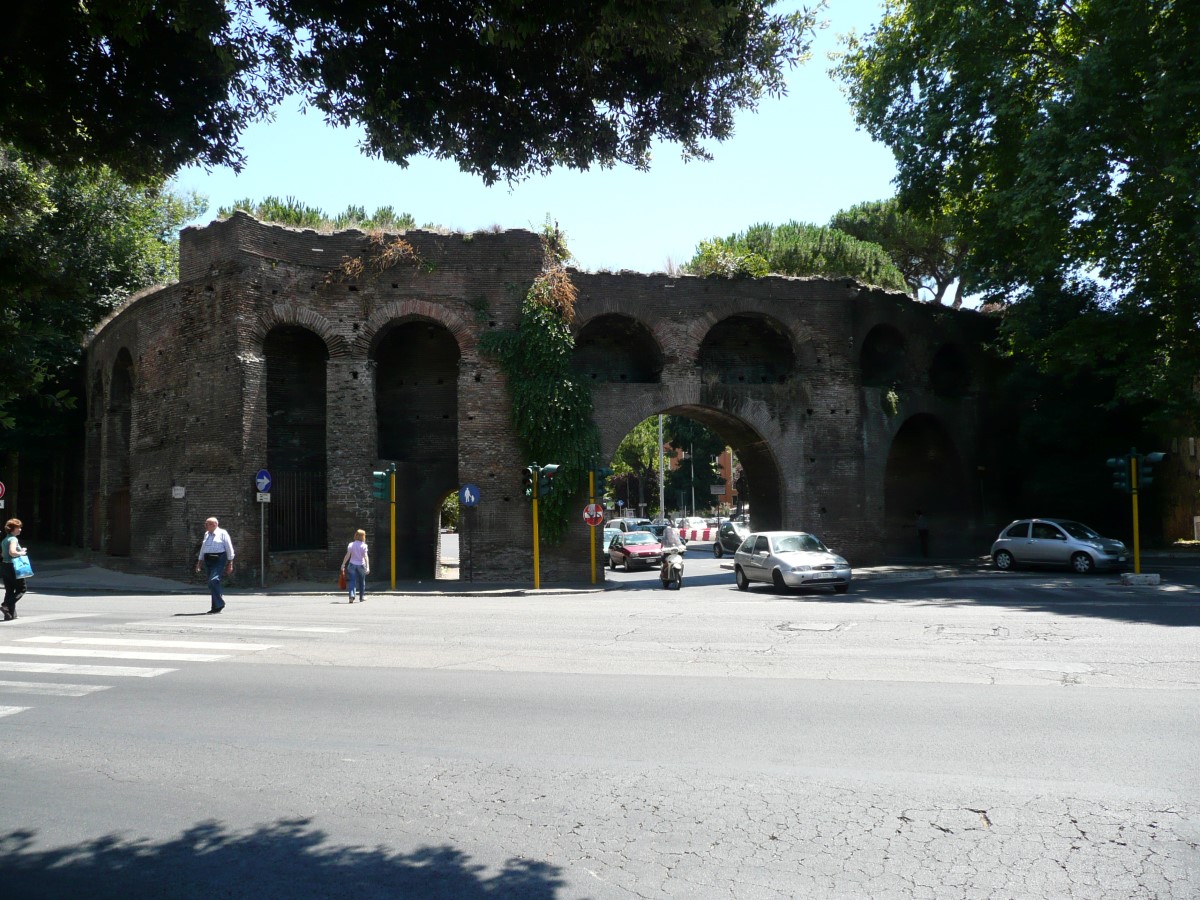
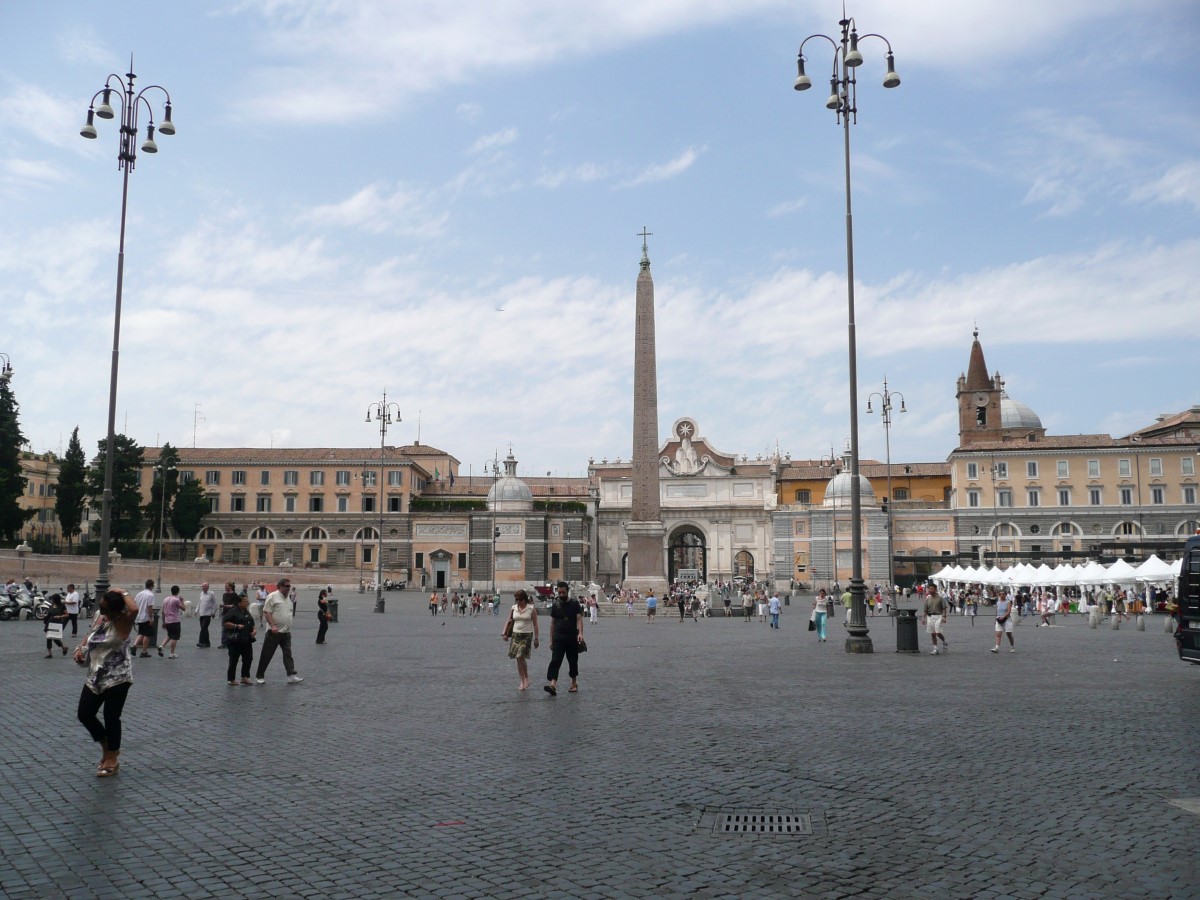
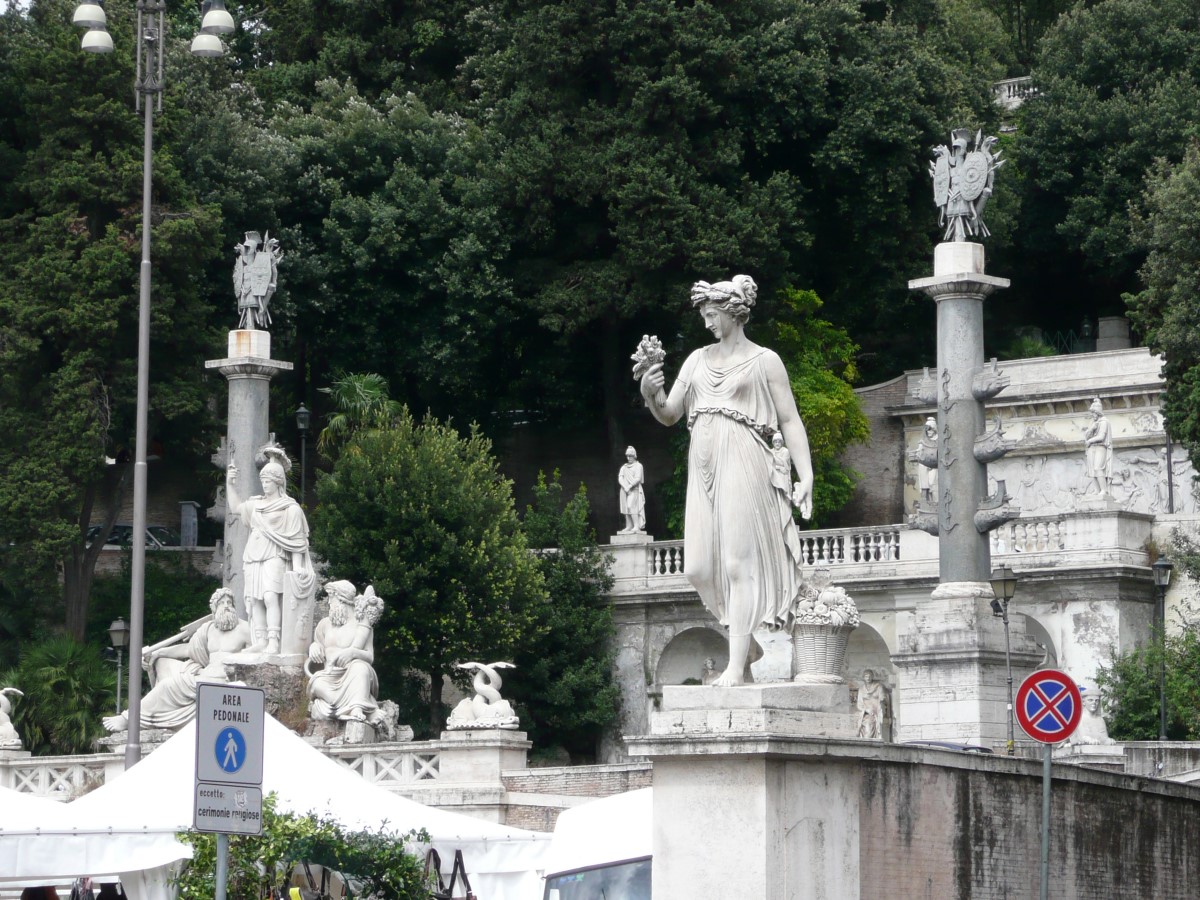
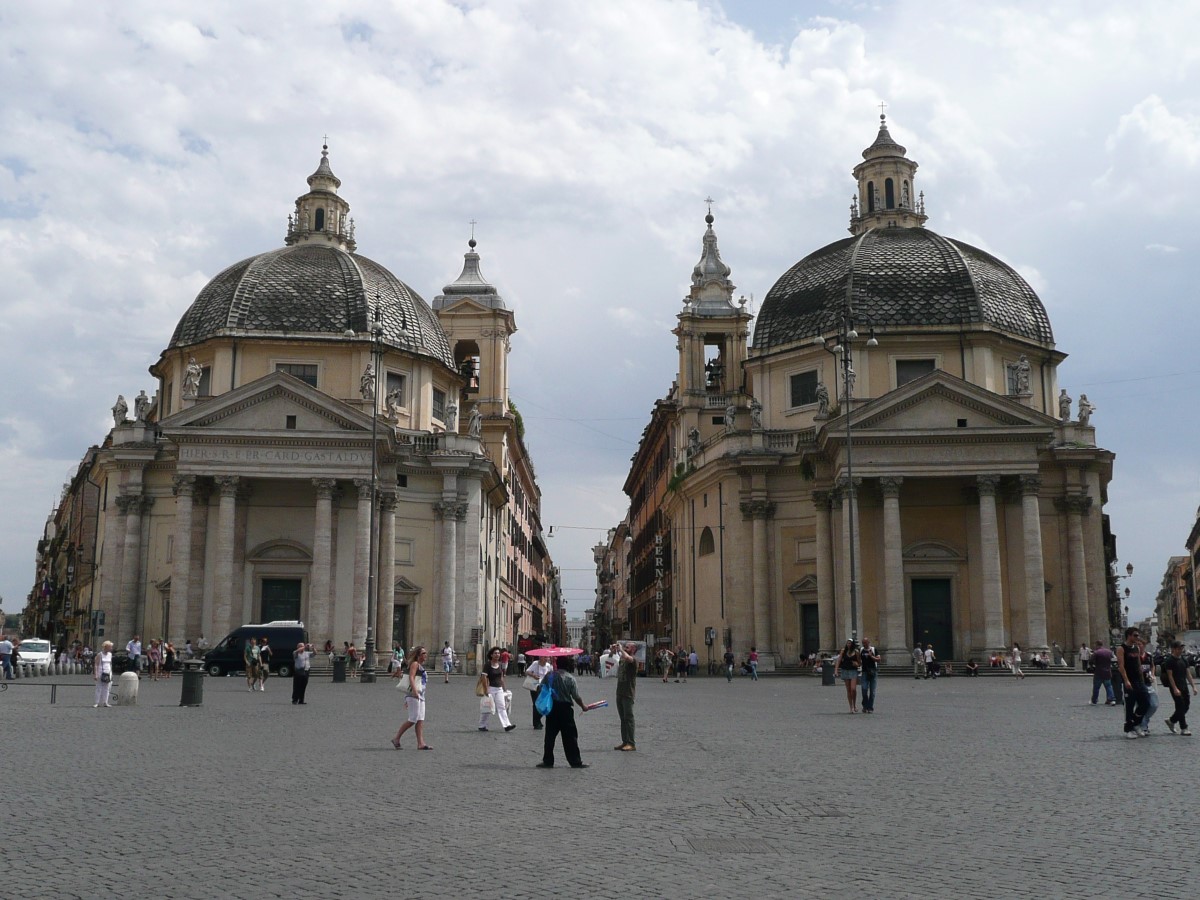
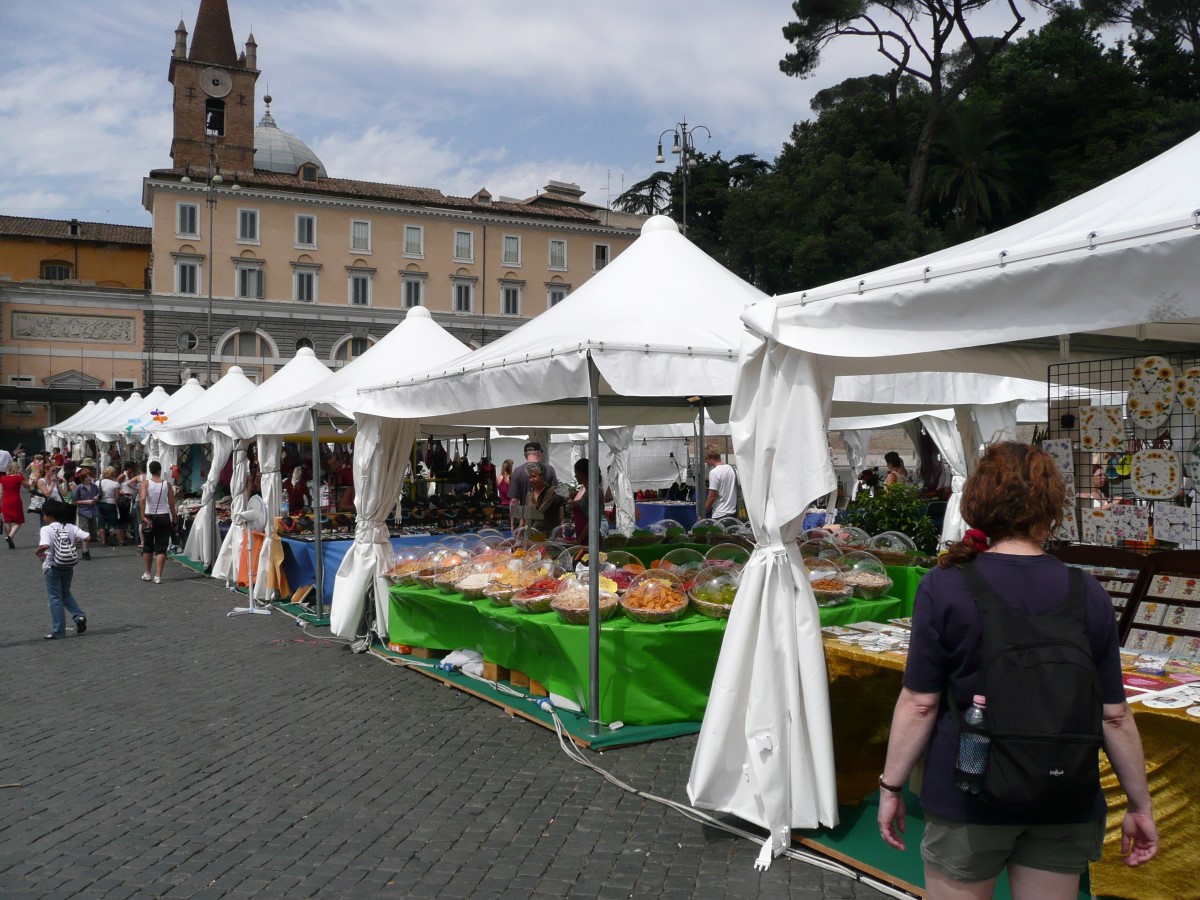
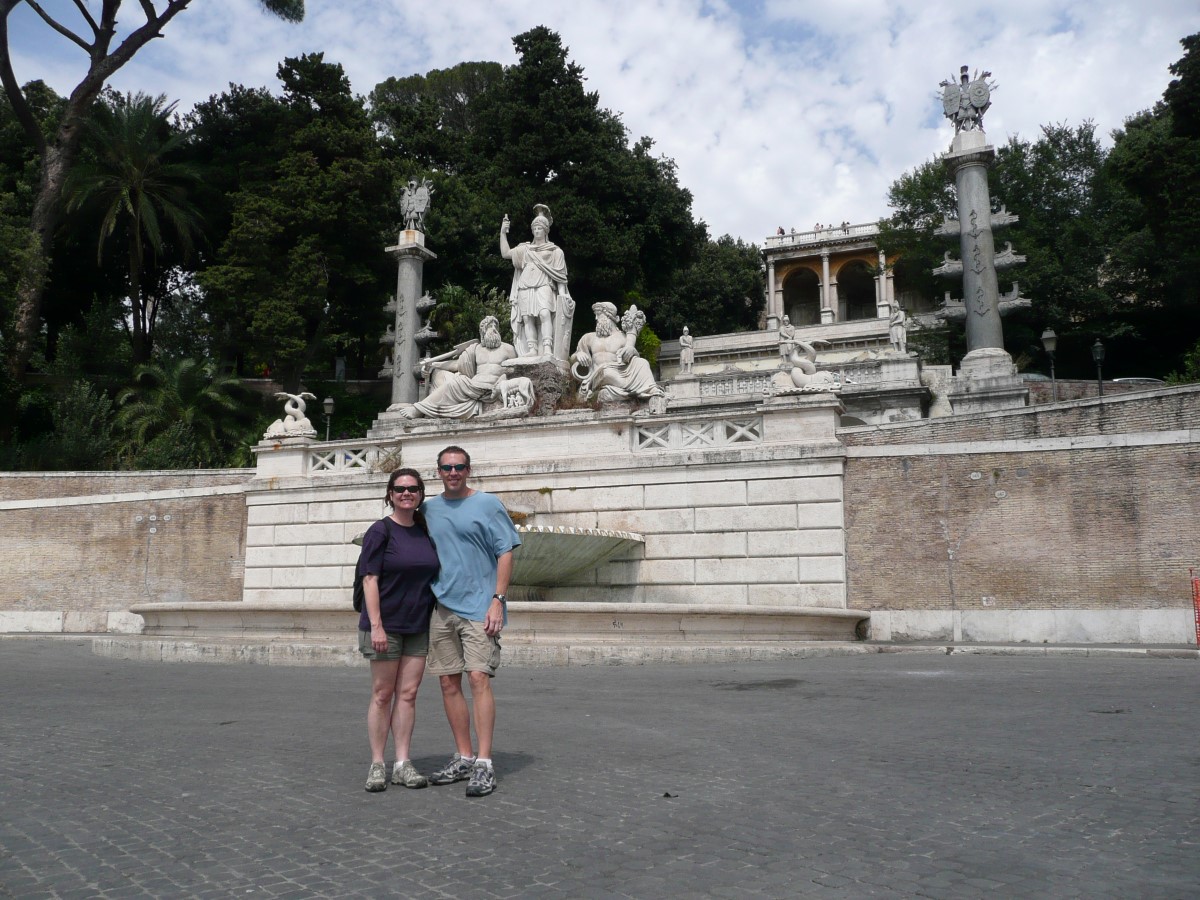
Piazza del Popolo: The Piazza del Popolo is a square in Rome. The name in modern Italian literally means "piazza of the people", but historically it derives from the poplars (populus in Latin, pioppo in Italian) after which the church of Santa Maria del Popolo, in the northeast corner of the piazza, takes its name. The Piazza lies inside the northern gate in the Aurelian Walls, once the Porta Flaminia of ancient Rome, and now called Porta del Popolo. This was the starting point of the Via Flaminia, the road to Ariminum (modern Rimini) and the most important route to the north. At the same time, before the age of railroads, it was the traveller's first view of Rome upon arrival. For centuries, the Piazza del Popolo was a place for public executions, the last of which took place in 1826. |
||||||||||||
|
||||||||||||
|
|
||||||||||||
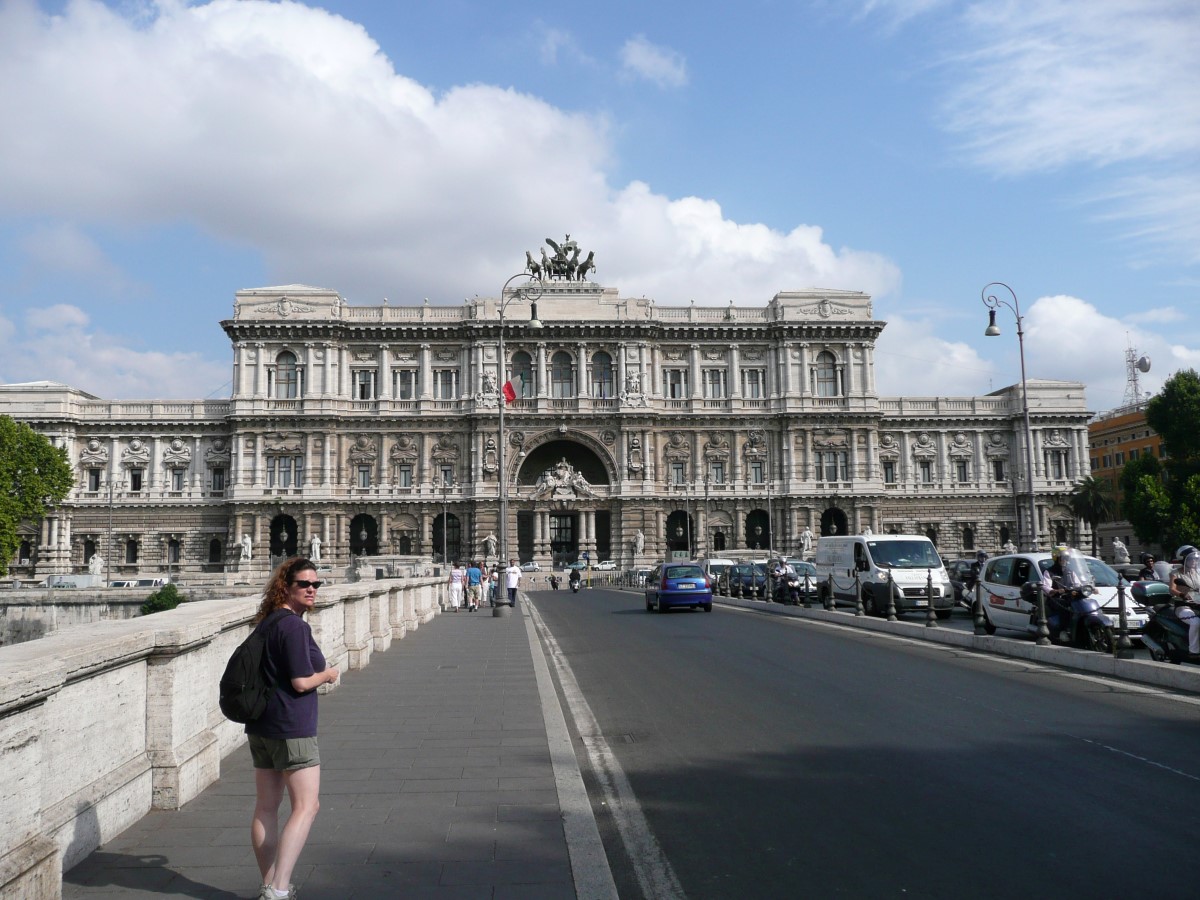
| Courthouse: The courthouse is located close to Castle St. Angelo and the Vatican along the river. | ||||||||||||
|
||||||||||||
|
|
||||||||||||
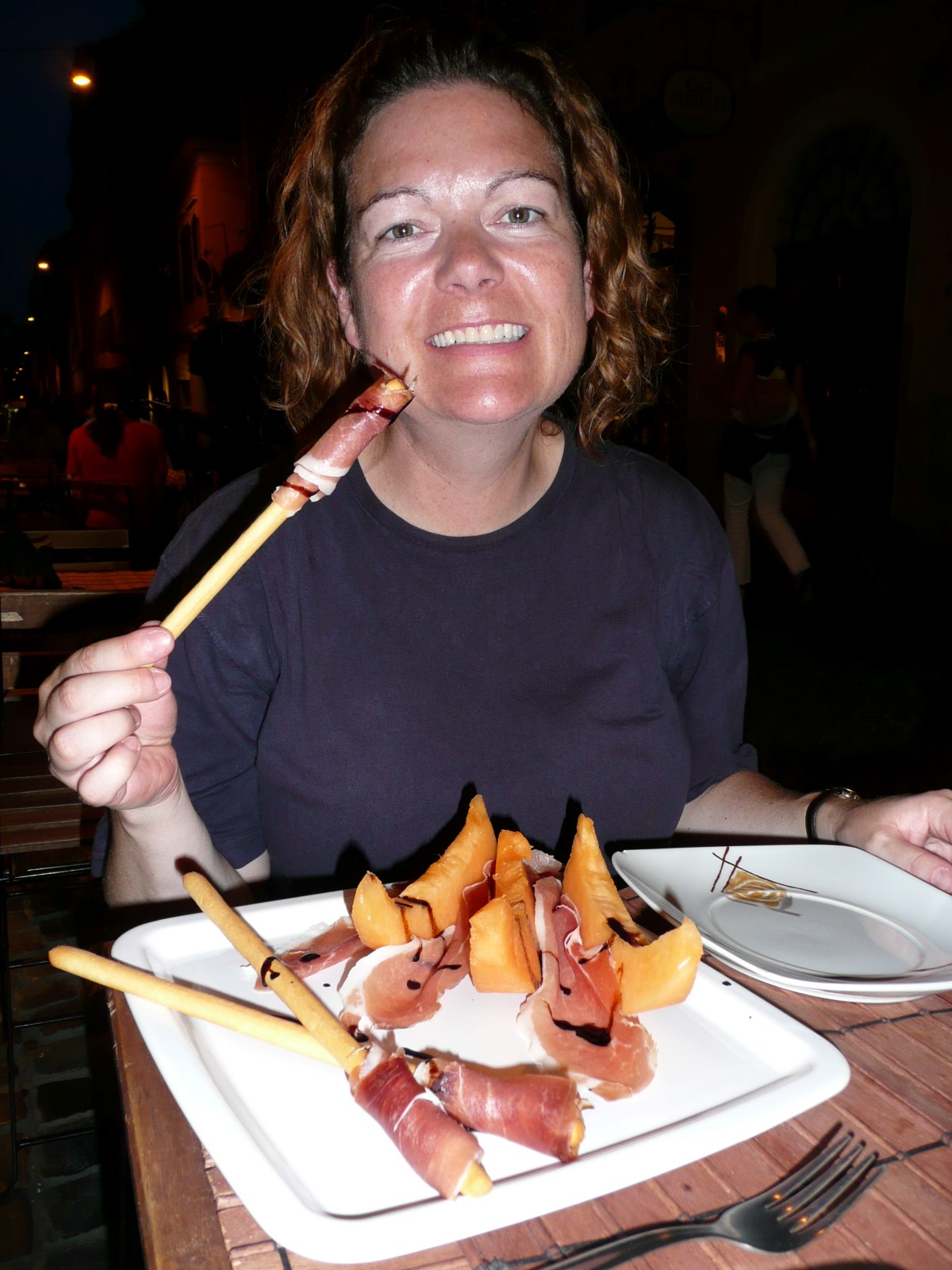
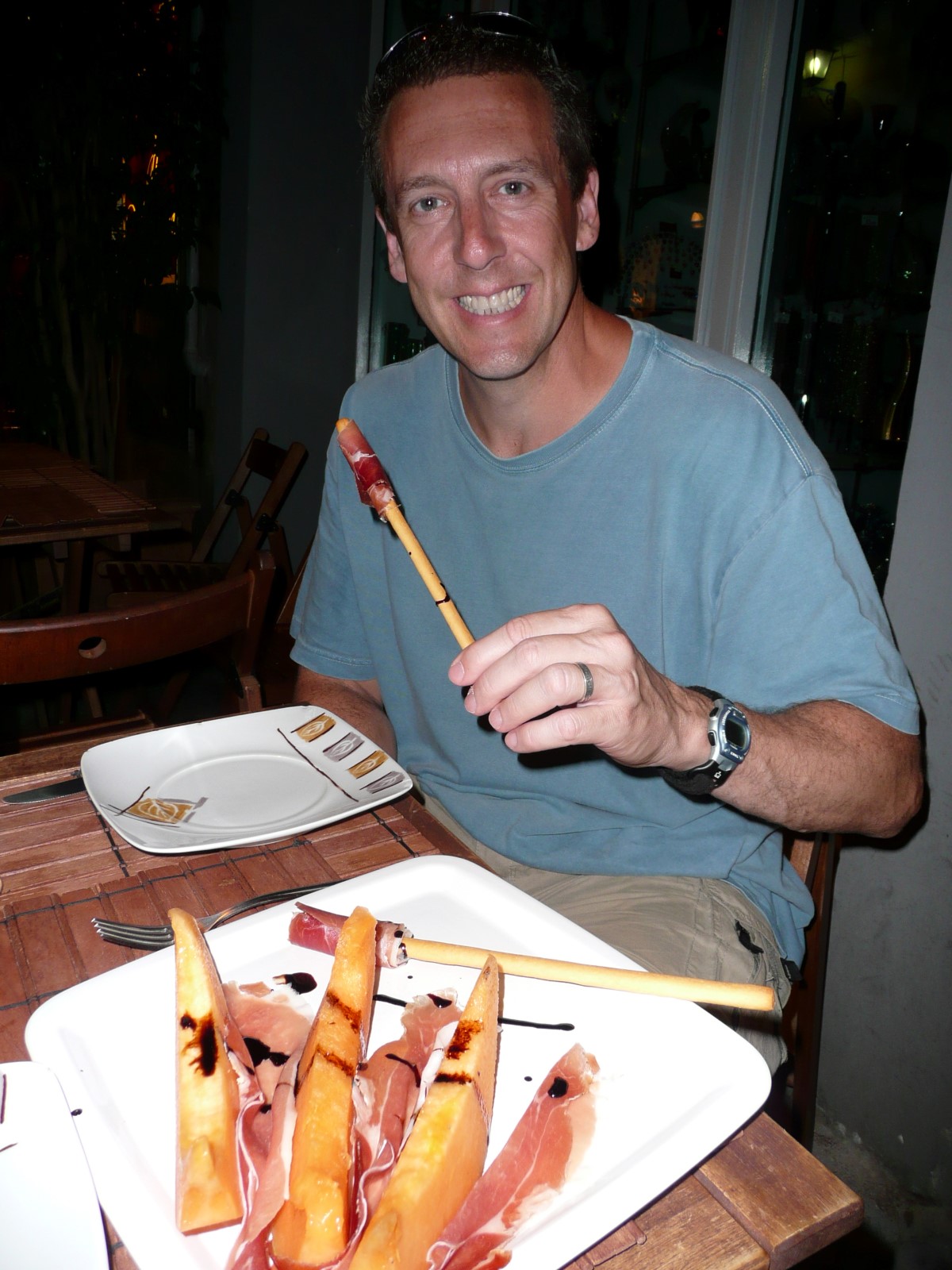
| Food: Enjoying more of the melon and prosciutto. | ||||||||||||
|
||||||||||||
|
|
||||||||||||
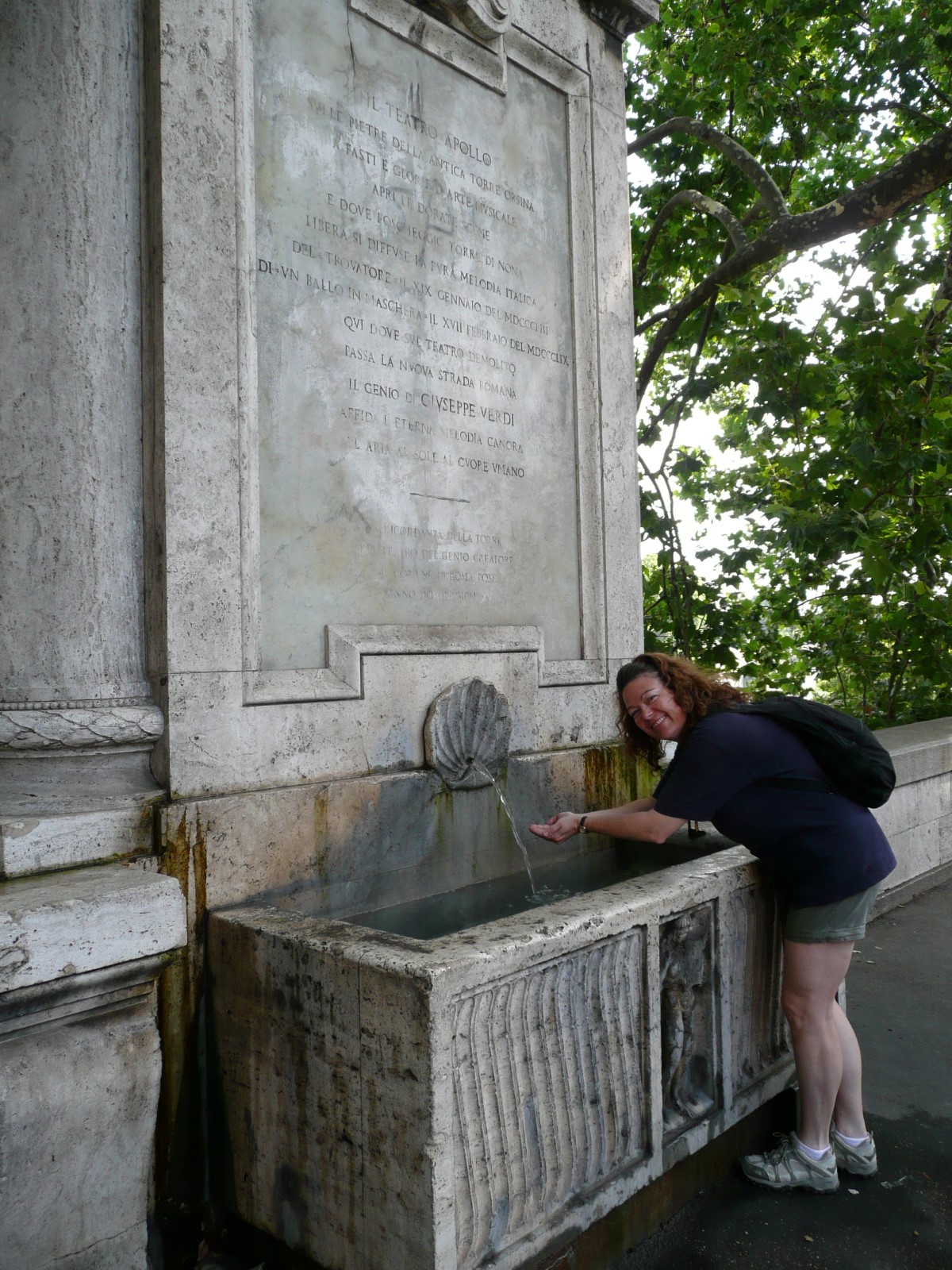
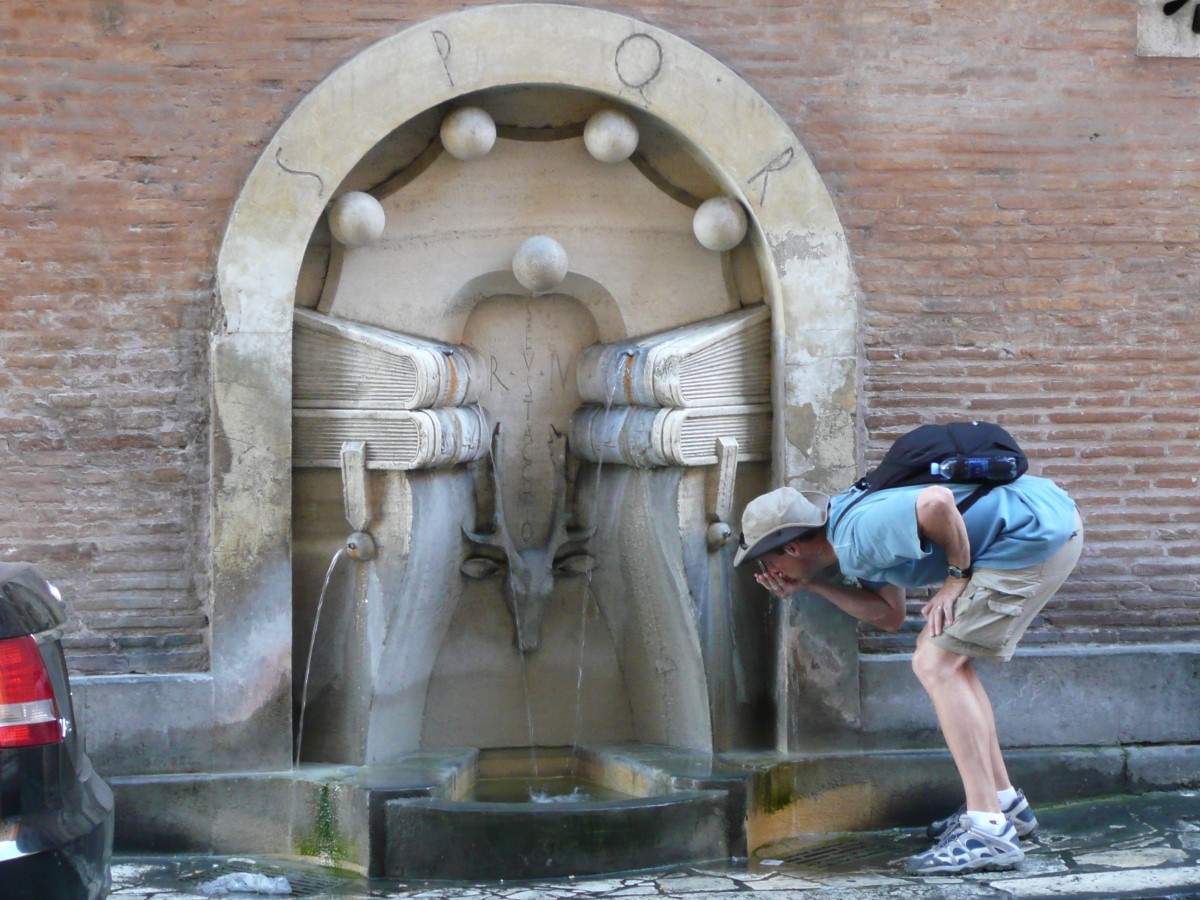
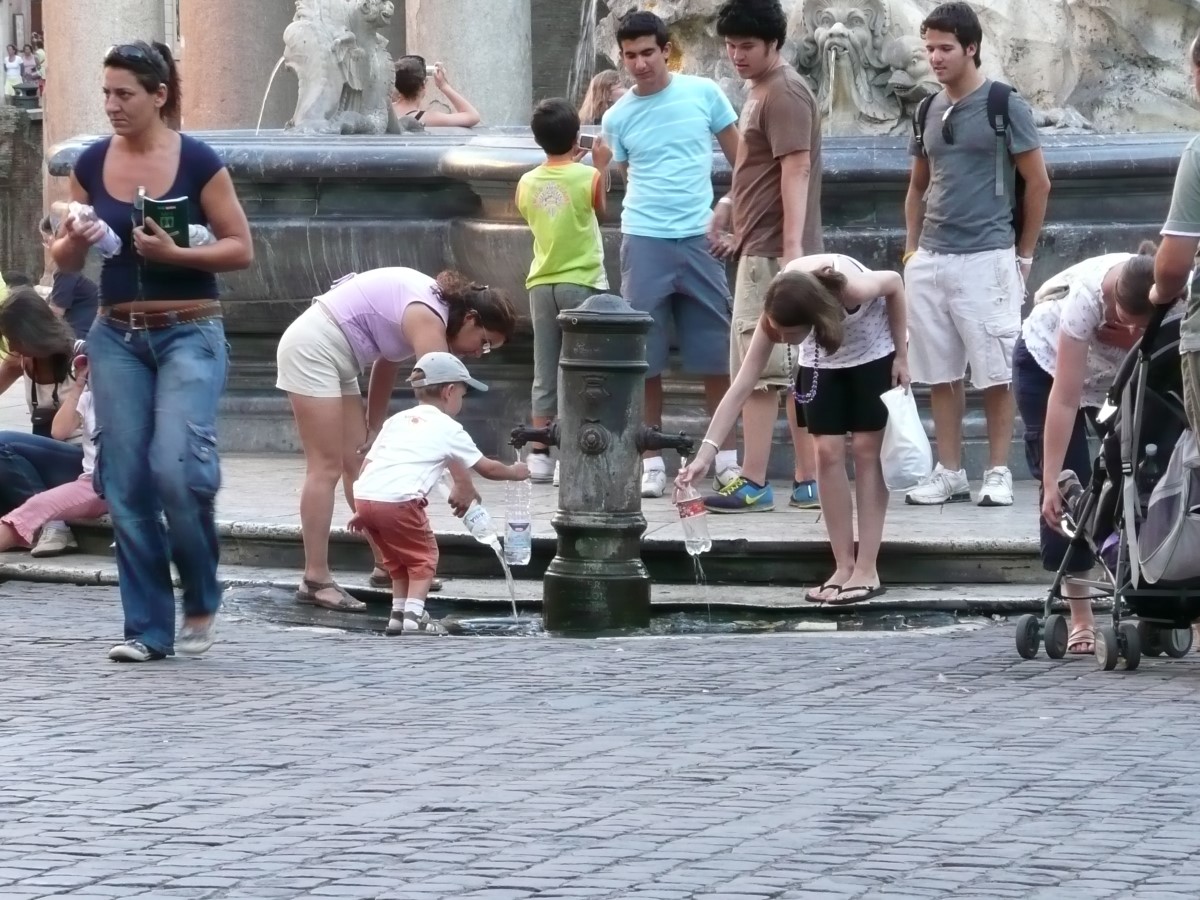
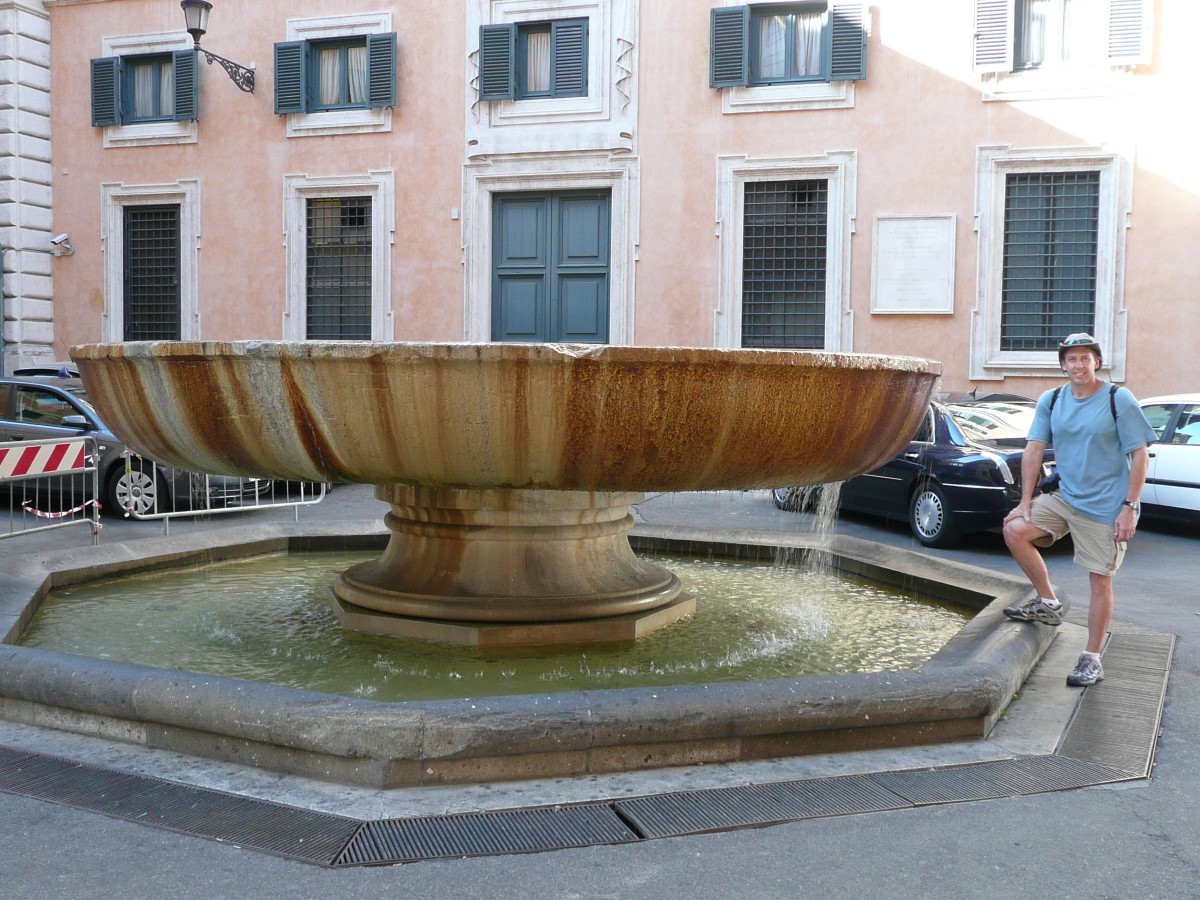
| Fountains: As with some other Italian town, you can drink from all the fountains. | ||||||||||||
|
||||||||||||
|
|
||||||||||||
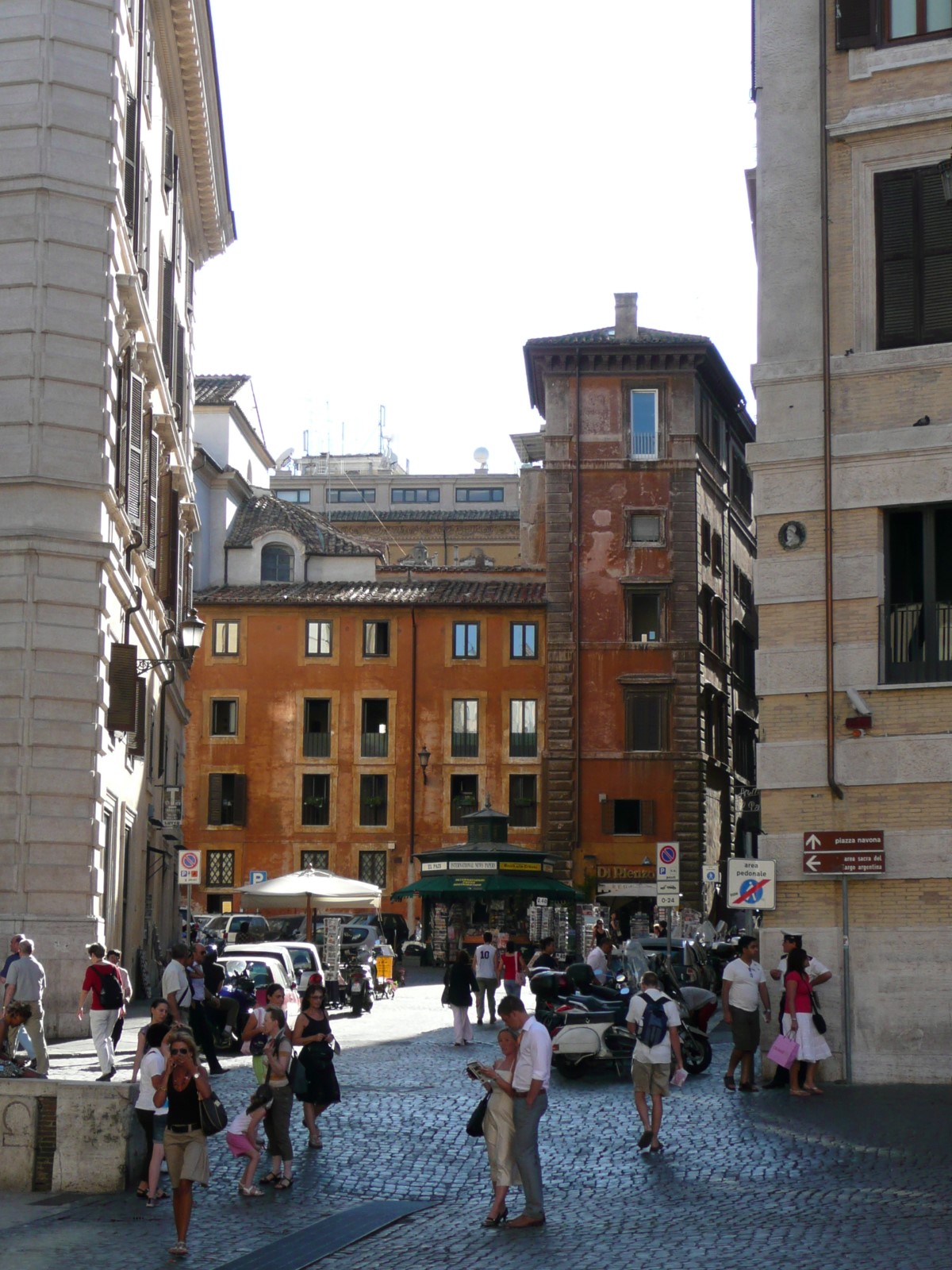
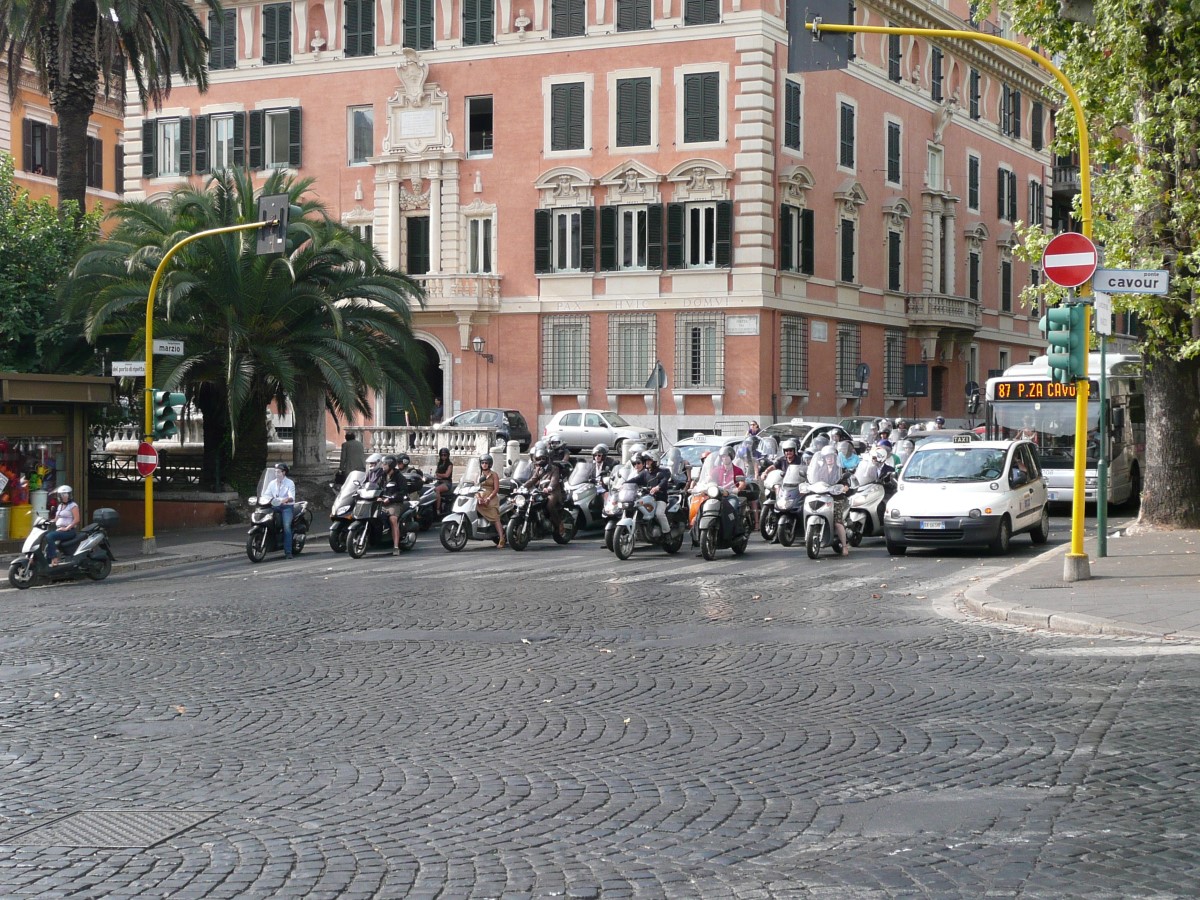
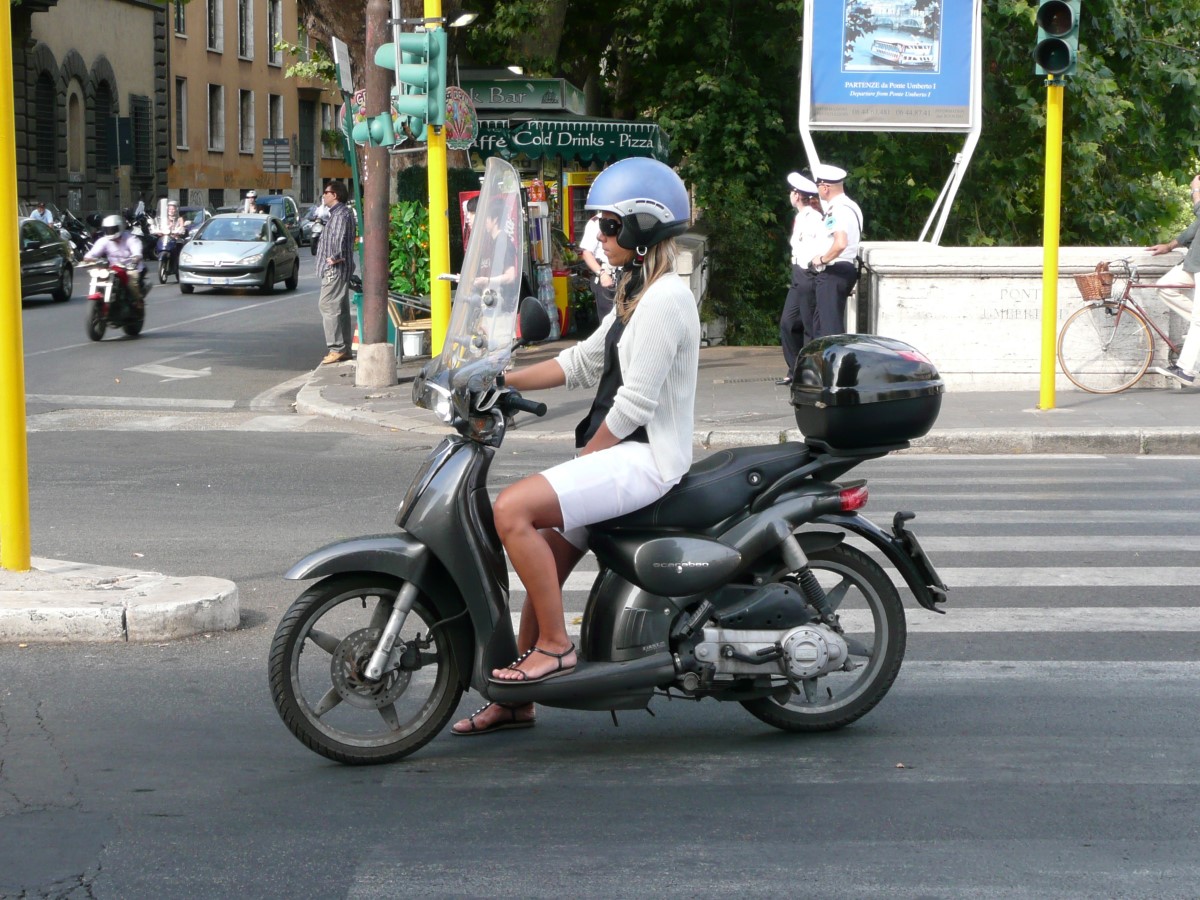
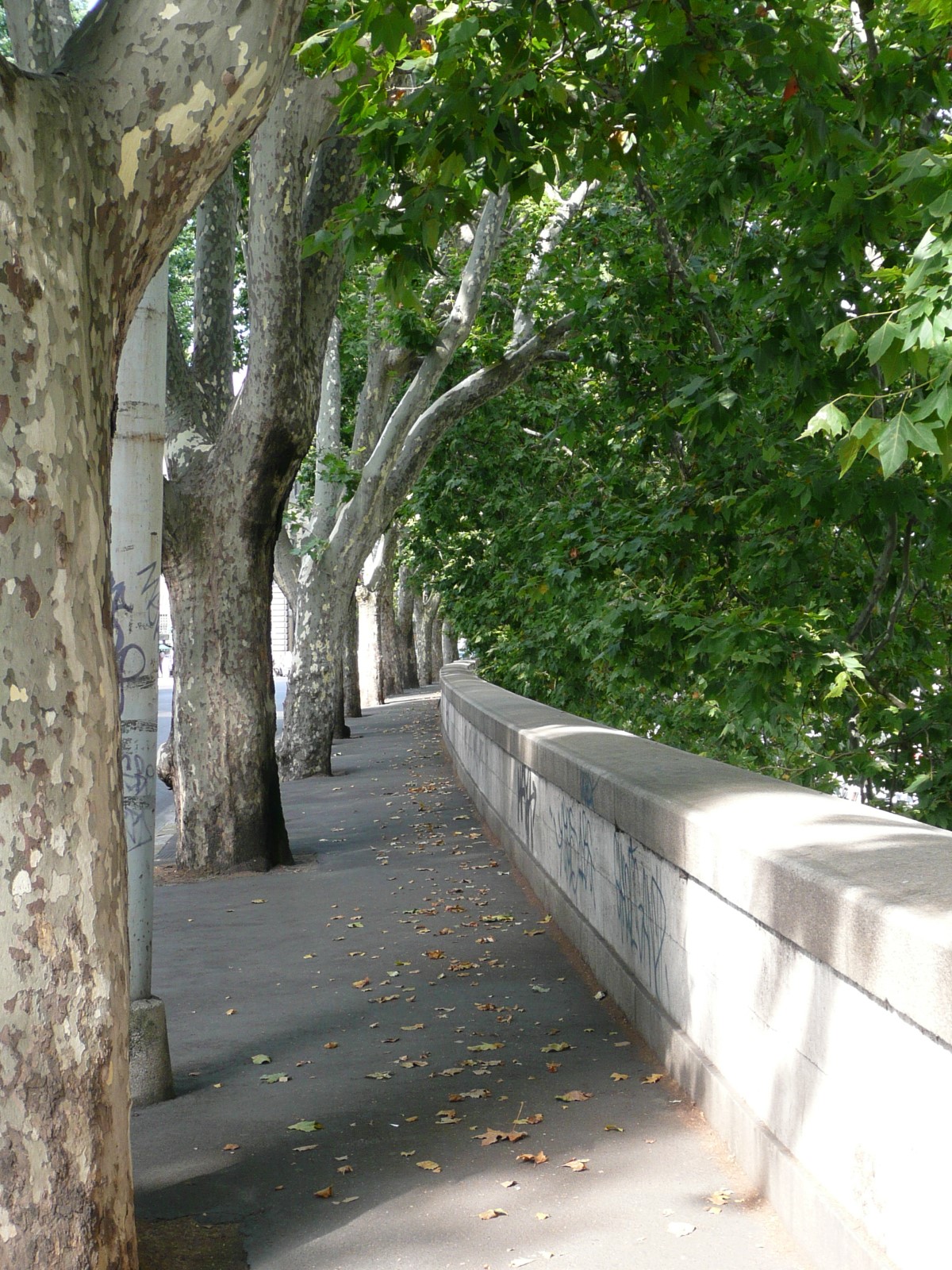
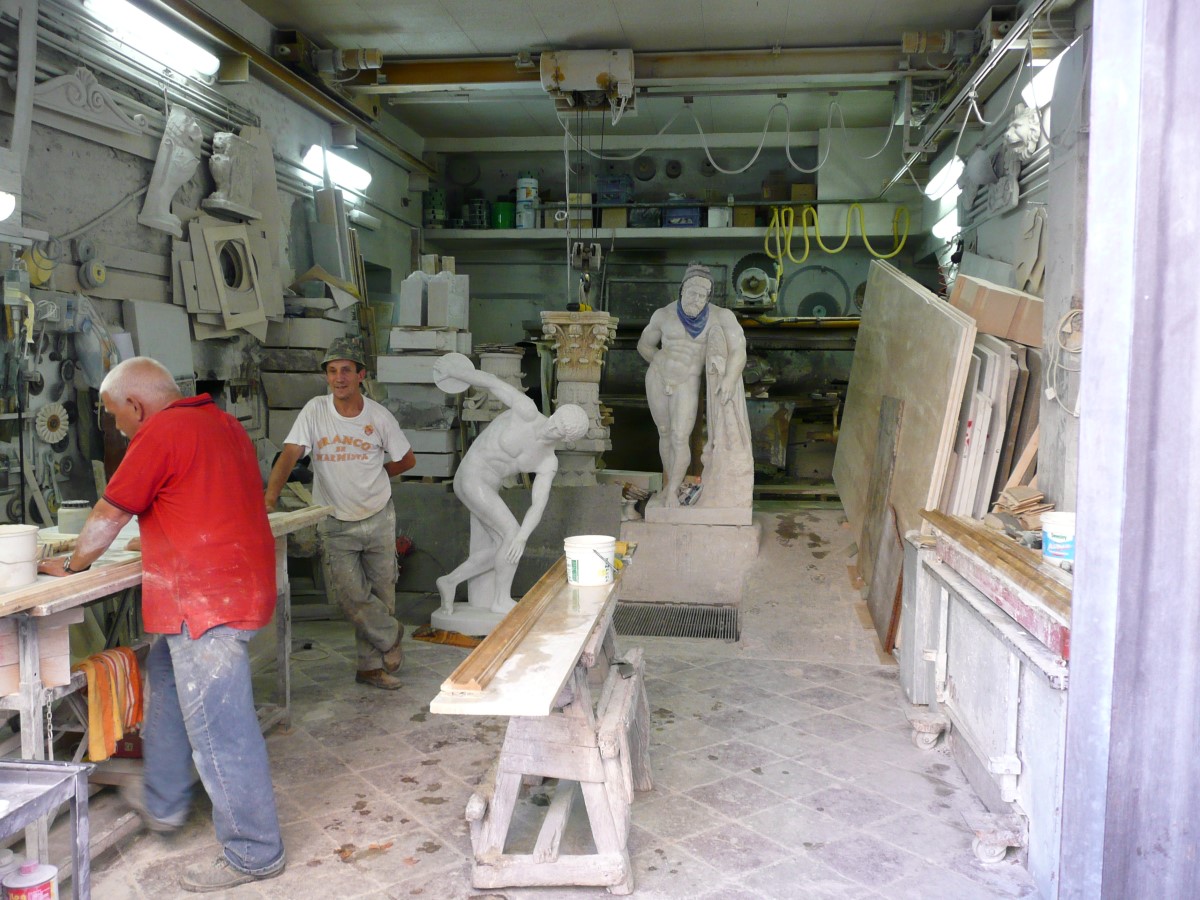
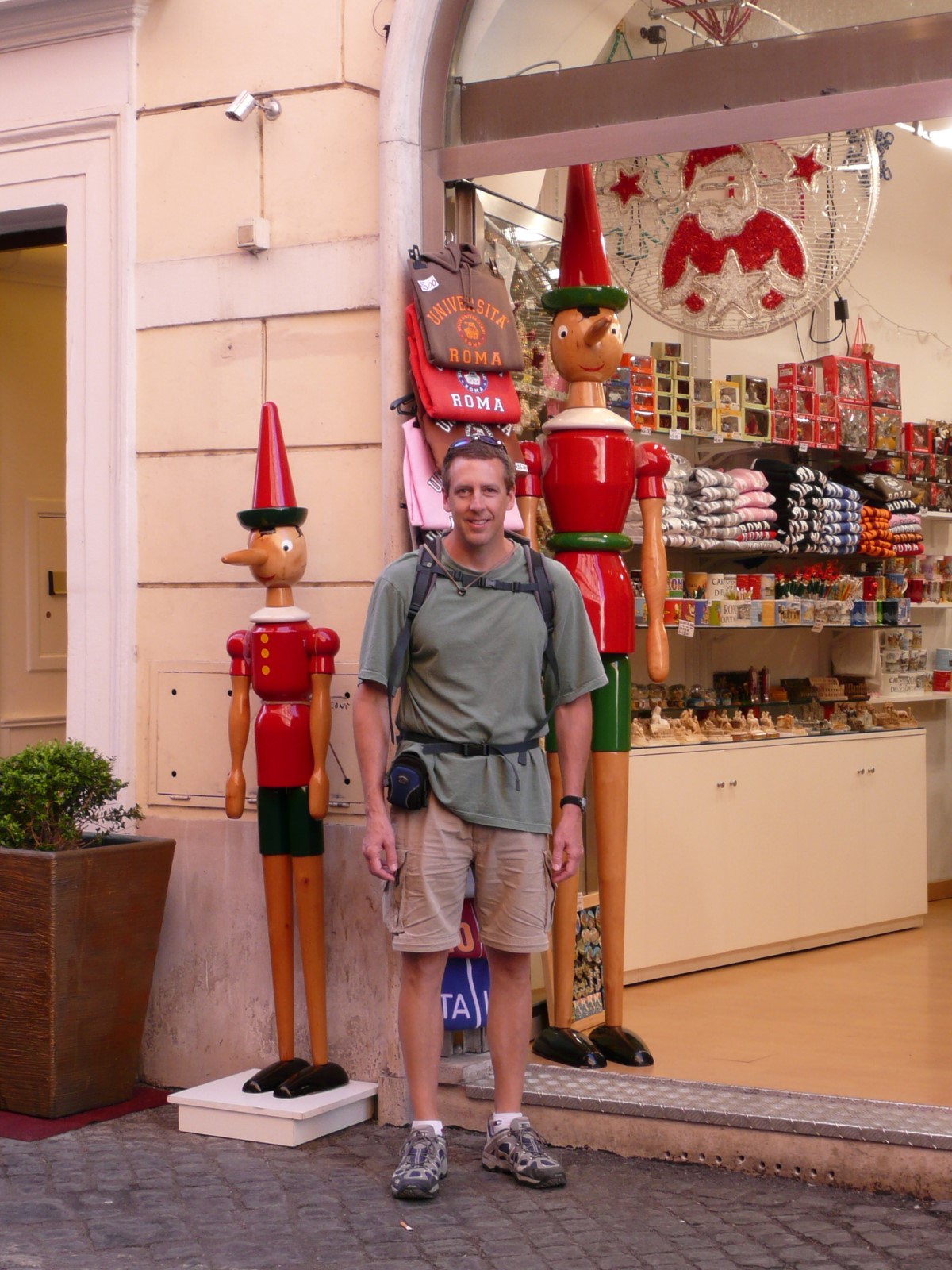
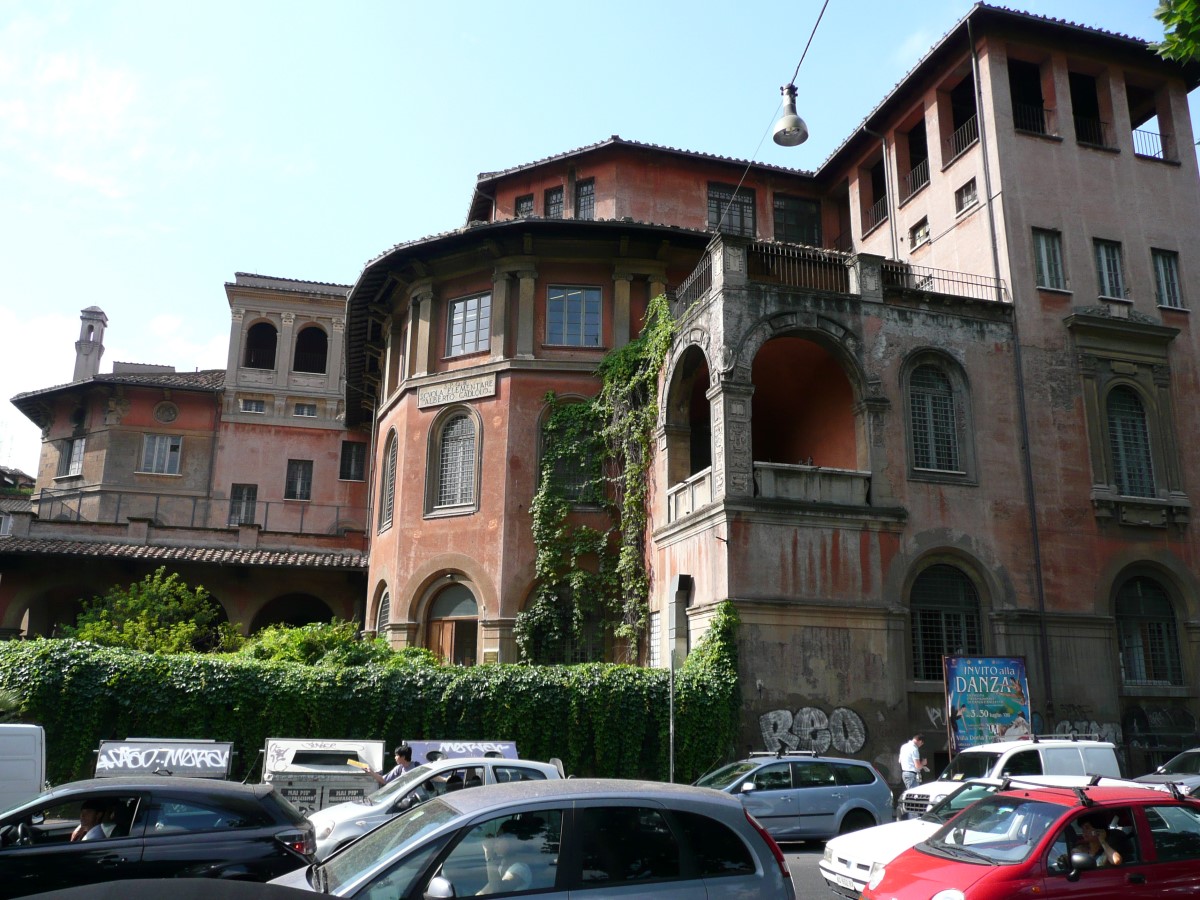
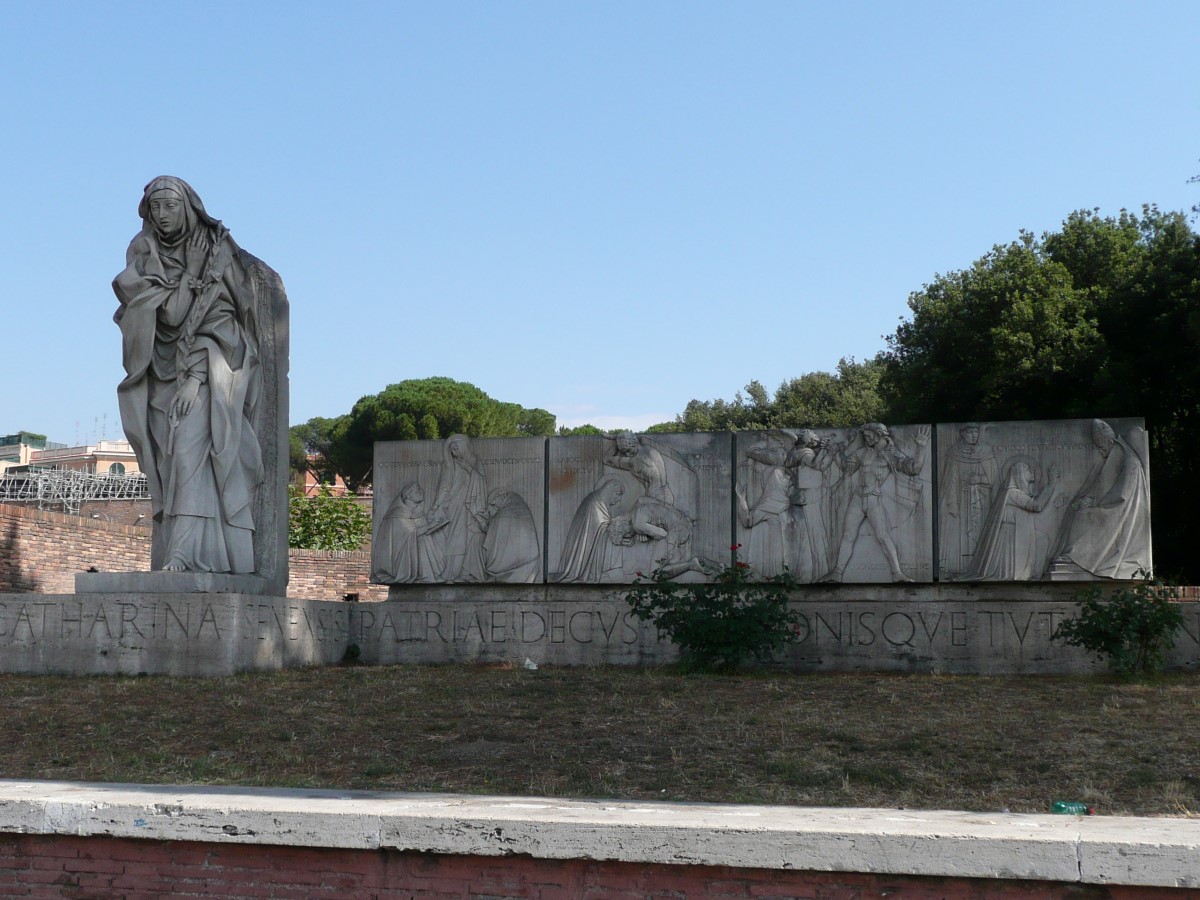
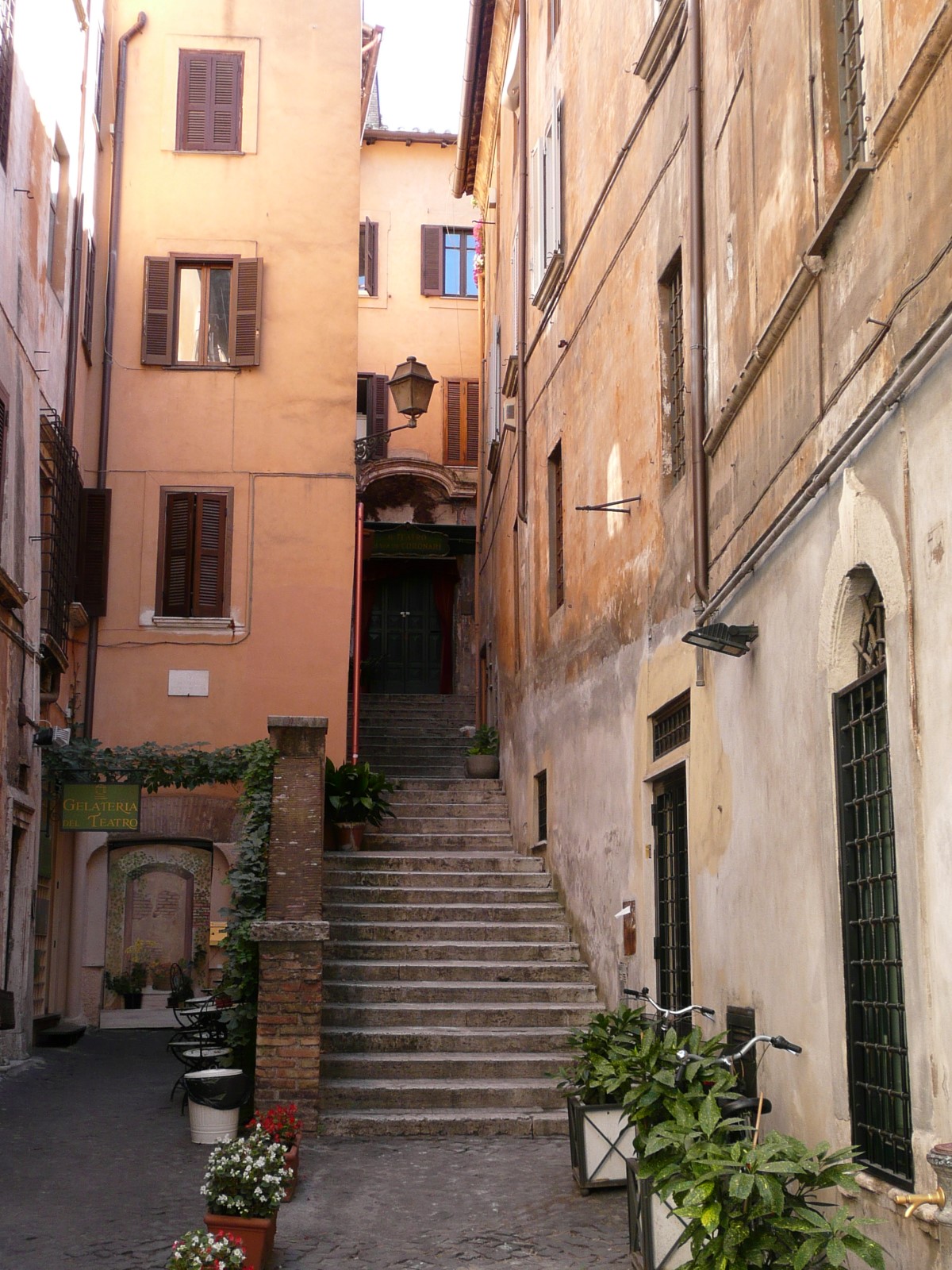
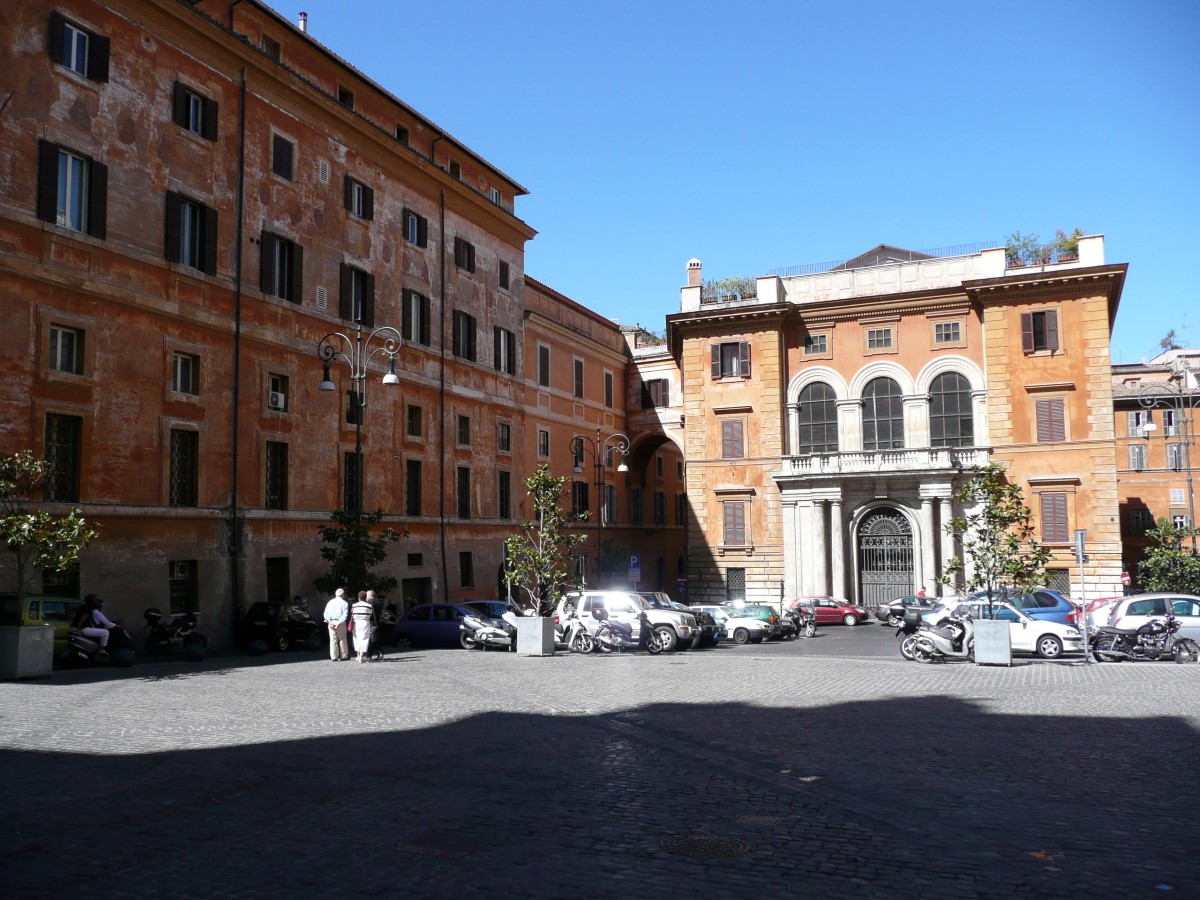
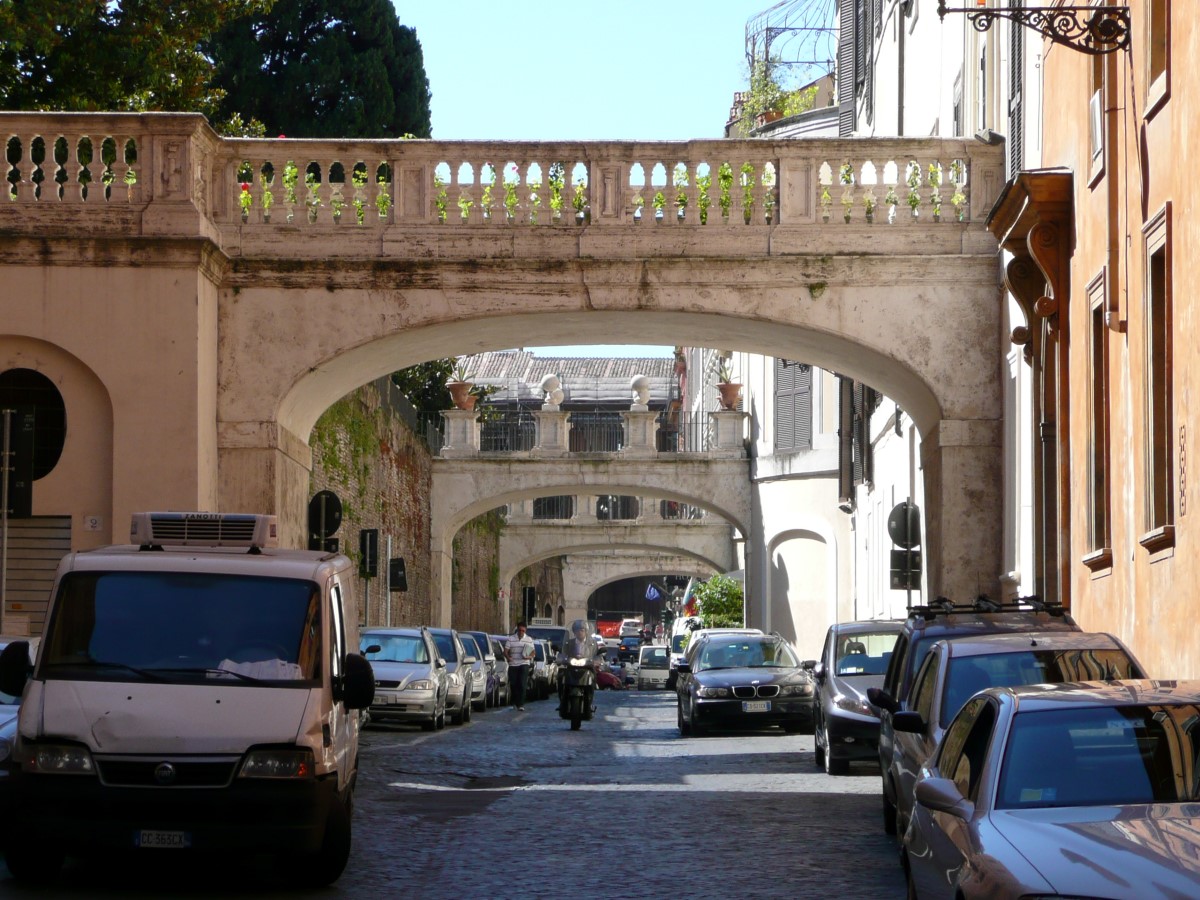
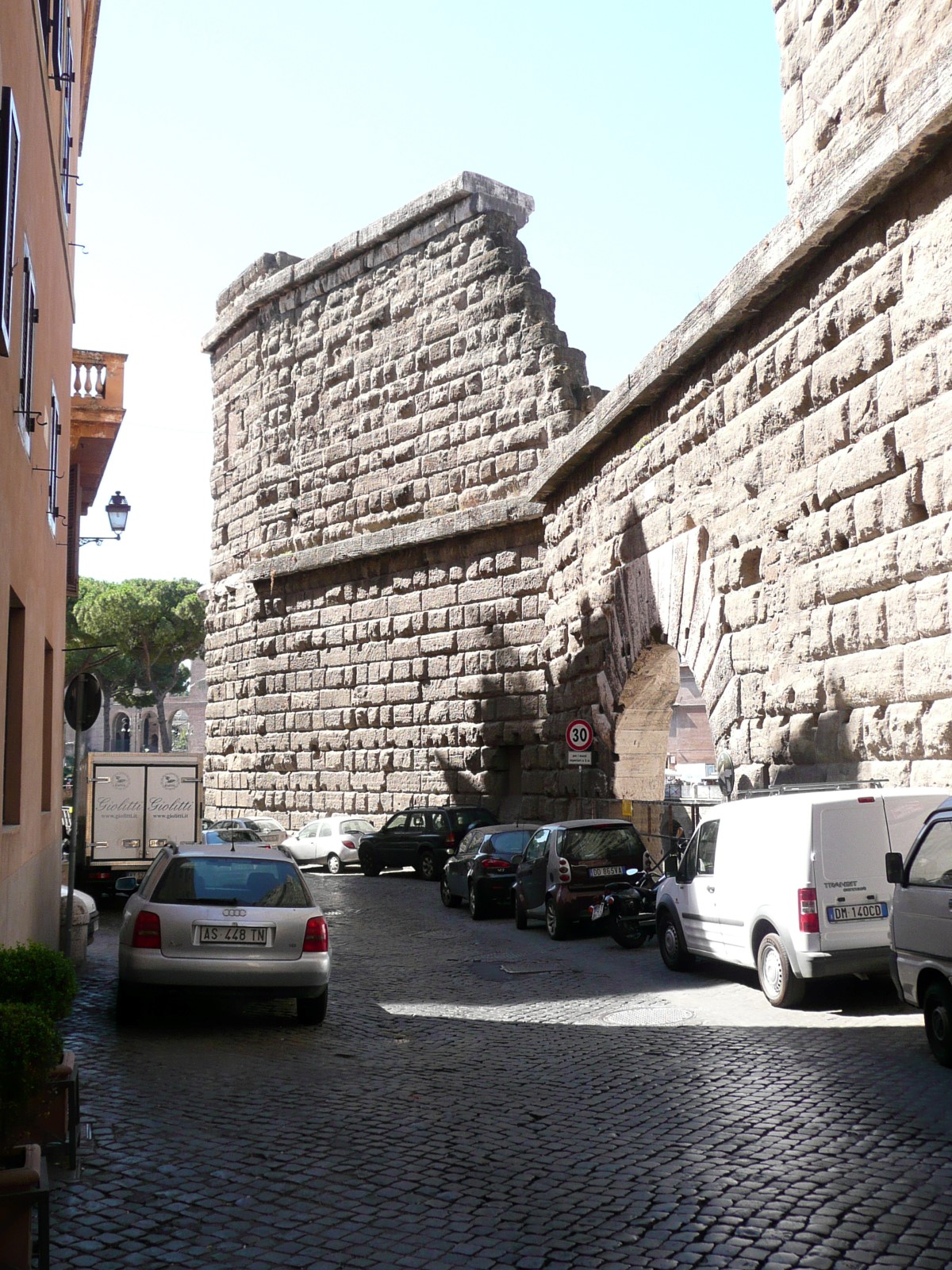
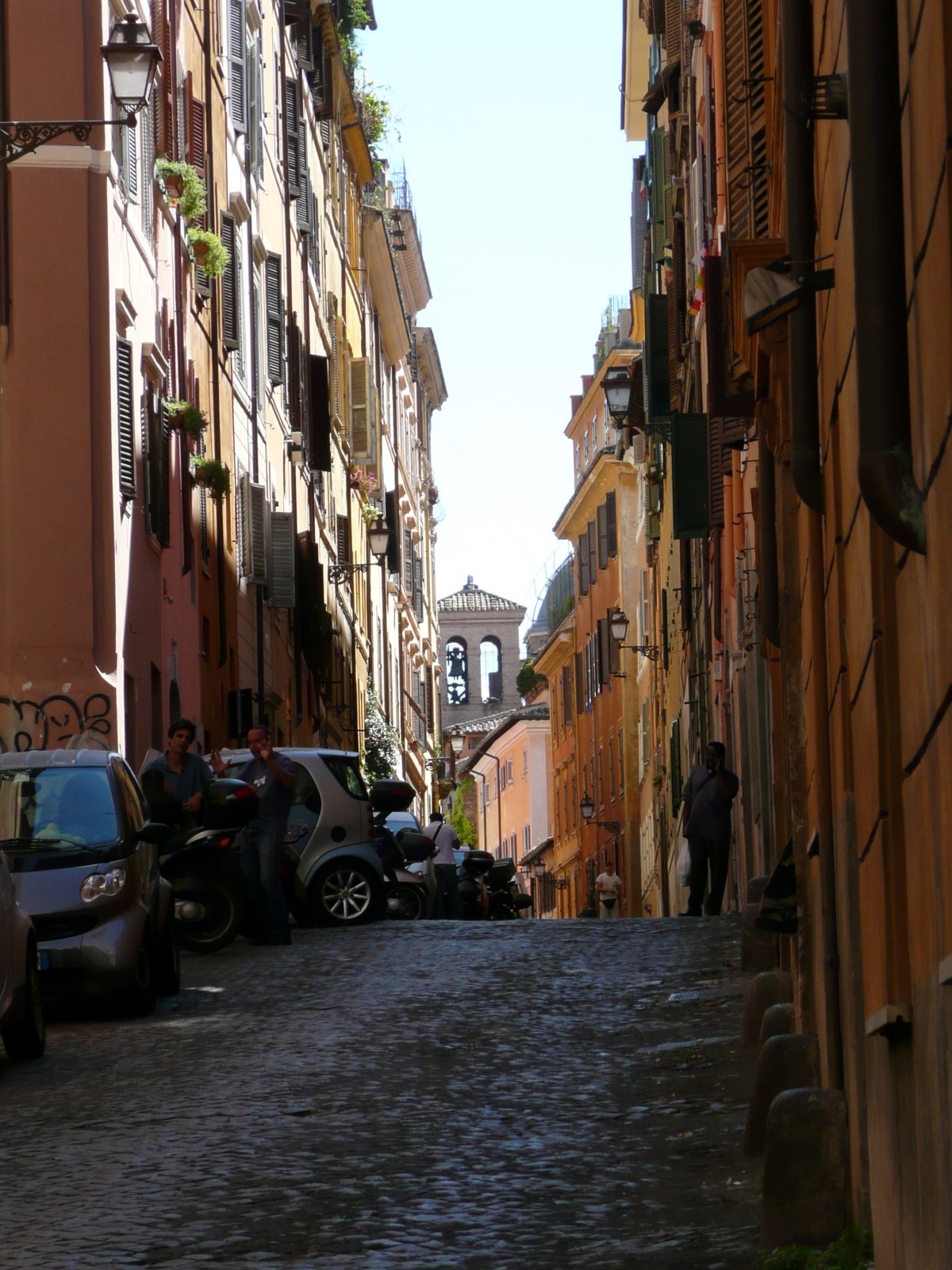
| Around the Town: Various photos from around the town. | ||||||||||||
|
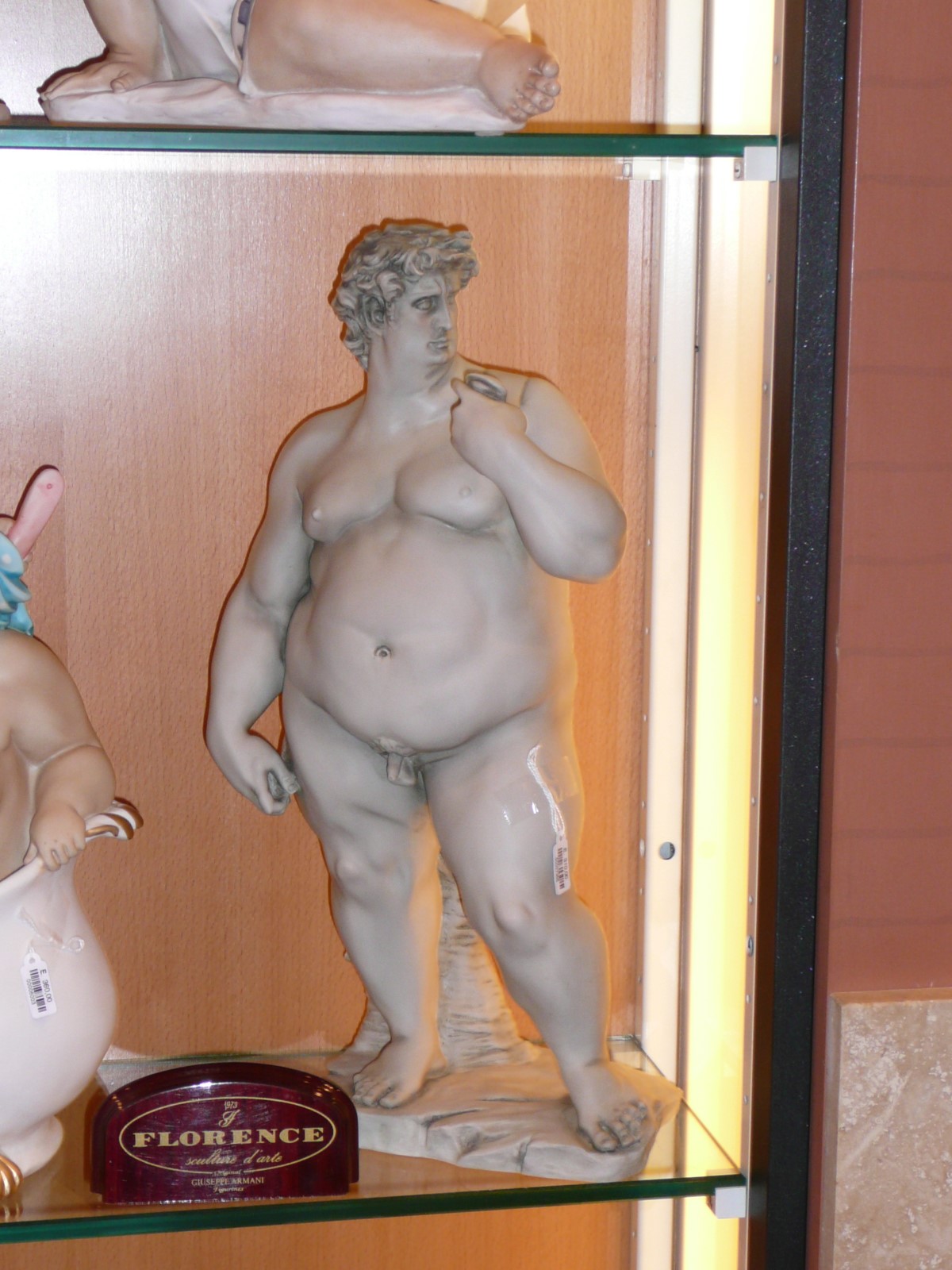
Michelangelo's David - ok not really but we
thought this was great statue we found in one of the tourist shops
Mopeds - the second photo shows another reason to come to Rome
The path along the Arno River close to the Vatican
A shop making statues
That's Eddie in the middle
|
||||||||||||
|
|
||||||||||||
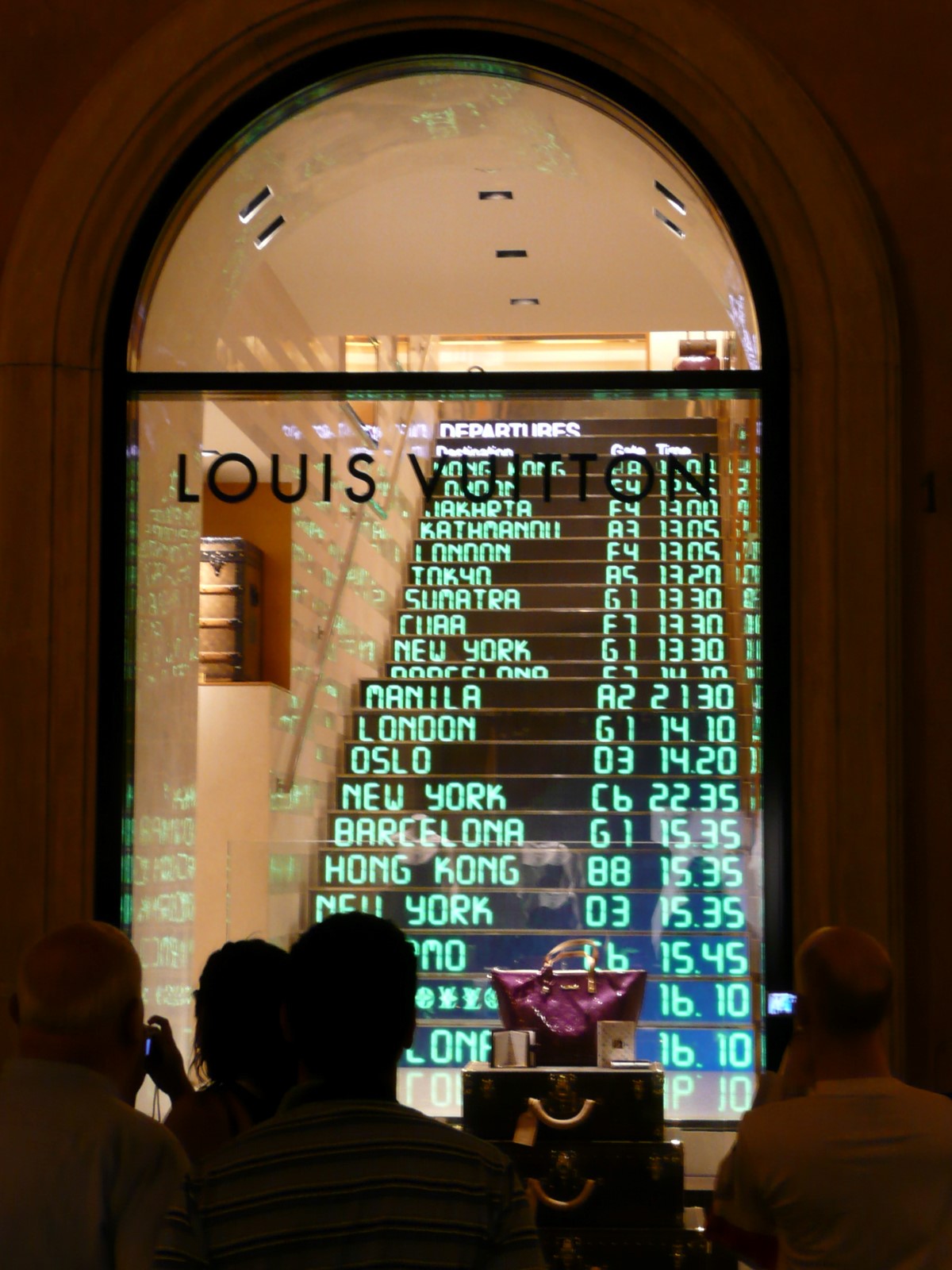
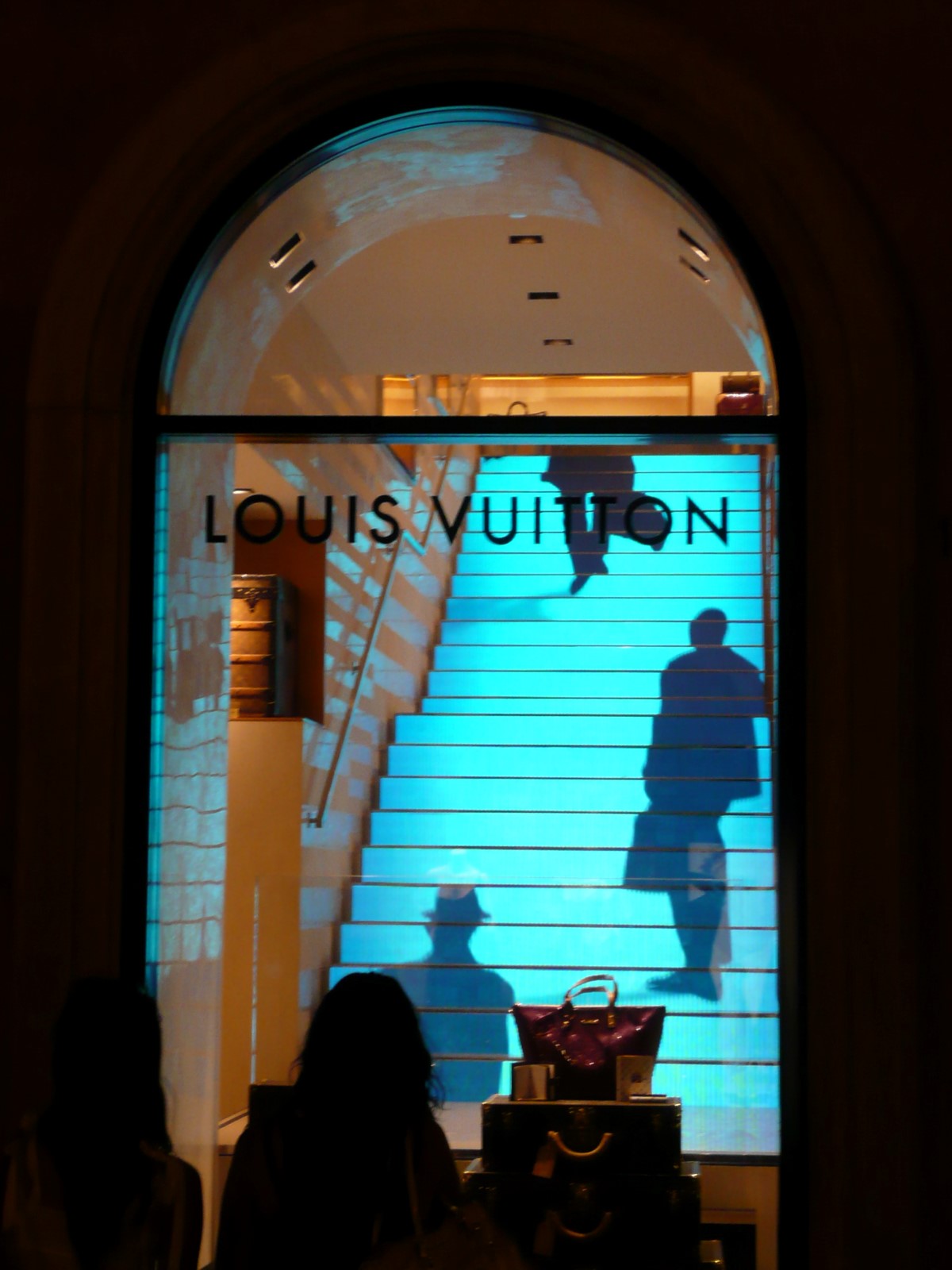
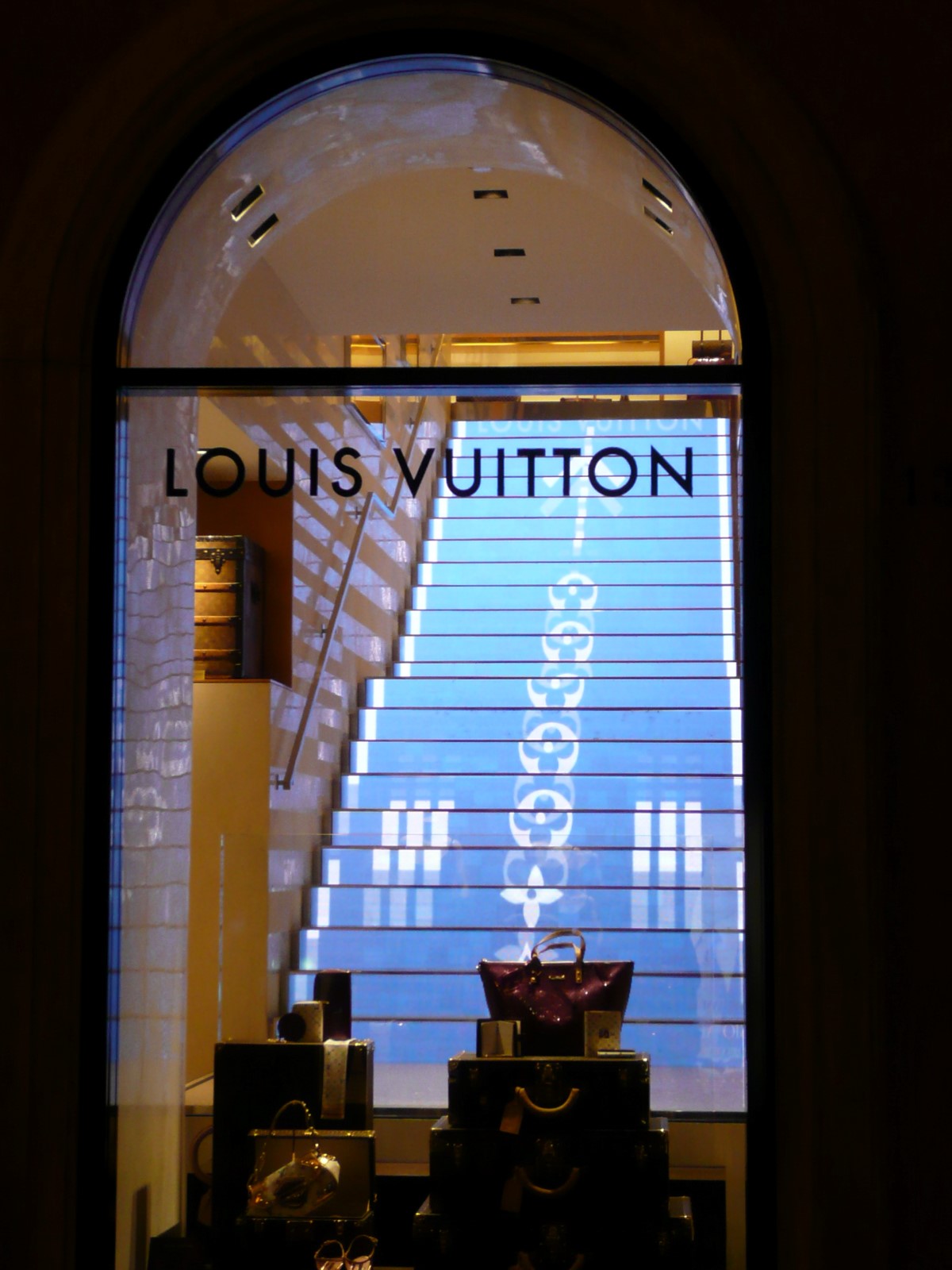
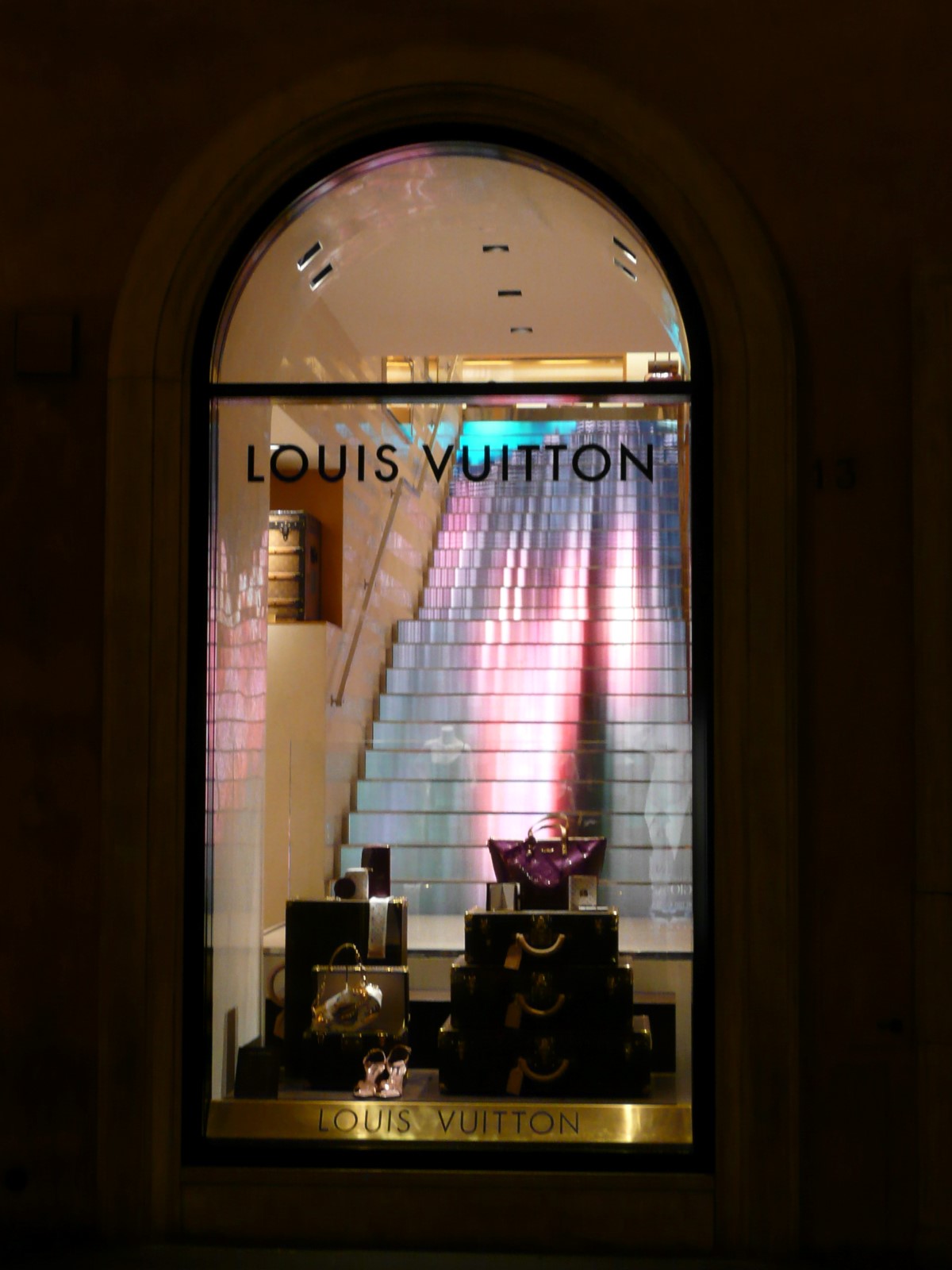
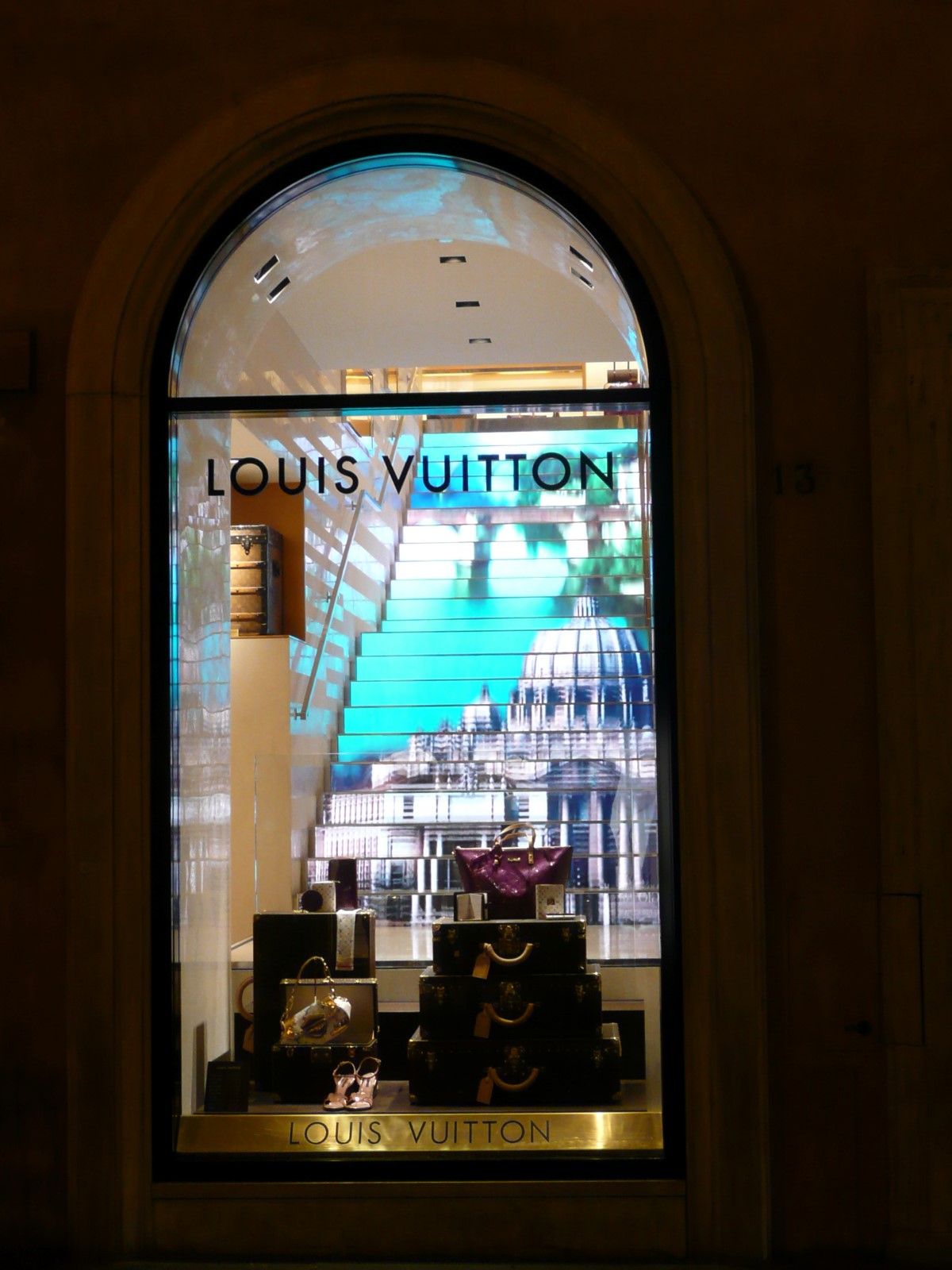
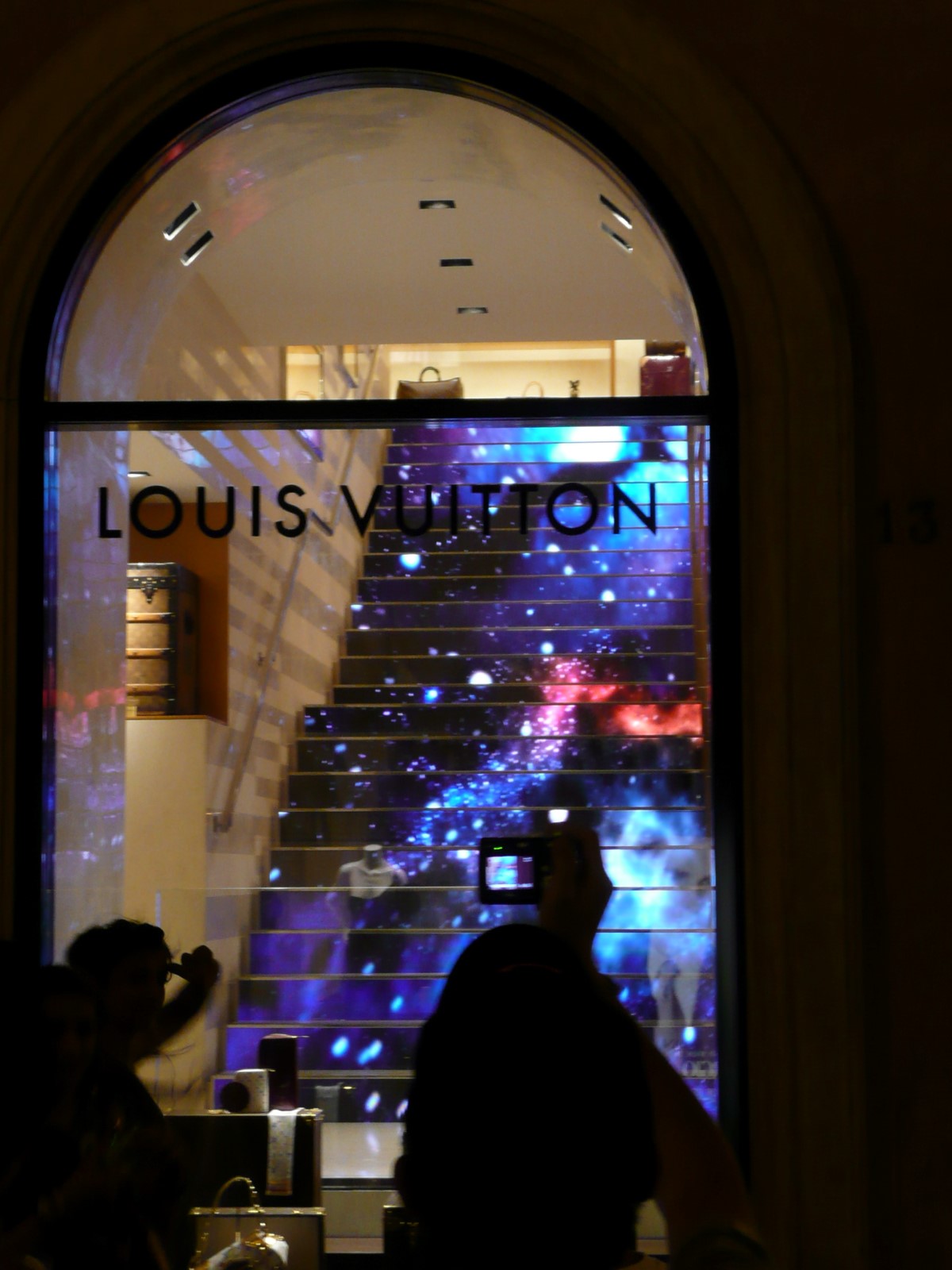
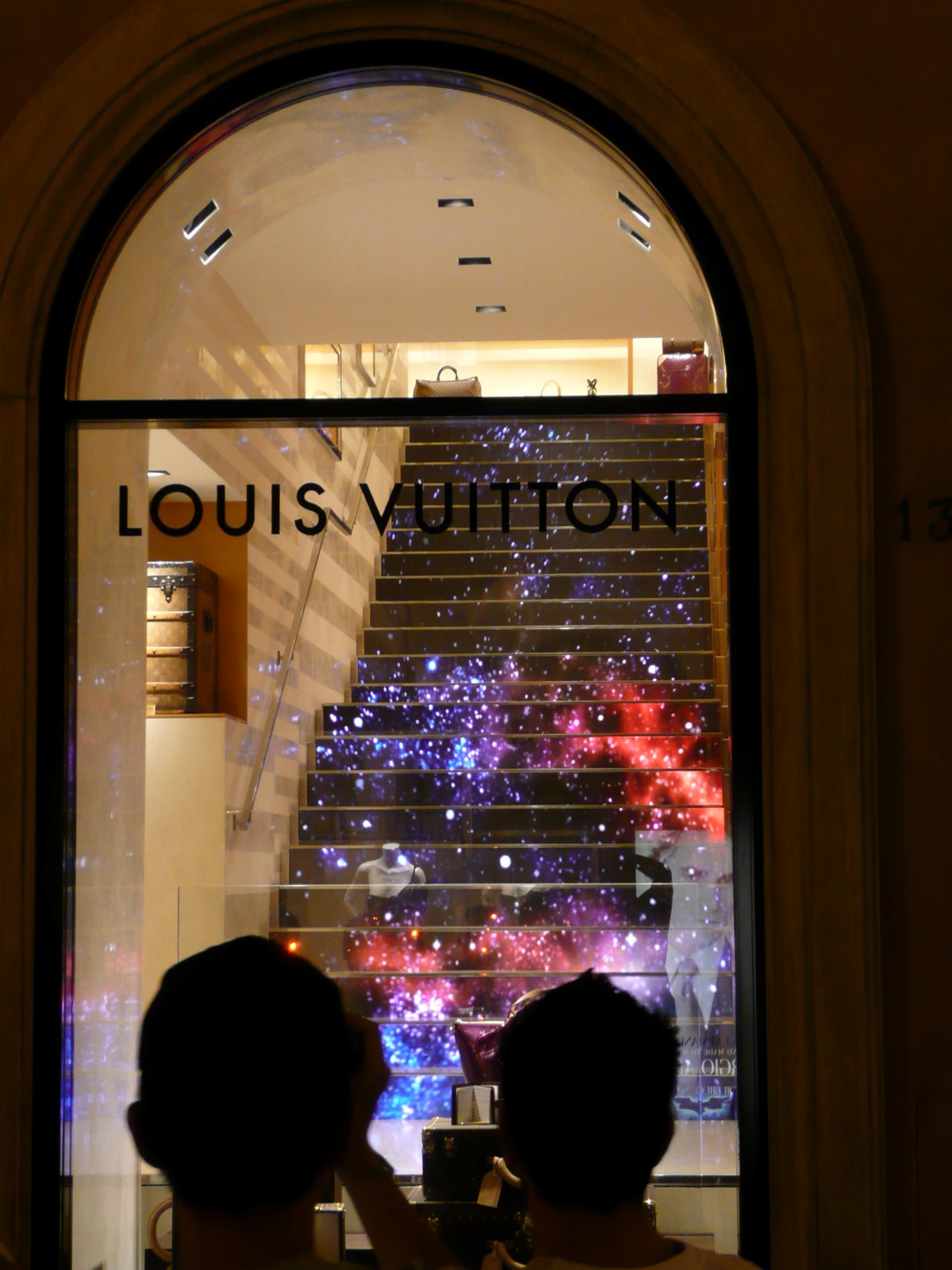
| Louis Vuitton: This is the store front we found while walking around one evening in the area by the Spanish Steps. It was interesting to watch the graphics of the staircase. | ||||||||||||
|
||||||||||||
|
<<< Previous Page Next Page >>> |