Italy:
Rome (page 3 of 4)
Italy:
Rome (page 3 of 4) Italy:
Rome (page 3 of 4)
|
||||||||
|
<<< Previous Page Next Page >>> |
||||||||
|
||||||||
|
|
||||||||
|
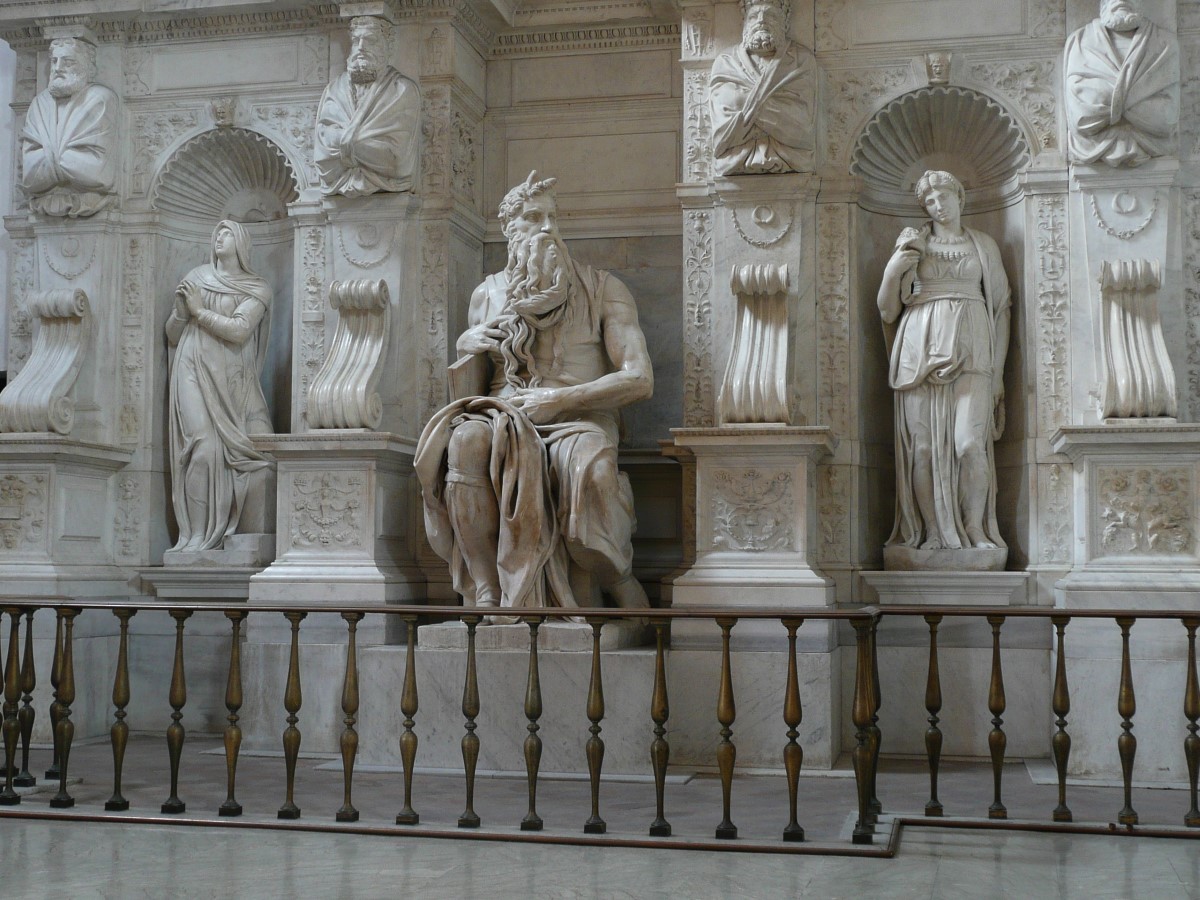
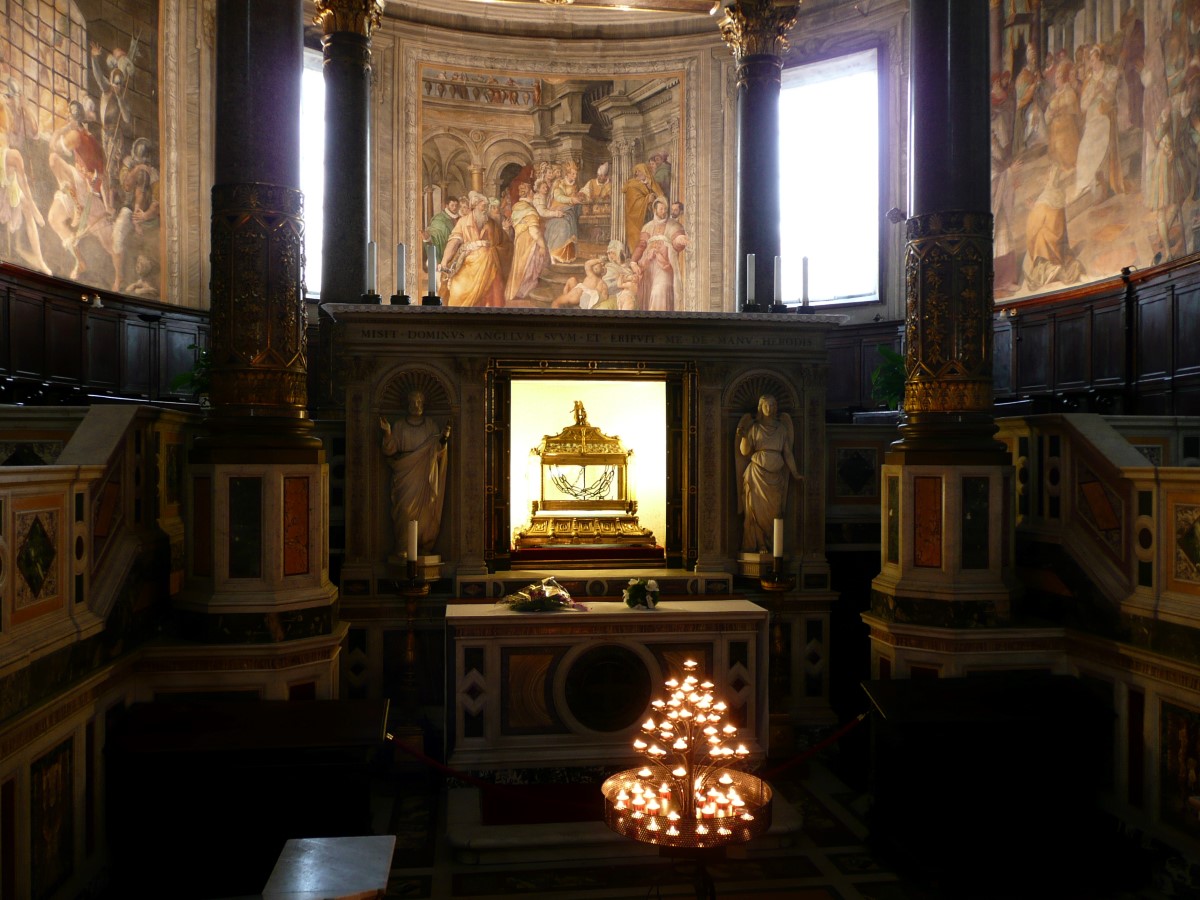
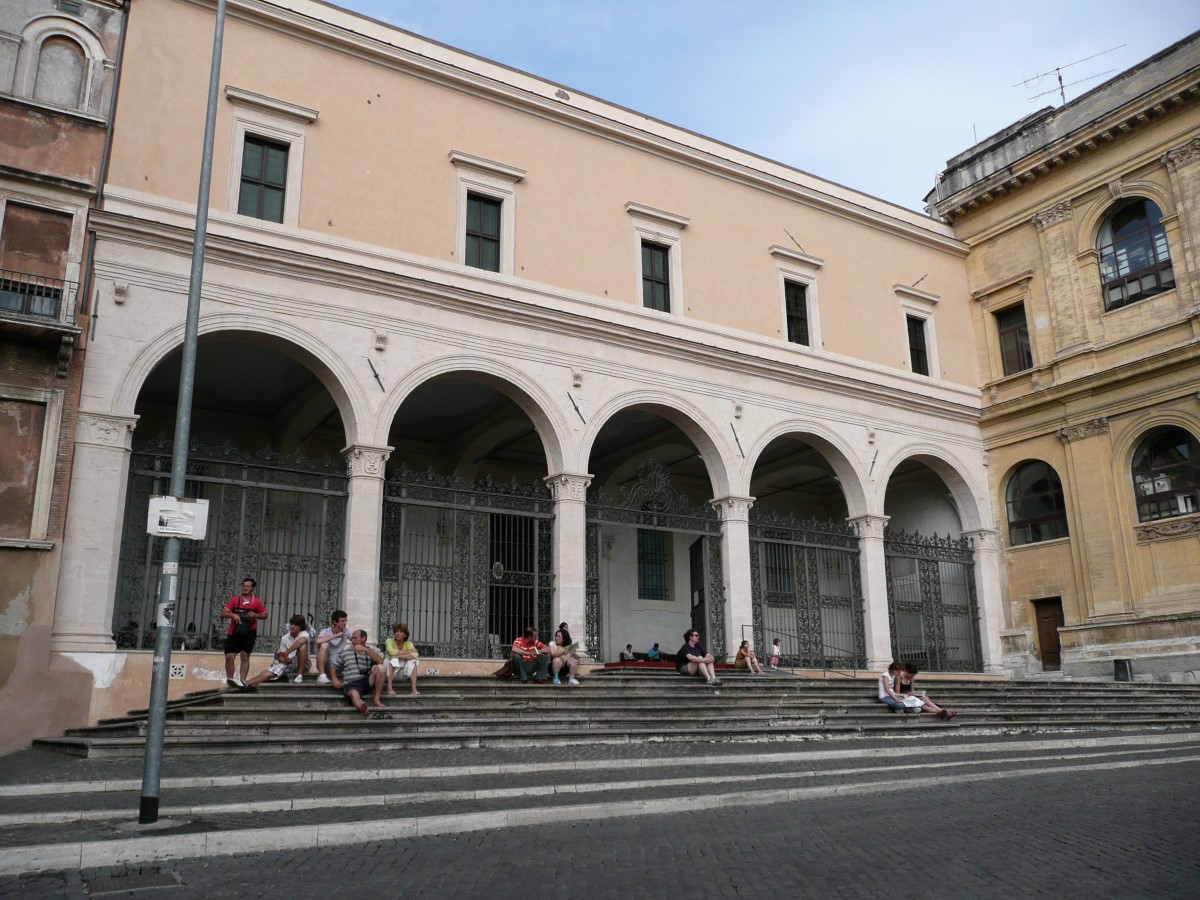
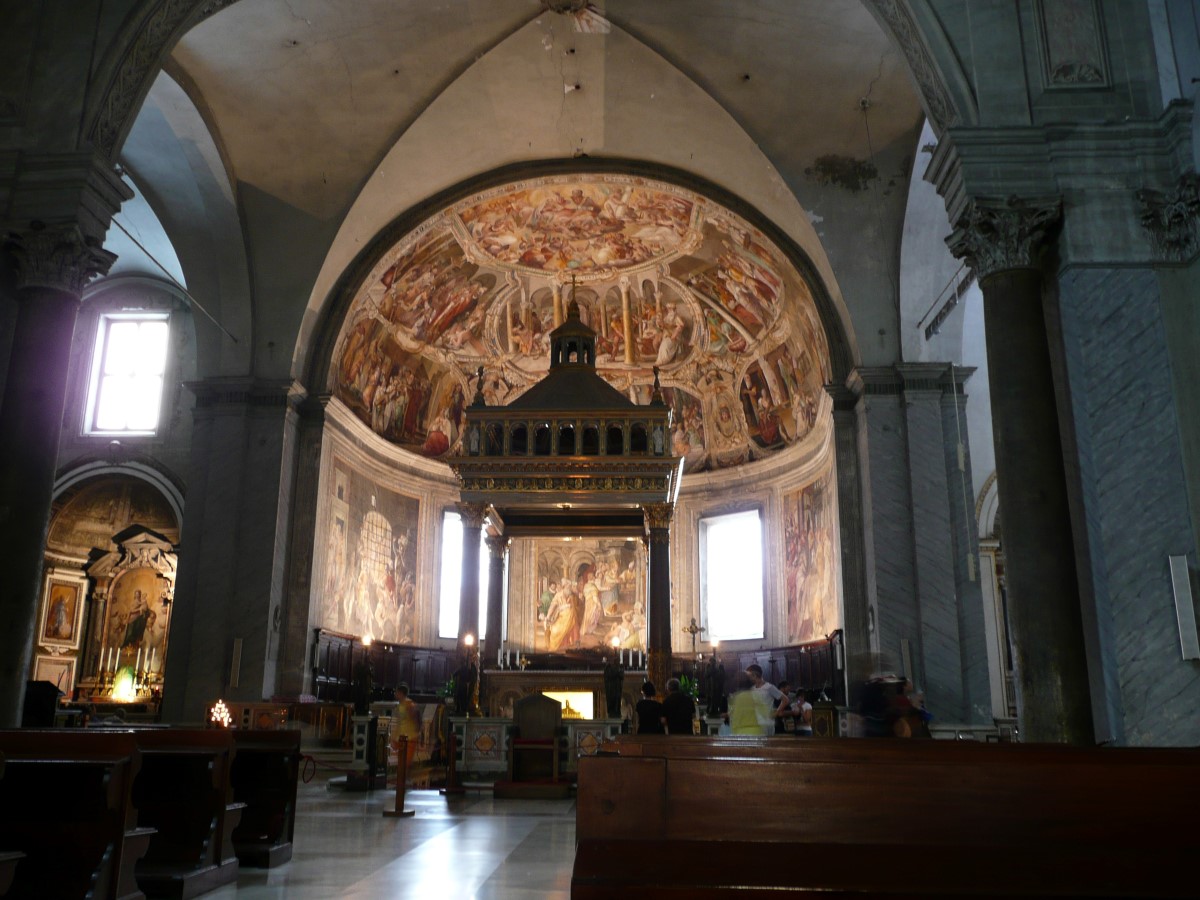
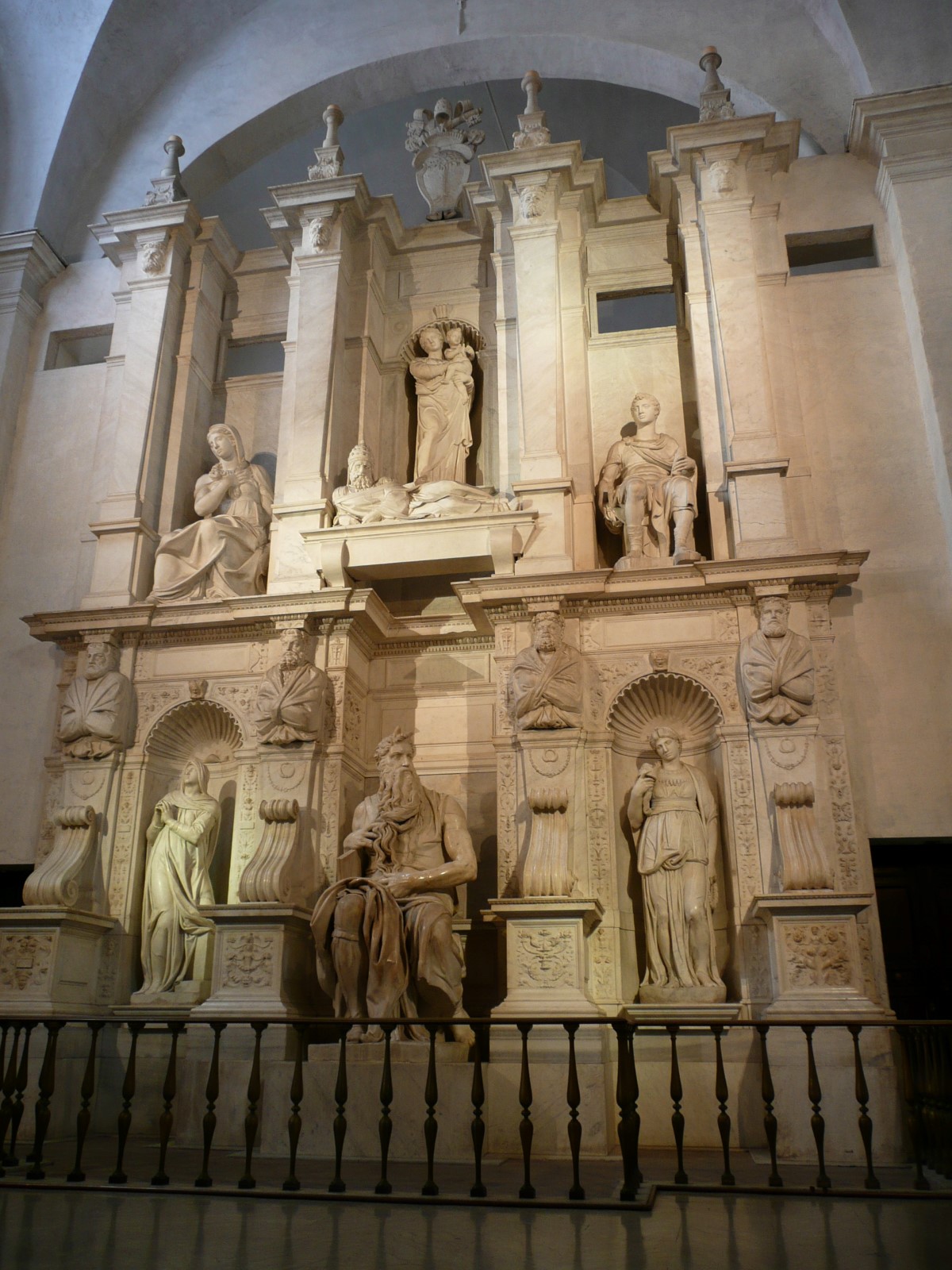
San Pietro in Vincoli (Moses / St. Peter's
Chains): San Pietro in Vincoli (Saint Peter in Chains) is a basilica in Rome, best known for being the home of Michelangelo's magnificent statue of Moses.
Michelangelo's Moses (completed 1515), while originally intended as part of a massive 47-statue, free-standing funeral monument for Pope Julius II, became the centerpiece of the Pope's funeral monument and tomb in this, his family's church
(della Rovere family).
|
||||||||
|
|
||||||||
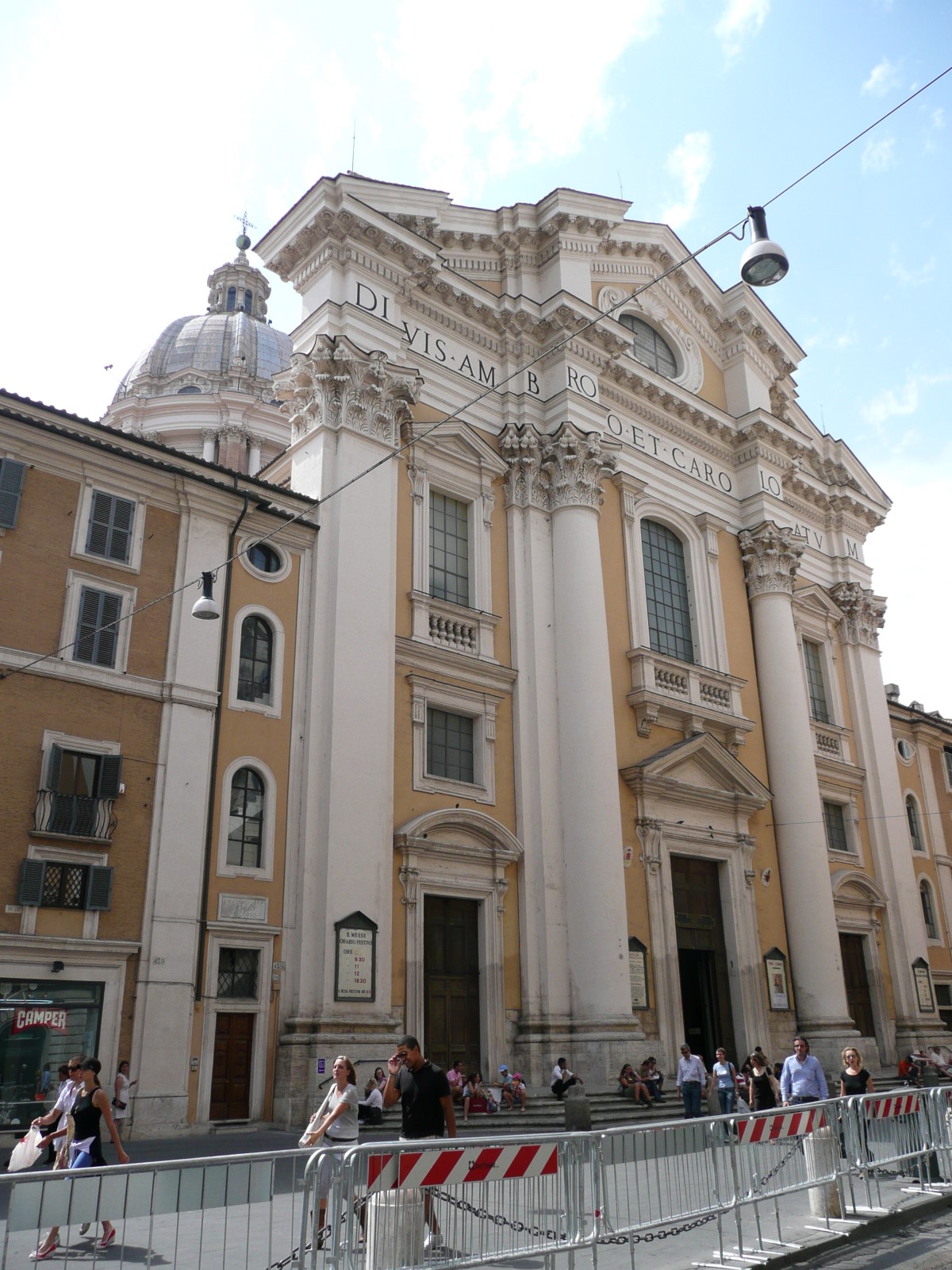
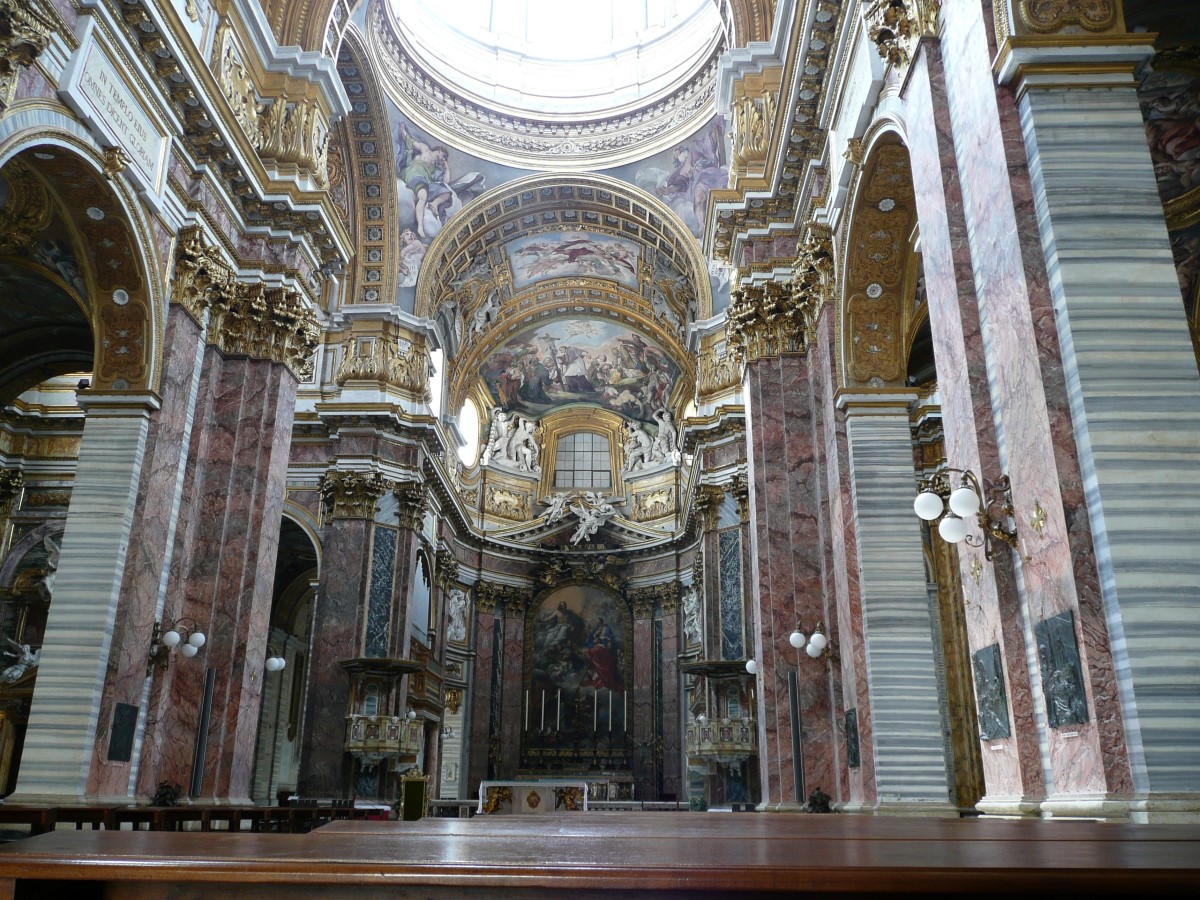
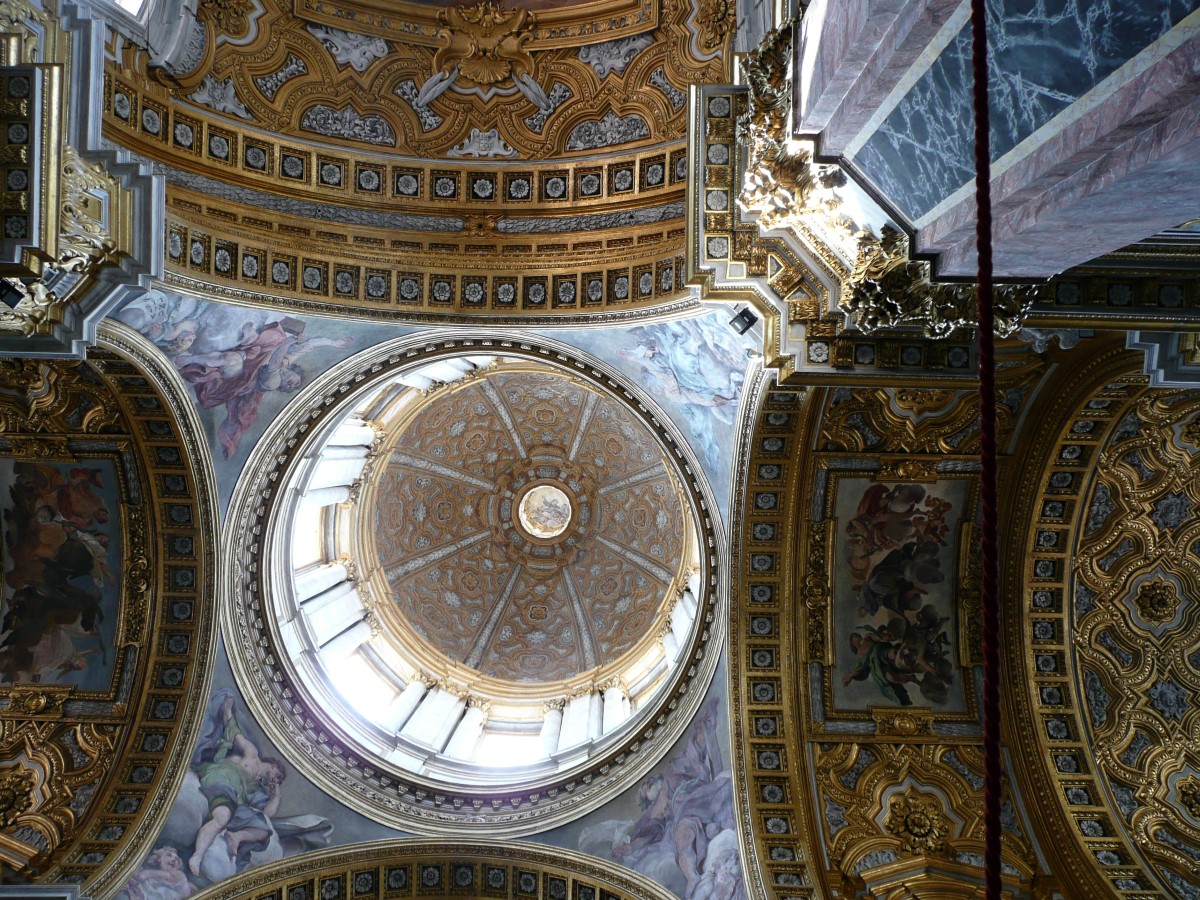
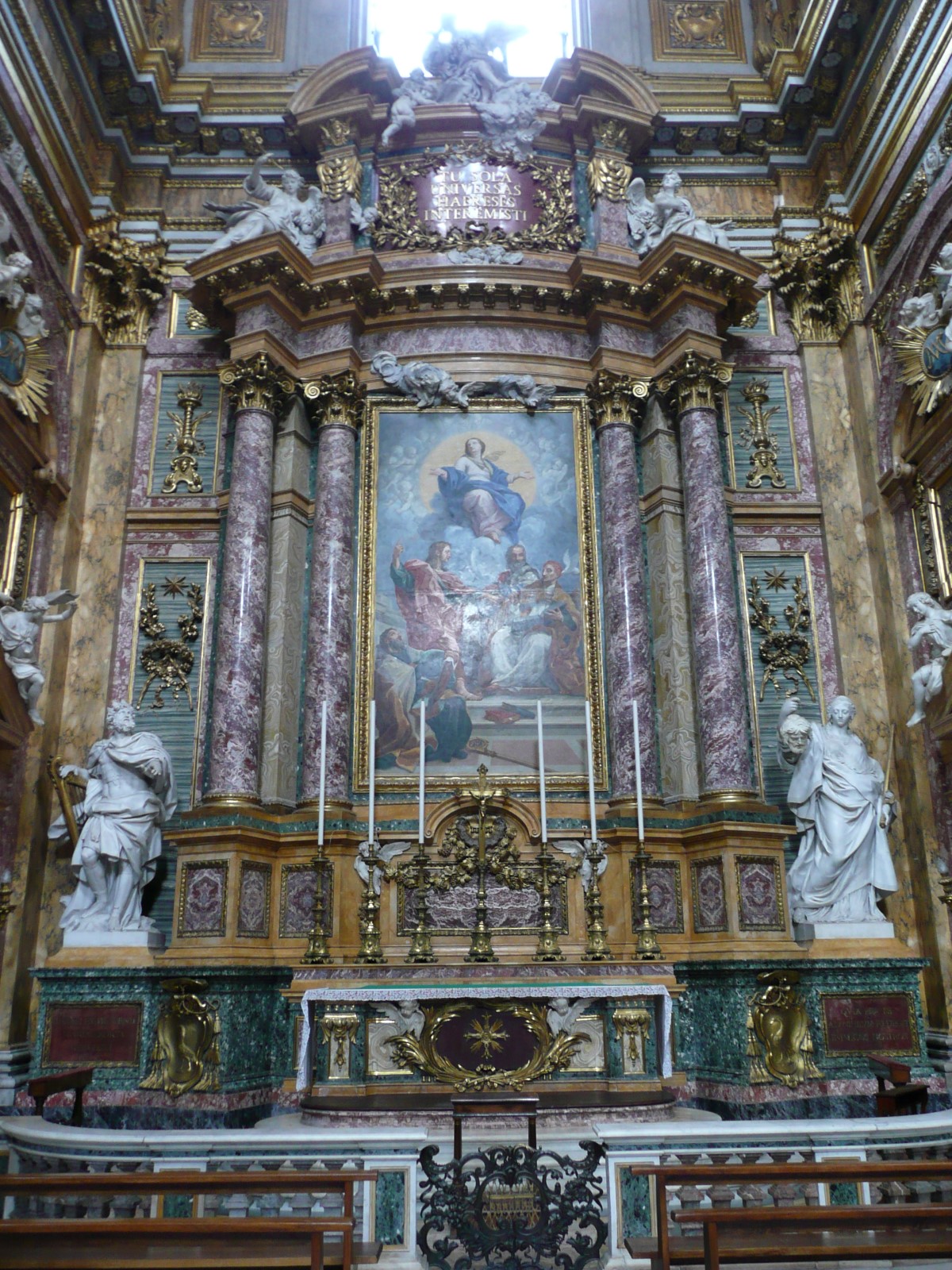
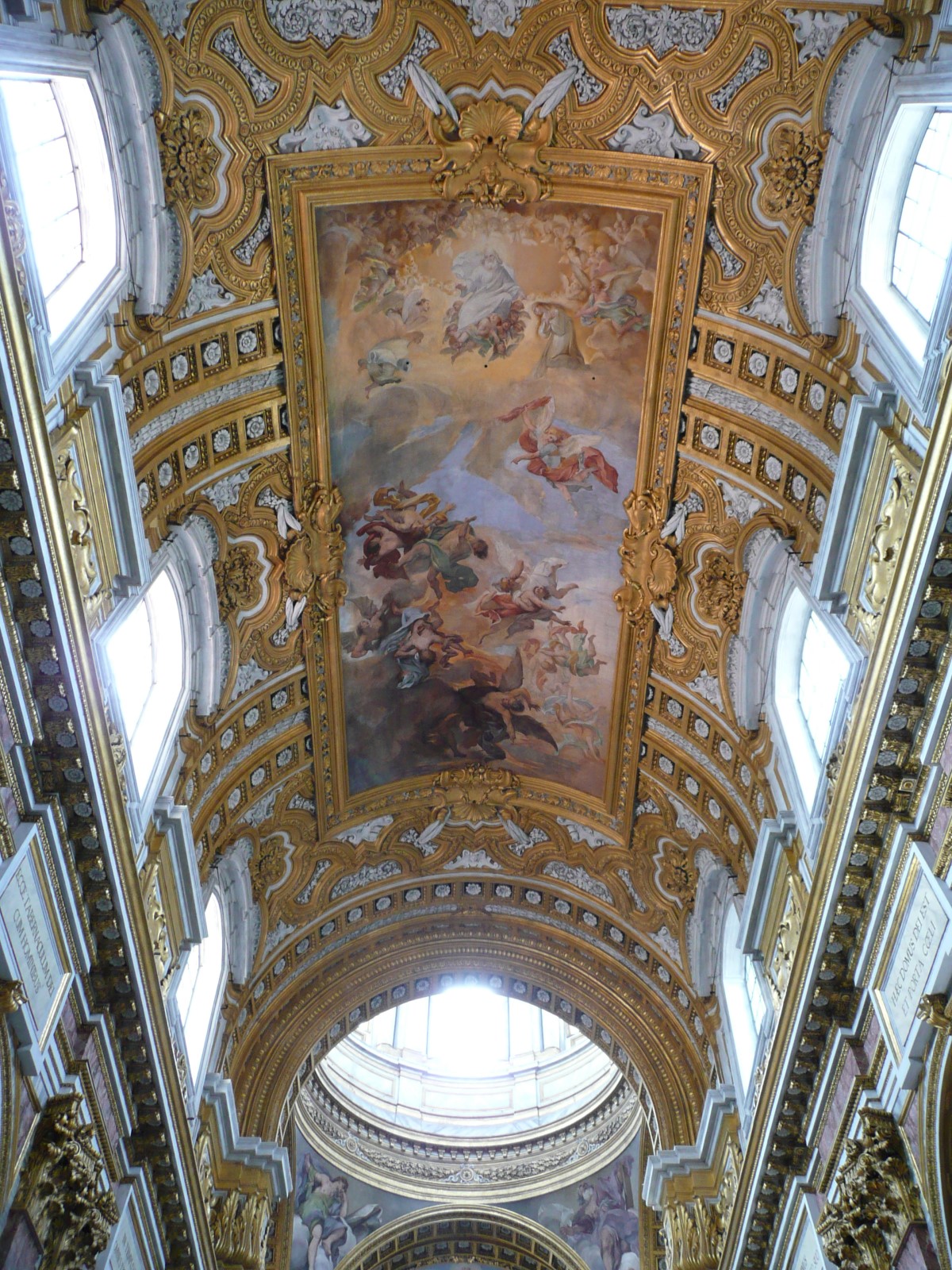
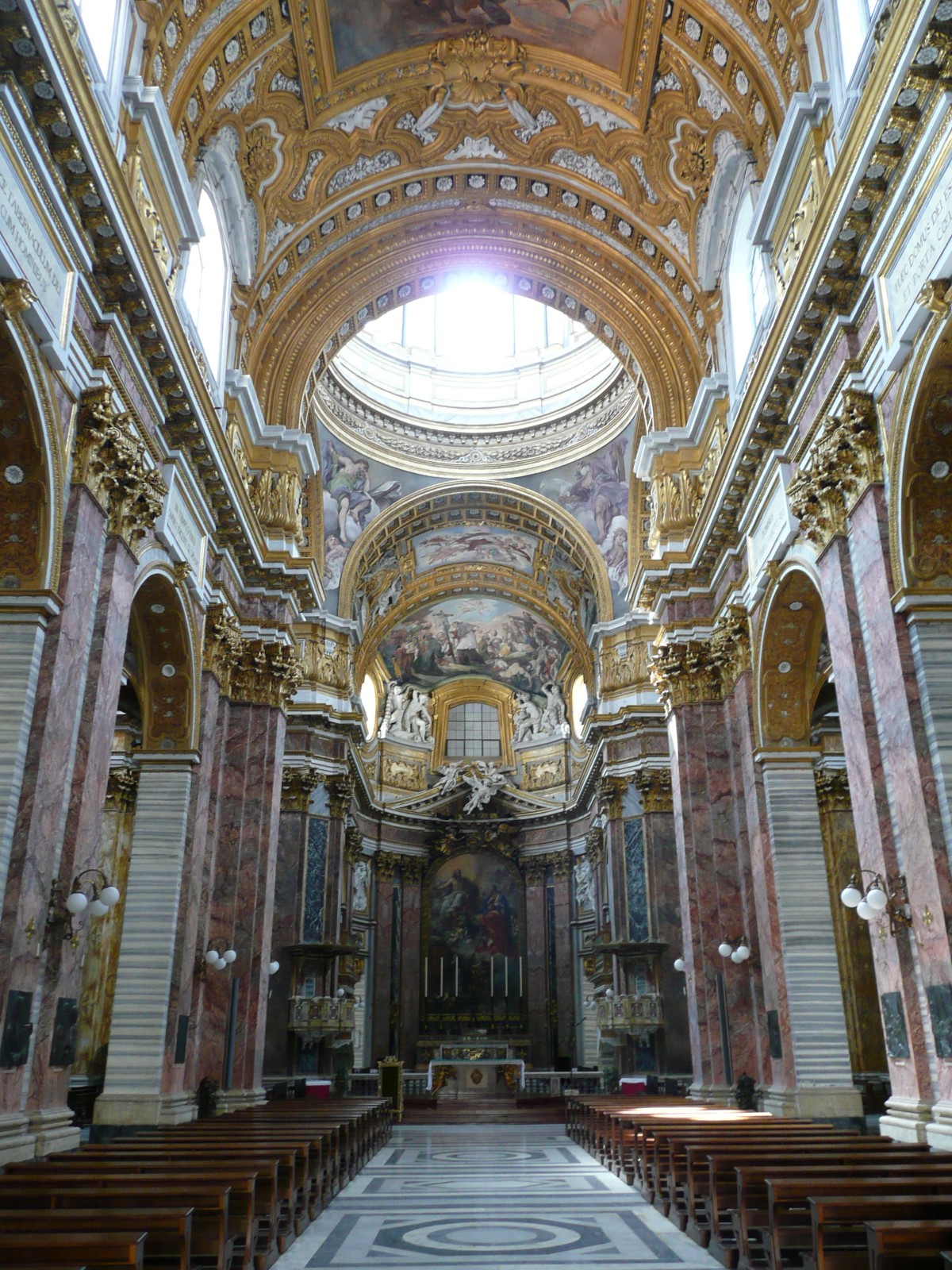
| Basilica dei SS Ambrogio E Carlo | ||||||||
|
||||||||
|
|
||||||||
|
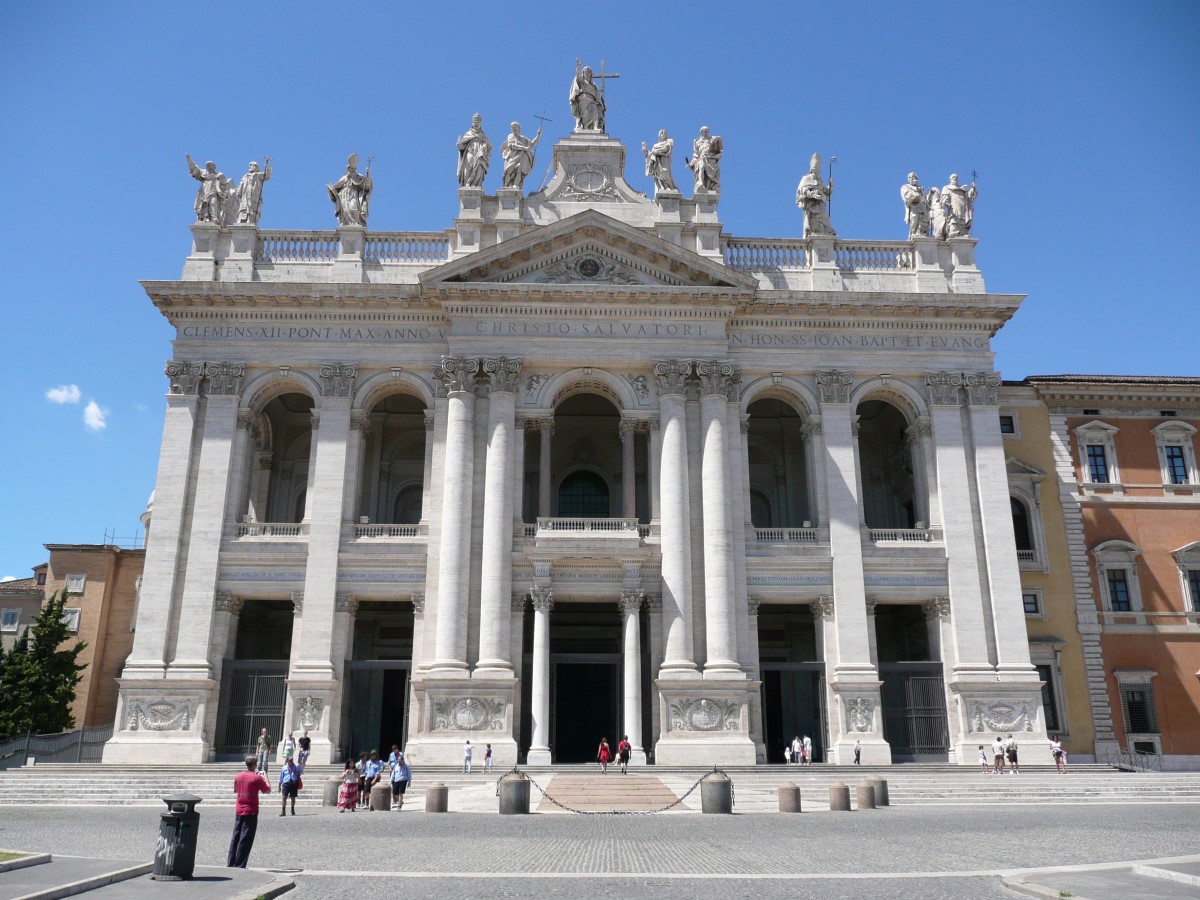
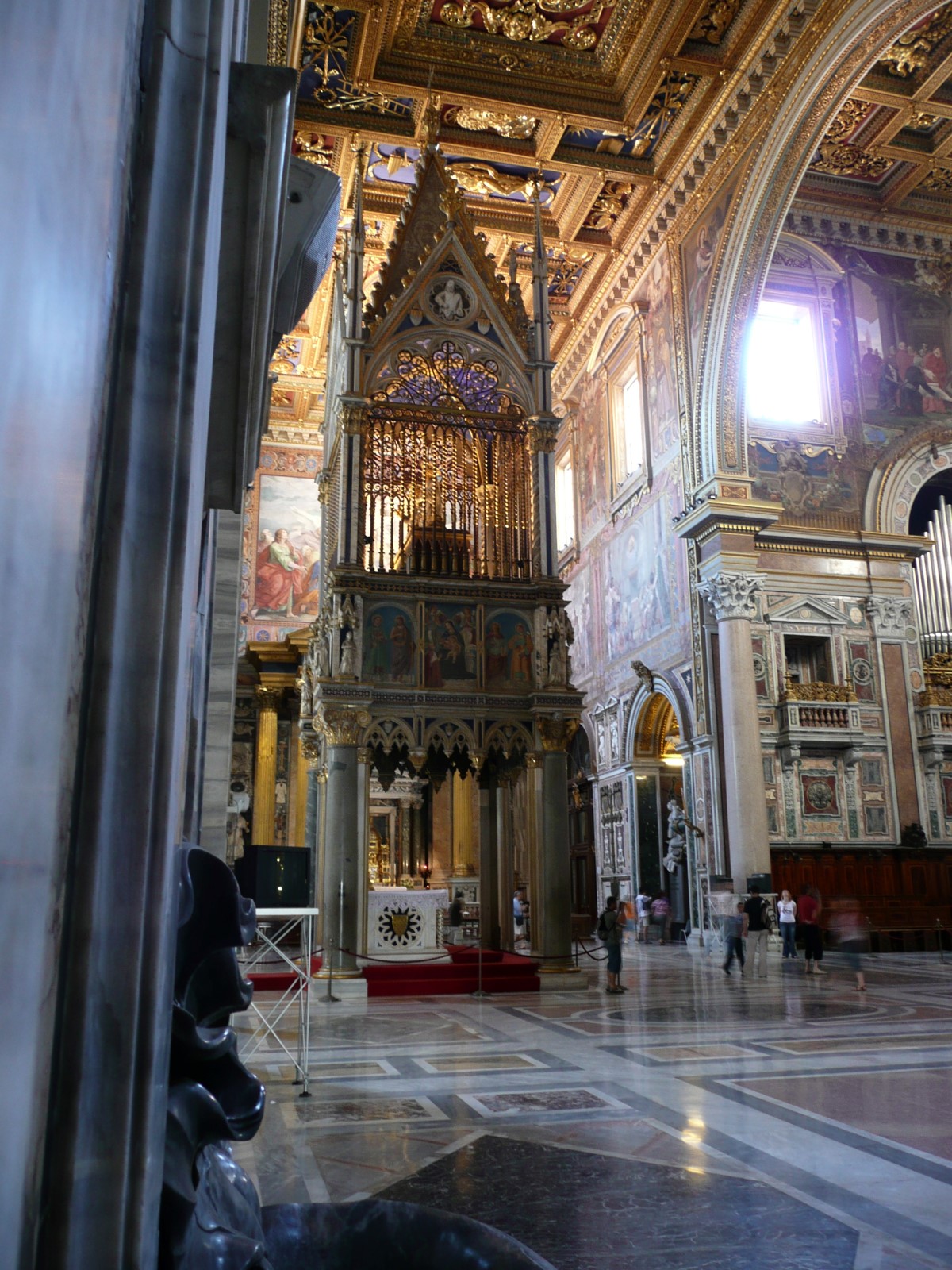
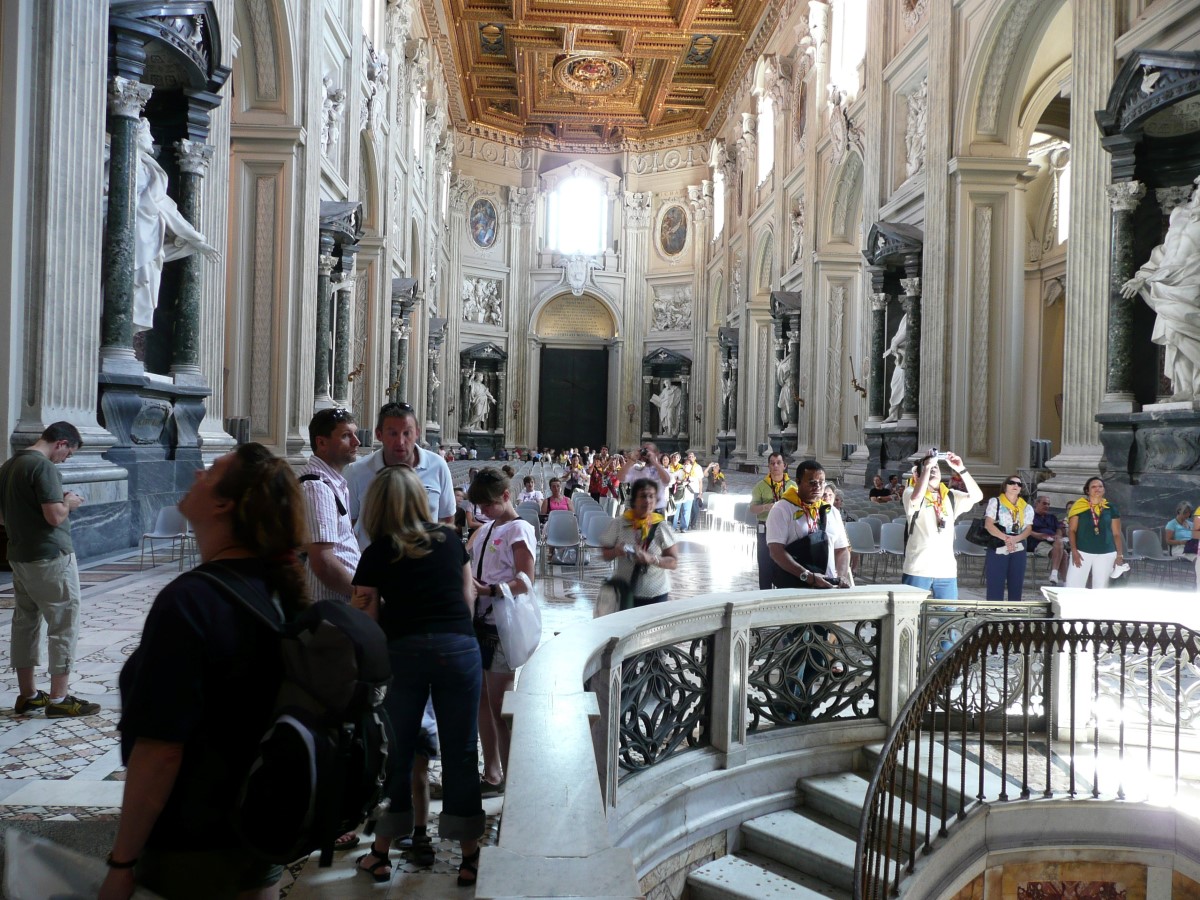
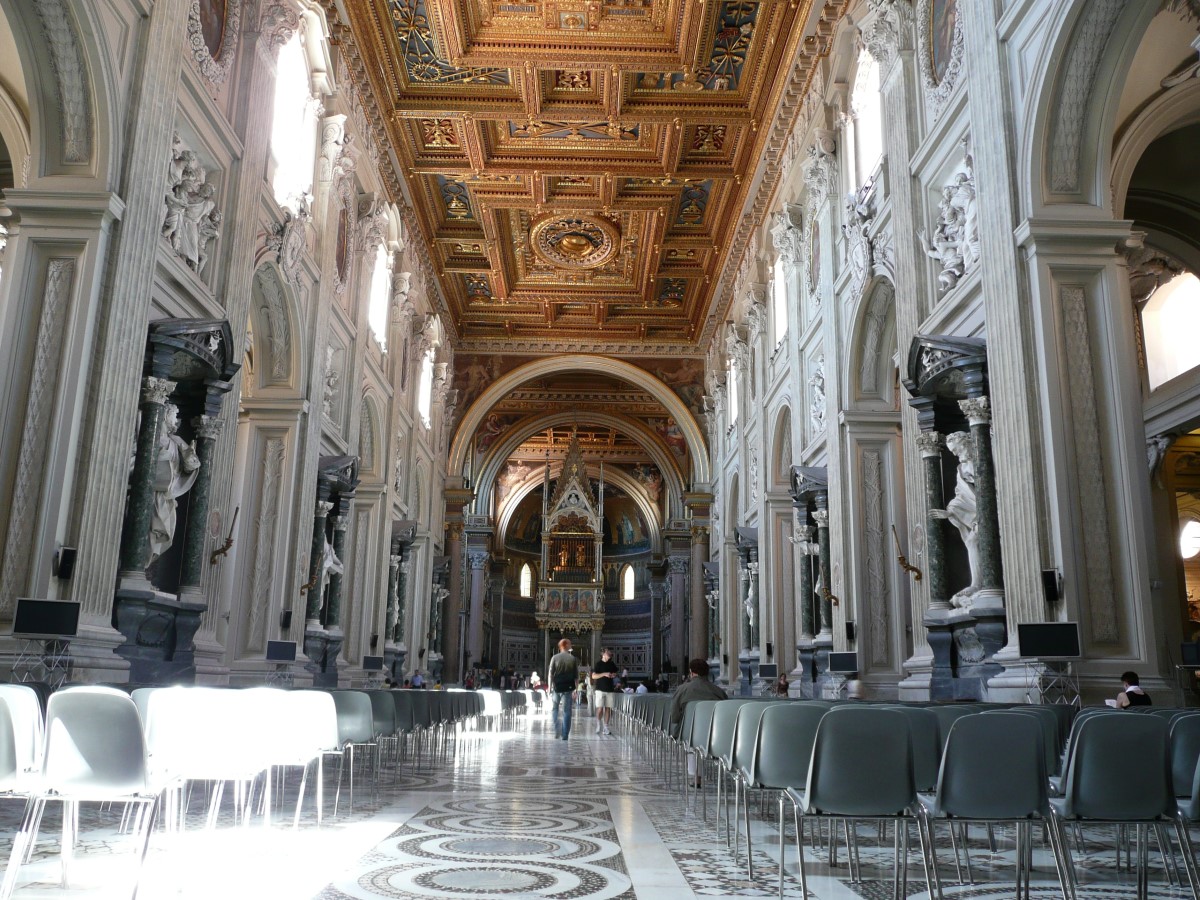
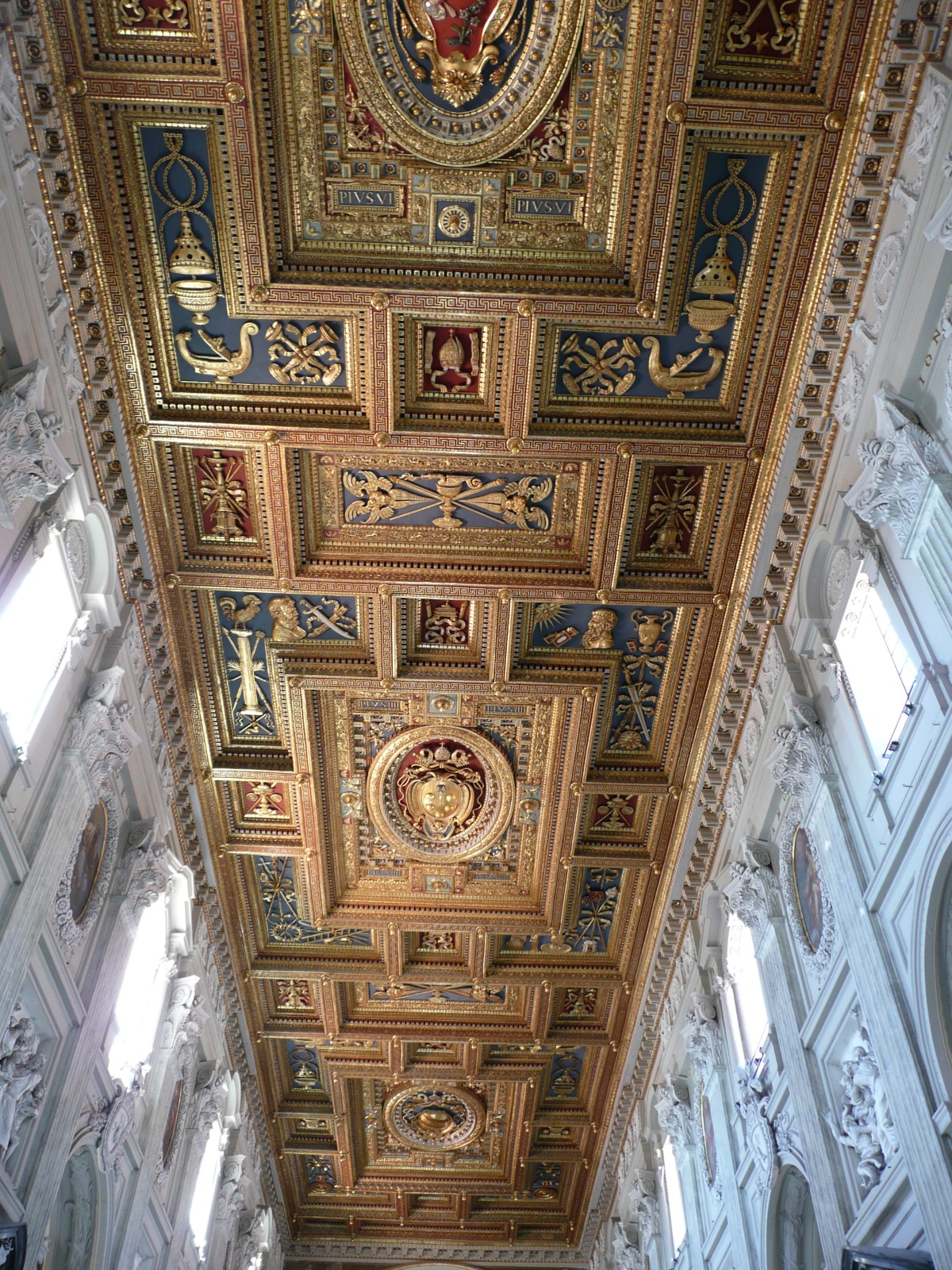
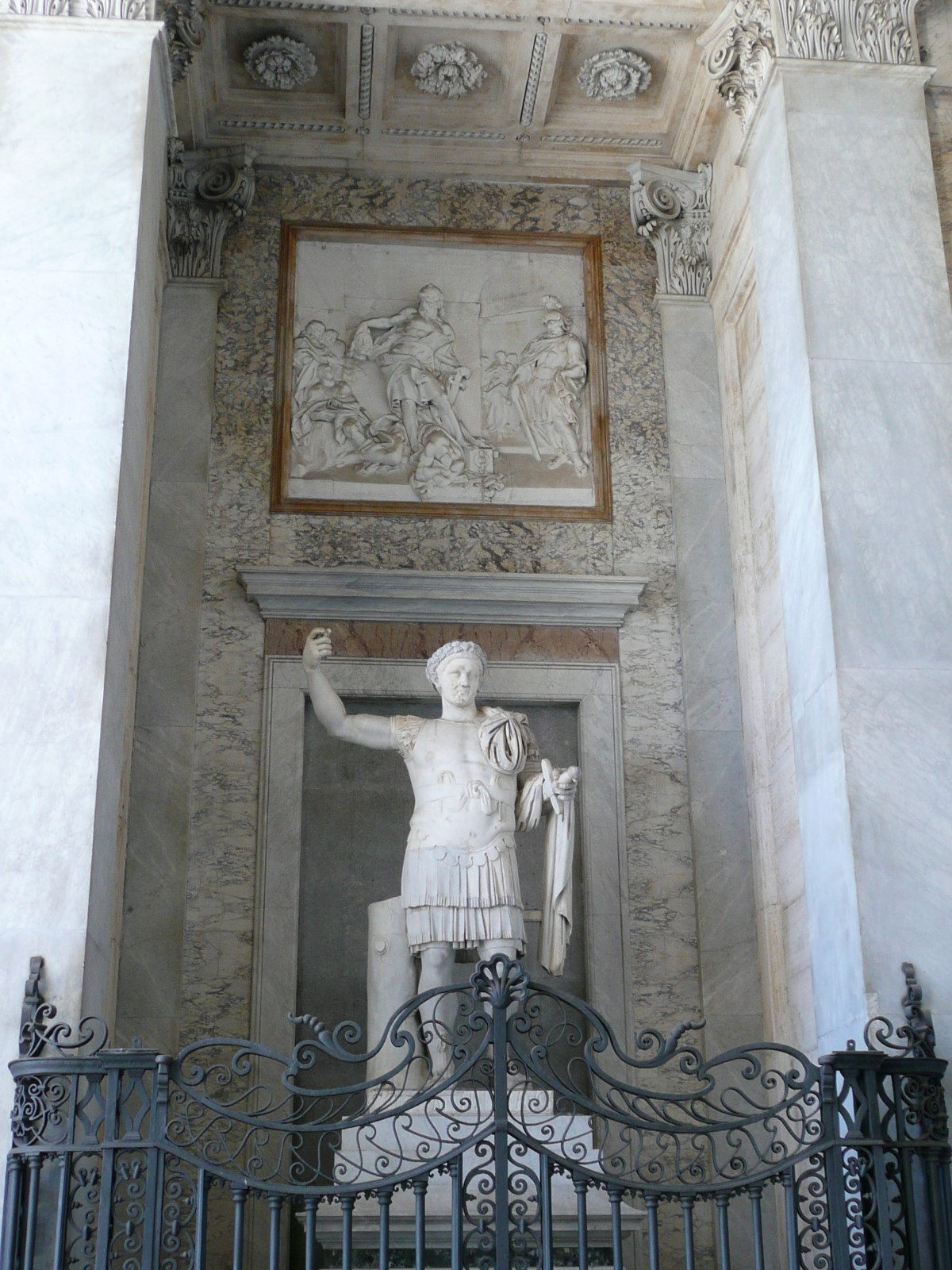
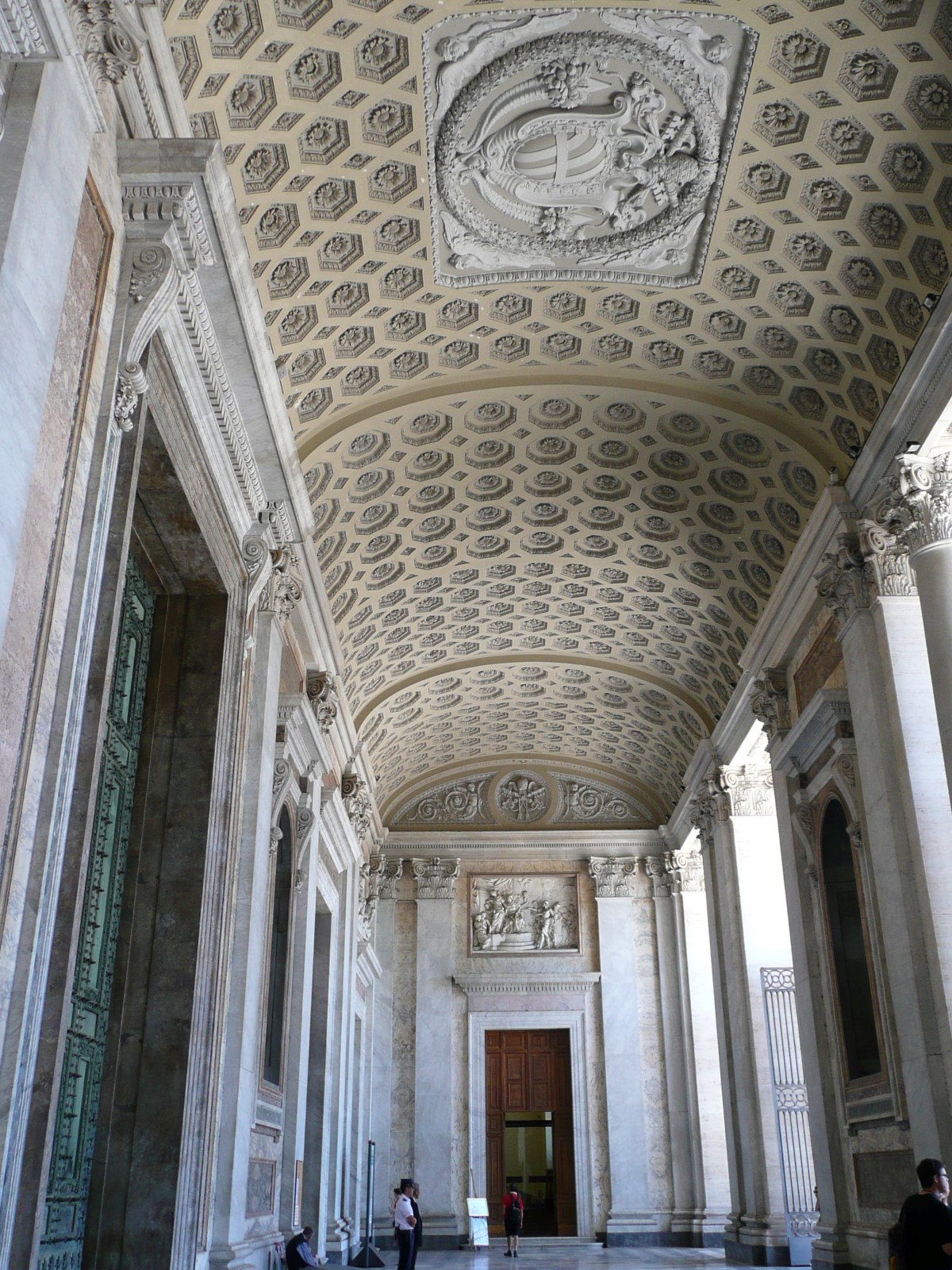
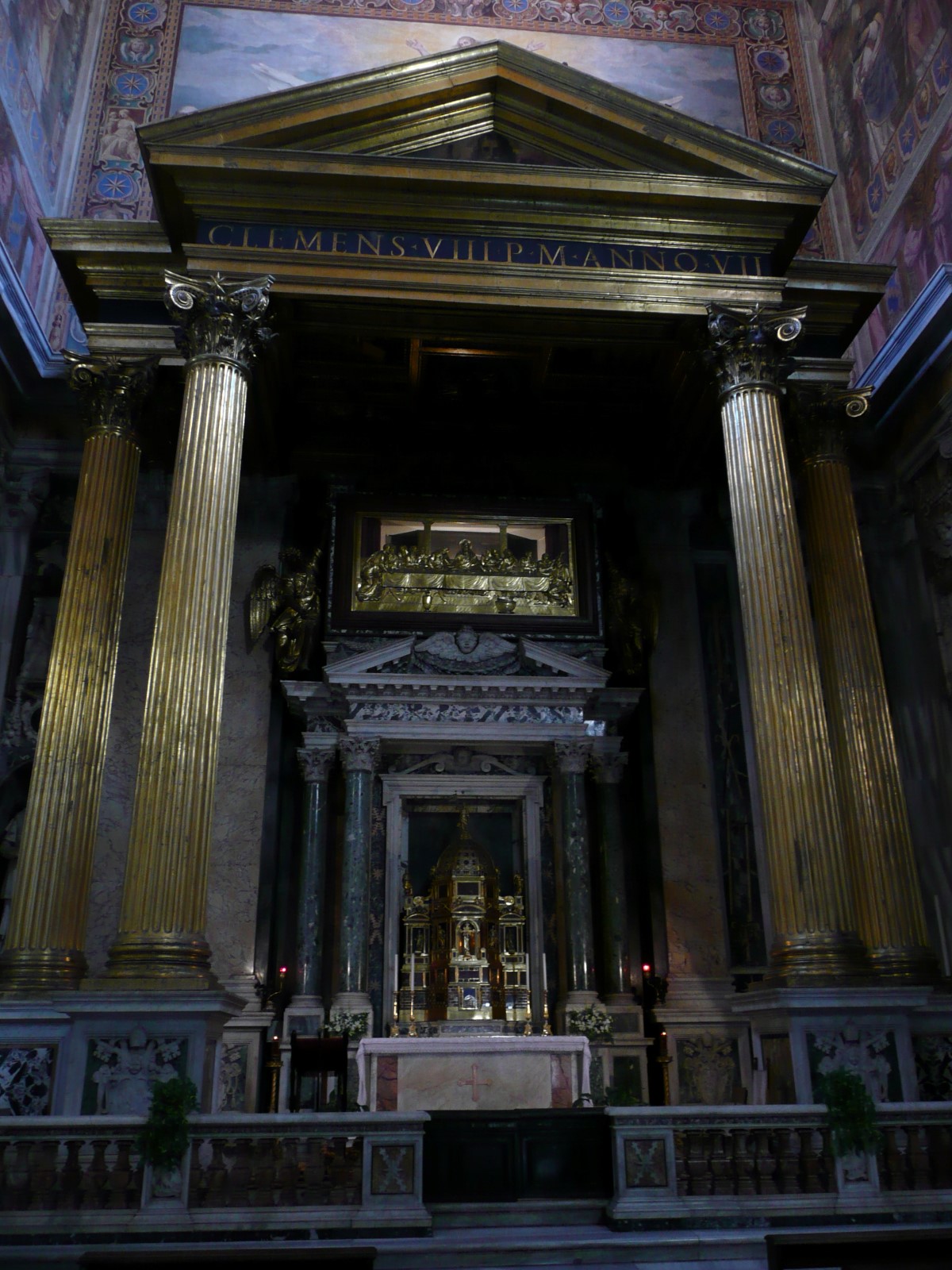
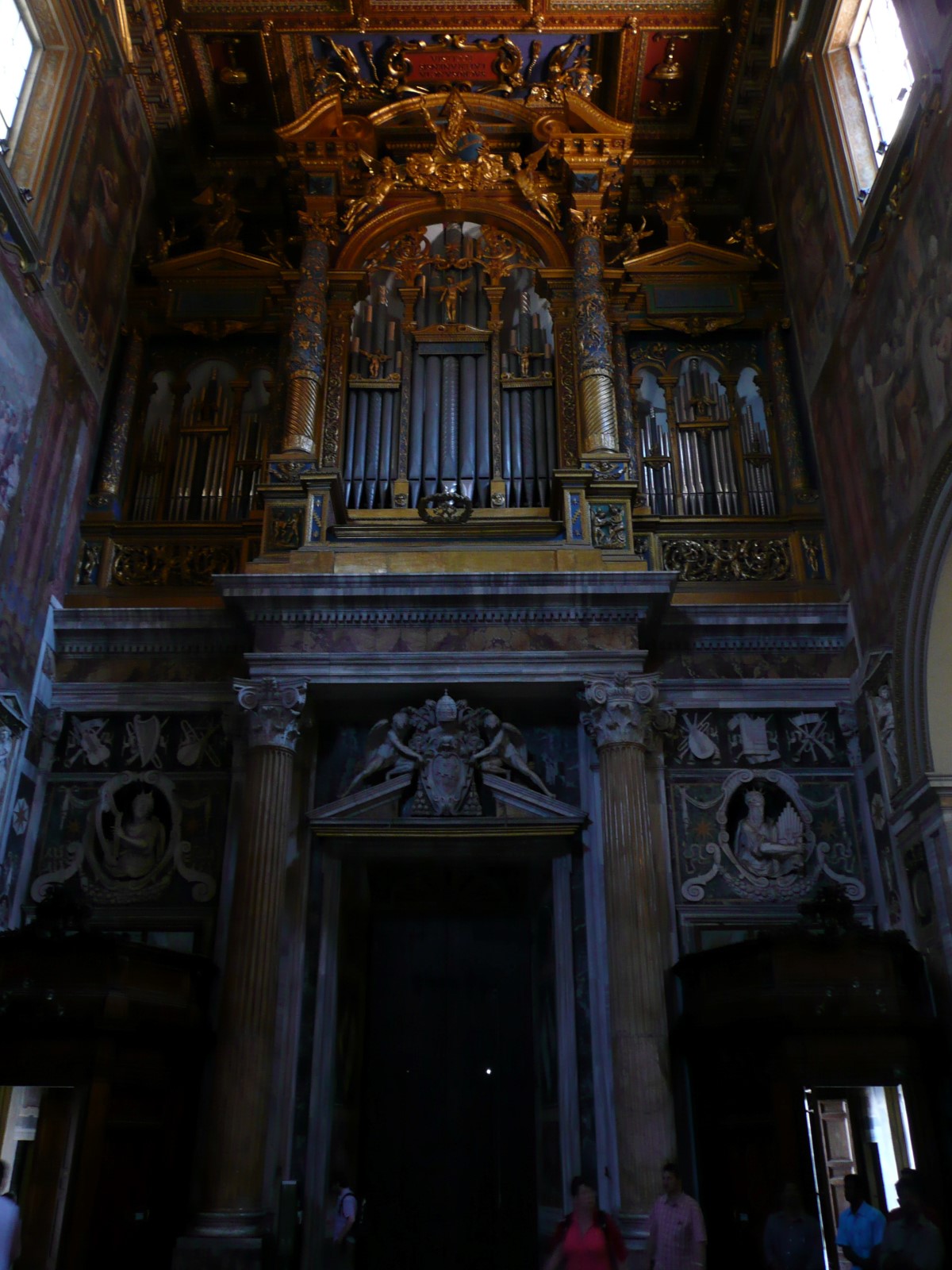
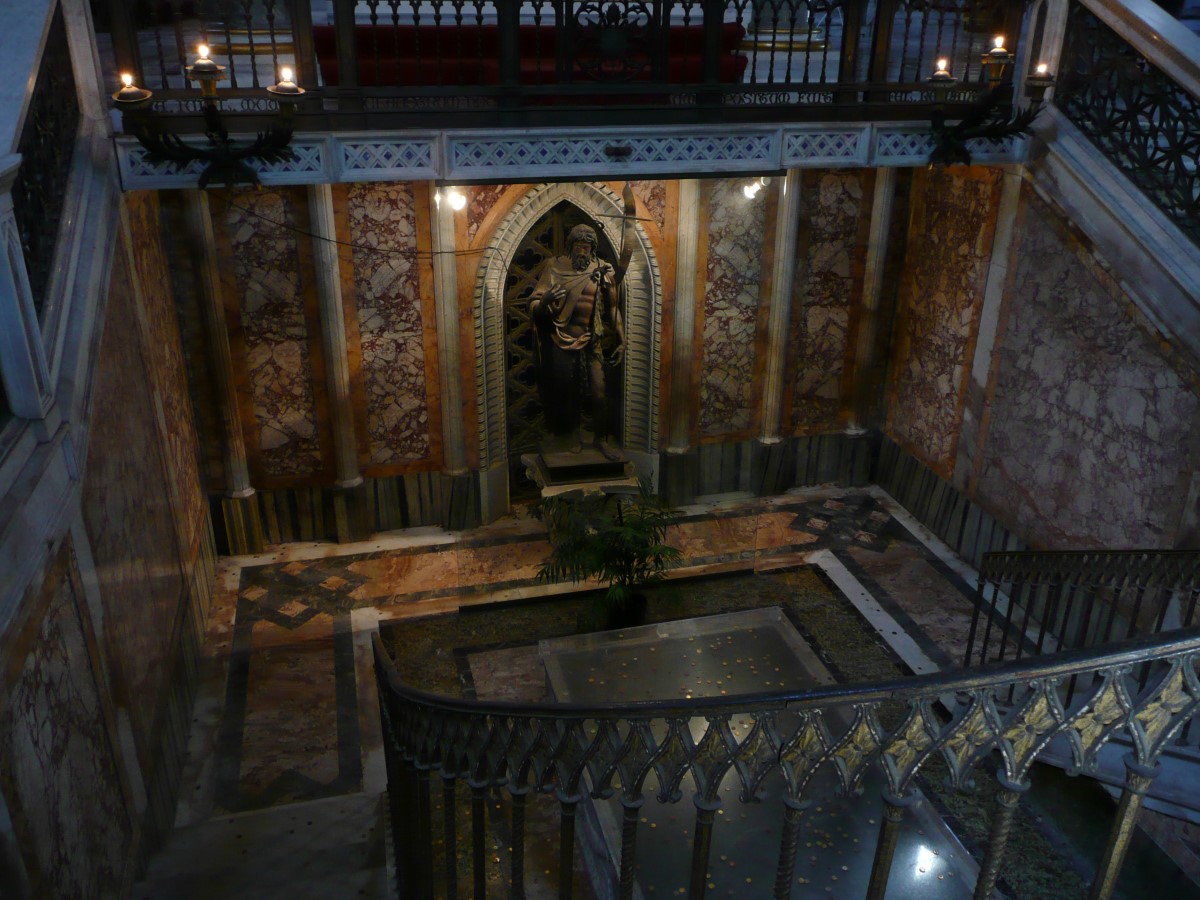
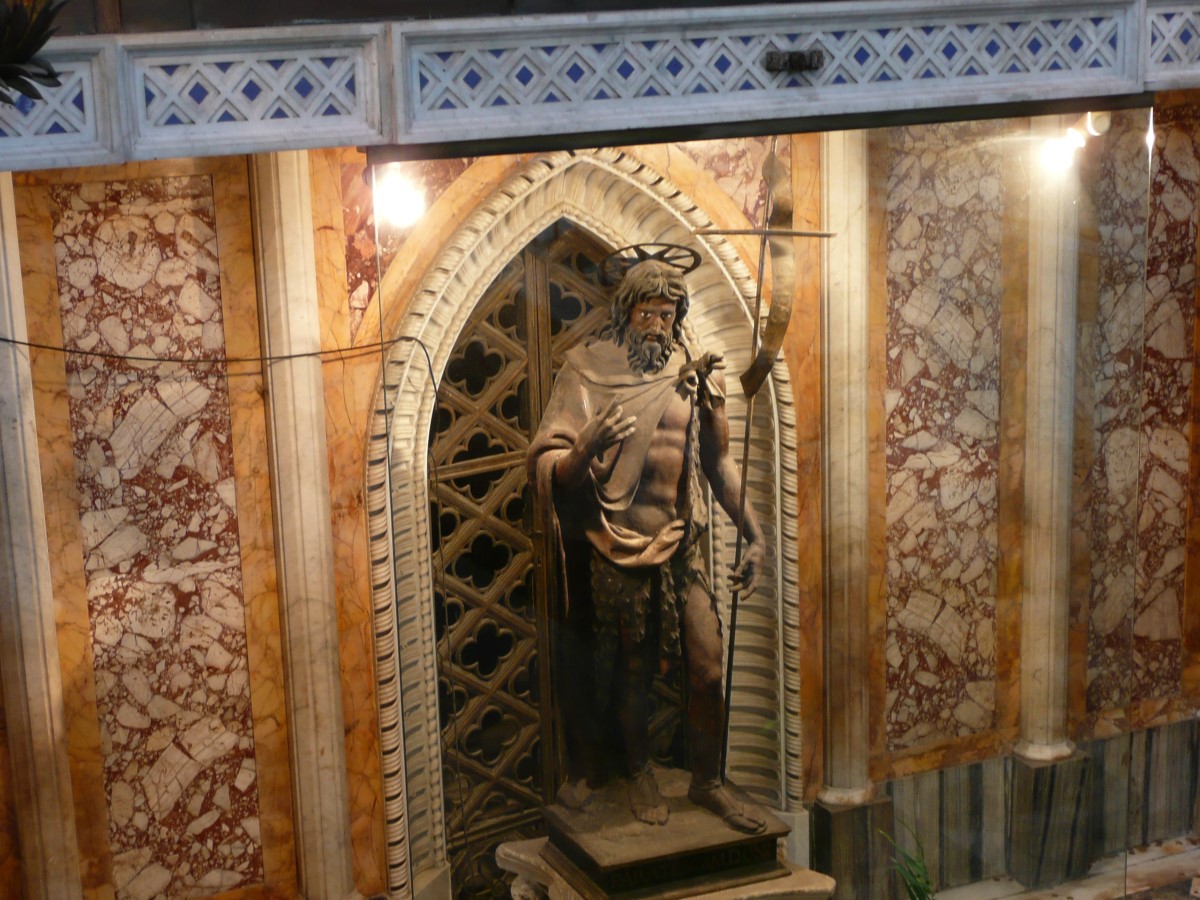
Basilica San Giovanni in Laterano: San
Giovanni in Laterano is the oldest and ranks first among the four
patriarchal churches of Rome; it is the head of all churches throughout
Rome and the world. Originally the palace of Constantine, it was
later adapted to serve as the church of the Pope. The arch-Basilica
was built later on the site of the original church and is known as St.
John Lateran or the Lateran Basilica, and is dedicated to St. John the
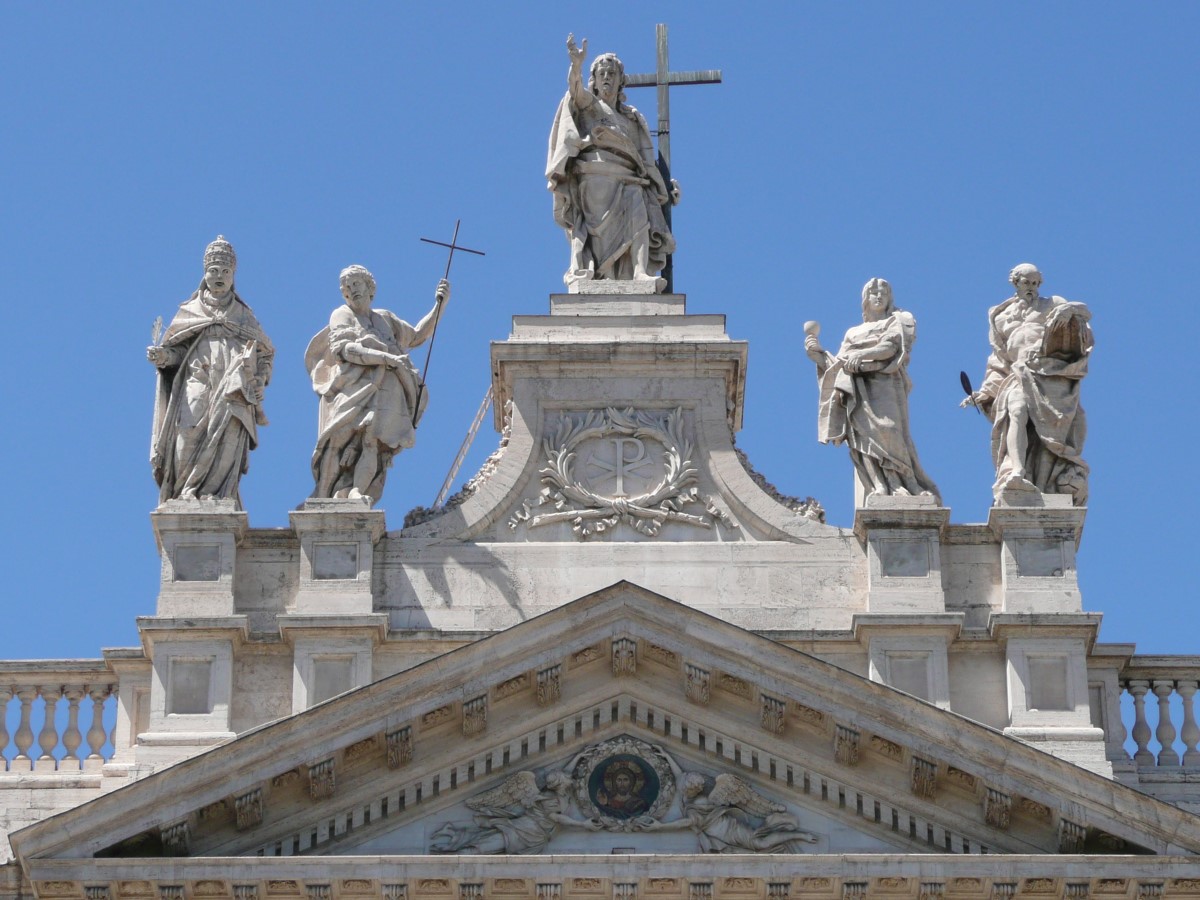
Baptist. The top of the facade boasts huge statues of Christ
and the Apostles. In the five-arched portico, there are as many
doors, the last on the right being the Holy Door, which is accessible only
every 25 years, during Jubilee years. This church has survived two
fires and a terrorist attack.
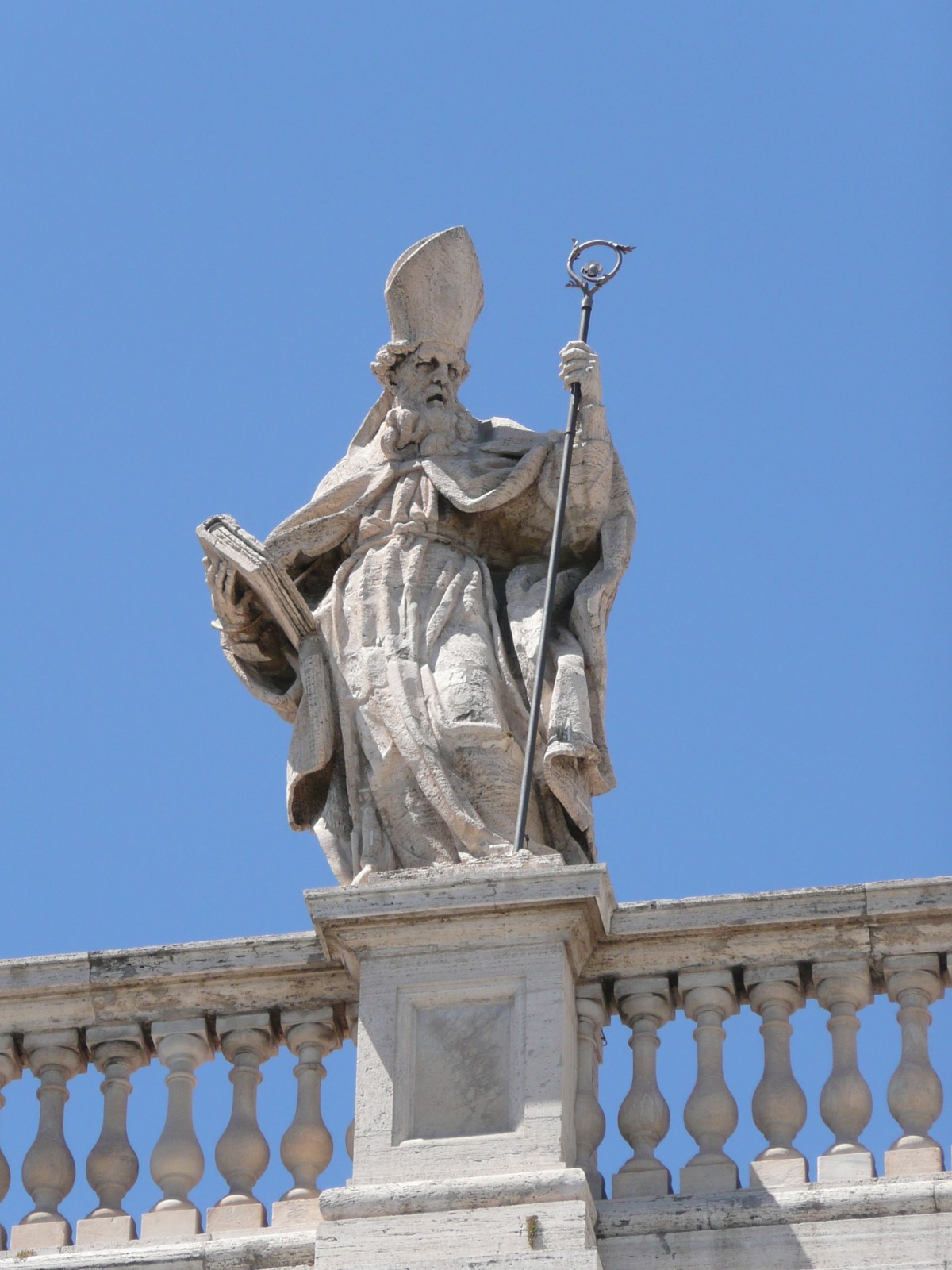
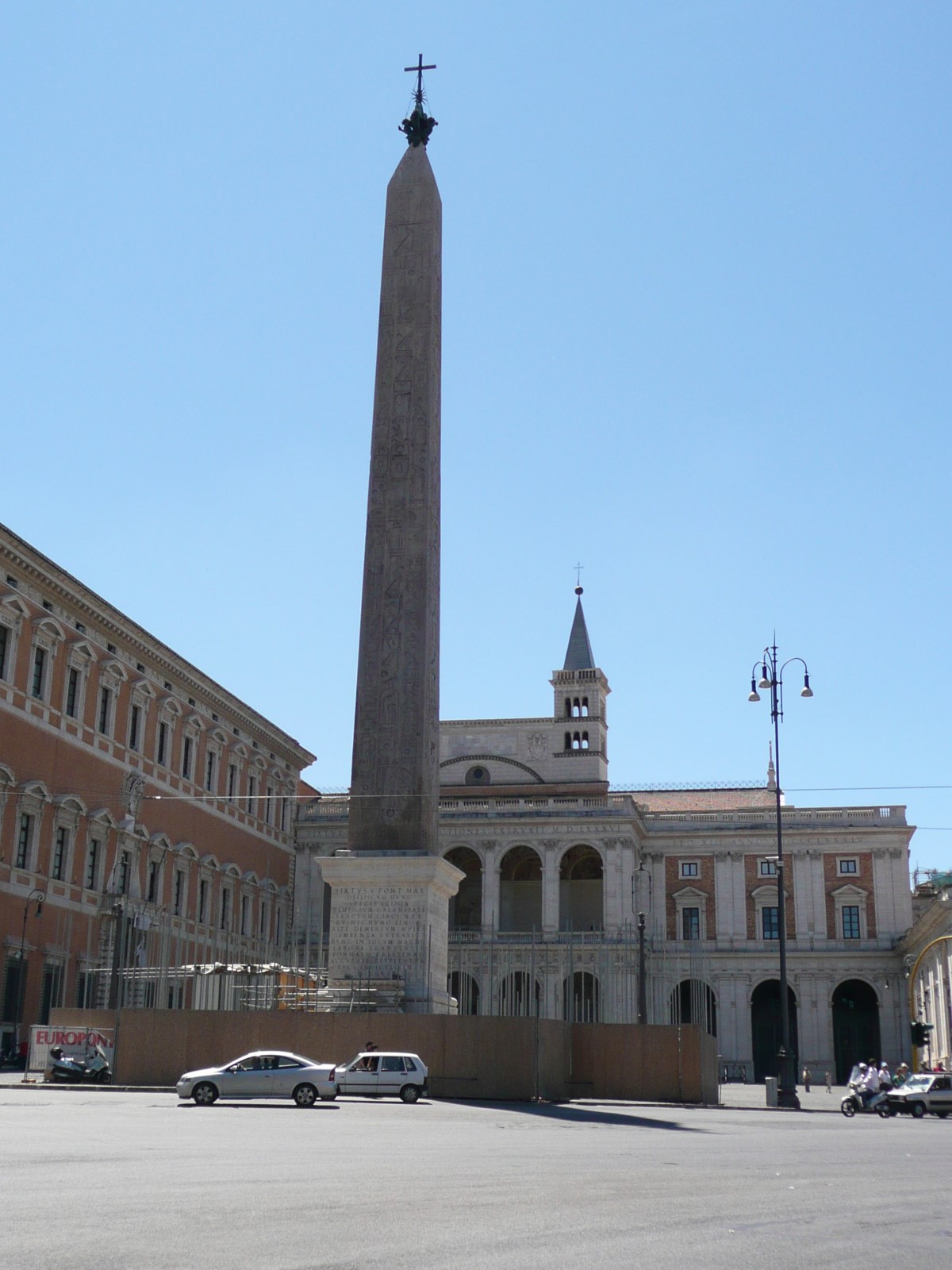
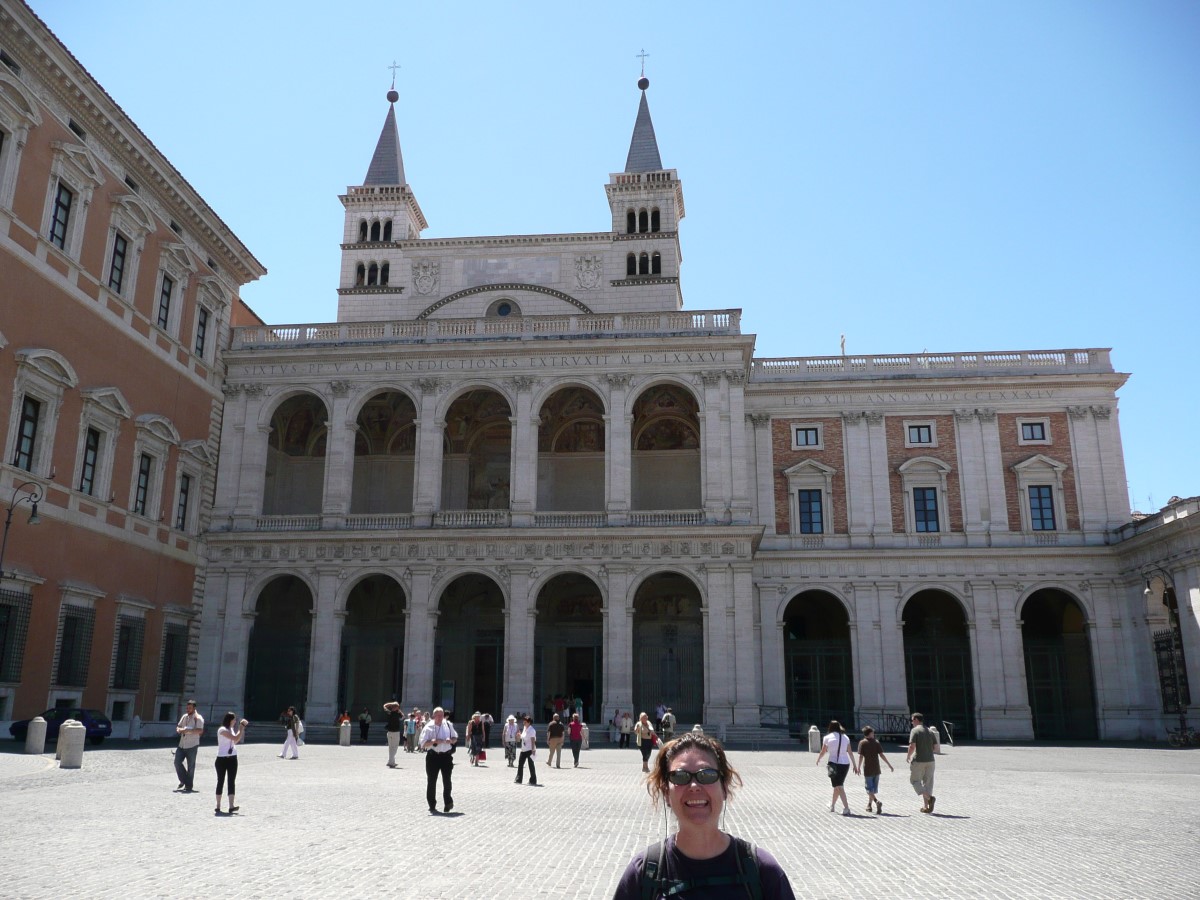
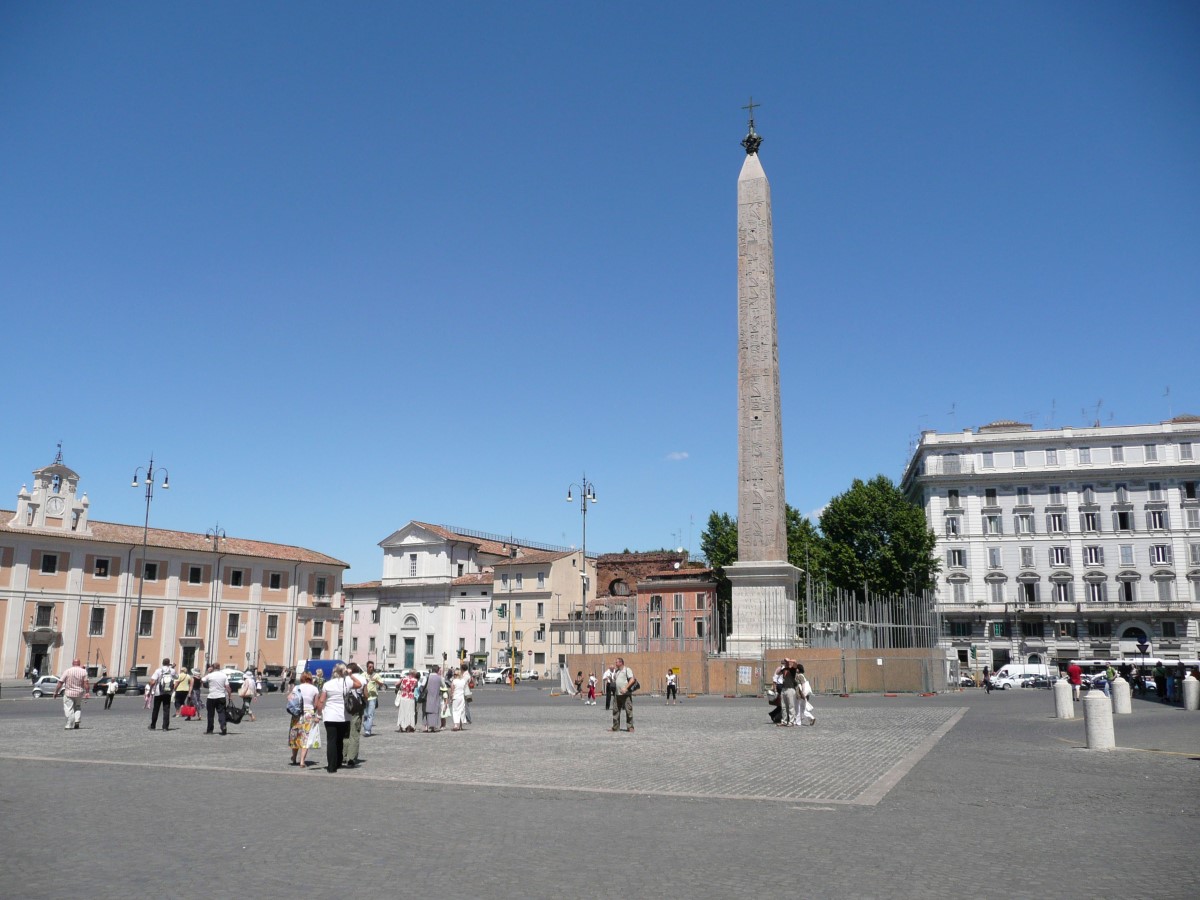
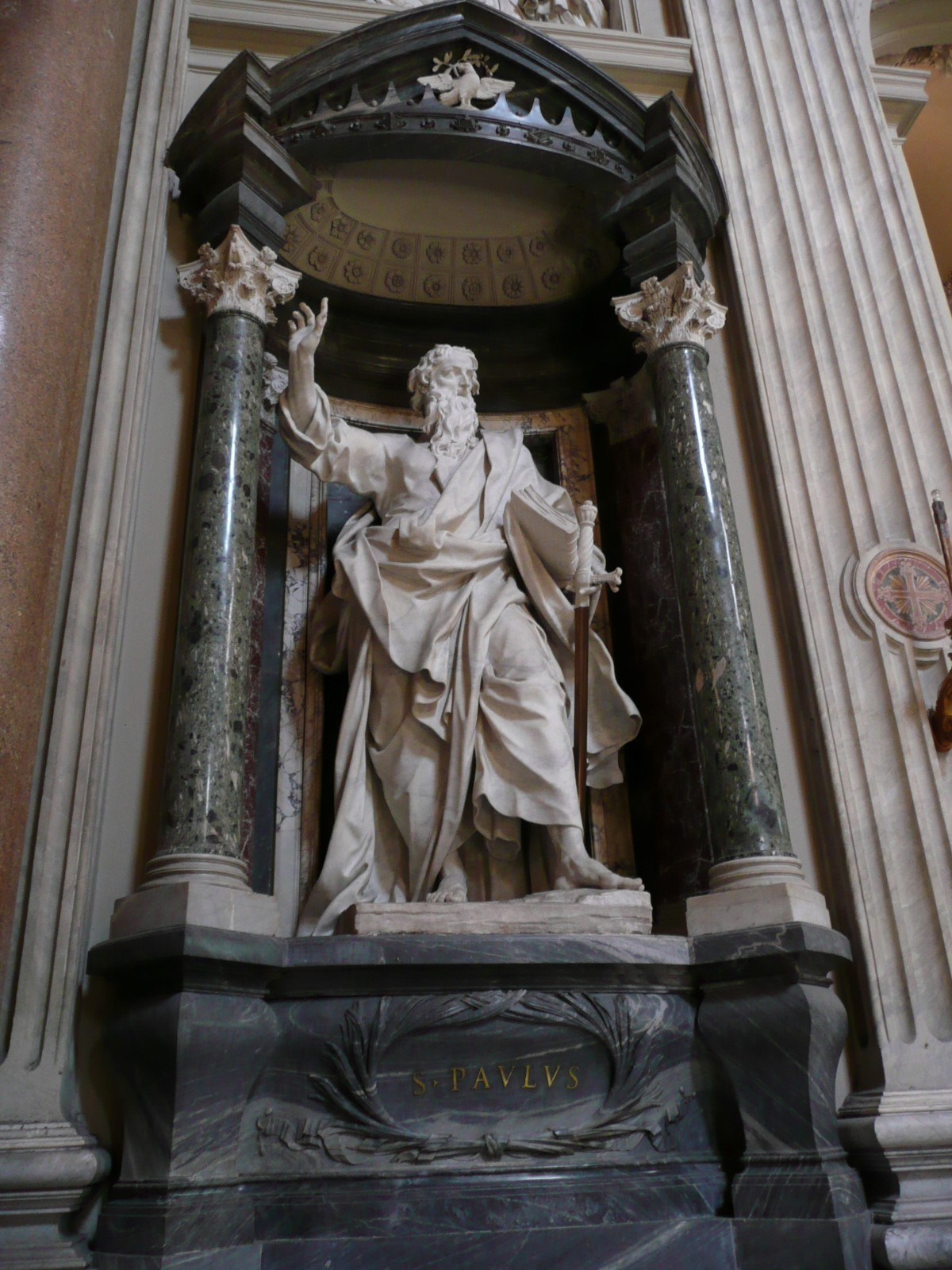
This is Rome's cathedral; it's here that the pope officiates in his capacity as bishop of Rome. The towering facade dates from 1736 and was modeled on that of St. Peter's Basilica. The 15 colossal statues (Christ, John the Baptist, John the Evangelist, and the 12 Apostles of the church) look out on the sea of dreary suburbs that have spread from Porta San Giovanni to the lower slopes of the Alban Hills. The Papal Altar in this church is reserved for the Pope and only he can celebrate mass from this pulpit. The residence of the Popes until 1309 is also here (The Lateran Palace) and was rebuilt by Domenico Fontana in 1586. In the piazza is an ancient obelisk, dated to the 15th century BC, and parts of Nero's Aqueduct. |
||||||||
|
Front Entrance
Rear Entrance
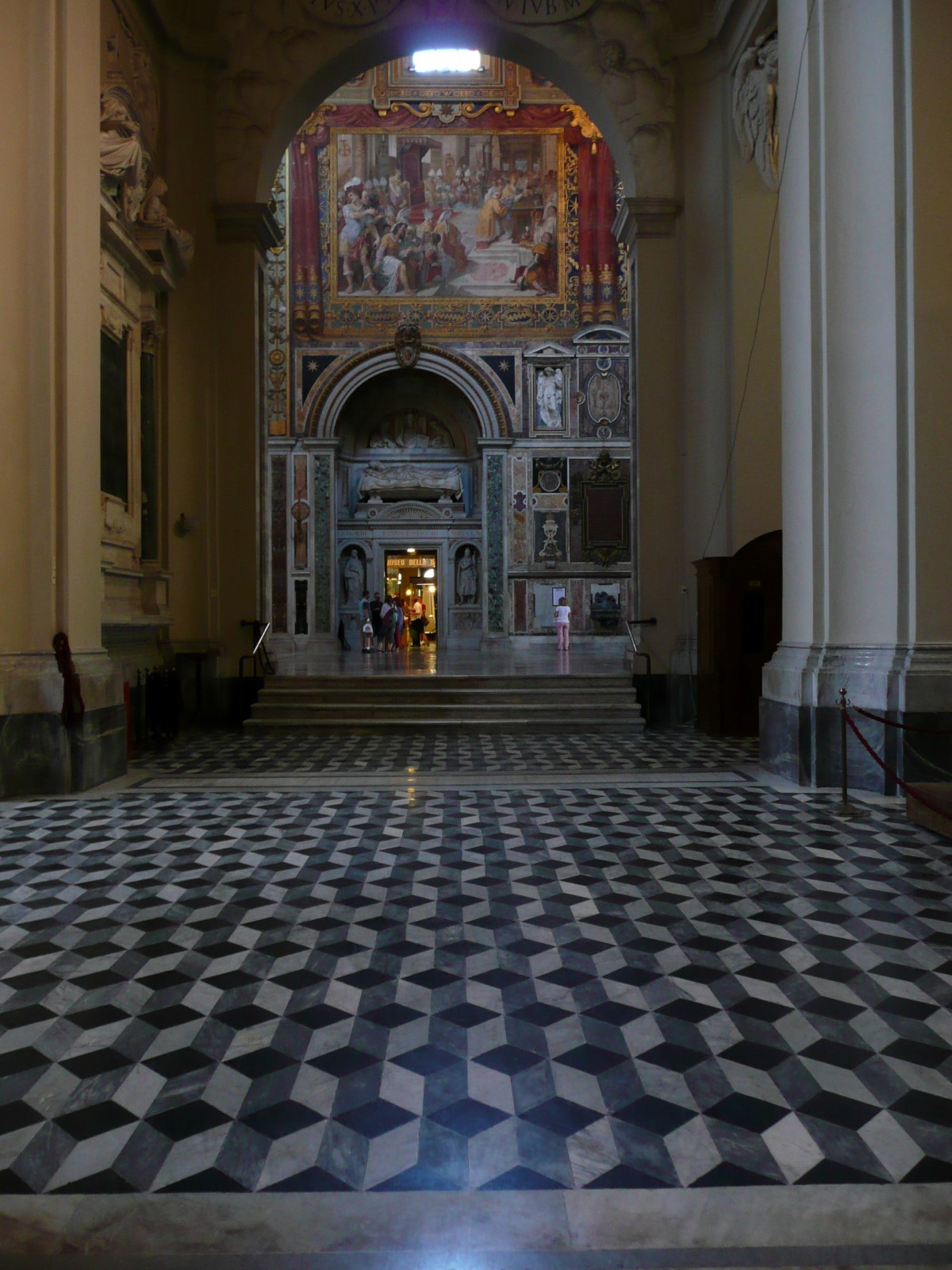
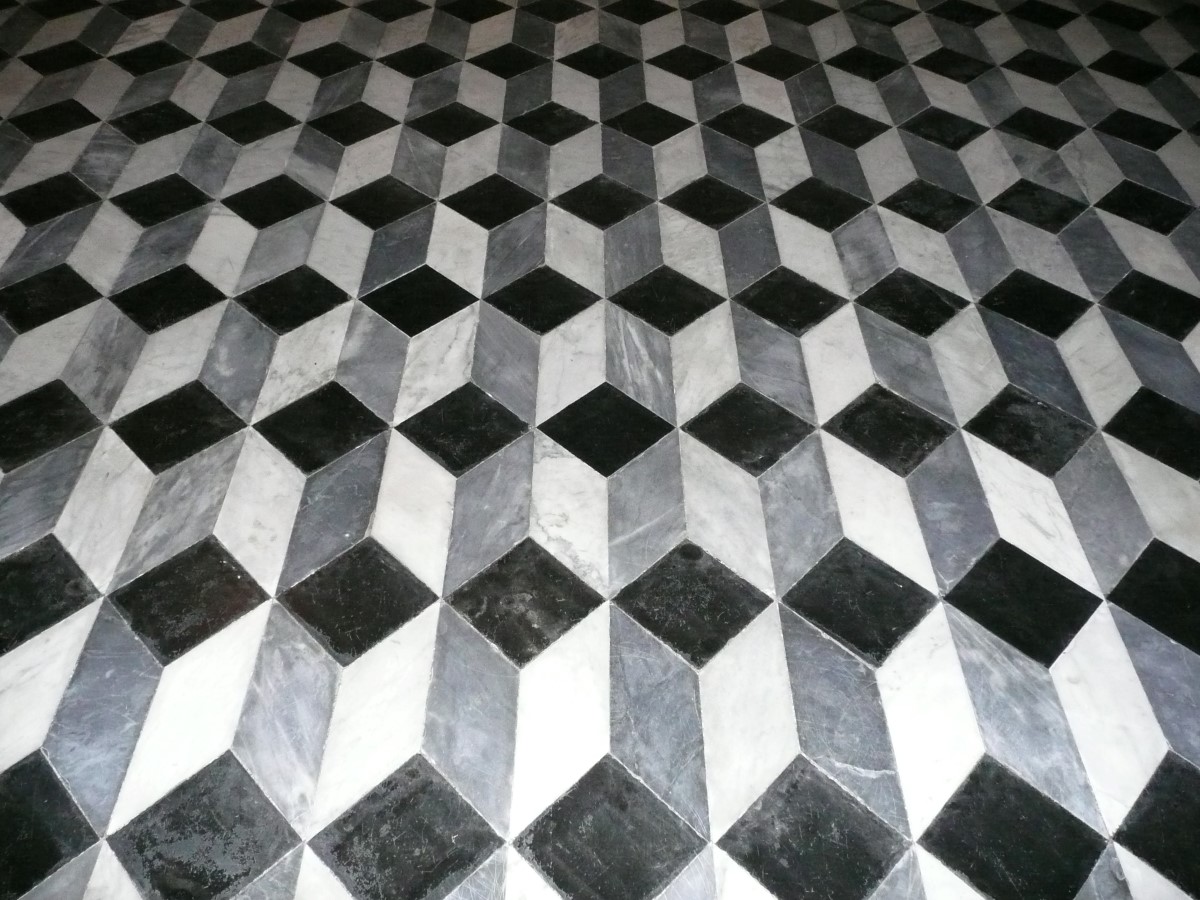
Part of the marble floor
|
||||||||
|
|
||||||||
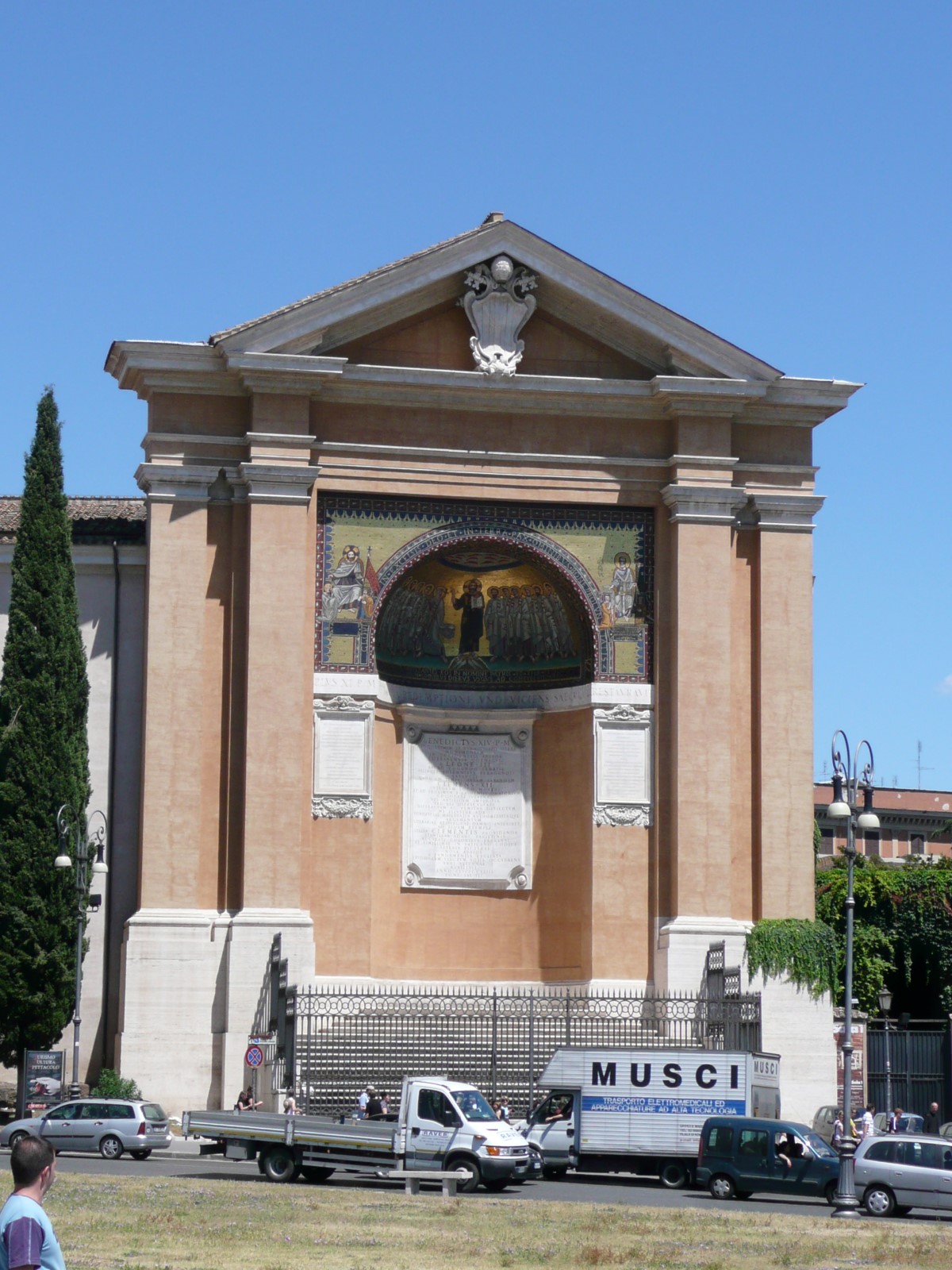
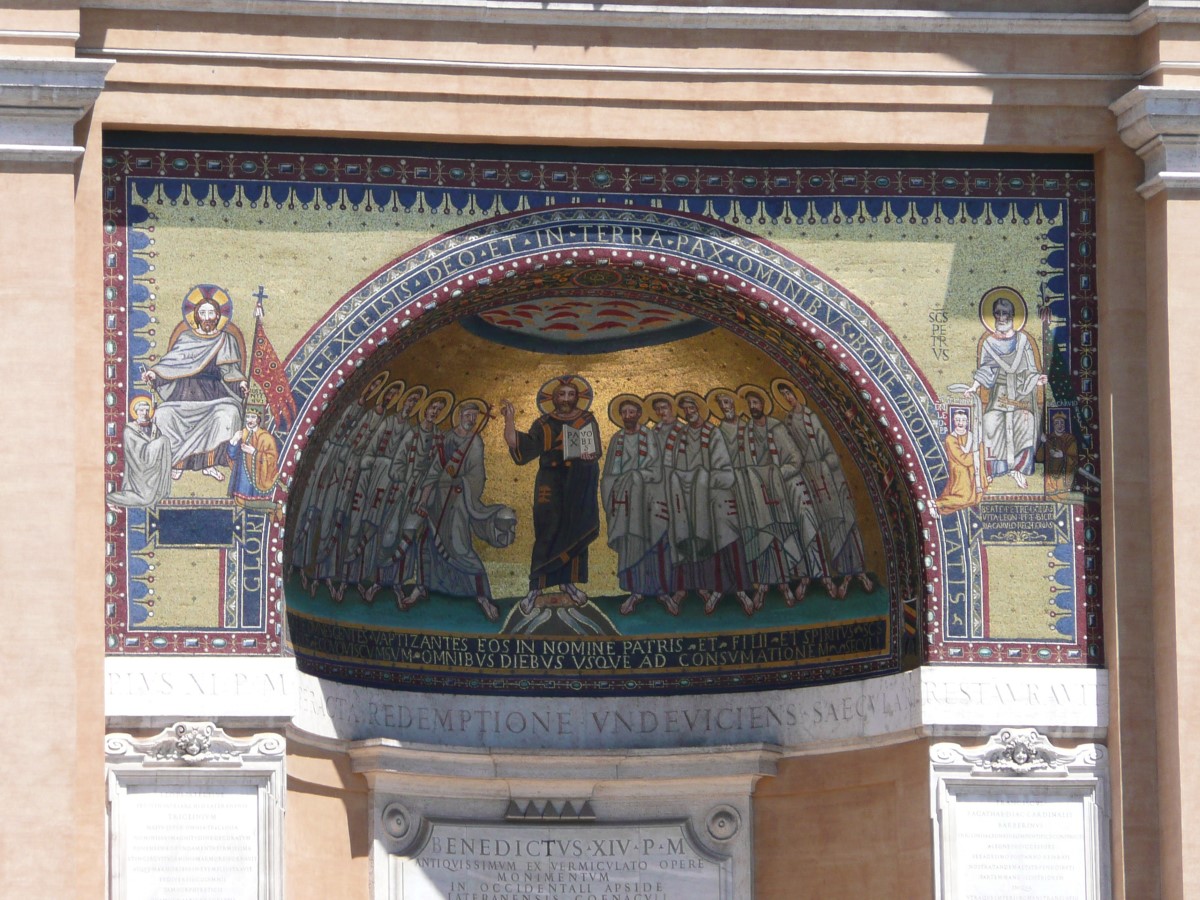
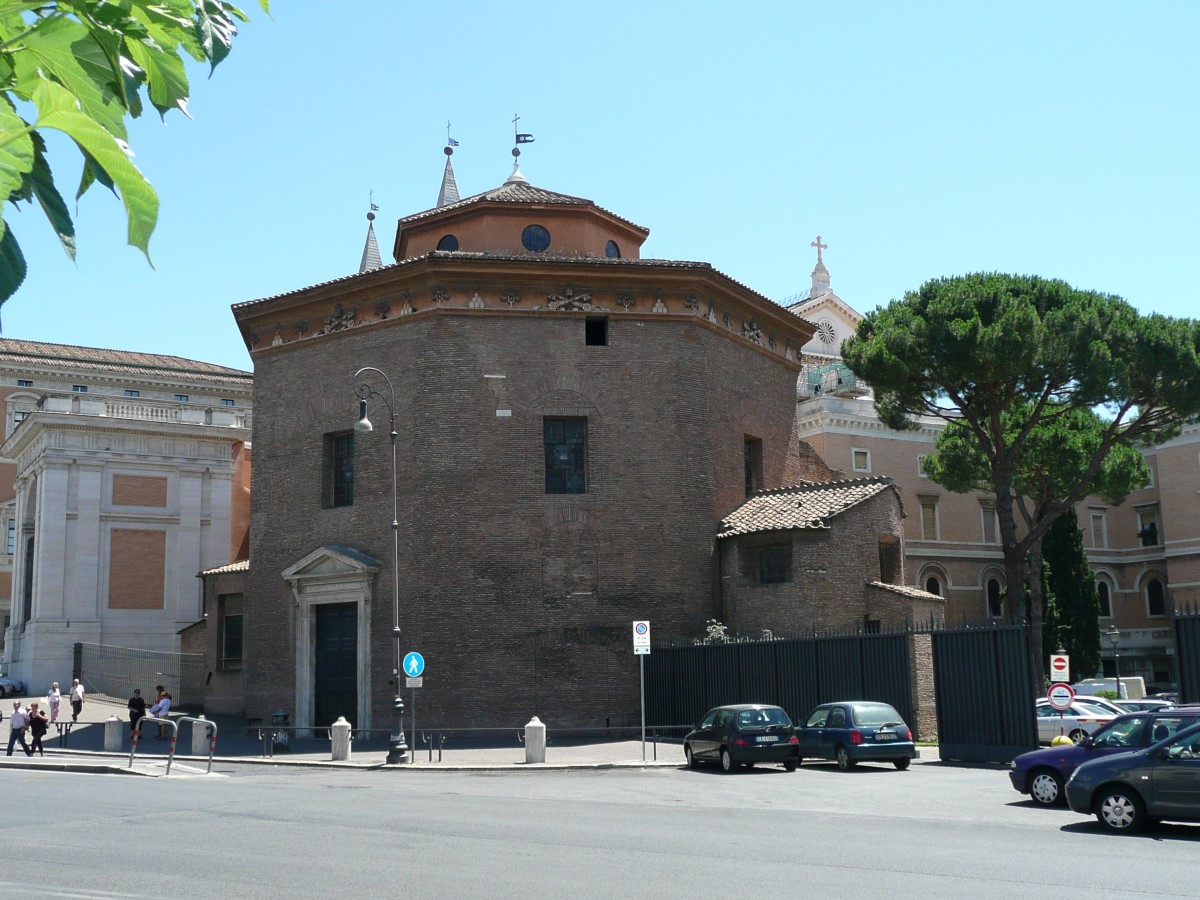
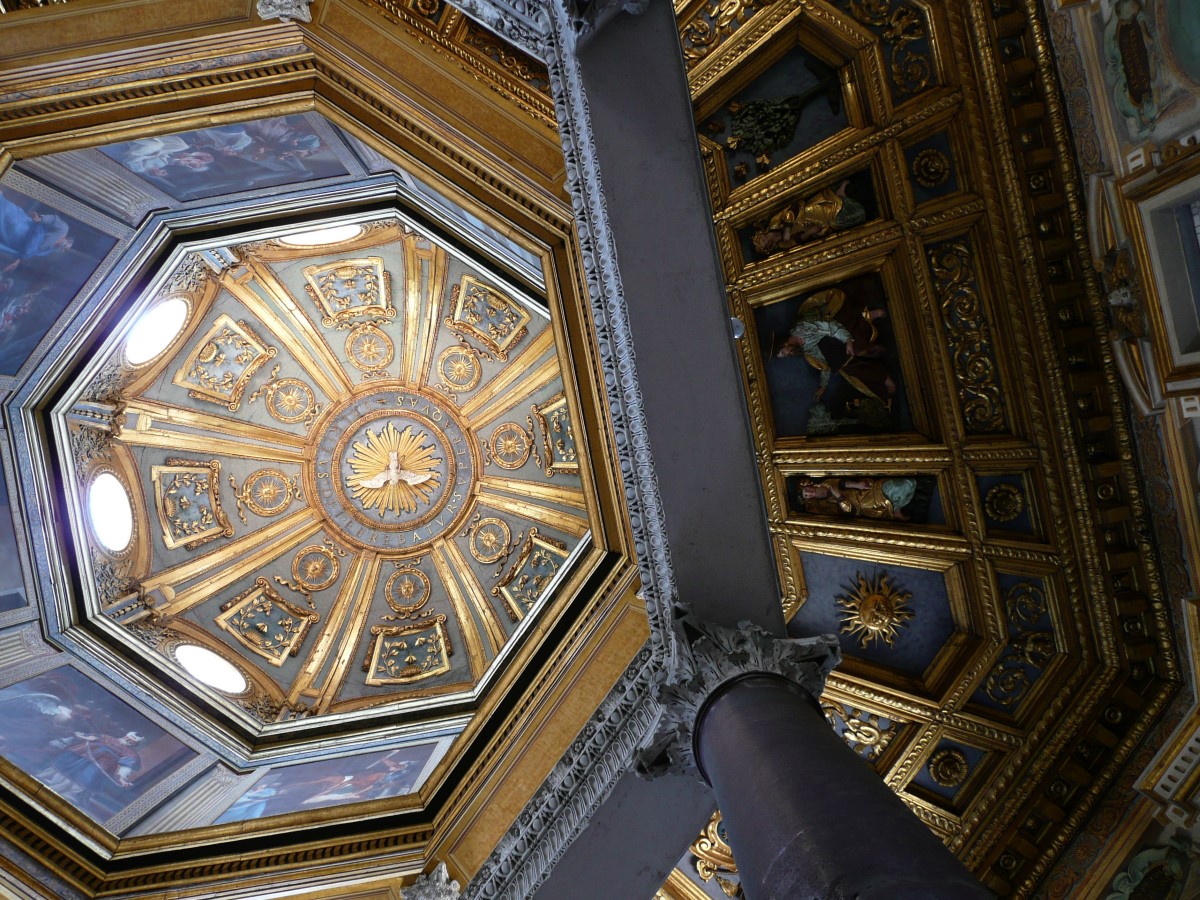
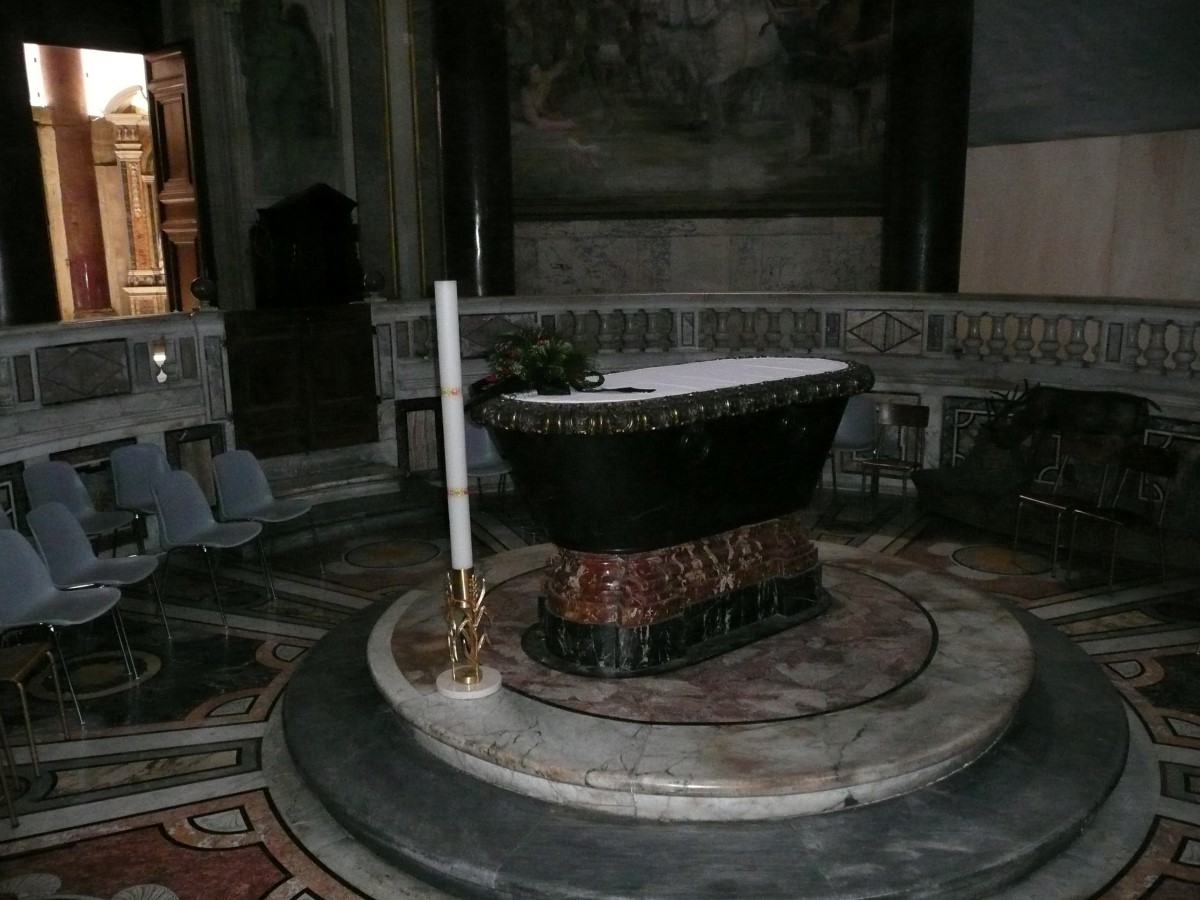
| Santa Rufina Chapel: We found this small church located next to the Basilica San Giovanni in Laterano. | ||||||||
|
||||||||
|
|
||||||||
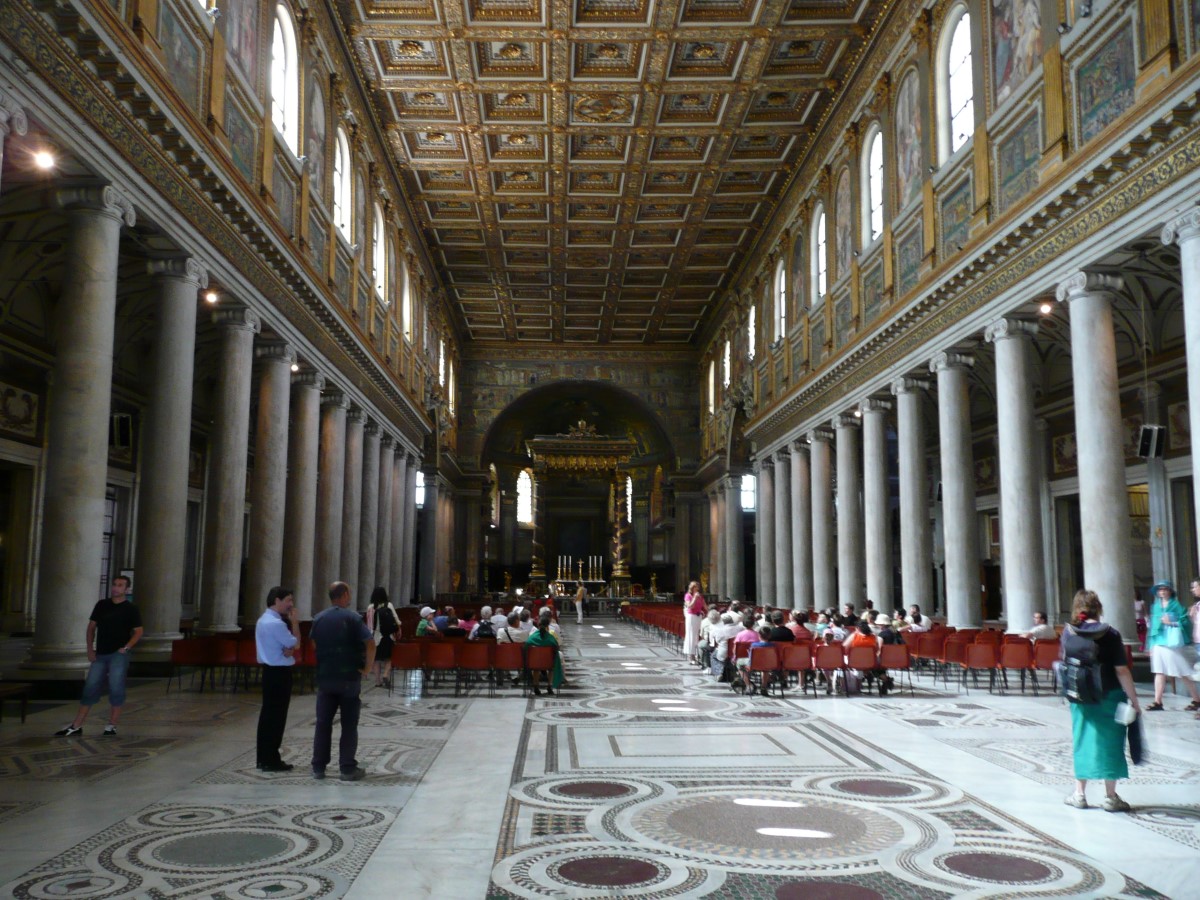
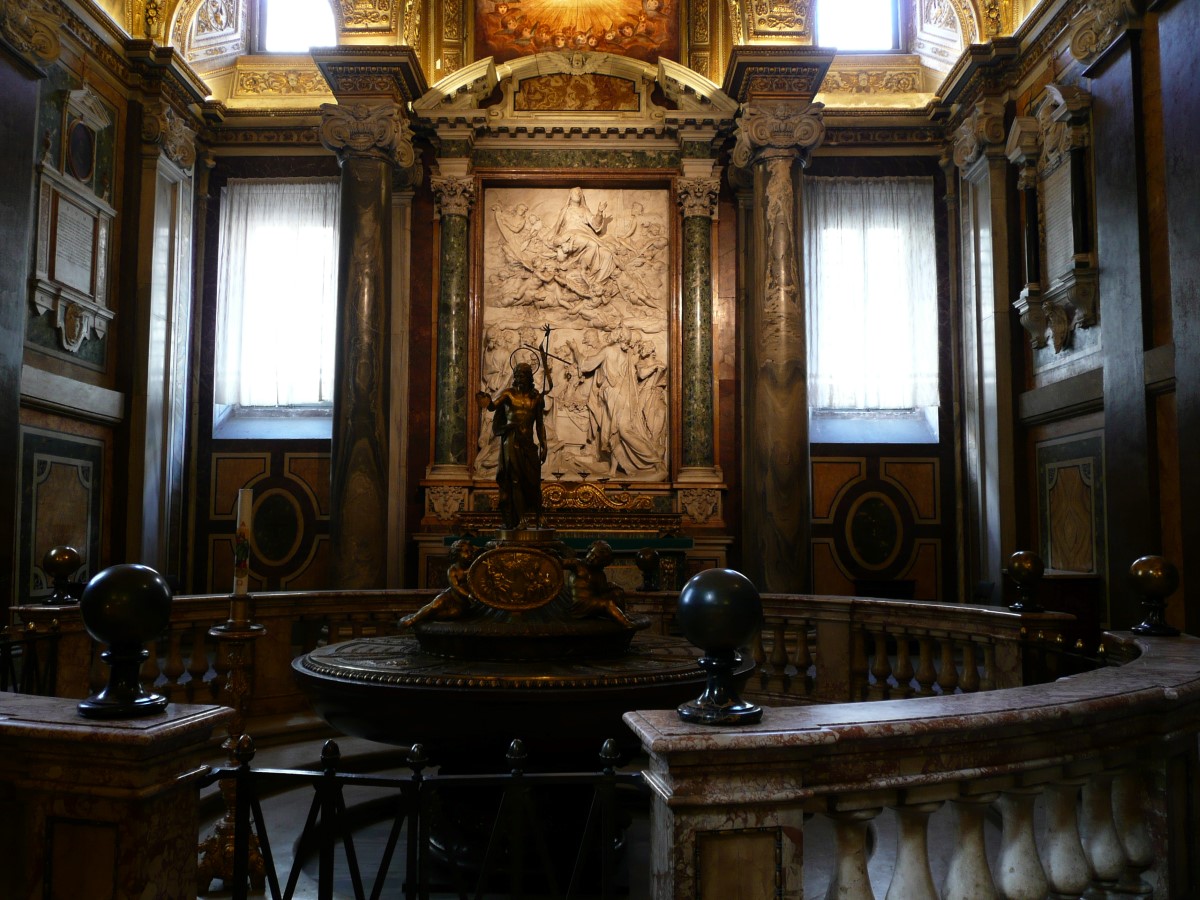
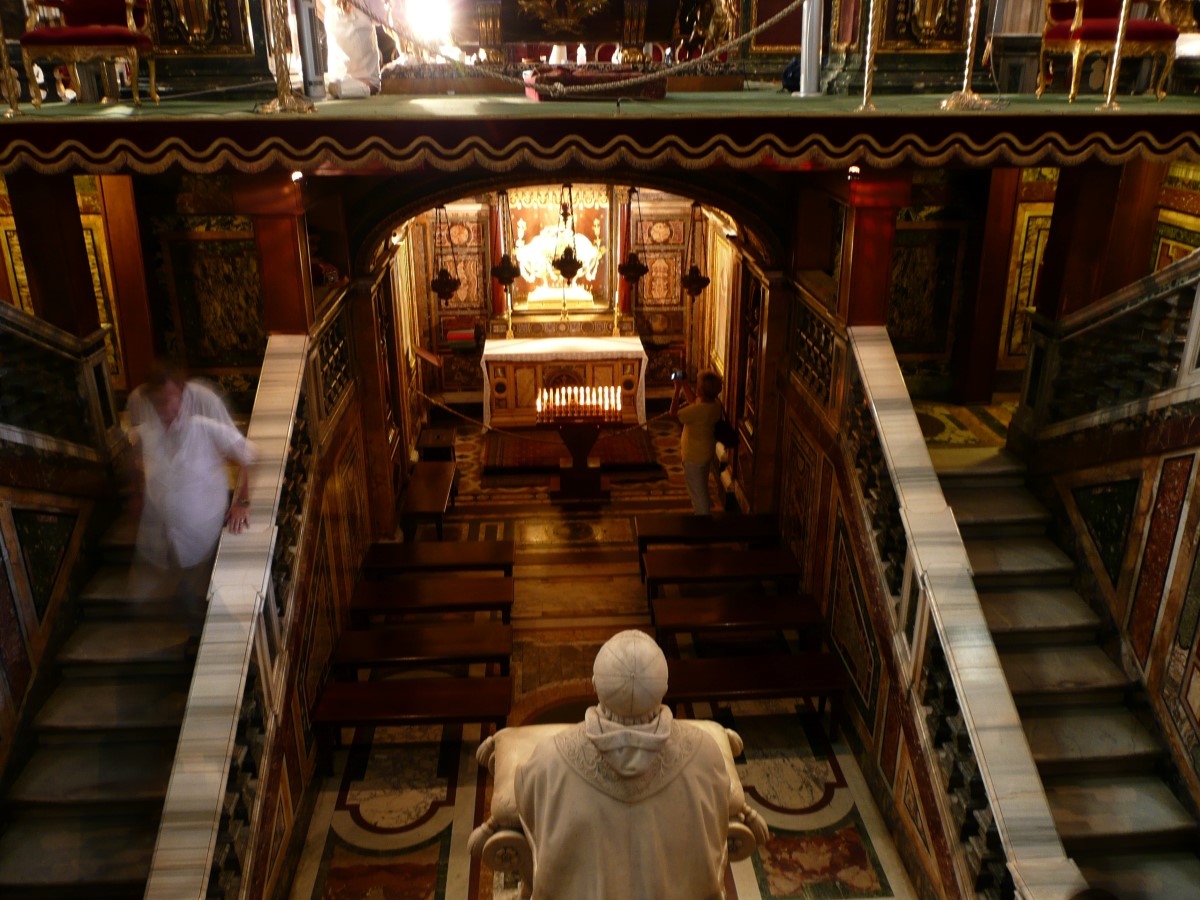
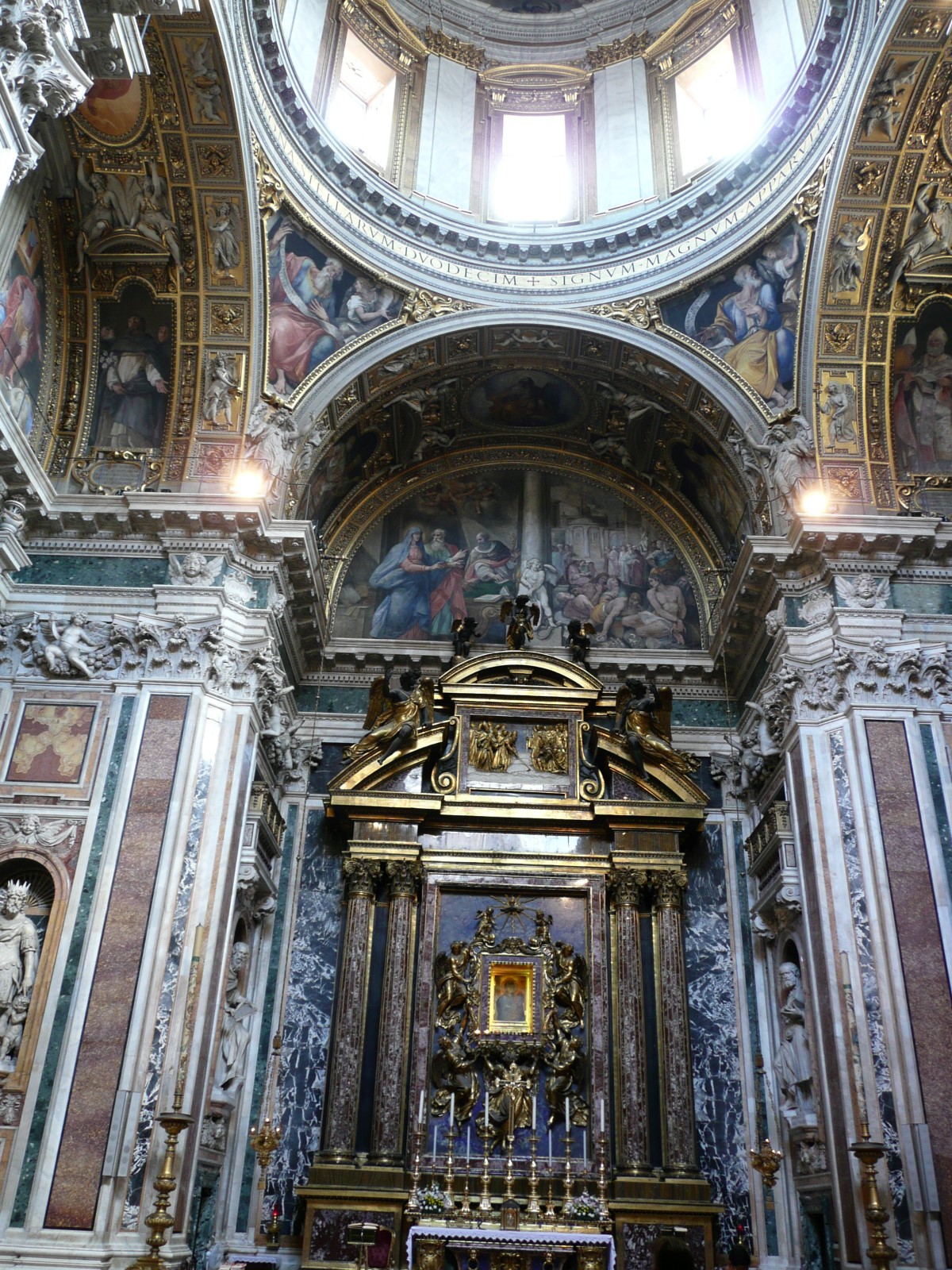
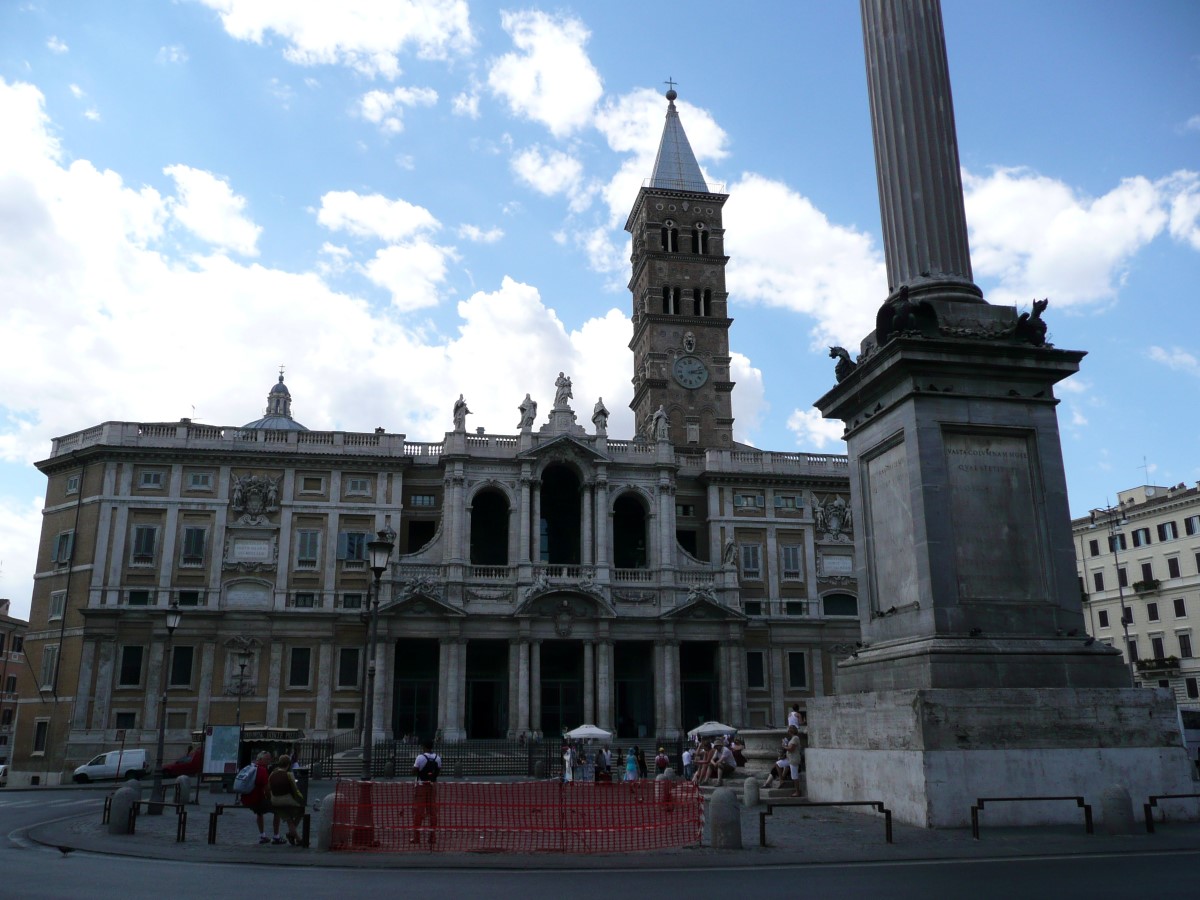
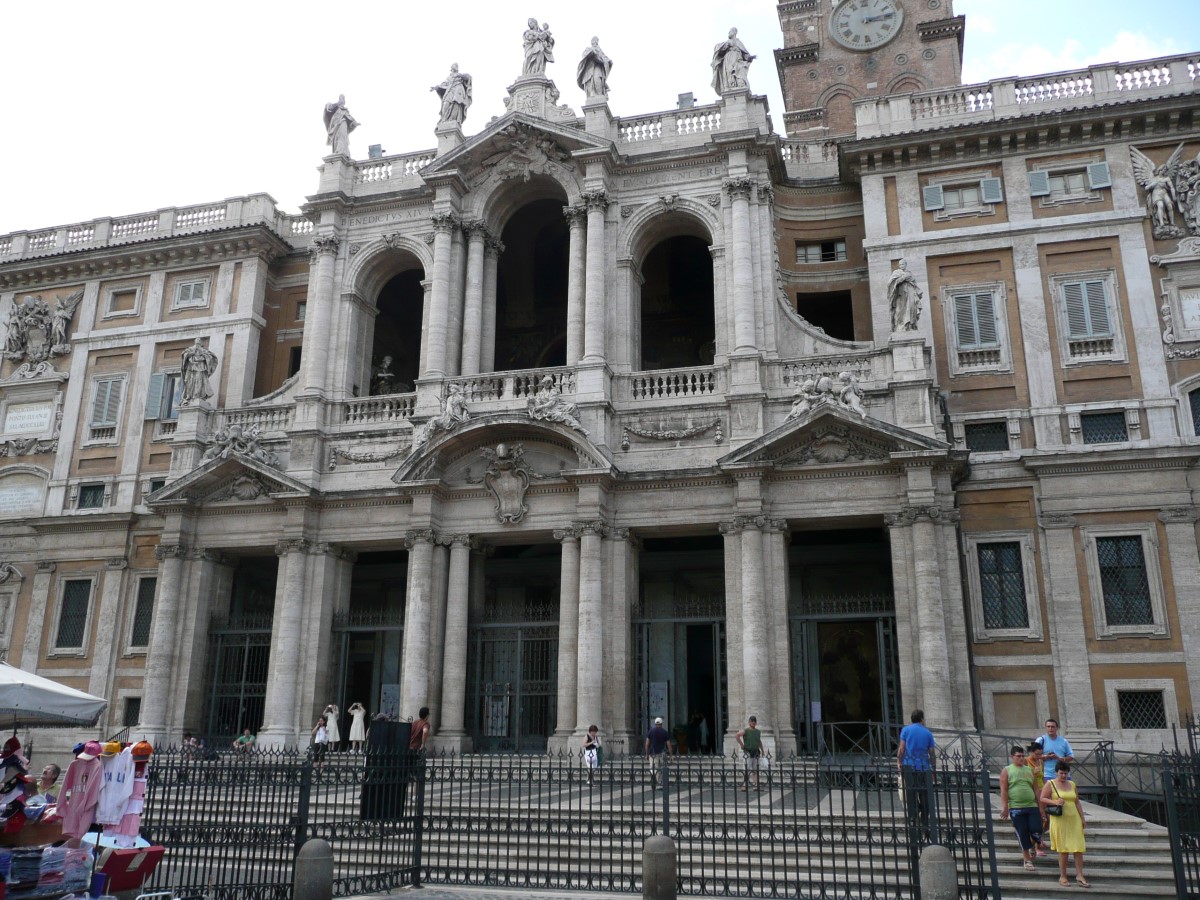
| Basilica Santa Maria Maggiore: The Basilica di Santa Maria Maggiore (its Italian name), known in English also as St Mary Major, is an ancient Catholic basilica of Rome. It is one of the four major or four papal basilicas, which, together with St. Lawrence outside the Walls, were formerly referred to as the five "patriarchal basilicas" of Rome, associated with the five ancient patriarchal sees of Christendom (see Pentarchy). The other three papal or major basilicas are St. John Lateran, St. Peter and St. Paul outside the Walls. The Liberian Basilica (another title for the church) is one of the tituli, presided over by a patron—in this case Pope Liberius—that housed the major congregations of early Christians in Rome. Santa Maria Maggiore is the only Roman basilica that retained the core of its original structure, left intact despite several additional construction projects and damage from the earthquake of 1348. | ||||||||
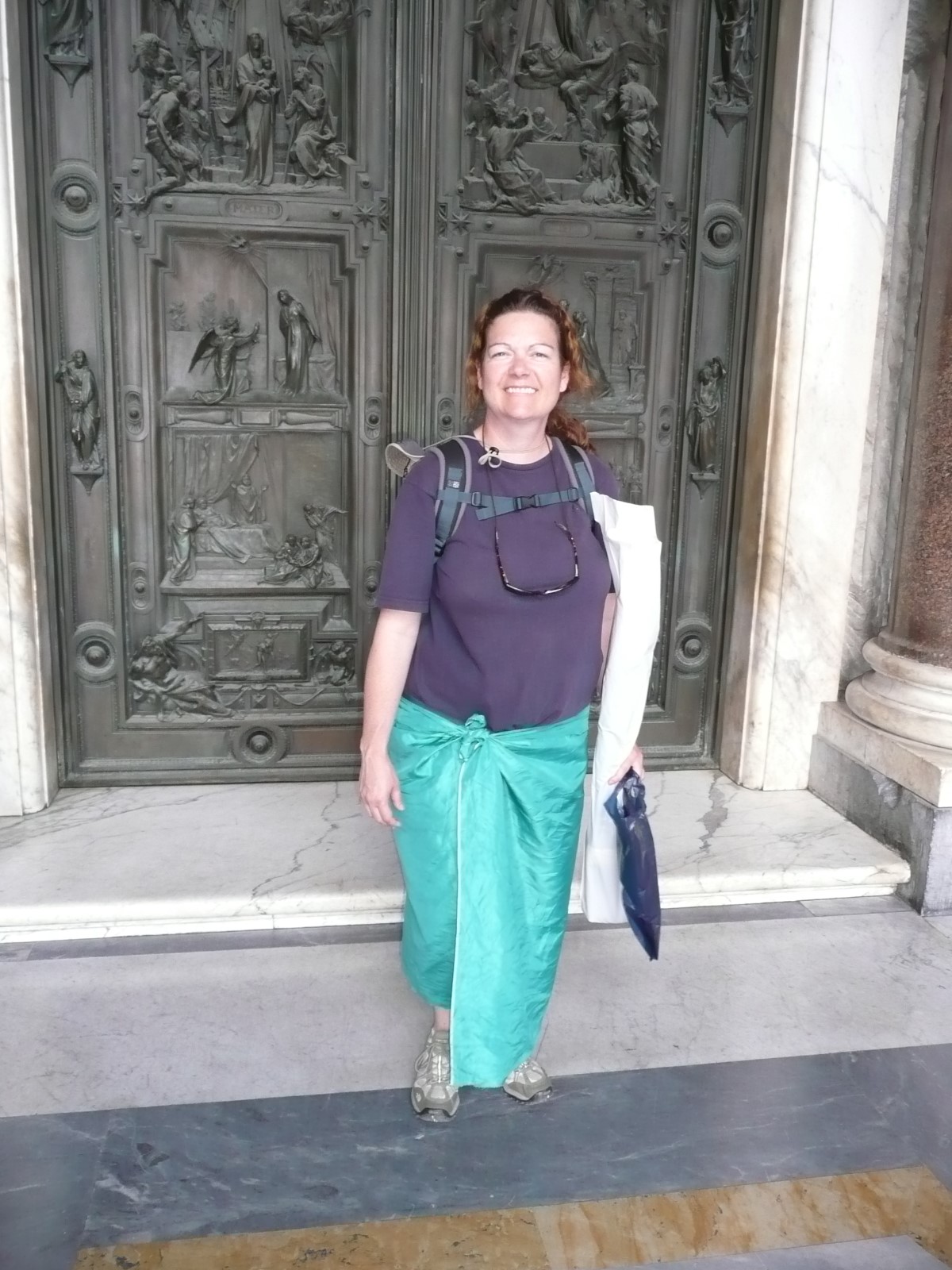
Chris had to wear a paper skirt to cover her legs while she was in the basilica. We wear cargo pants with zip on/off legs but in this case it was easier to tie on one of the free paper skirts they had available at the door.
|
||||||||
|
|
||||||||
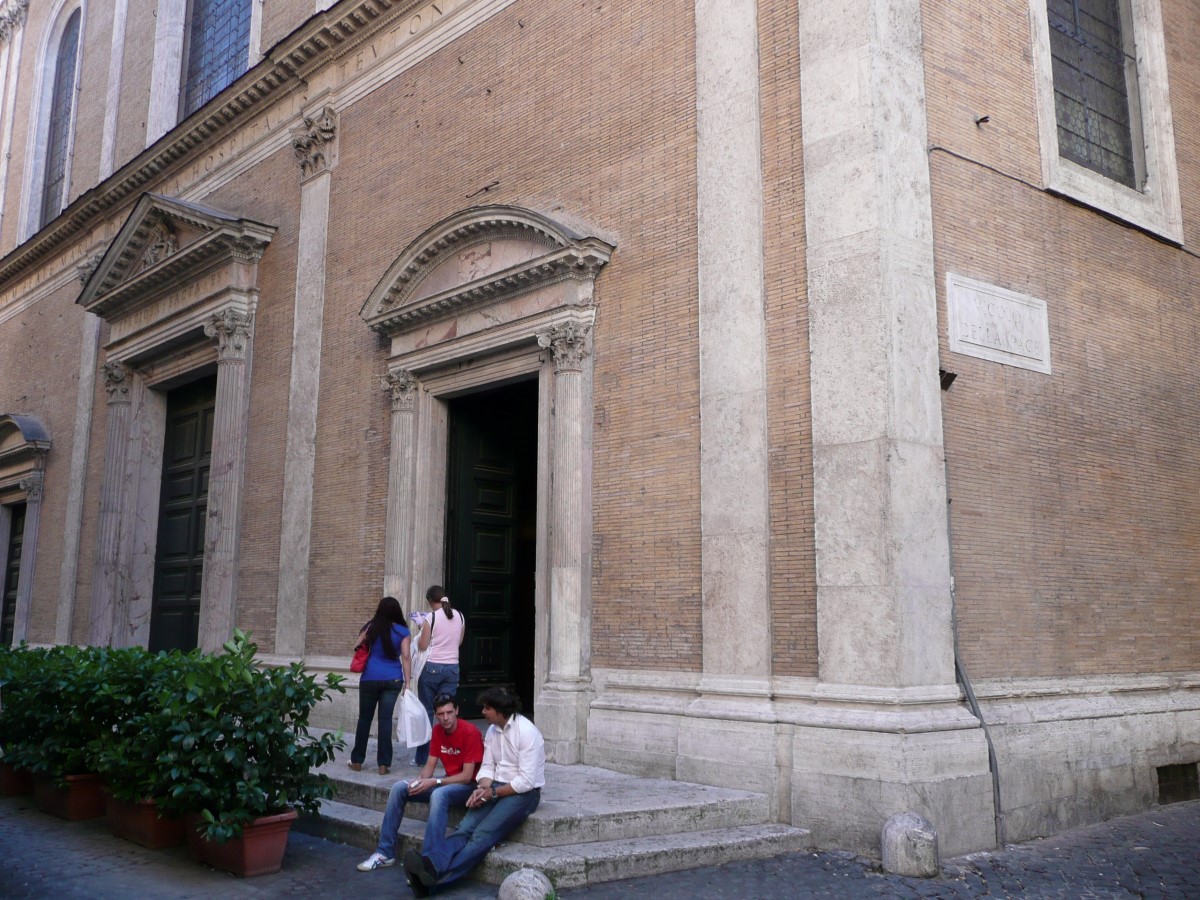
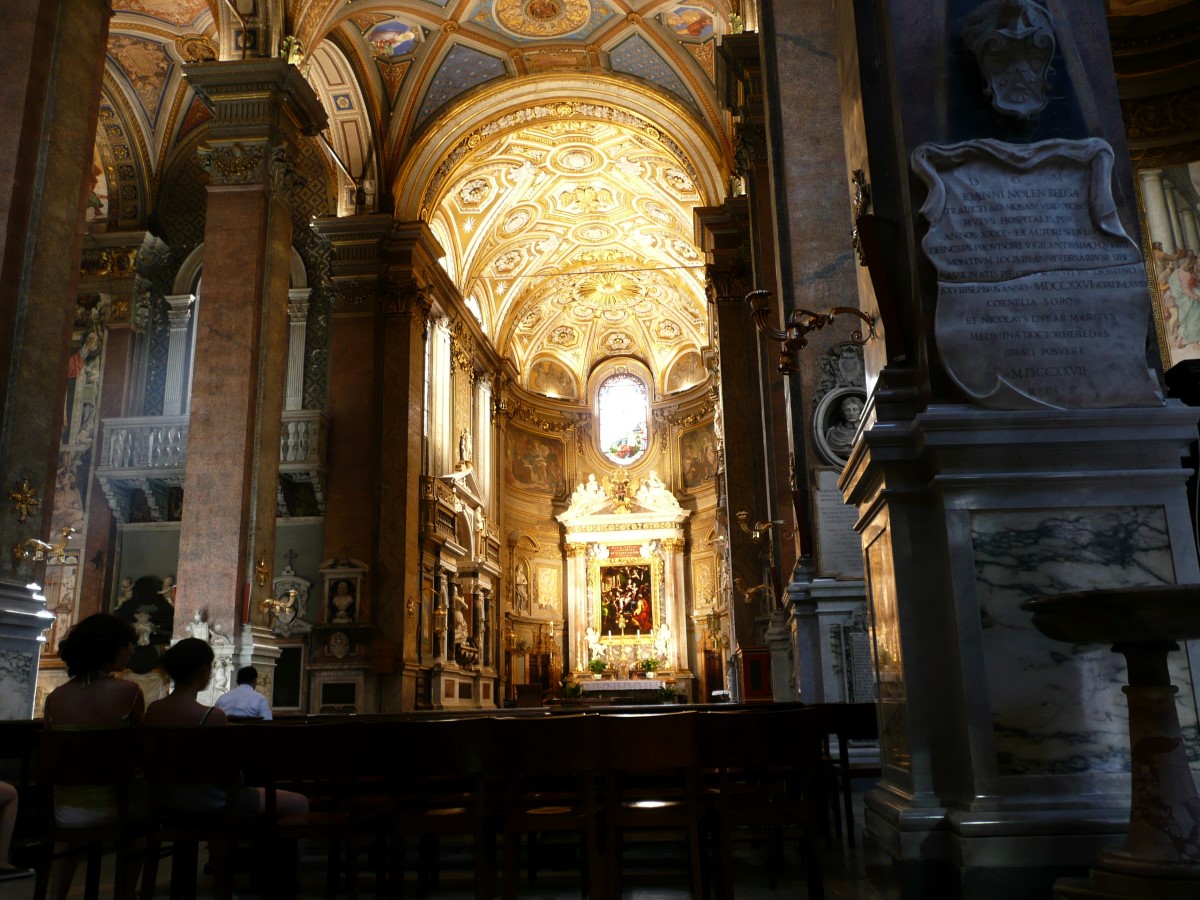
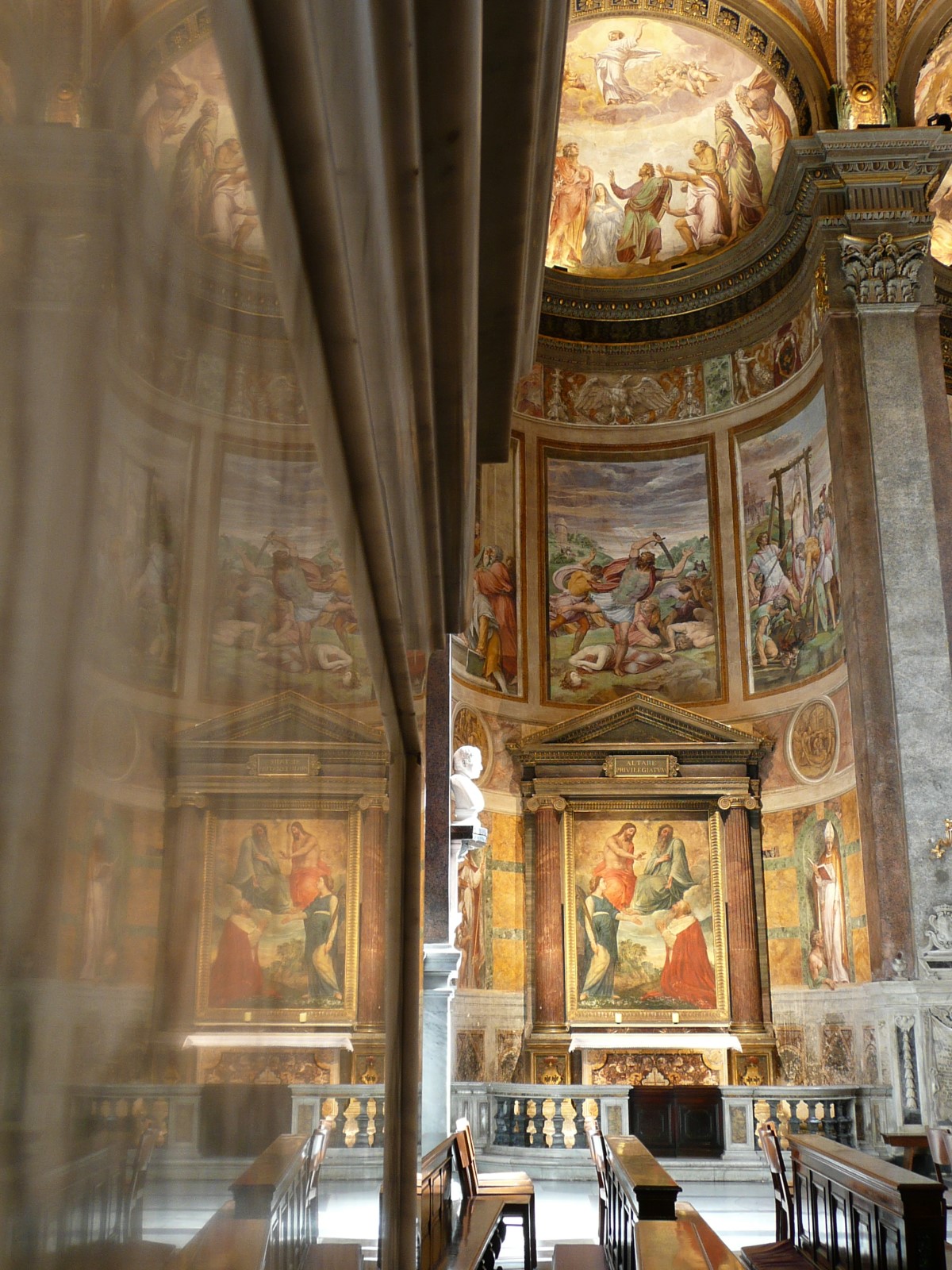
| Santa Maria Dell Anima | ||||||||
|
||||||||
|
<<< Previous Page Next Page >>> |
||||||||