Italy:
Rome (page 1 of 4)
Italy:
Rome (page 1 of 4) Italy:
Rome (page 1 of 4)
|
||||||
|
<<< Previous Page Next Page >>> |
||||||
|
||||||
|
|
||||||
|
We saved one of our favorite places in Europe for our last trip before moving back to the US. This was our third trip to Rome and we are already looking forward to returning some day in the future. We always throw our coins in the Trevi Fountain meaning that some day in the future we will return. This was relaxing for us as we know our way around very well and did not feel rushed to have to see and do everything. We did visit the the popular tourist spots including the Vatican, Pantheon, Trevi Fountain, Spanish Steps, Colosseum, Piazza Novona, Roman Forum, and several churches and monuments. The best part about Rome is the people and food. The Piaza Novona is great for having lunch, watching the fountains and wandering around watching all the local artists. The Pantheon is the perfect place to enjoy some wine and relax during your busy day of being a tourist. For large cities in Europe, Rome is still our favorite! |
||||||
|
|
||||||
|
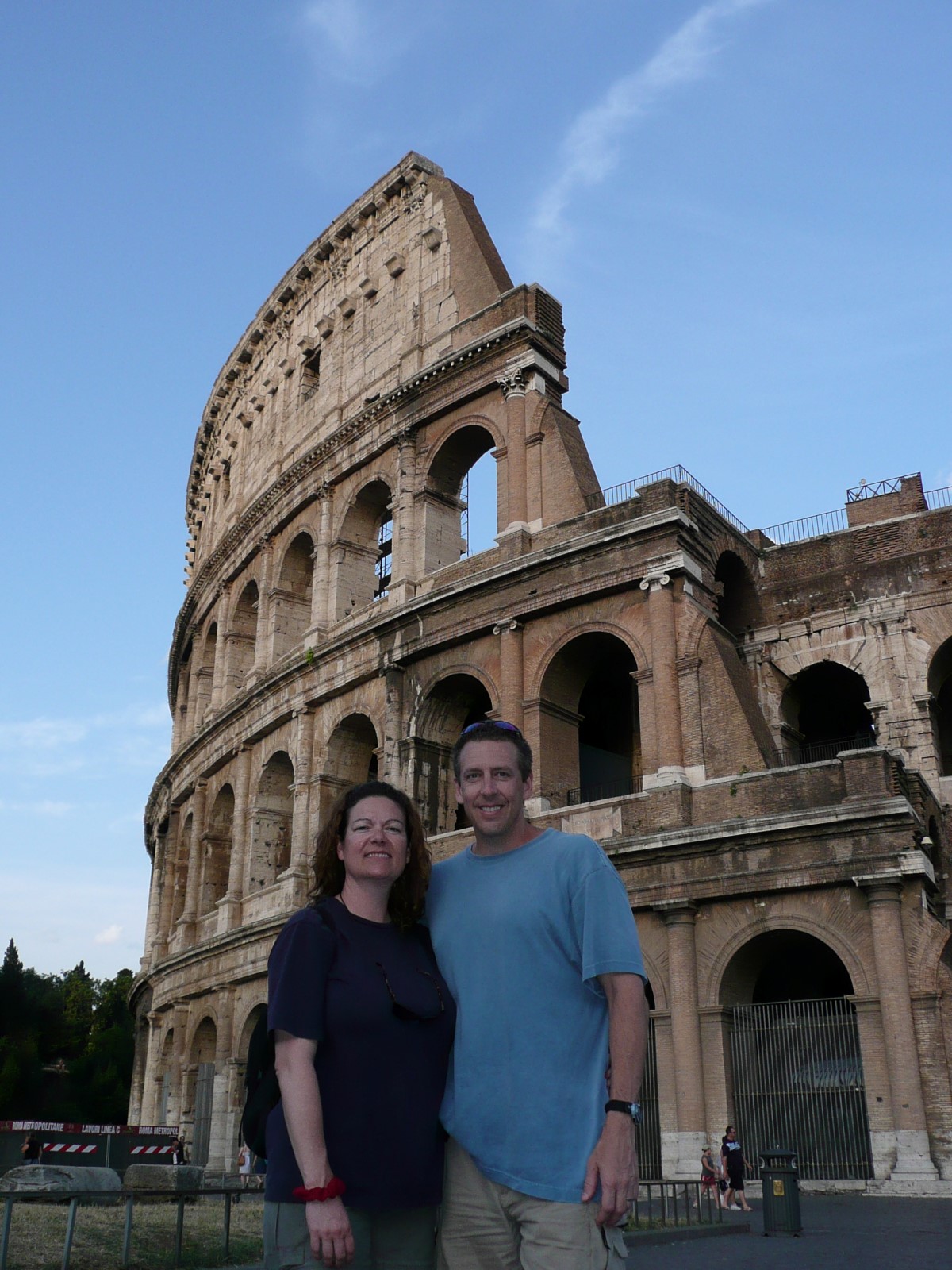
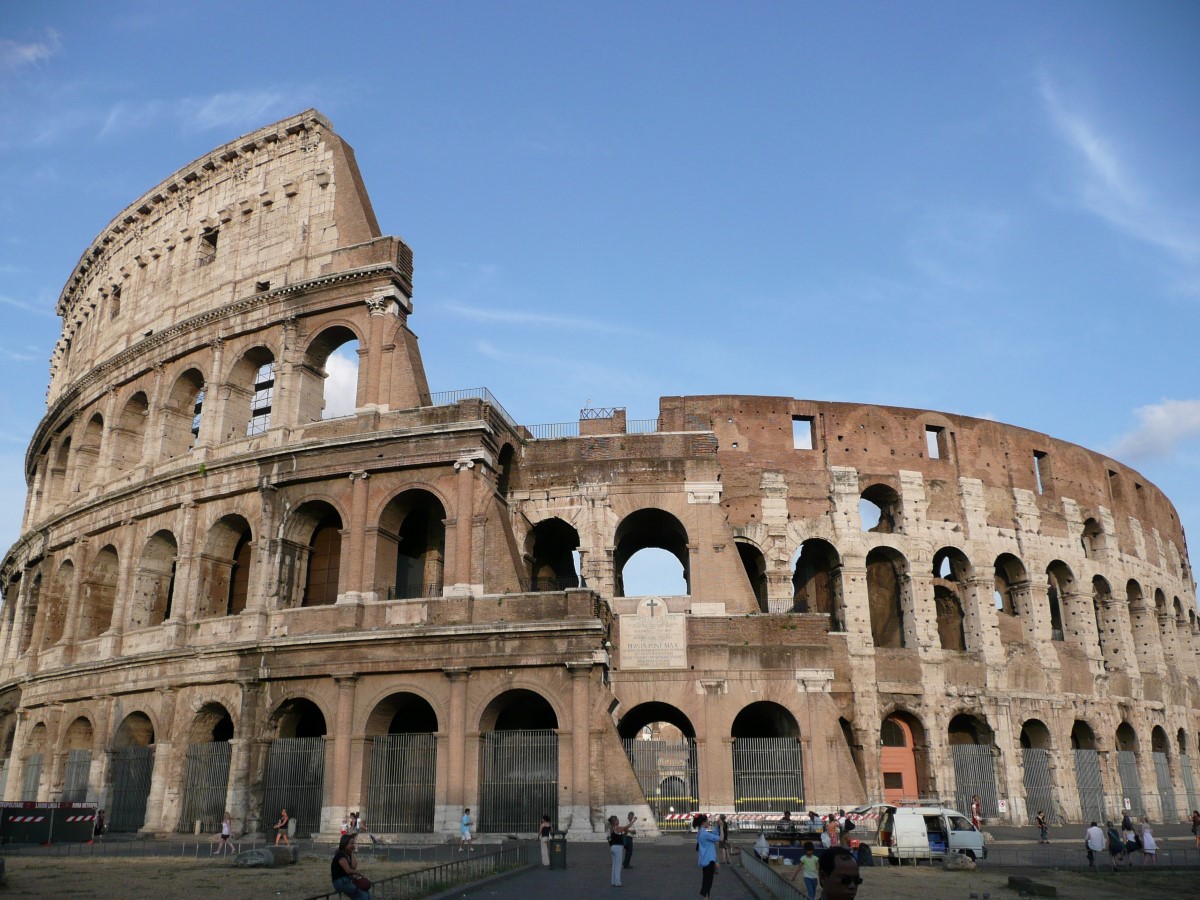
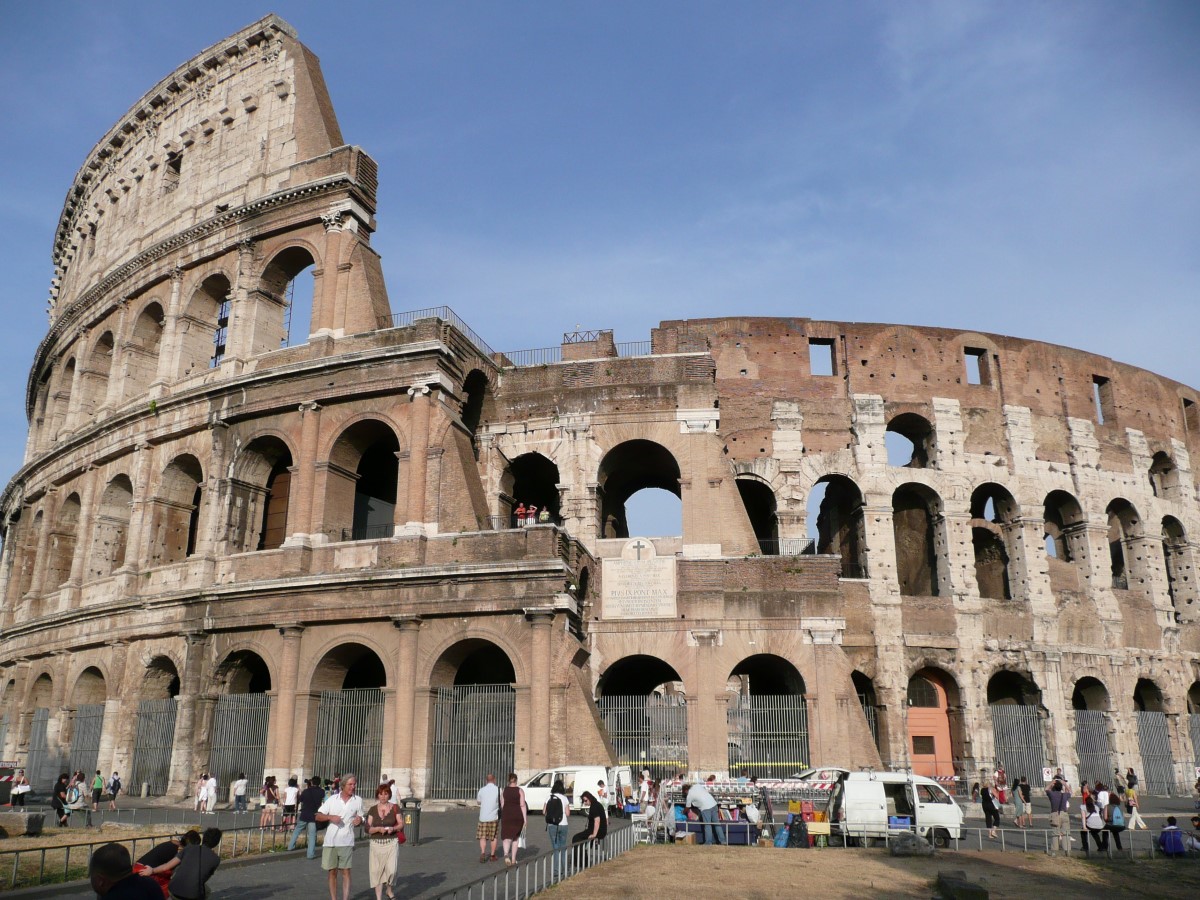
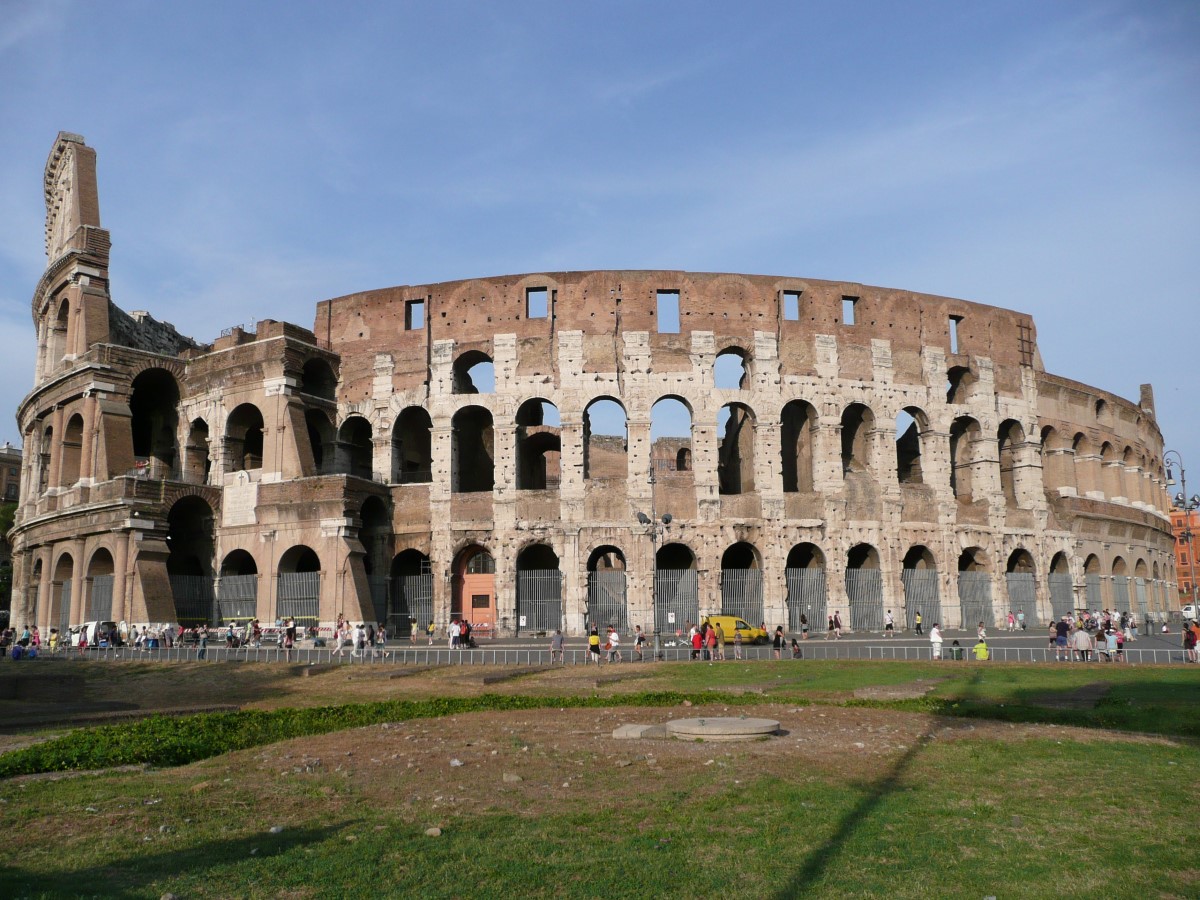
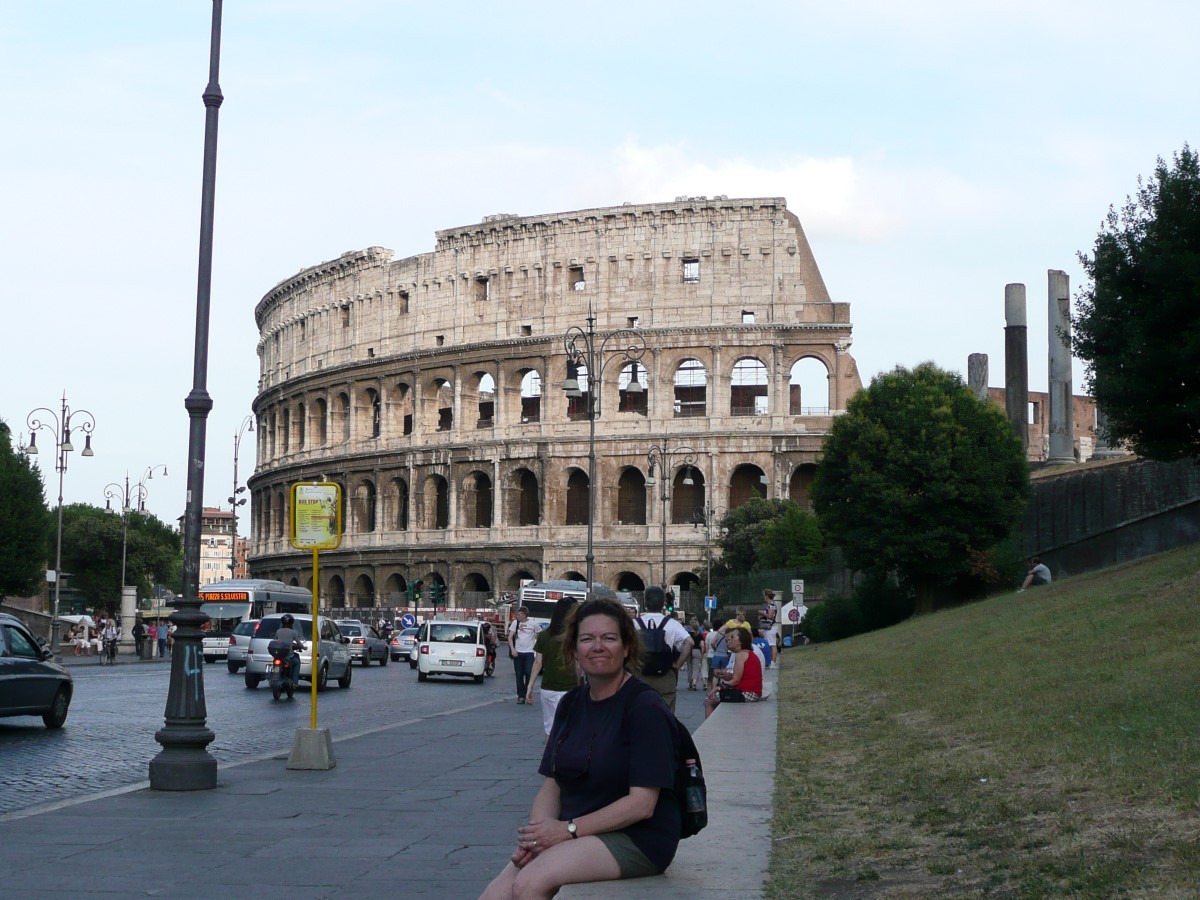
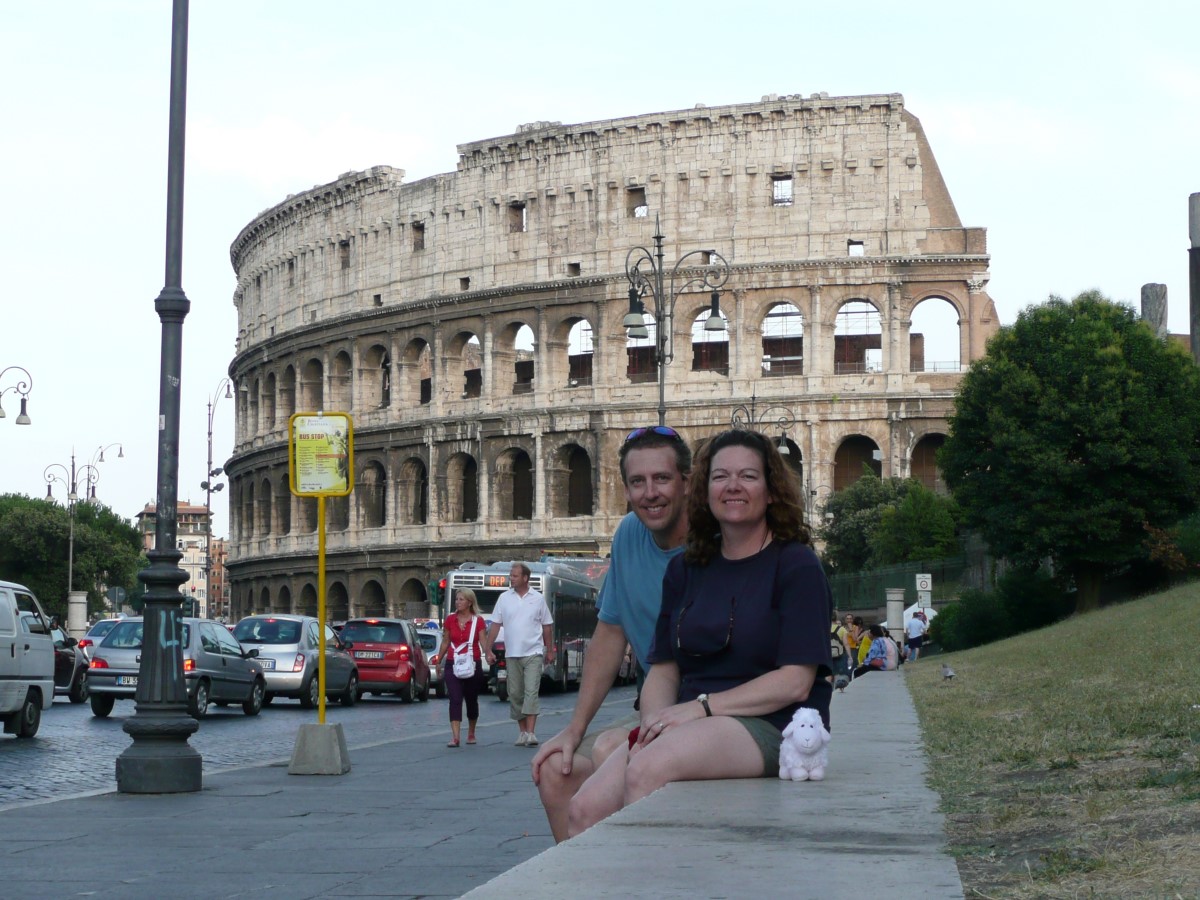
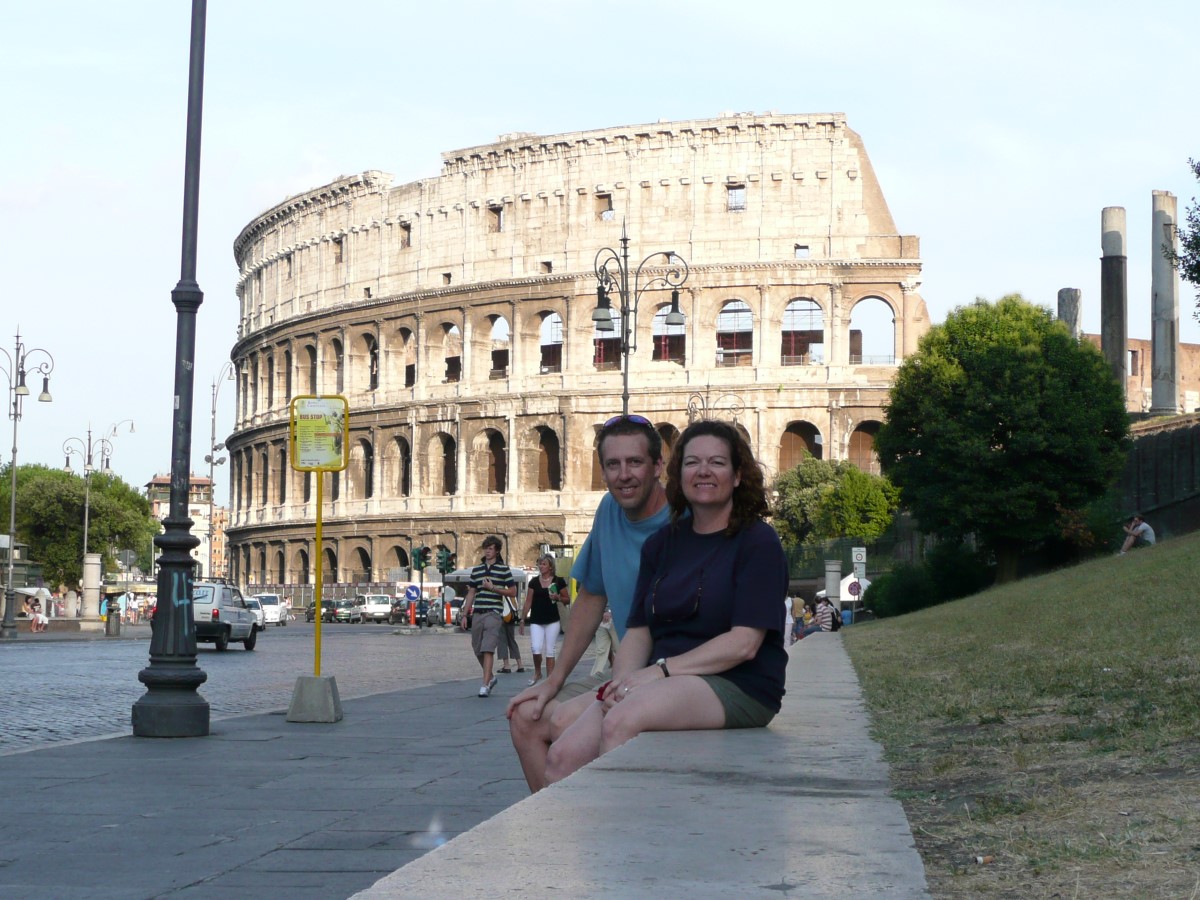
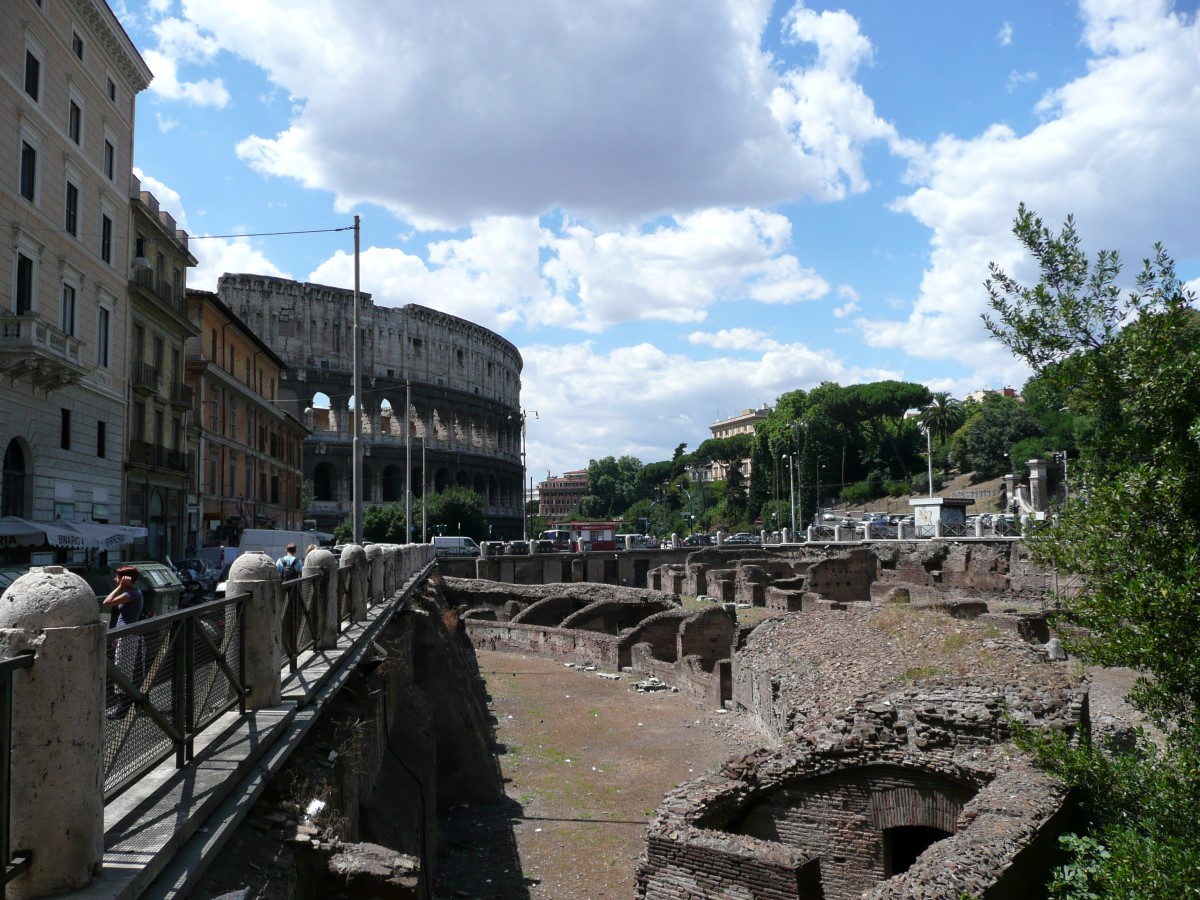
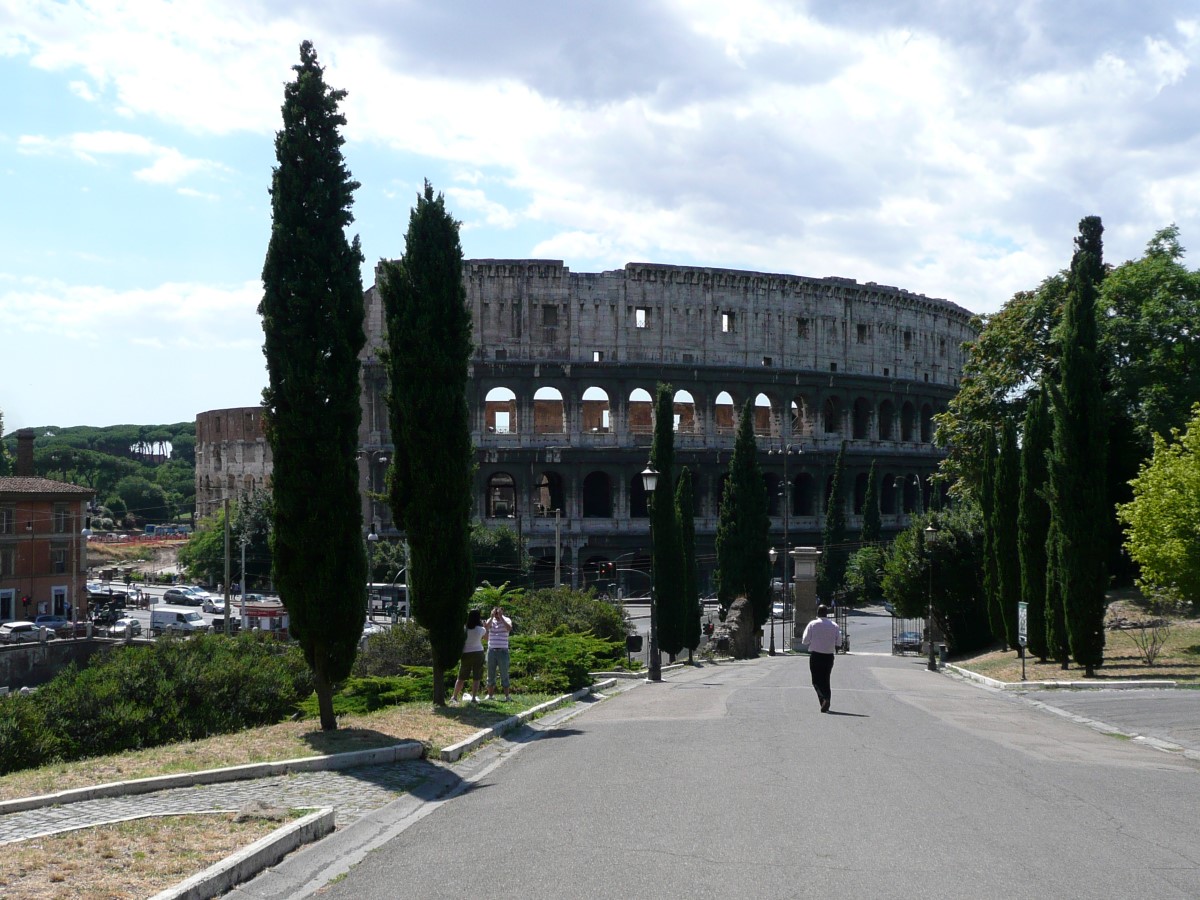
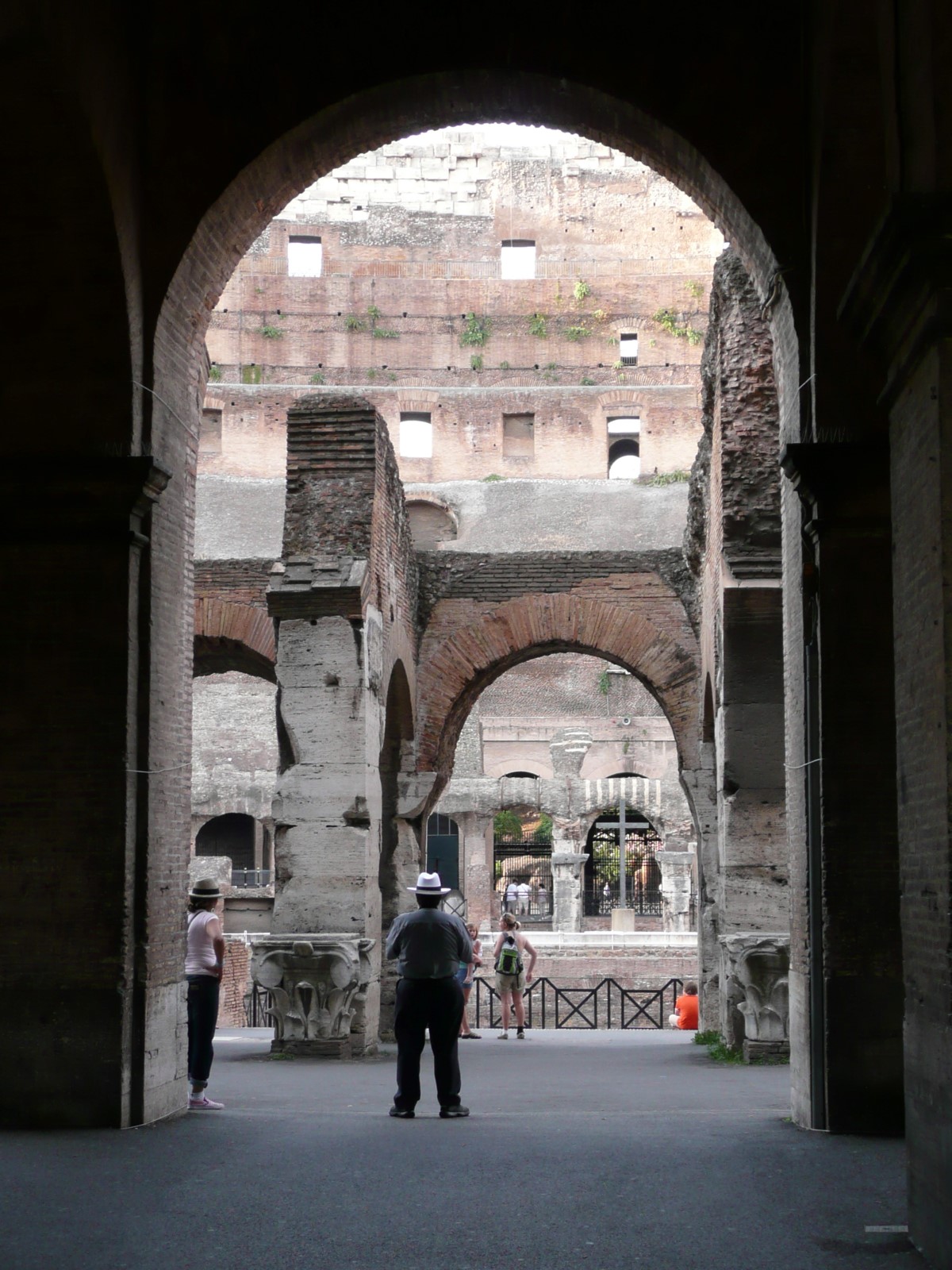
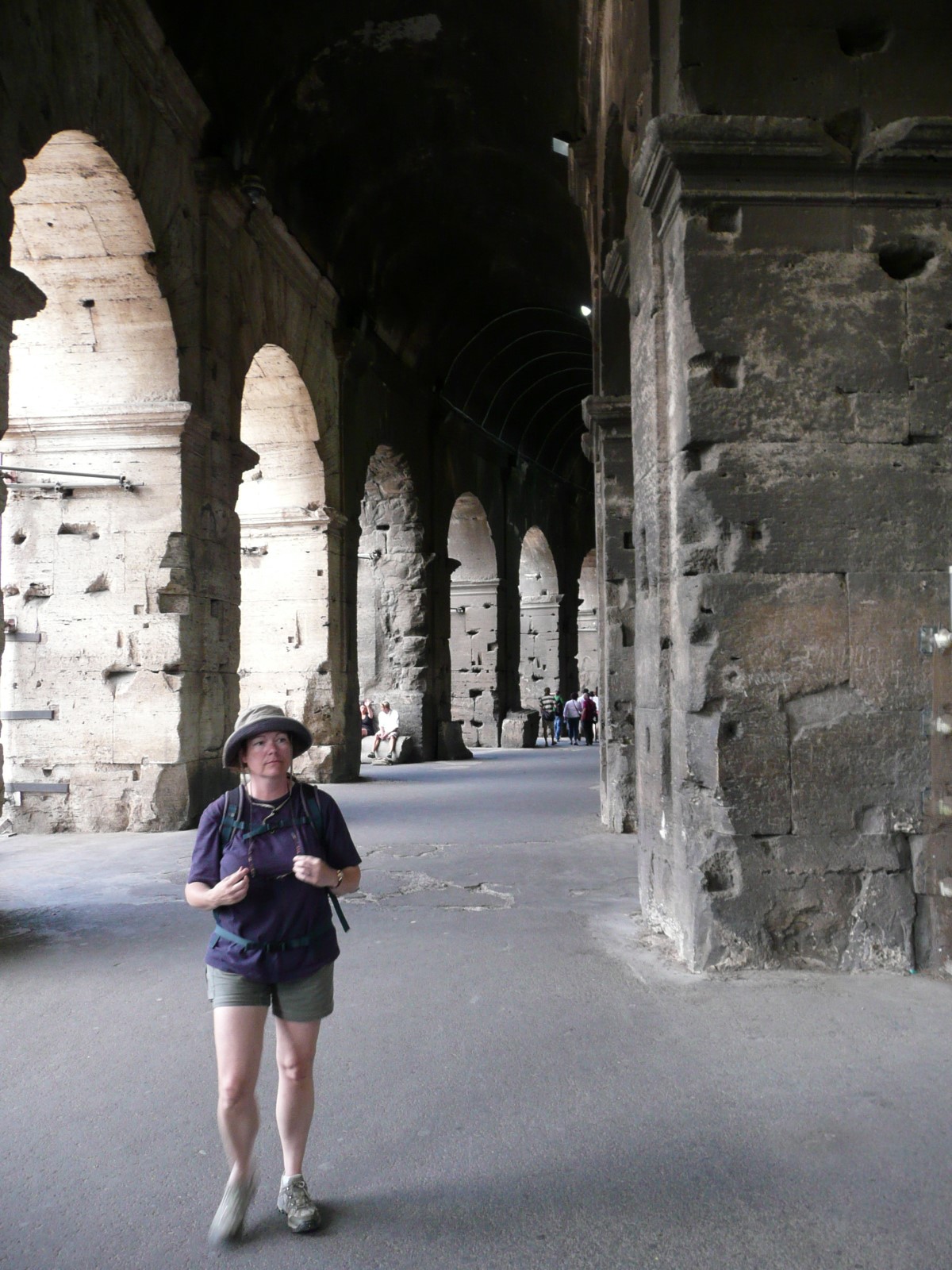
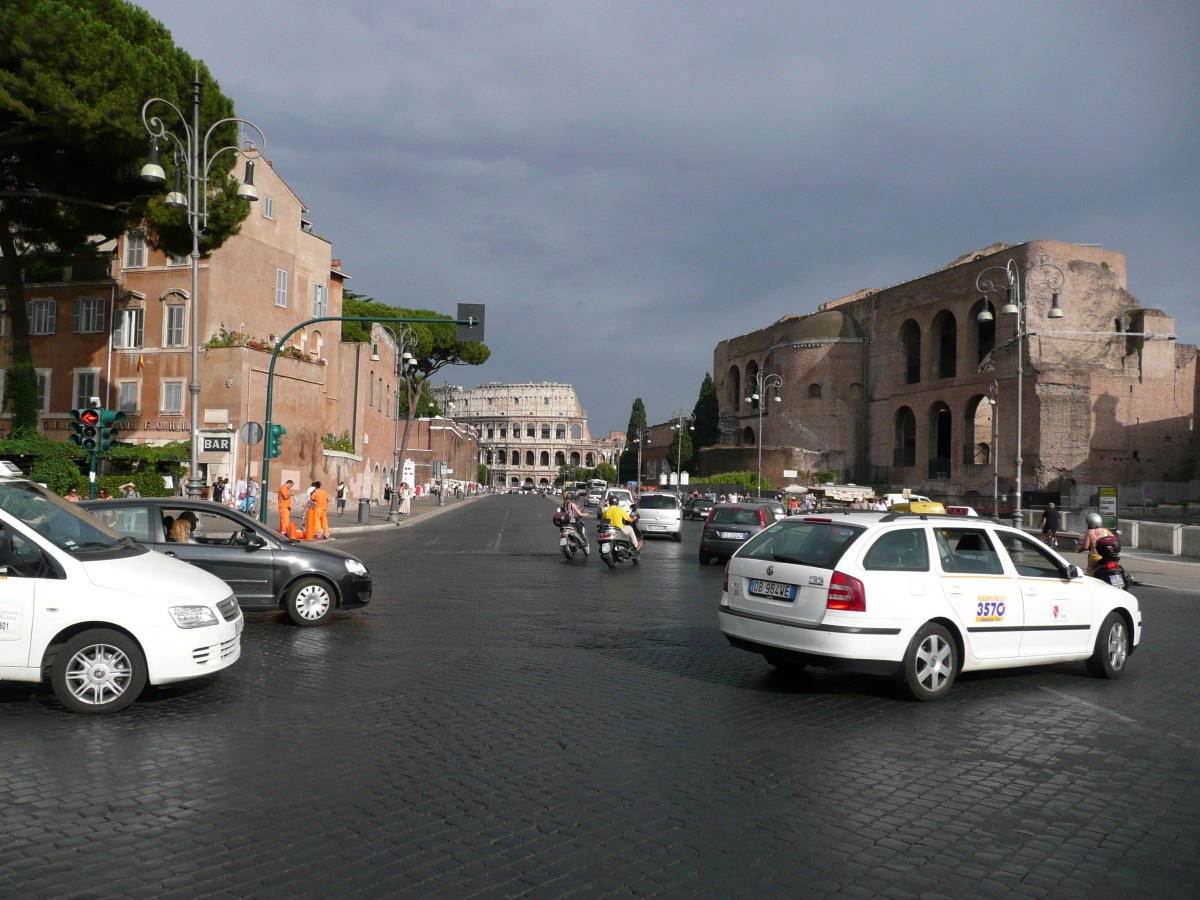
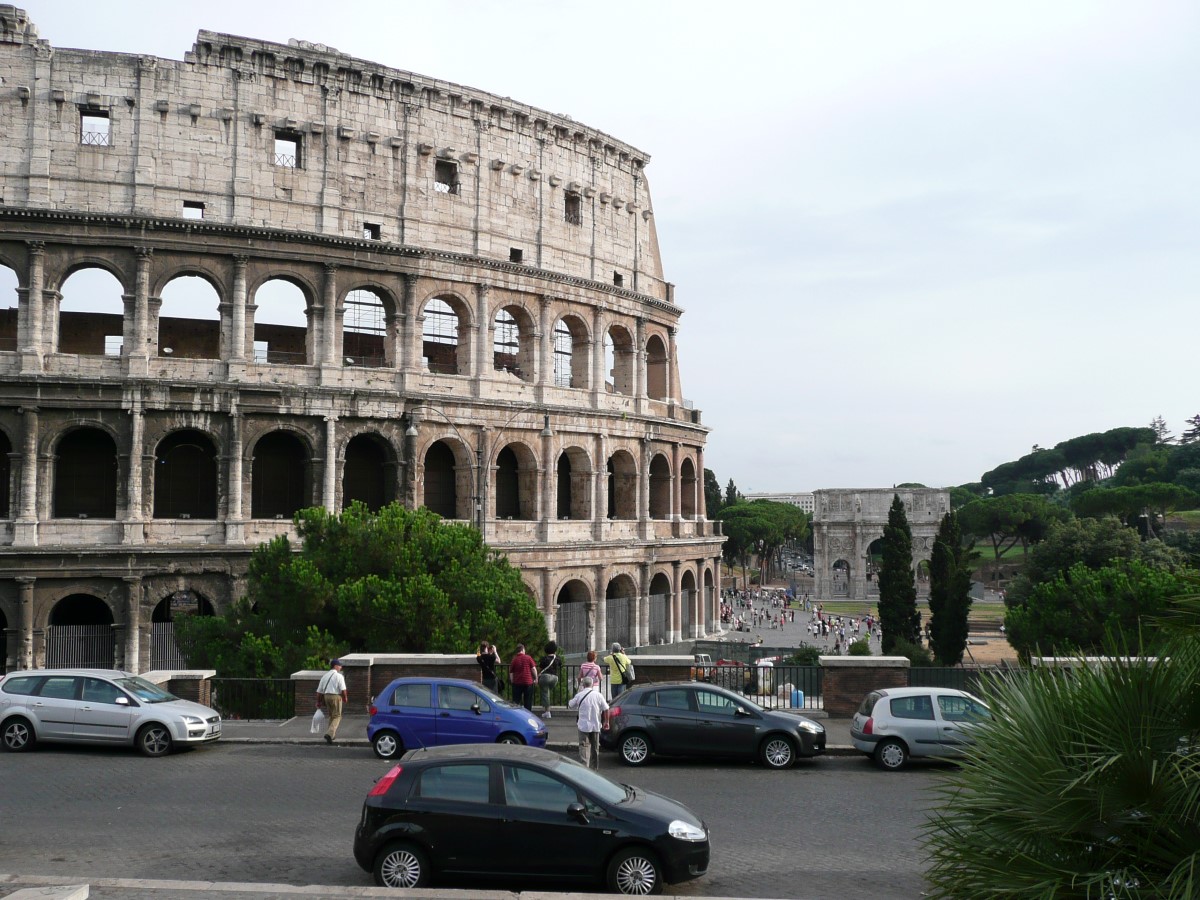
Colosseum: The Colosseum or Coliseum, originally the Flavian Amphitheatre (Latin: Amphitheatrum Flavium, Italian Anfiteatro Flavio or Colosseo), is an elliptical amphitheatre in the centre of the city of Rome, Italy, the largest ever built in the Roman Empire. It is one of the greatest works of Roman architecture and Roman engineering. Occupying a site just east of the Roman Forum, its construction started between 70 and 72 AD under the emperor Vespasian and was completed in 80 AD under Titus, with further modifications being made during Domitian's reign (81–96). The name "Amphitheatrum Flavium" derives from both Vespasian's and Titus's family name (Flavius, from the gens Flavia). Originally capable of seating around 50,000 spectators, the Colosseum was used for gladiatorial contests and public spectacles. It remained in use for nearly 500 years with the last recorded games being held there as late as the 6th century. As well as the traditional gladiatorial games, many other public spectacles were held there, such as mock sea battles, animal hunts, executions, re-enactments of famous battles, and dramas based on Classical mythology. The building eventually ceased to be used for entertainment in the early medieval era. It was later reused for such varied purposes as housing, workshops, quarters for a religious order, a fortress, a quarry and a Christian shrine. Although it is now in a ruined condition due to damage caused by earthquakes and stone-robbers, the Colosseum has long been seen as an iconic symbol of Imperial Rome. Today it is one of modern Rome's most popular tourist attractions and still has close connections with the Roman Catholic Church, as each Good Friday the Pope leads a torchlit "Way of the Cross" procession to the amphitheatre. We did not go inside as the line was extremely long. We had been inside before on a previous trip to Rome but may do it again should we return in the future. |
||||||
|
||||||
|
|
||||||
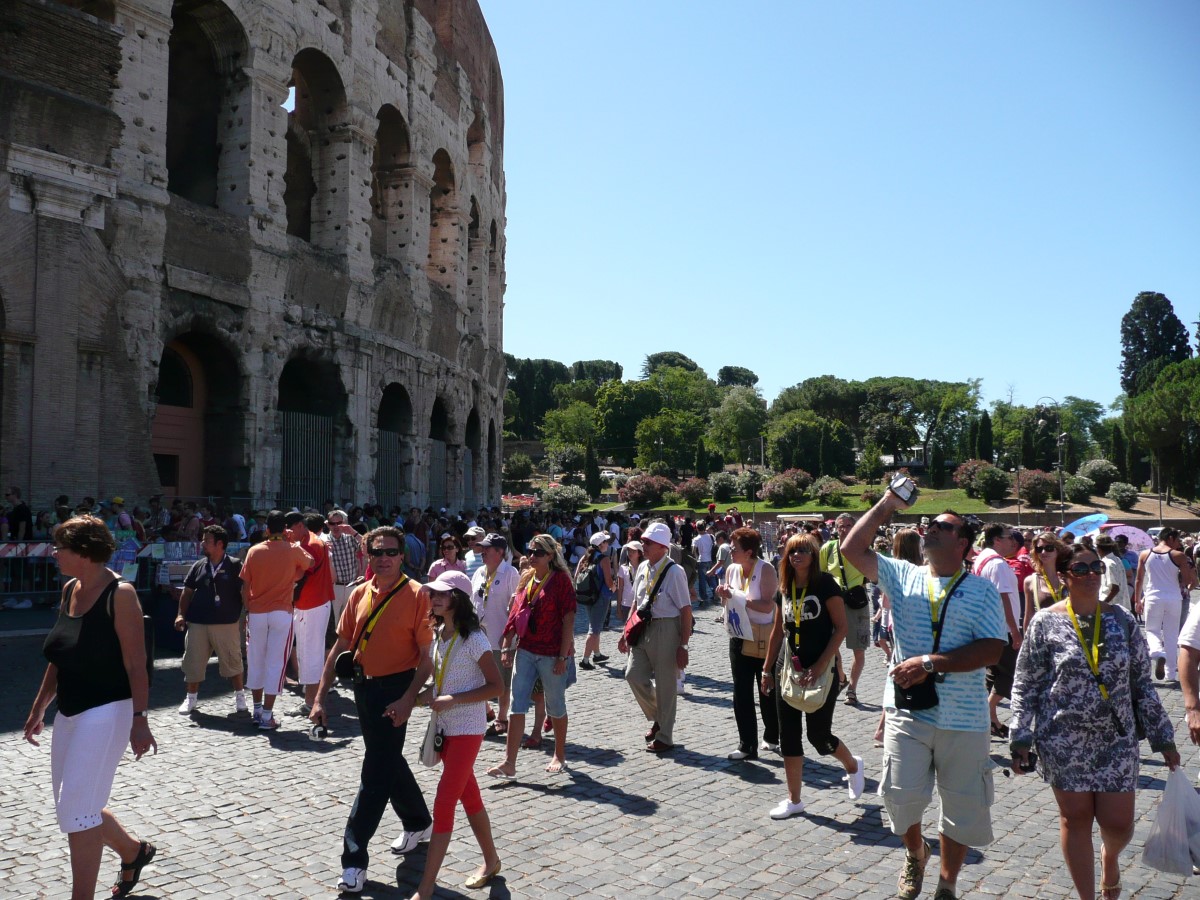
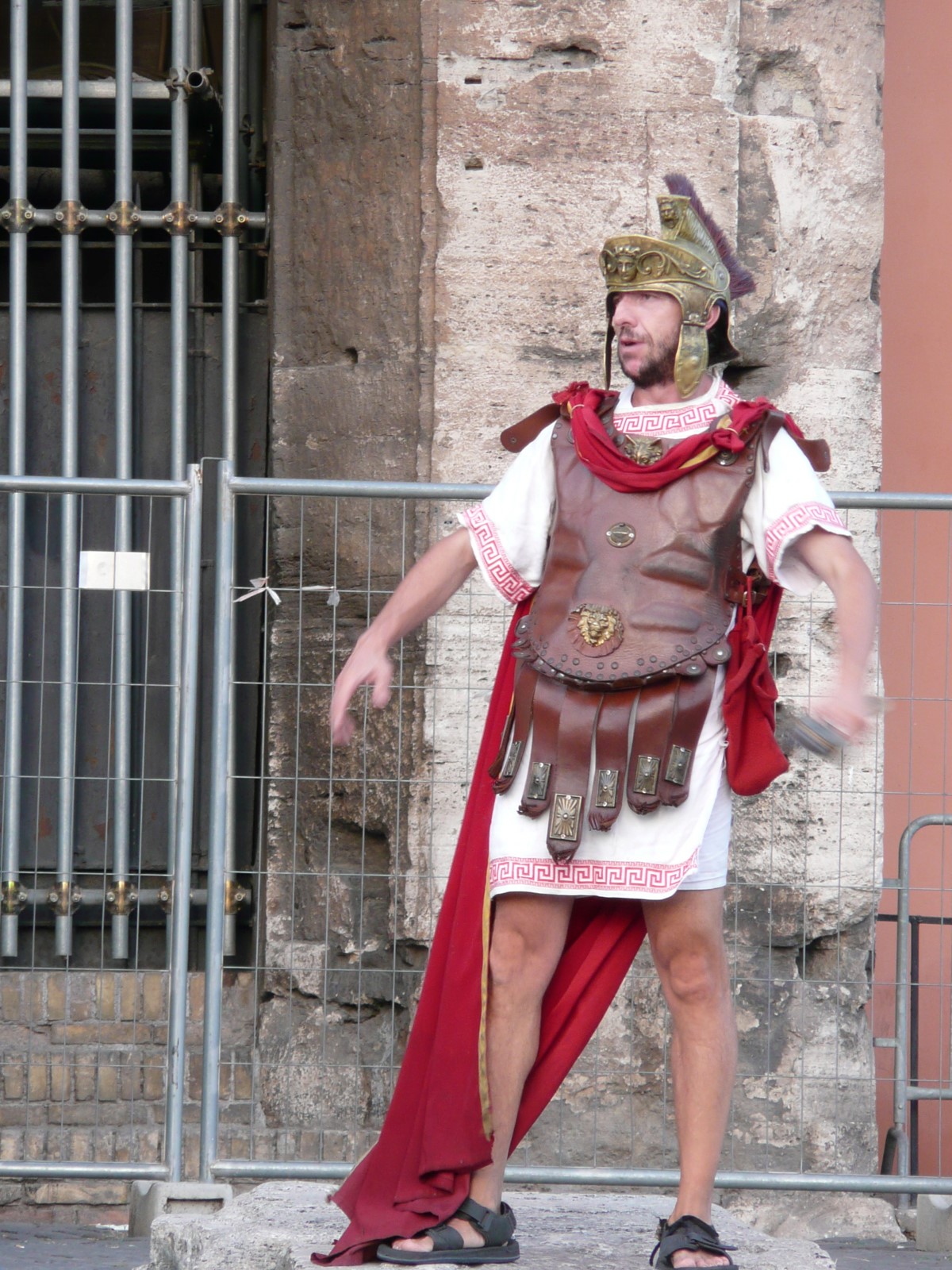
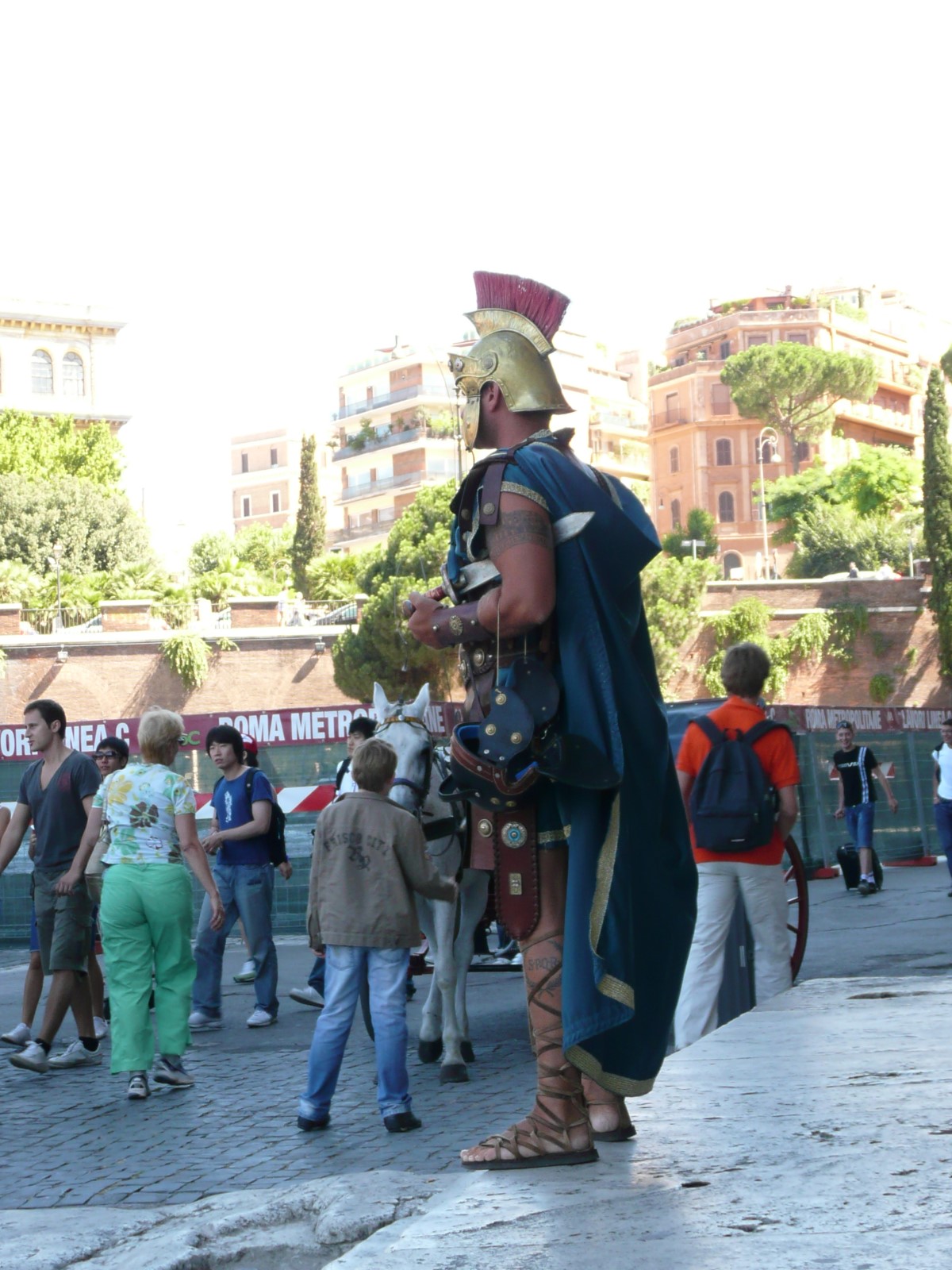
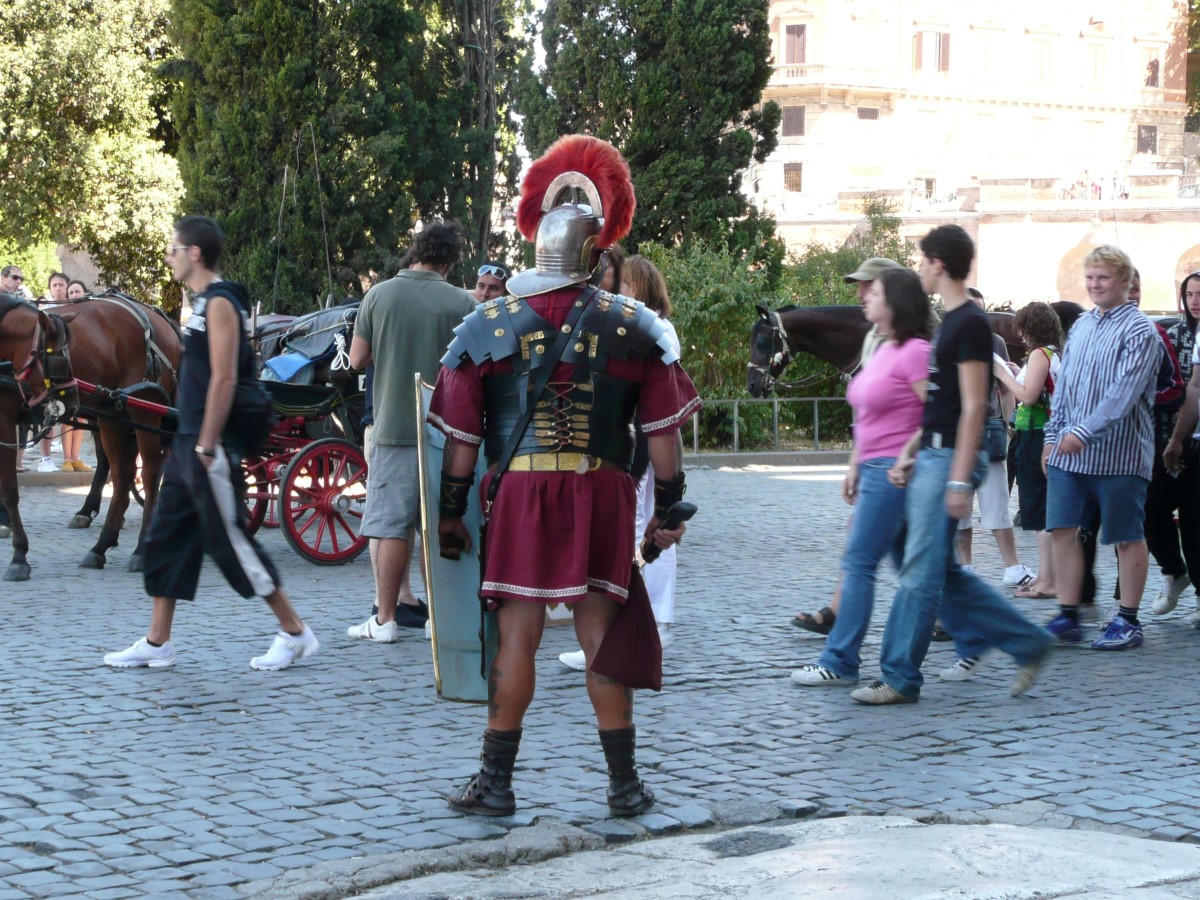
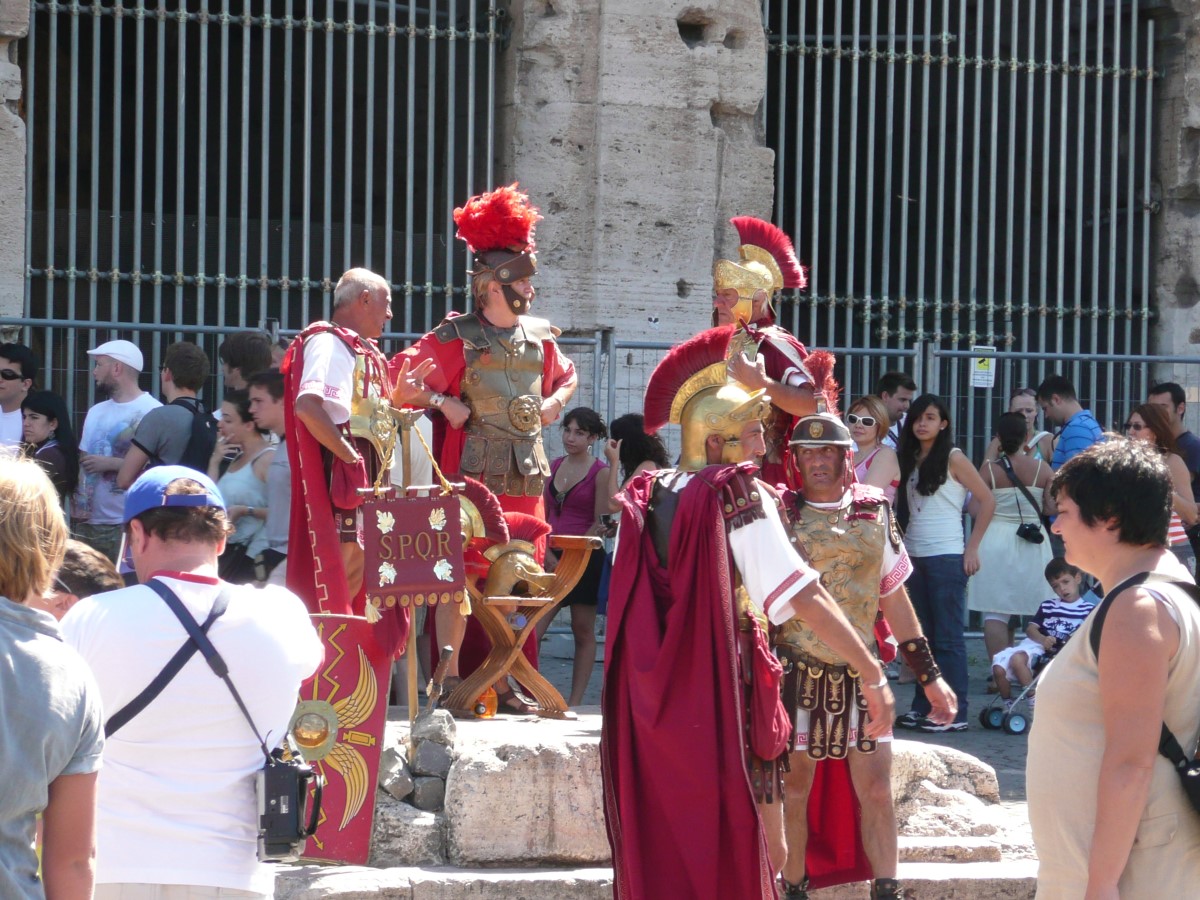
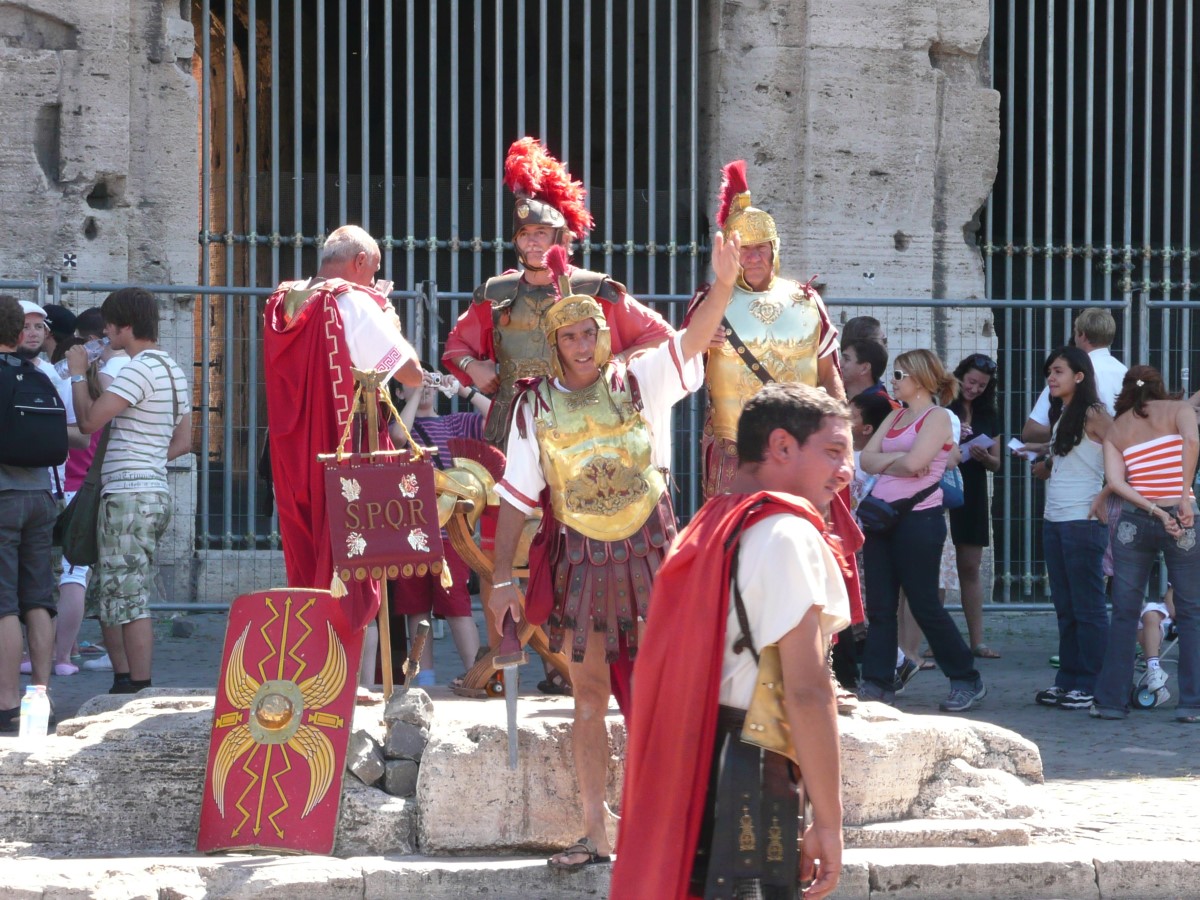
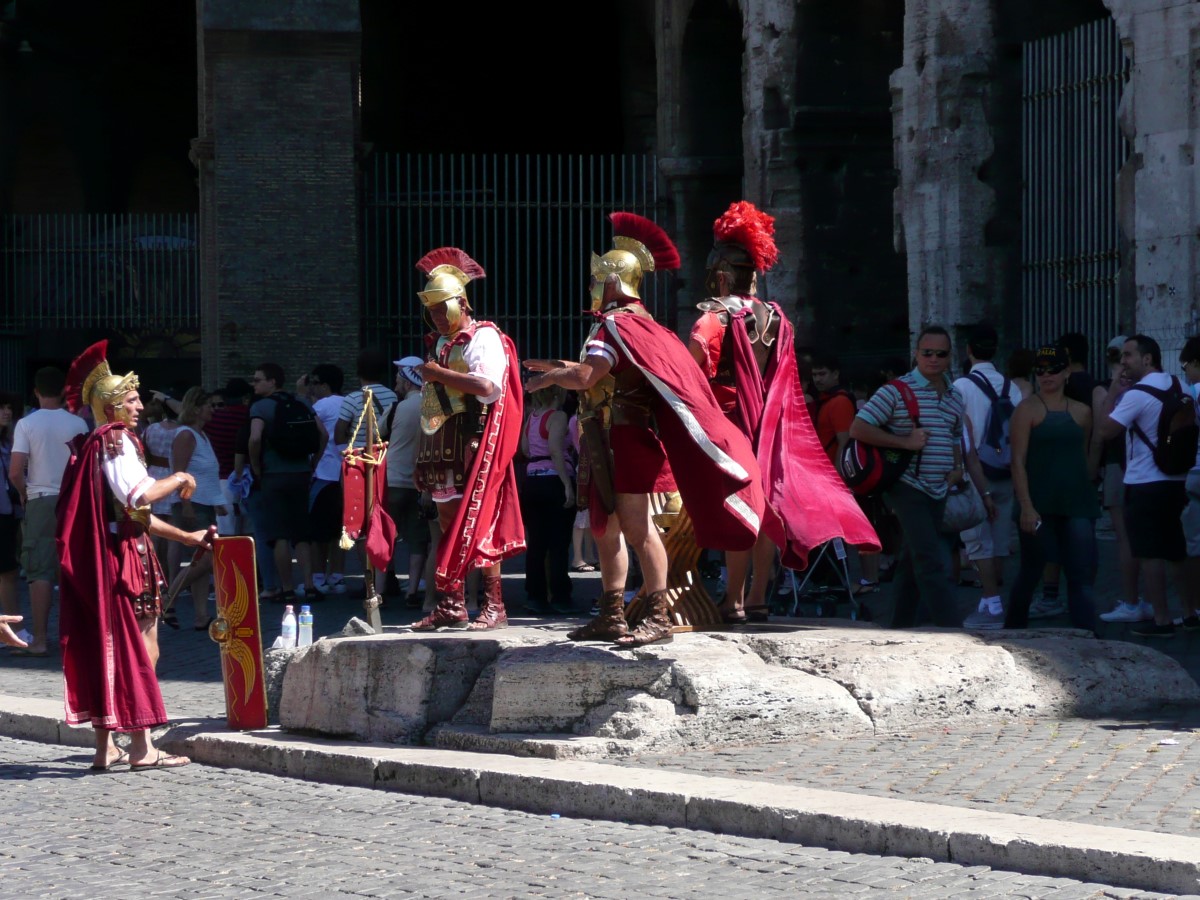
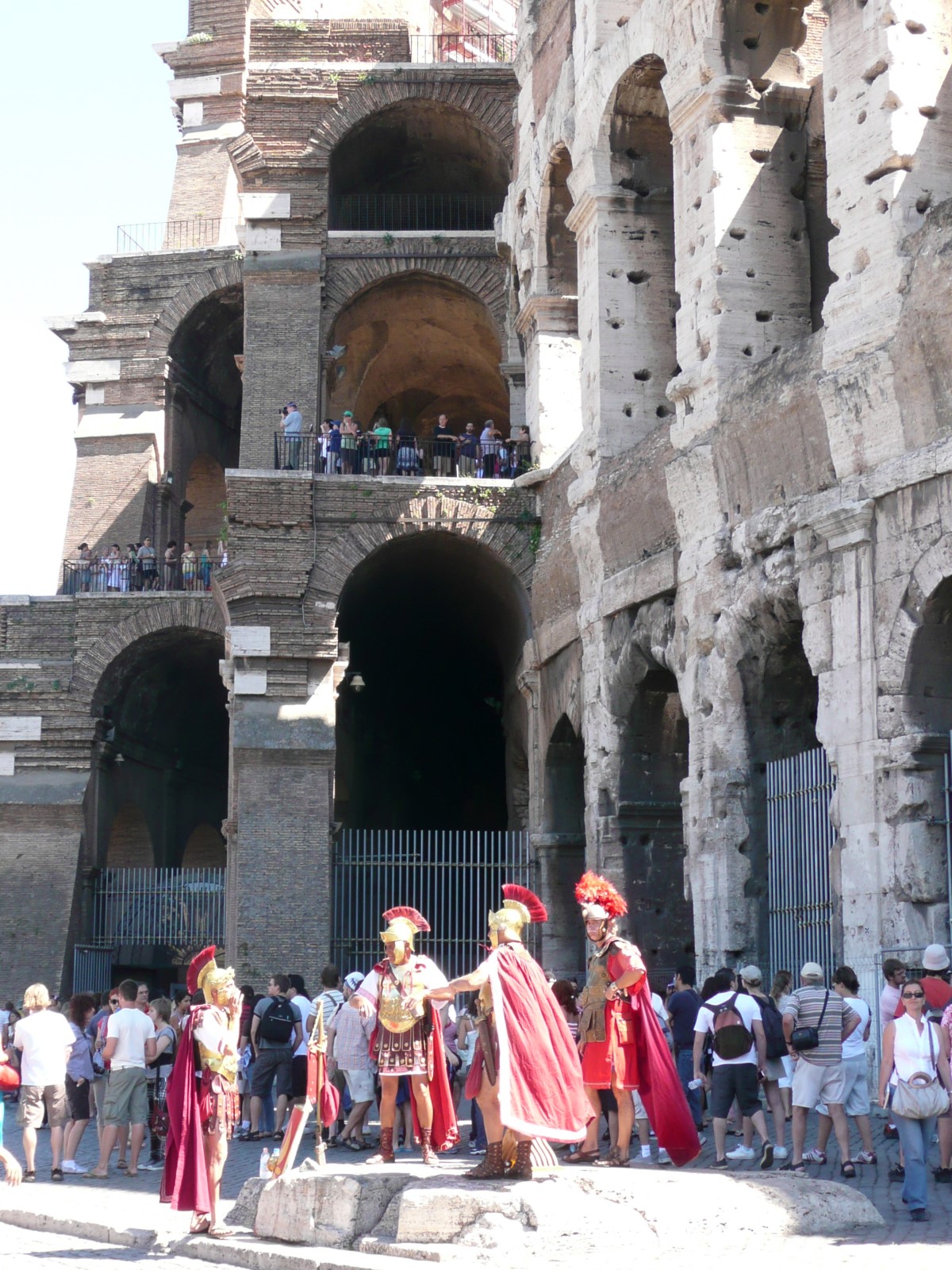
| Colosseum Gladiators: Actors dressed as gladiators trying to get the tourists to pay for a photo with them. | ||||||
|
||||||
|
|
||||||
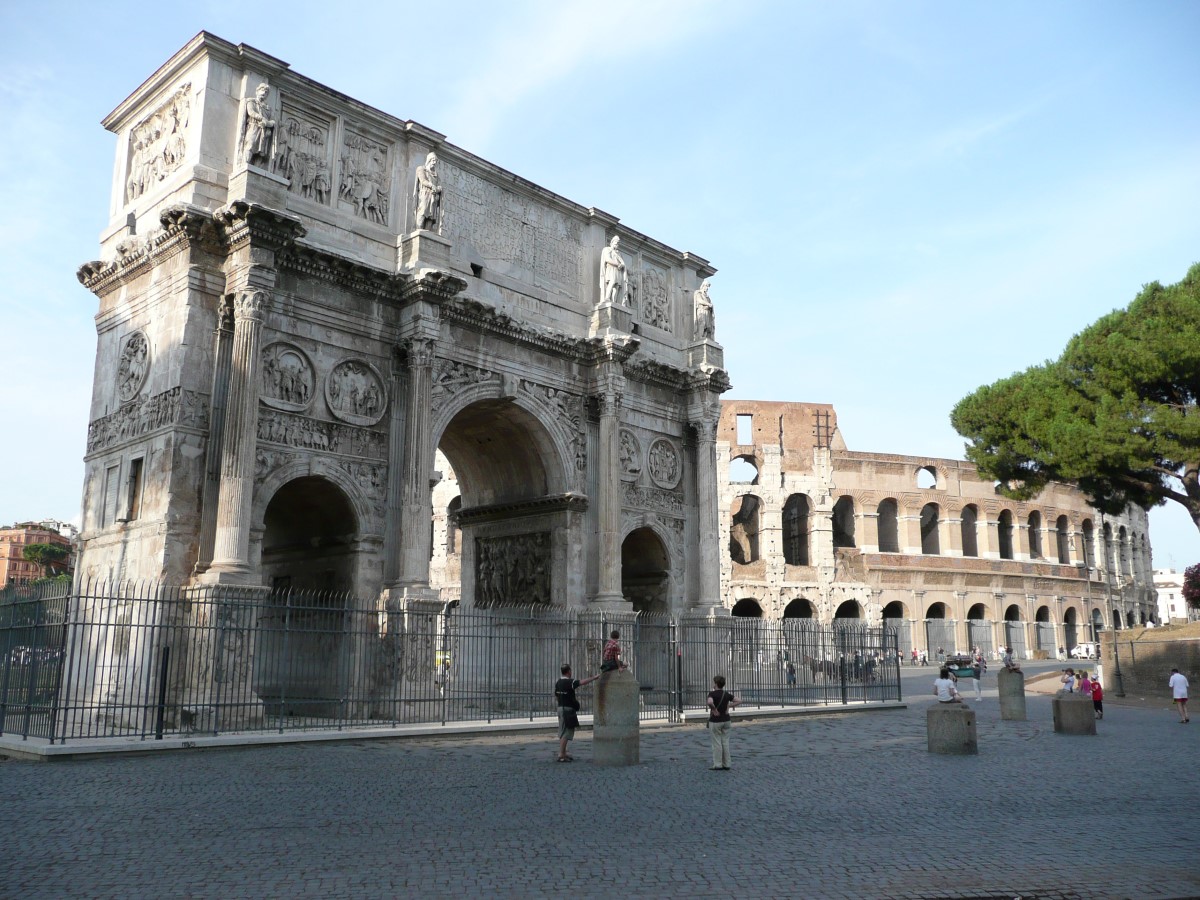
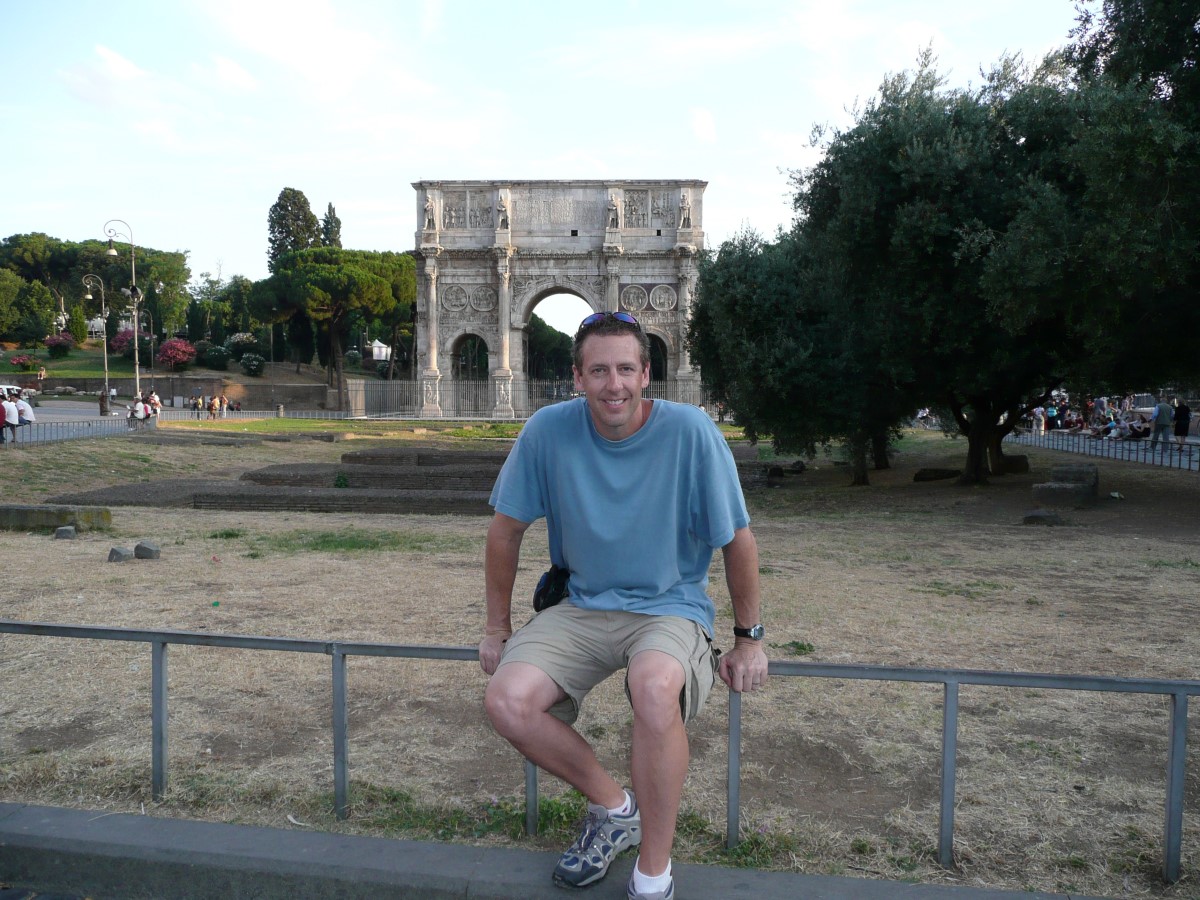
| Arch of Constantine: The Arch of Constantine (Italian: Arco di Costantino) is a triumphal arch in Rome, situated between the Colosseum and the Palatine Hill. It was erected to commemorate Constantine I's victory over Maxentius at the Battle of Milvian Bridge on October 28, 312. Dedicated in 315, it is the latest of the existing triumphal arches in Rome. | ||||||
|
||||||
|
|
||||||
|
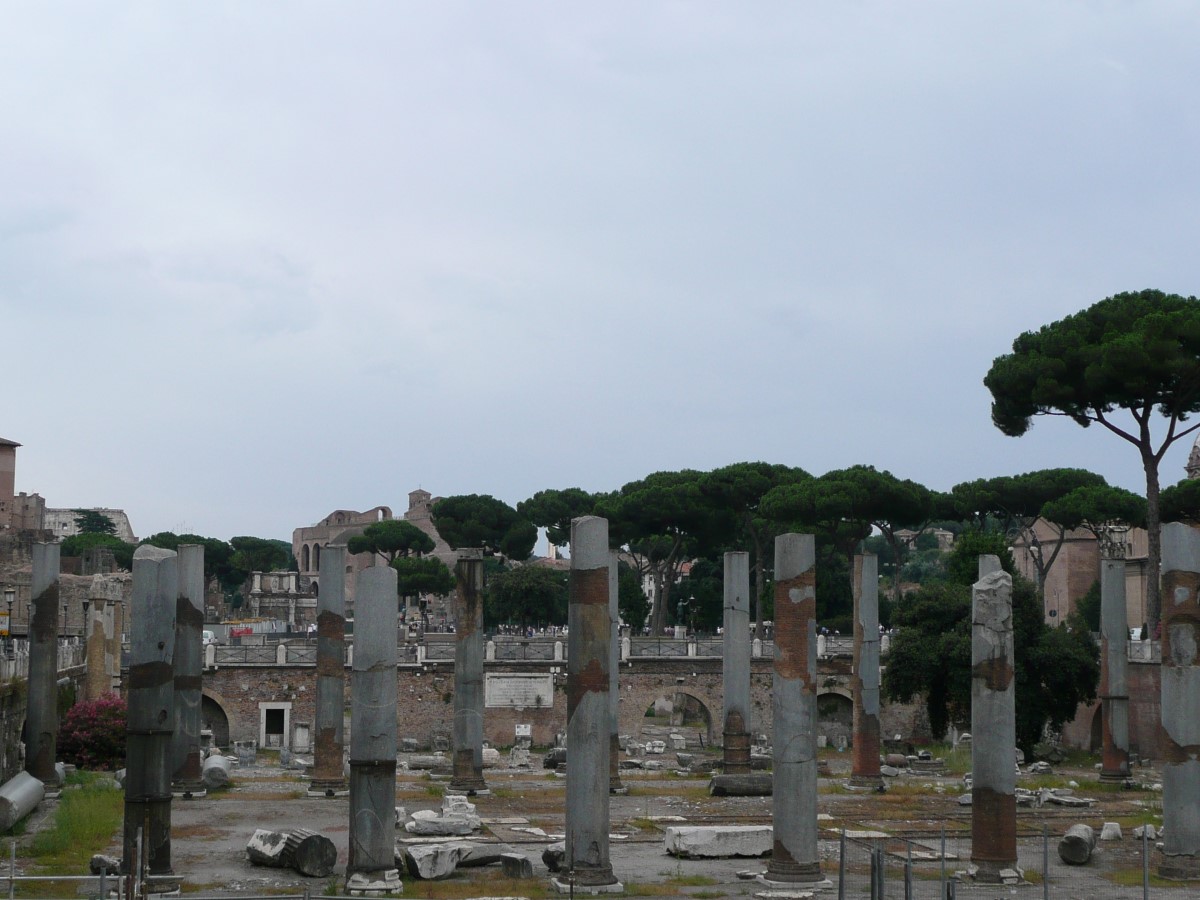
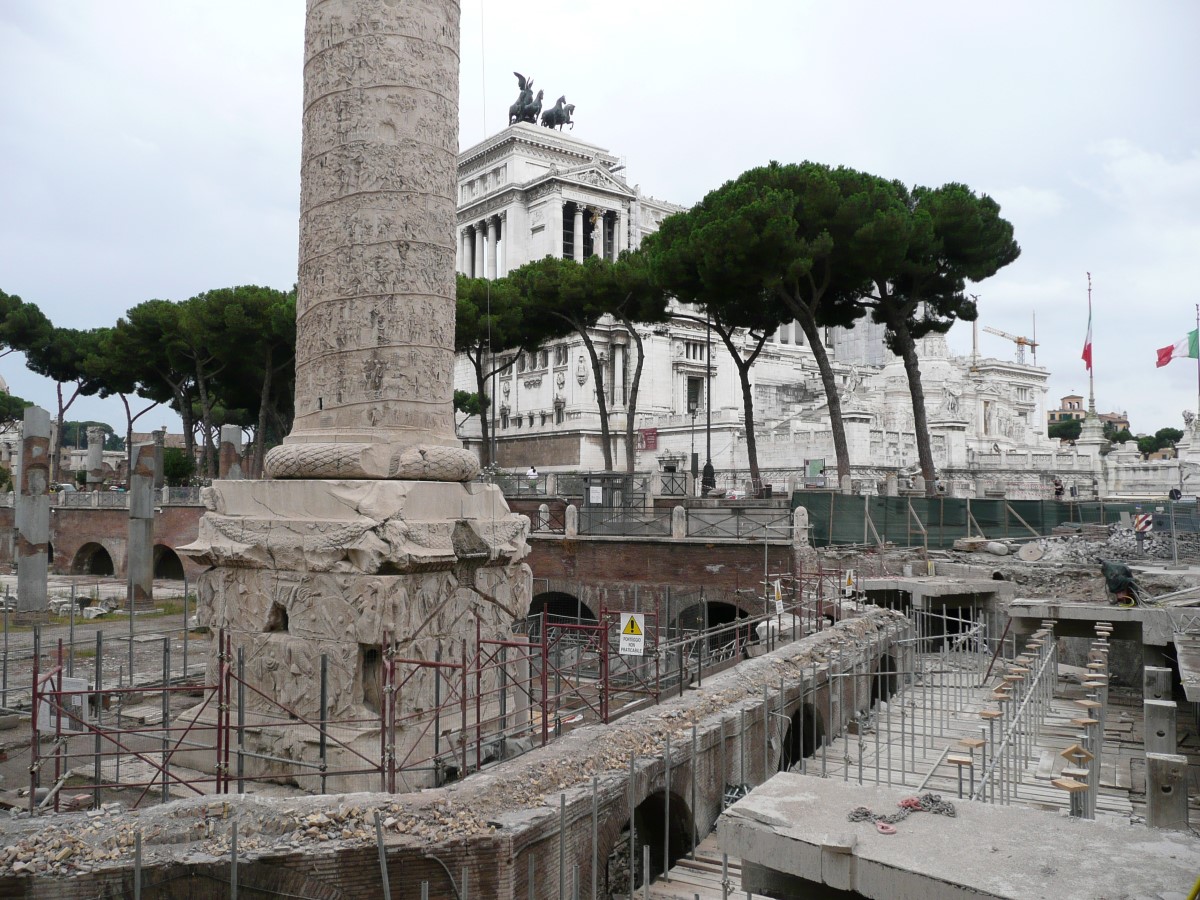
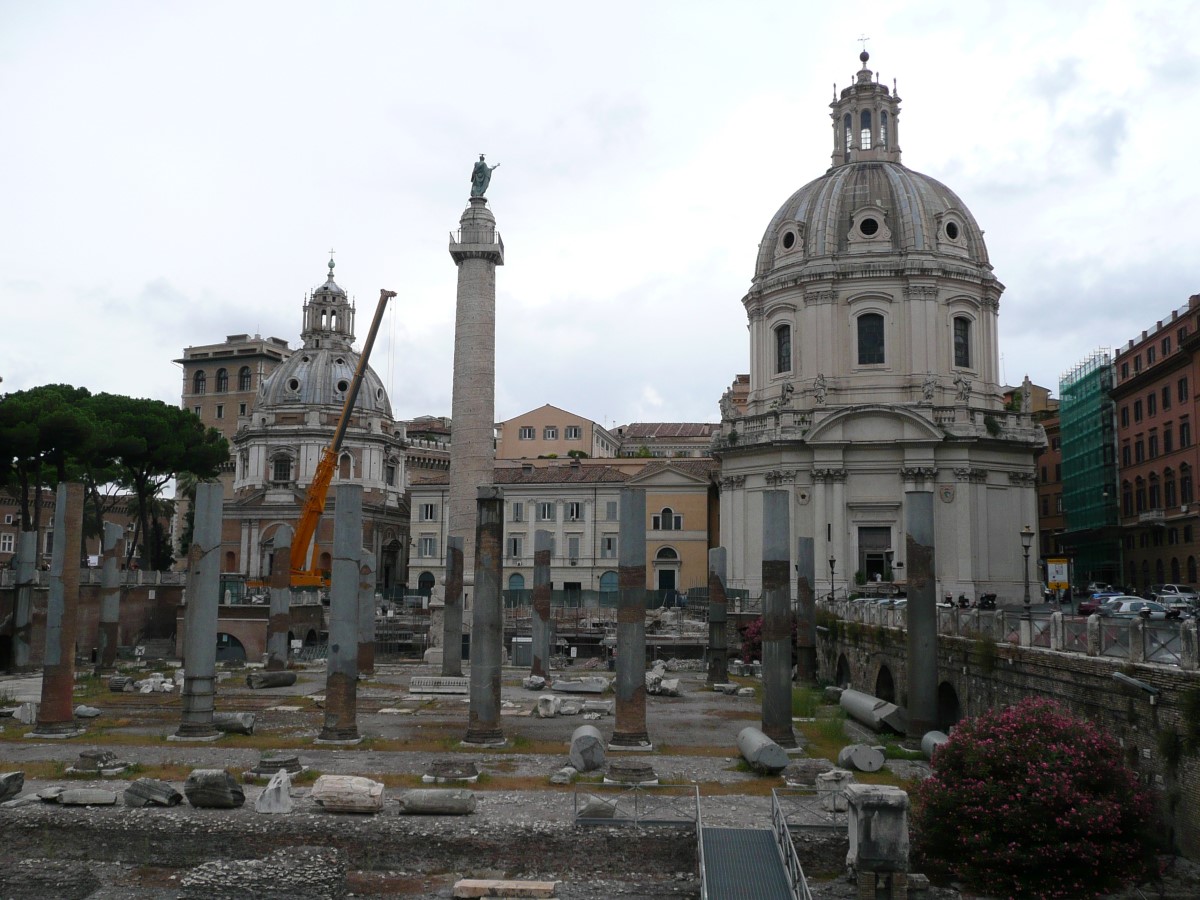
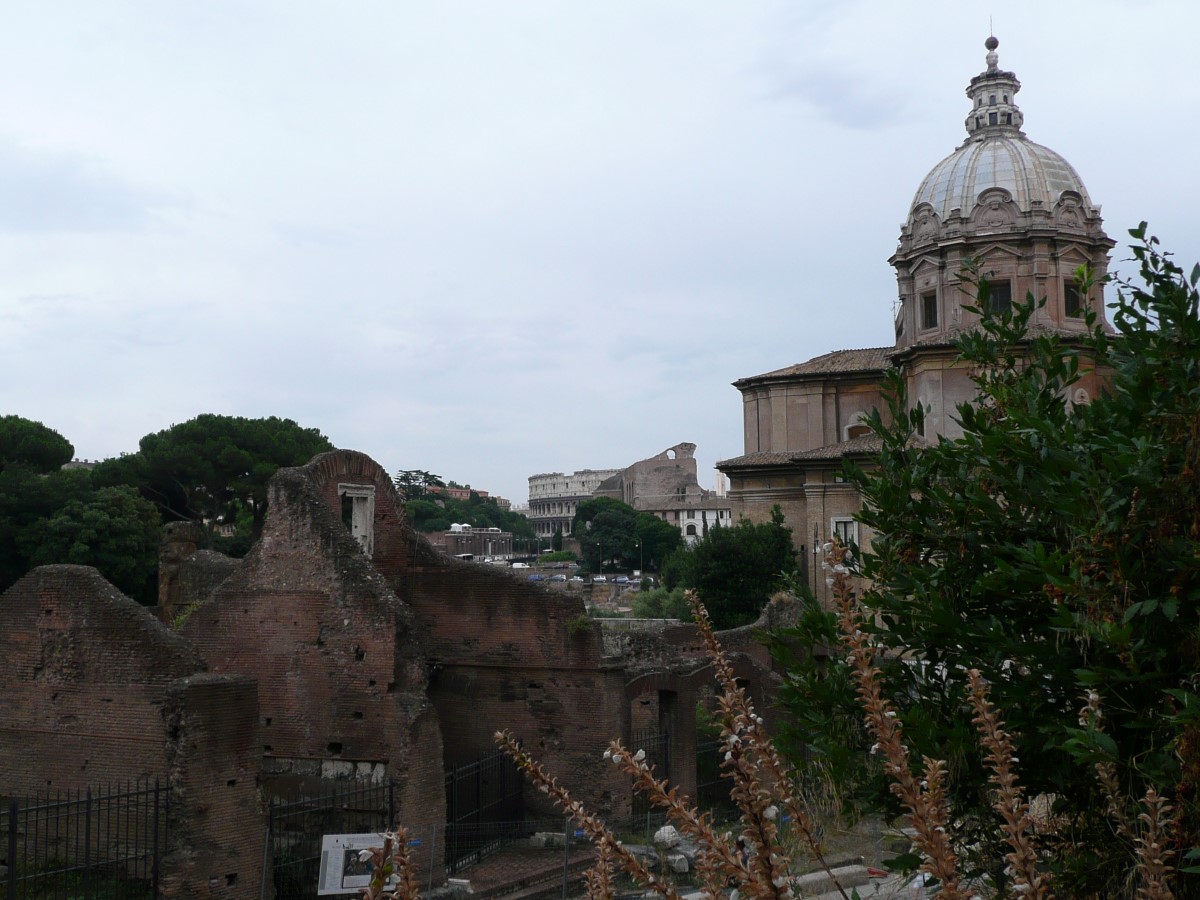
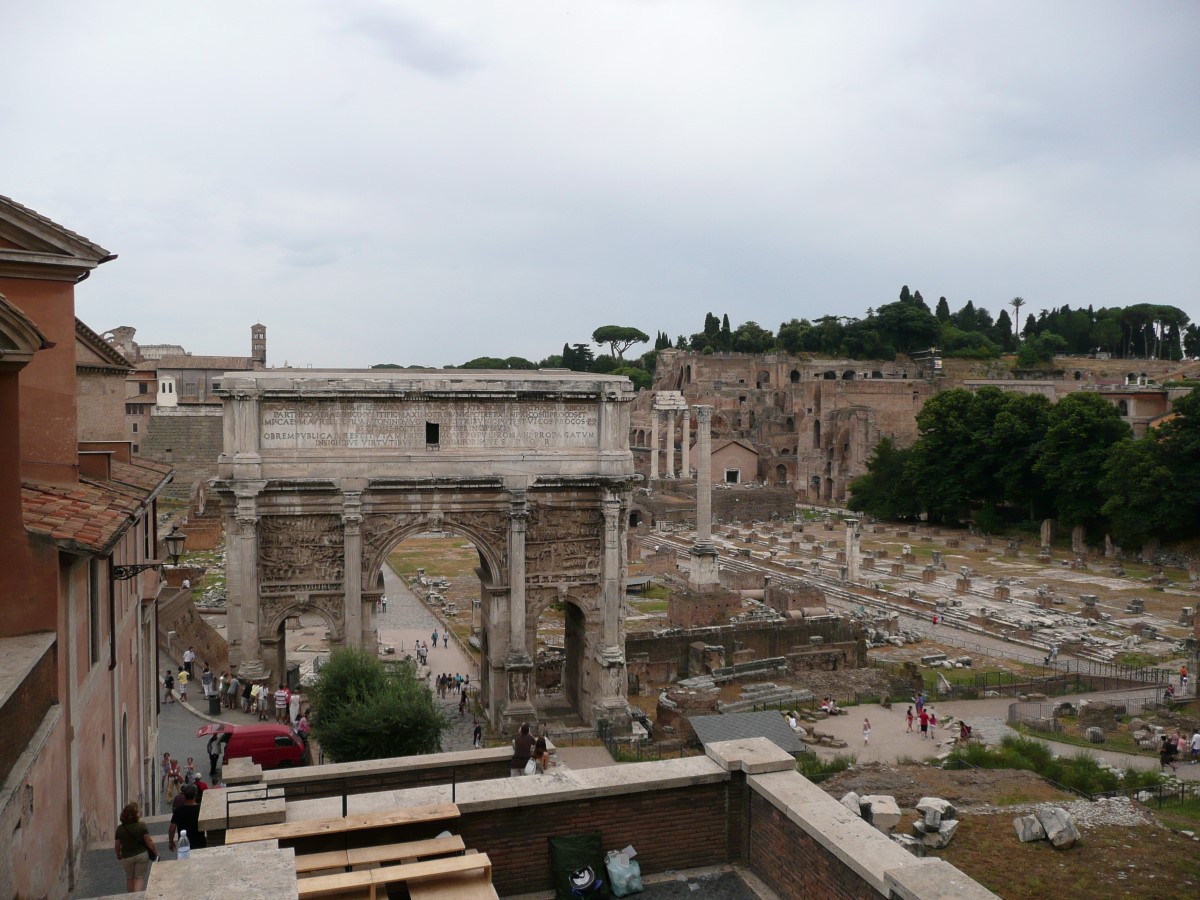
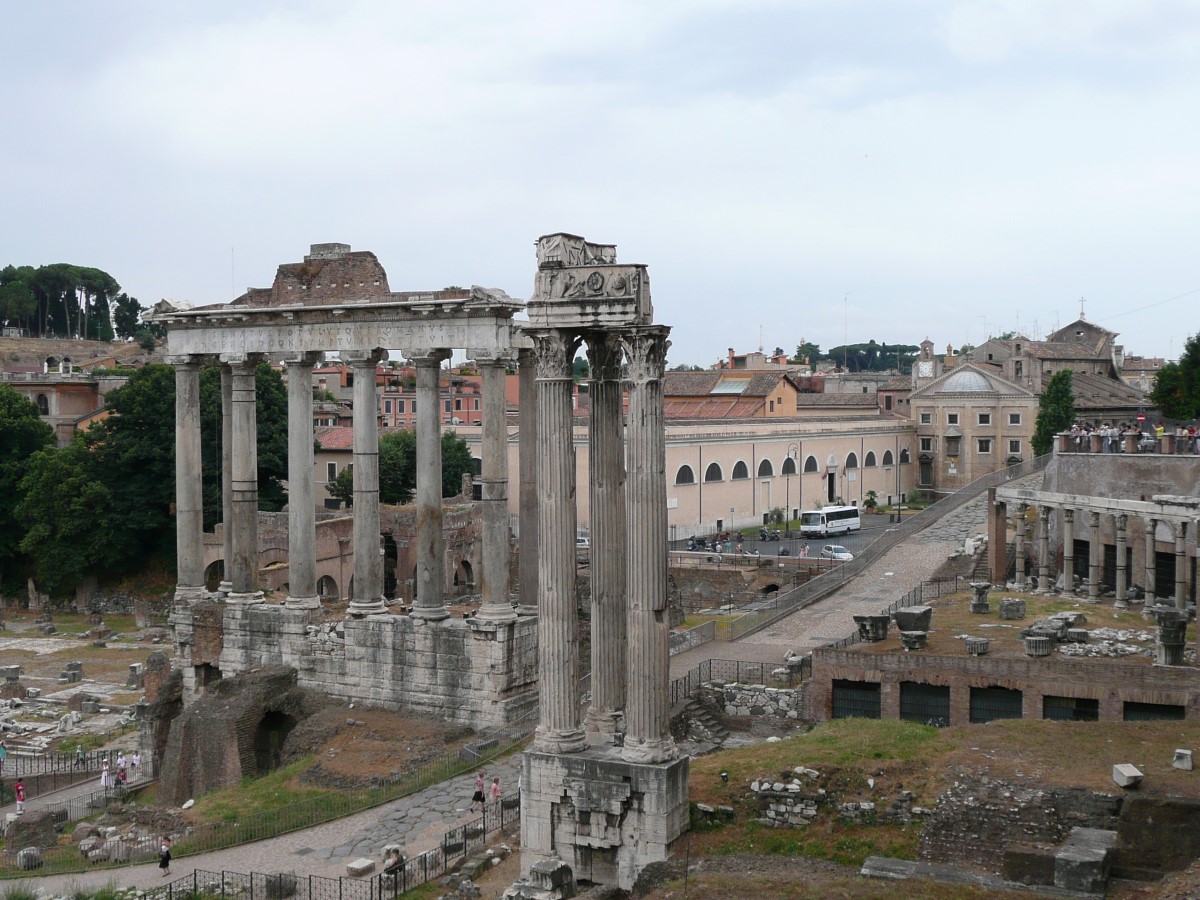
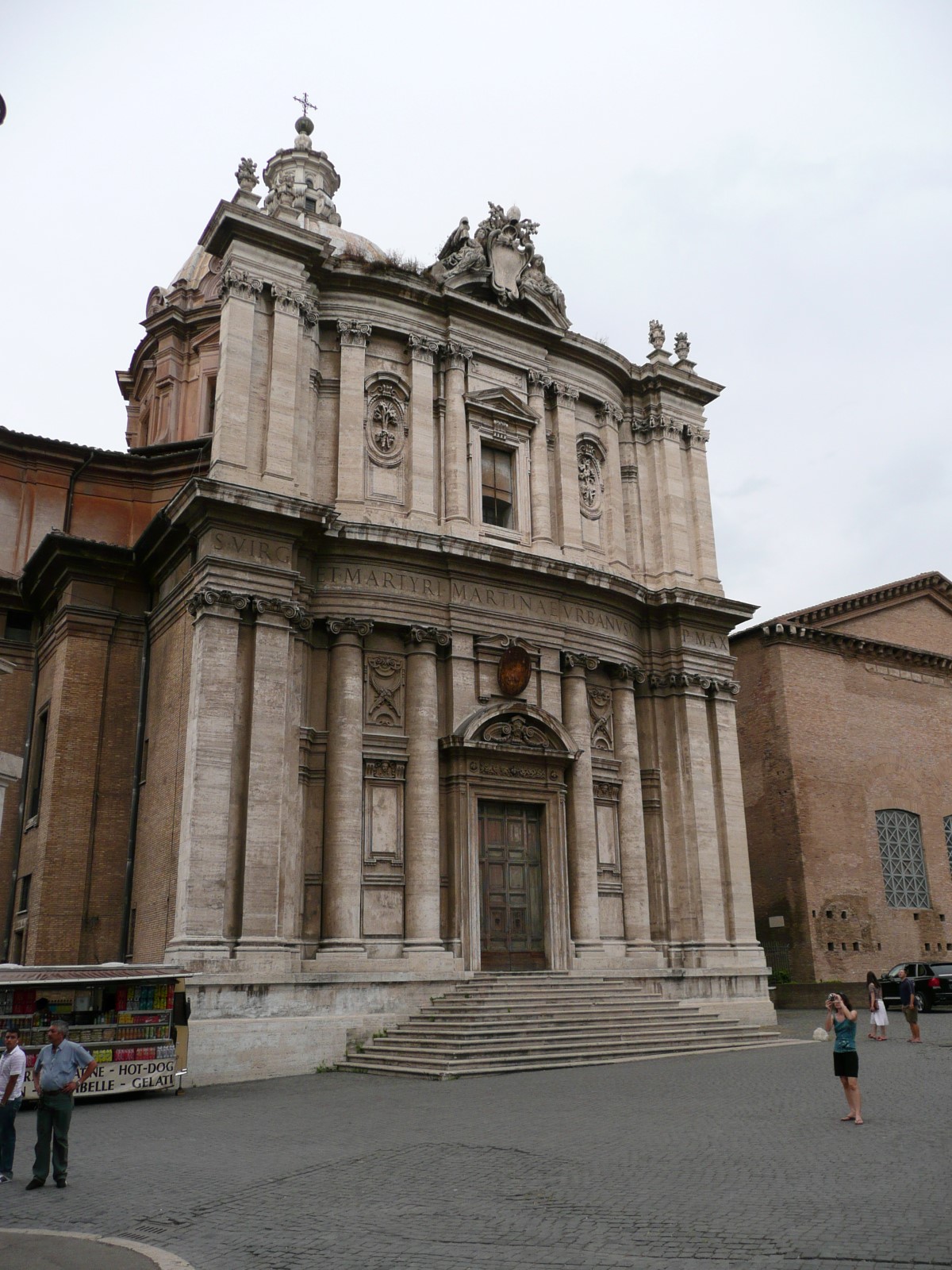
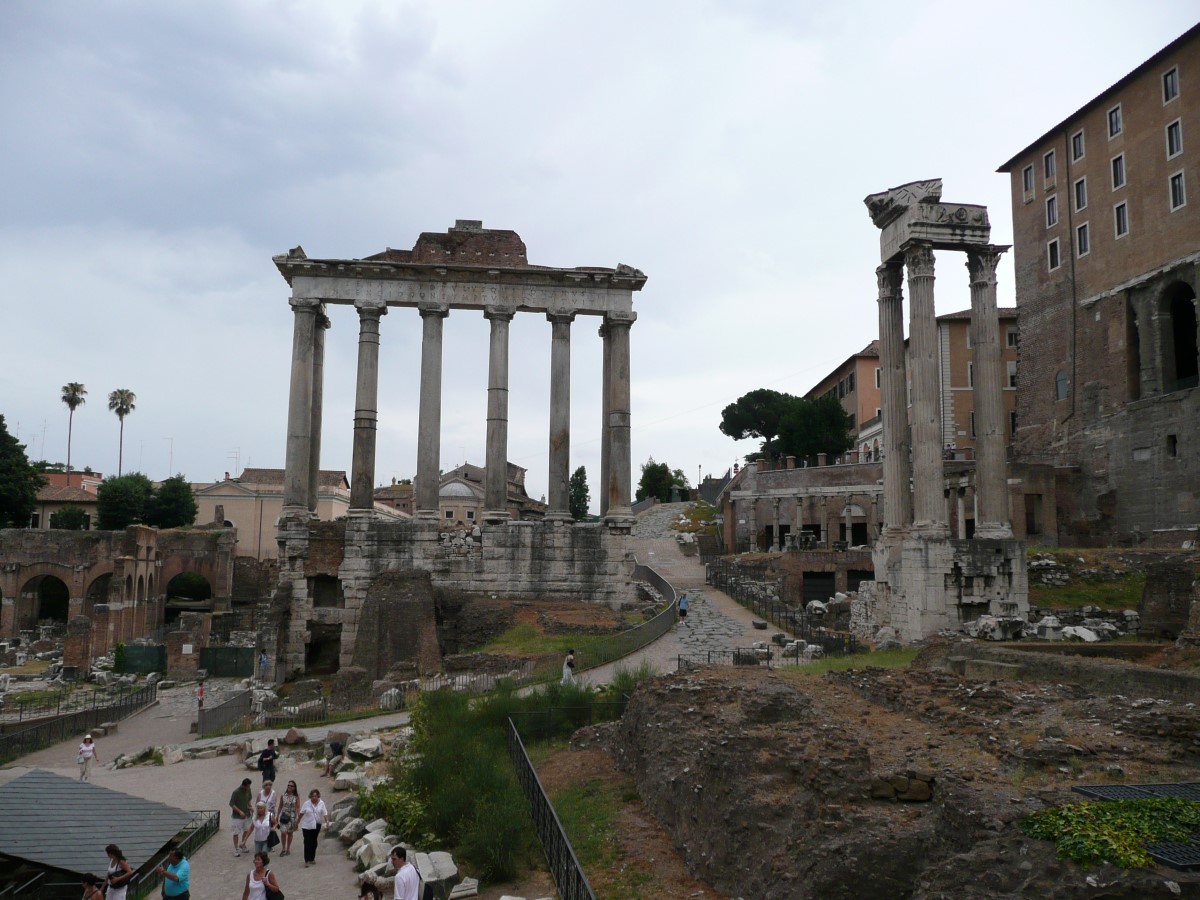
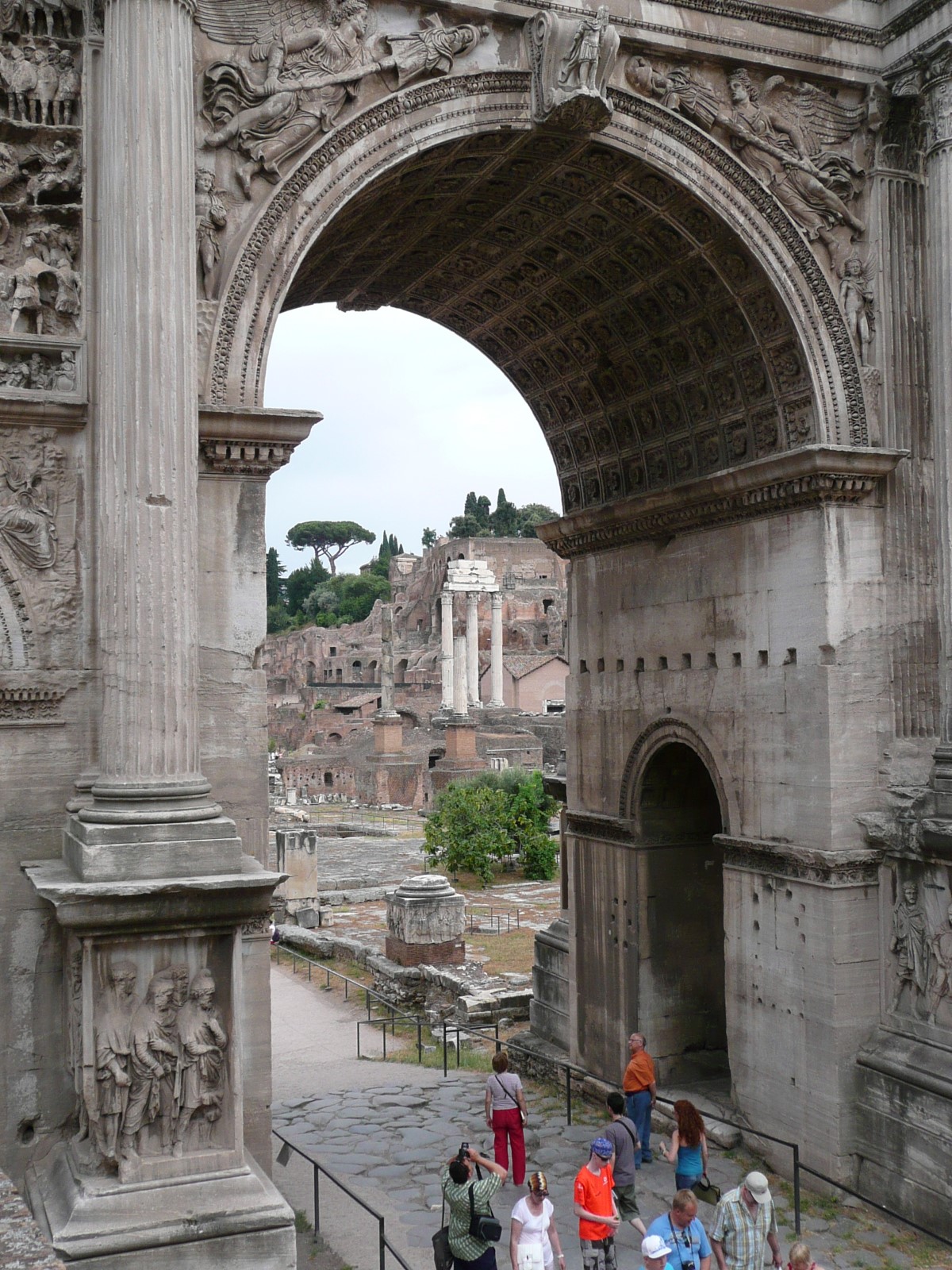
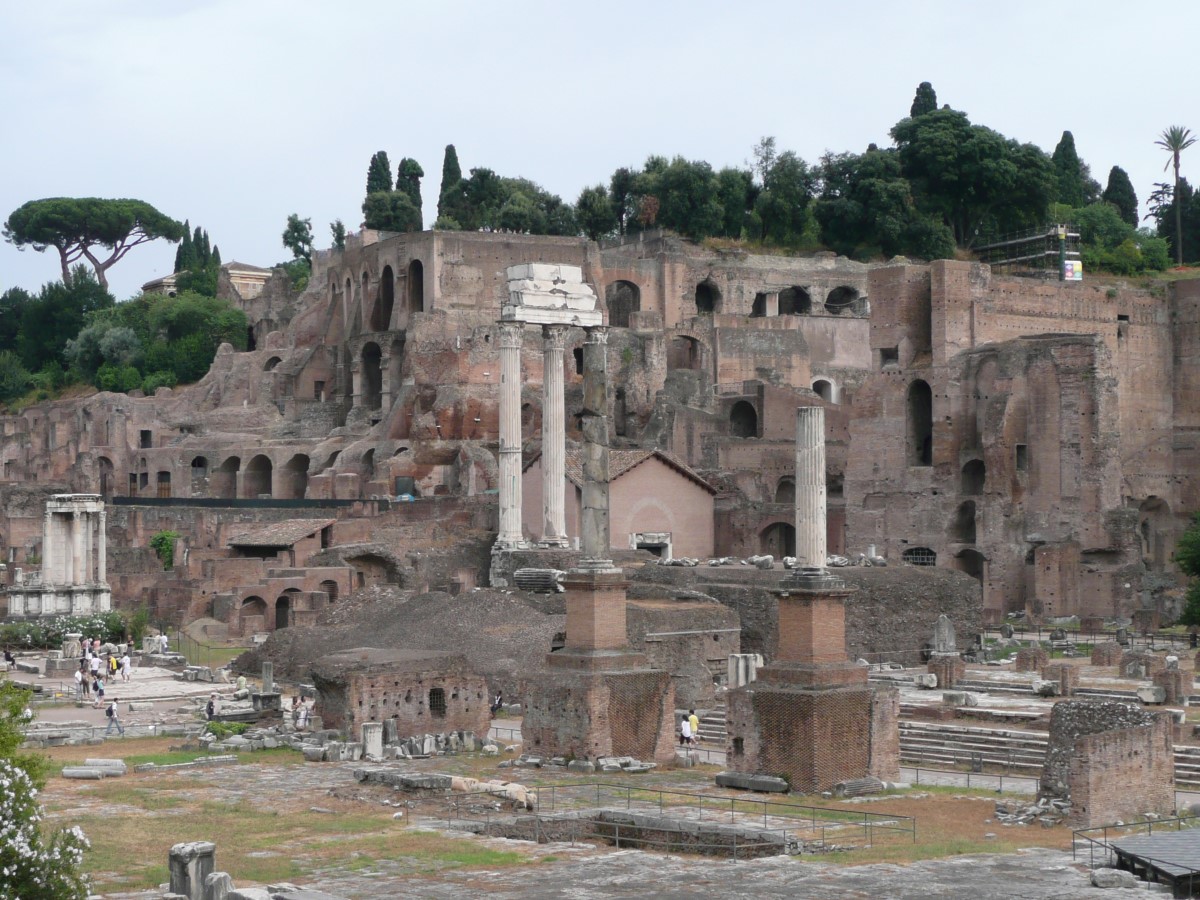
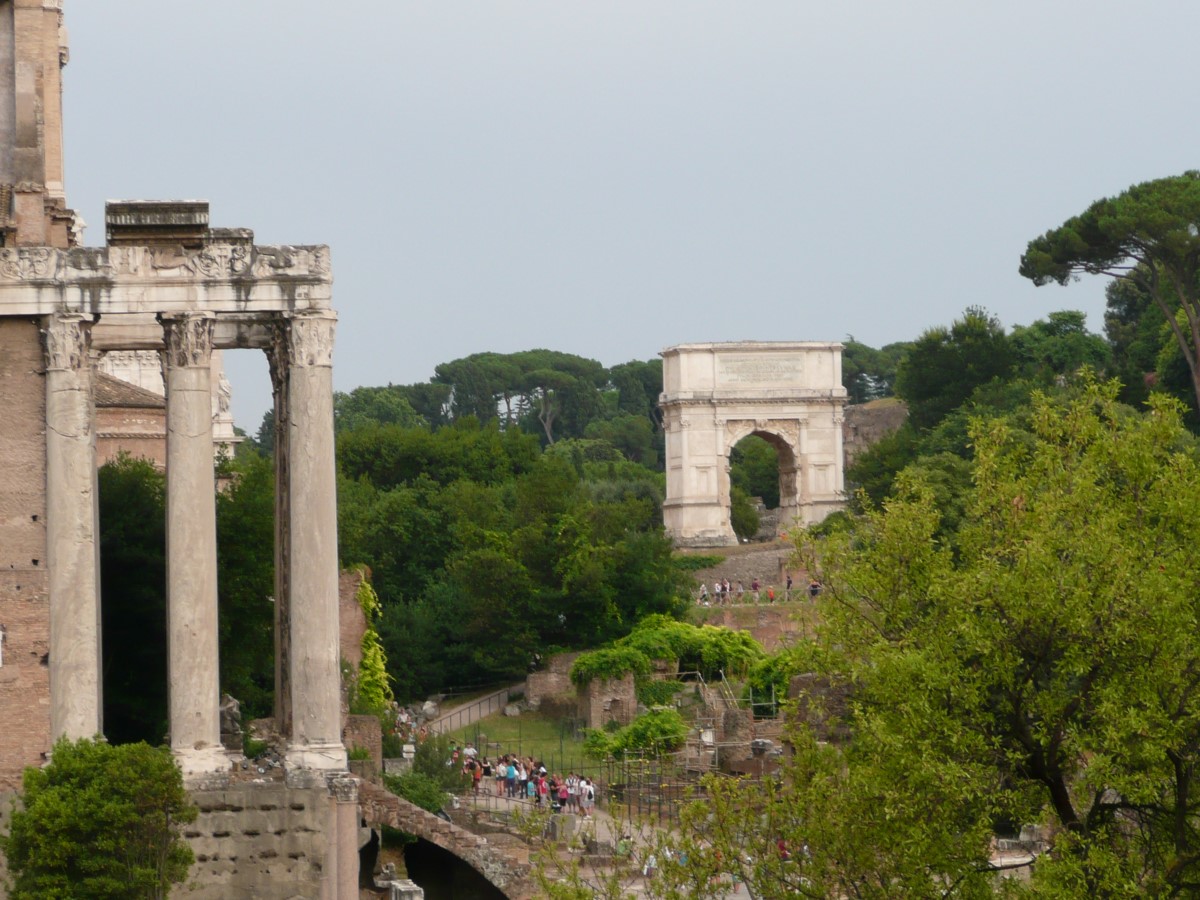
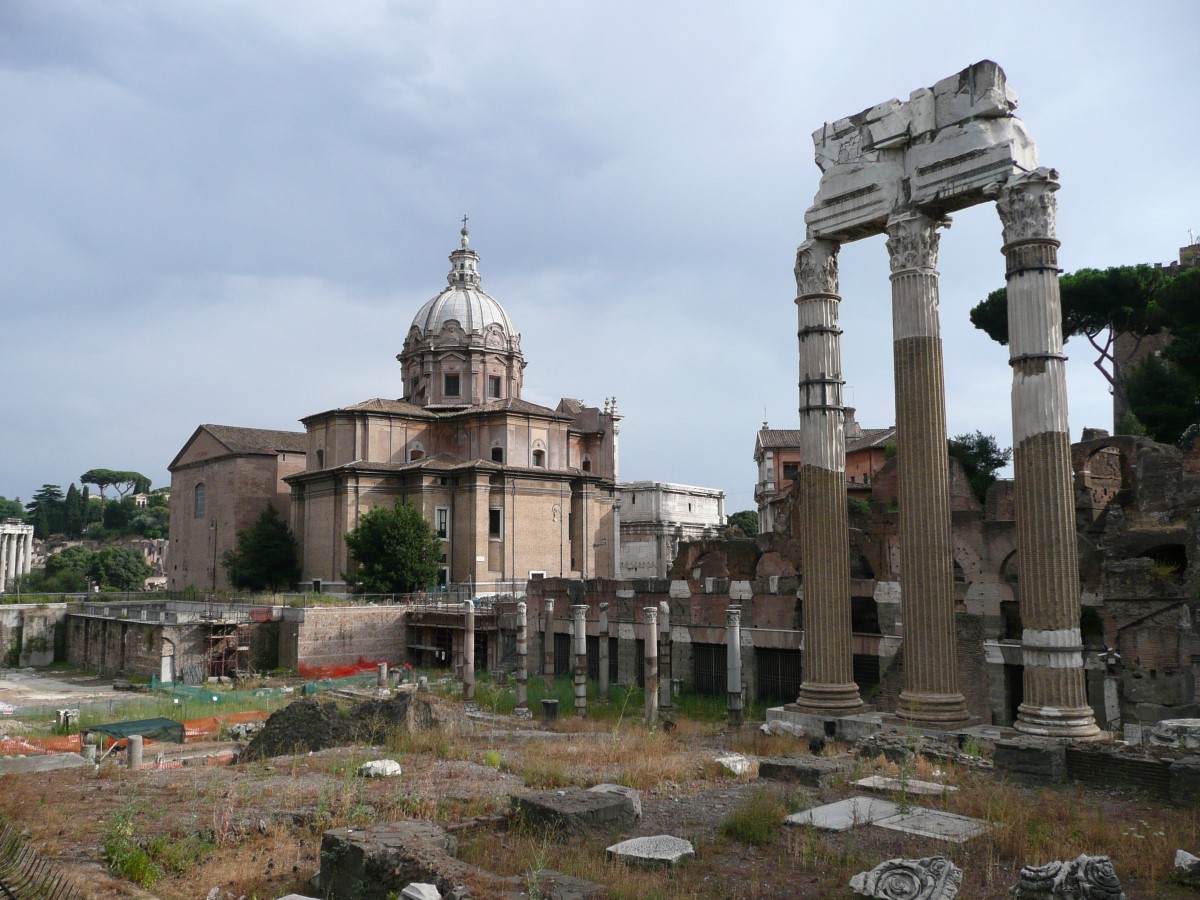
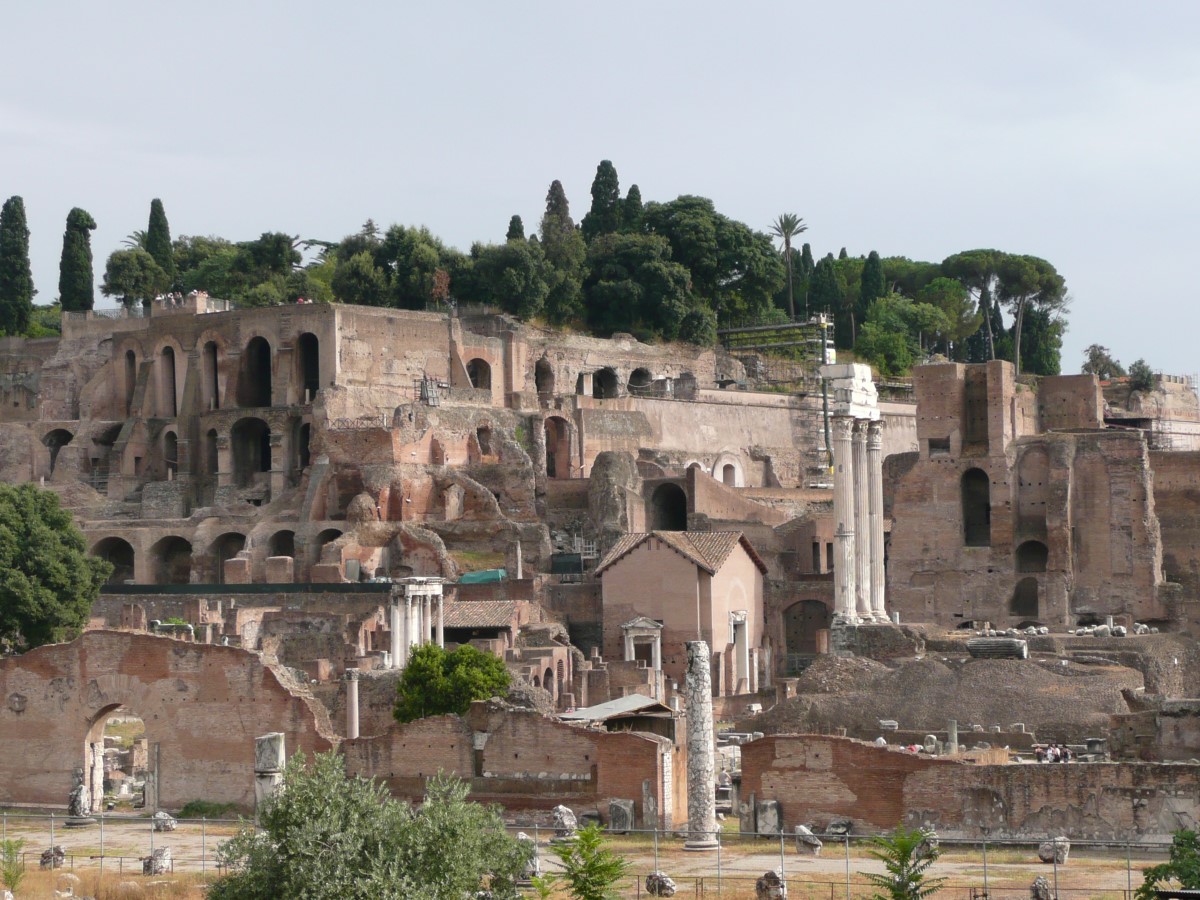
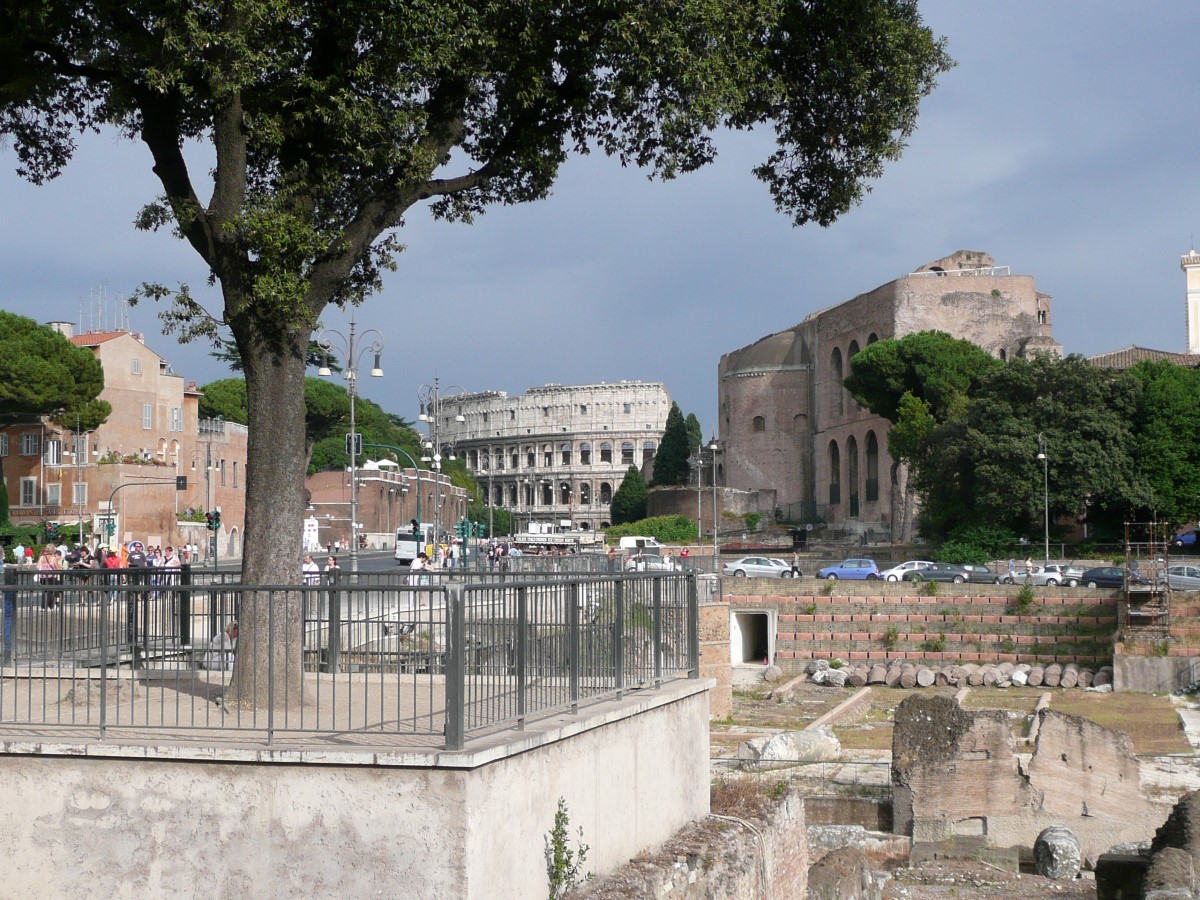
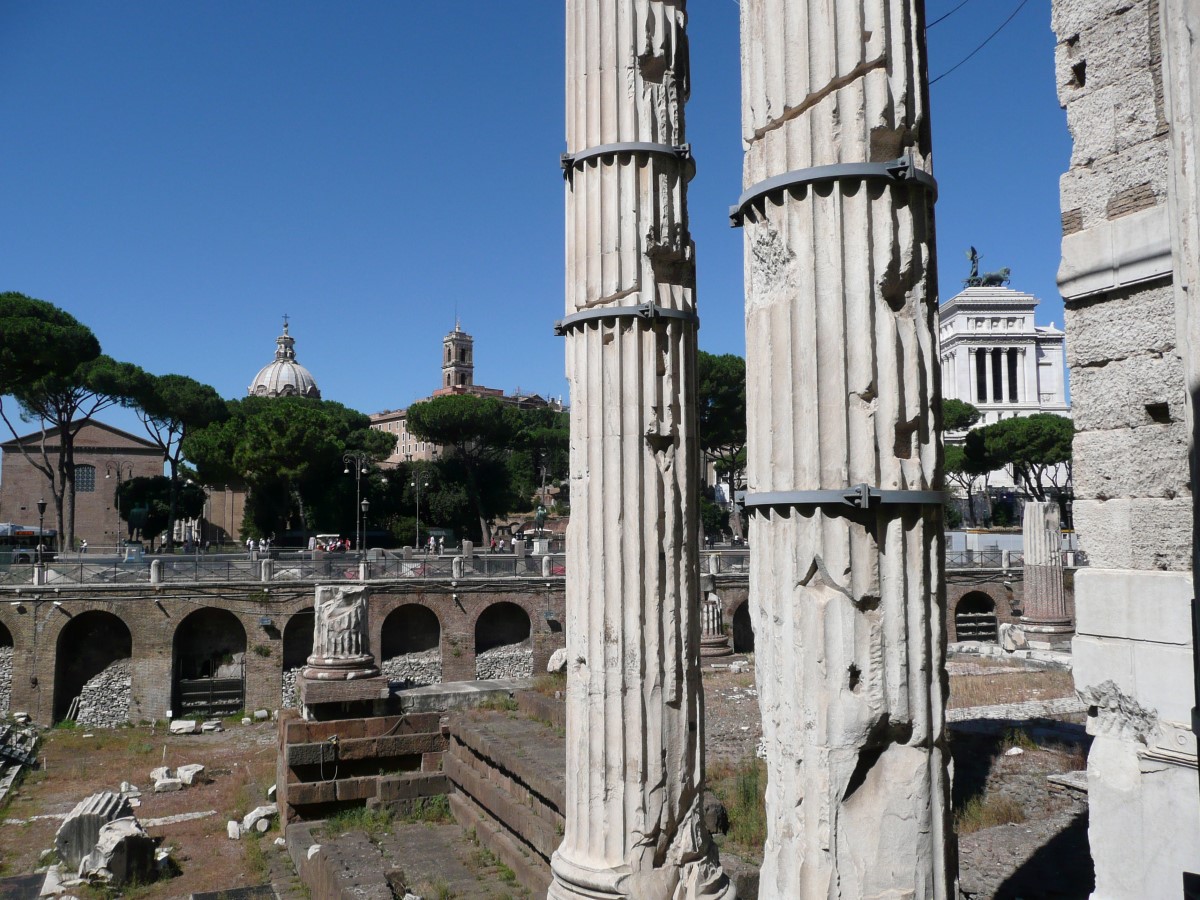
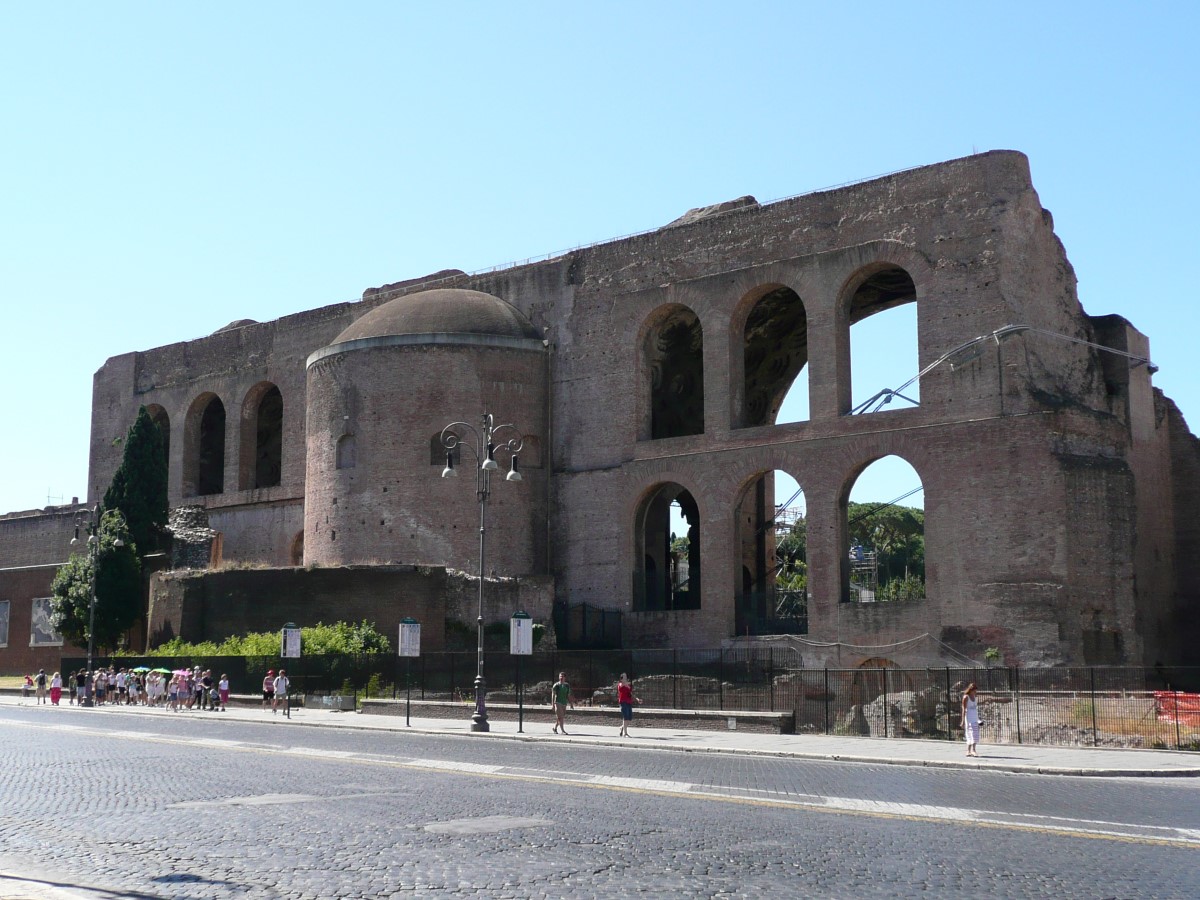
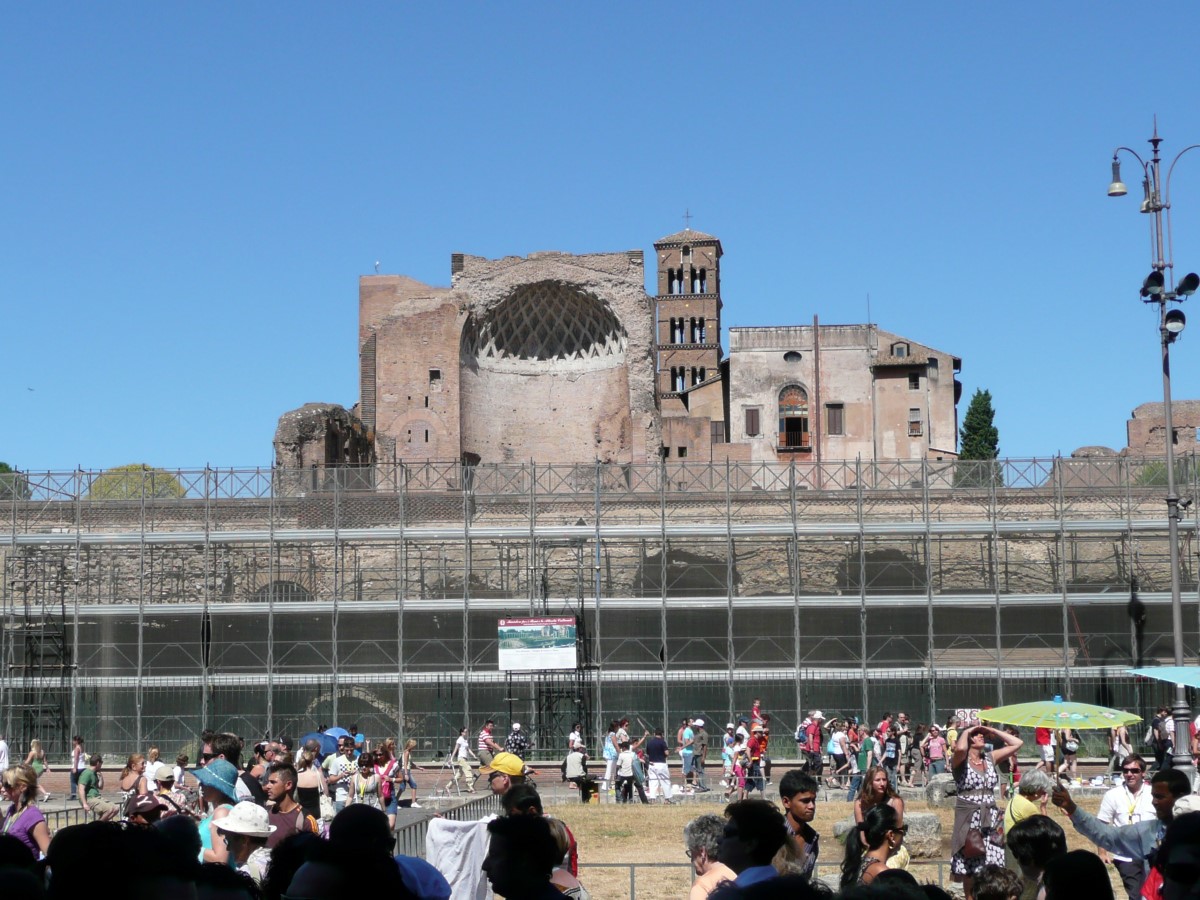
Roman Forum: The Roman Forum, (Latin: Forum Romanum) sometimes known by its original Latin title, is located between the Palatine hill and the Capitoline hill of the city of Rome. It is the central area around which the ancient Roman civilization developed. Citizens refered to the location as the "Forum Magnum" or just the "Forum". The oldest and most important structures of the ancient city are located in the forum, including its ancient former royal residency the Regia and the surrounding complex of the Vestal virgins. The Old Republic had its formal Comitium there where the senate, as well as Republican government began. The forum served as a city square and central hub where the people of Rome gathered for justice, and faith. The forum was also the economic hub of the city and considered to be the center of the Republic and Empire. |
||||||
|
||||||
|
|
||||||
|
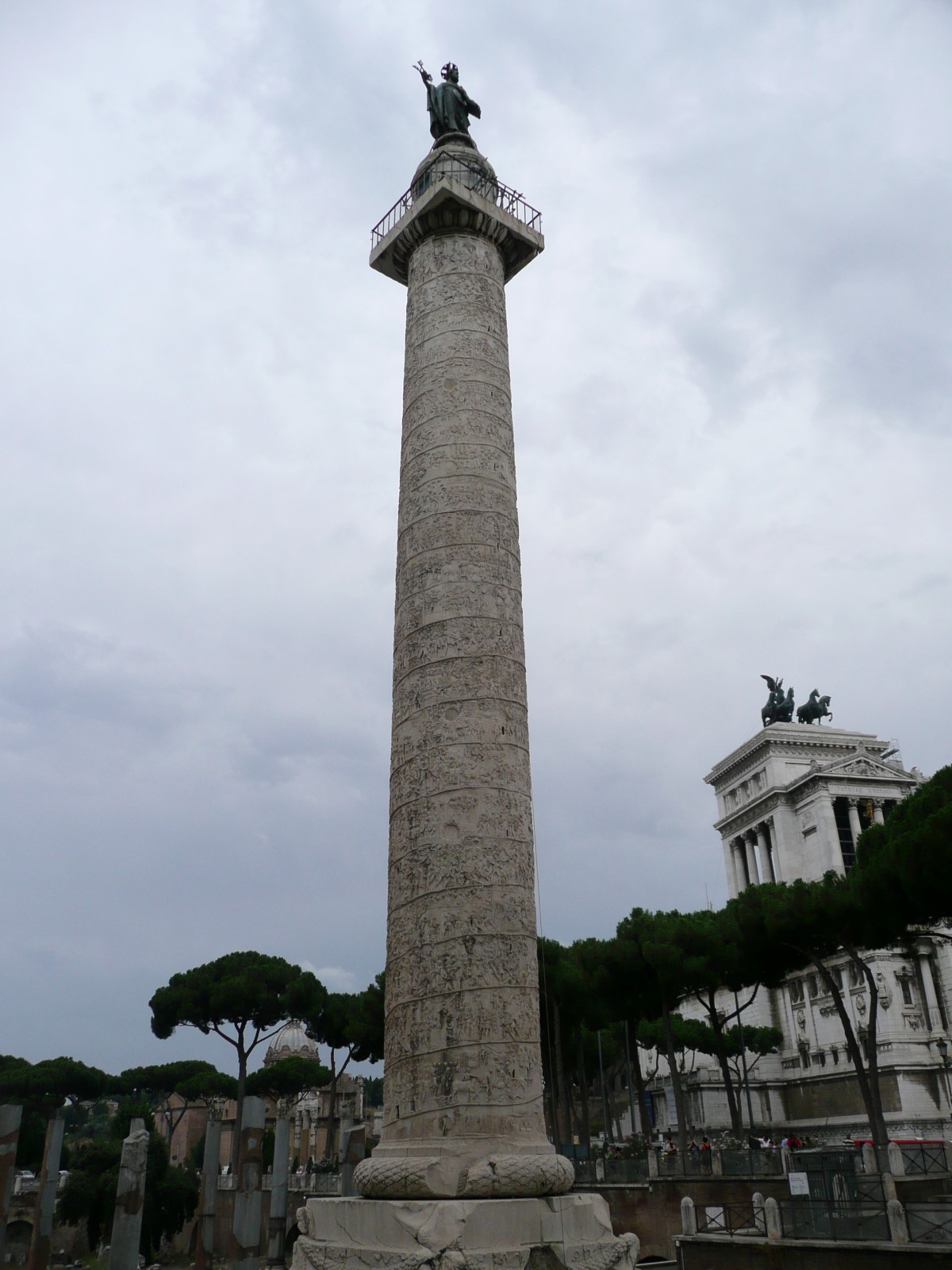
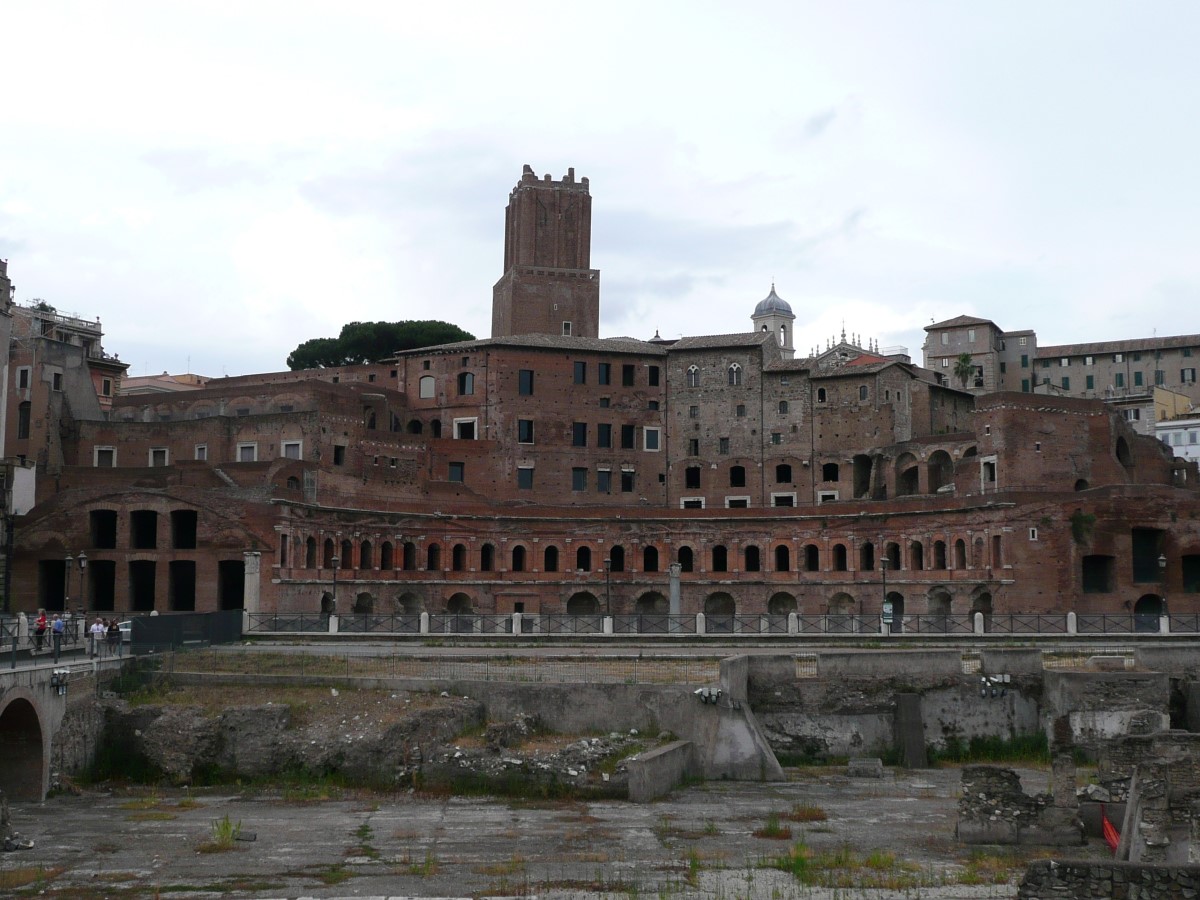
Trajan's Markets: Trajan's Market (Mercatus Traiani) is a large complex of ruins in the city of Rome, located on the Via dei Fori Imperiali, at the opposite end to the Colosseum. The buildings and structures present a living model of life in the Roman capital and a glimpse at the continuing restoration in the city which reveals new treasures and insights about Ancient Roman architecture. Built in AD 100-110 by Apollodorus of Damascus, an architect who always followed Trajan in his adventures. During the Middle Ages the complex was transformed by adding floor levels still visible today and building defensive elements such as the Torre delle Milizie, built in 1200. A convent was later built in this area, but demolished at the beginning of twentieth century to restore Trajan's Markets to the city of Rome. The entrance is in Via IV Novembre; immediately the visitor enters into a shopping area, disposed on two different sides, where free wheat was once distributed to the people of Rome. At the end of this hall a large balcony offers a beautiful view on the markets, Trajan's Forum and Vittoriano. This is actually a part of the Via Biberatica (from biber meaning drink, the location for most of the taverns and grocers' shops), the road that starts from the entrance and divides Trajan's Market. The upper levels of the market were used for offices while the lower part, in front of Trajan's Forum, had shops selling oil, wines, seafood, groceries, vegetables and fruit. Medieval houses built on the top floor face the semicircular segment of the Via Biberatica. The lower part of the market today shows two levels: a ground floor level for shops, with an entry made in travertine, surmounted by an arch. The second level was formed by adjoining shops selling wines and oil. A third level, today visible only as some walls, was discovered at the Via Biberatica and was probably used for grocers' shops. On the lower part there are also two large halls, probably used for auditions or concerts. A shop housed in the Market is known as a taberna The market is roofed by a concrete vault raised on piers, both covering and allowing air and light into the central space. The market itself is constructed primarily out of brick and concrete. |
||||||
|
||||||
|
|
||||||
|
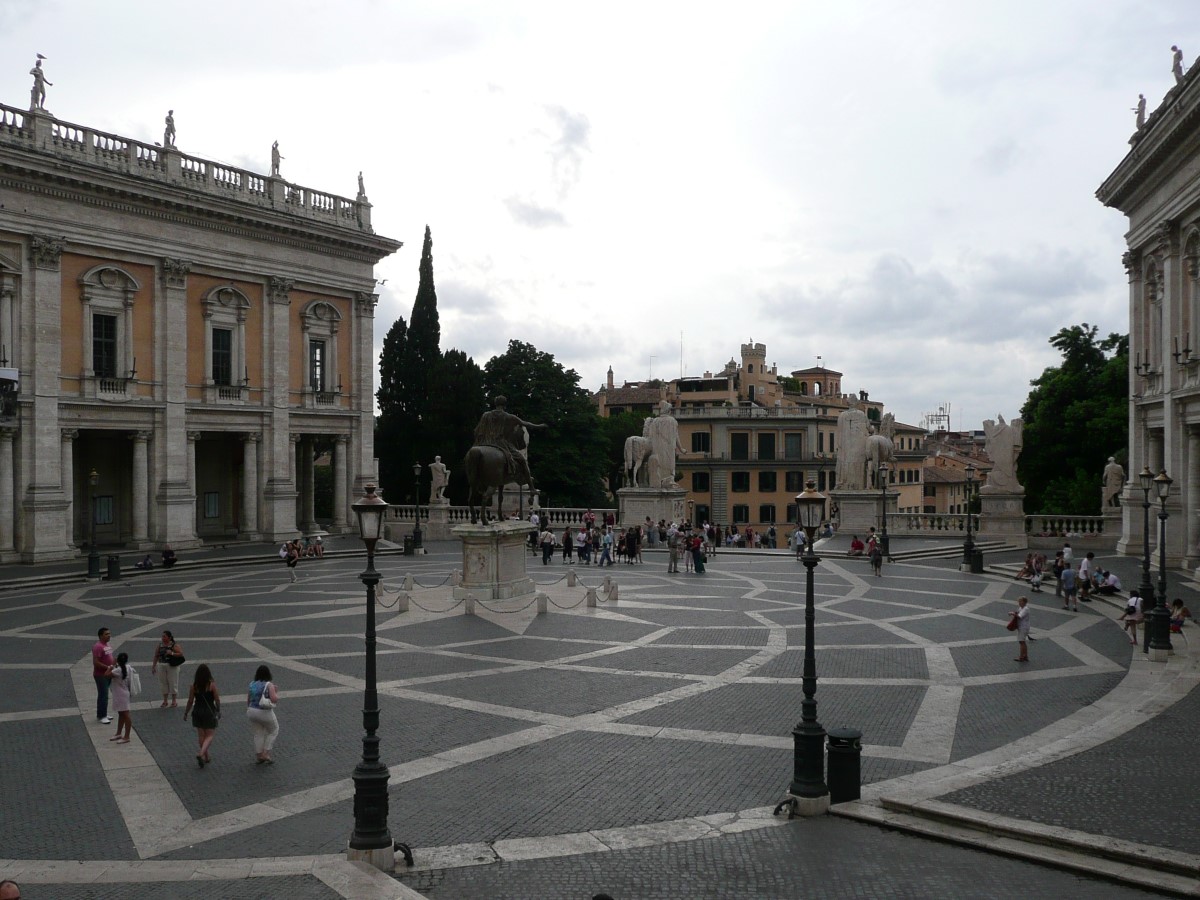
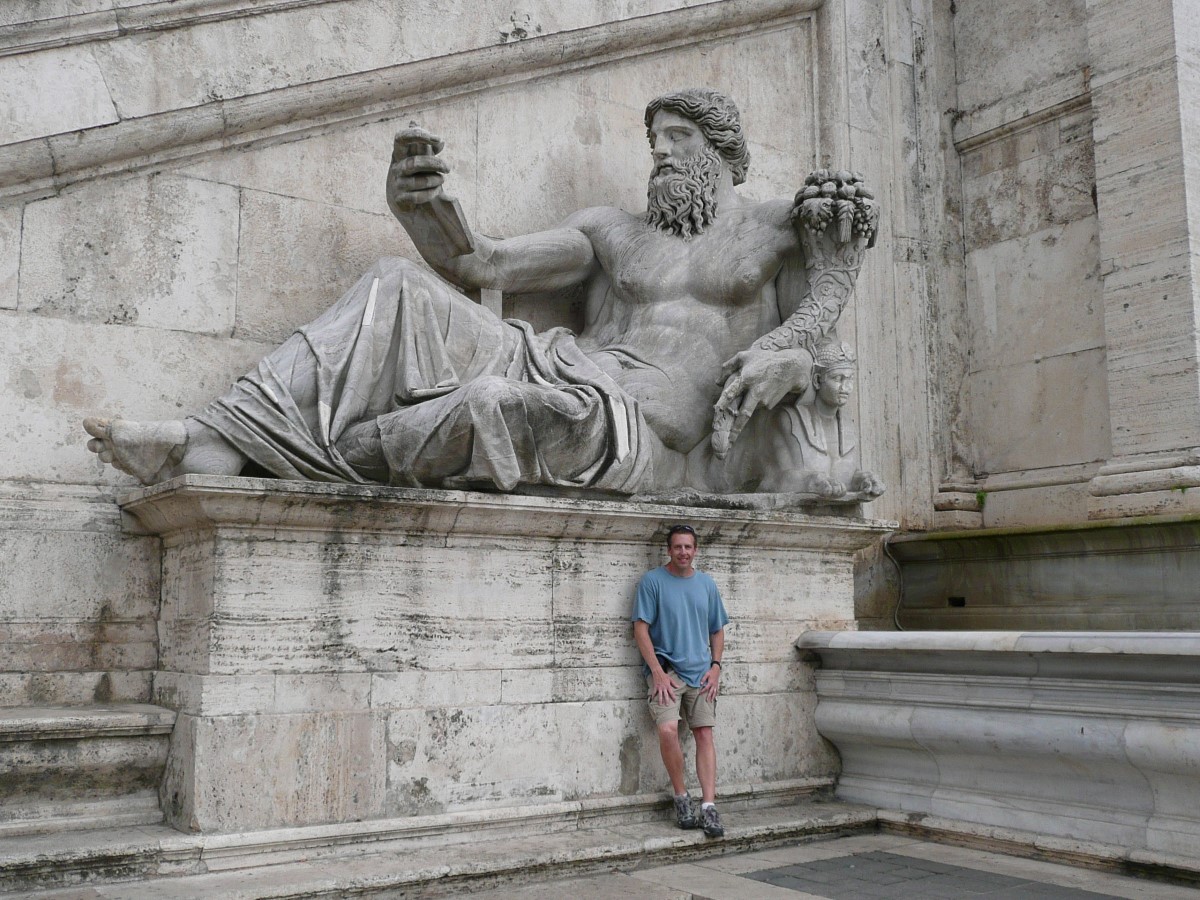
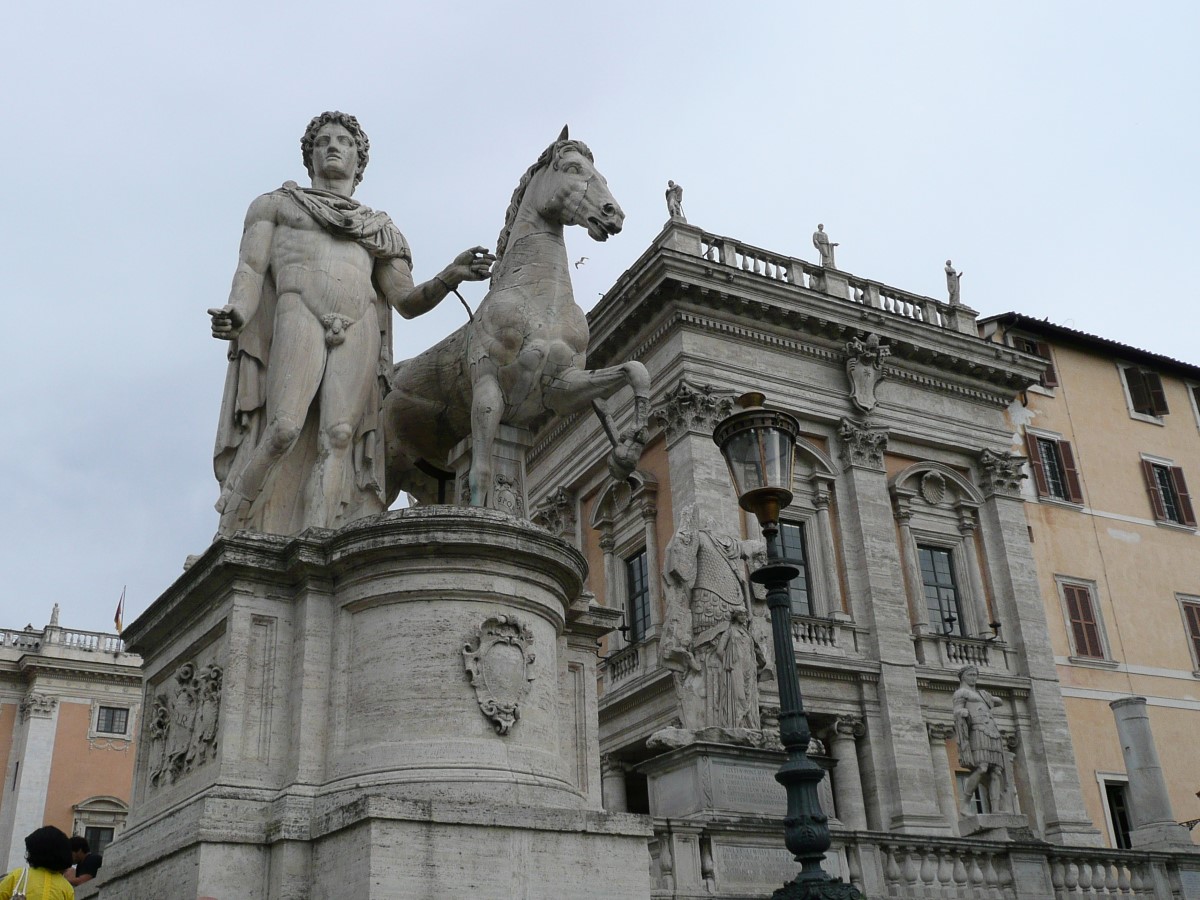
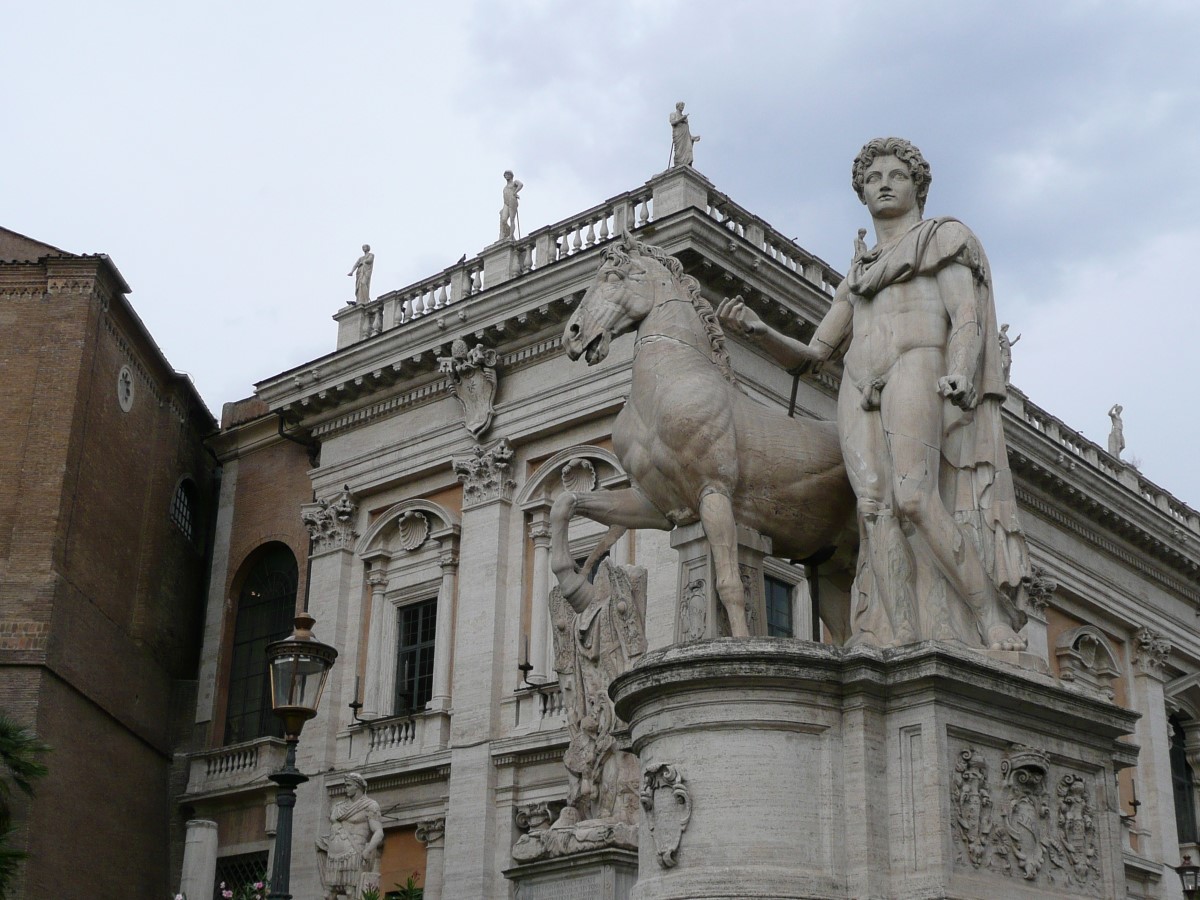
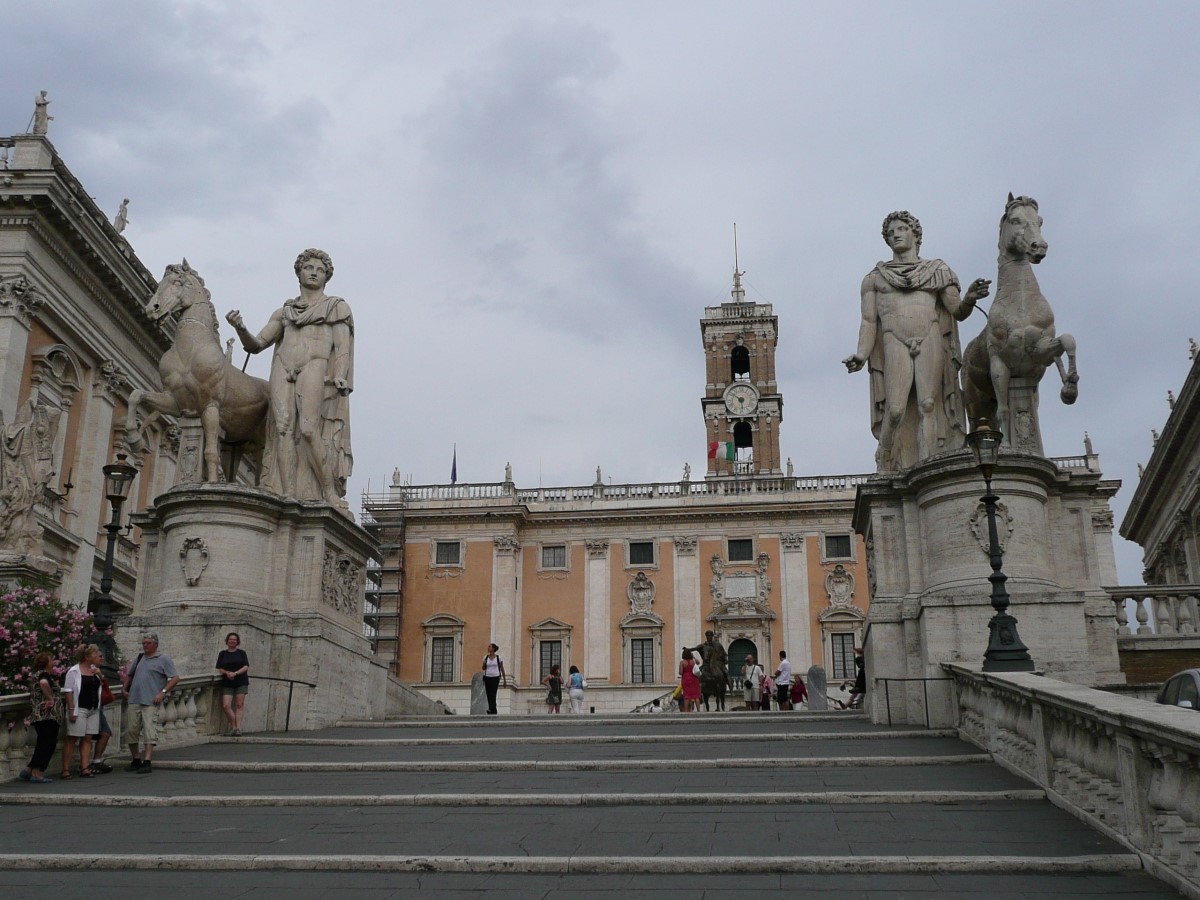
Piazza del Campidoglio: The existing design of the Piazza del Campidoglio and the surrounding palazzos was created by famed Renaissance artist and architect Michelangelo Buonarroti in 1536–1546. At the height of his fame he was commissioned by the Farnese Pope Paul III, who wanted a symbol of the new Rome to impress Charles V, who was expected in 1538. Michelangelo's first designs for the piazza and remodelling of the surrounding palazzos date from 1536. He effectively reversed the classical orientation of the Capitoline, in a symbolic gesture turning Rome’s civic center to face away from the Roman Forum and instead in the direction of Papal Rome and the Christian church in the form of St. Peter’s Basilica. |
||||||
|
||||||
|
|
||||||
|
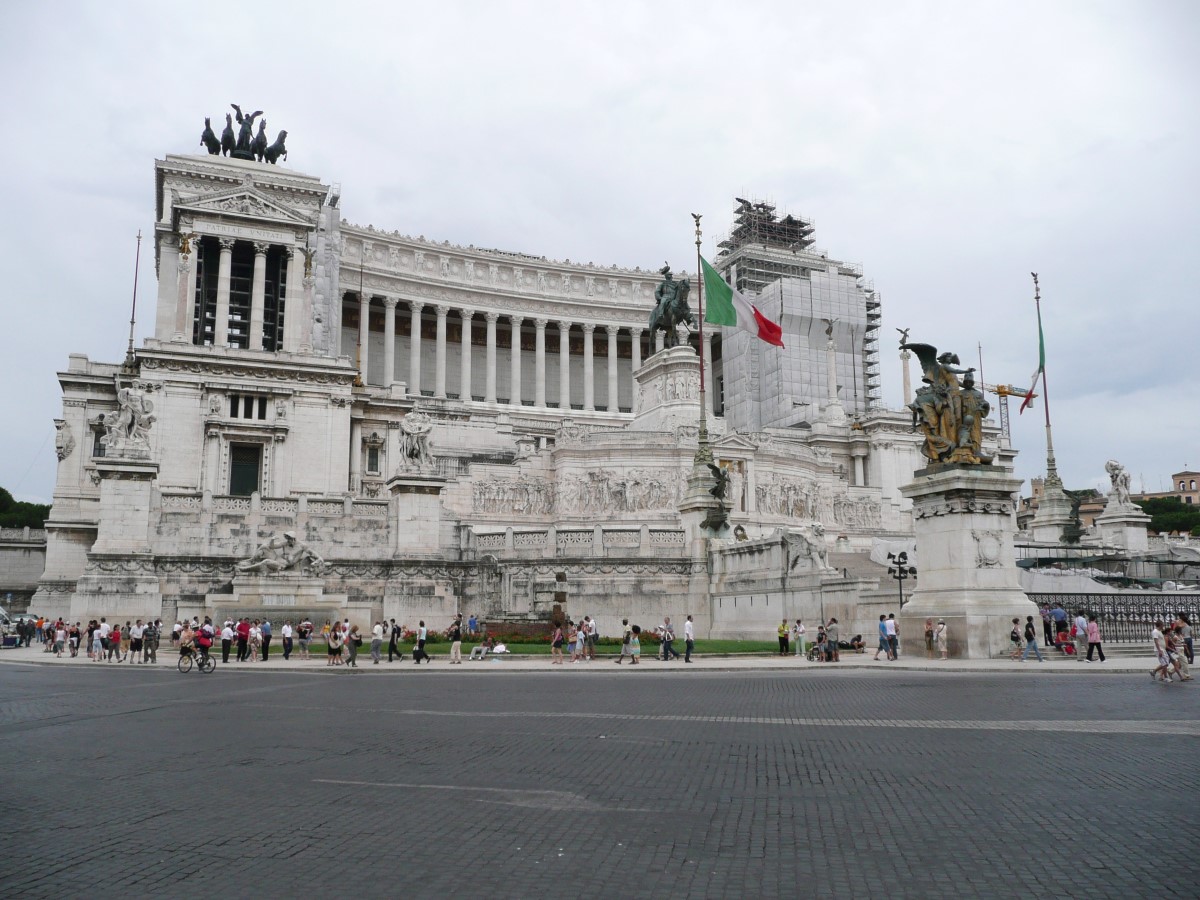
Victor Emmanuel Monument: The Monumento Nazionale a Vittorio Emanuele II (National Monument of Victor Emmanuel II) or Altare della Patria (Altar of the Fatherland) or "Il Vittoriano" is a monument to honour Victor Emmanuel, the first king of a unified Italy. It is located in Rome, Italy. It occupies a site between the Piazza Venezia and the Capitoline Hill. The monument was designed by Giuseppe Sacconi in 1895; sculpture for it was parceled out to established sculptors all over
Italy. It was inaugurated in 1911 and completed in 1935. The monument, "chopped with terrible brutality into the immensely complicated fabric of the hill", is built of pure white marble from Botticino, Brescia, and features majestic stairways, tall Corinthian columns, fountains, a huge equestrian sculpture of Victor Emmanuel and two statues of the goddess Victoria riding on quadrigas. |
||||||
|
||||||
|
<<< Previous Page Next Page >>> |
||||||