Greece:
Athens (Page 1)
Greece:
Athens (Page 1)
Greece:
Athens (Page 1)
|
||||
|
||||
|
This was a 10 day trip to Greece and some of
the Greek Isles. We went with Chris's sister Tina and Ken.
They flew from Denver and we all met in Athens or Piraeus the port located
about
20 minutes outside of the Athens city center. We did not
actually see Athens until we returned from the islands at the end of our
trip but seeing the Acropolis, especially lit up at night was probably
the highlight.
Our trip included stops at:
We had great weather most of the time, but several days were very windy on the islands and it drove us all crazy some days. At this time of year, the water is still a little chilly to actually swim. We all had a great time wandering around the different islands and each island is unique in it's own way. We had reservations in Piraeus and Santorini as well as our last nights in Athens but for the rest of the trip we more or less played it by ear on how long we wanted to stay on an island and what ferry to catch. When we arrive on an island the first thing we did was find a place to stay and there were always people holding signs for places to stay when we exited the ferry. The second thing we did was check the next days ferry schedule to see when we could leave and where we could go. It was all a lot of fun and everything worked out perfectly with exception the Tina and Ken's delayed flights on their way home. Although Chris and I have visited some countries several times, this trip marked the 20th unique country we have visited since we moved to England. |
||||
| Acropolis | ||||
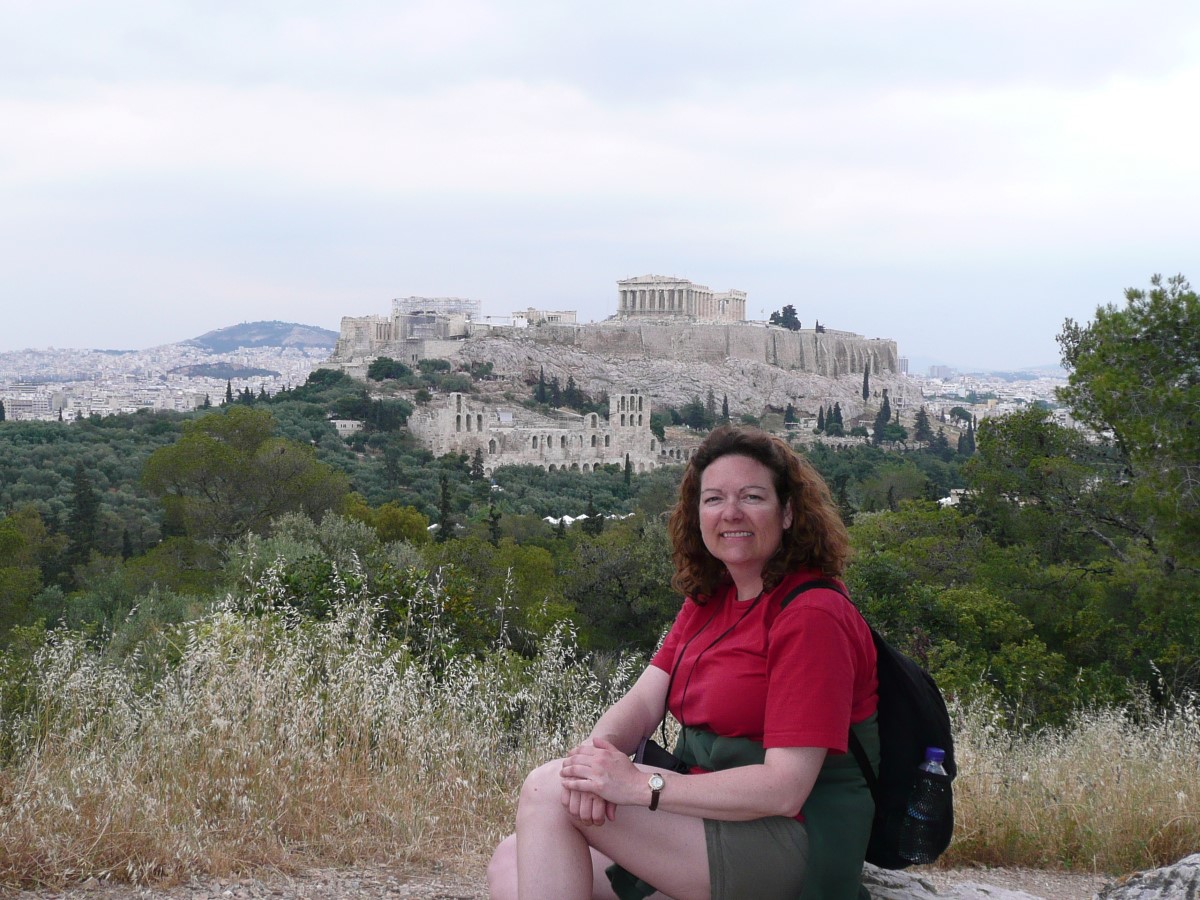
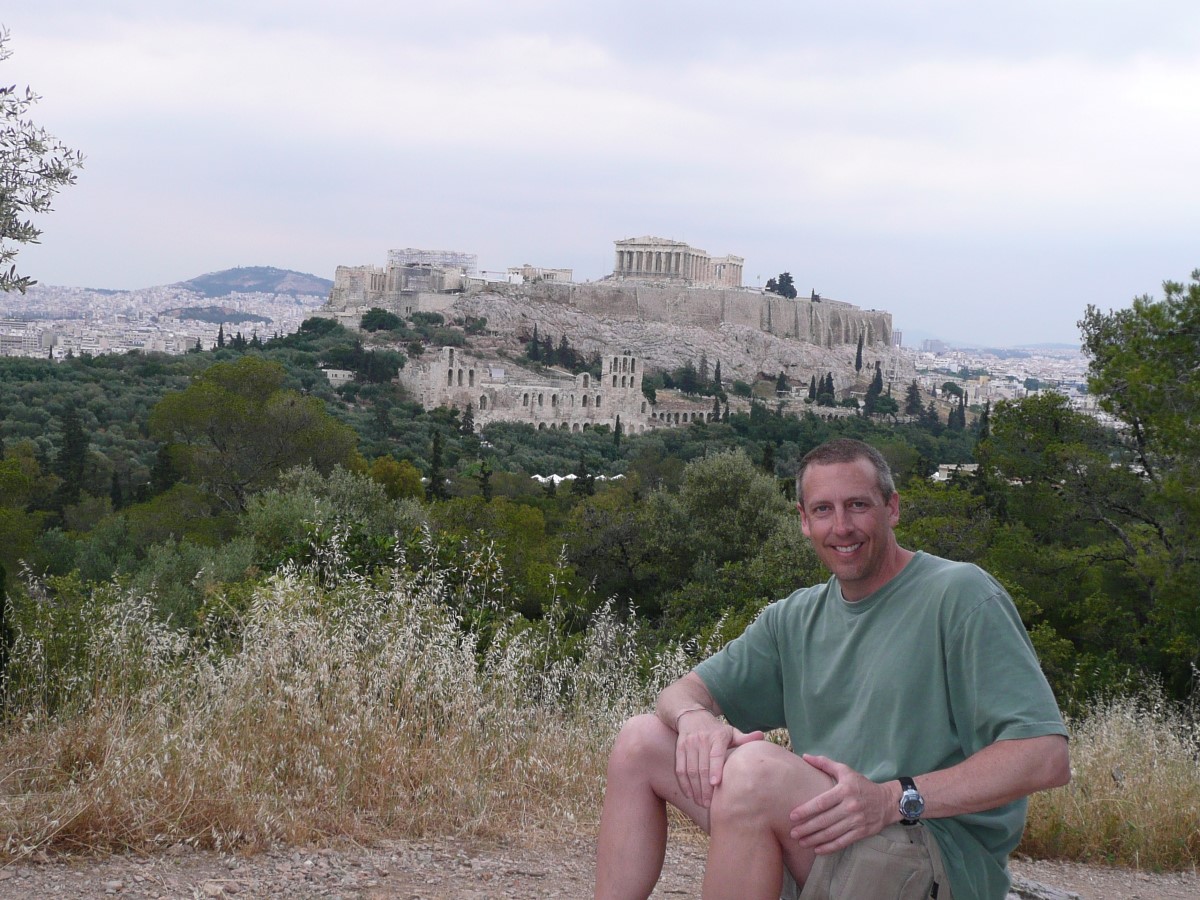
| The Acropolis of Athens is the best known acropolis (high city, The "Sacred Rock") in the world. Although there are many other acropoleis in Greece, the significance of the Acropolis of Athens is such that it is commonly known as The Acropolis without qualification. The Acropolis was formally proclaimed as the pre-eminent monument on the European Cultural Heritage list of monuments on 26 March 2007.[1] The Acropolis is a flat-topped rock which rises 150 m (490 ft) above sea level in the city of Athens. It was also known as Cecropia, after the legendary serpent-man, Kekrops or Cecrops, the first Athenian king. | ||||
|
|
||||
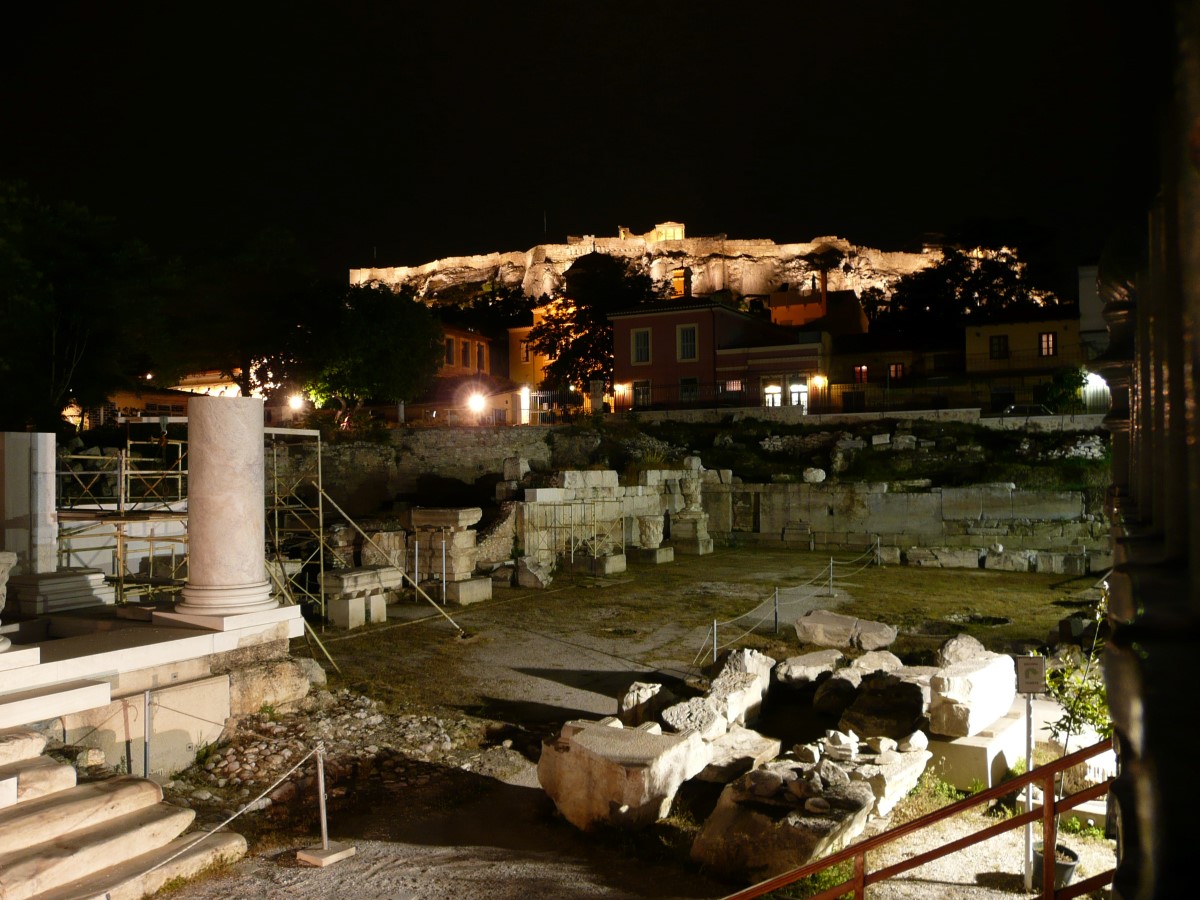
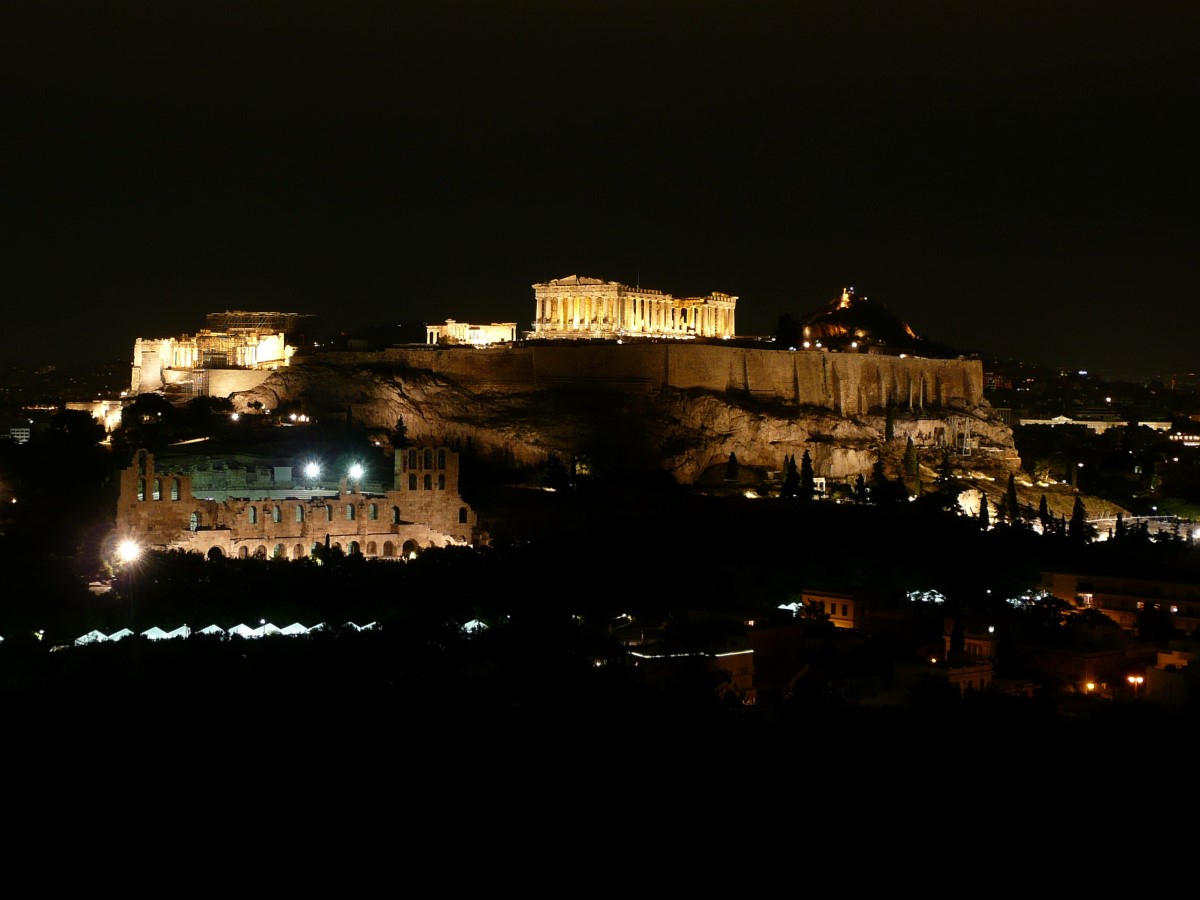
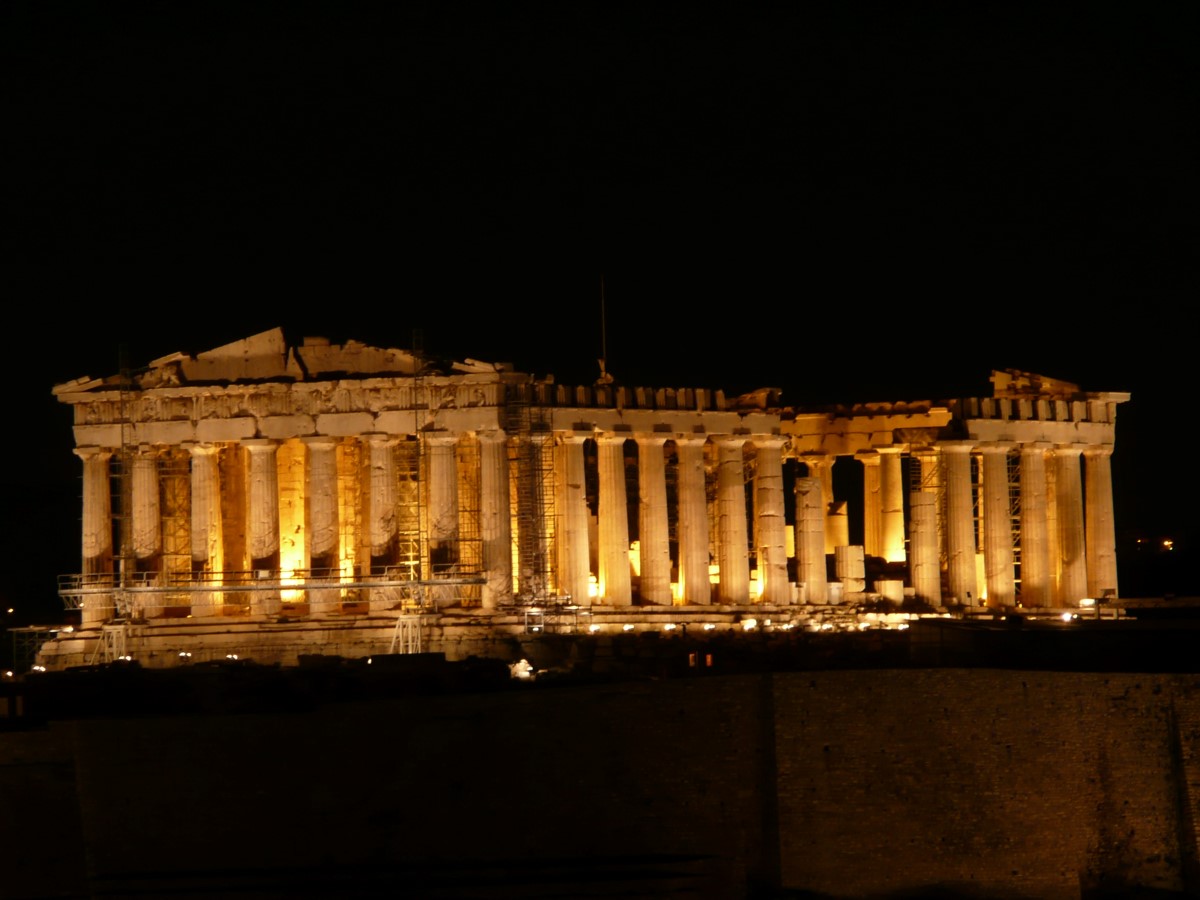
| Night Views: Taken from the hill where the Monument of Philopappus is located. | ||||
|
||||
|
|
||||
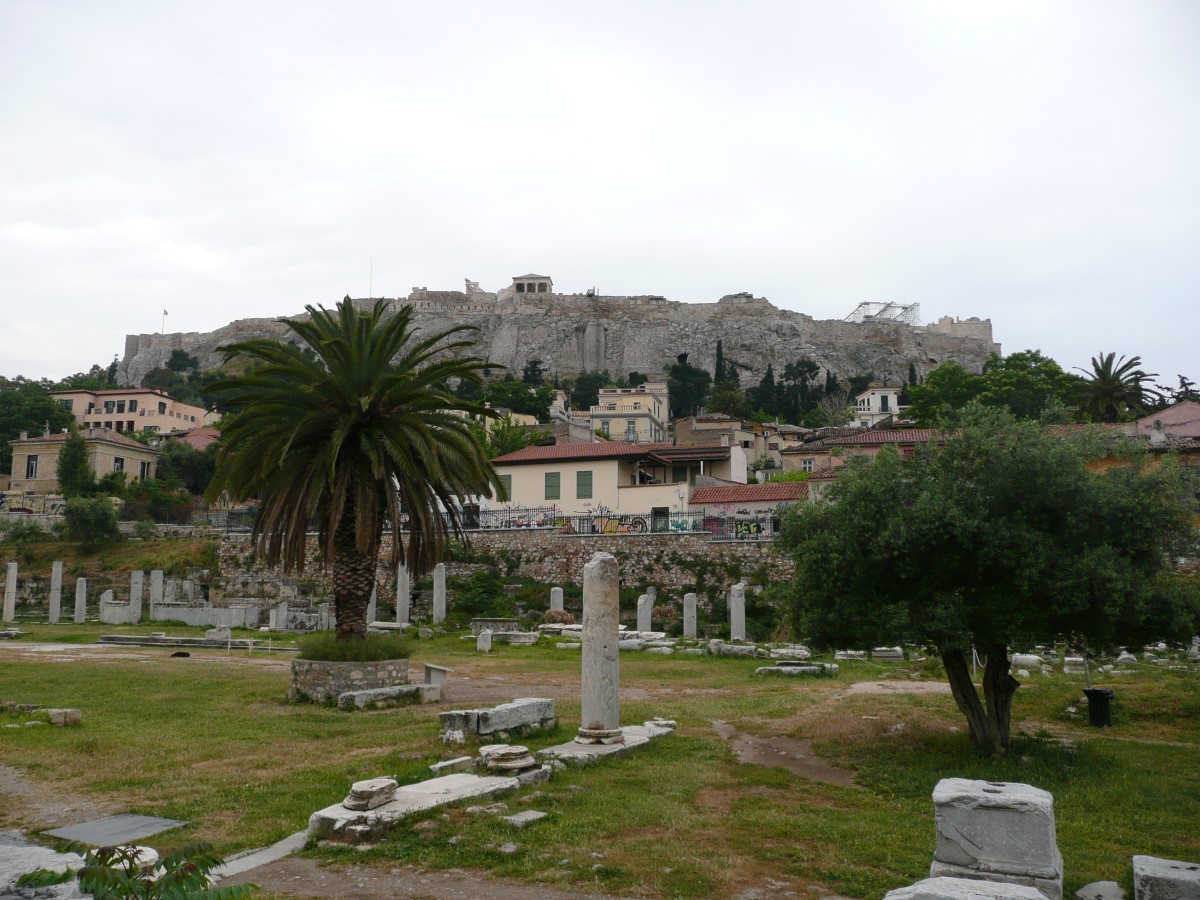
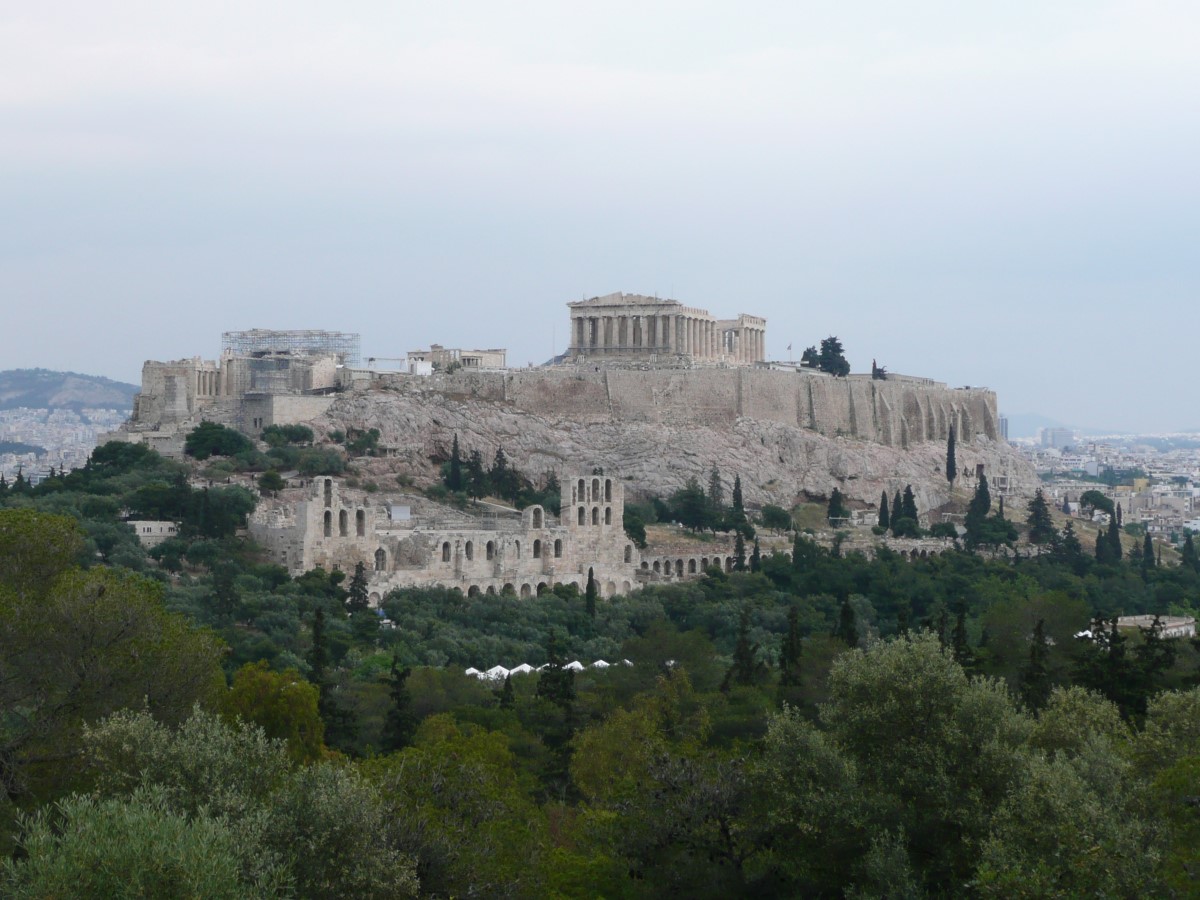
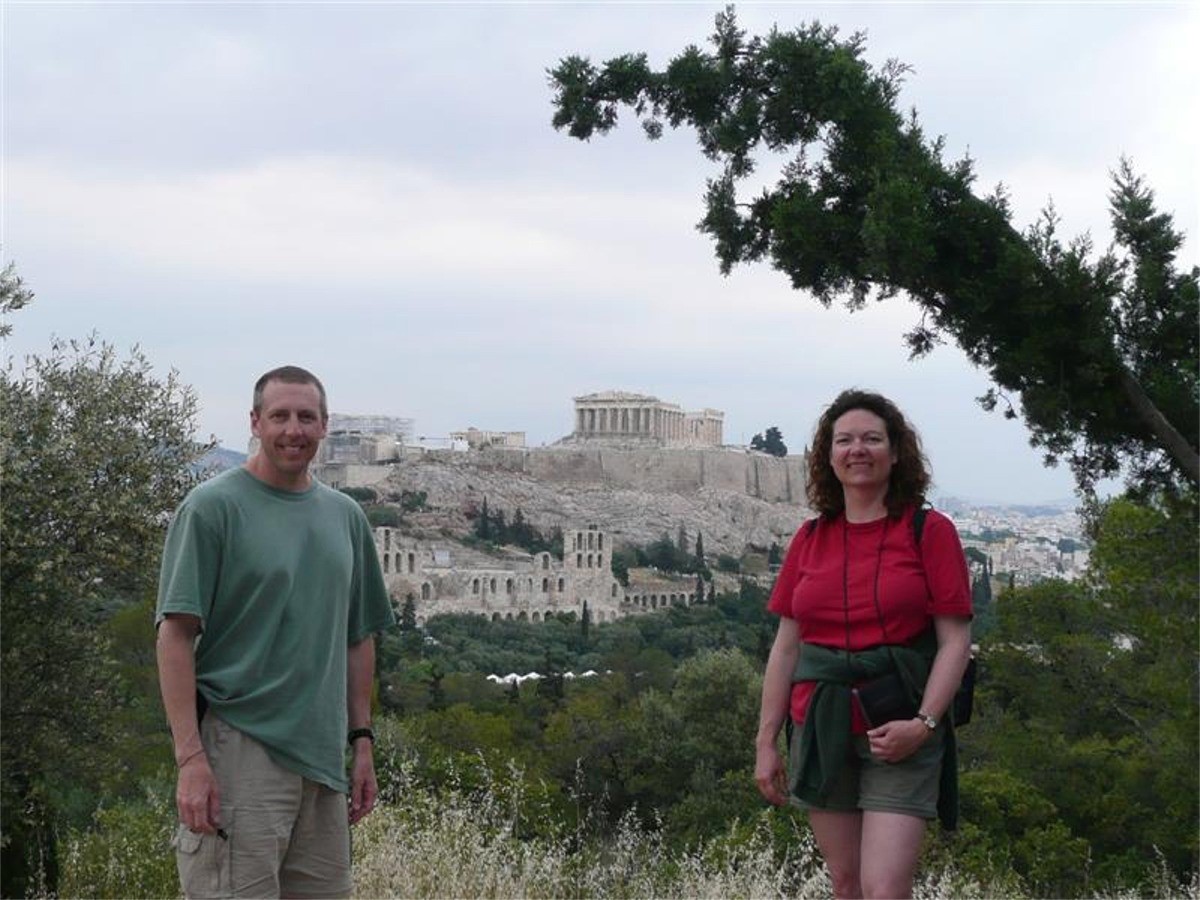
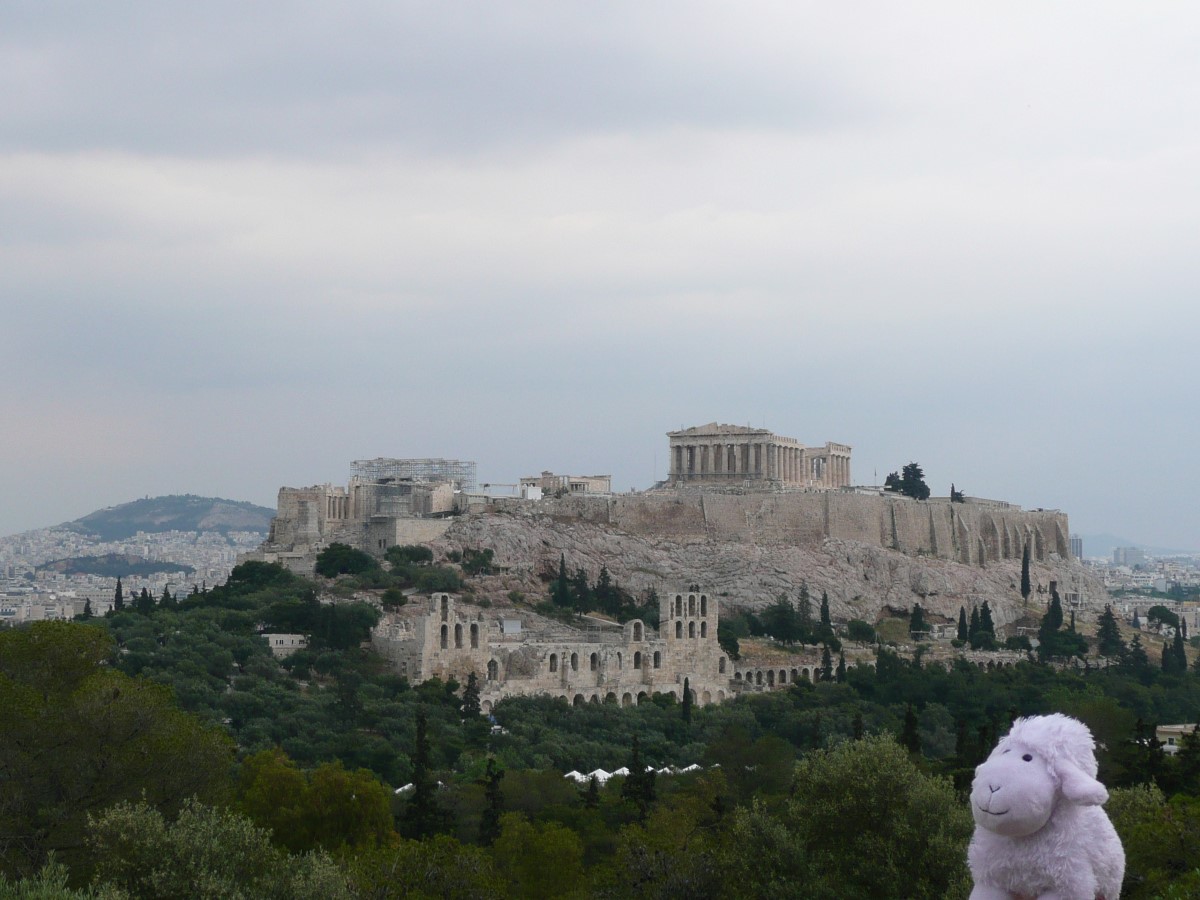
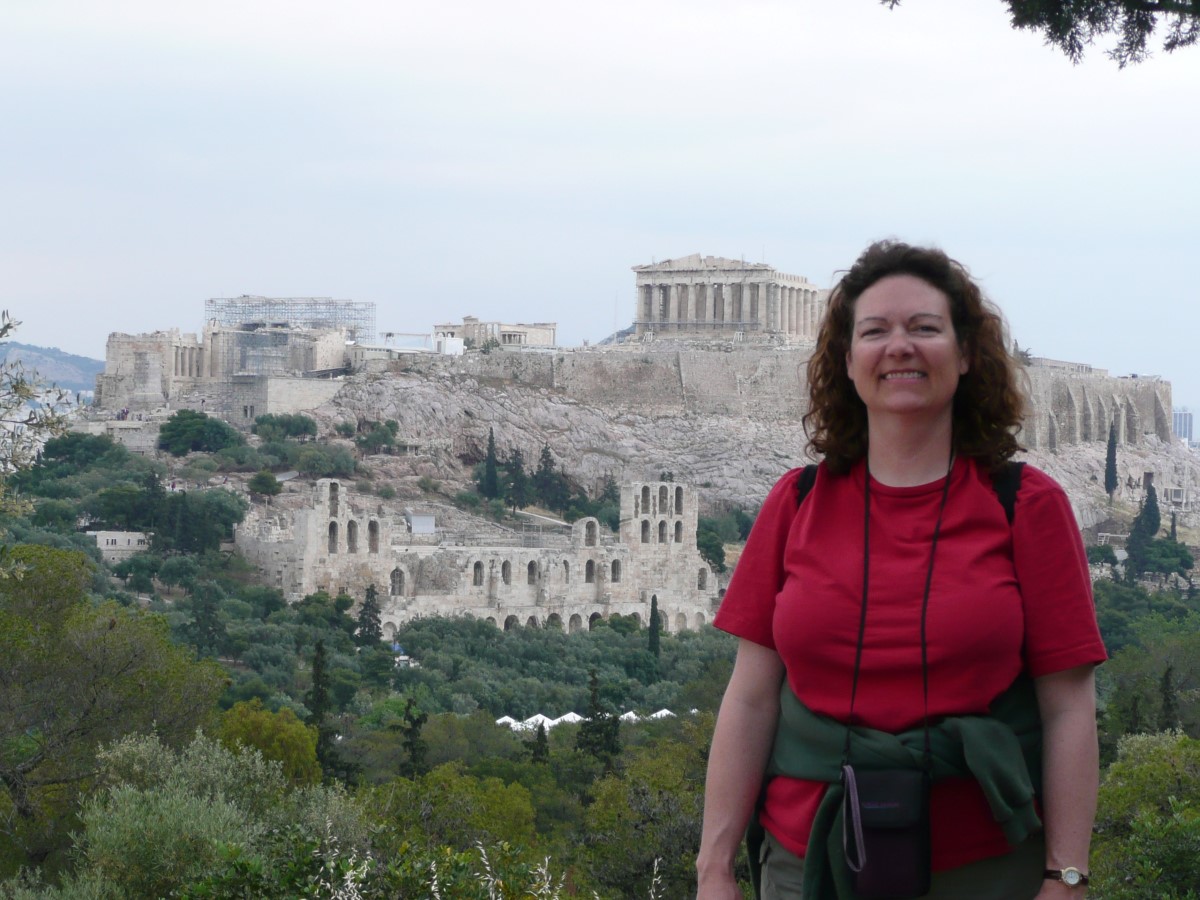
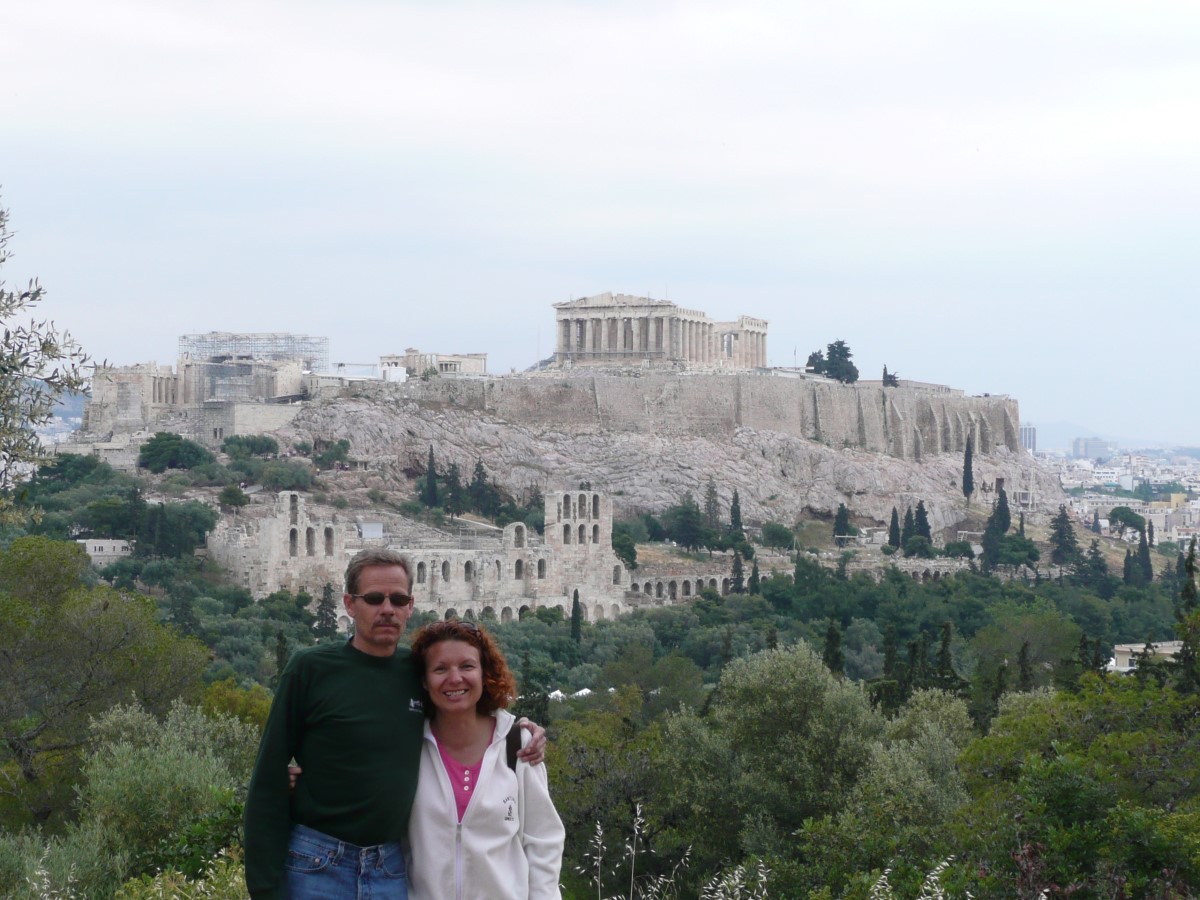
| Day Views: Taken from the hill where the Monument of Philopappus is located. | ||||
|
||||
|
|
||||
|
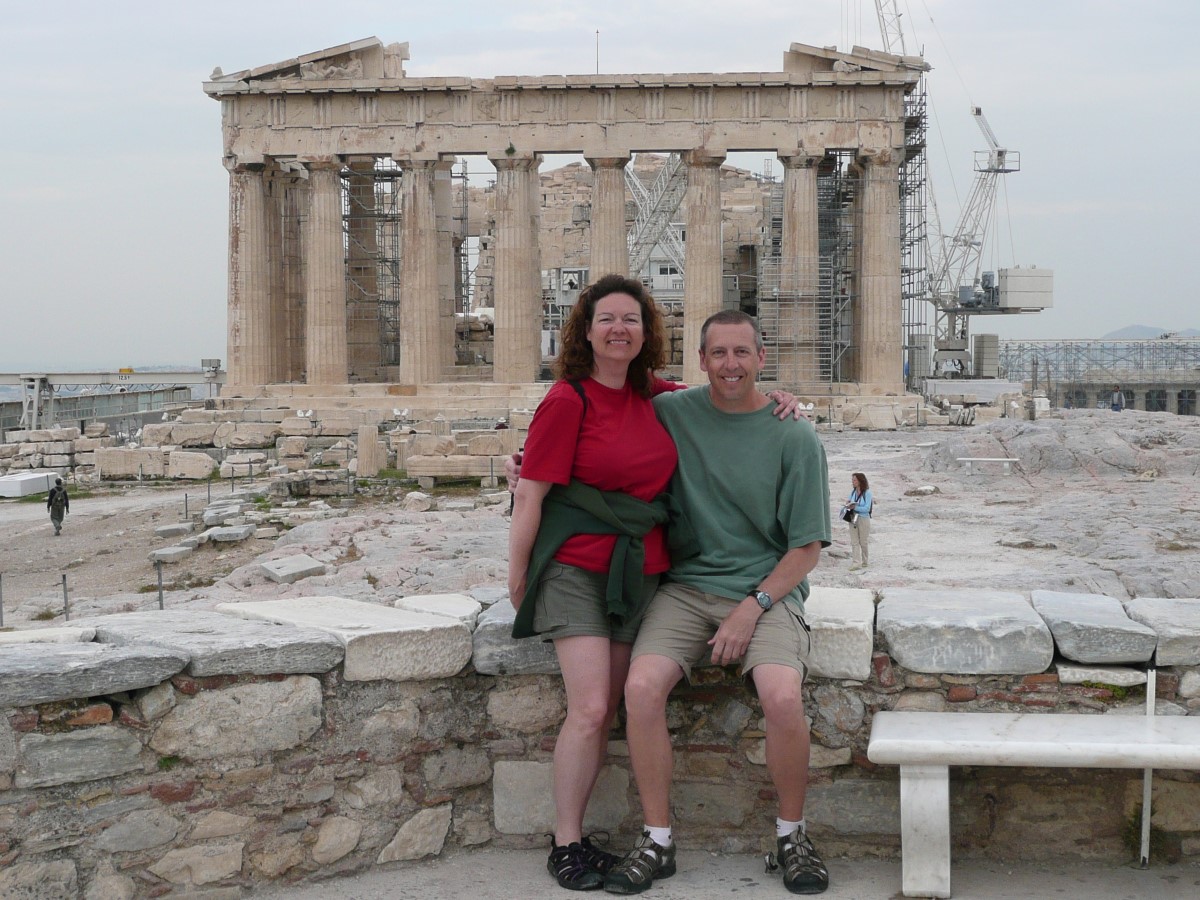
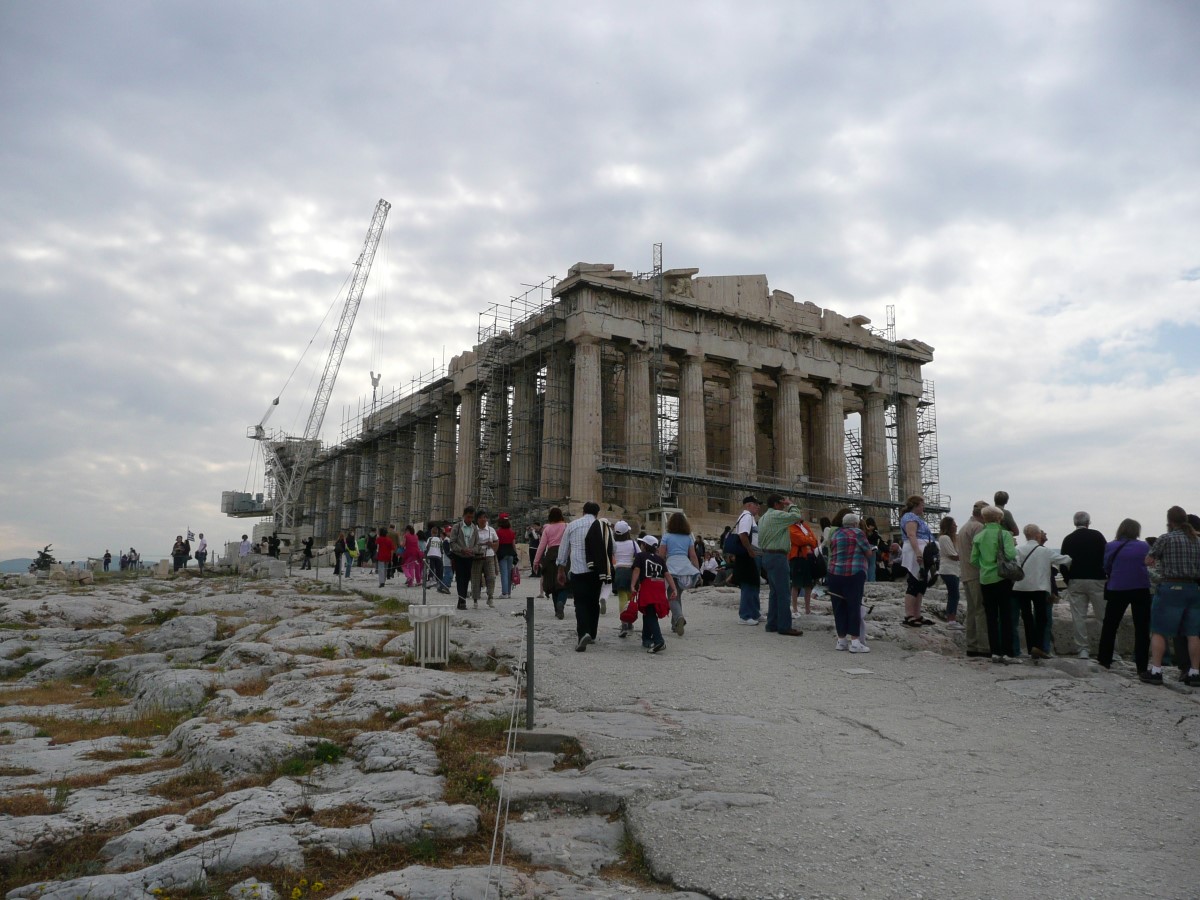
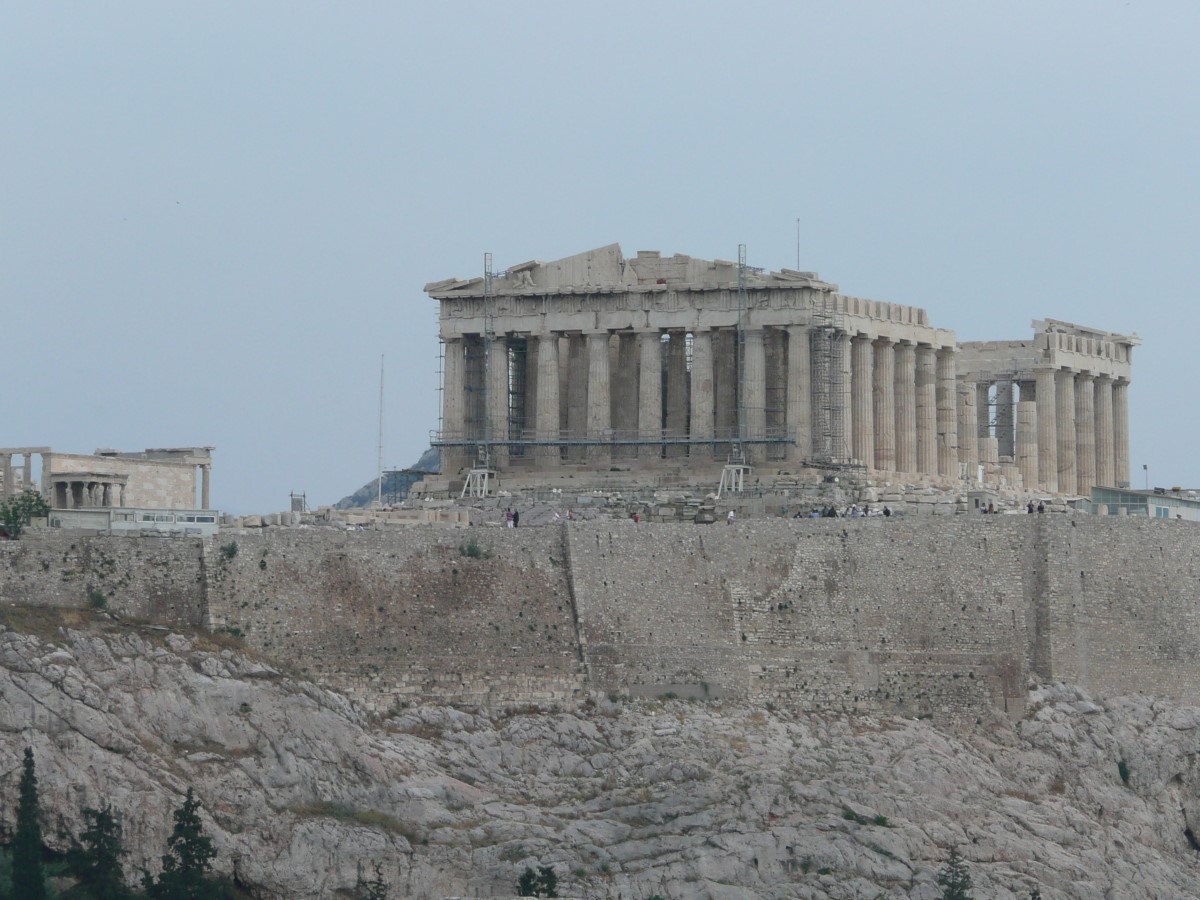
Parthenon:
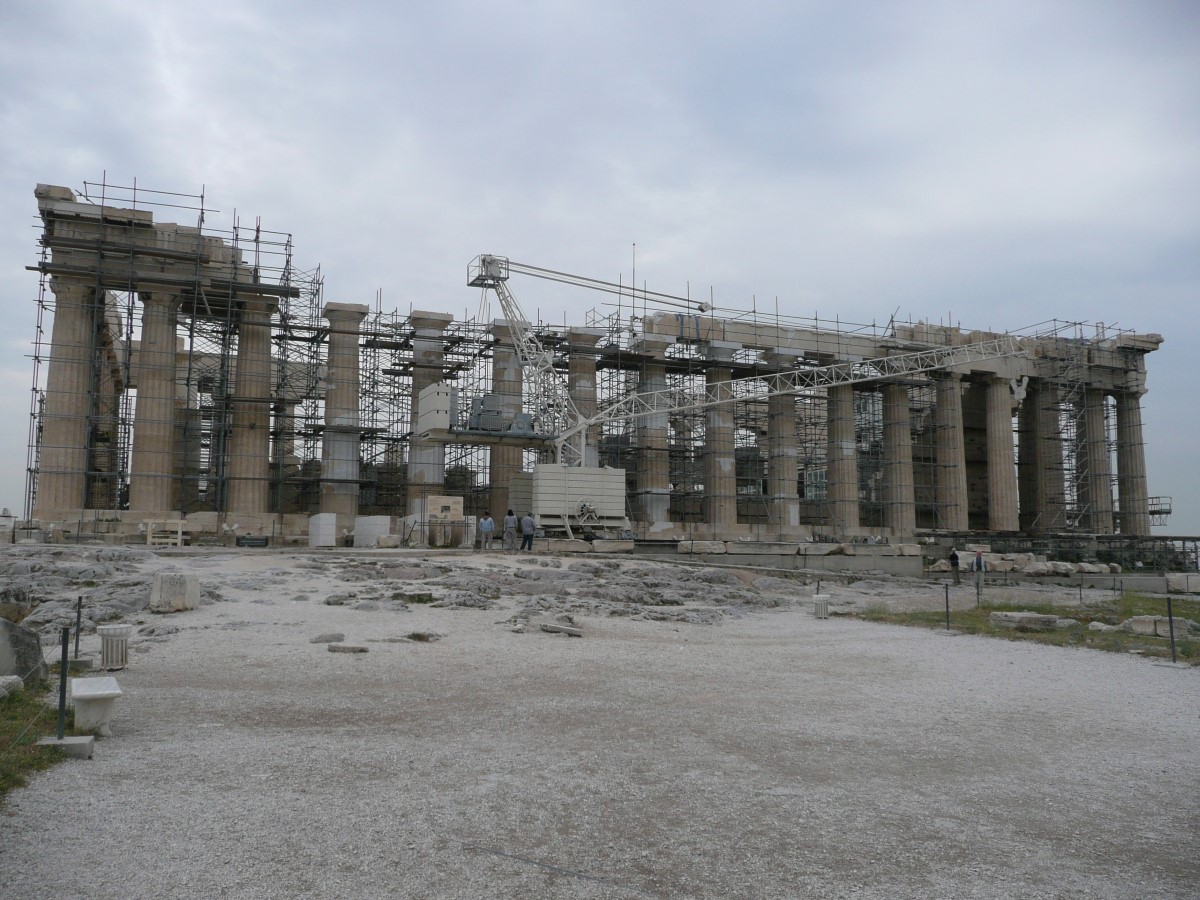
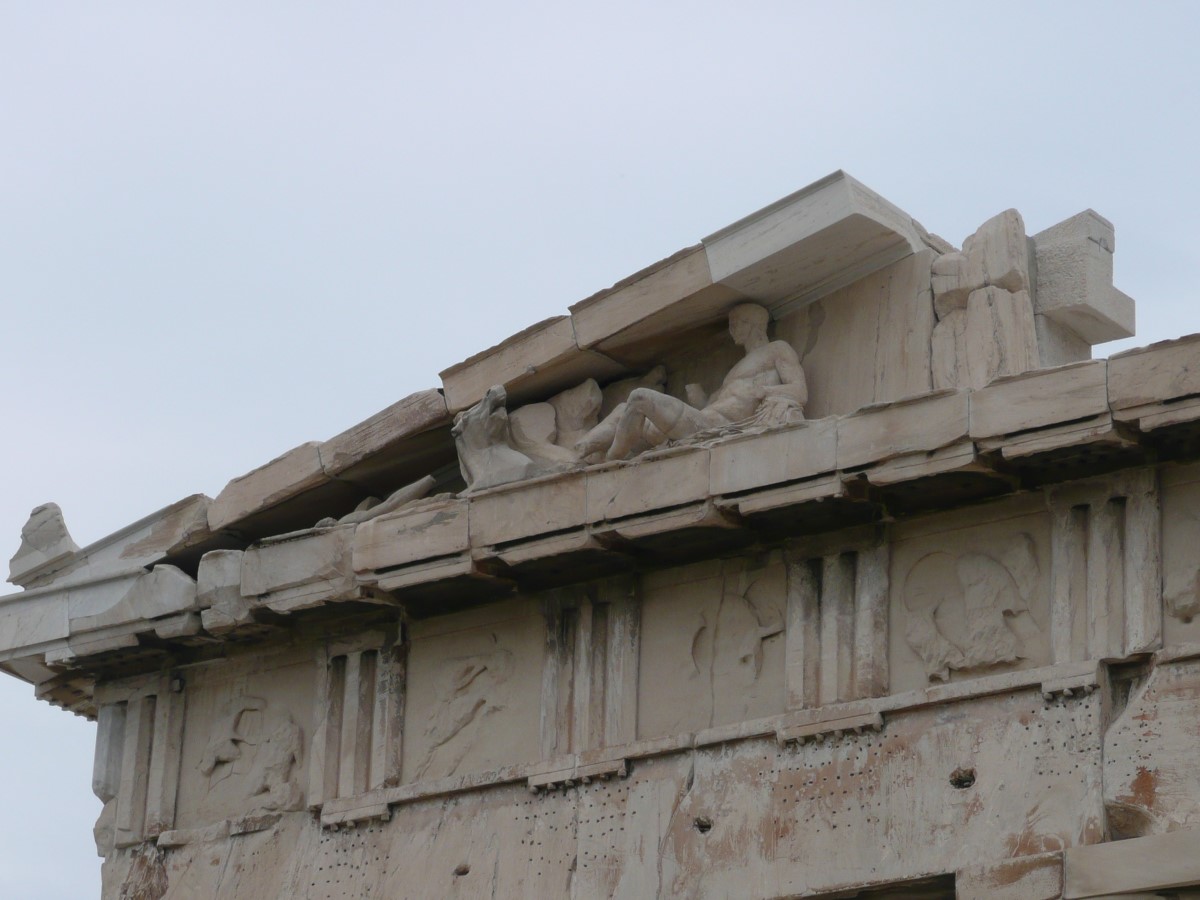
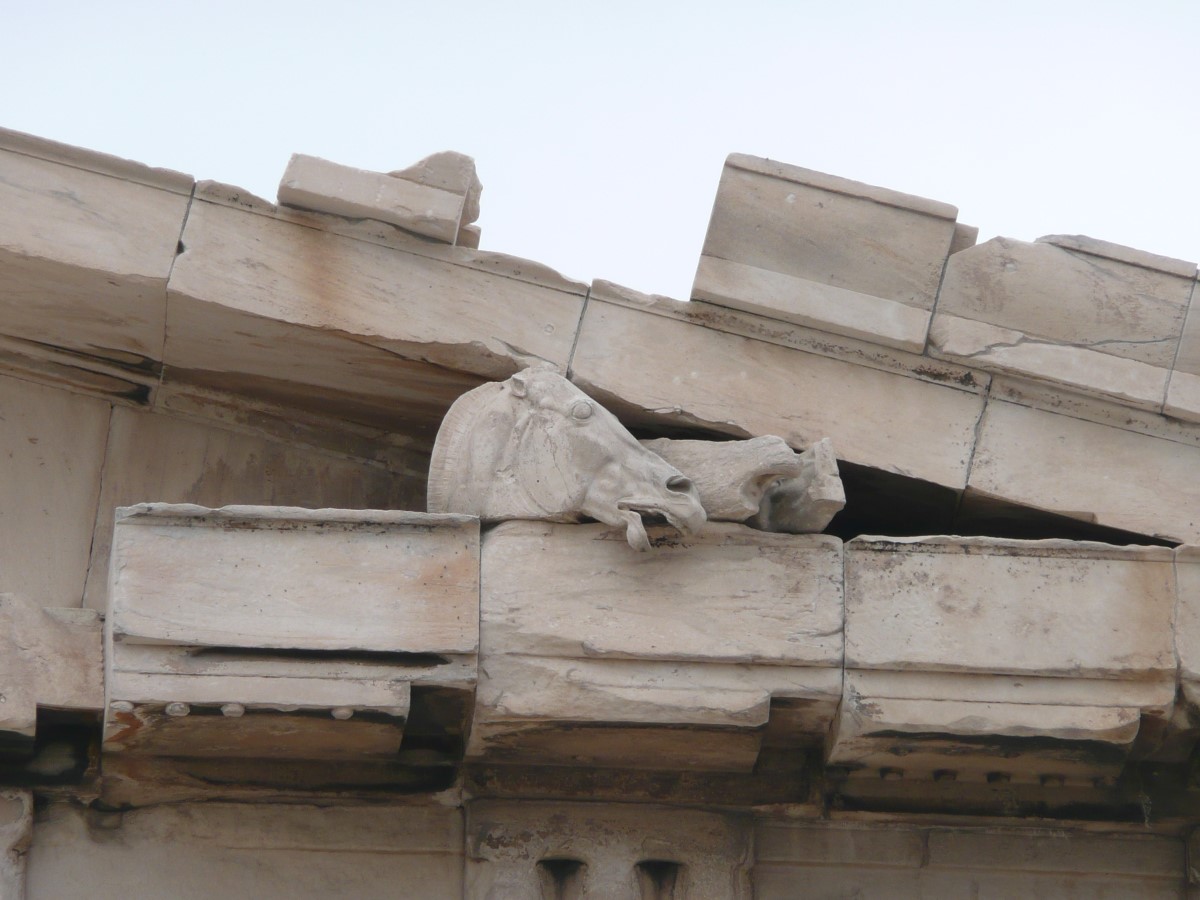
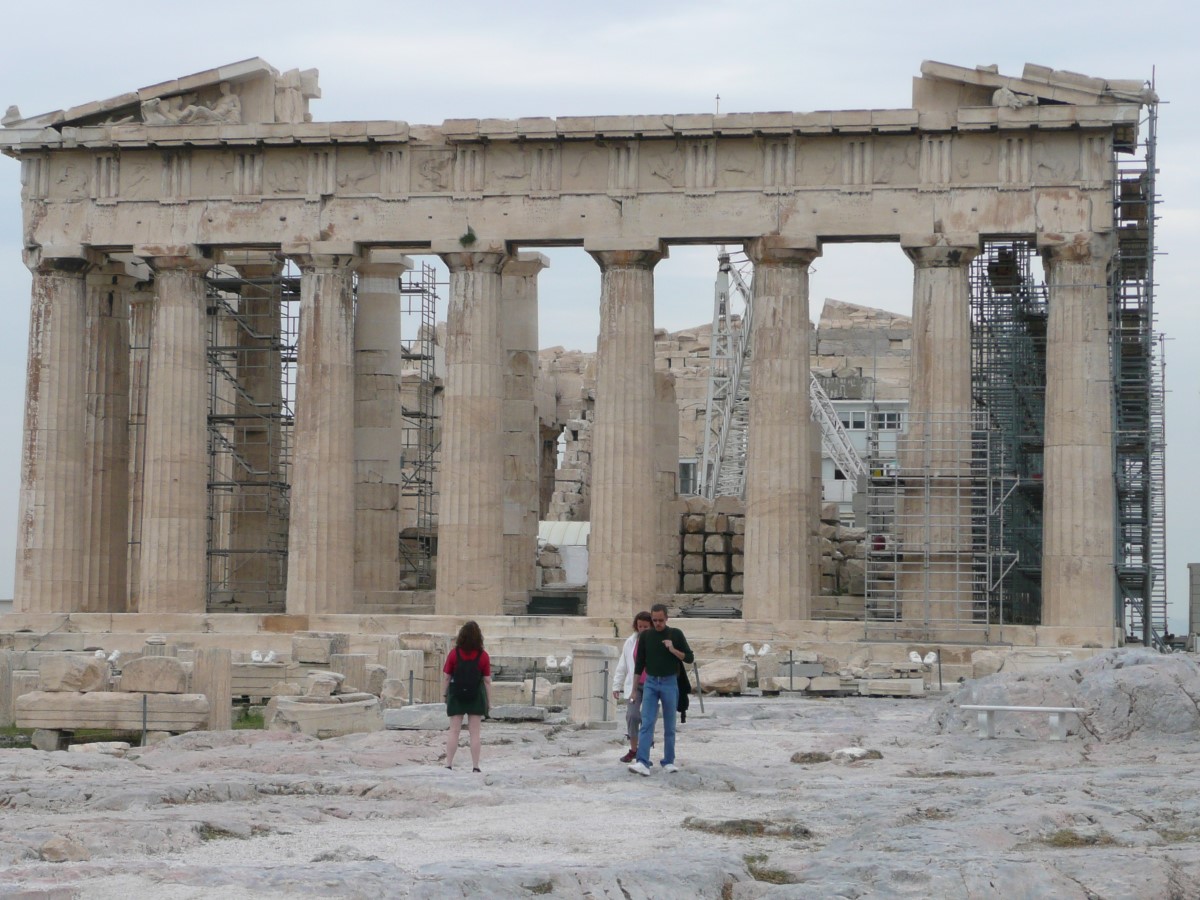
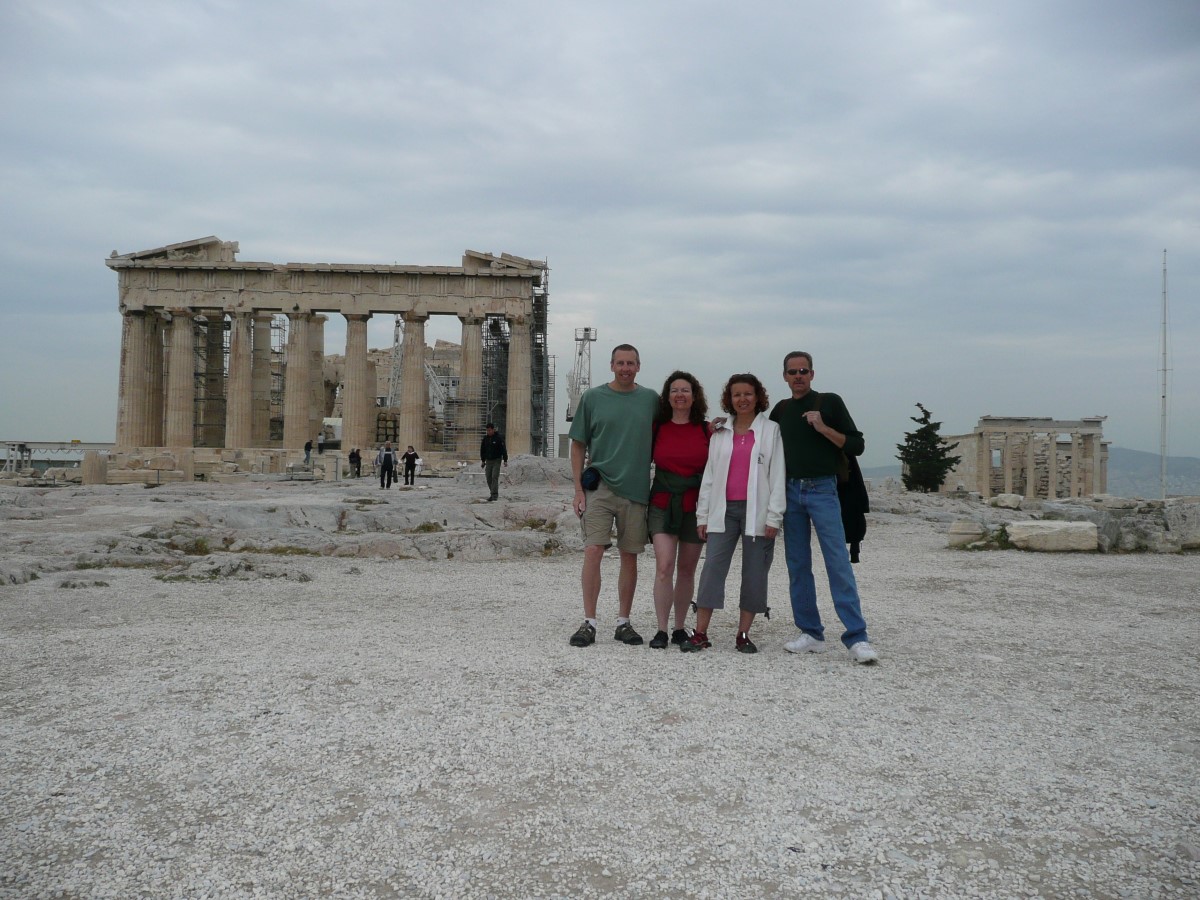
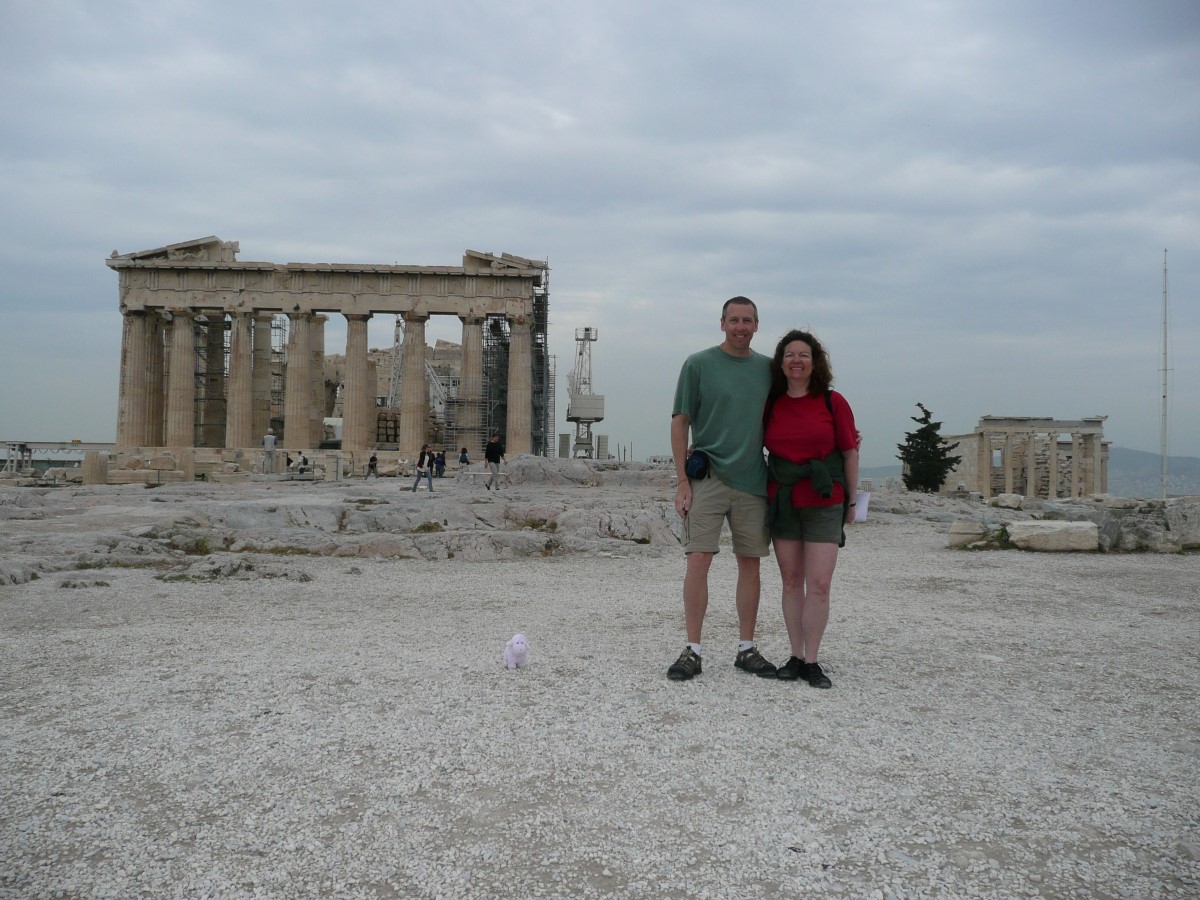
The Parthenon is a temple built for the Greek goddess Athena, the protectress of Athens, in the 5th century BC on the
Athenian Acropolis. It is the most important surviving building of Classical Greece, generally considered to be the culmination of the development of the Doric order. Its decorative sculptures are considered one of the high points of Greek art. The Parthenon is regarded as an enduring symbol of ancient Greece and of Athenian democracy, and is one of the world's greatest cultural monuments. The Parthenon replaced an older temple of Athena, called the Pre-Parthenon or Older Parthenon, that was destroyed in the Persian invasion of 480 BC. Like most Greek temples, the Parthenon was used as a treasury, and for a time served as the treasury of the Delian League, which later became the Athenian Empire. In the 6th century AD, the Parthenon was converted into a Christian church dedicated to the Virgin. After the Ottoman conquest, it was converted into a mosque in the early 1460s, and it even had a minaret. On 28 September 1687 an Ottoman ammunition dump inside the building was ignited by Venetian bombardment. The resulting explosion severely damaged the Parthenon and its sculptures. In 1806, Thomas Bruce, 7th Earl of Elgin removed some of the surviving sculptures, with Ottoman permission. These sculptures, now known as the Elgin or Parthenon Marbles, were sold in 1816 to the British Museum in London, where they are now displayed. The Greek government is committed to the return of the sculptures to Greece, so far with no success. |
||||
|
||||
|
|
||||
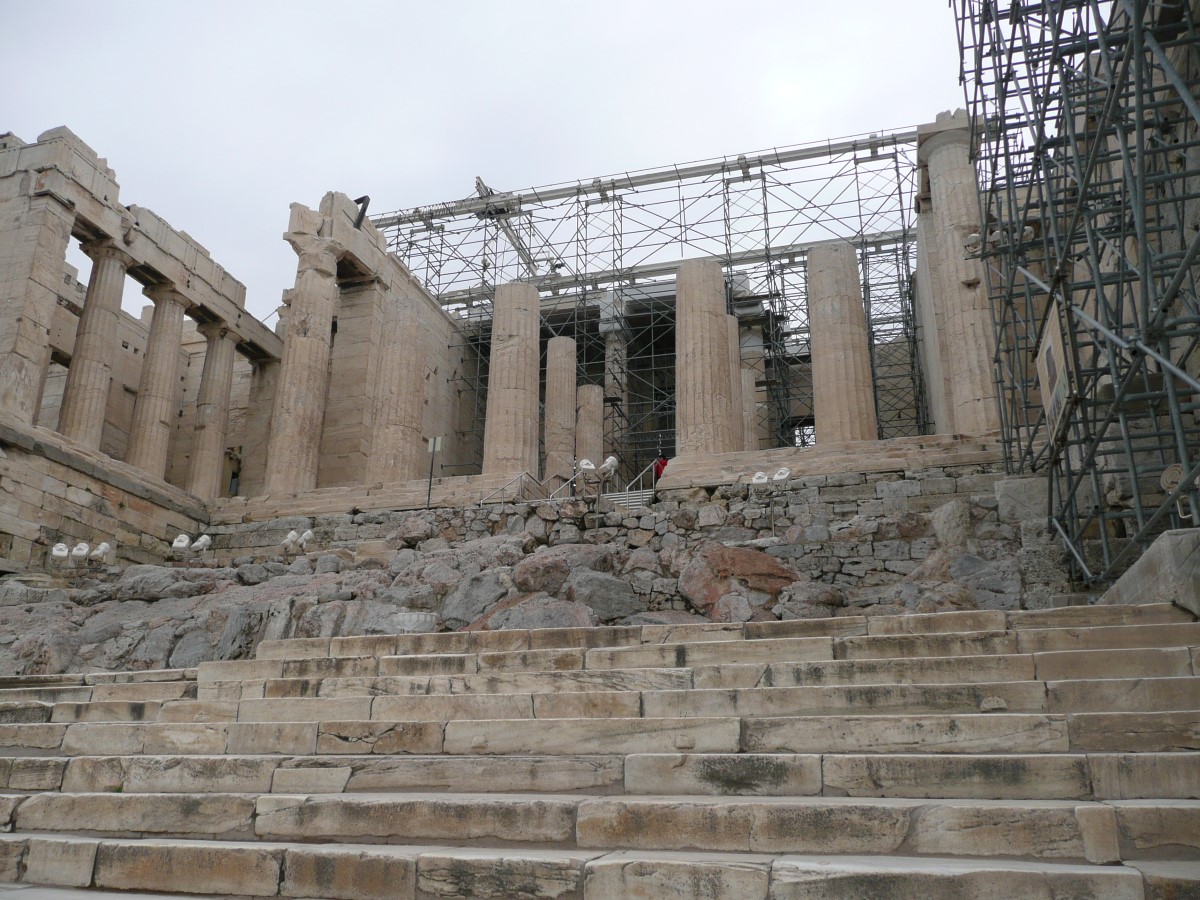
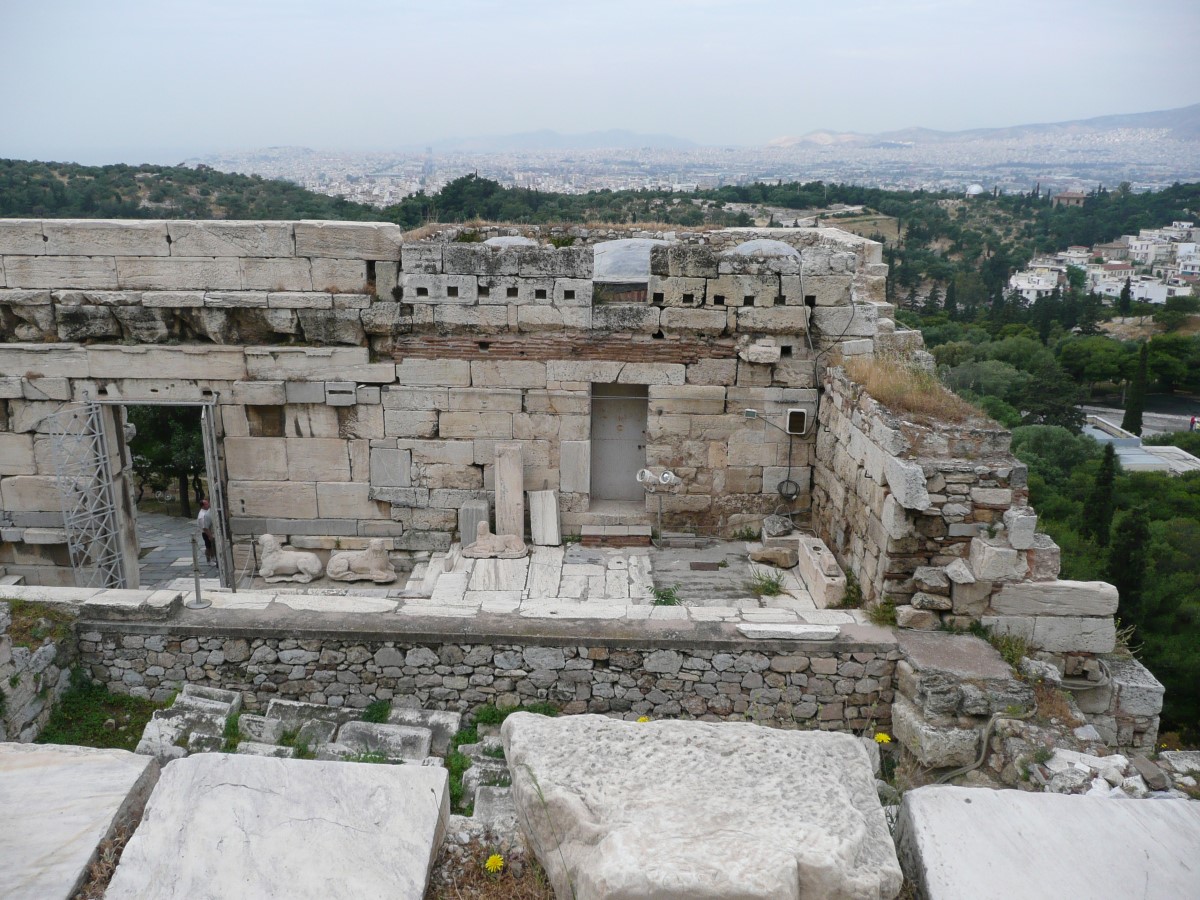
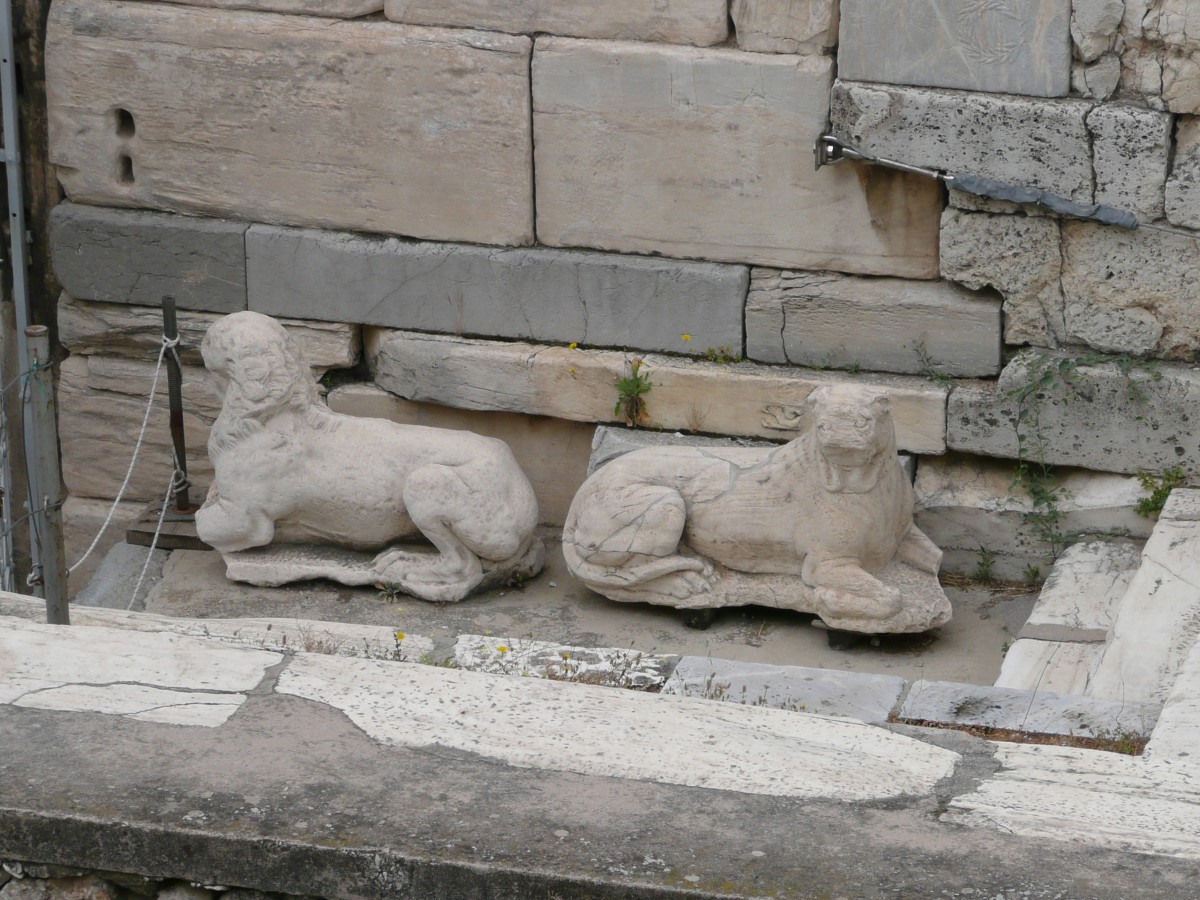
| Propylaia: The Propylaia were built as a monumental entrance to the Acropolis rock. It is an impressive building that surrounds the natural entrance to the plateau, and one approached it in ancient times through an inclining ramp that led visitors straight through the steps in front of the Propylaia. Later, the Romans built a more dramatic ramp that guided the visitors up towards the entrance of the Acropolis in a zigzag fashion. | ||||
|
||||
|
|
||||
|
Temple of Athena Nike:
The southwest of the Acropolis plateau, right next to the Propylaia, has been an important location of a sanctuary dating back to the Mycenaean era. It is a protruding tall mass of rock, strategically located in a way that protects the south flank of the most vulnerable access point and gate to the citadel. Early in its history it was a place of worship for deities associated with wars, perhaps Bronze Age “Nike” gods or goddesses, which with time fused with the cult of Athena Nike of later centuries. Excavations have revealed that on this location an open pit existed that Bronze Age Greeks used to pour libations and to deposit primitive figurines of the deities worshiped. |
||||
|
||||
|
|
||||
|
Erechtheum - Porch of Caryatids:
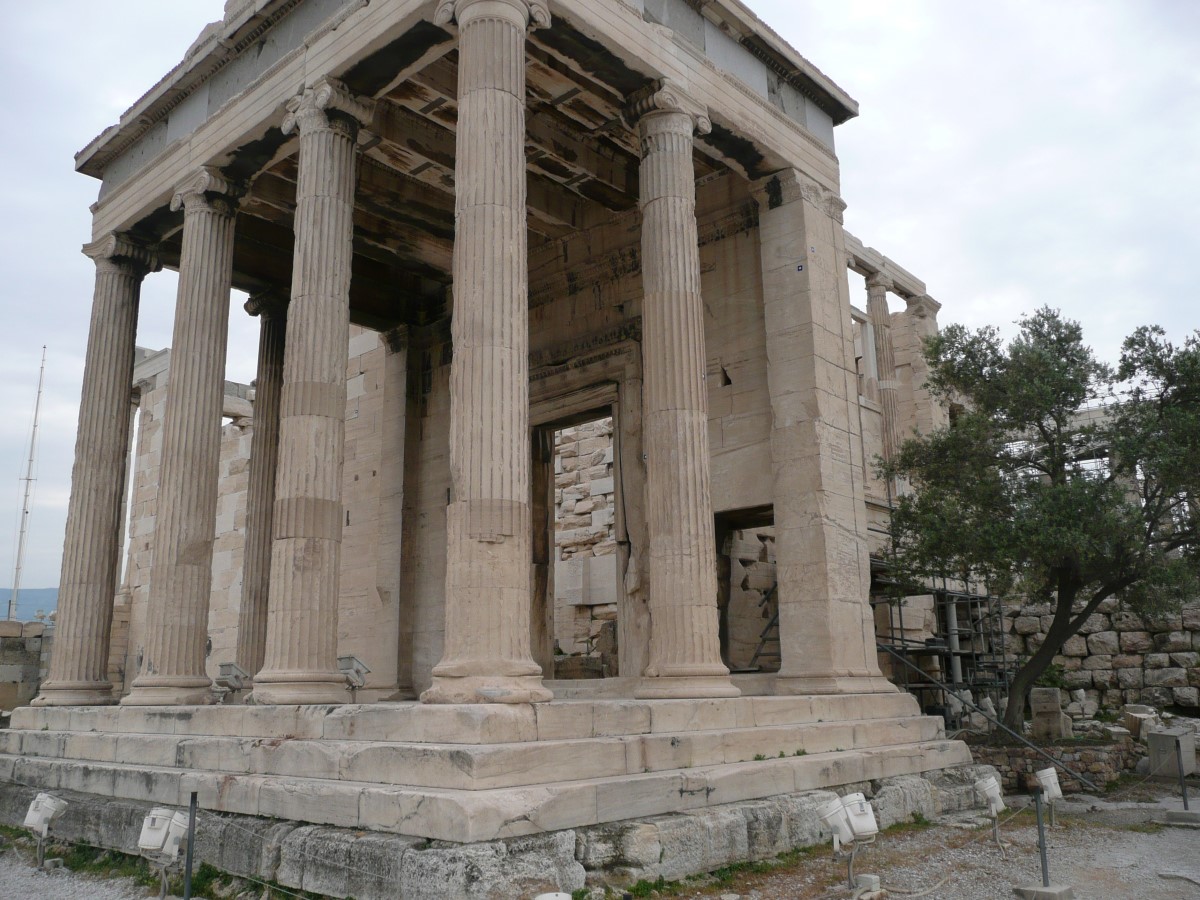
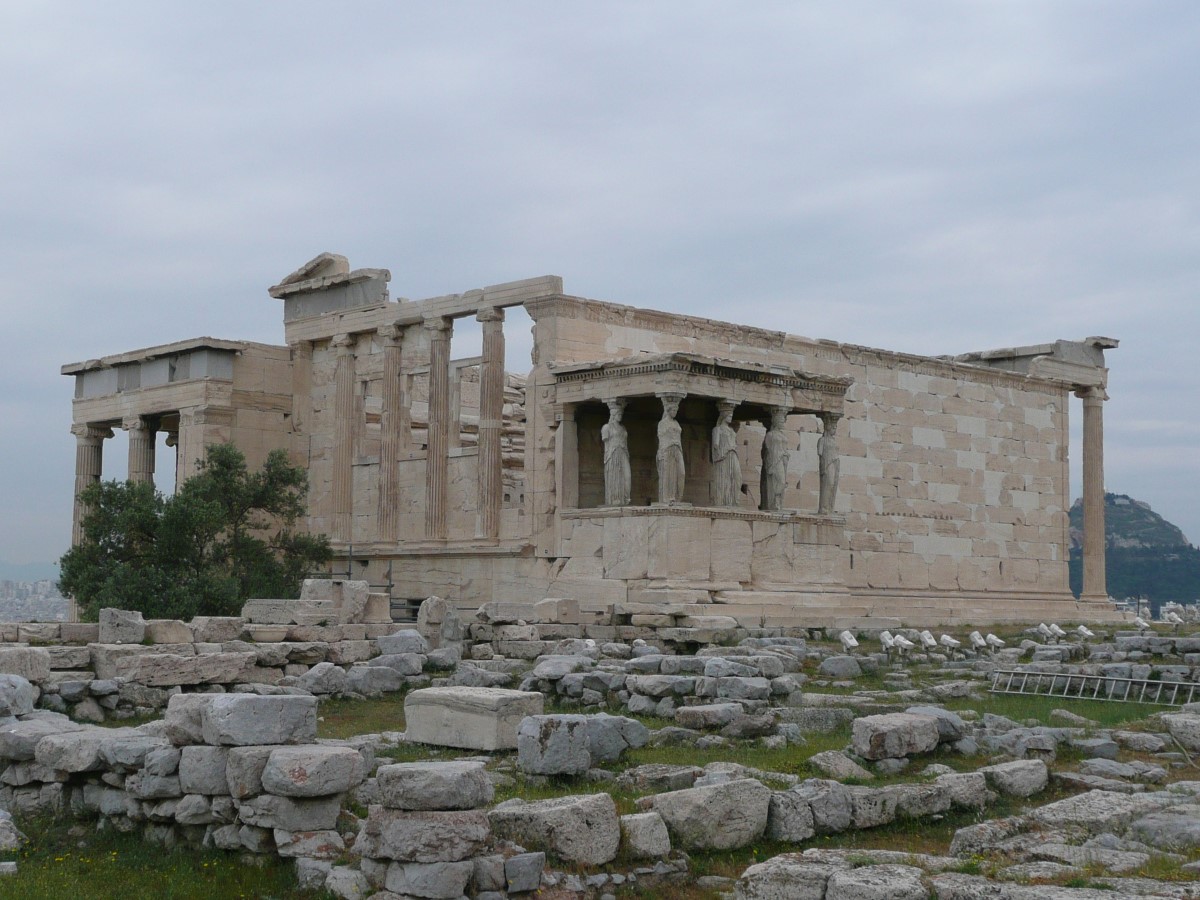
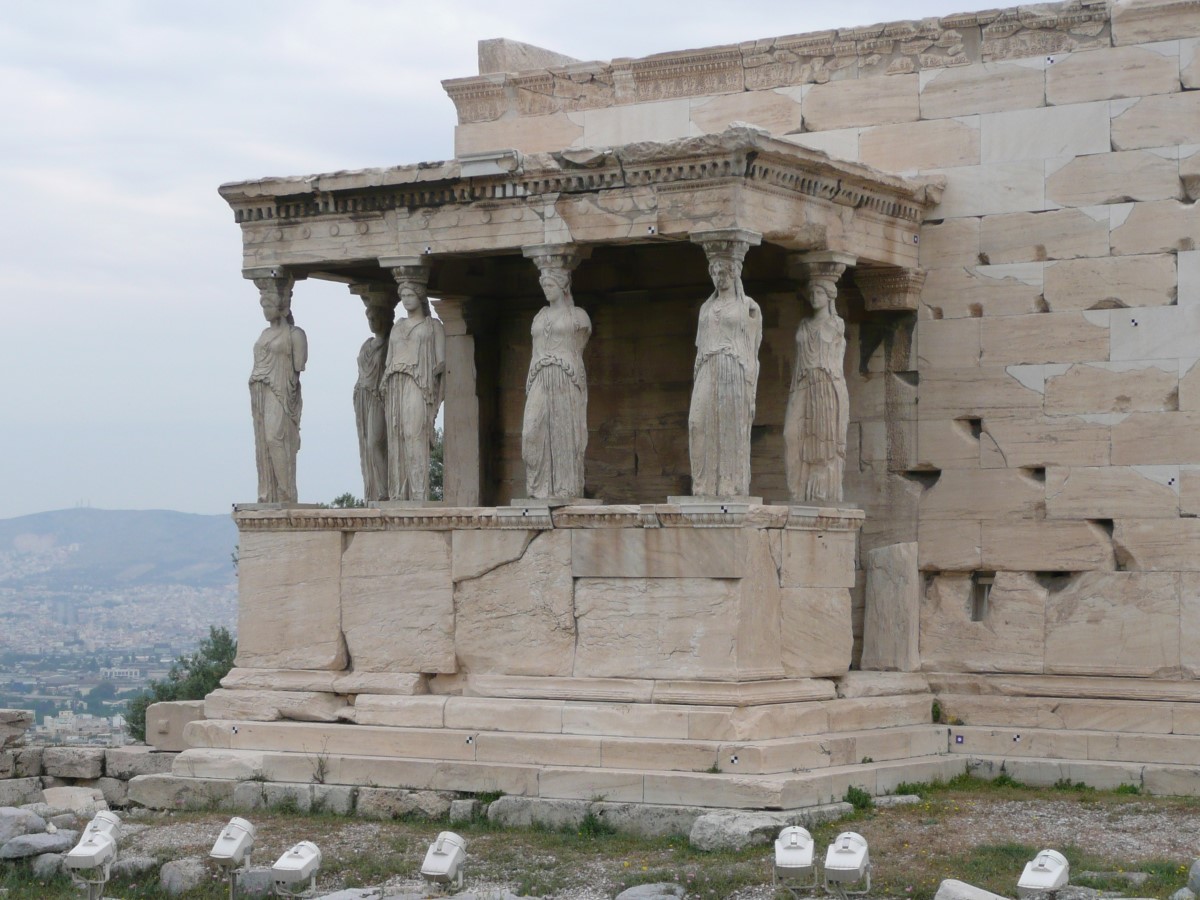
The Erectheum is situated on the most sacred site of the Acropolis. It is said to be where Poseidon left his trident marks in the rock, and Athena's olive tree sprouted, in their battle for possession of the city. Named after Erechtheus, one of the mythical kings of Athens, the temple was a sanctuary to both Athena Polias, and Erechtheus-Poseidon. Construction took many years, being halted during the brief respite of the Peloponnesian War referred to as the Peace of Nikias, and resuming in 410 BC. Best estimates have completion around 395 BC. It has been used for a range of purposes including a harem for the wives of the Turkish disdar in 1463. It was completely destroyed by a Turkish shell in 1827 during the War of Independence causing hated disputes over restoration. The Erectheum has three main parts: the main section of the temple, the north porch, and thePorch of Caryatids. The main section is divided into an eastern and a western cella. The ledge above the door on the western cella to the Caryatid porch held Kammimachos' famous gold palm-tree lamp. The South Porch is commonly called the Caryatid Porch. The women are caught midstride, with the three on the left sporting bent left knees and the remaining bent right. The identity of the Caryatids is unknown. Theories range from criminals forced to bear a heavy burden to the Arrephoroi chosen to deliver the peplos to Athena to young initiates of Artemis at Brauron to upper-class Athenian women. The southwest corner of the porch lies atop the Grave of Cecrops, so they could be his defenders. The ceiling coffers of the Caraytid Porch are almost entirely intact. Historians differ on whether they were paneled and painted dark blue with gold stars or inset with panels of colored glass. |
||||
|
||||
|
|
||||
|
Herodes Theater:
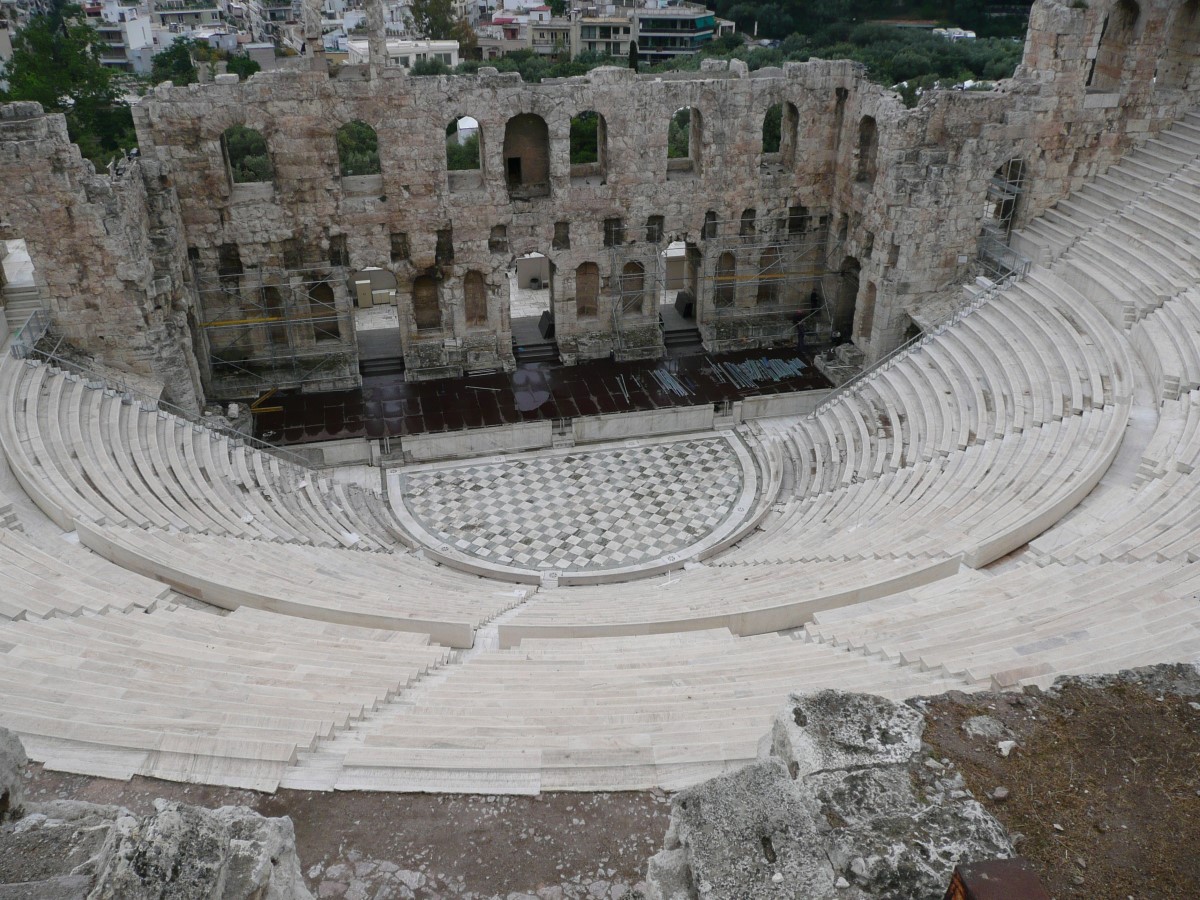
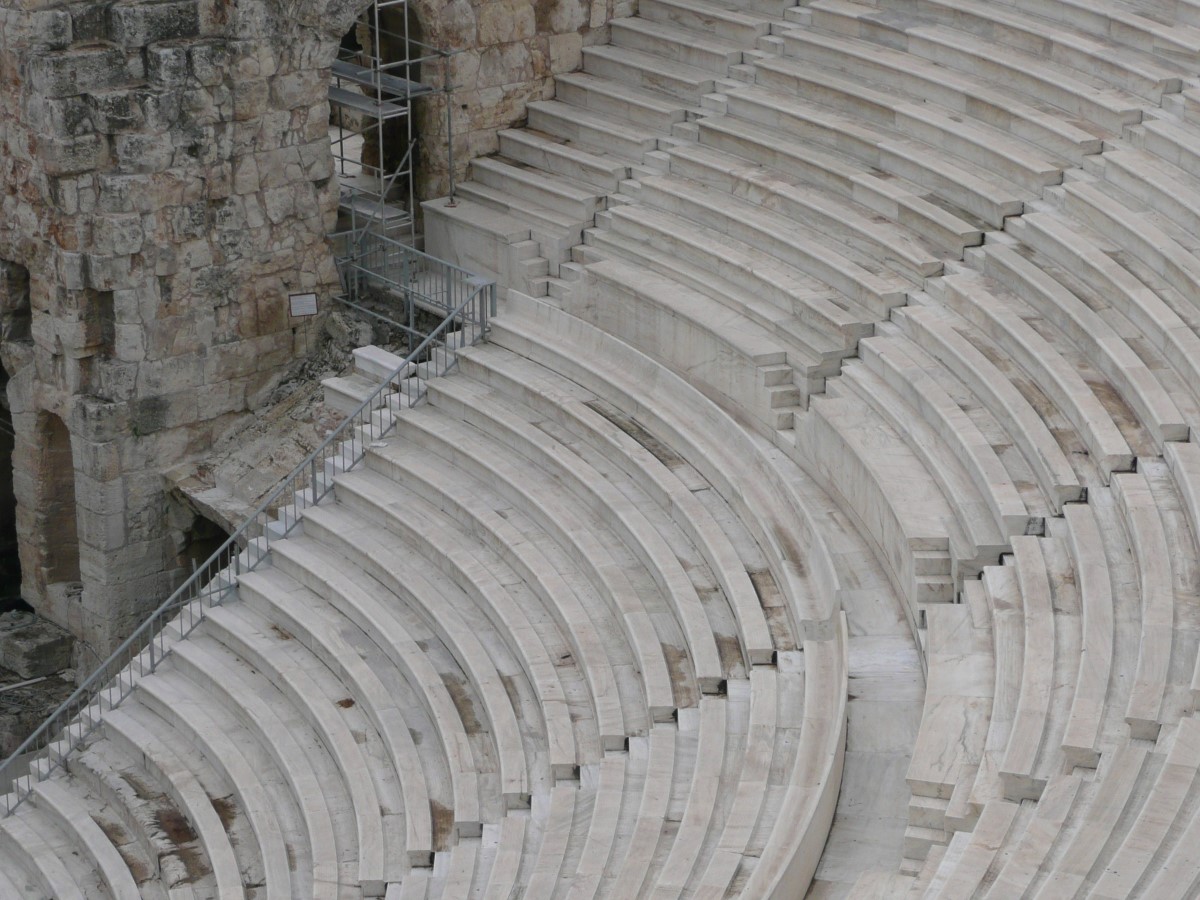
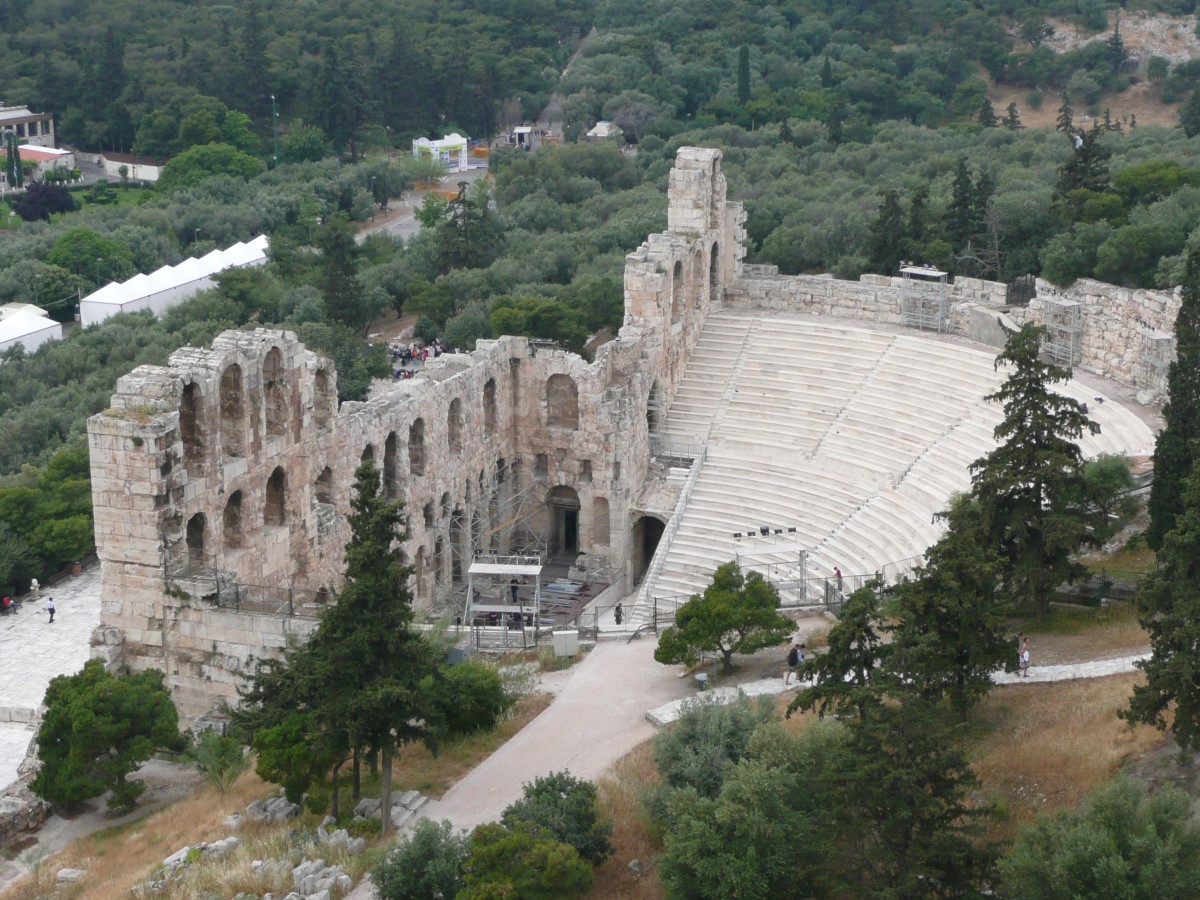
The Odeon of Herodes Atticus is a stone theatre structure located on the south slope of the Acropolis of Athens. It was built in 161 AD by Herodes Atticus in memory of his wife, Aspasia Annia Regilla. It was originally a steep-sloped amphitheater with a three-story stone front wall and a wooden roof, and was used as a venue for music concerts with a capacity of 5,000. The audience stands and the 'orchestra' (stage) were restored using marble in the 1950s. Since then it has been hosting the theatrical, musical, and dance components of the Athens Festival, which runs from June through September each year. |
||||
|
||||
|
|
||||
| Views from the top | ||||
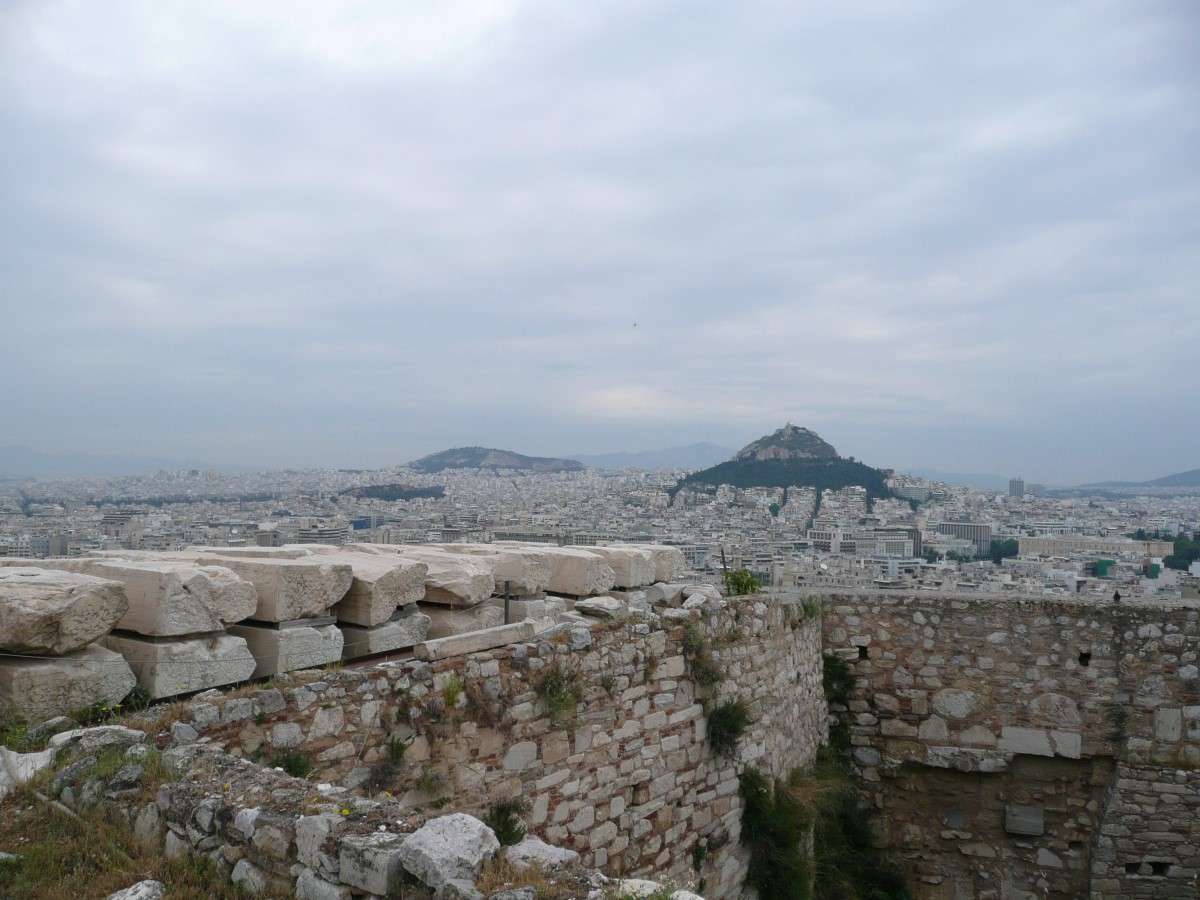
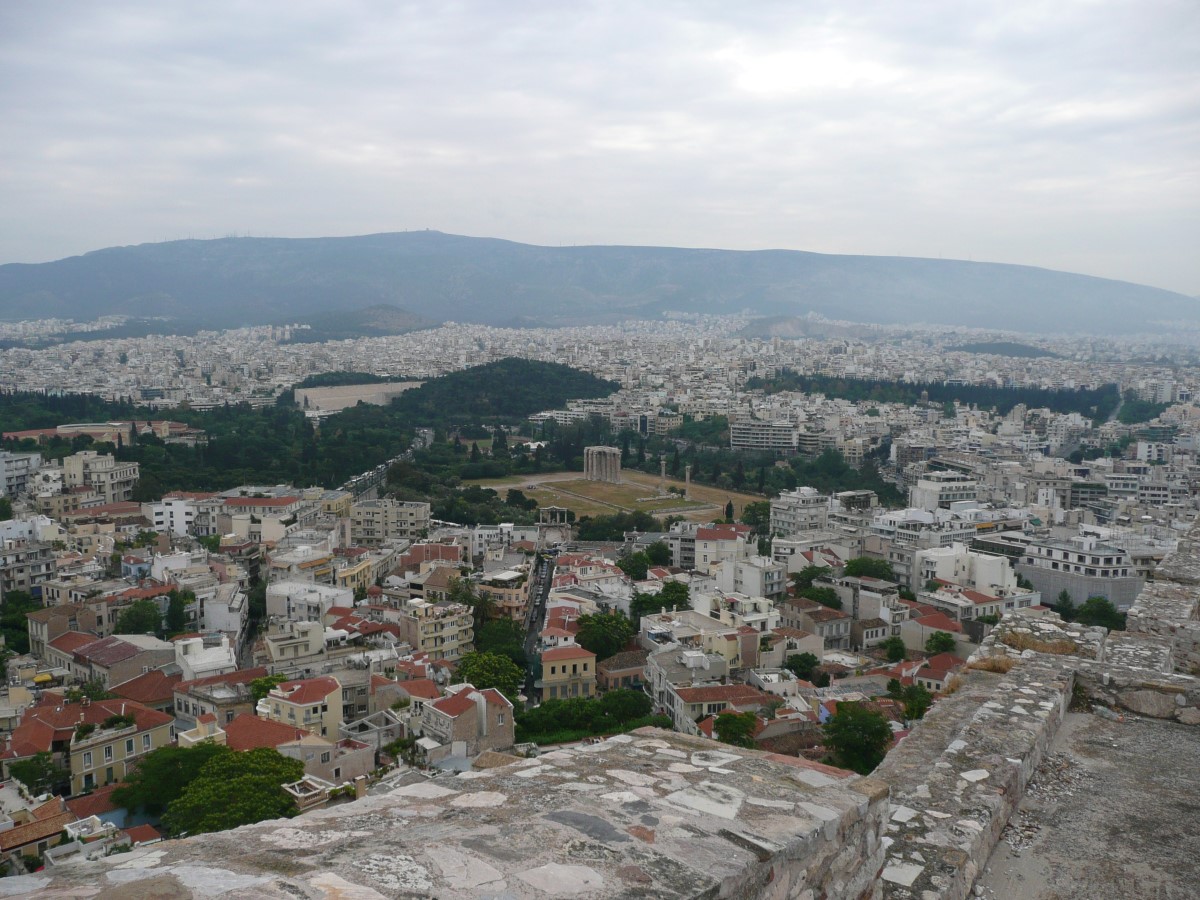
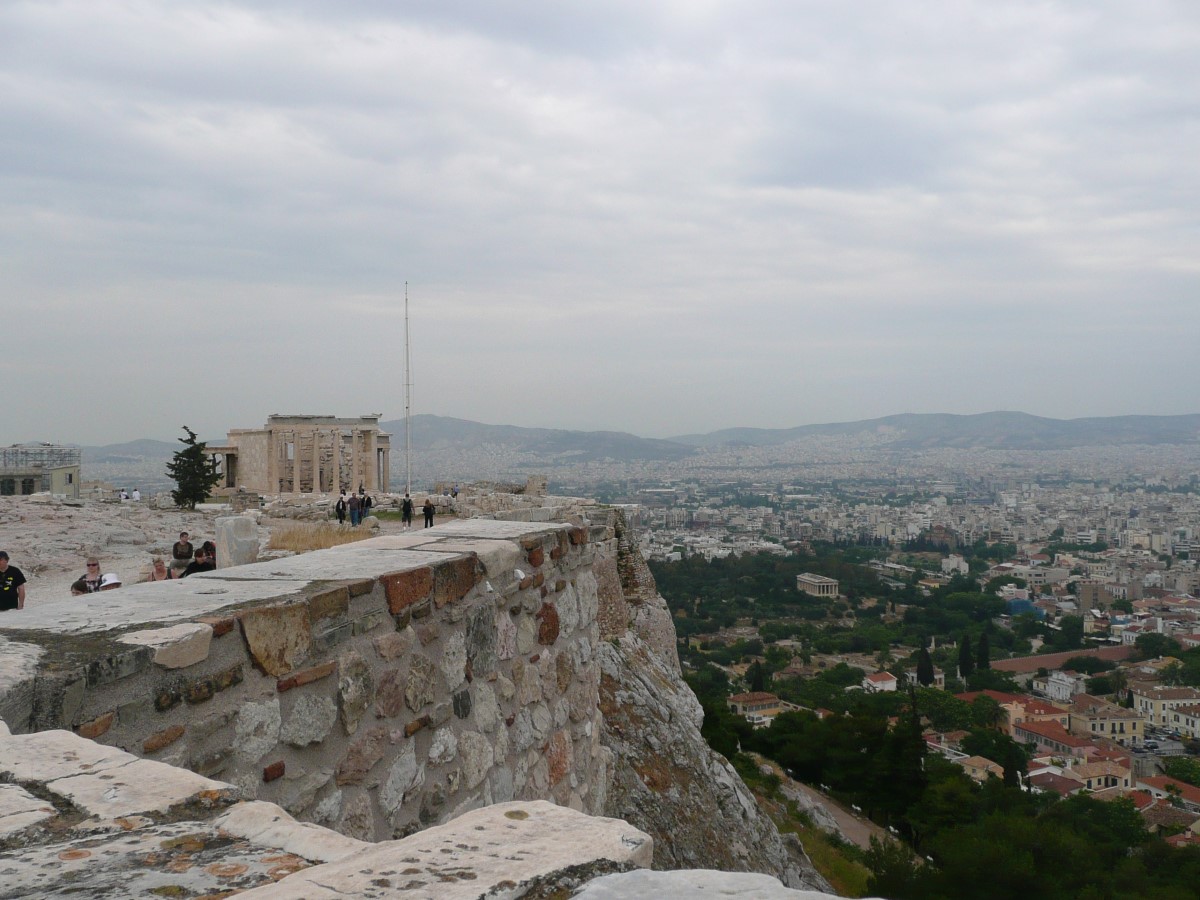
|
||||
|
|
||||
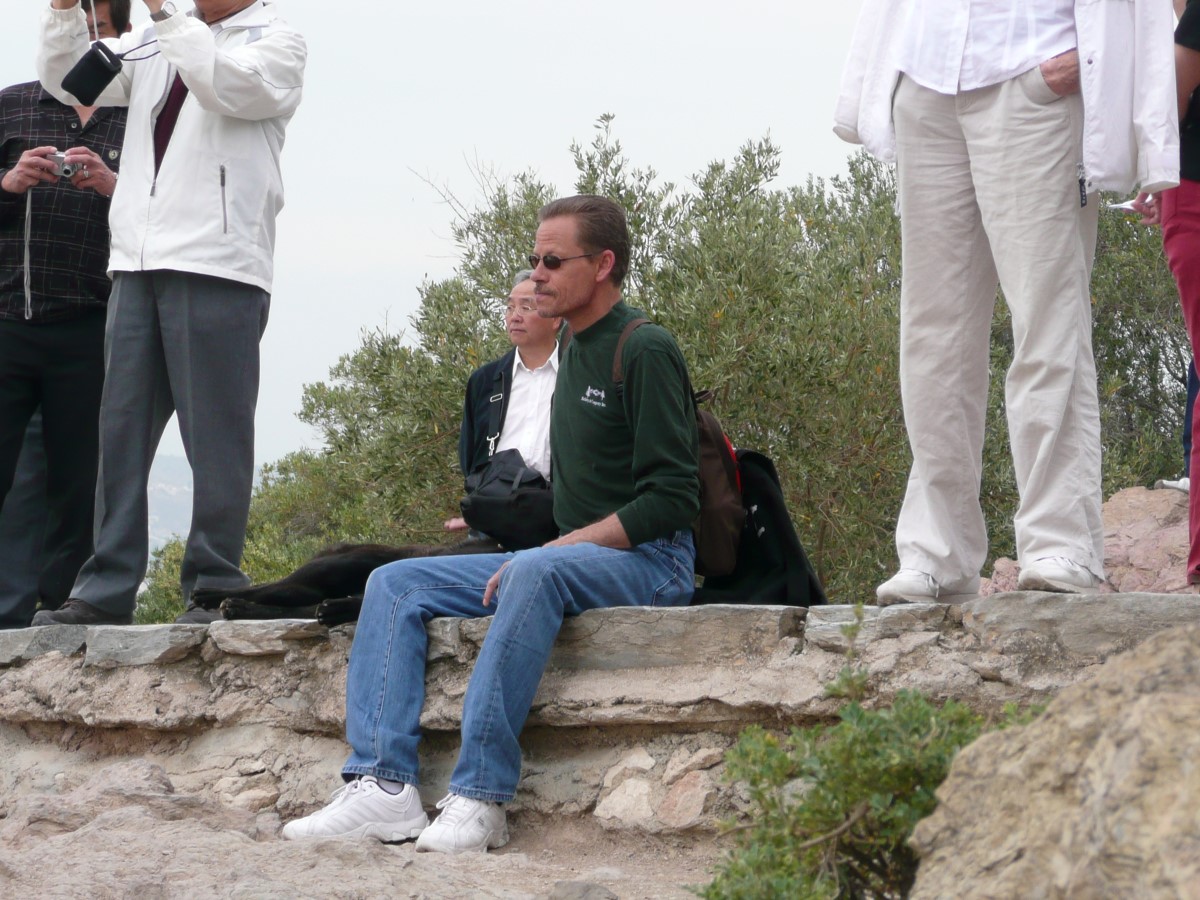
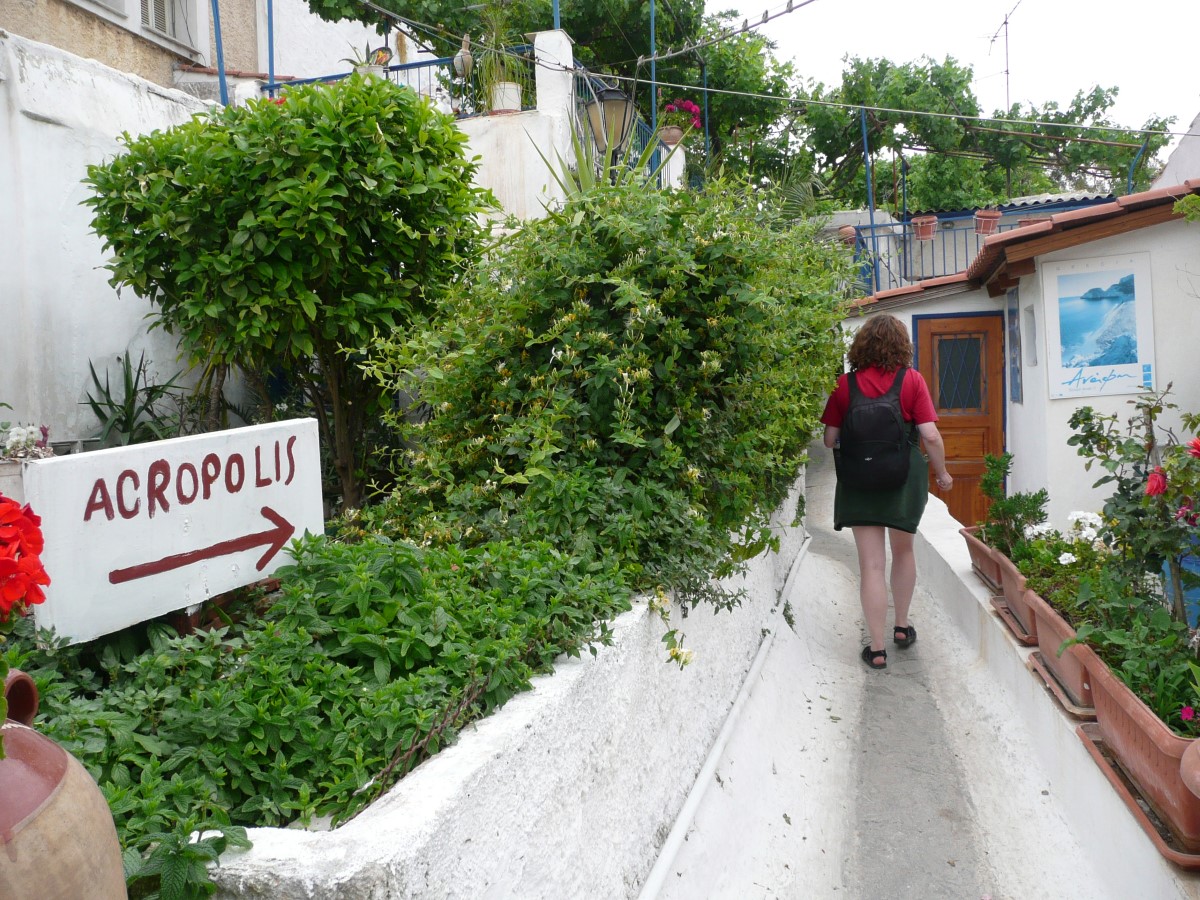
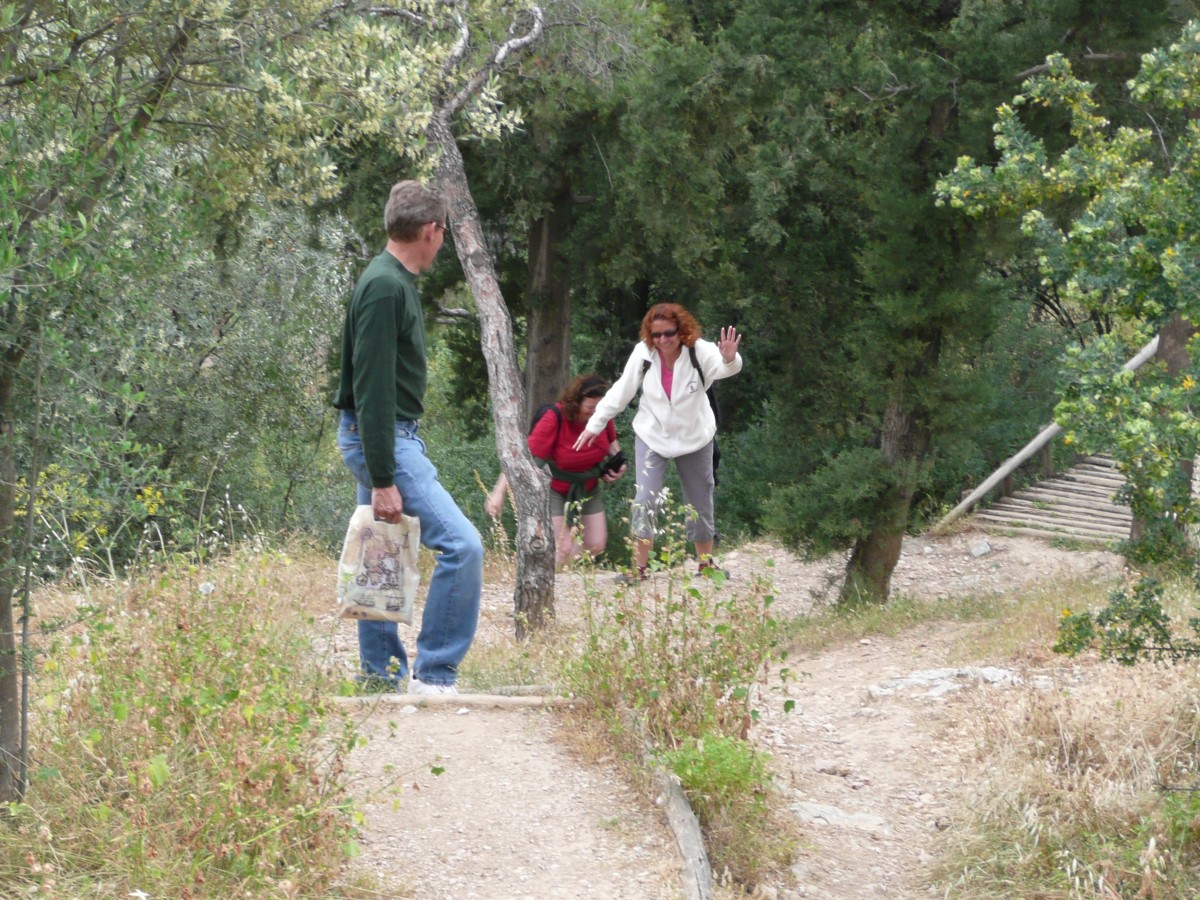
| Misc: Ken found a new friend while visiting the Acropolis. We wandered through some of the narrow streets in the Plaka finding our way to the Acropolis entrance. Tina was having a hard time walking up the trail, to much ouzo? | ||||
|
||||
| Philopappus | ||||
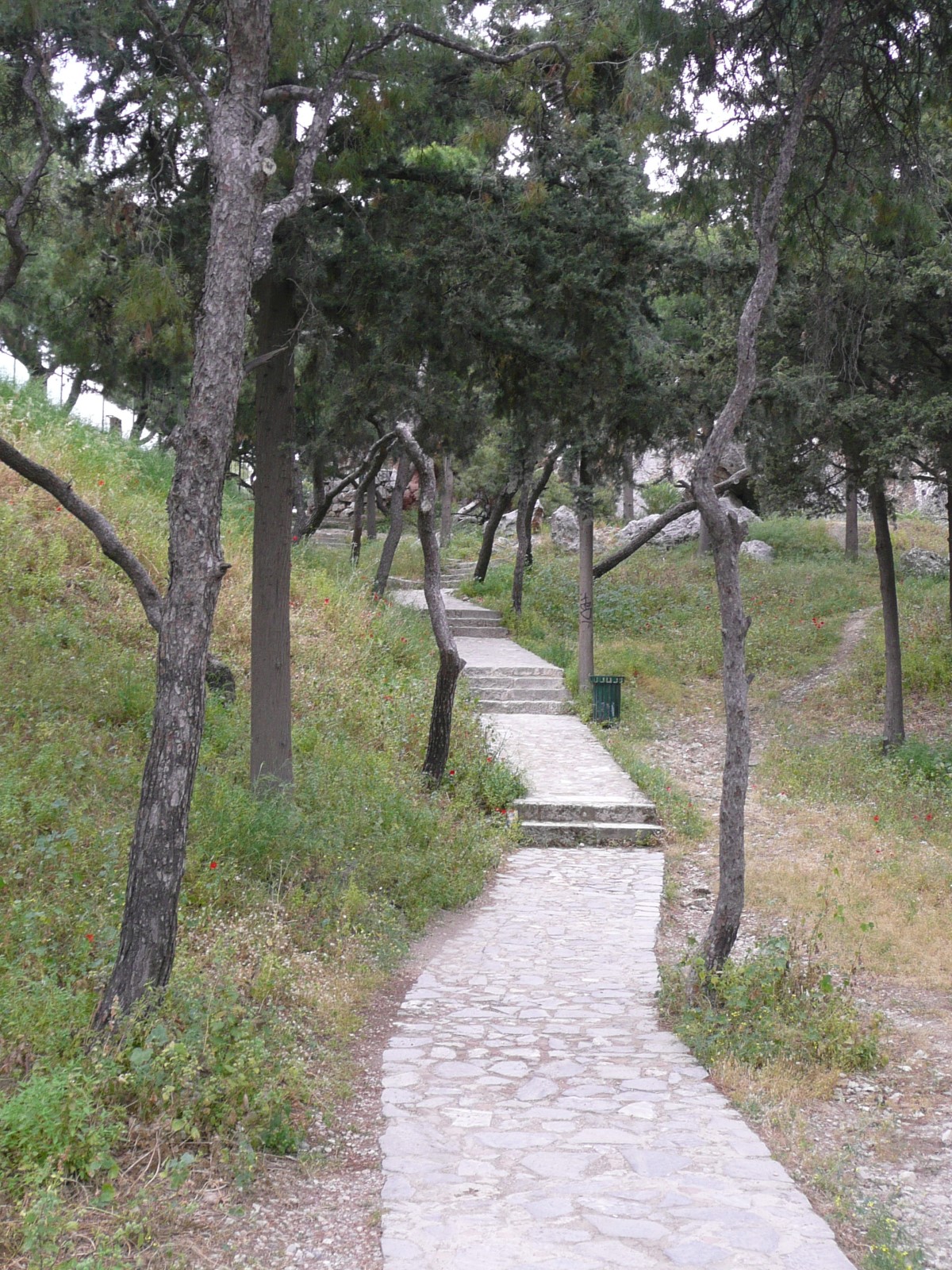
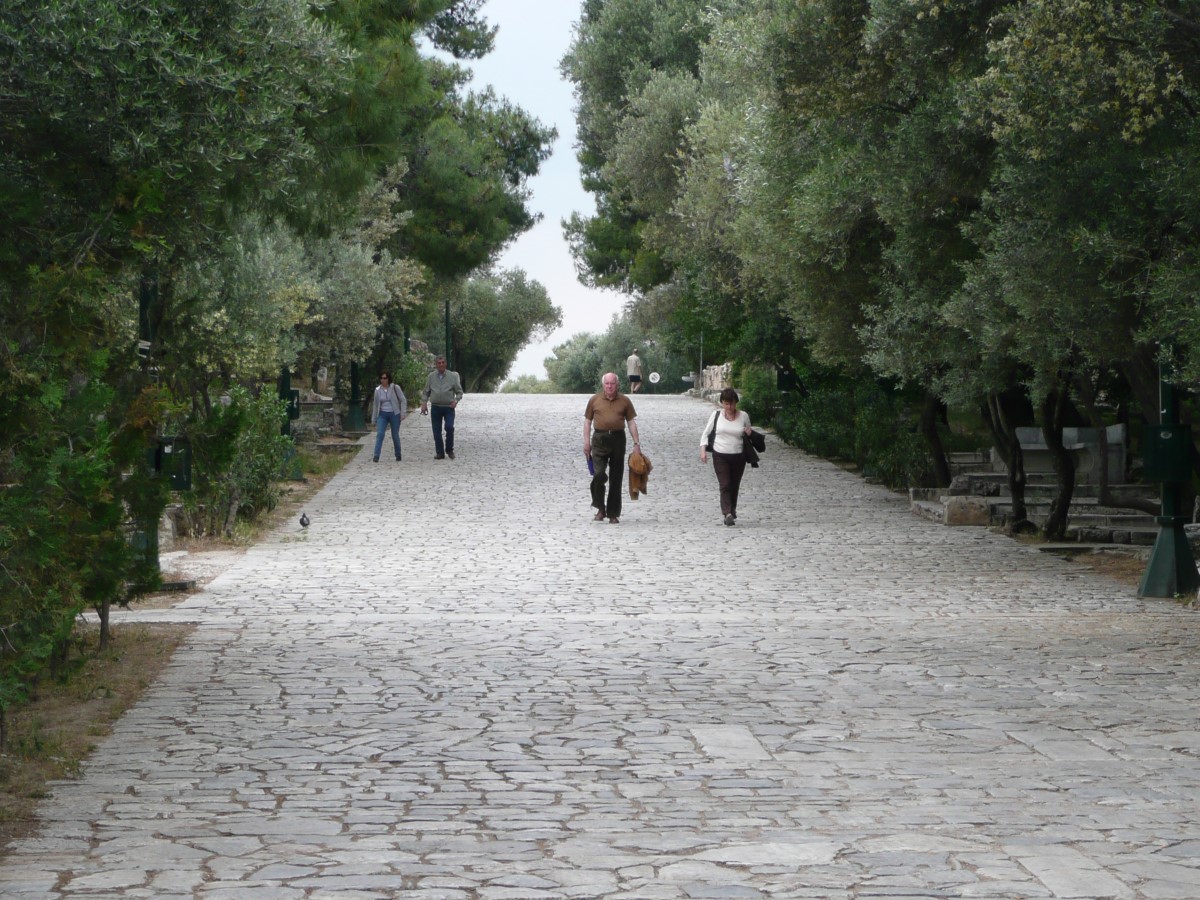
| Park: The park with it's trails leading to the top where the Monument of Philopappus resides. It takes about 15 minutes to walk from the park entrance to the top of the hill where you get the best views of the Acropolis. We walked to the top our first night in Athens as well as the next day. | ||||
|
||||
|
|
||||
|
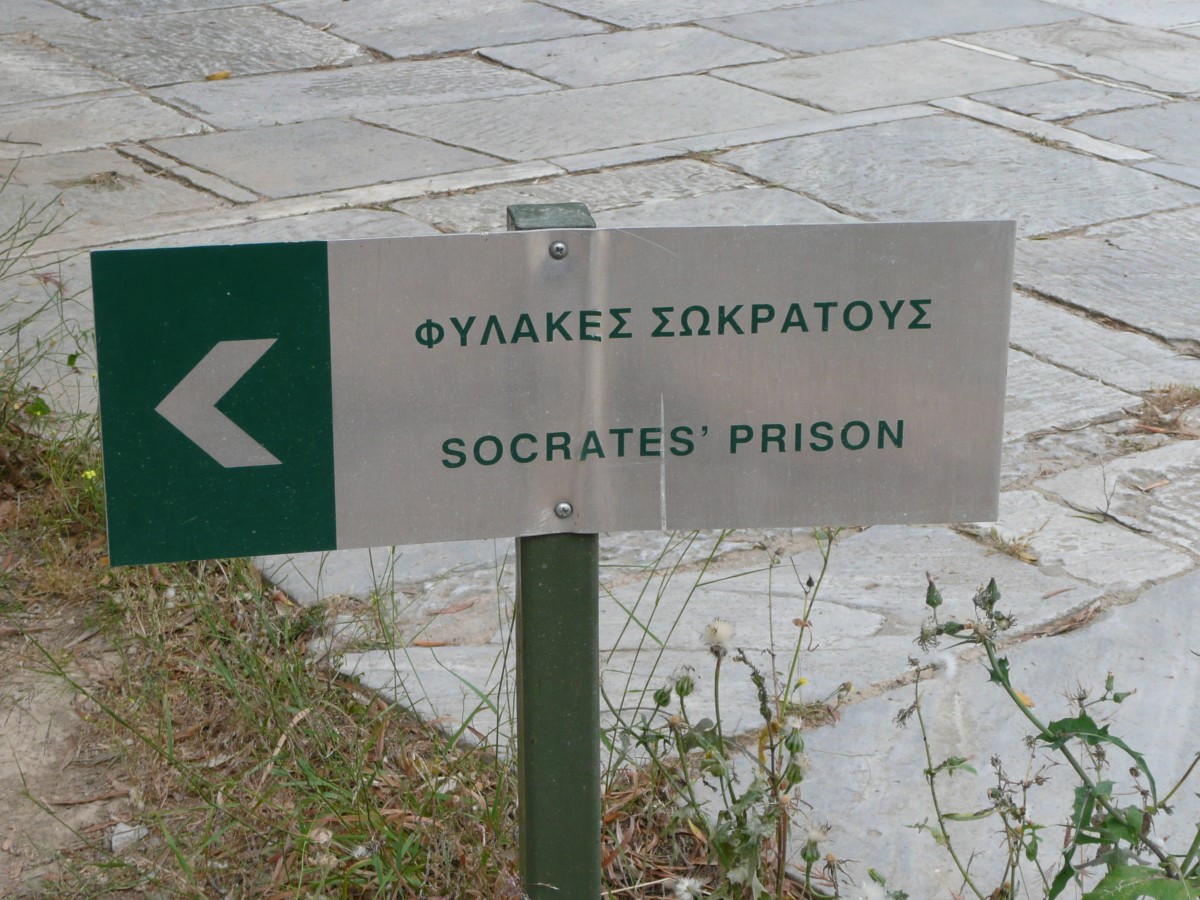
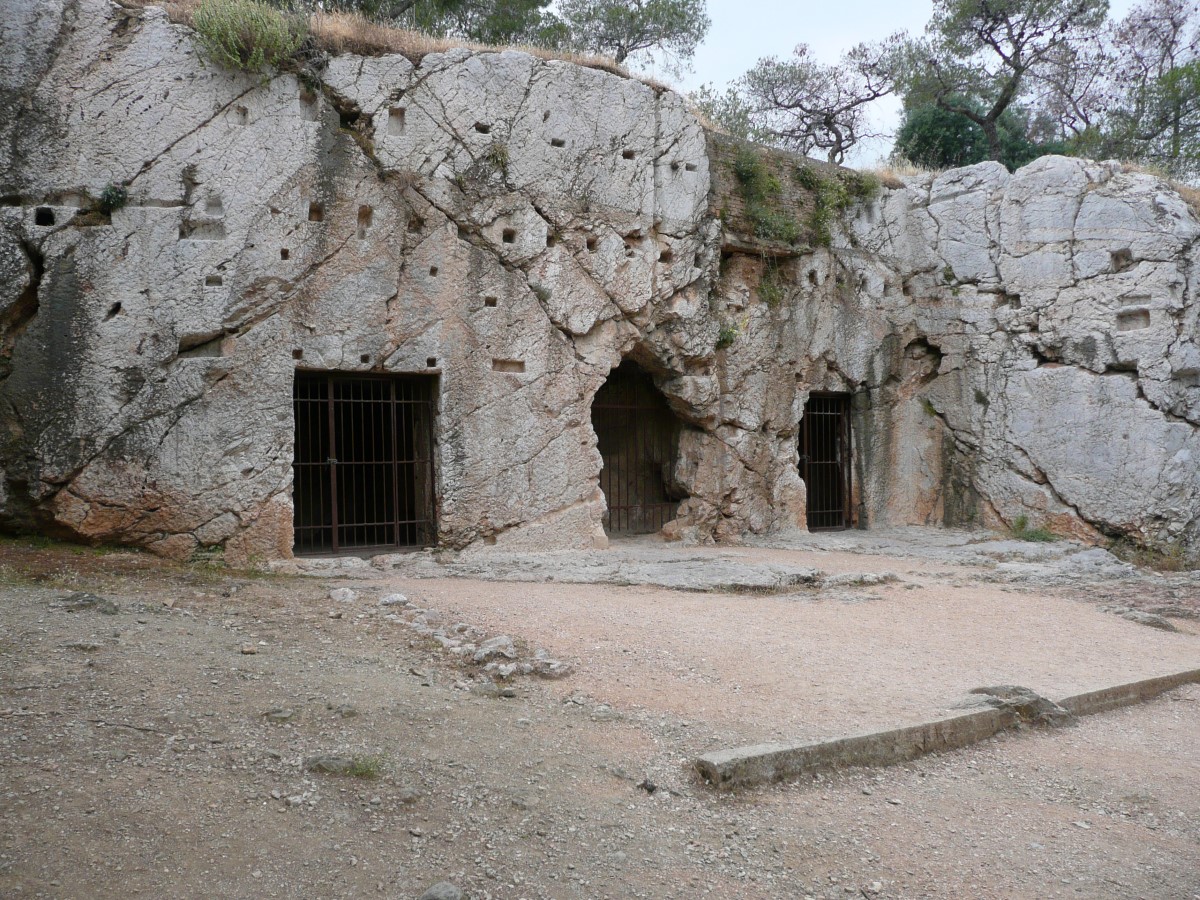
Socrates Prison: The Greek
philosopher Socrates was born 469 BC. The story goes that in 399 BC he was convicted of denying the gods
recognized by the state and corrupting the young. After serving thirty days imprisonment, he drank
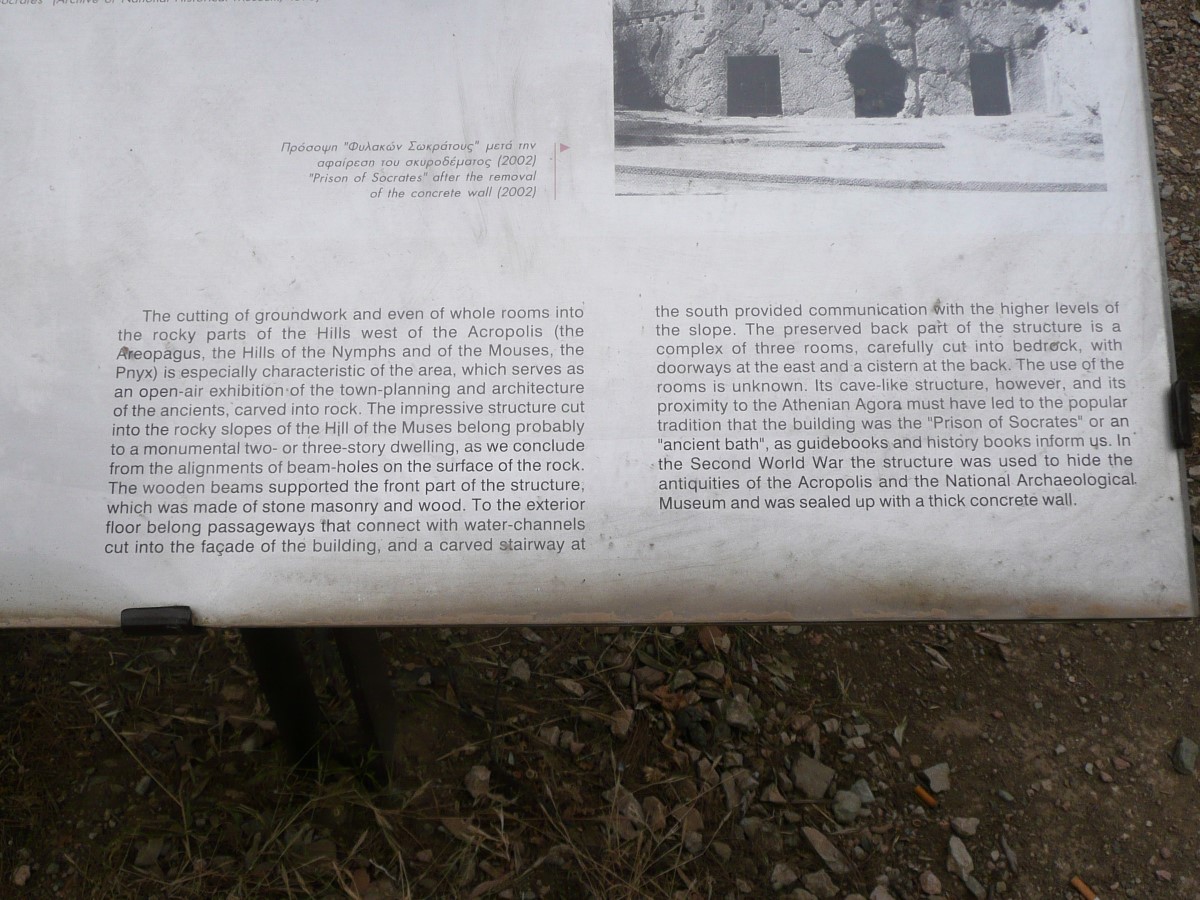
a cup of hemlock after having refused an escape from prison. During WWII the structure was used to hide the antiquities of the Acropolis and the National Archaeological Museum and was sealed up with a thick concrete wall. |
||||
|
||||
|
|
||||
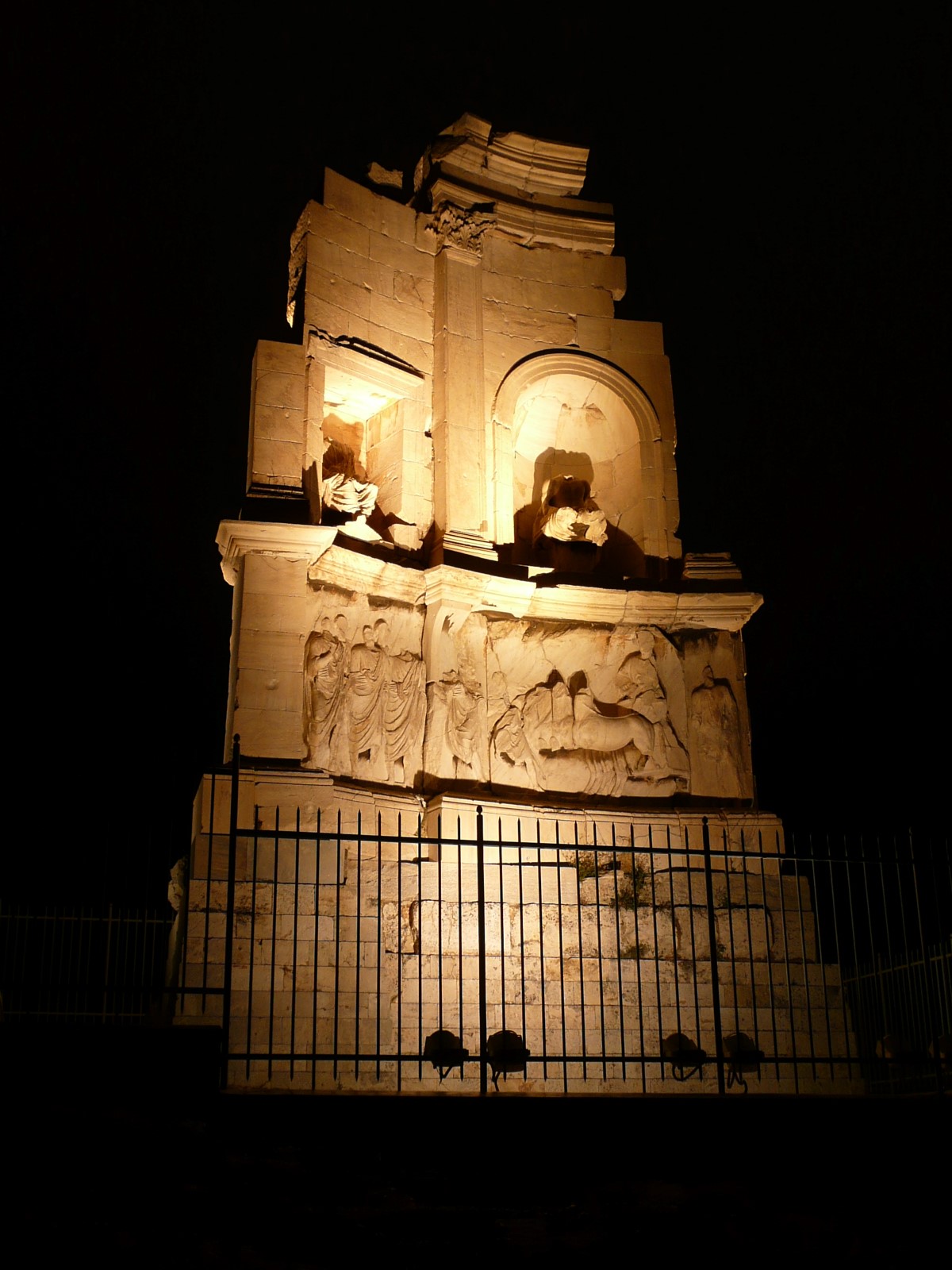
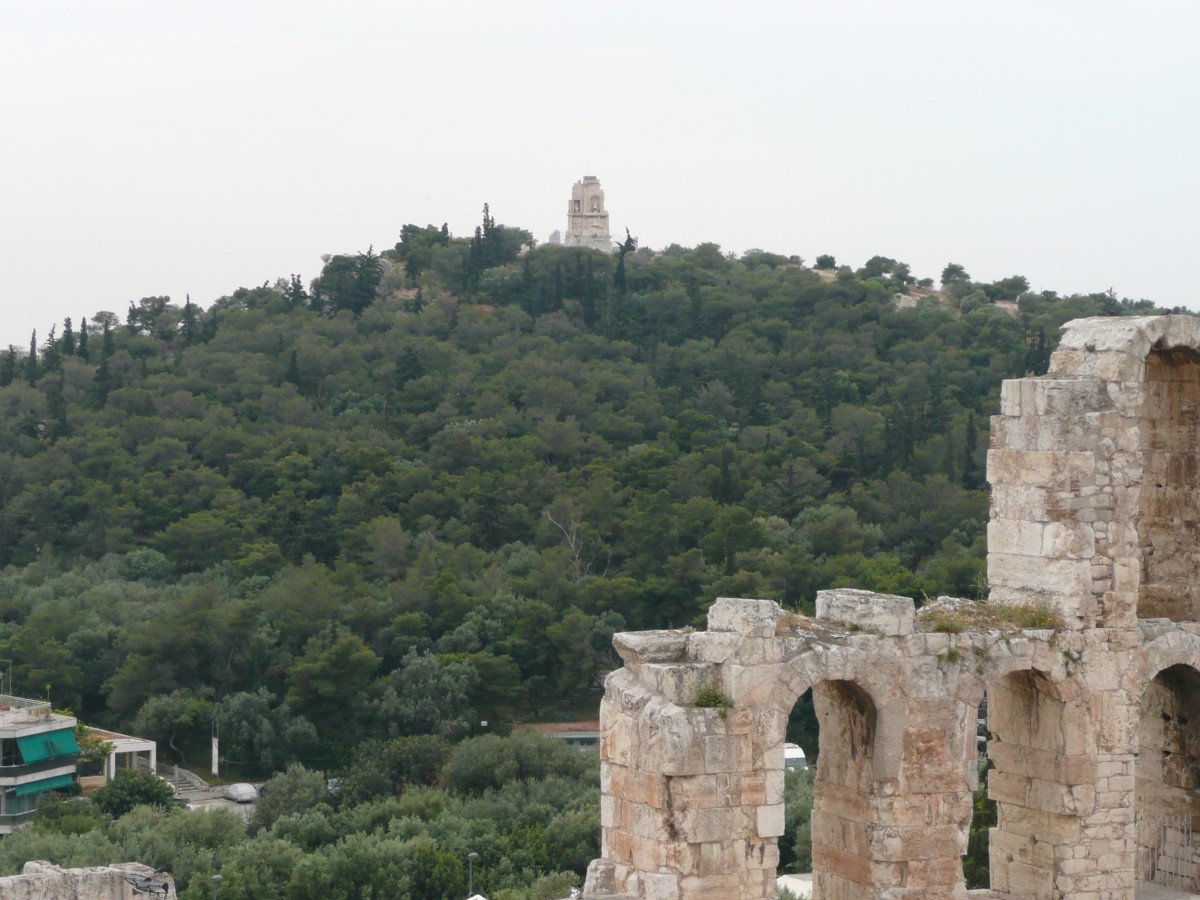
| Monument of Philopappus: At the top of the Philopappou hill (also: Museio Hill) is the monument of Philopappus, created in 114 CE to honor the exiled prince of Commagene, Julius Antiochus Philopappos. The grandson of the last king of Commagene (Philopapapus means Grandfather-Loving), a Syrian kingdom abolished by emperor Vespacianus in 72 CE, Philopappos became an Athenian citizen and great benefactor to the city. Inside the monument is Philopappos' burial chamber. | ||||
|
||||
|
|
||||
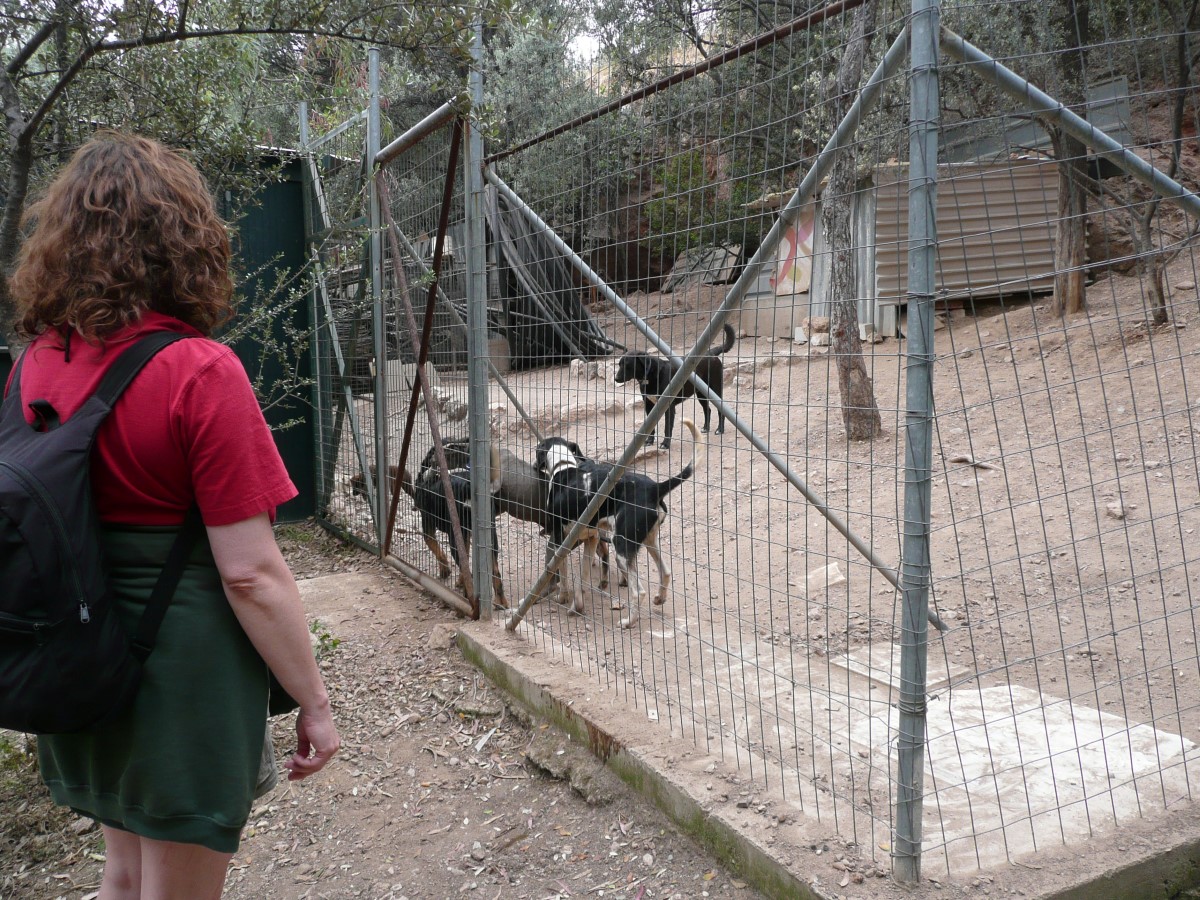
| Dogs: While walking up one of the trails to the top, we ran across this enclosure with several dogs. We don't know what it was, but it did not look like a good place for the animals to be. | ||||
|
||||
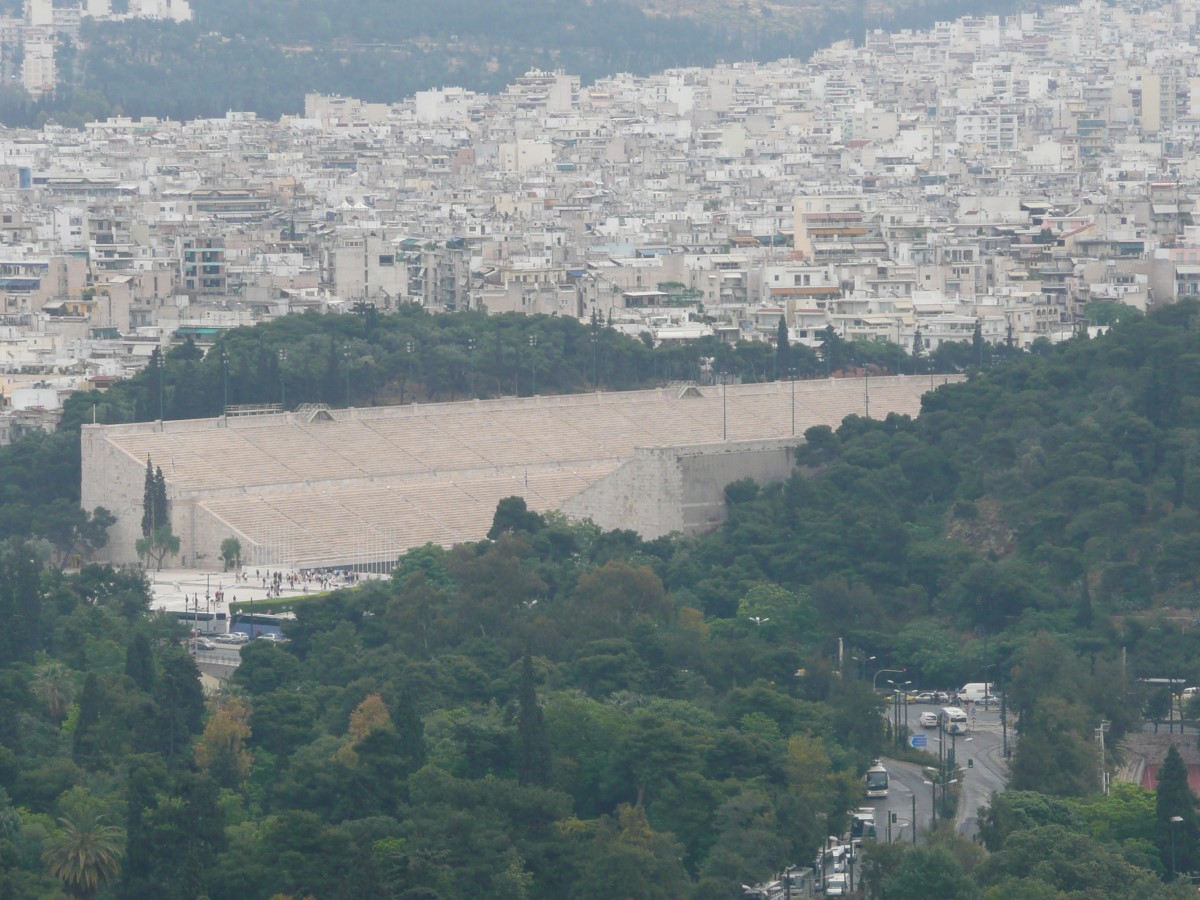
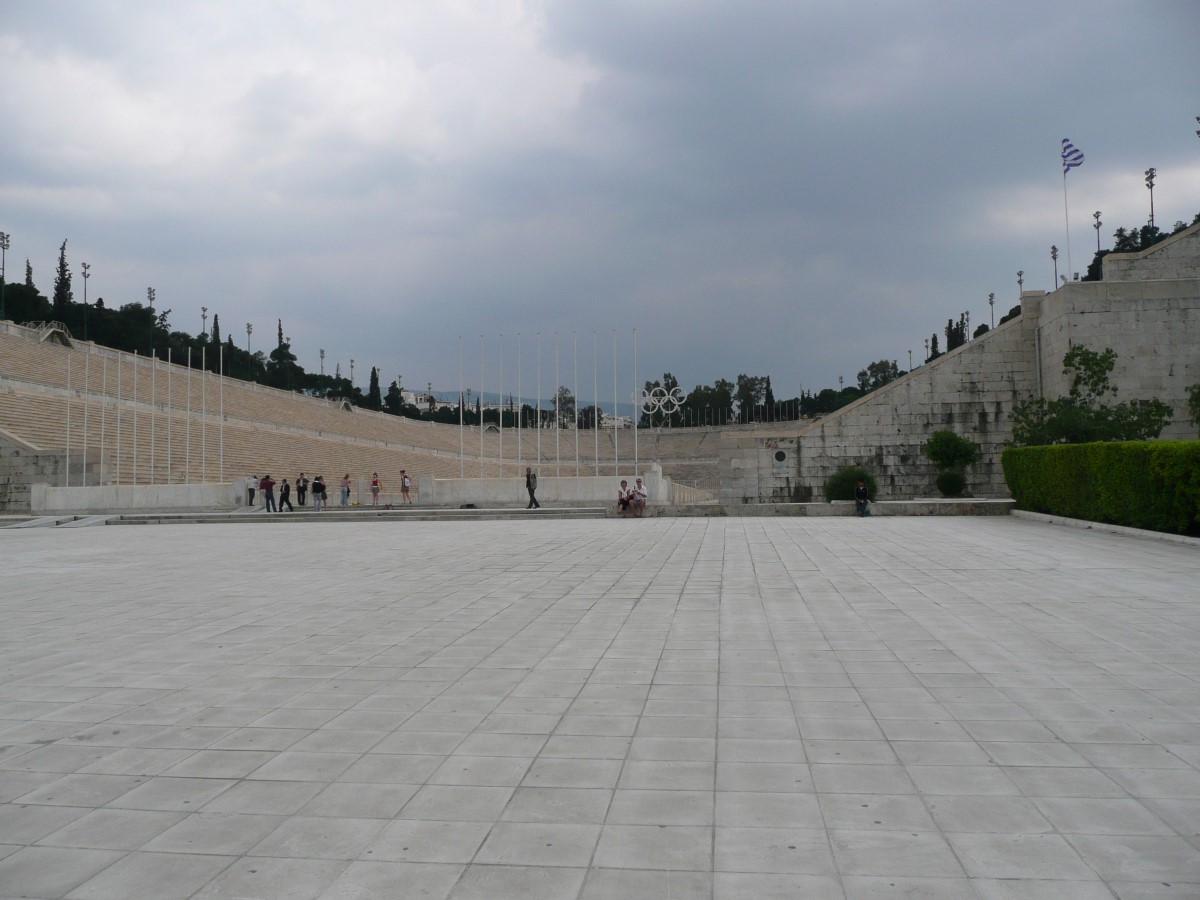
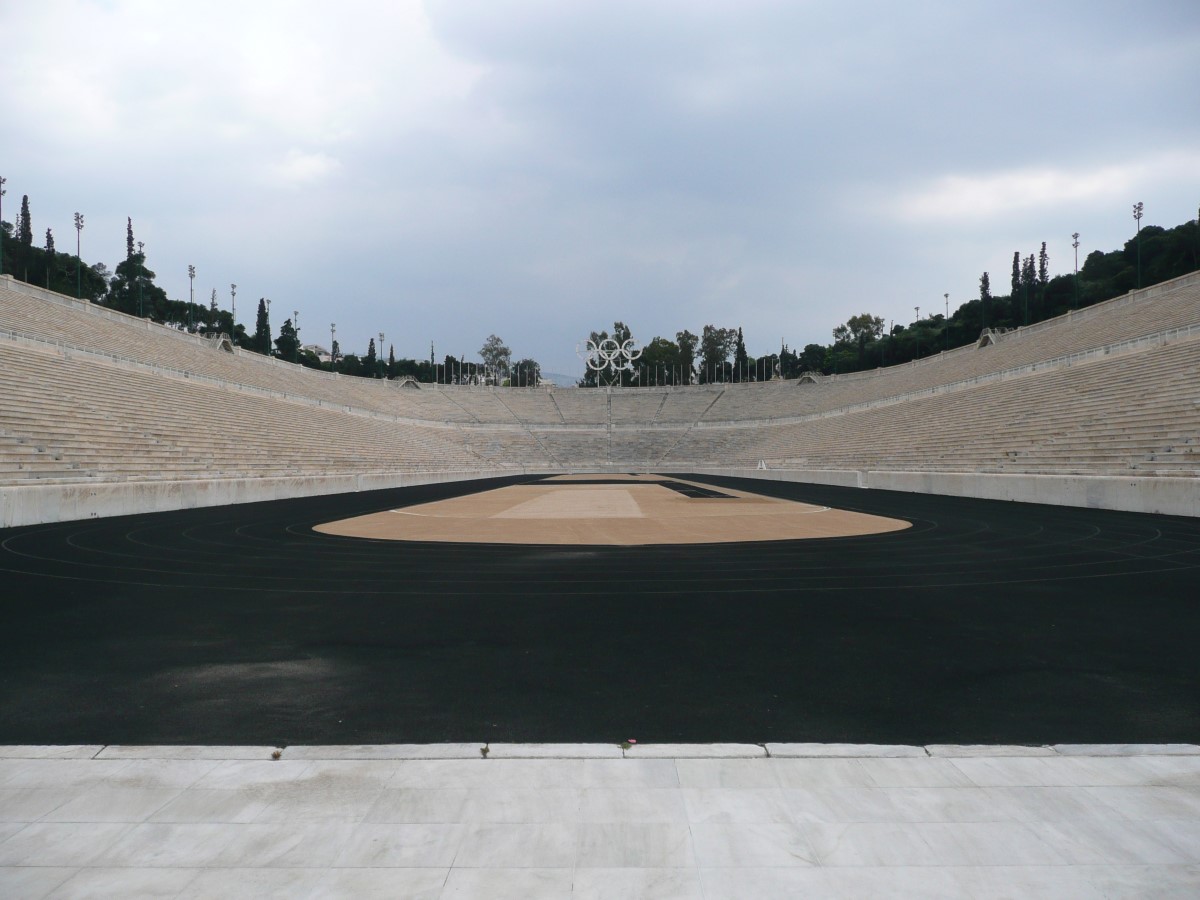
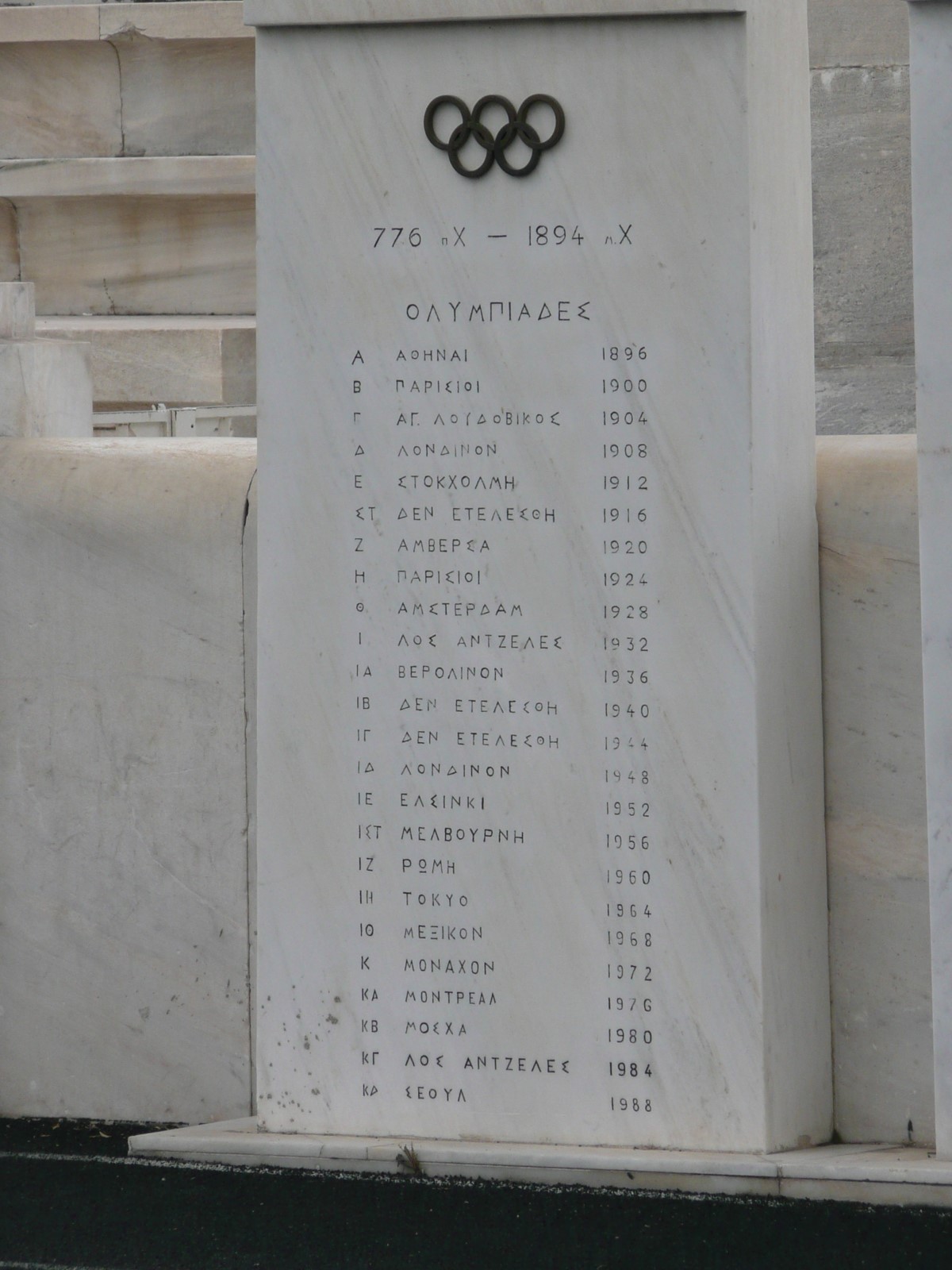
| Olympic Stadium | ||||
|
There is no other city in the world that can offer such an ancient, beautiful and striking Olympic stadium like the Kalimarmaro. The first modern Olympics took place here in 1896 and in this very same place the ancient Panathinae, which were one of the first sports events in history, used to take place more than 3000 years ago!!! This stadium is impressive both for its history and for its U- shape which seats more than 70,000 spectators on a surface completely covered in Pendelis white marble, the same used to build the Parthenon. |
||||
|
This photo was taken from the Acropolis
|
||||
| Temple of Zeus | ||||
|
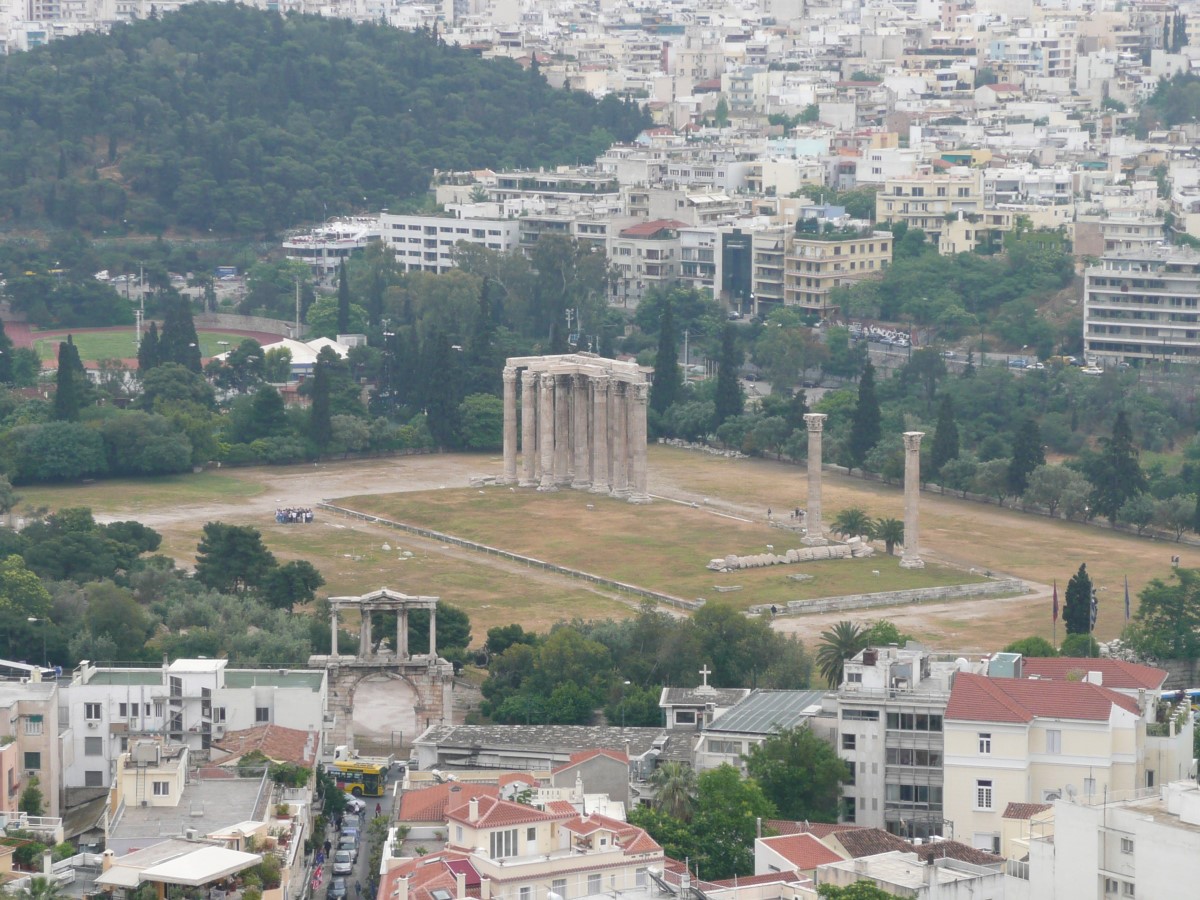
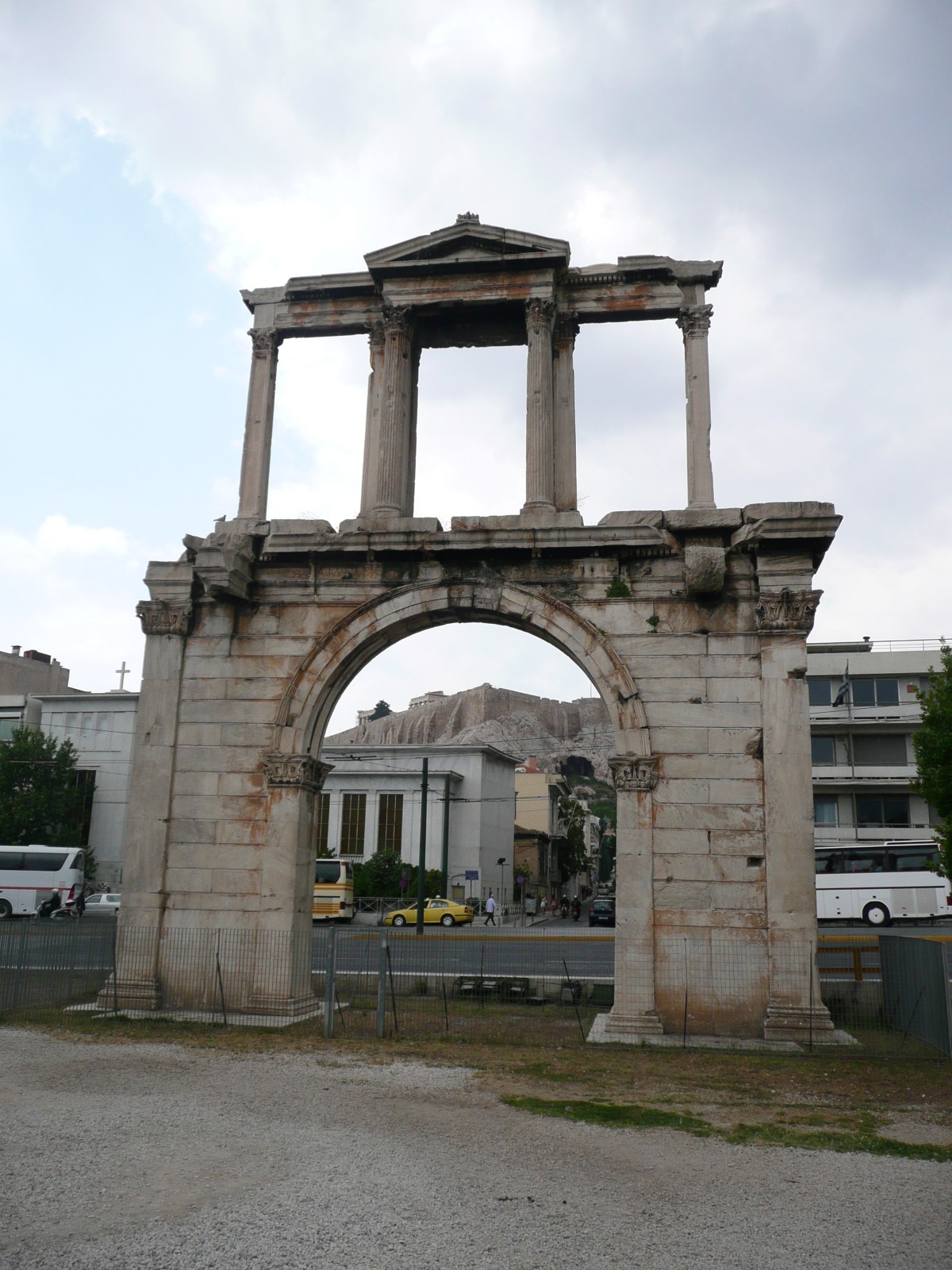
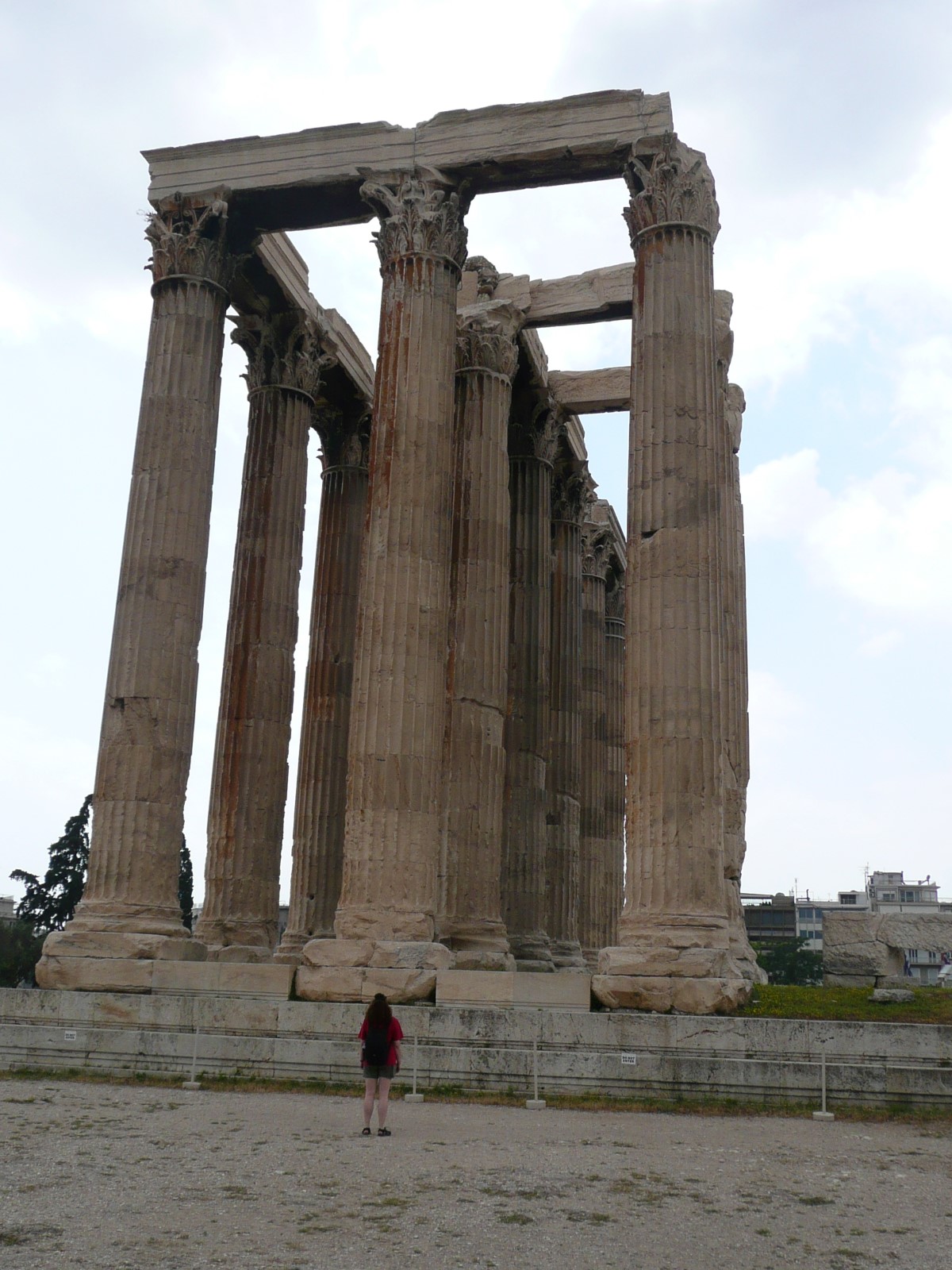
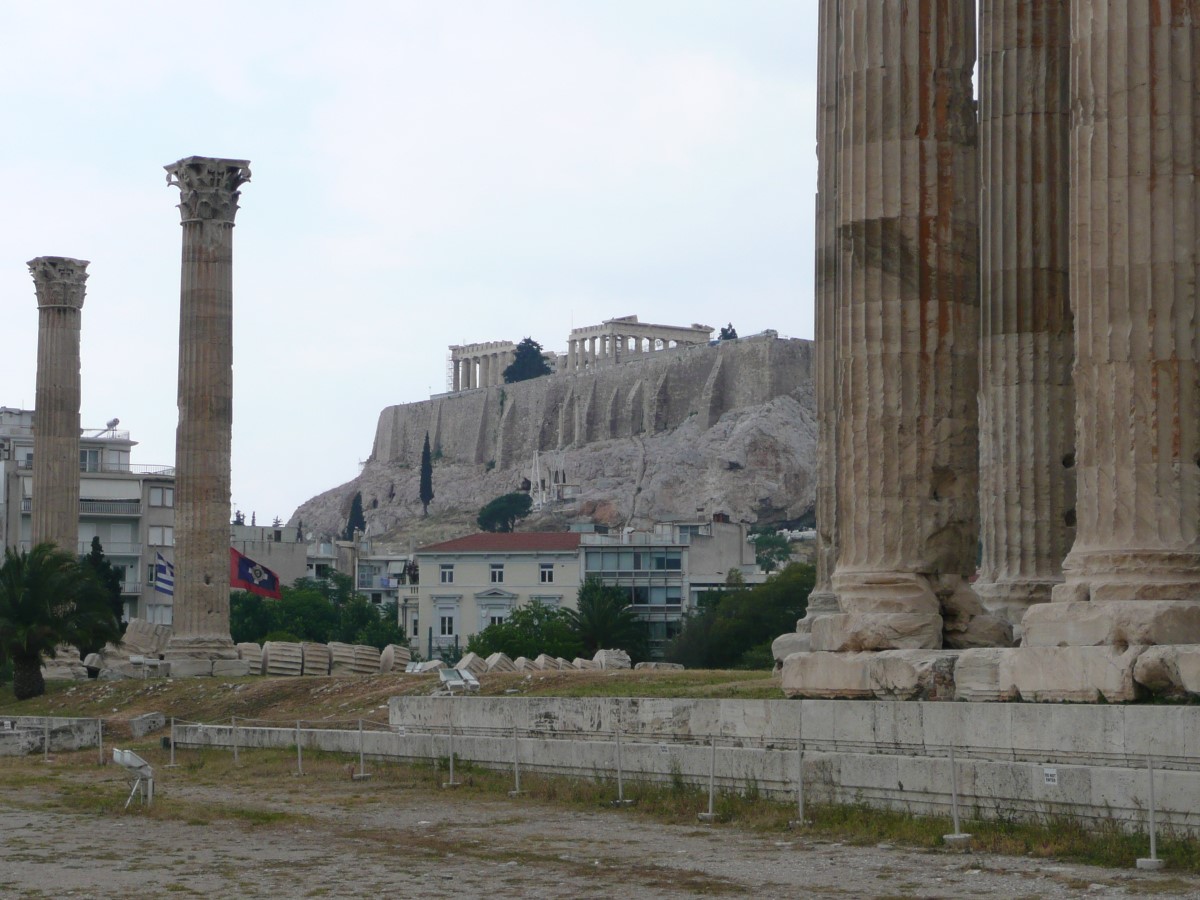
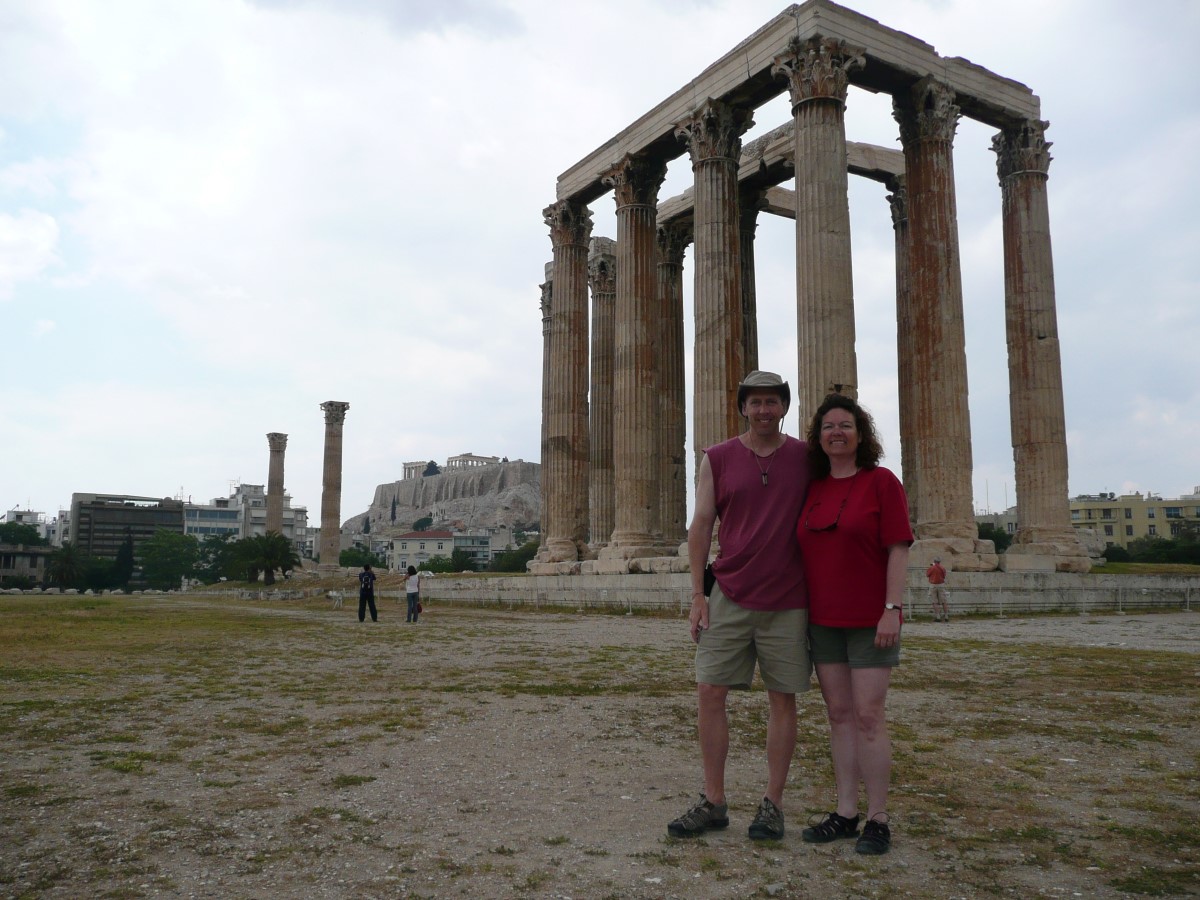
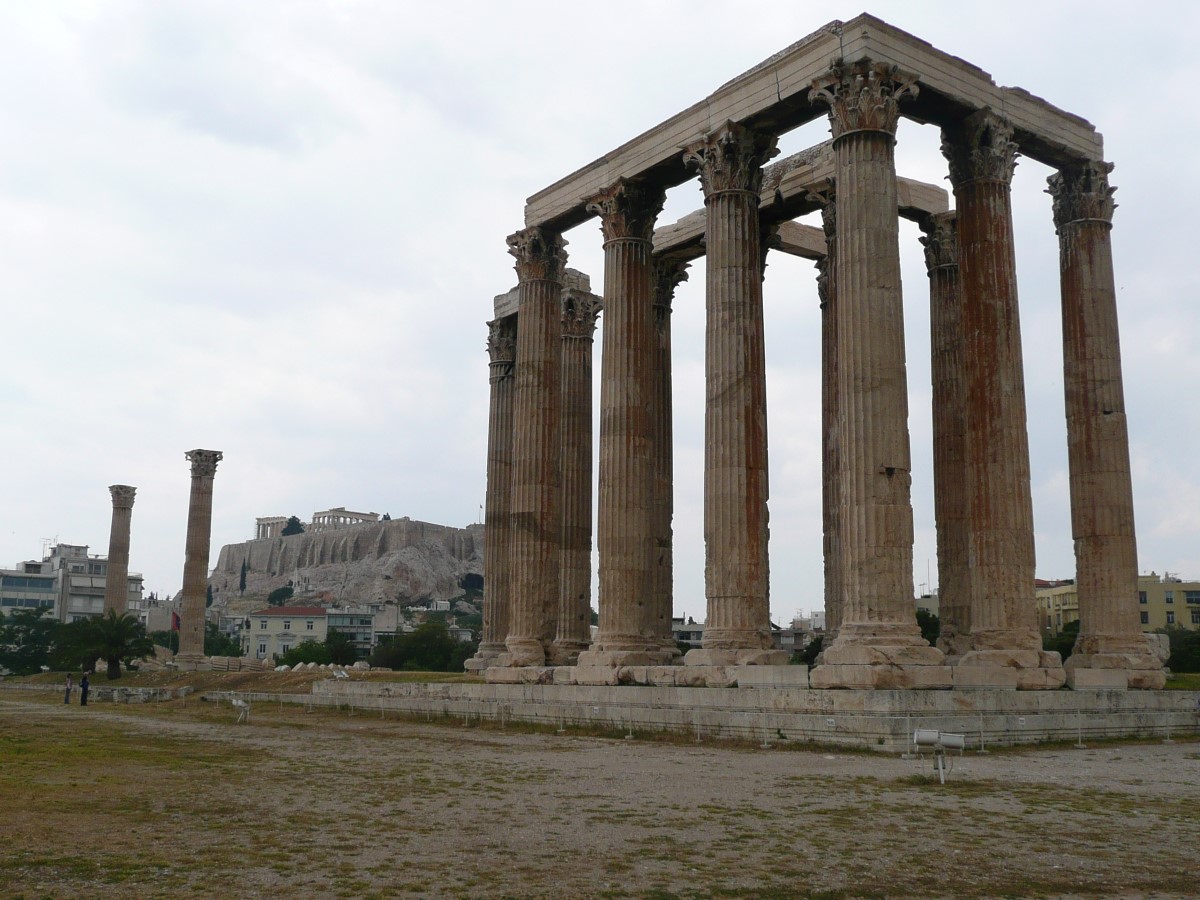
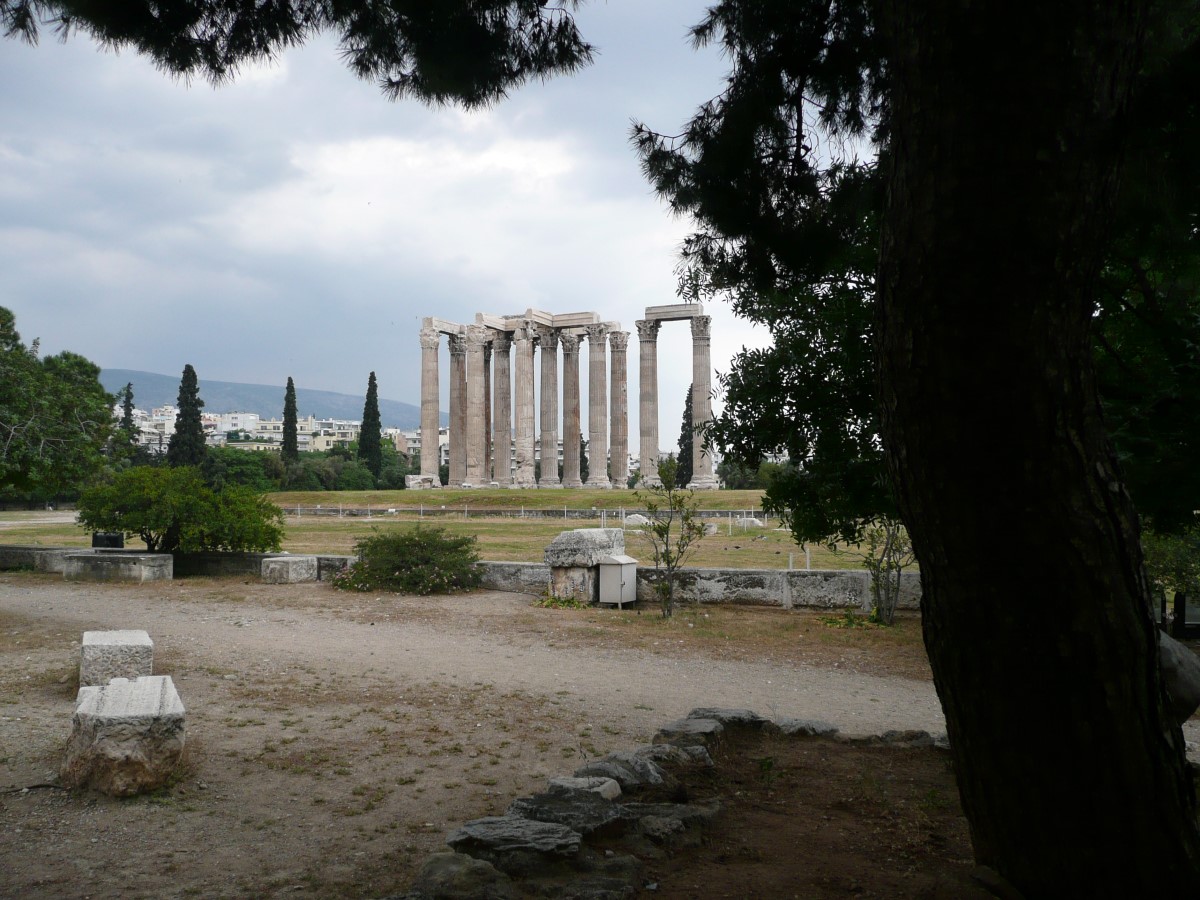
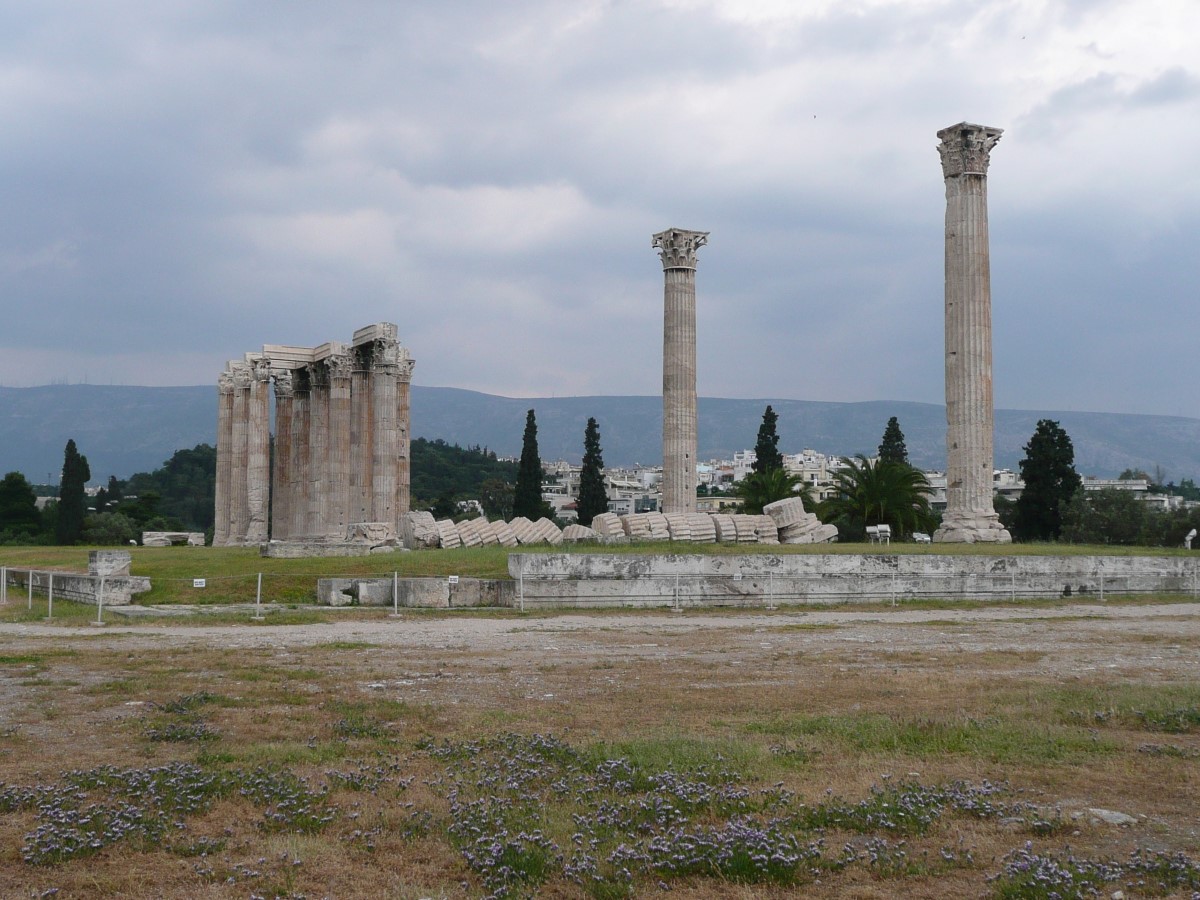
The building of the Temple of Olympian Zeus actually began in the 6th Century by Peisistratos but work was stopped either because of a lack of money or because Pisistratus's son, Hippias, was overthrown in 510 BC. The temple was not finished until the Emperor Hadrian completed in 131 AD, seven hundred years later. There were other attempts to continue the building. The Classical Greeks (487-379)left it unfinished because they believed it was too big and symbolized the arrogance of people who believed they were equal to the Gods. During the Third Century when the Macedonians ruled Athens work was begun again by Antiochus the IV of Syria who wanted to build the world's largest temple and hired the Roman architect Cossotius to complete the job, but this ended when Antiochus died. In 86 BC, during Roman rule the general Sulla took two columns from the unfinished temple to Rome for the Temple of Jupiter on the Capitoline Hill which influenced the development of the Corinthian style in Rome. Originally there were 104 Corinthian columns of which only 15 remain standing. One of the columns actually blew down in a storm in 1852. Hadrian had erected a giant gold and ivory status of Zeus inside the temple with an equally large one of himself next to it. Nothing remains of these statues. It is not known when the temple of Zeus was destroyed but it probably came down in an earthquake during the mediaeval period. Like other ancient buildings much of it was taken away for building materials. |
||||
|
This photo was taken from the Acropolis
Outer wall
|
||||
| Theater of Dionysos | ||||
|
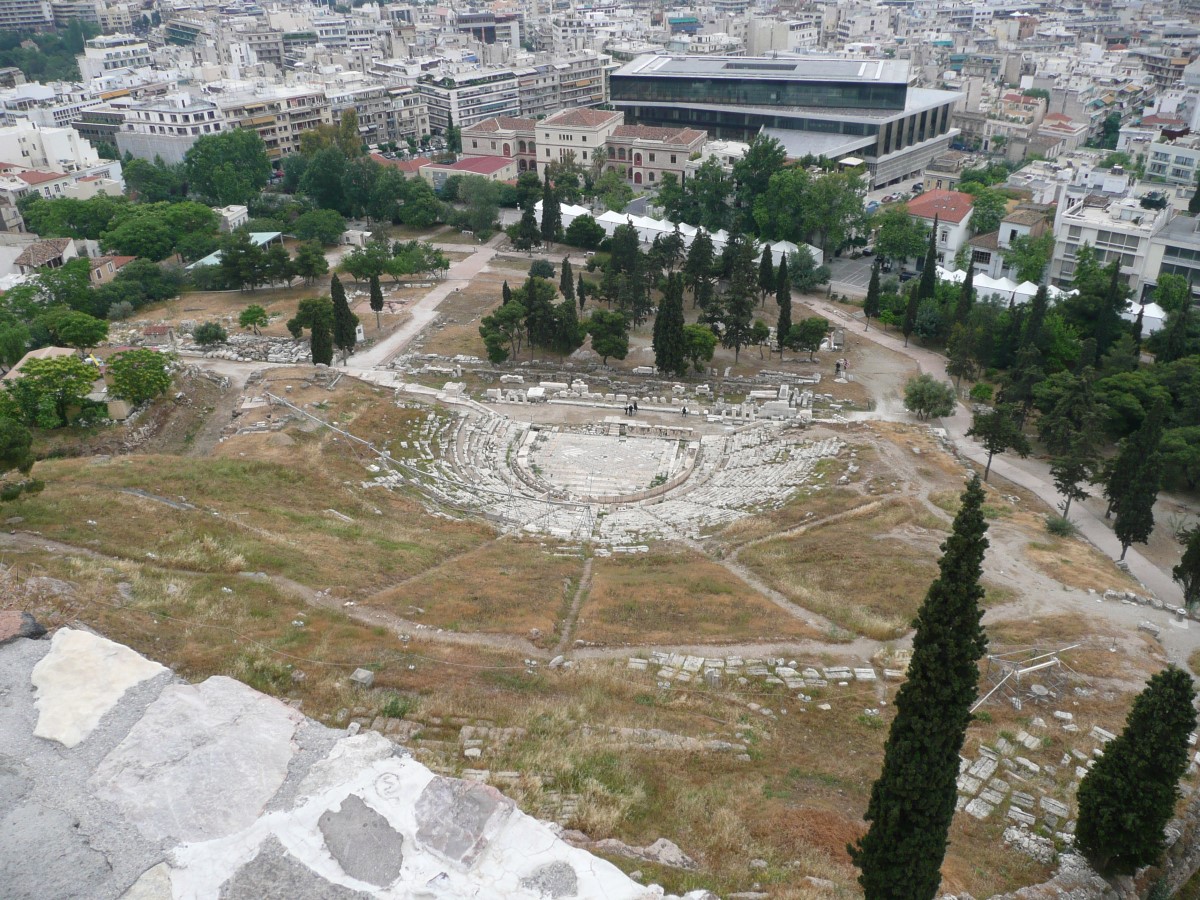
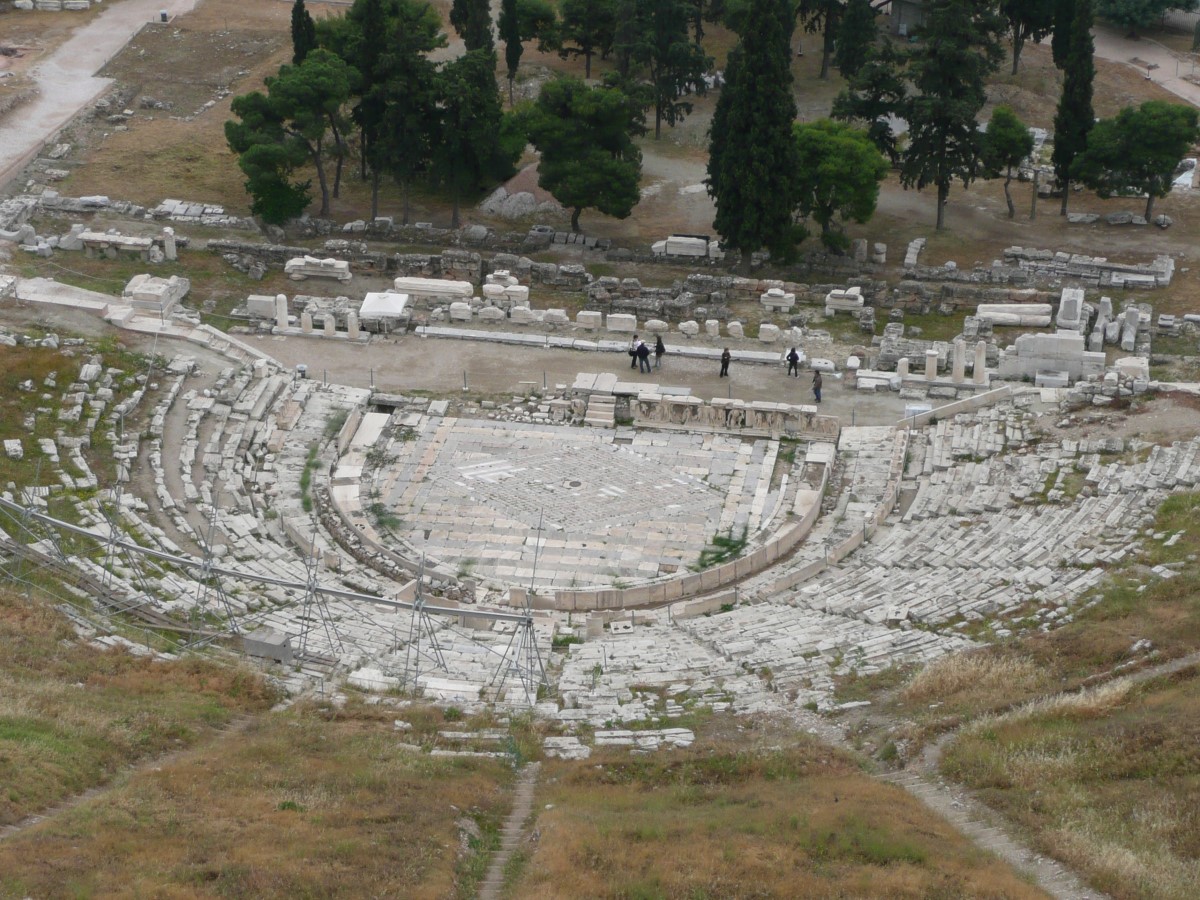
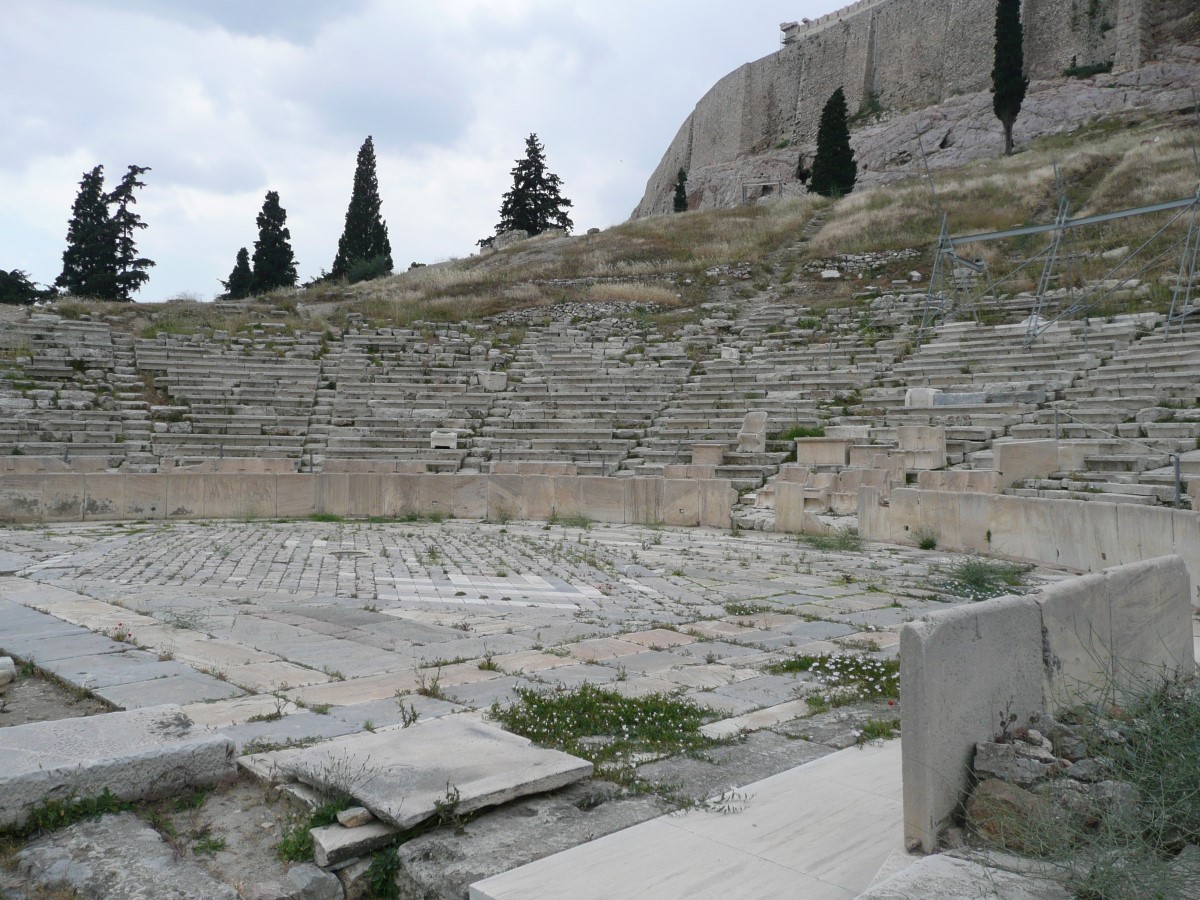
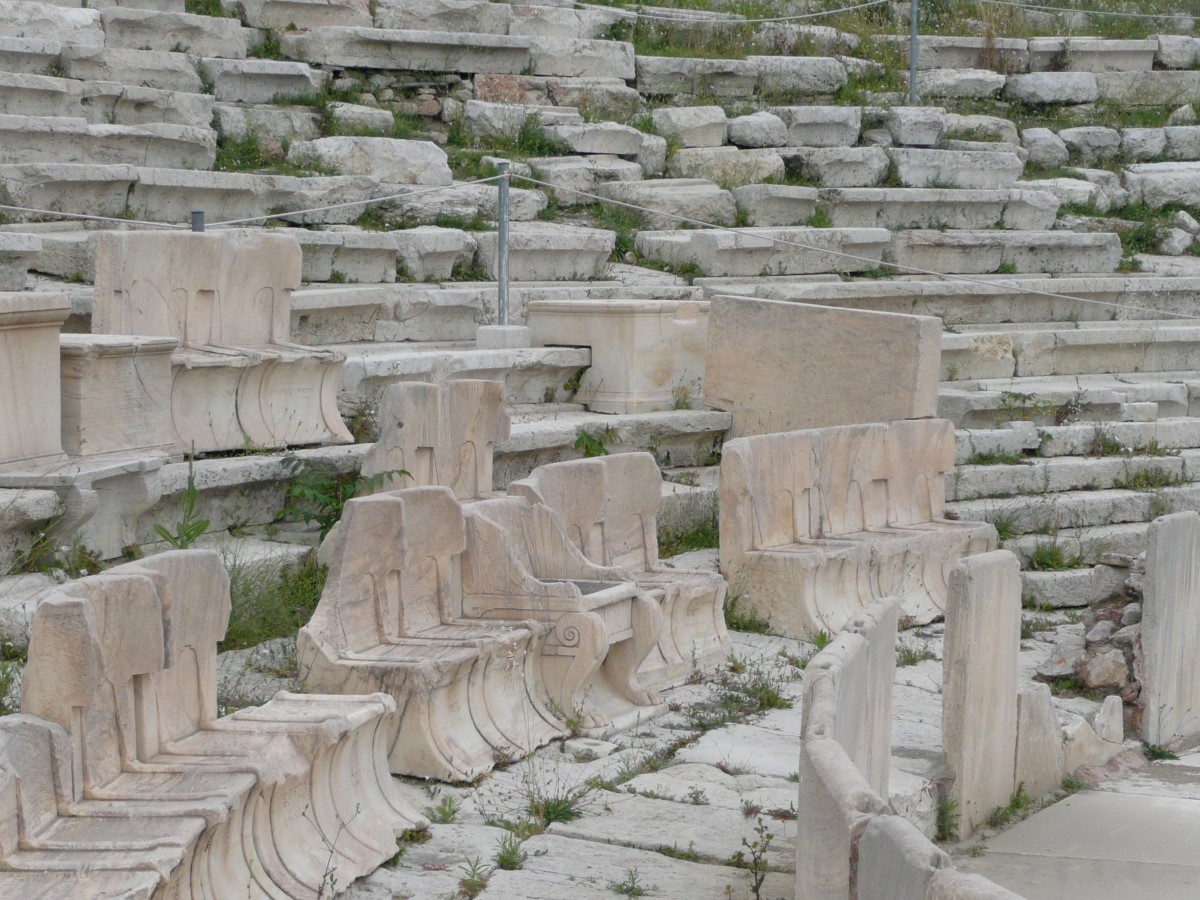
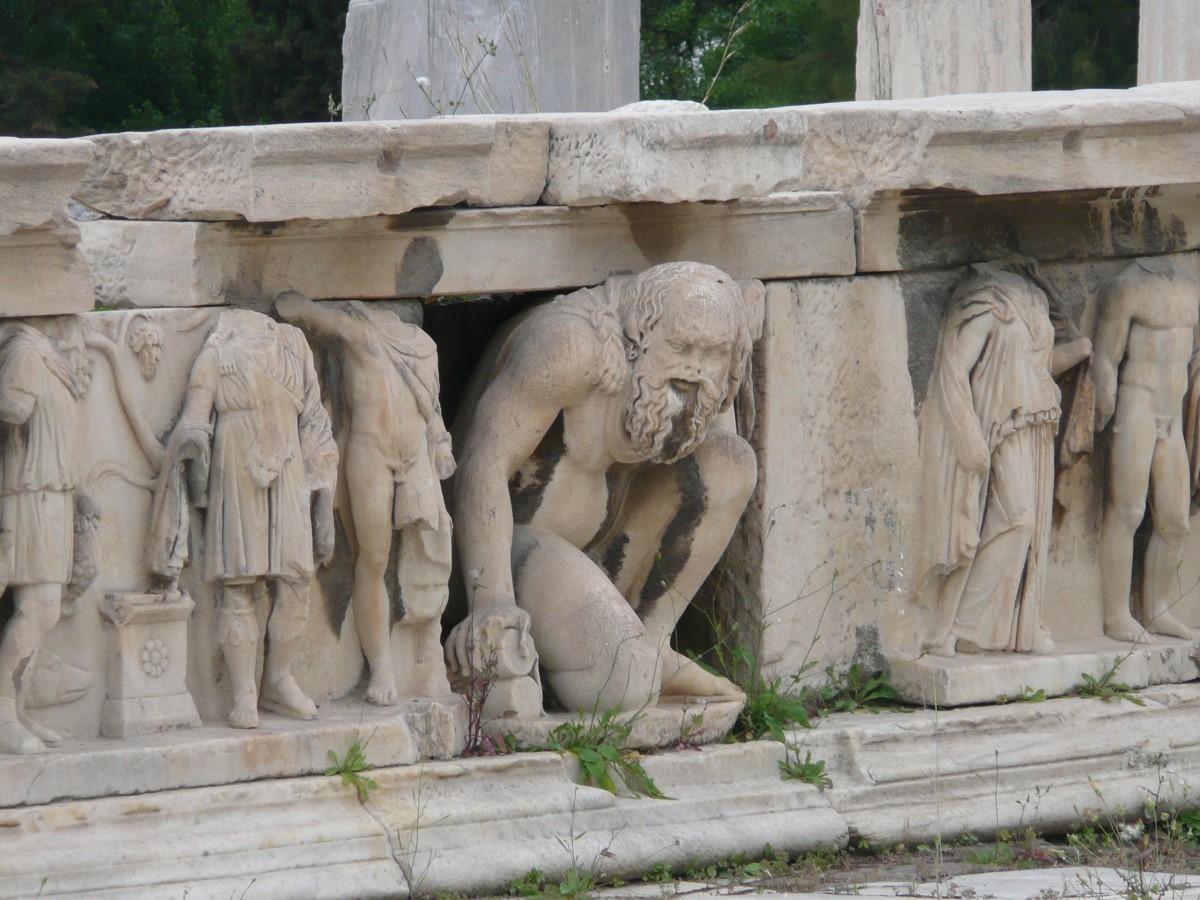
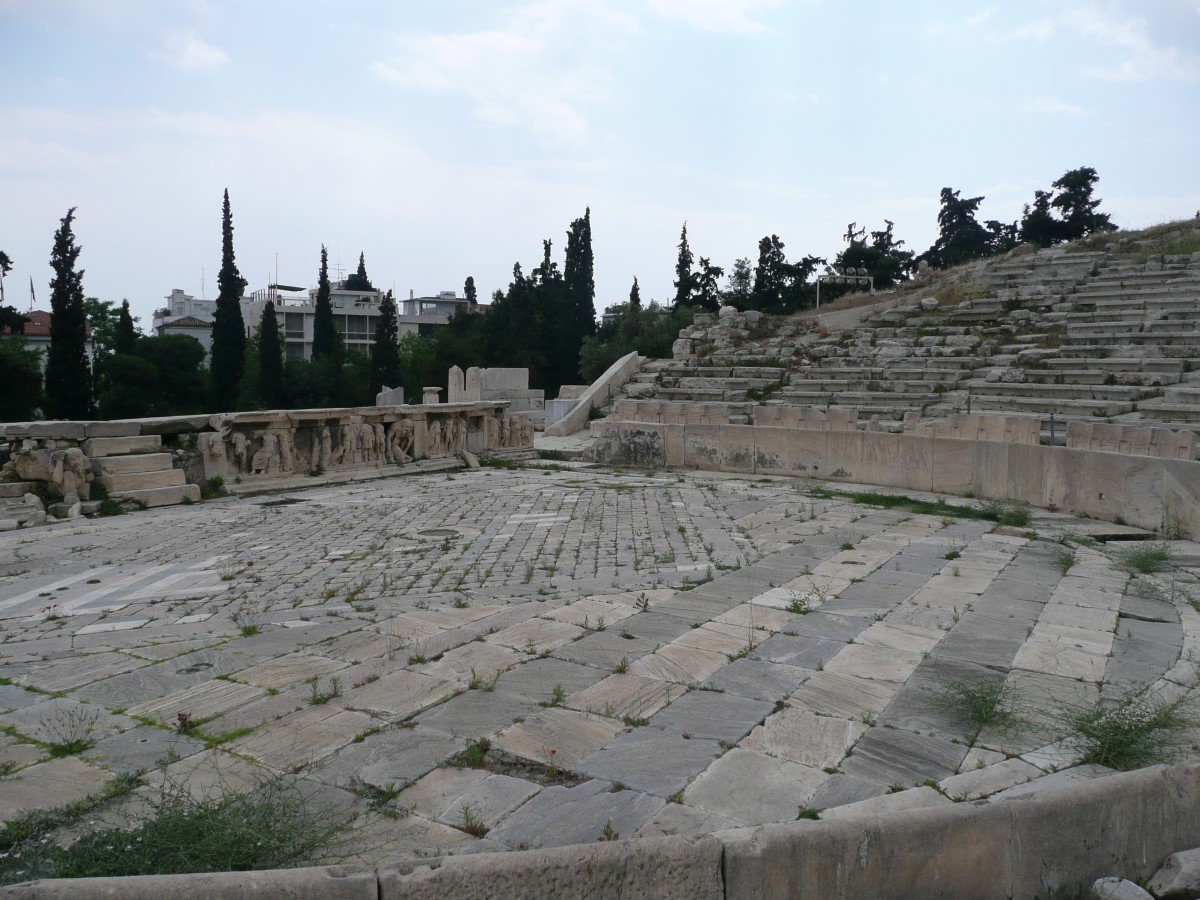
The Theatre of Dionysus was a major open air theatre in ancient Greece, built at the foot of the Athenian Acropolis and forming part of the temenos of "Dionysus Eleuthereus". Dedicated to Dionysus, the god of plays and wine (among other things), the theatre could seat as many as 17,000 people, making it an ideal location for ancient Athens' biggest theatrical celebration, the Dionysia. It became the prototype for all theatres of ancient Greece. It was the first stone theatre ever built — cut into the southern cliff face of the Acropolis — and the birthplace of Greek tragedy. The remains of a restored and redesigned Roman version can still be seen at the site today. In the mid 4th century BC, racked stone tiers were constructed (where wooden benches probably resided before) in order to allow more seating. After this the theatre fell into disuse and little is recorded until 61AD where there is evidence of major renovations done by the emperor Nero. |
||||
|
These two photos were taken from the Acropolis
|
||||