 Greece:
The Island of Delos
Greece:
The Island of Delos Greece:
The Island of Delos
|
|||
|
<<< Previous Page Next Page >>> |
|||
|
|||
|
|
|||
|
According to Greek mythology, Delos was the birthplace of Artemis and Apollo. Their mother, Leto, was banished from the earth by the jealous Hera, wife of Zeus, but Poseidon took pity on her and provided Delos as a place for her to rest and give birth. By 1000 BC the Ionians, who inhabited the Cyclades, had made Delos their religious capital. A difficult period began for the Delians when Athens rose to power and assumed Ionian leadership. In 543 BC an oracle at Delphi conveniently decreed that the Athenians purify the island by removing all the graves to Rhenea, a dictate designed to alienate the Delians from their past. After the defeat of the Persians in 478 BC, the Athenians organized the Delian League, with its treasury and headquarters at Delos (in 454 BC the funds were transferred to the Acropolis in Athens). Delos had its most prosperous period in late Hellenistic and Roman times, when it was declared a free port and quickly became the financial center of the Mediterranean, the focal point of trade, where 10,000 slaves were sold daily. Foreigners from as far as Rome, Syria, and Egypt lived in this cosmopolitan port, in complete tolerance of one another's religious beliefs, and each group built its various shrines. But in 88 BC Mithridates, the king of Pontus, in a revolt against Roman rule, ordered an attack on the unfortified island. The entire population of 20,000 was killed or sold into slavery. Delos never fully recovered, and later Roman attempts to revive the island failed because of pirate raids. After 70 BC Delos was gradually abandoned. In 1872, the French School of Archaeology began excavating on Delos - a massive project, considering that much of the island's 4 square km (1½ square mi) is covered in ruins. The work continues today. |
|||
|
|
|||
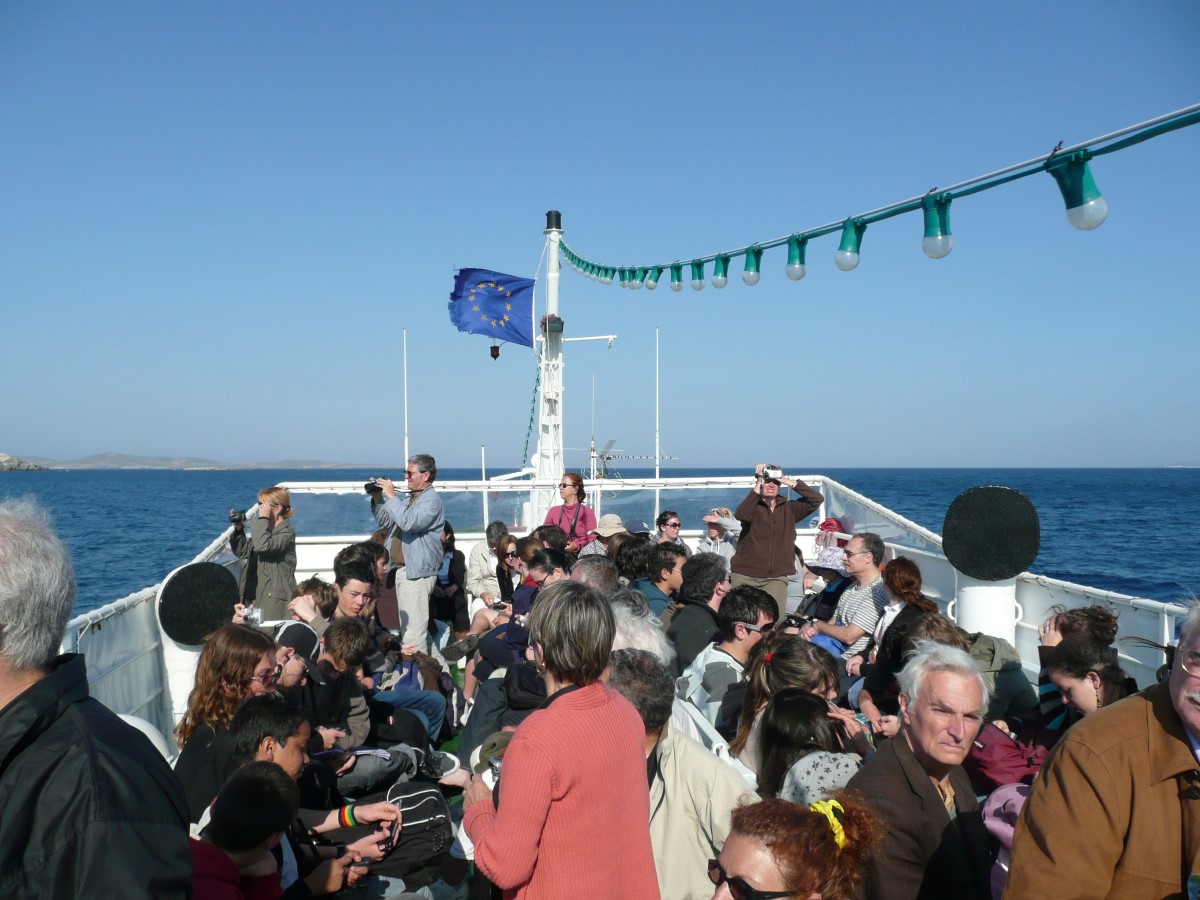
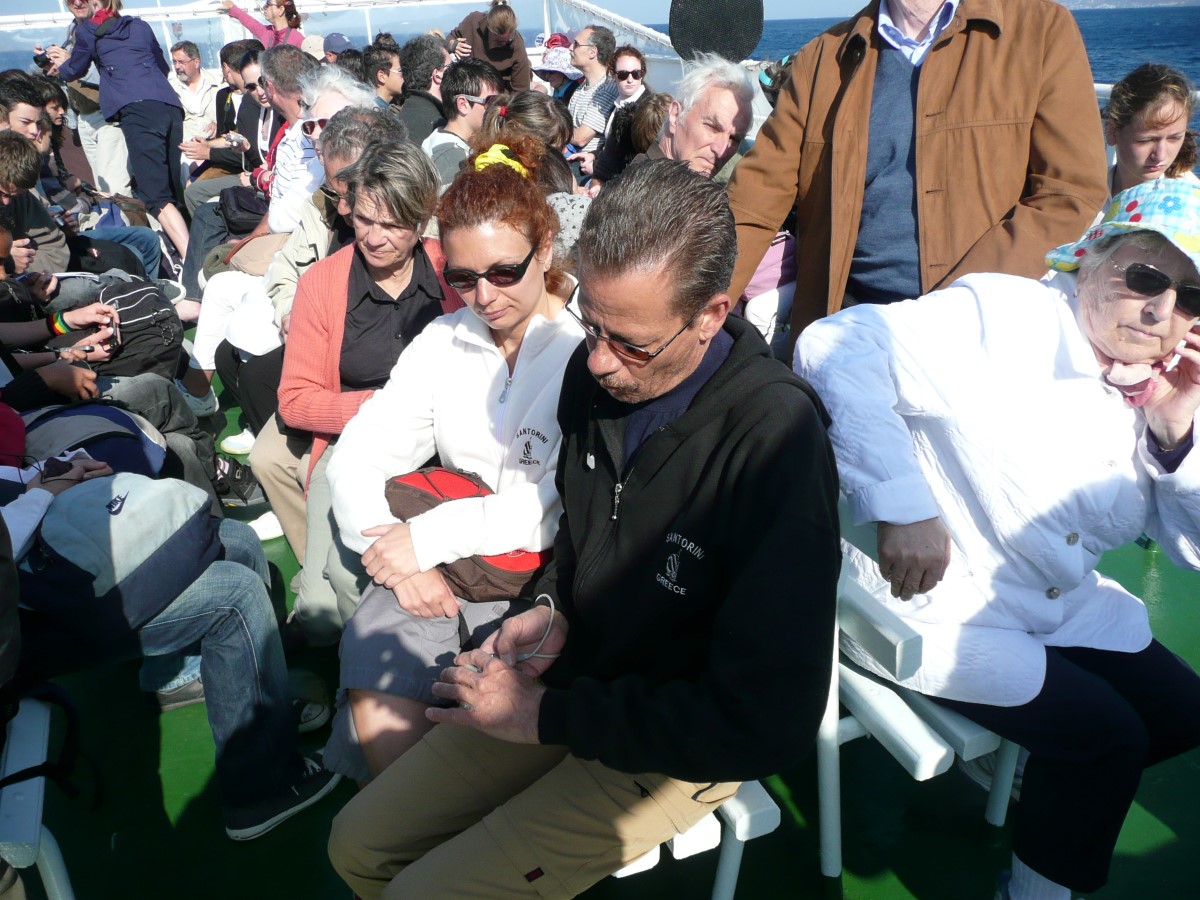
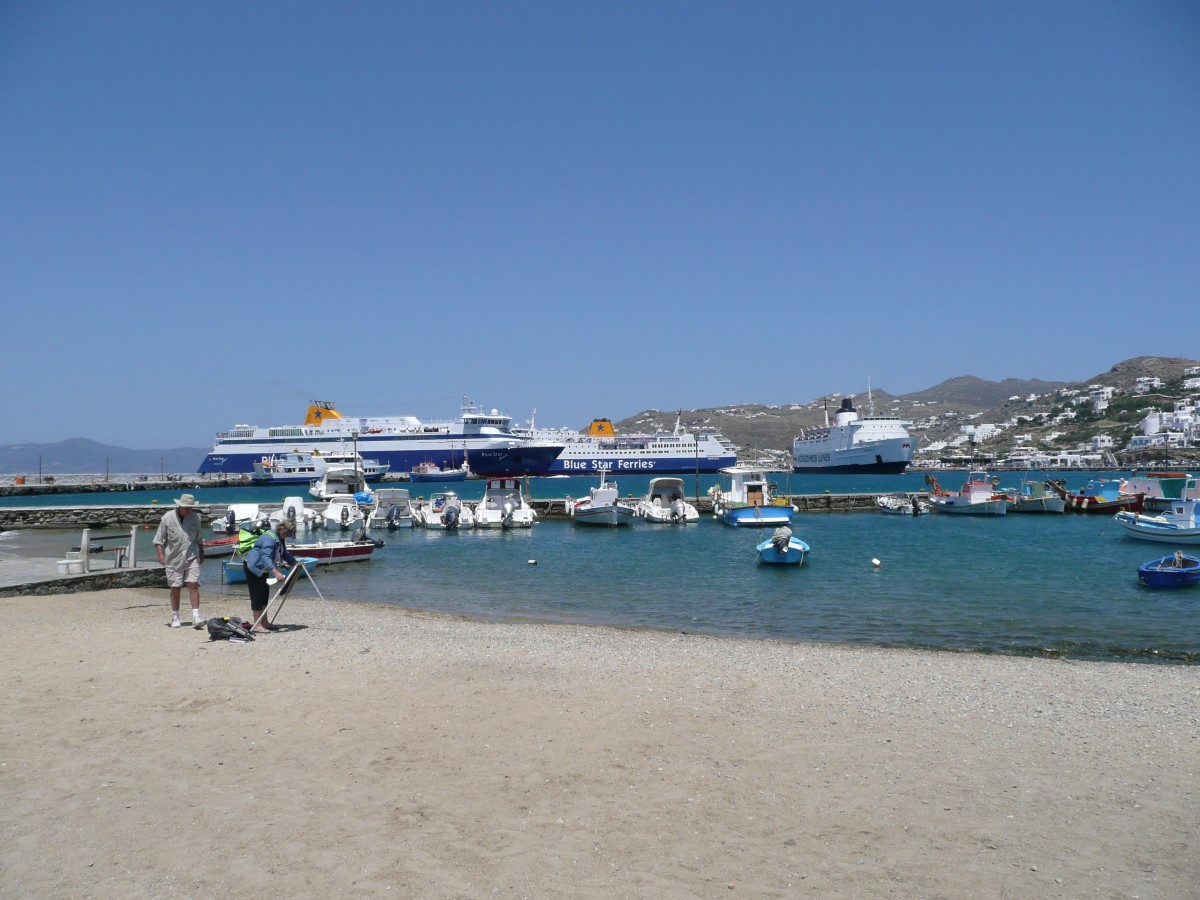
| Boat Trip: We took a 30 minute boat from Mykonos to Delos in the morning. We spend a few hours touring the ruins before returning to Mykonos to catch our ferry back to Athens. | |||
|
|||
|
|
|||
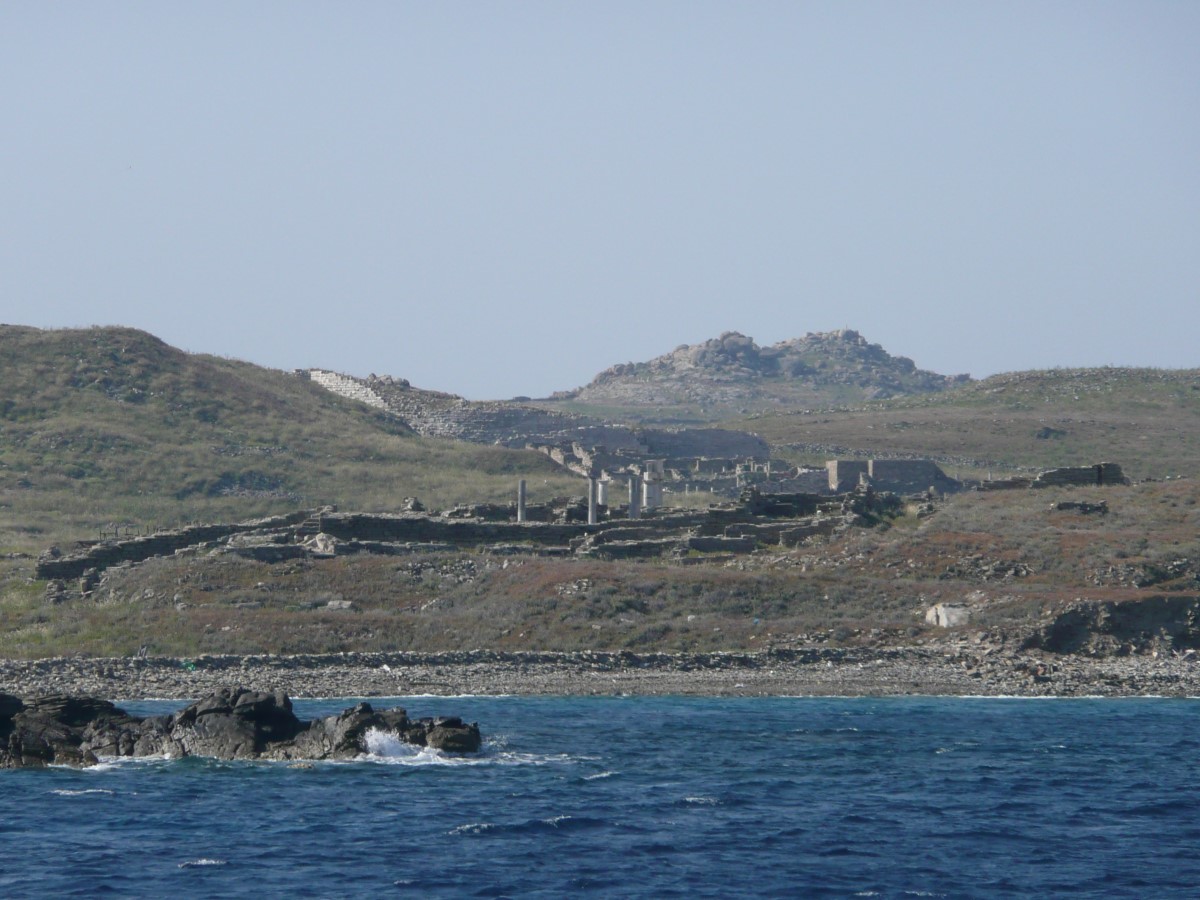
| Island: View of the island from the boat. | |||
|
|||
|
|
|||
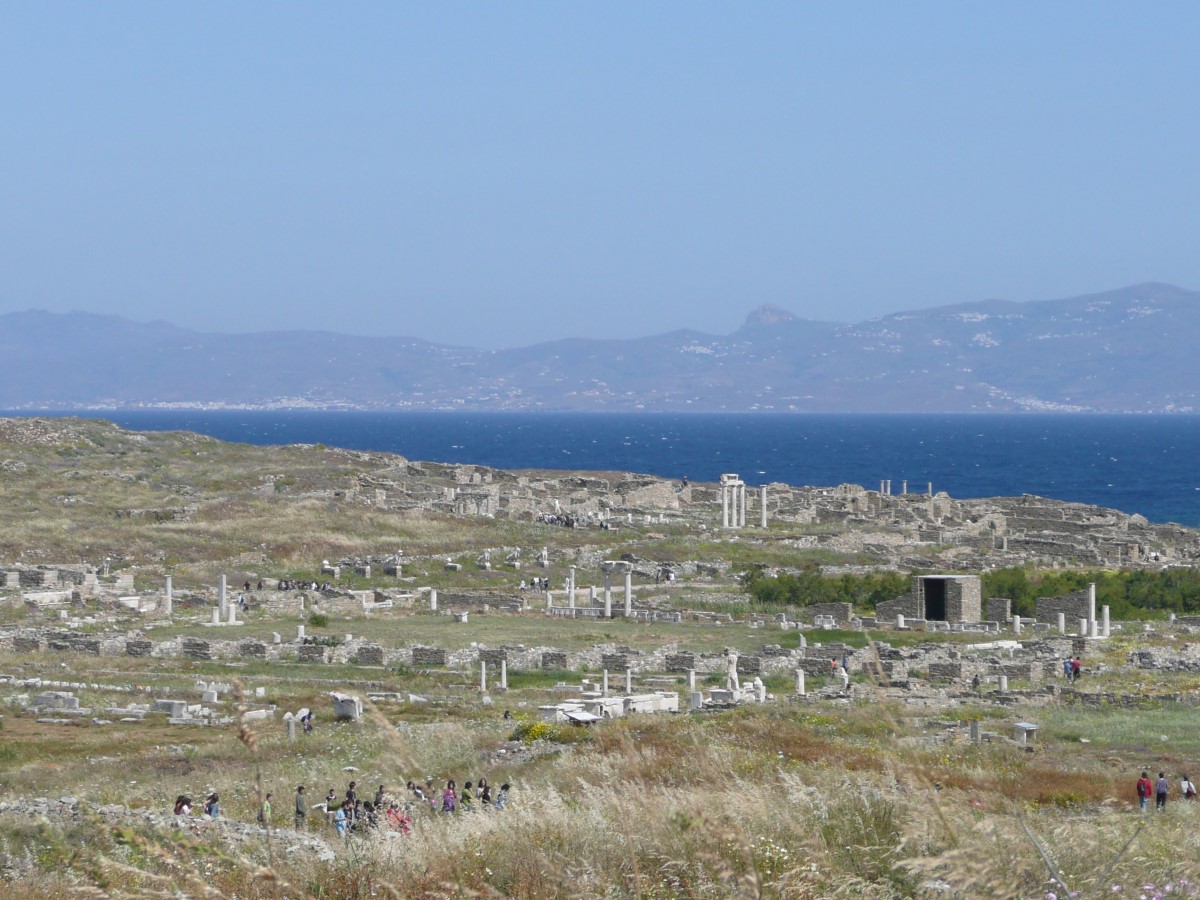
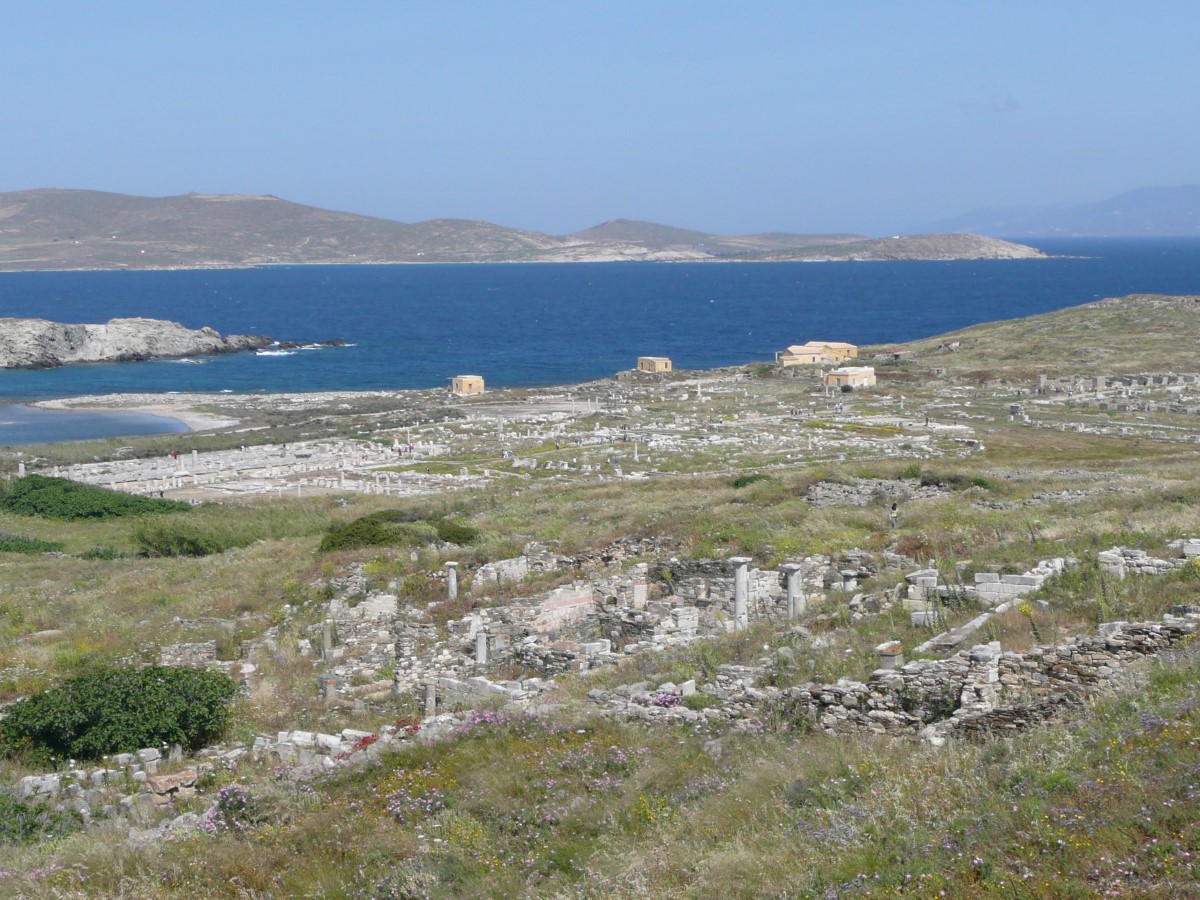
| Views: Views of the island. | |||
|
|||
|
|
|||
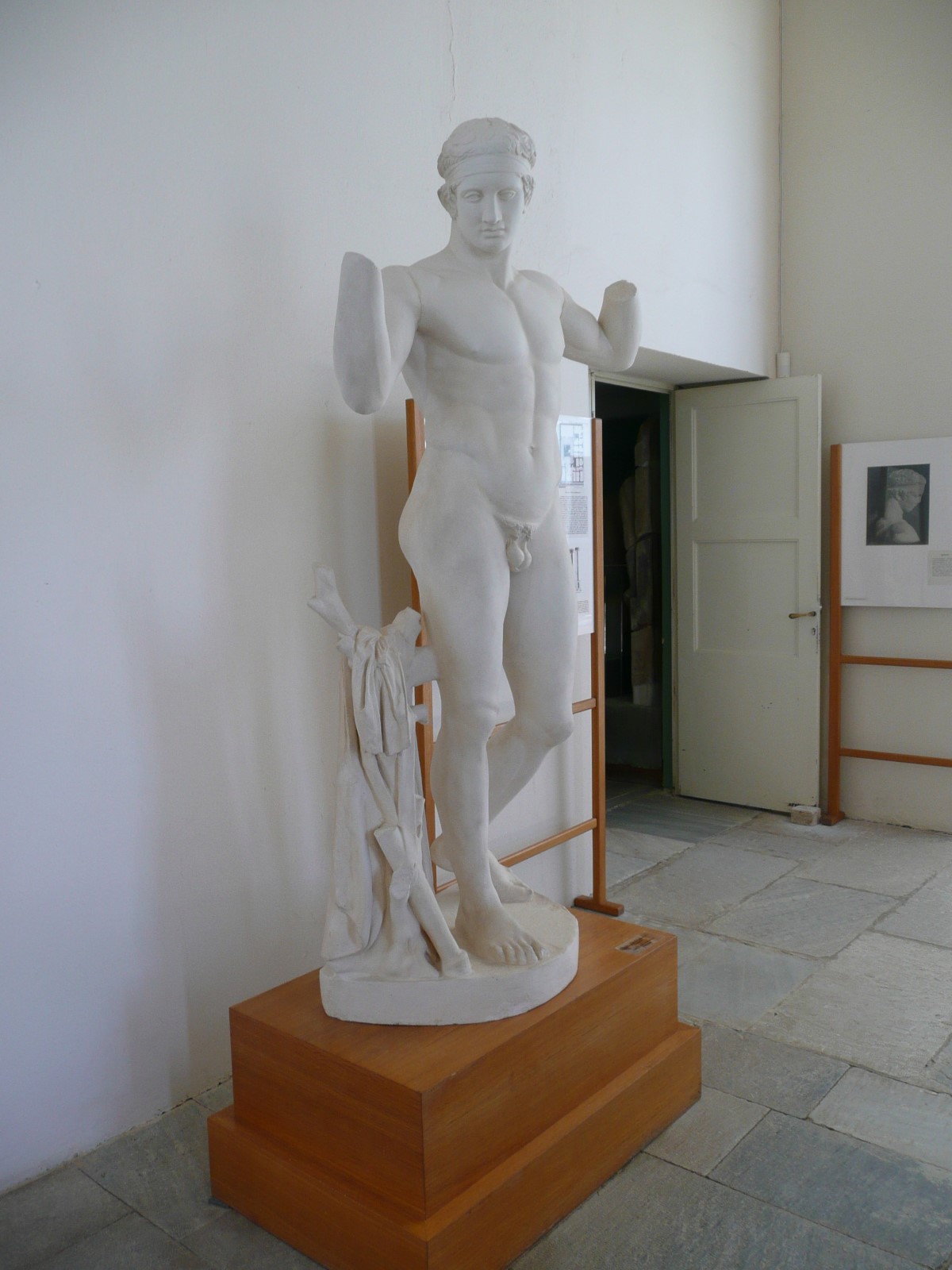
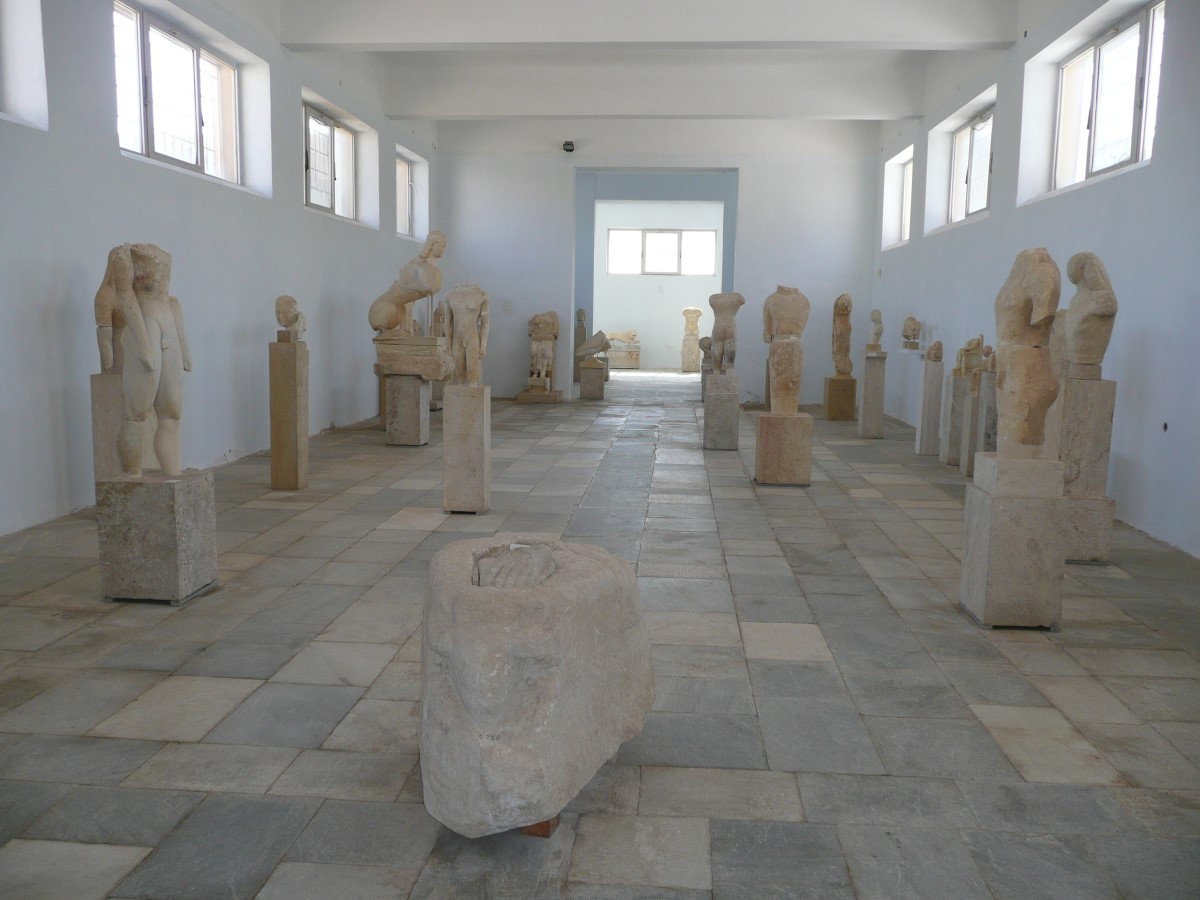
| Museum: For some reason the museum was closed when we where there but the door was open and we walked in just to have a peak. We had a few minutes to walk around and see the place before we had to leave. These photos show pretty much the entire museum. | |||
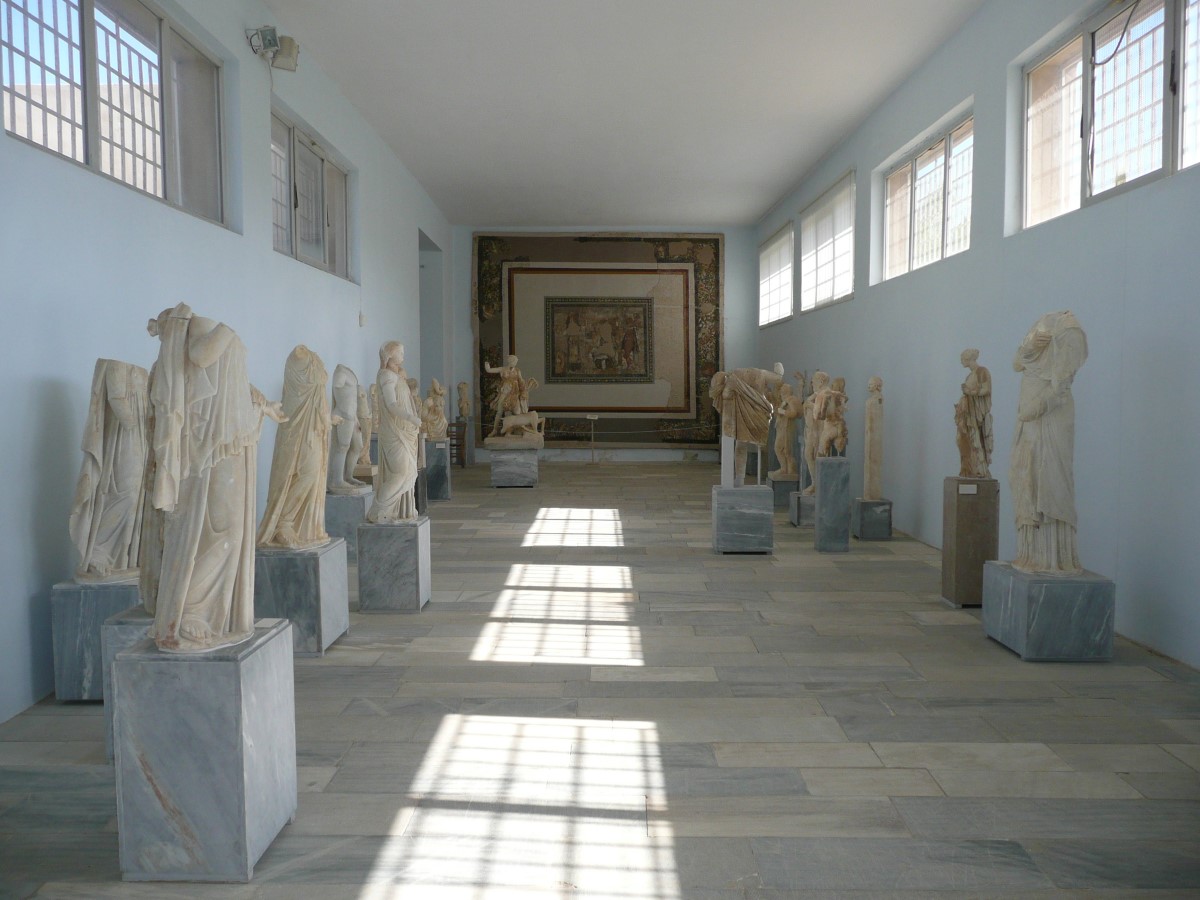
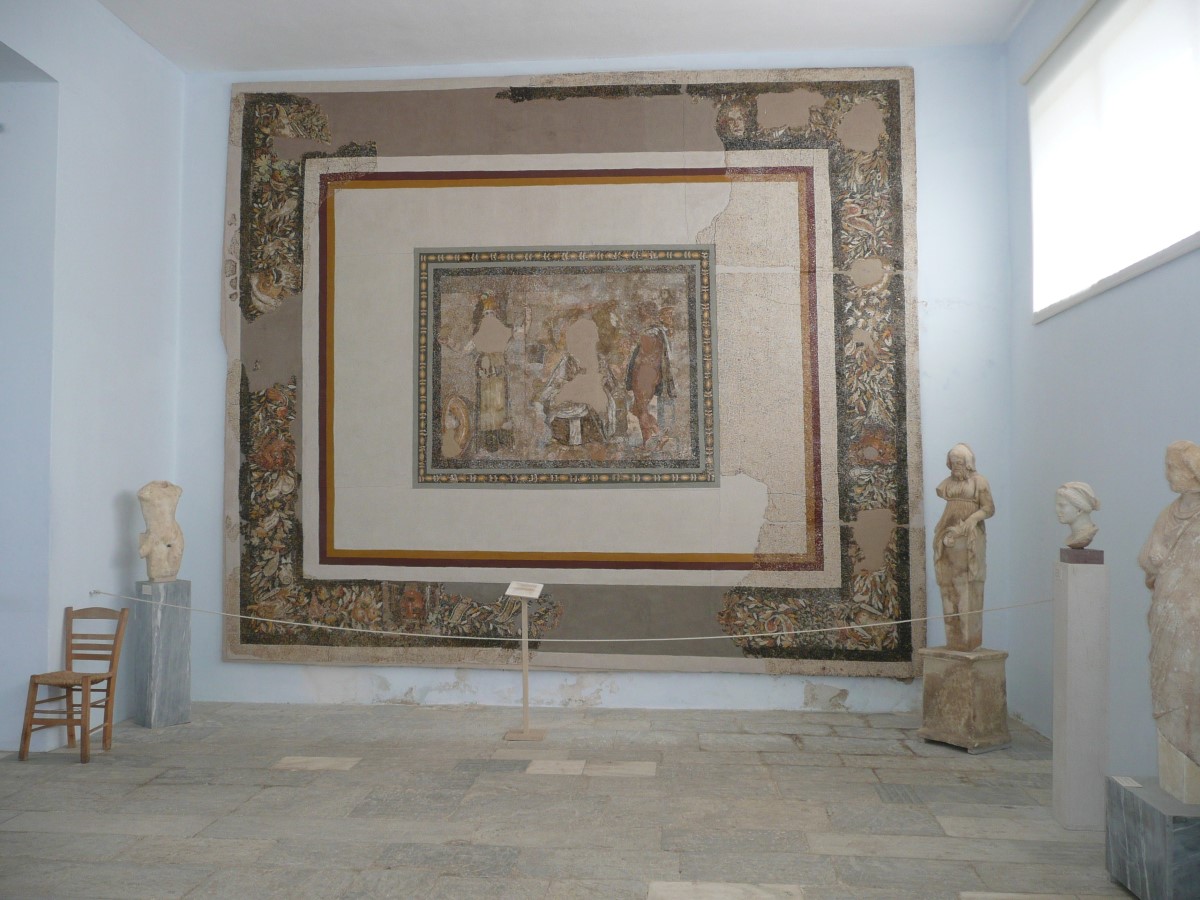

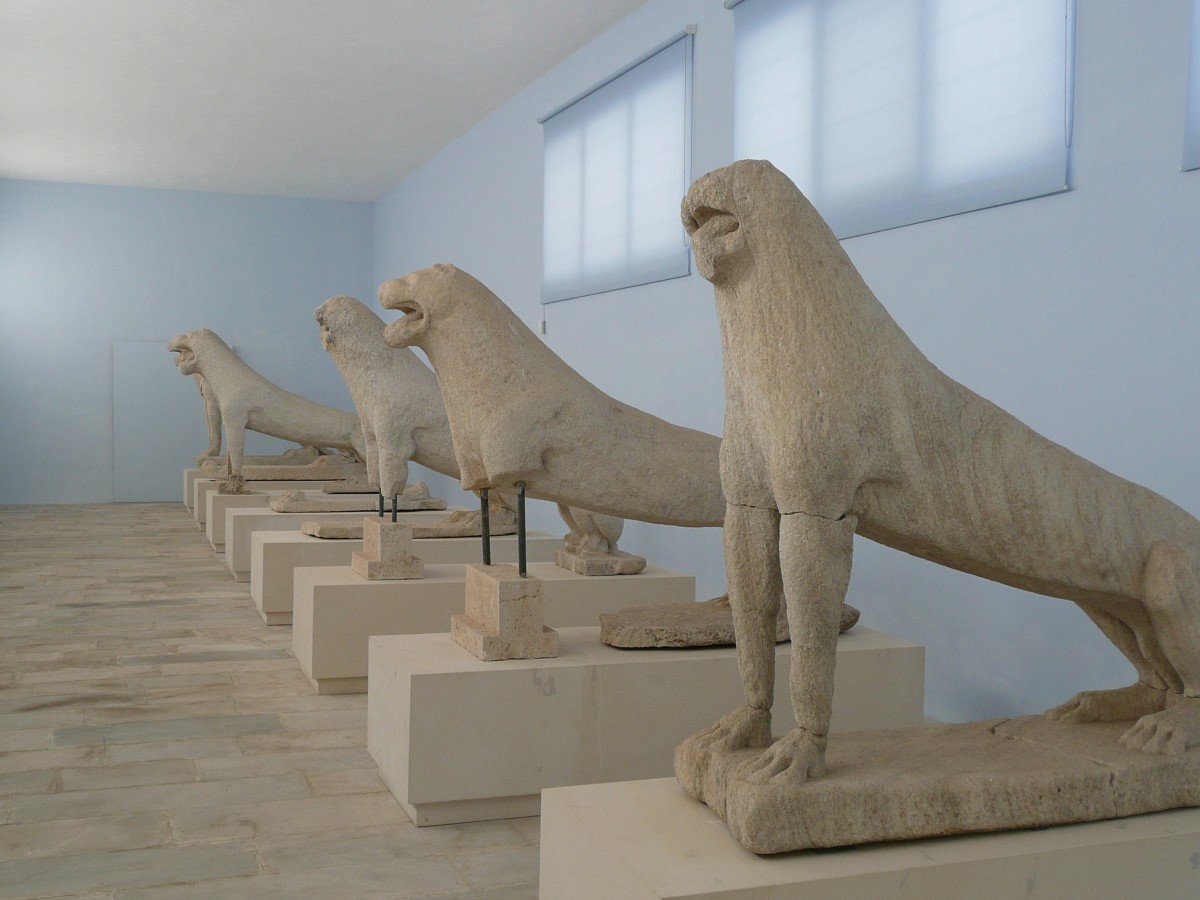
|
|||
|
|
|||
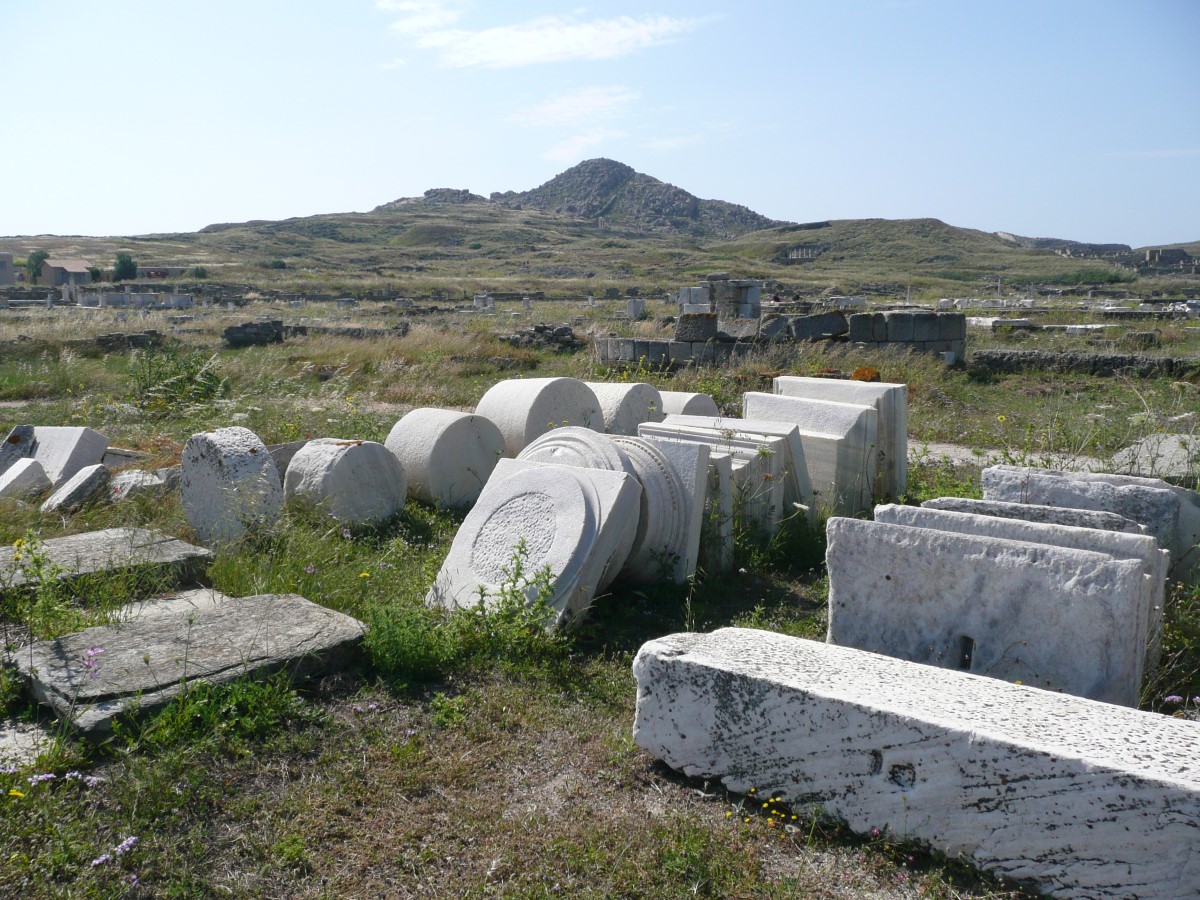
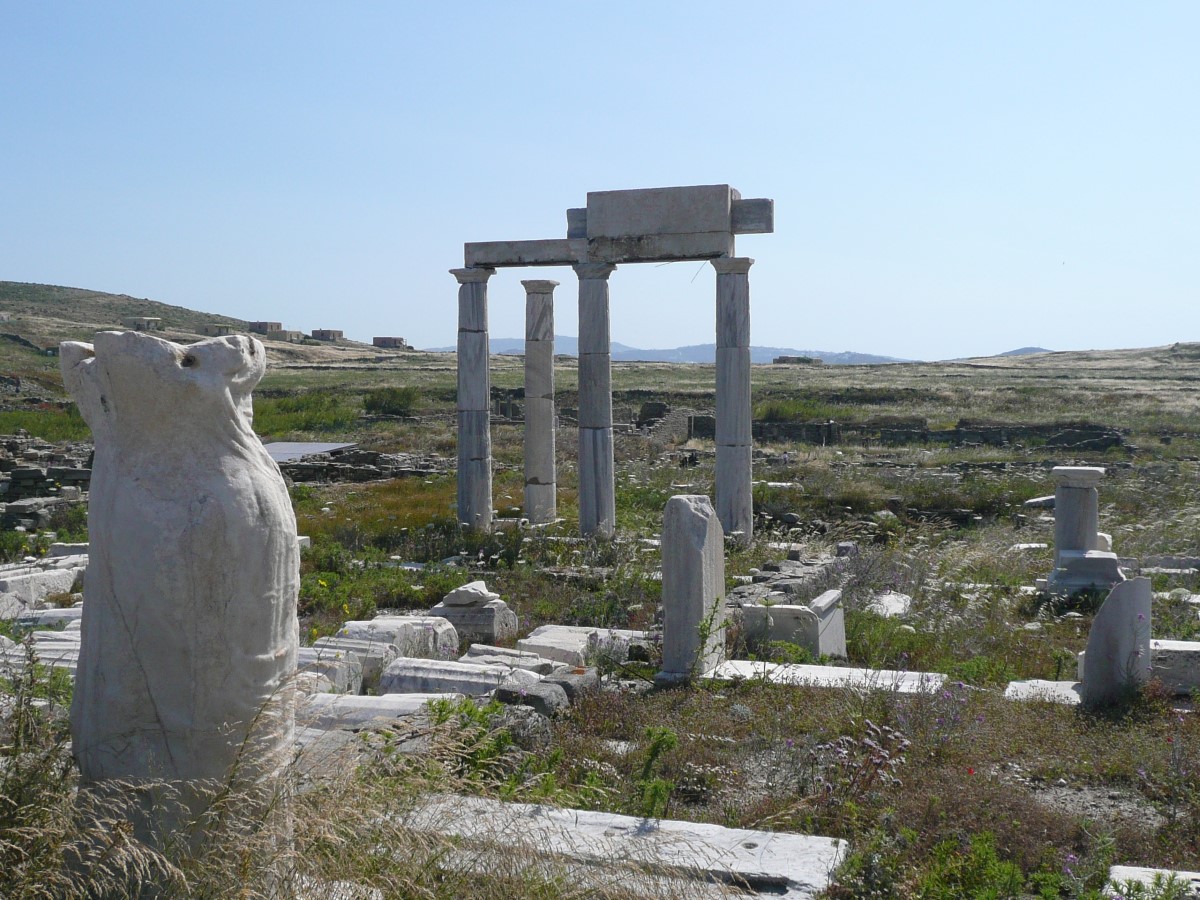
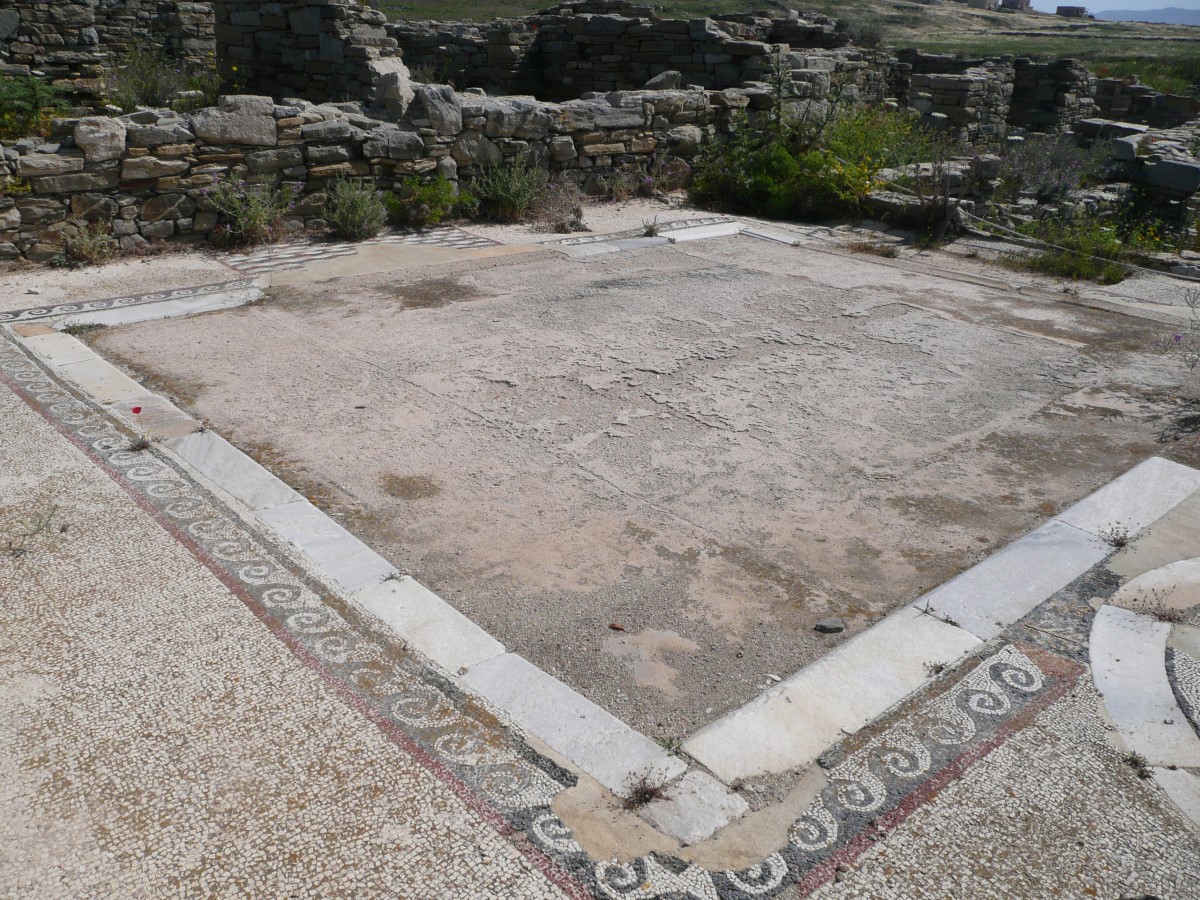
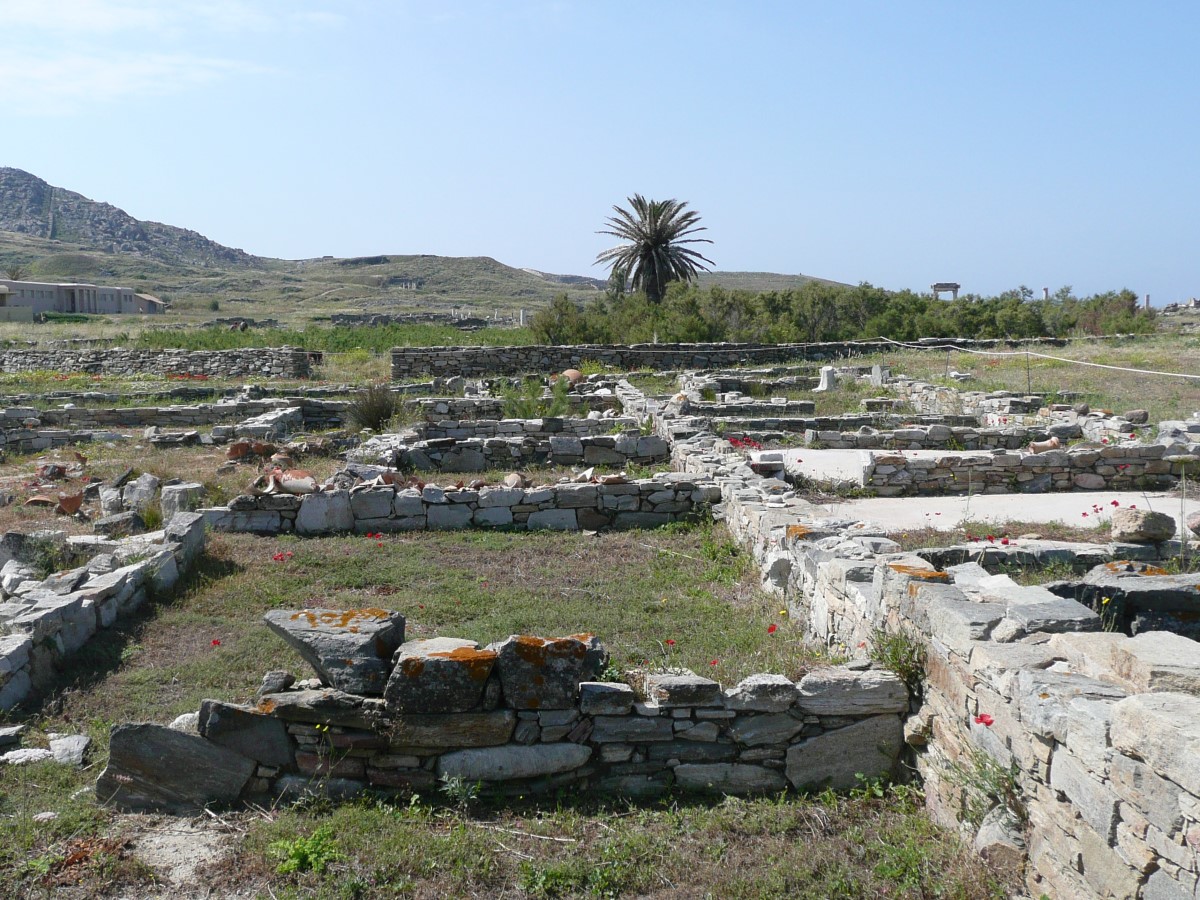
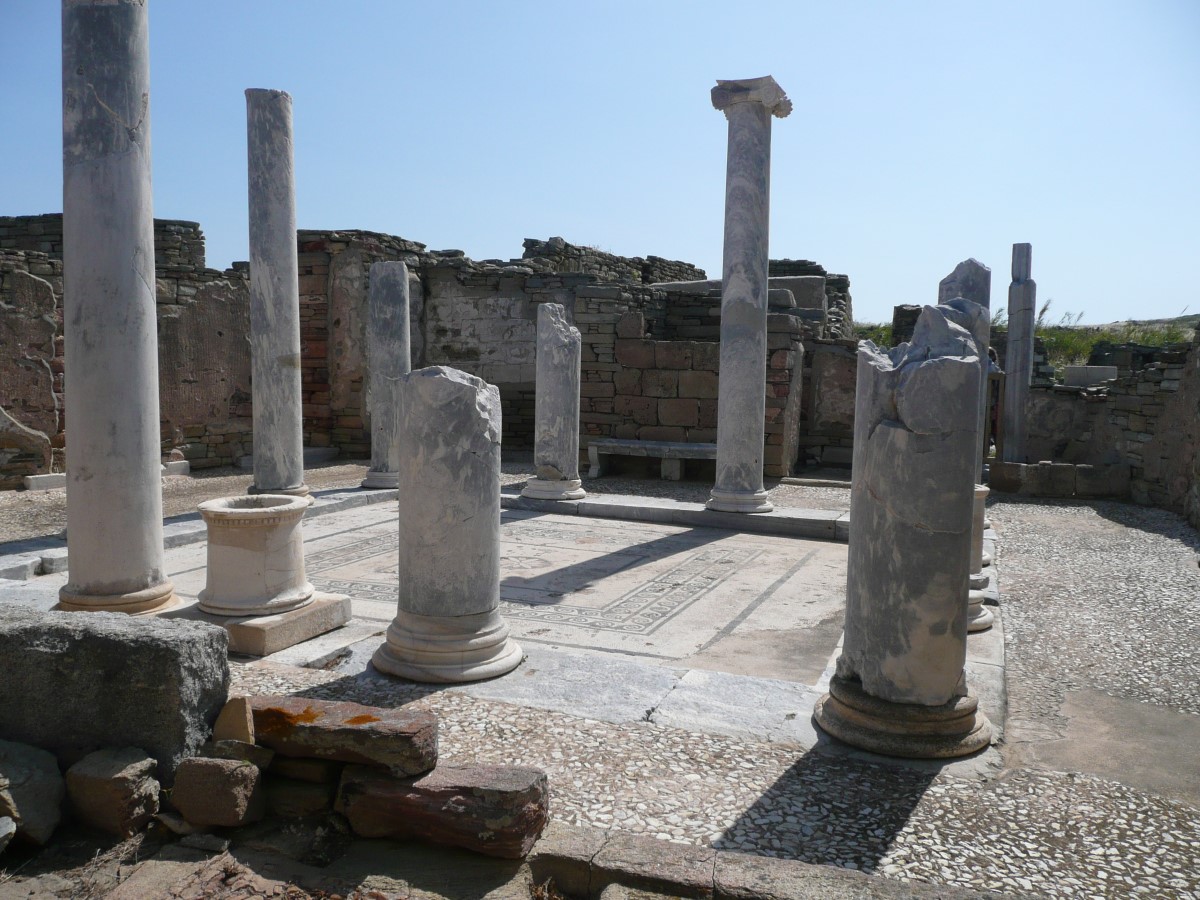
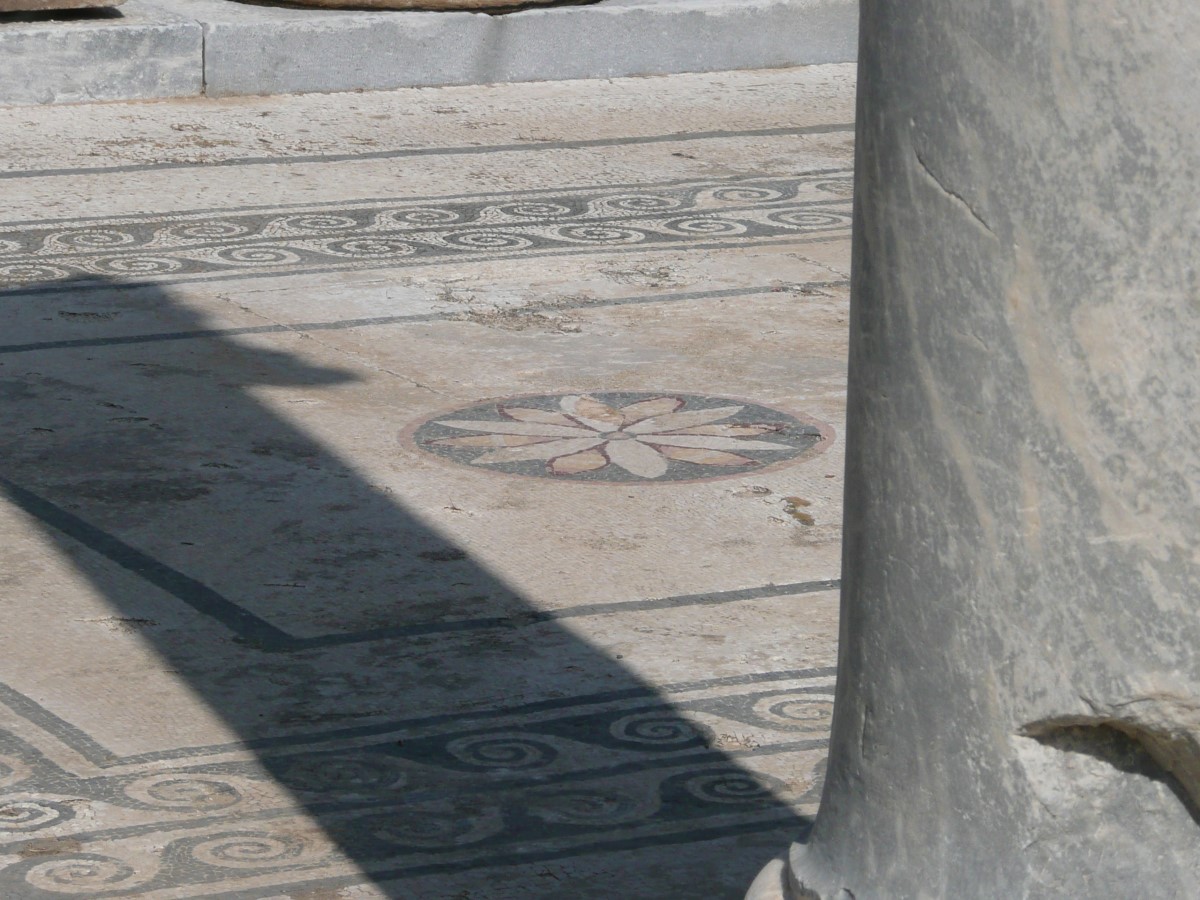
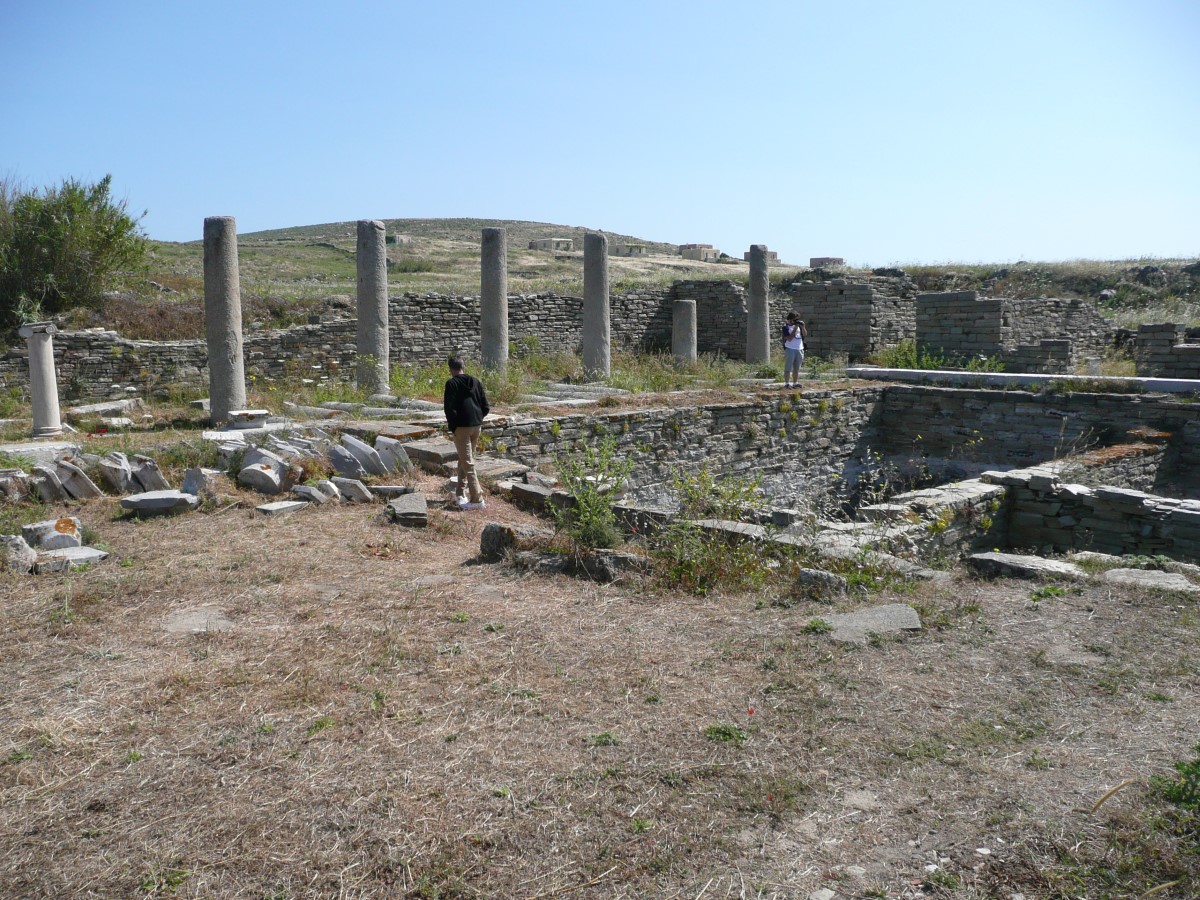
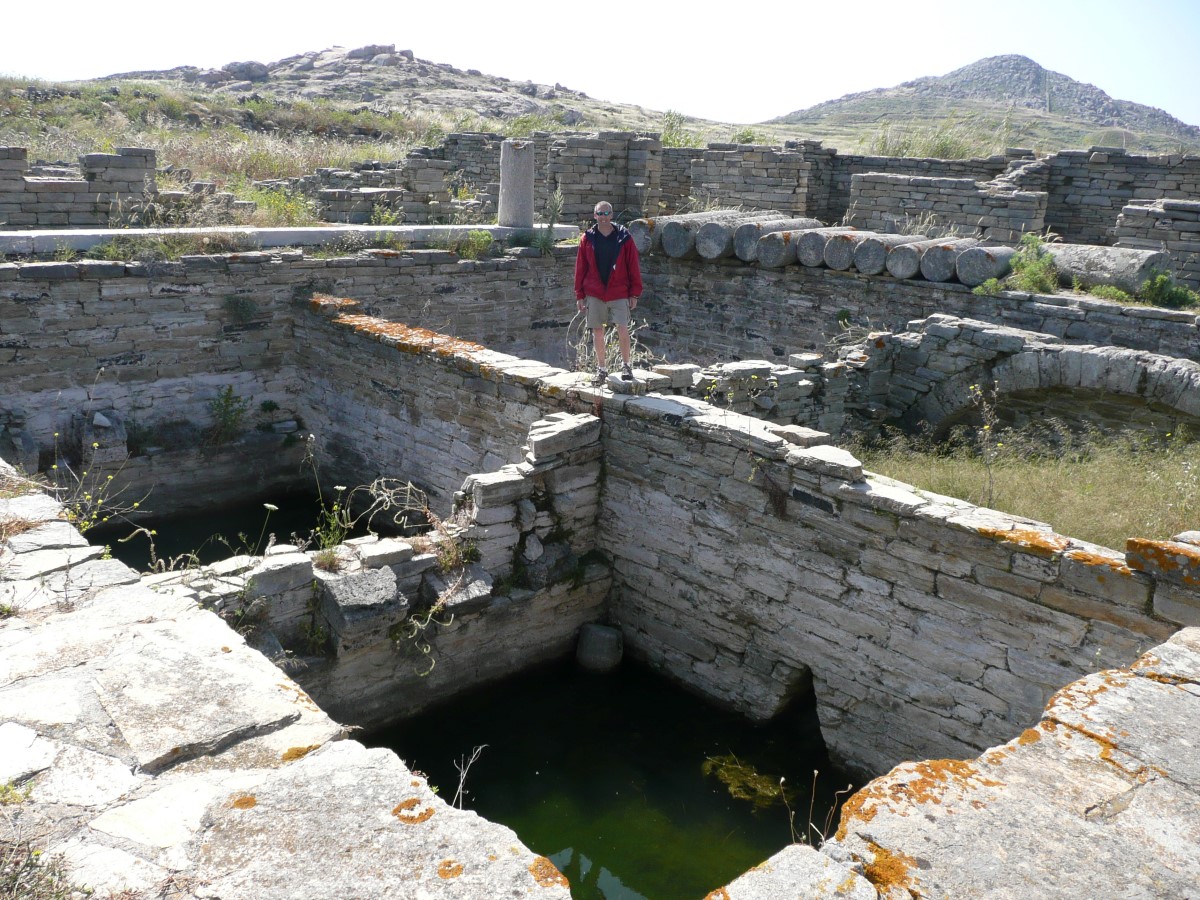
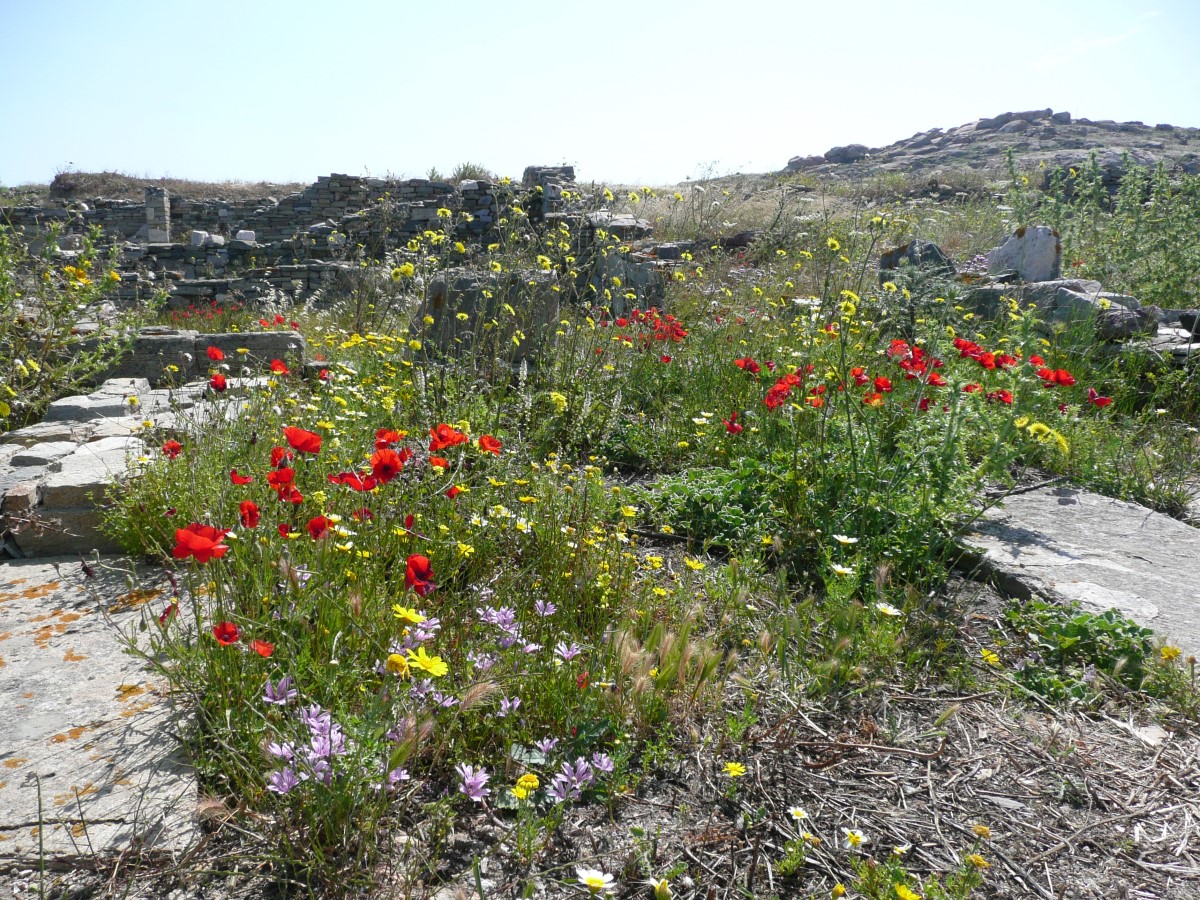
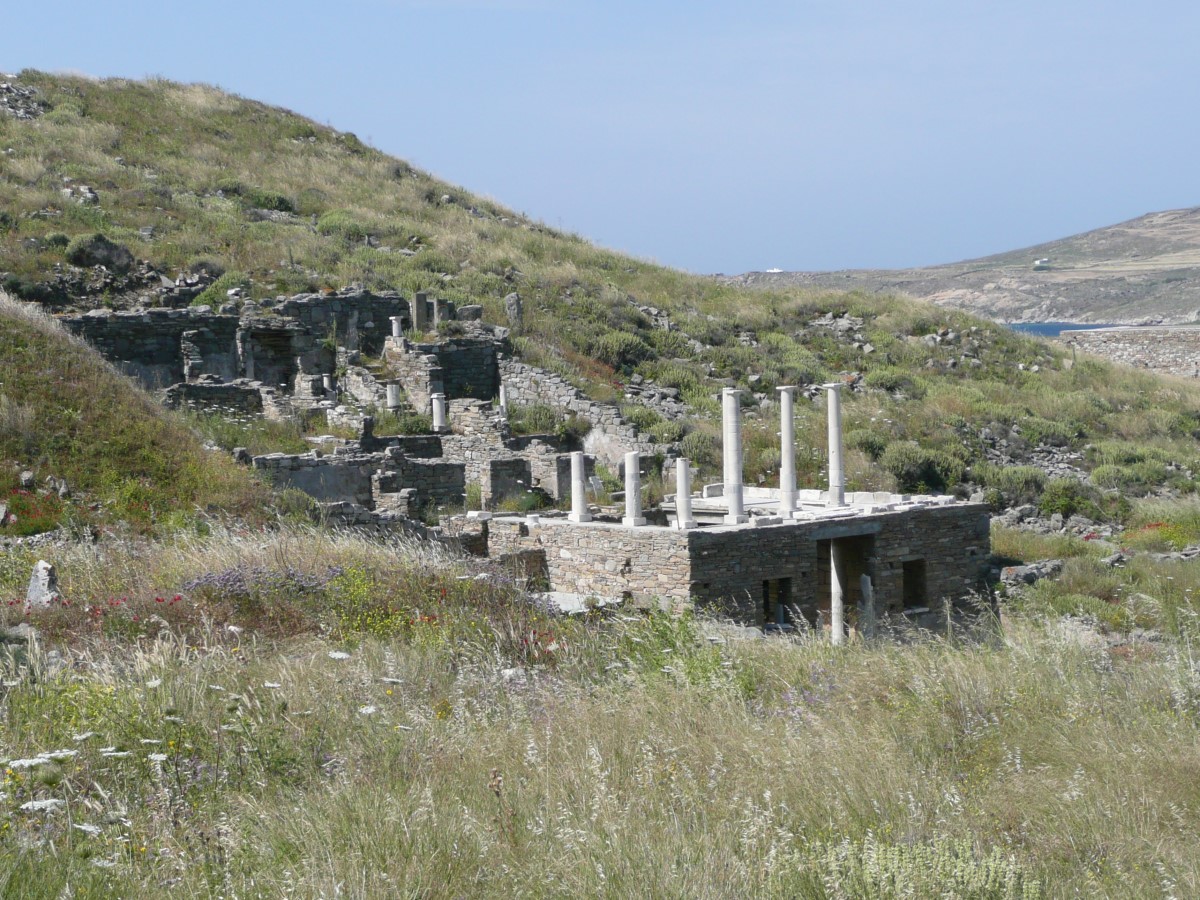
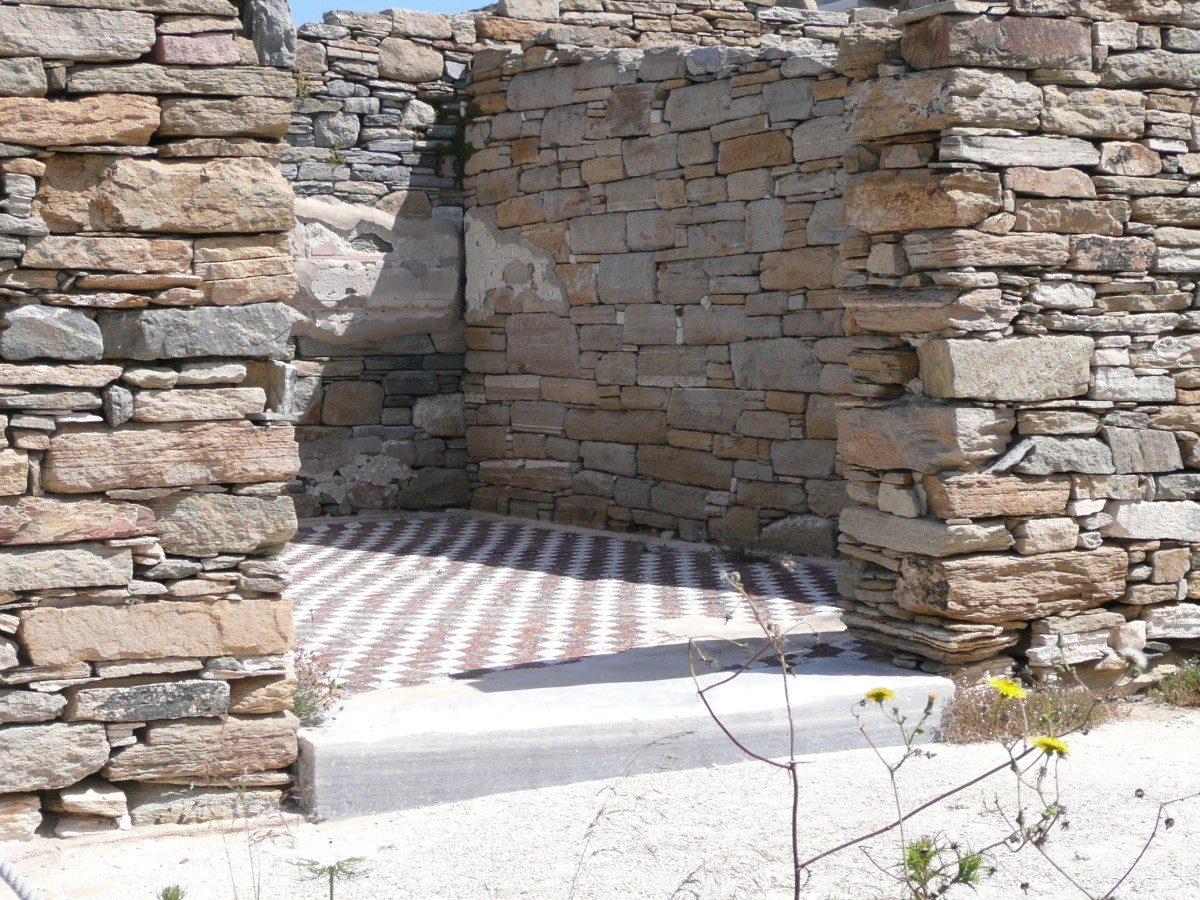
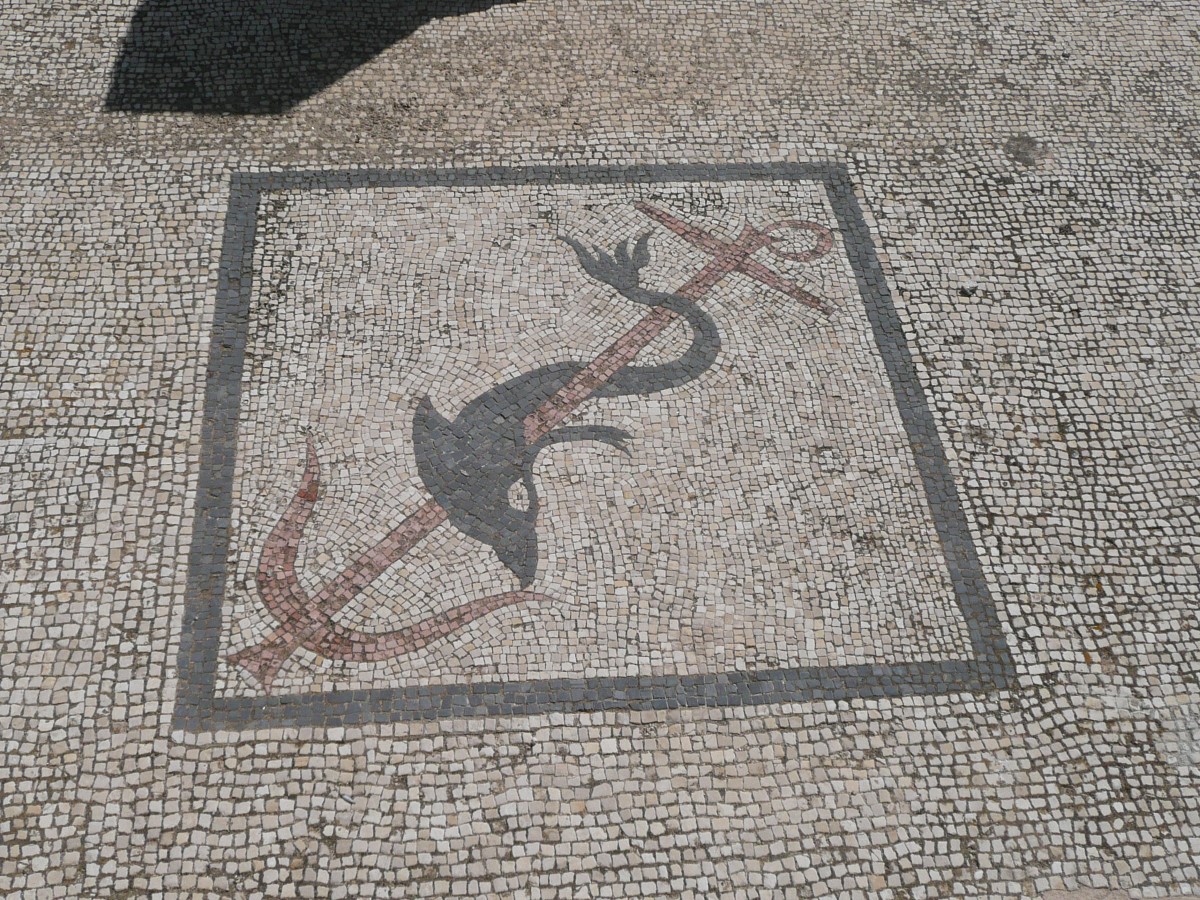
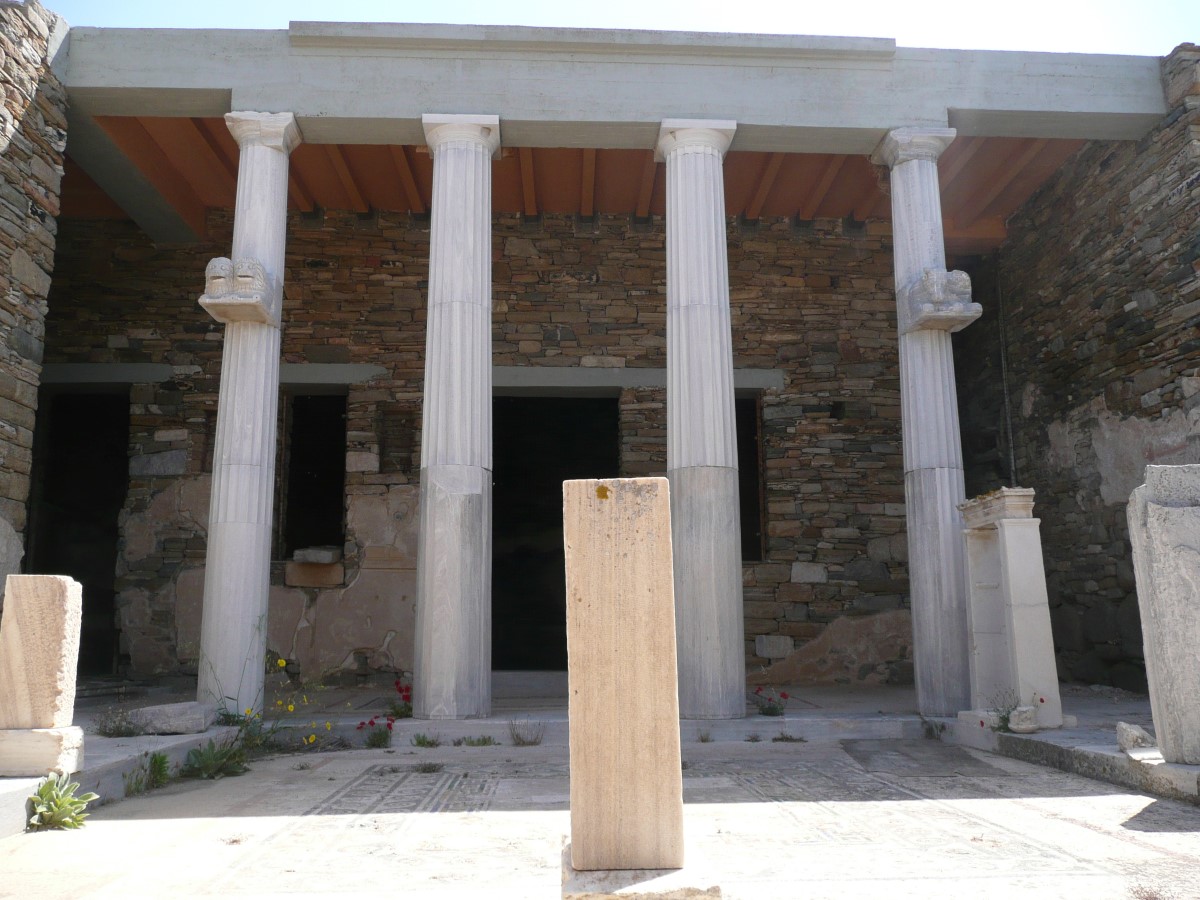
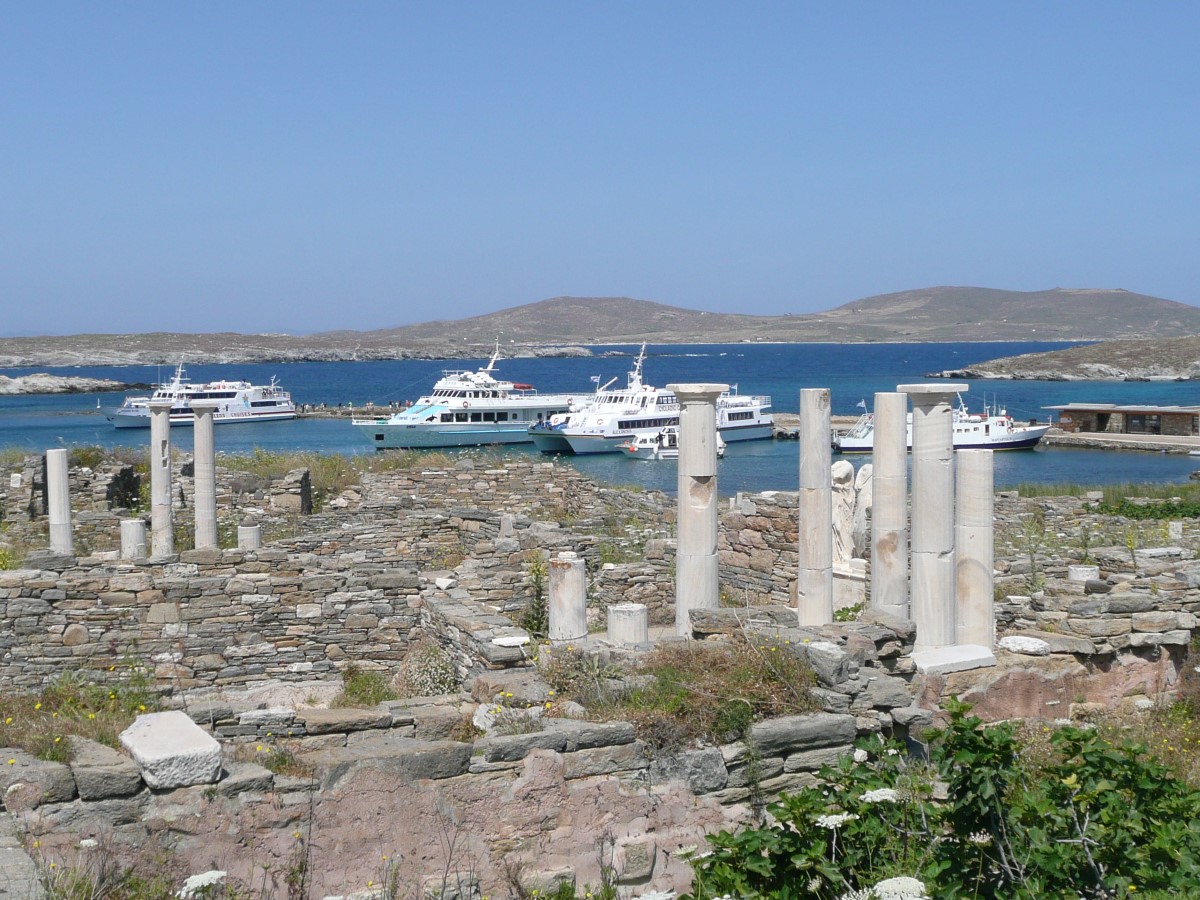
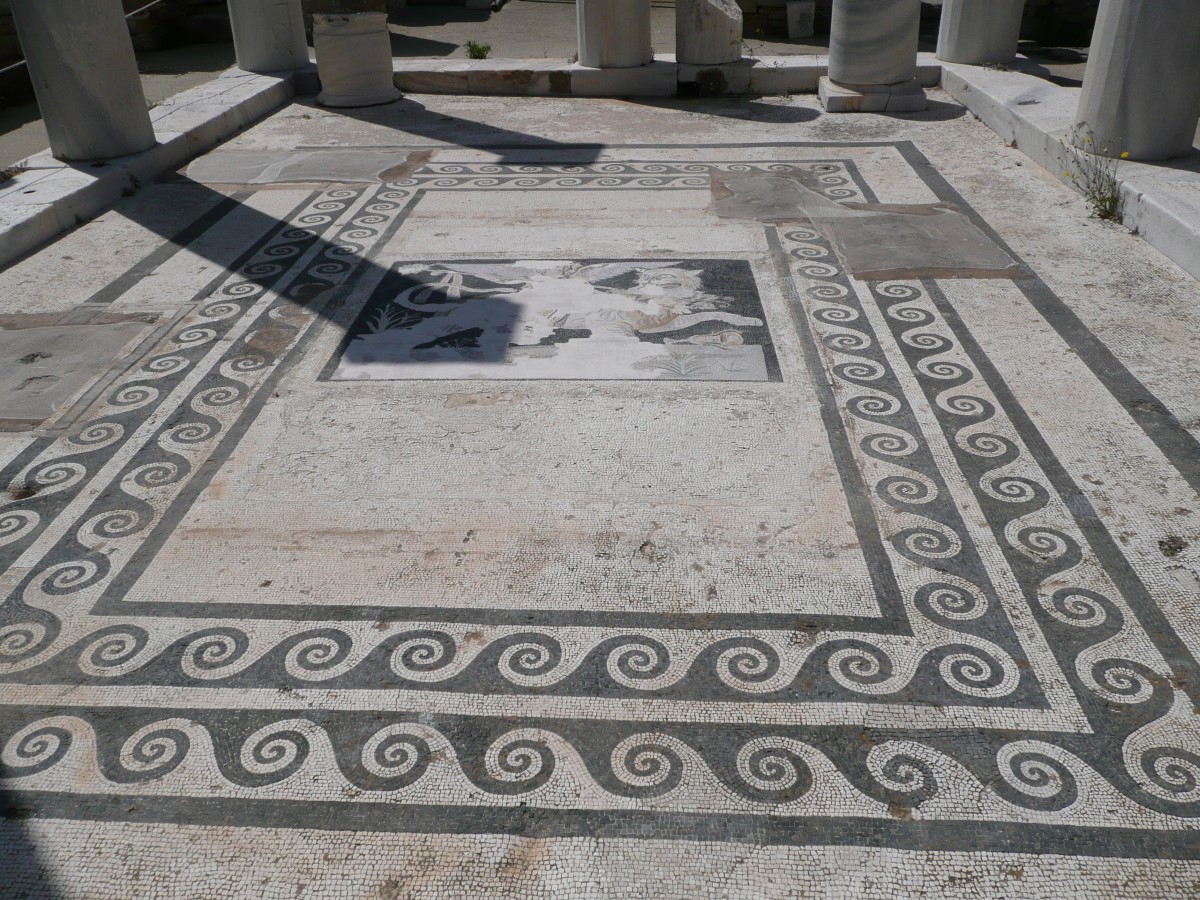
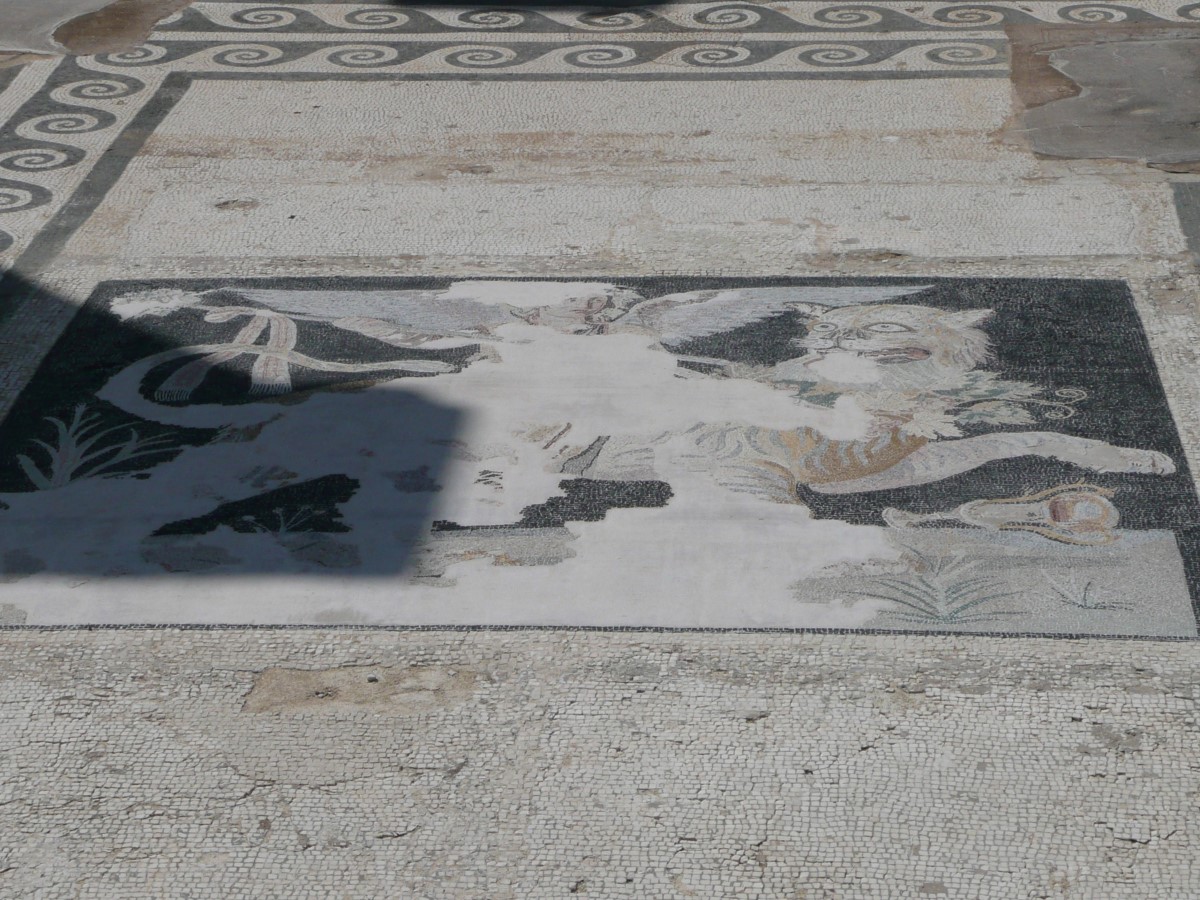
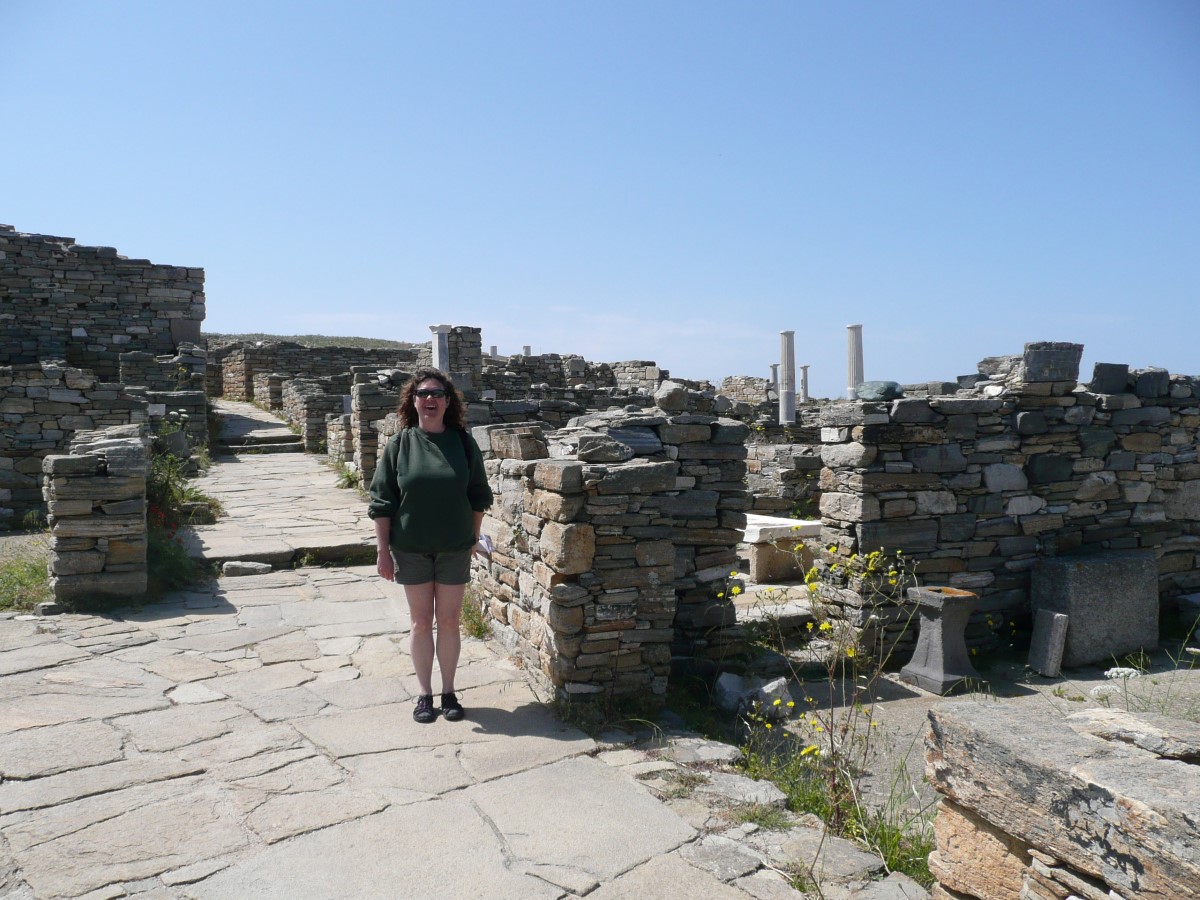
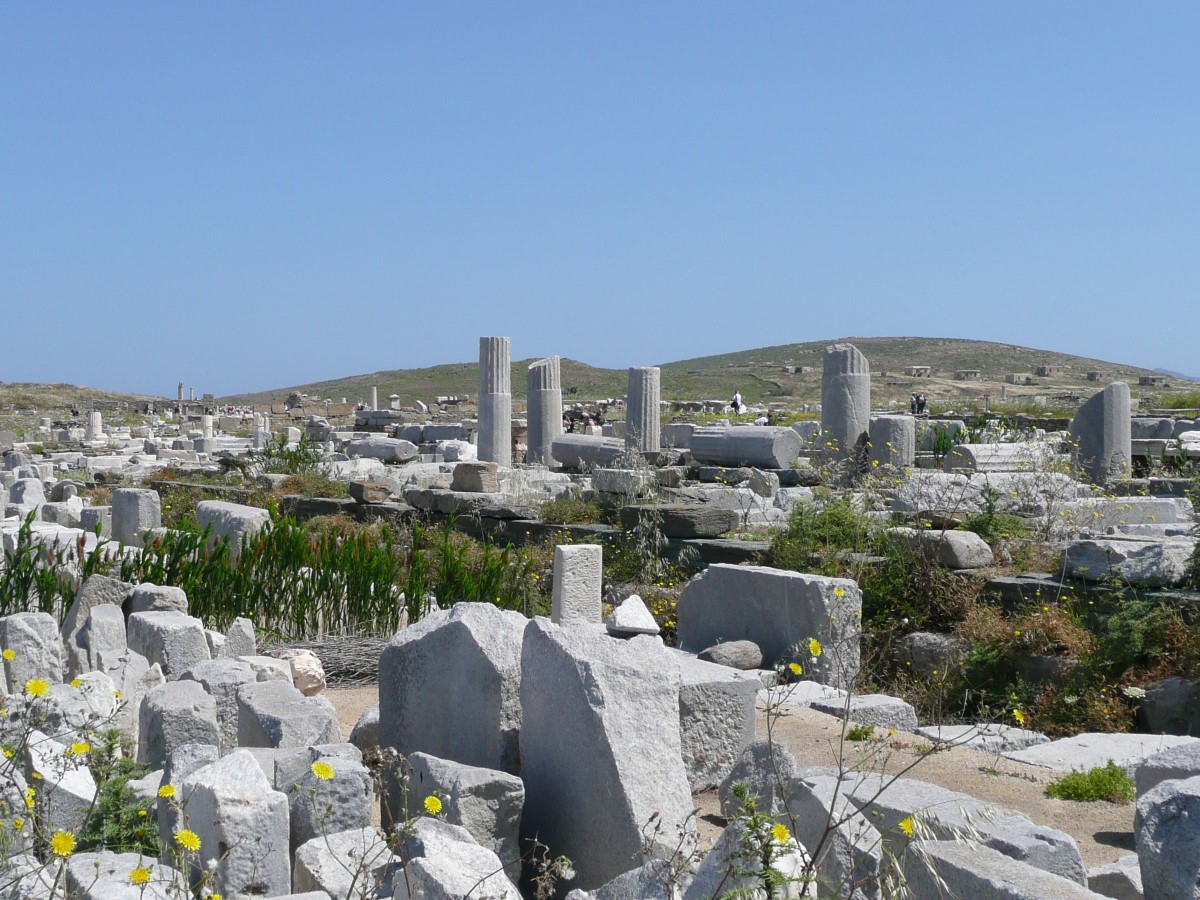
| Around the Ruins: Views from around the ruins. | |||
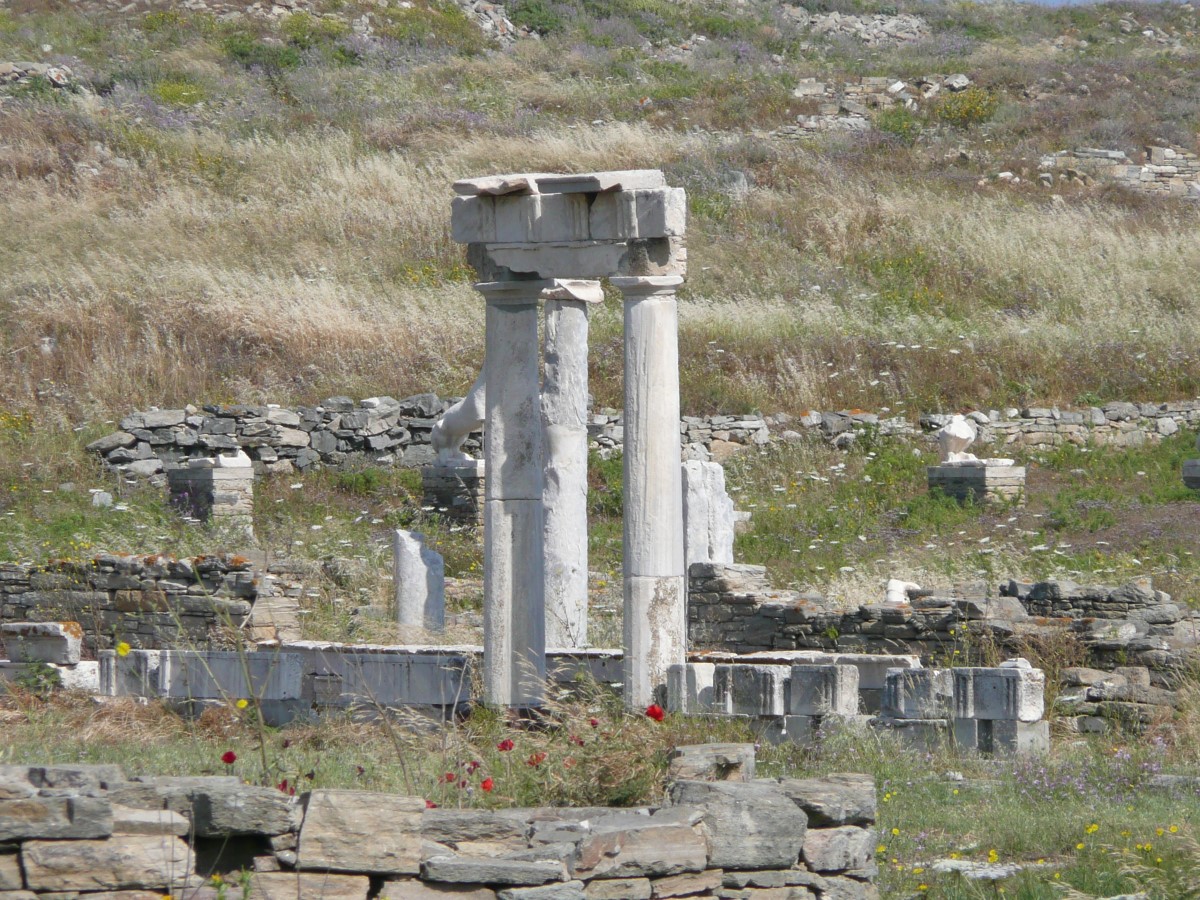
|
|||
|
|
|||
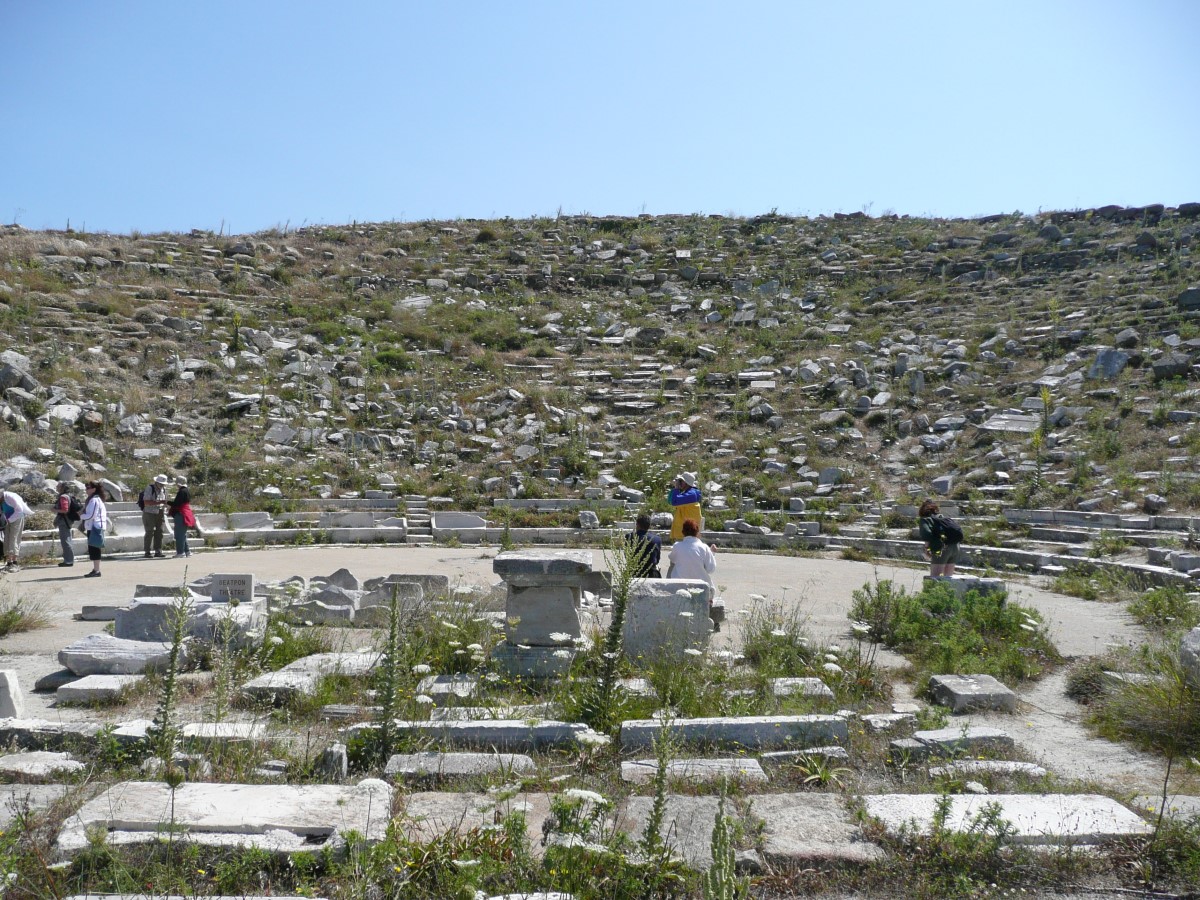
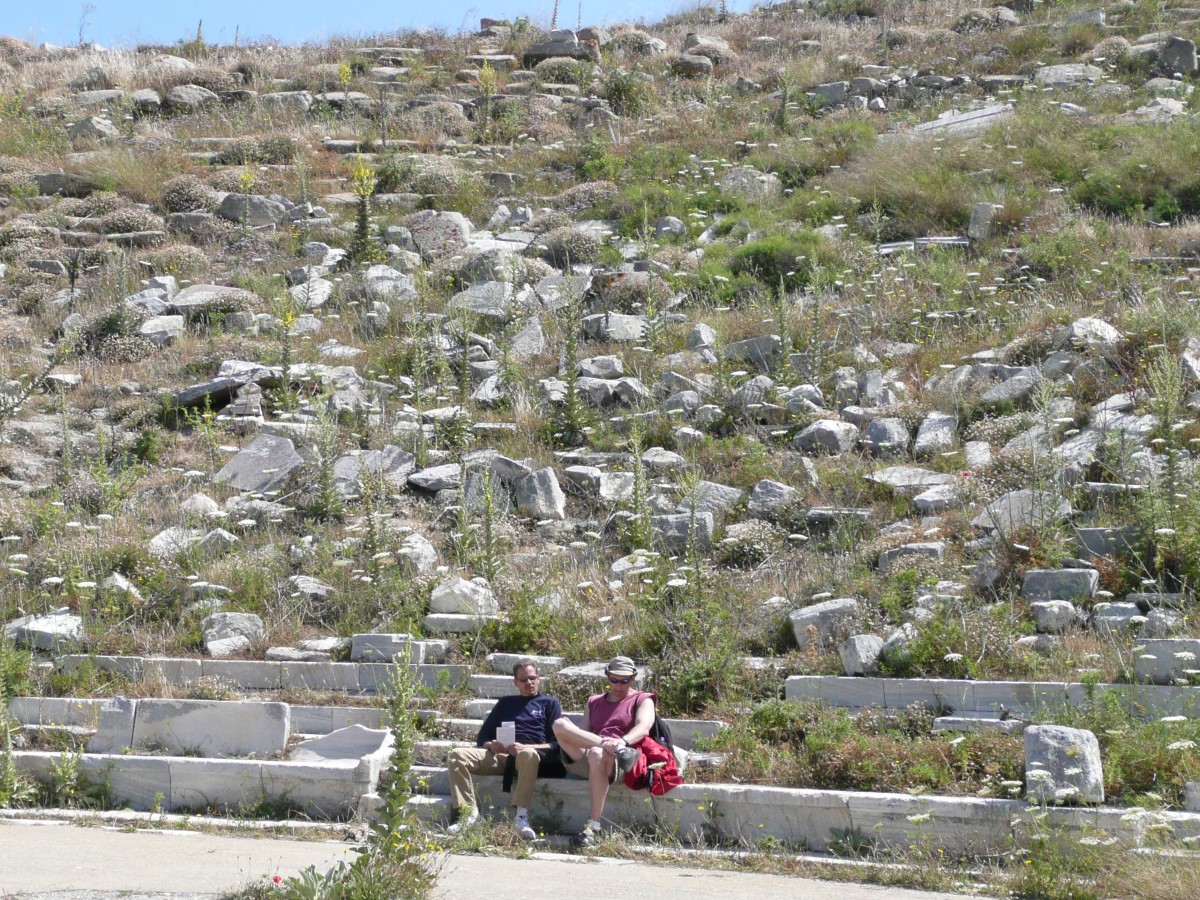
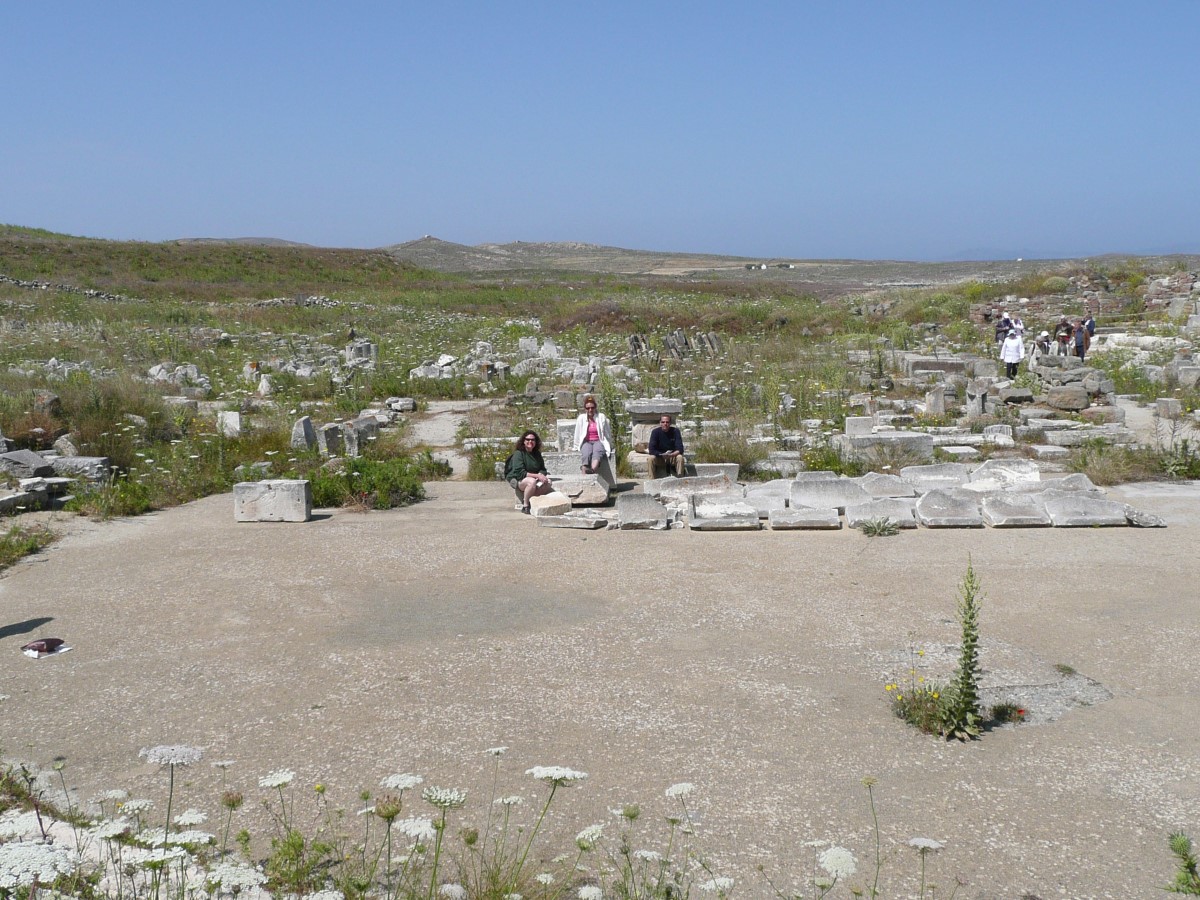
| Amphitheater | |||
|
|||
|
|
|||
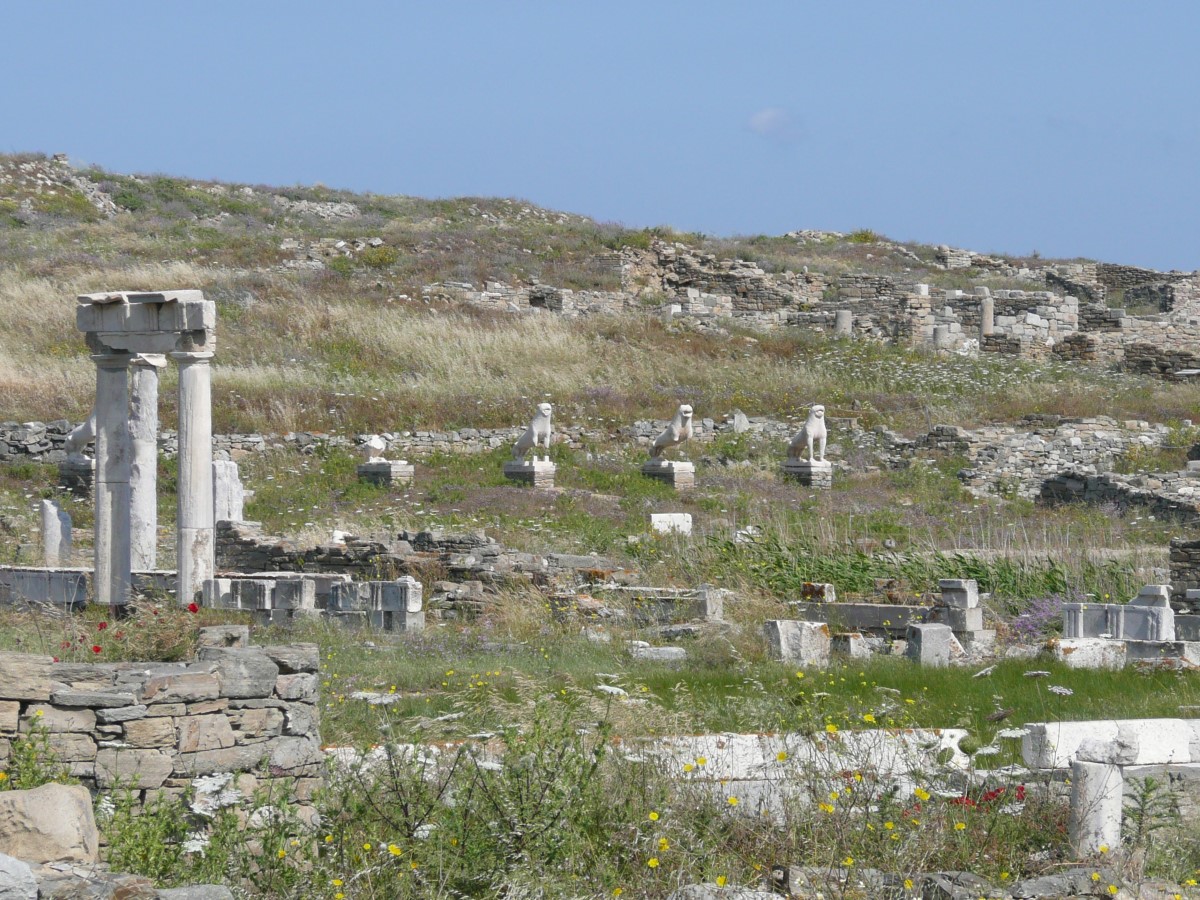
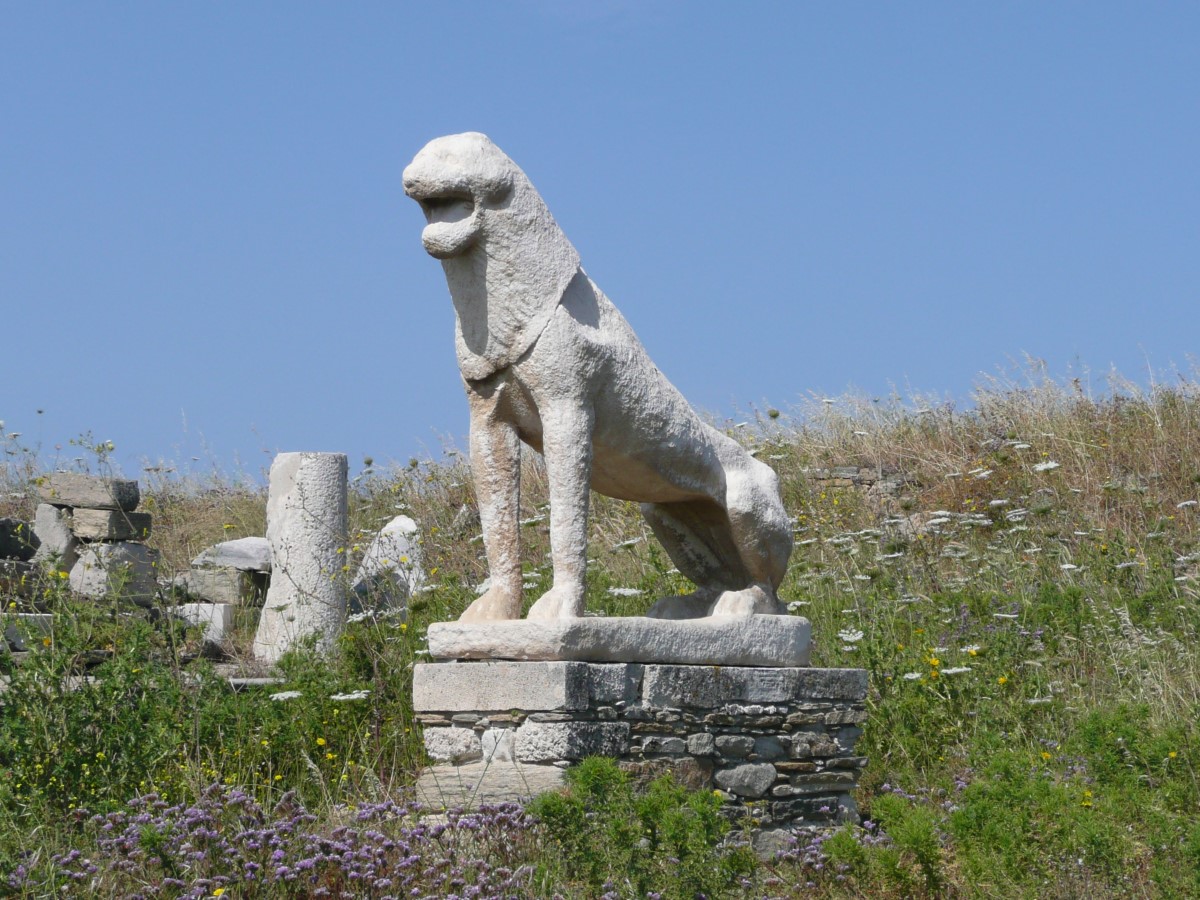
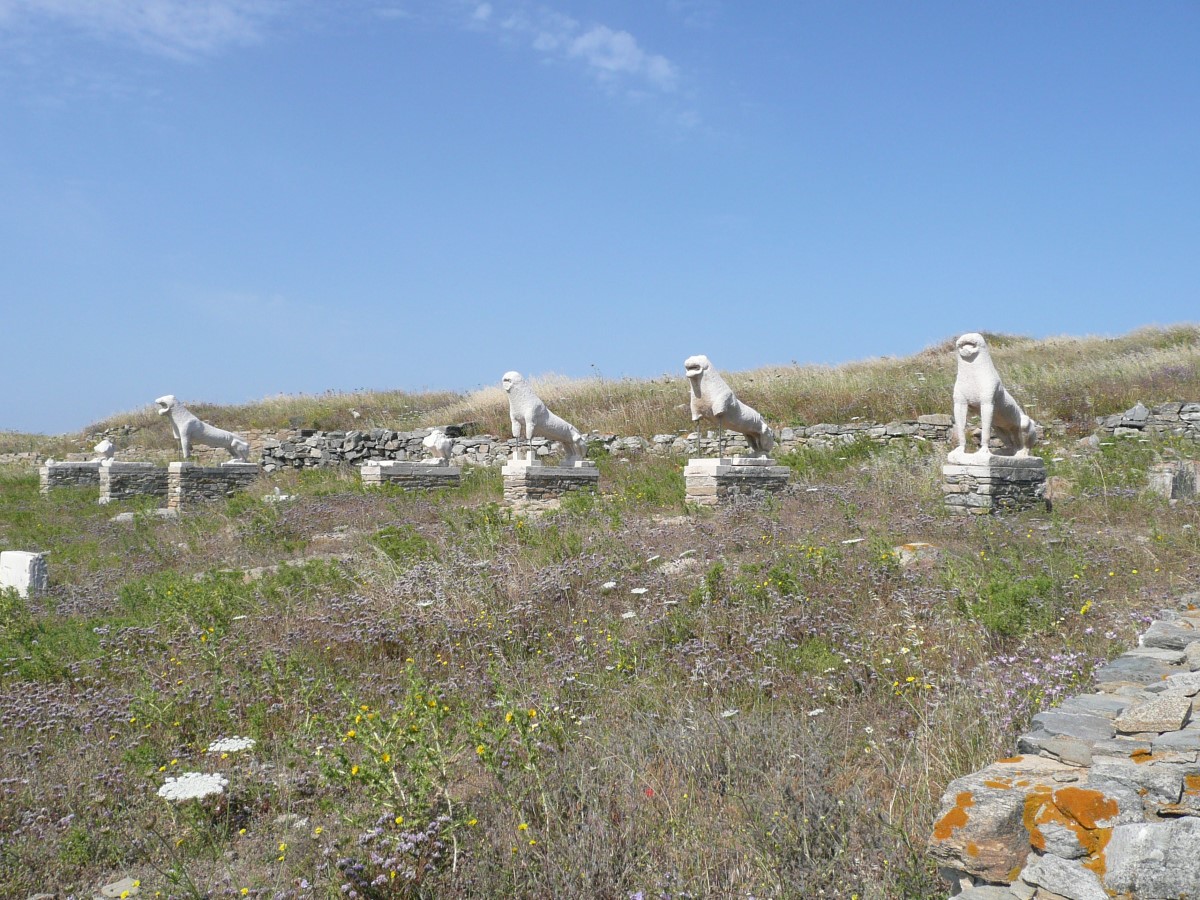
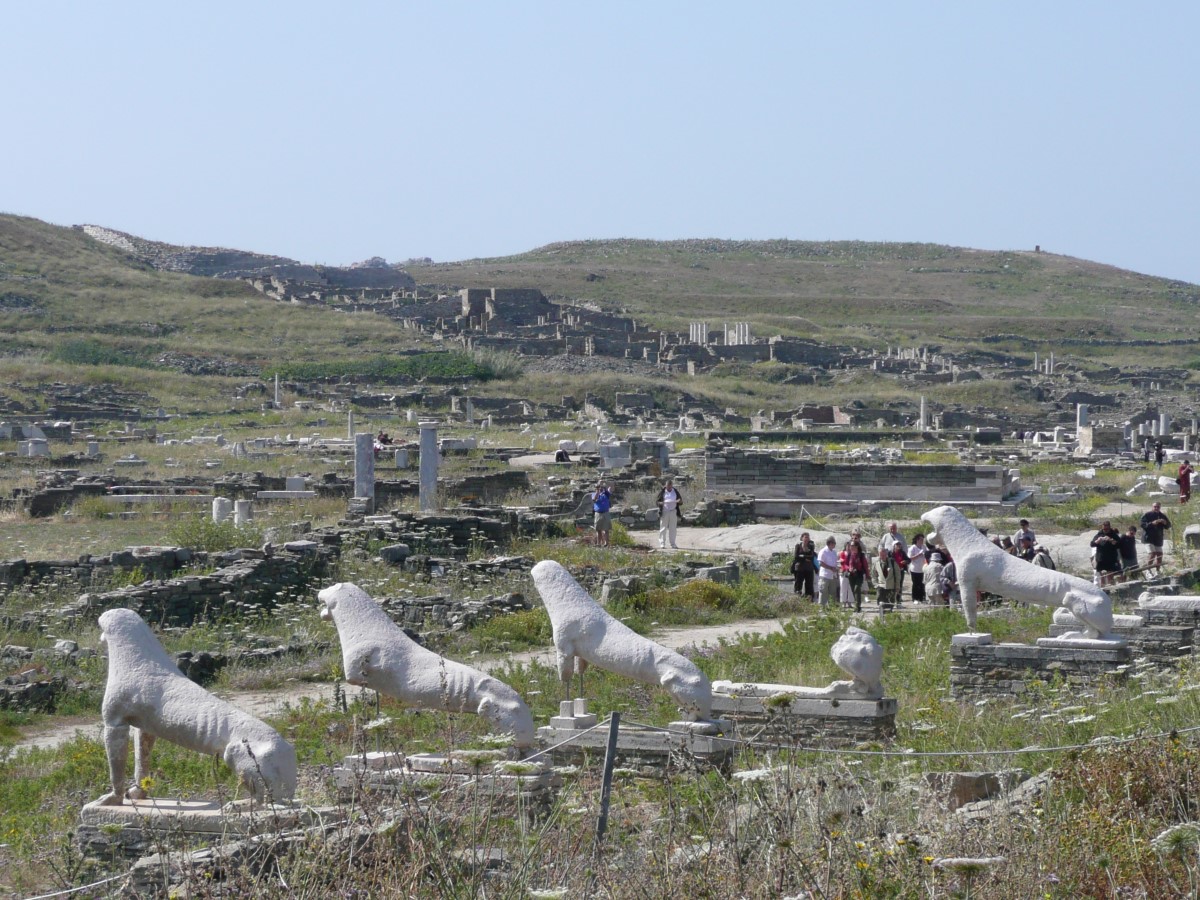
| Lions: The people of Naxos presented these marble lions to guard the Sanctuary of Apollo in 600 B.C. Nearby is Apollo's birthplace. | |||
|
|||
|
|
|||
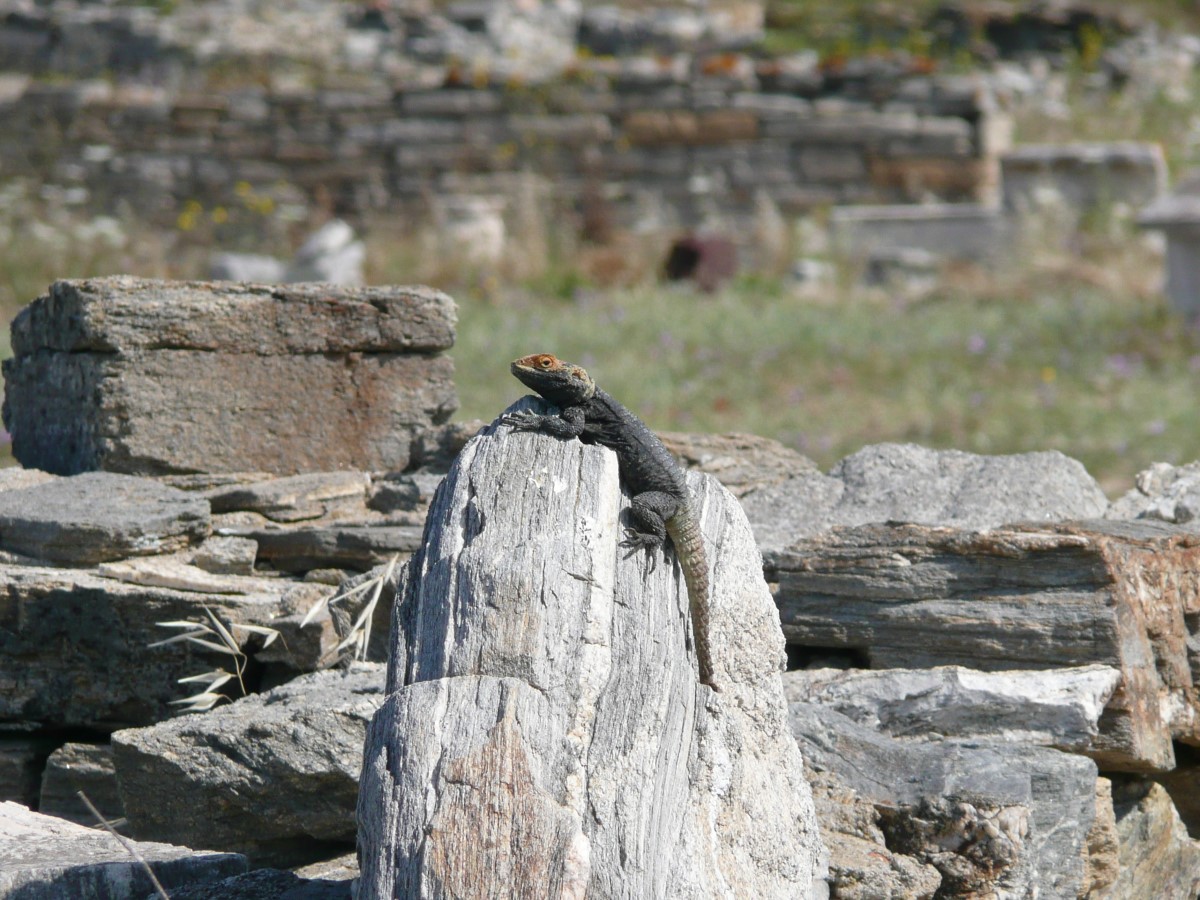
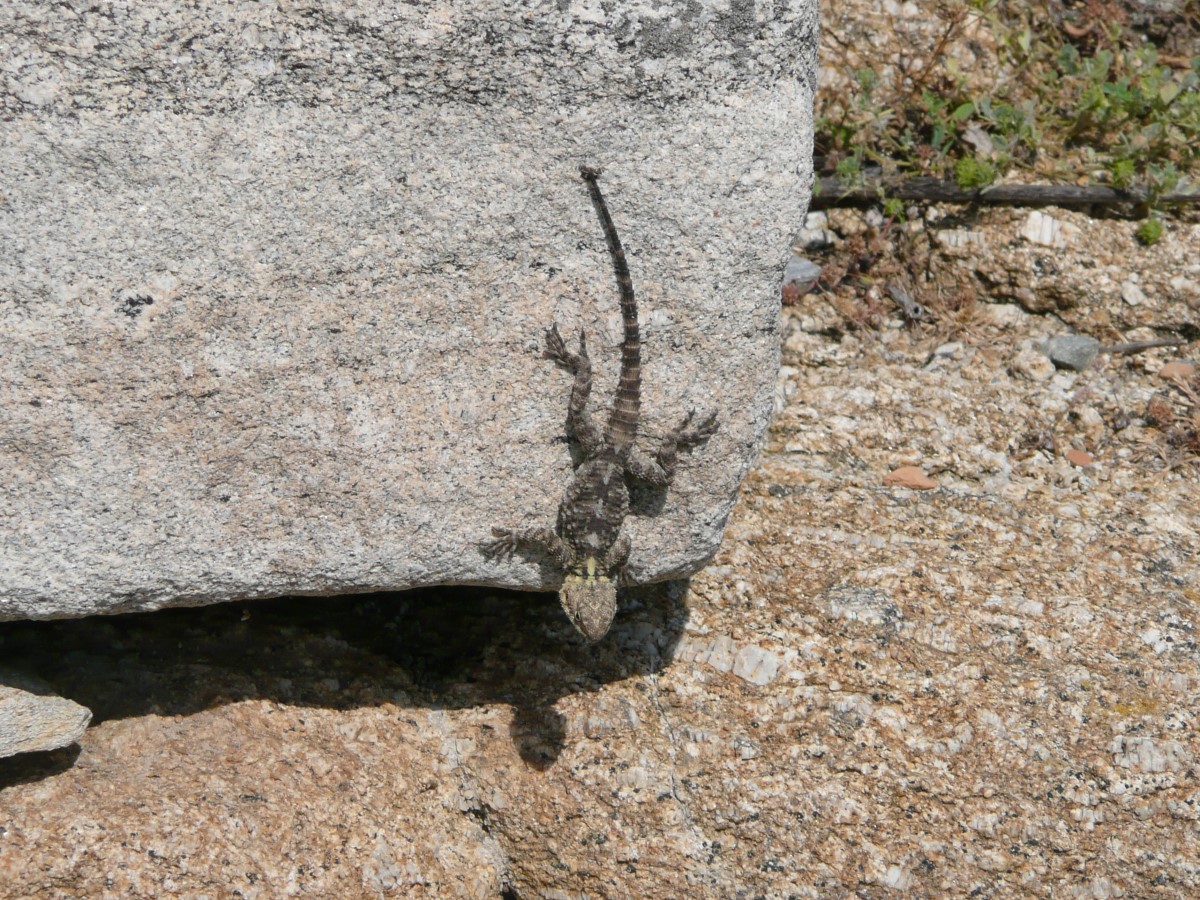
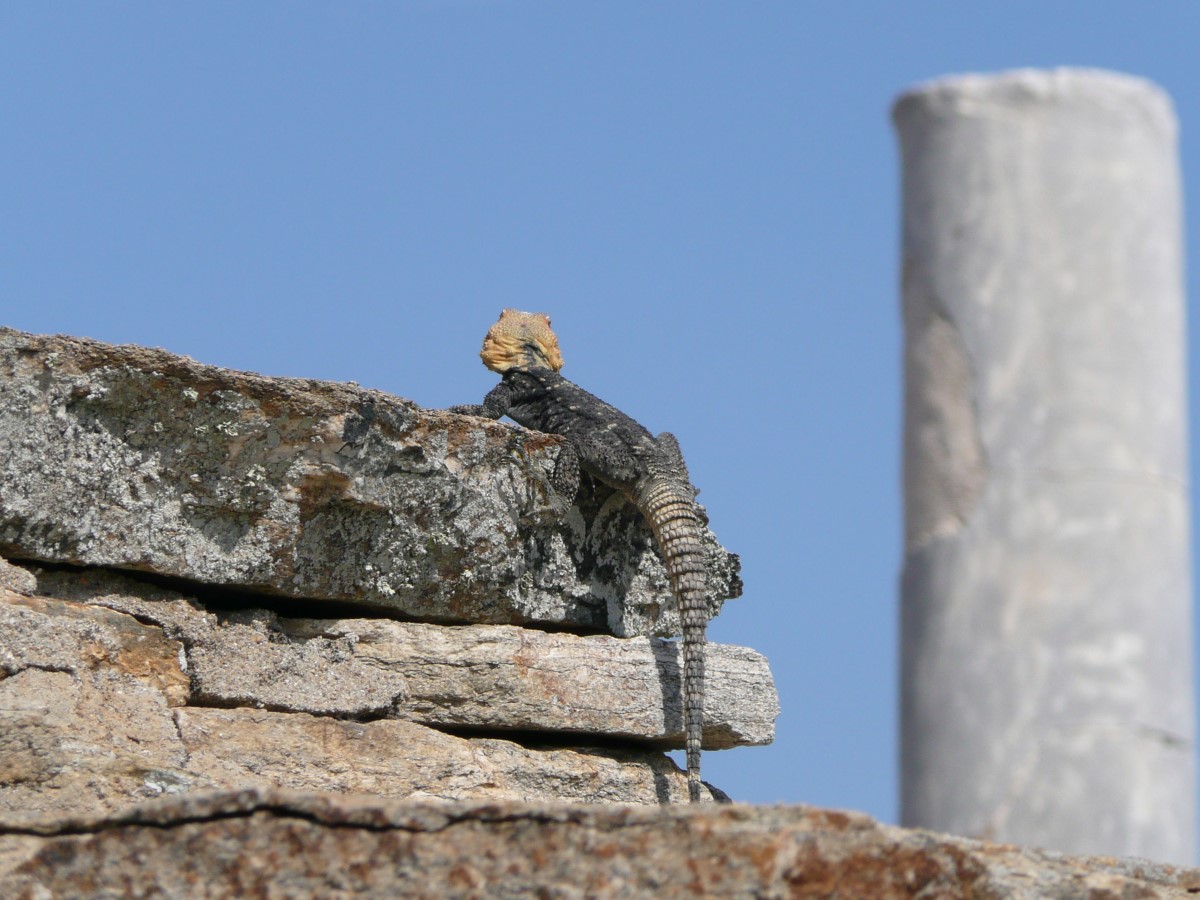
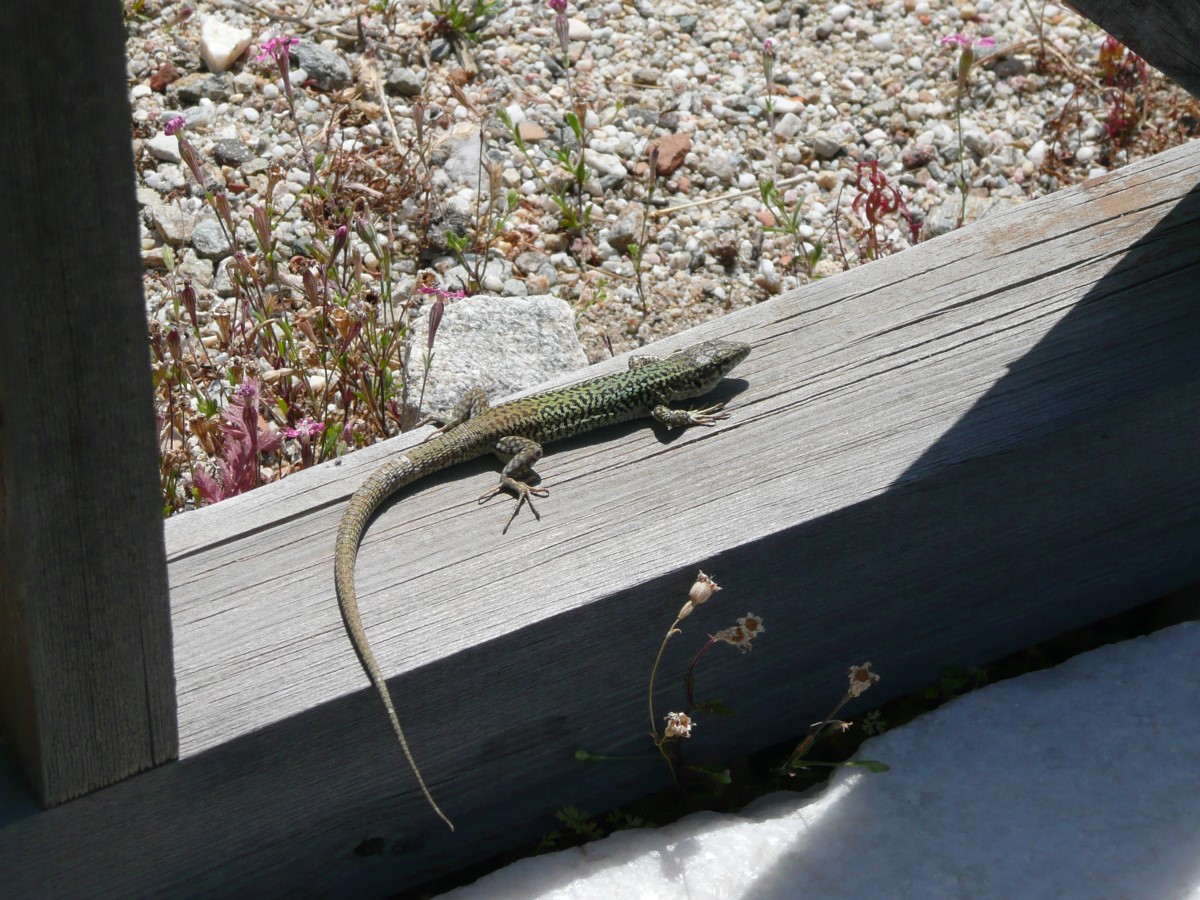
| Lizards | |||
|
|||
|
|
|||
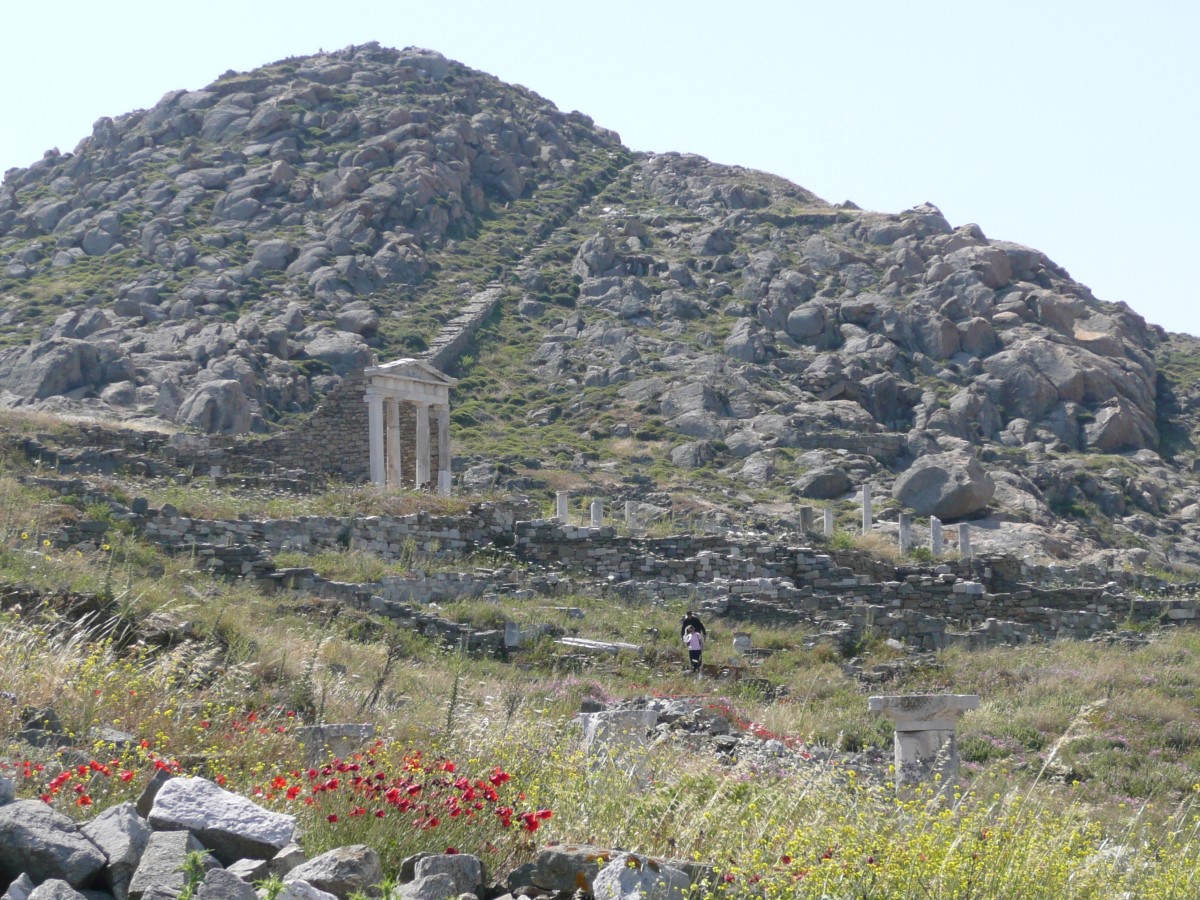
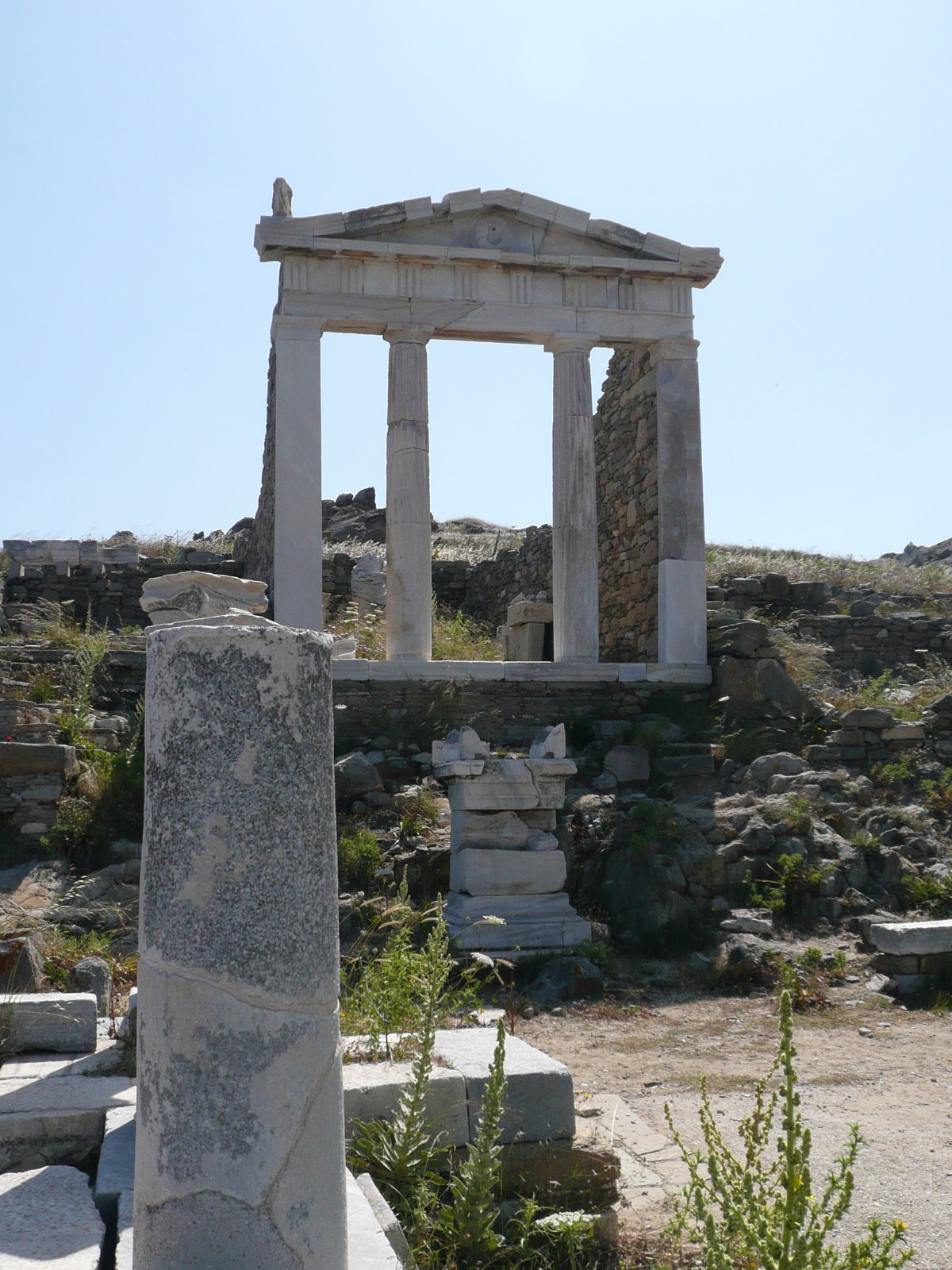
| Temple of Isis: The reconstruction of the distyle Doric temple in antis was built by the Athenians in honor of Isis in 135 BC and still holds its cult statue of the goddess, which is unfortunately headless. | |||
|
|||
|
<<< Previous Page Next Page >>> |