- Around the Town
- Burg Theater
- Danubium Fountain
- Jesuitenkirche
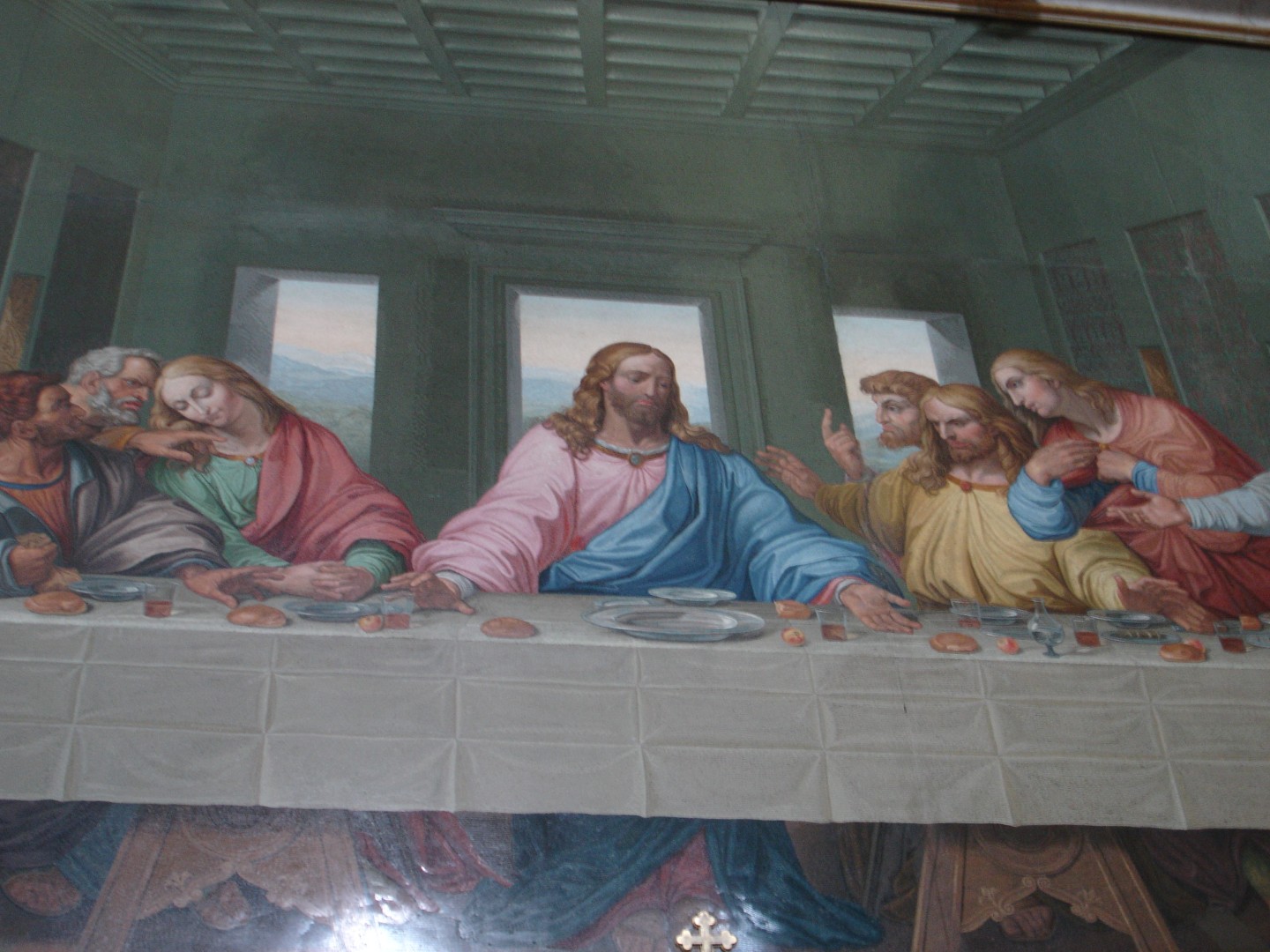
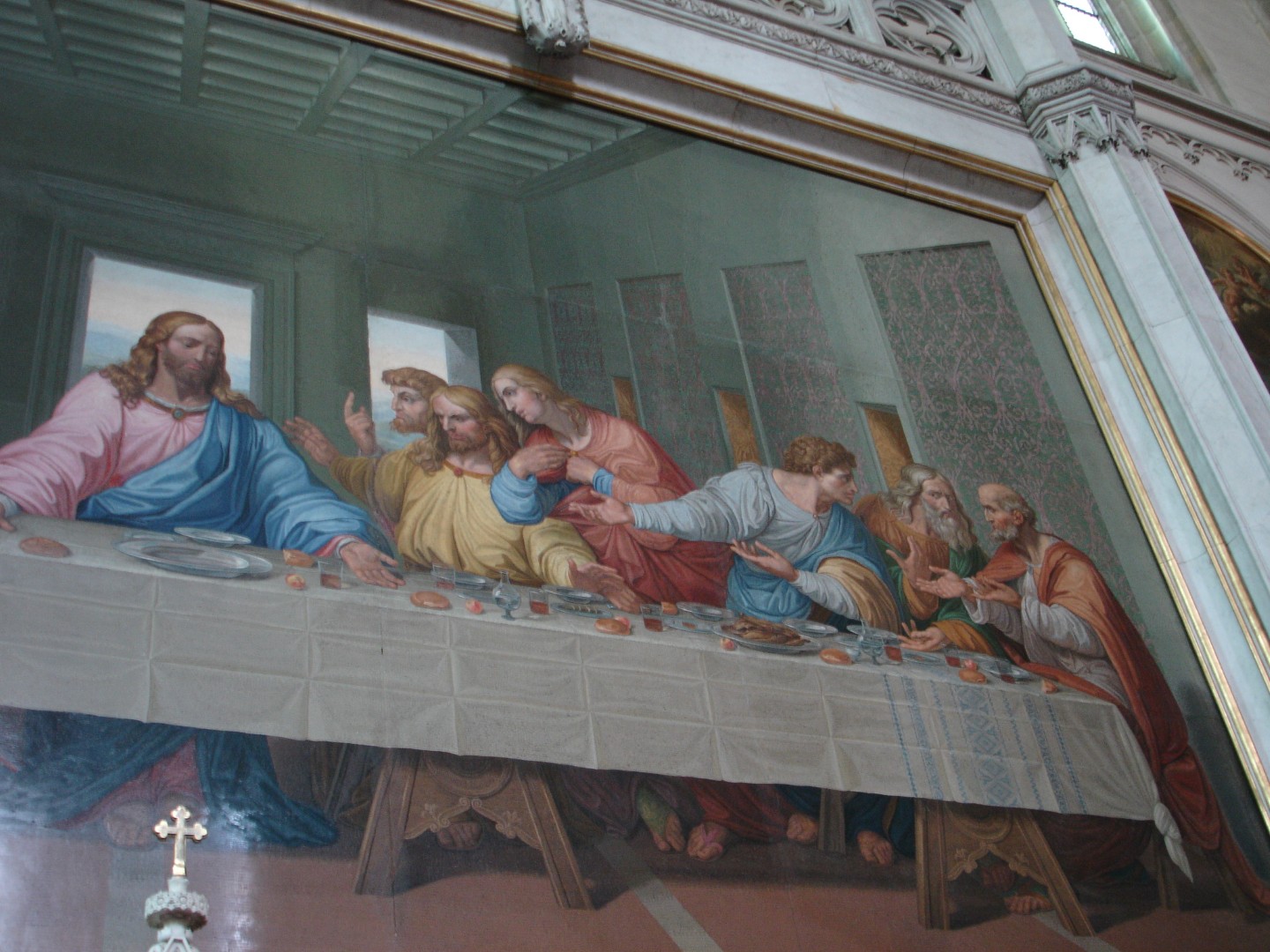
- Minoritenkirche - Last Supper
-
Dominikanerkirche
- Miscl. Church
|
- Museum Area
- Neus Rathaus
- Opera House
- Parliament
- Pestsaule
|
- Peterskirche
- Central Cafe
- Vienna Cafe
- From the Train
|
|
|
<<< Home
Next Page >>>
|
| We arrived by
train at the Westbahnhof train station from Budapest and spent 3 nights in Vienna. We had beautiful
weather with the exception of one day when it rained. The weather
was actually very warm for March. The city has a nice subway and trolley system that is very easy to navigate. At first
impression, the city seems very large, but after walking around a bit,
the main tourist areas are not that far apart and can easily be reached
by the subway or trolley.
The food in Vienna was very good and the
coffee shops offer several varieties of coffee.
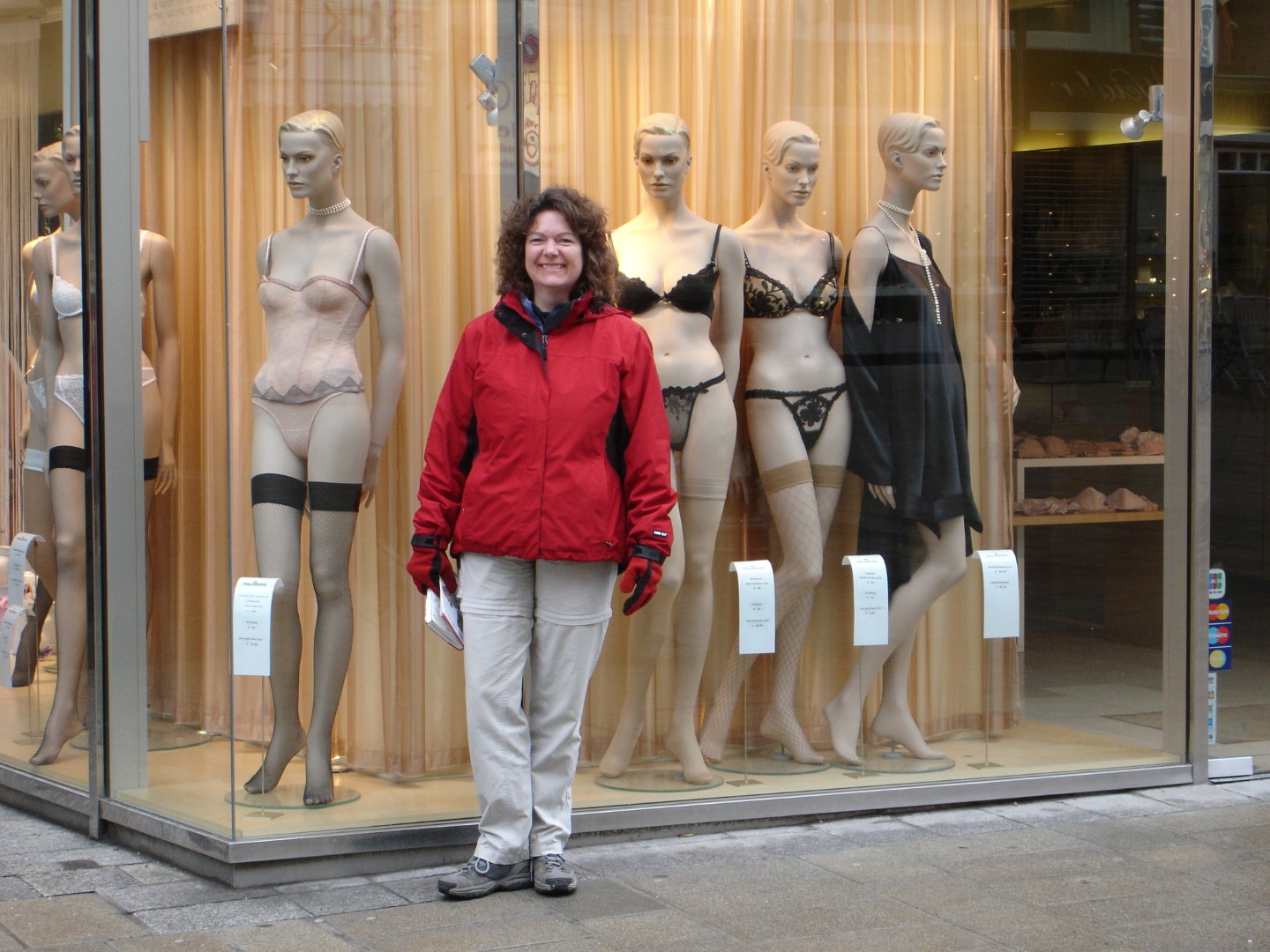
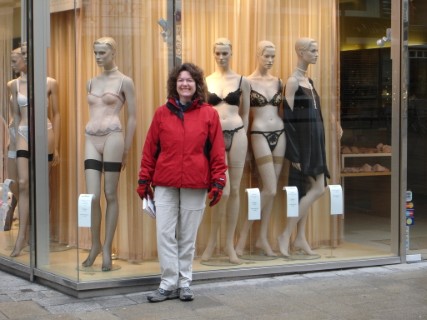
Vienna is filled with shops.
It was fun just walking around window shopping. Many shops have a heavy German influence such as the cuckoo
clocks from the Black Forest in Germany.
On the main square by Stephansdom,
people would gather to slowly stroll by the shops, even in the evenings
when the shops were closed.
We stayed a few hundred meters from the
heart of the city (Stephansdom). It was a quick tram ride to get
there. The hotel was very nice with large rooms. We would
stay there again, but next time may like to stay closer to the city
center. Our hotel:
- City Hotel Tabor
- Taborstrasse 25
- Wien, AT 1020
- +43 1 2111 70
|
|
|
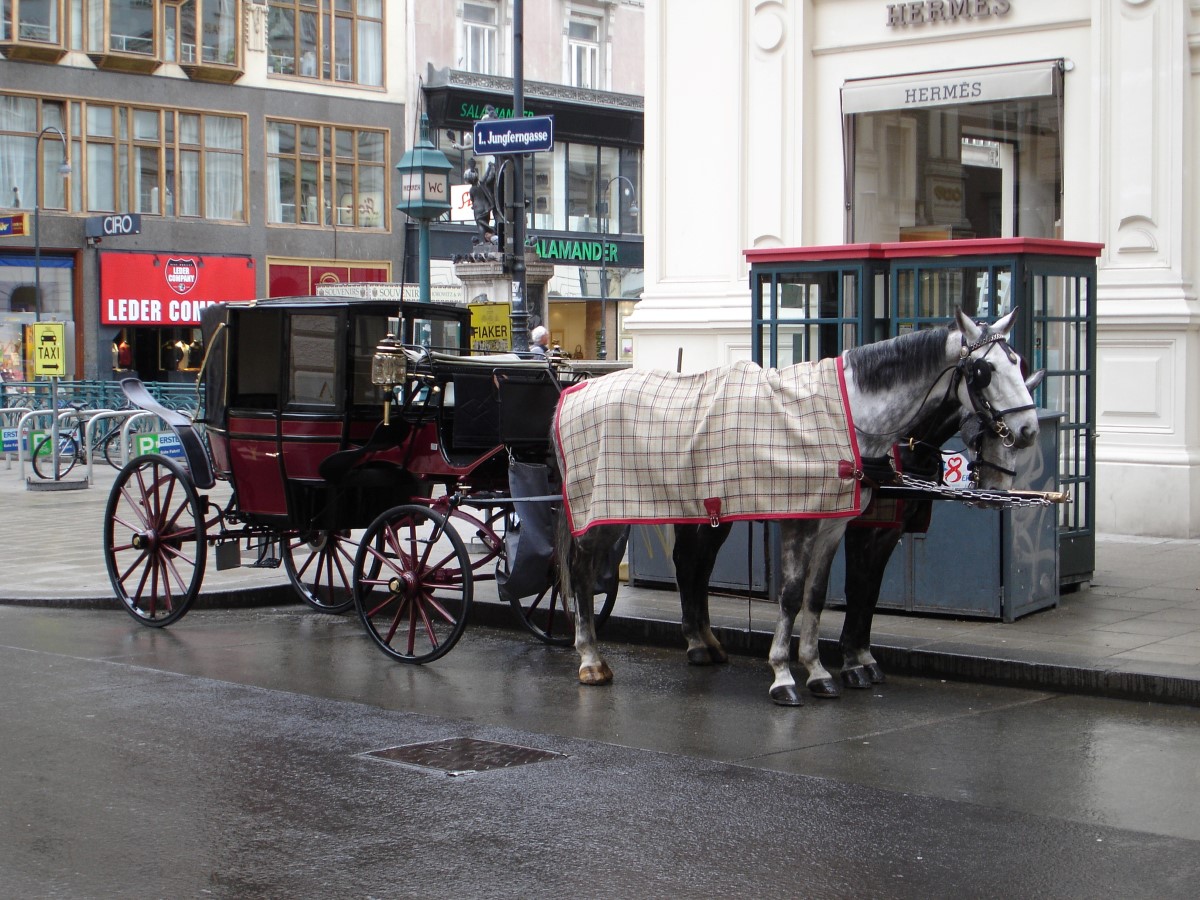
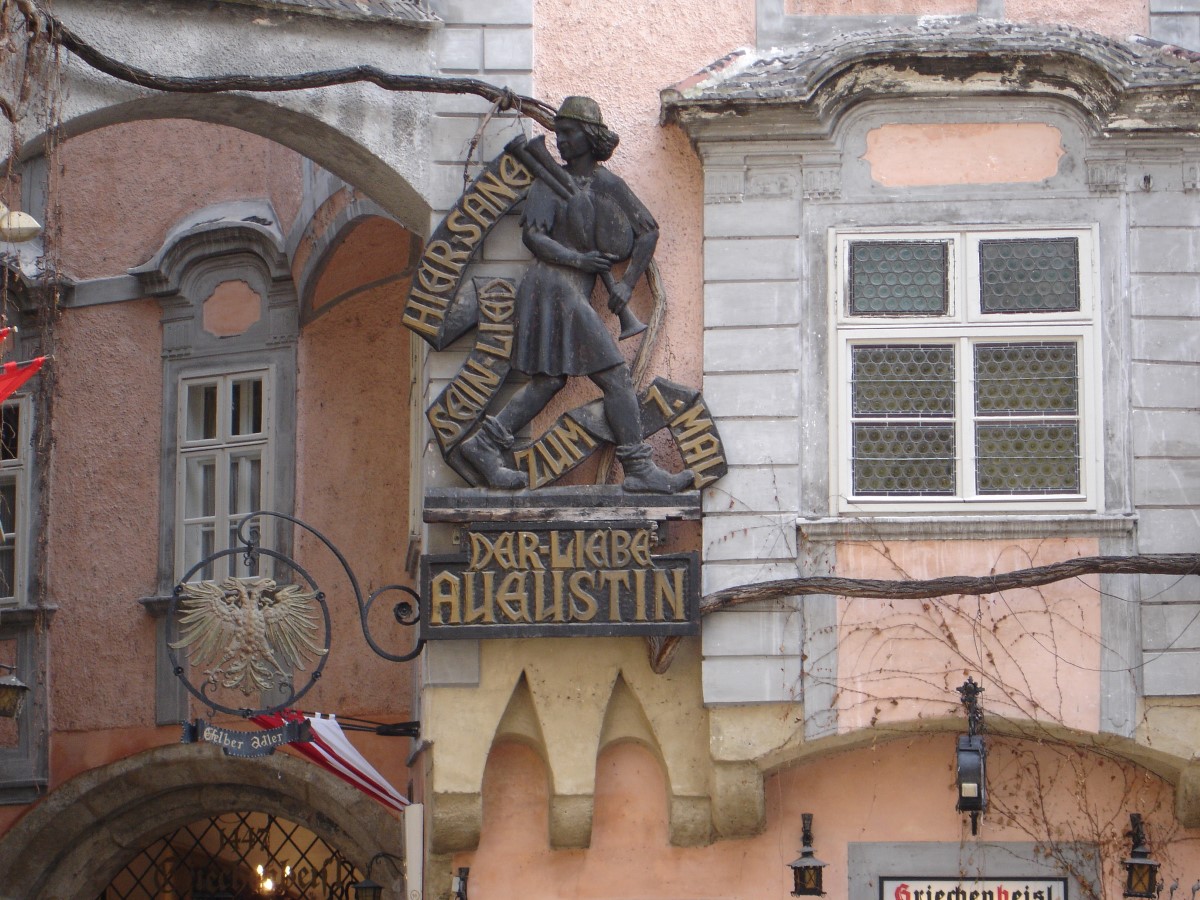
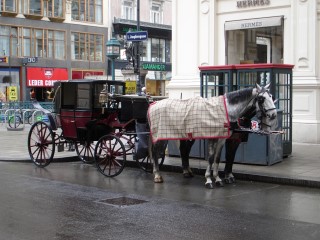
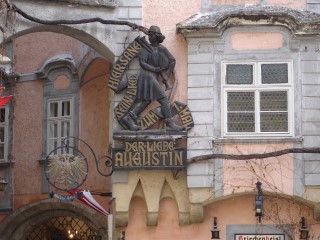
Around the Town: Horse and
buggy rides around the town and one of the interesting carved wooden
signs.
|
   |
|
|
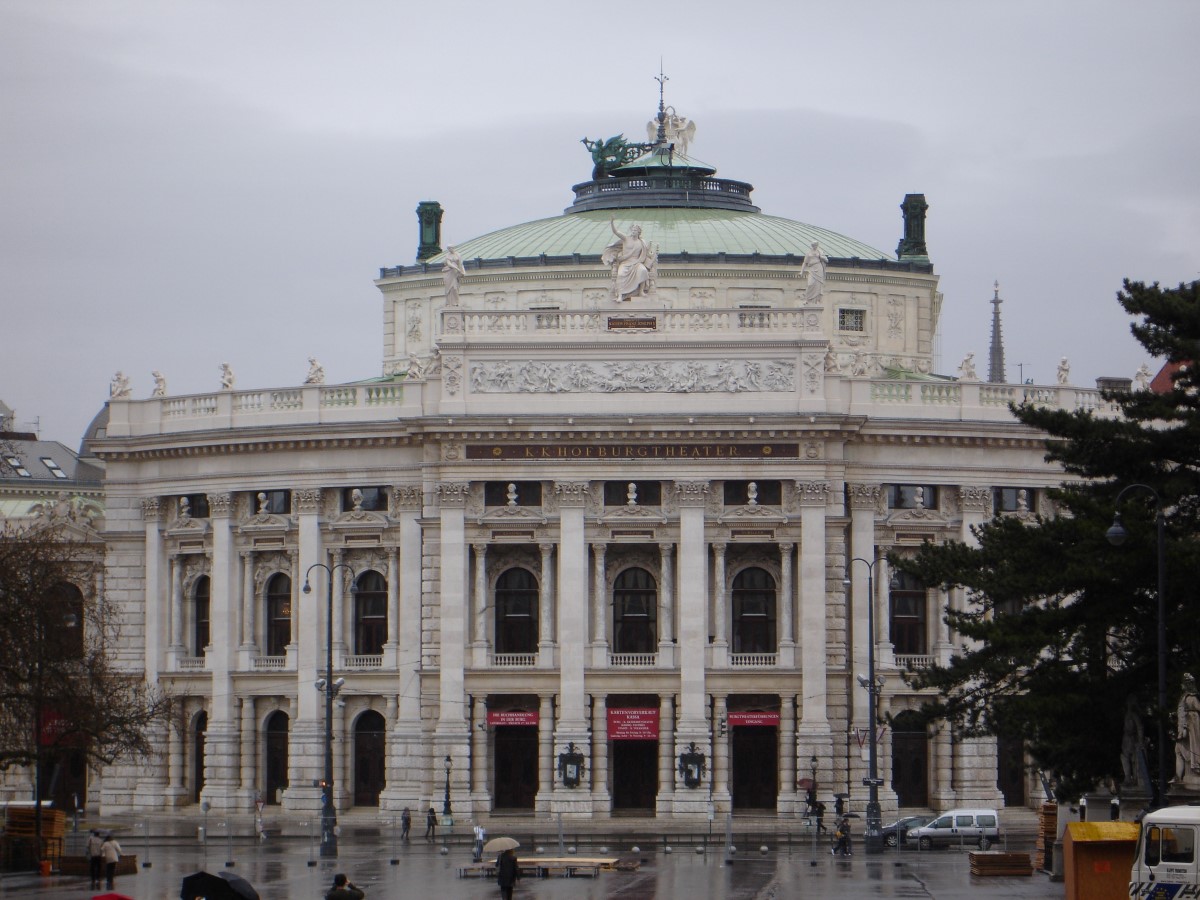
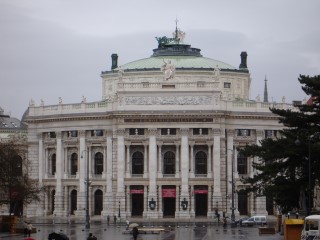
Burg Theater: Another theater
we really wanted to tour, but it was closed on the day we were in the
area.
|
 |
|
|
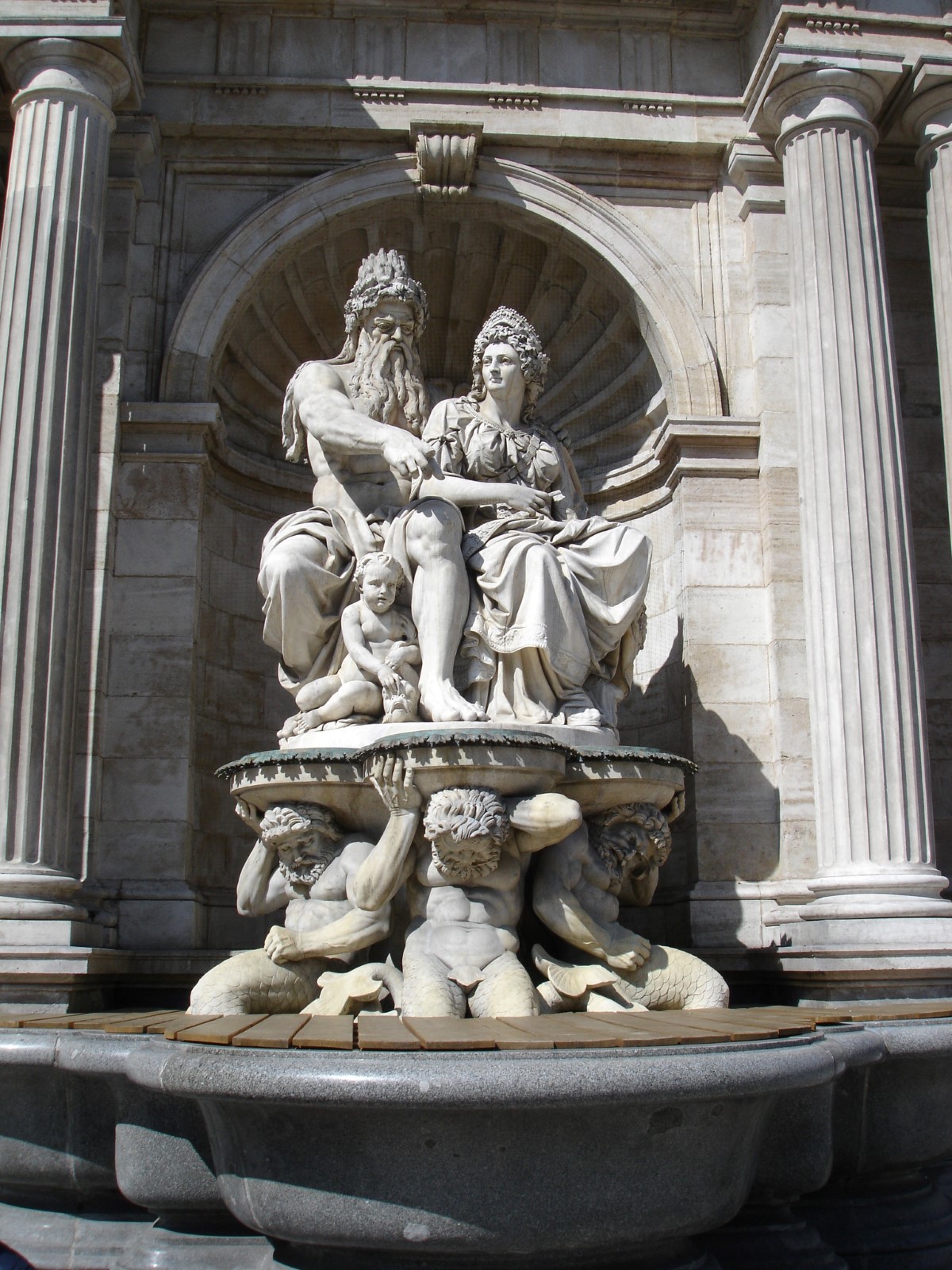
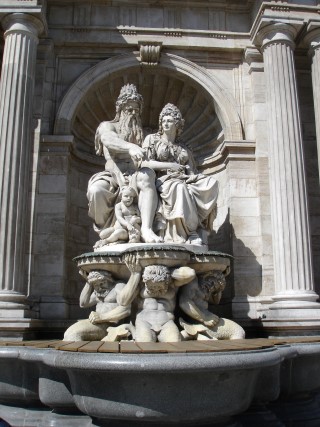
Danubius Fountain
|
 |
|
|
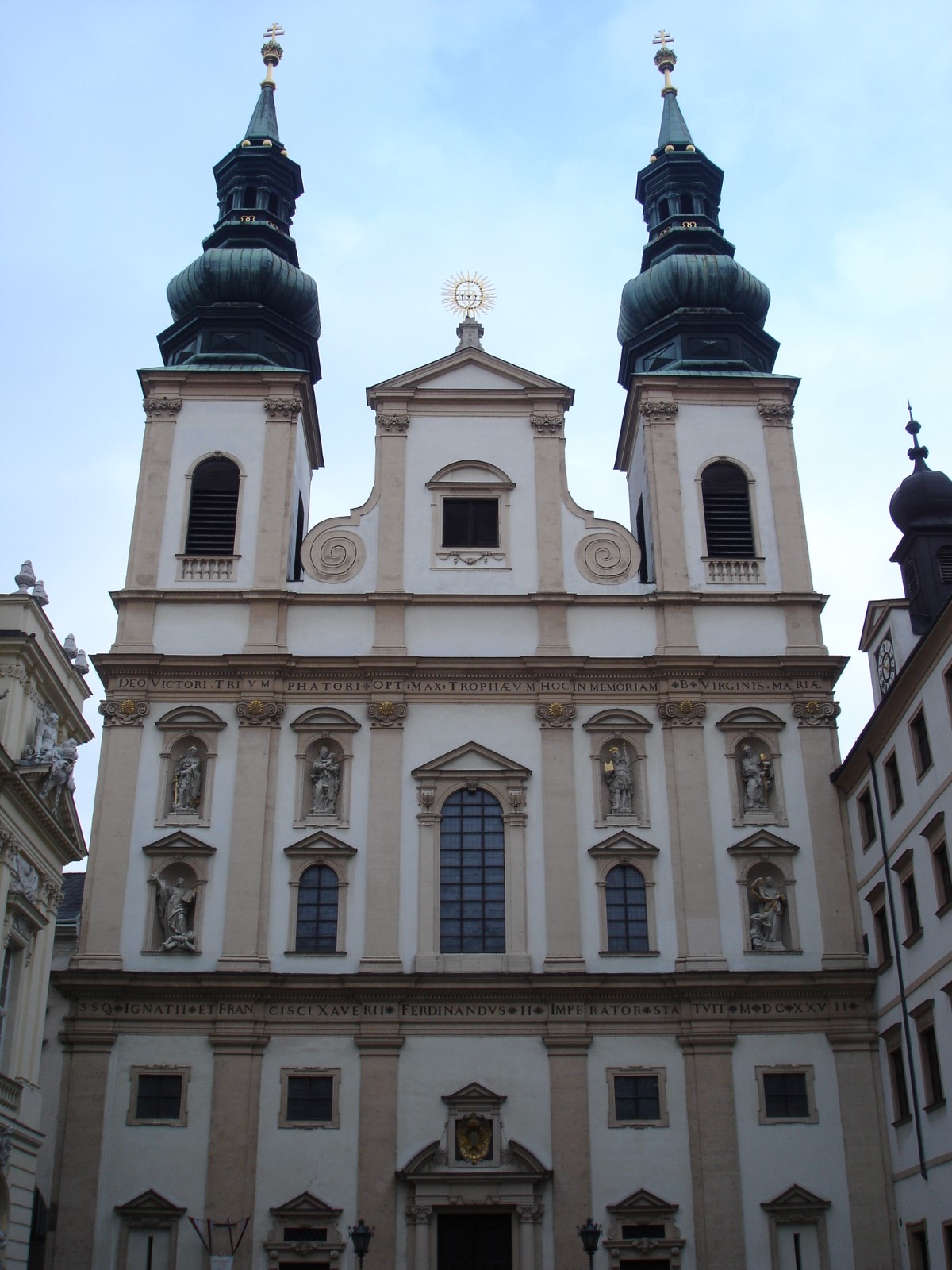
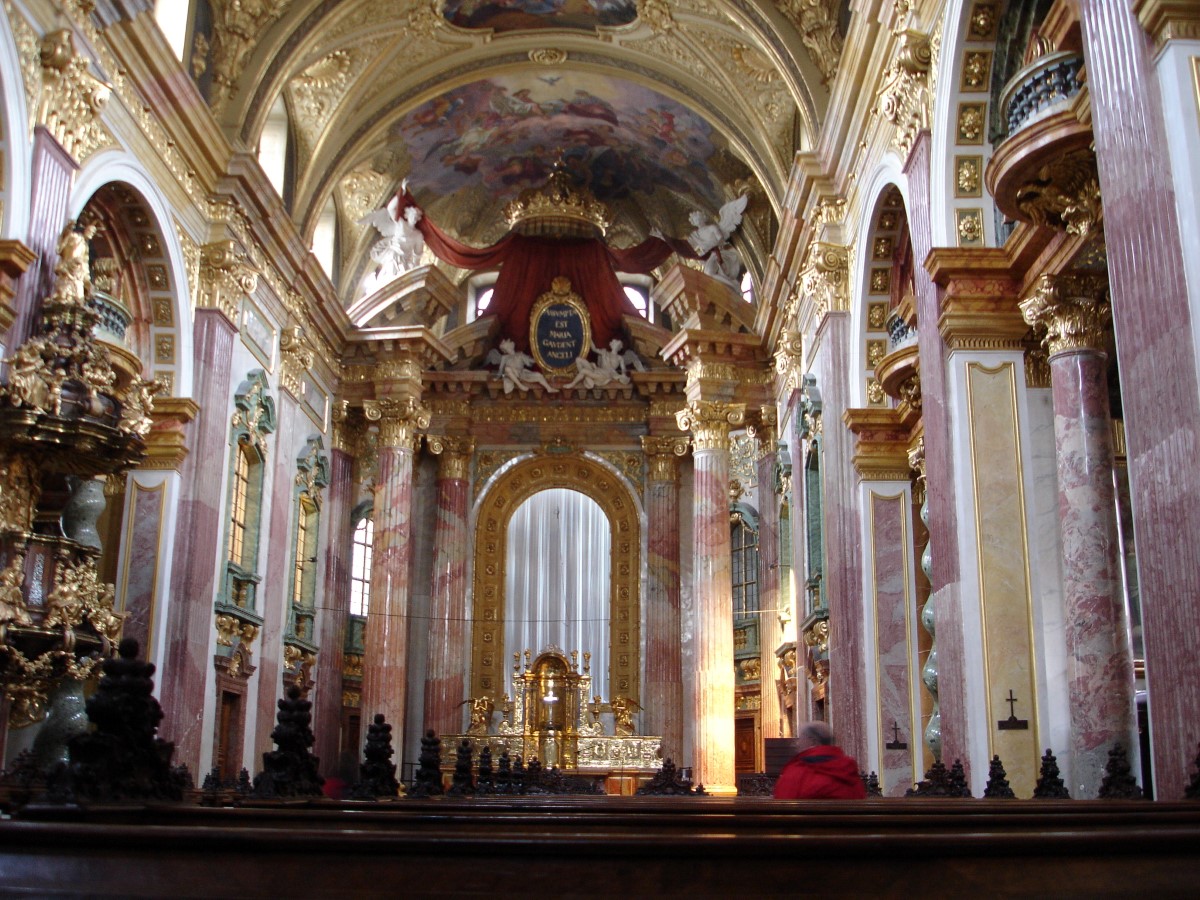
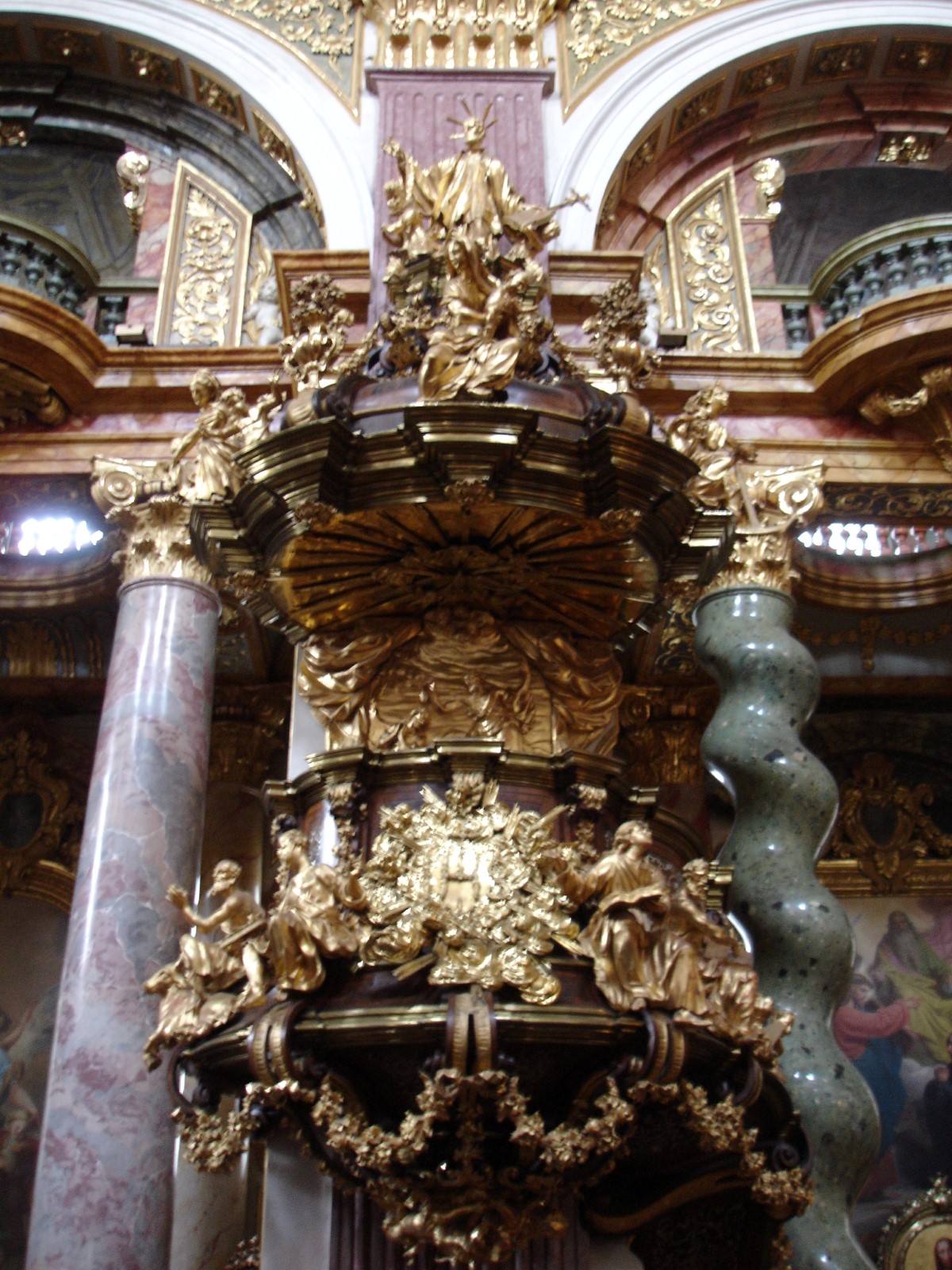
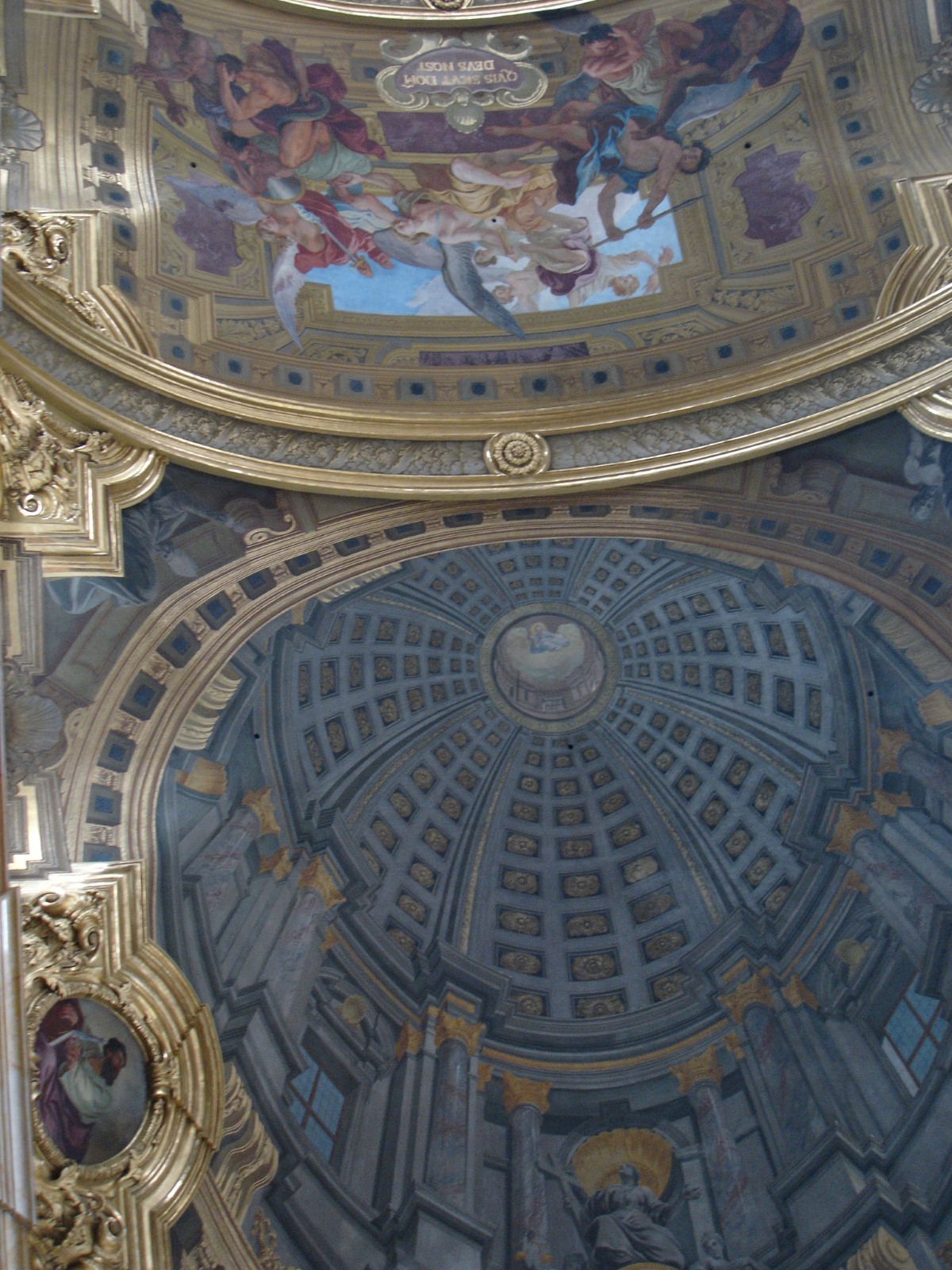
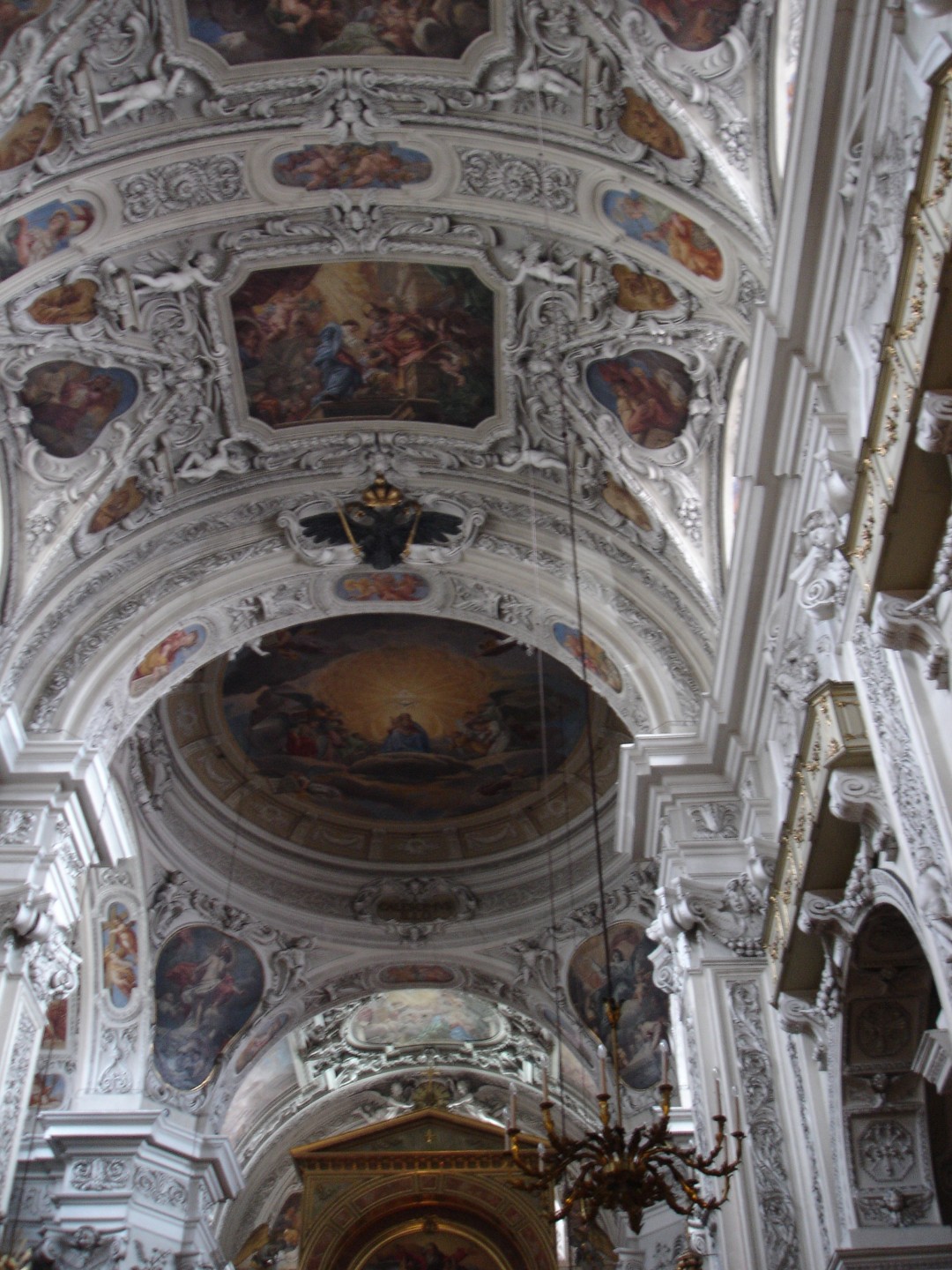
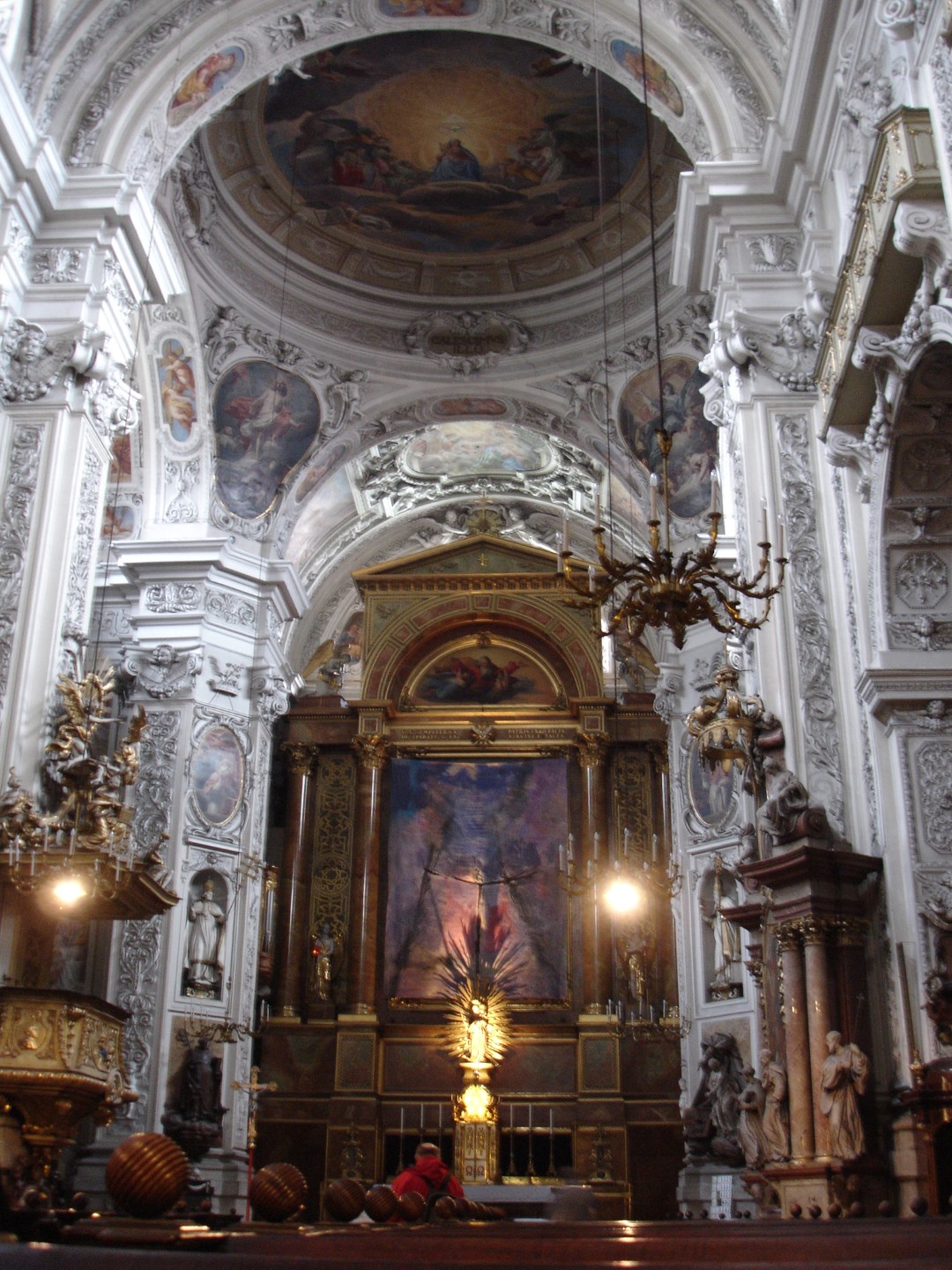
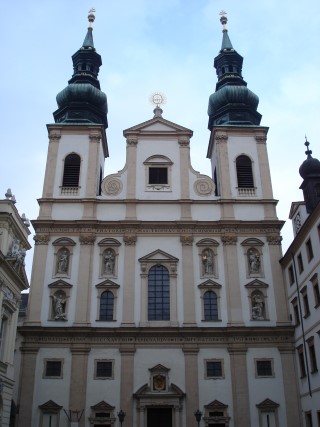
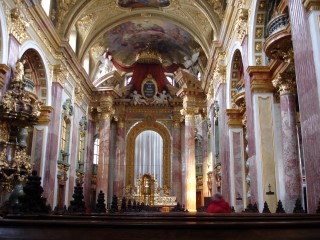
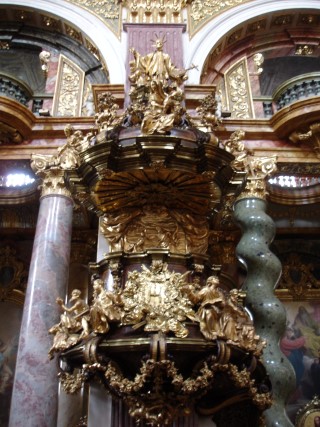
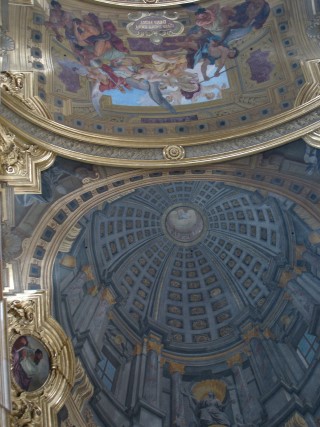
Jesuitenkirche: This is a Jesuit
church. The interior is heavily decorated with plump marble columns
screening the side chapels. The ceiling frescos are cleverly
executed using a trompe l'oeil effect (a style of painting that gives an
illusion of photographic reality) and the pews are richly carved.
|
 |
|
|
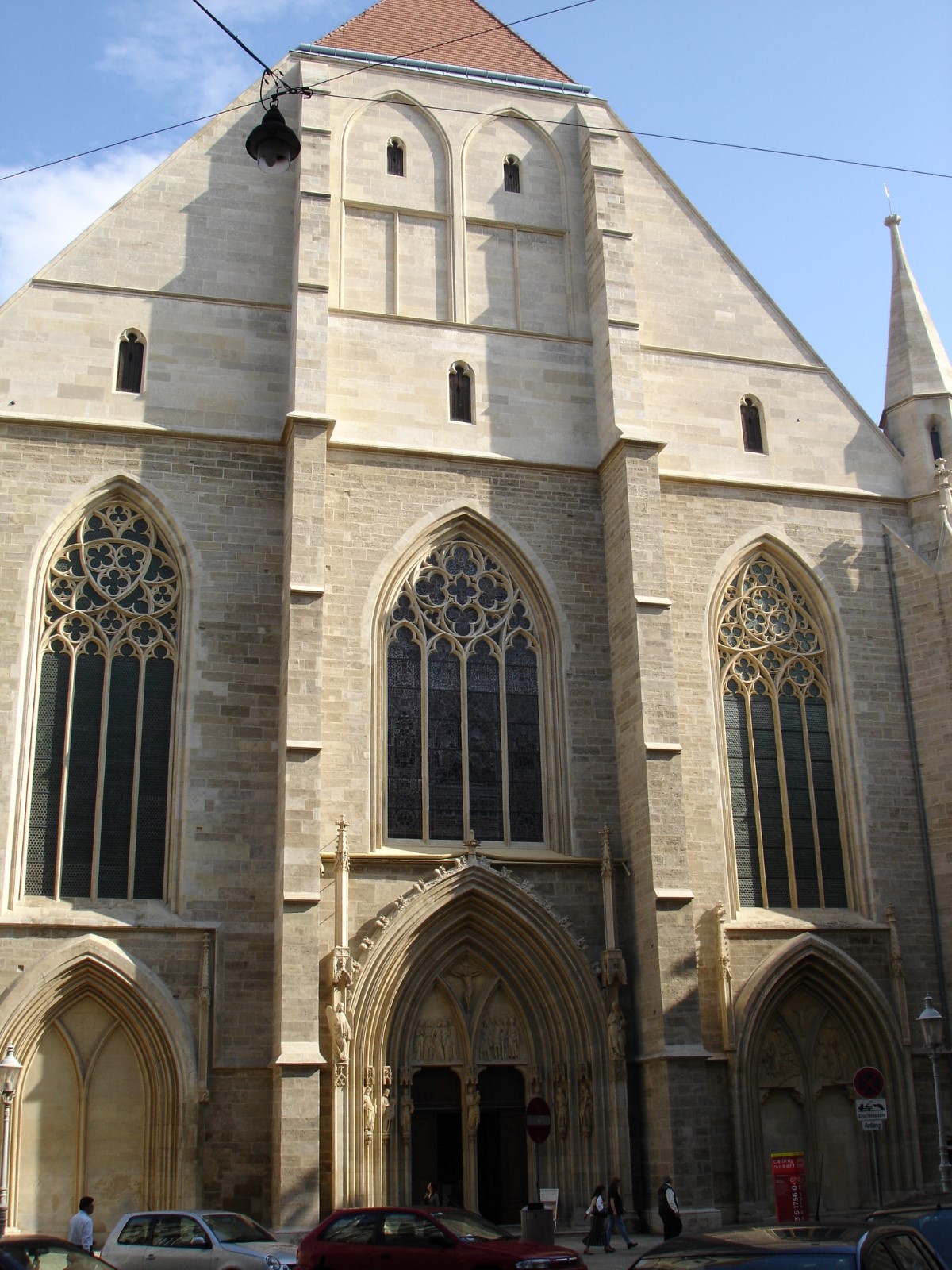
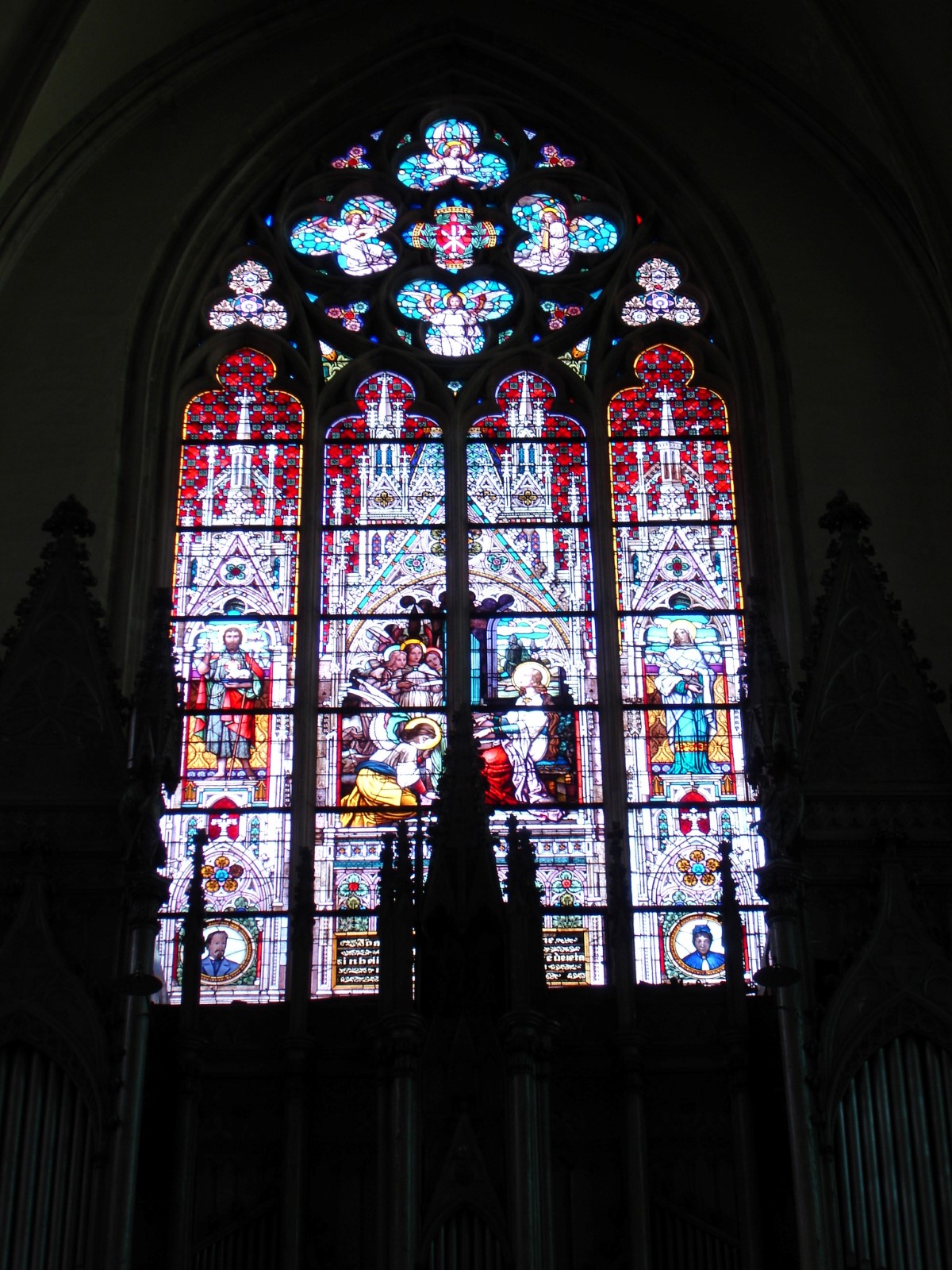
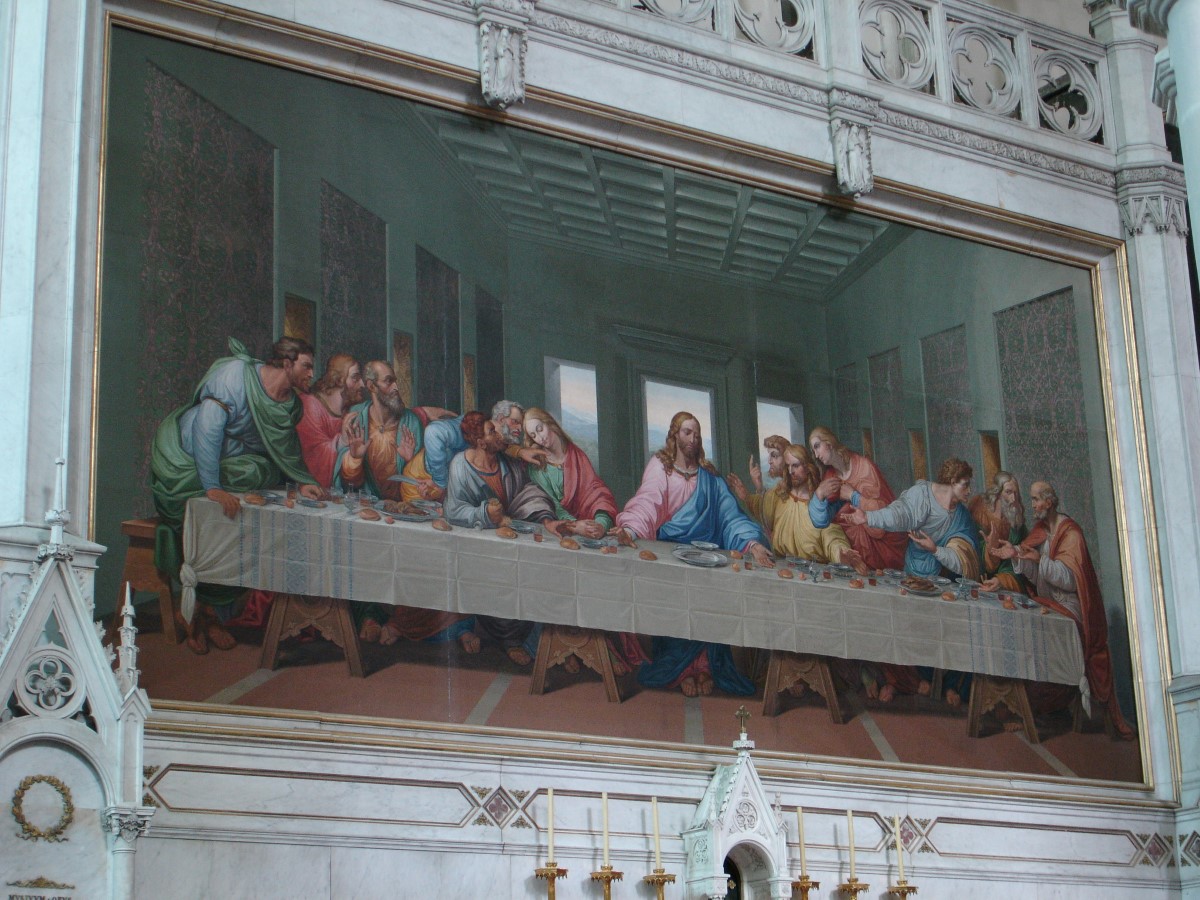
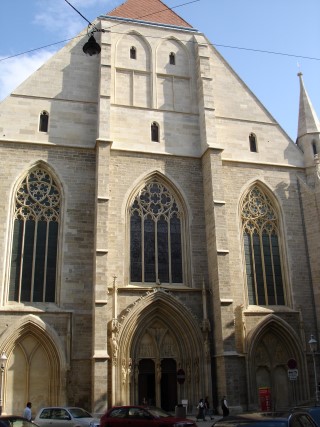
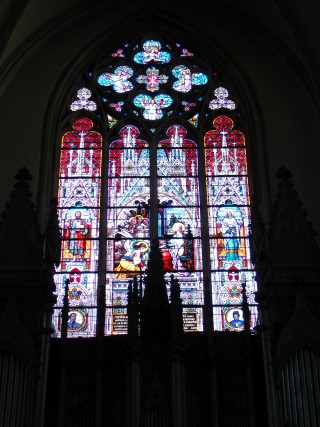
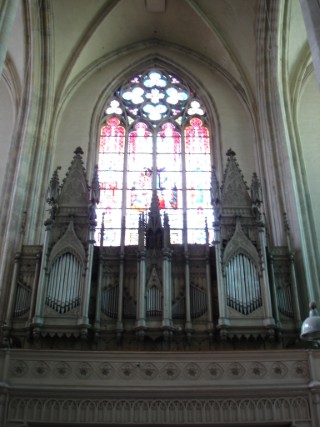
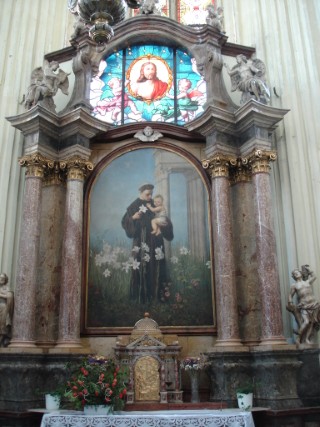
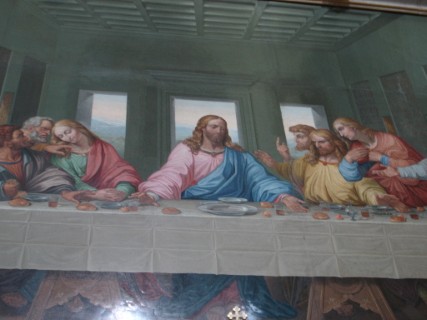
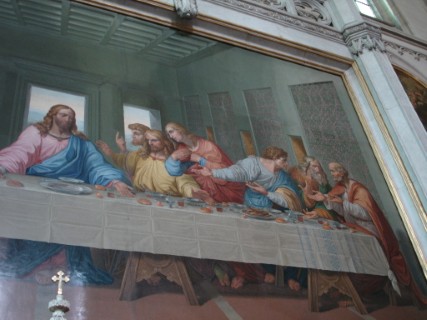
Minoritenkirche: This church was
established by the Minor Friars in around 1224, although the present
structure dates from 1339. The tower was given its odd pyramidal
shape during the Turkish siege of 1529, when shells sliced the top off the
steeple.
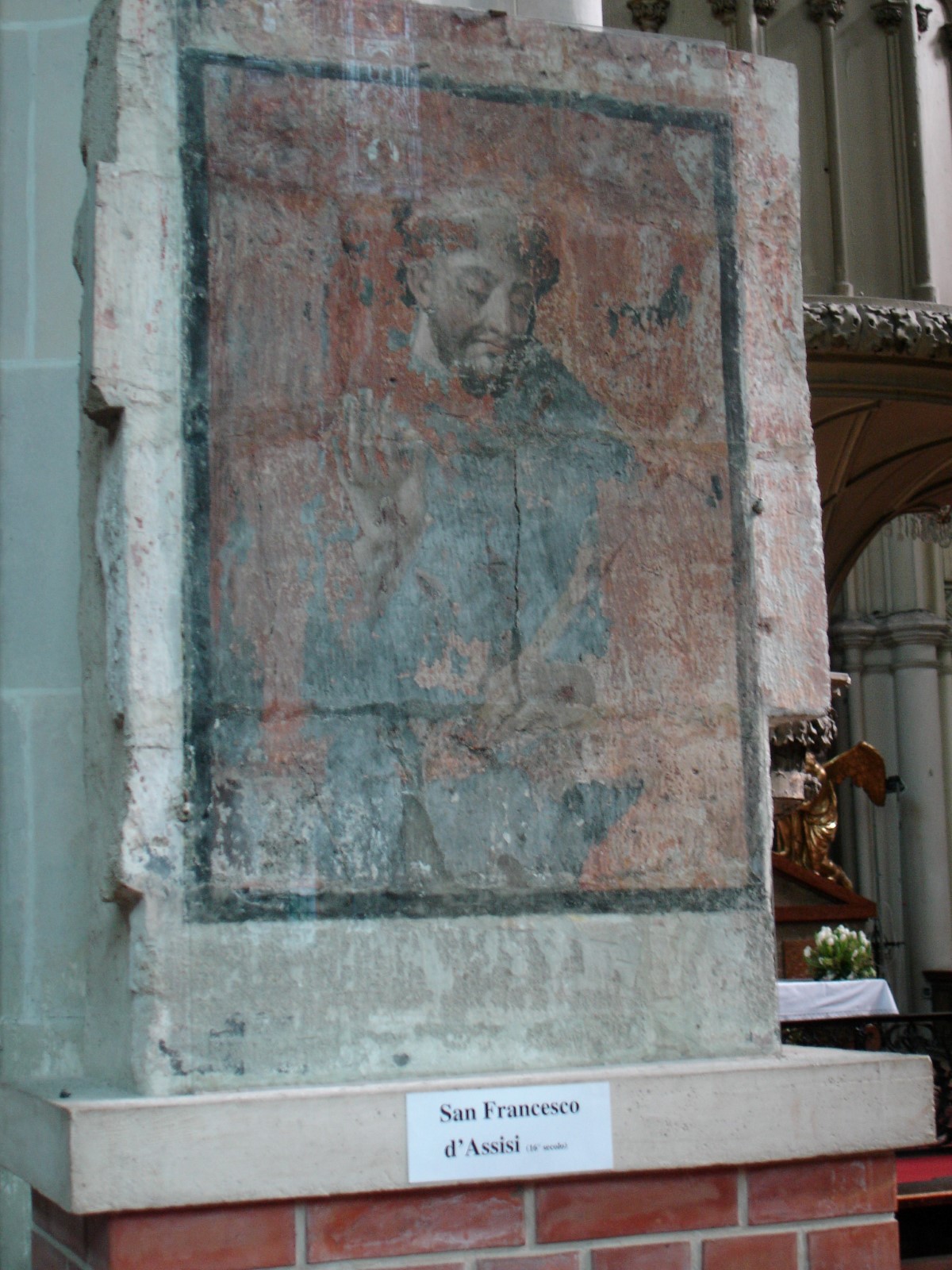
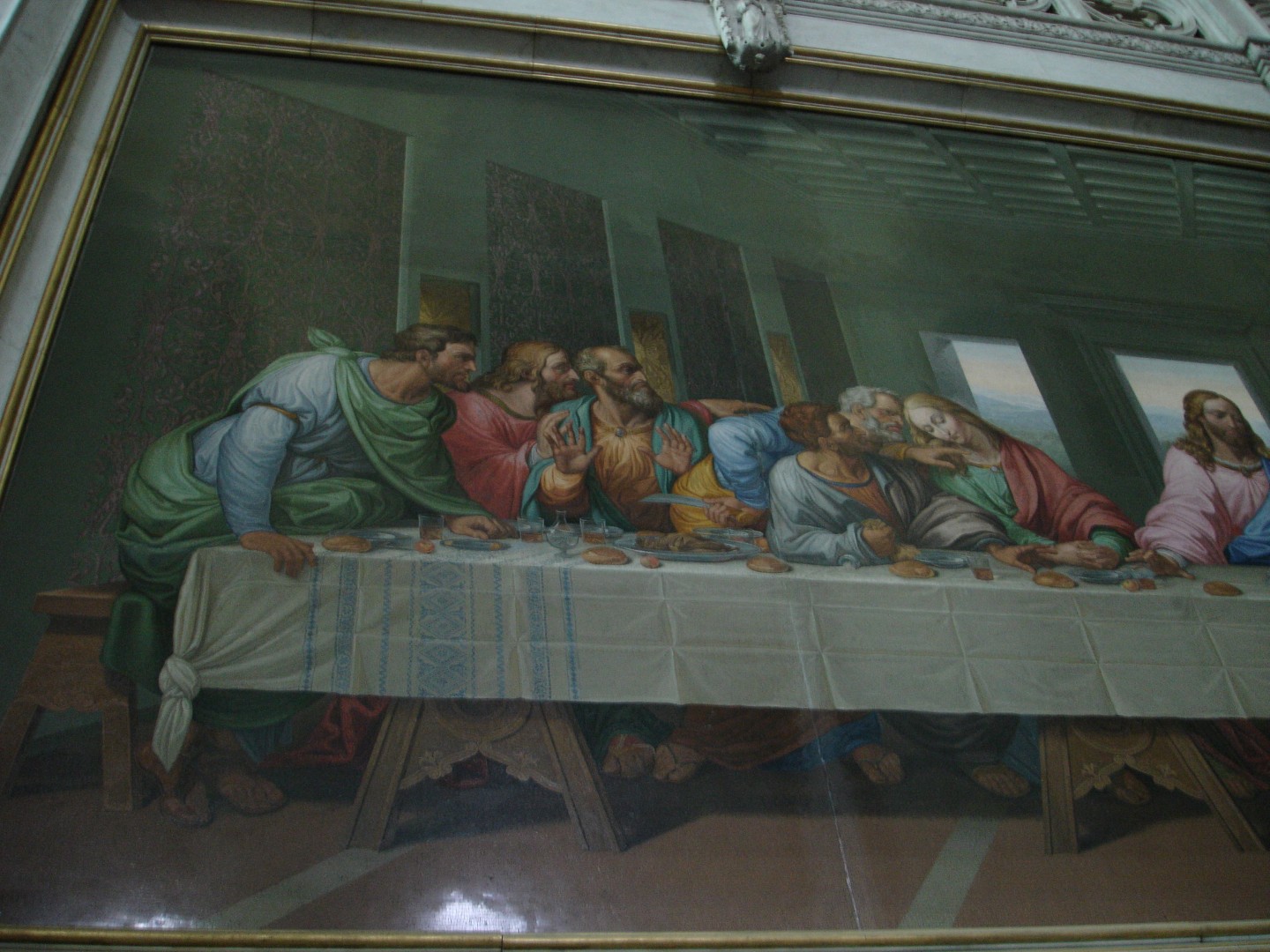
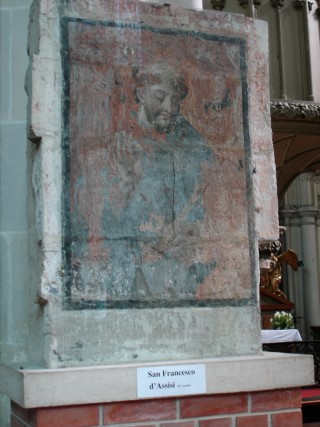
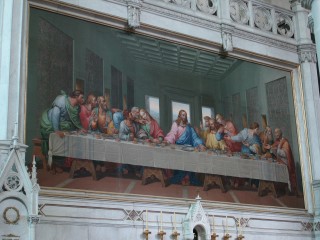
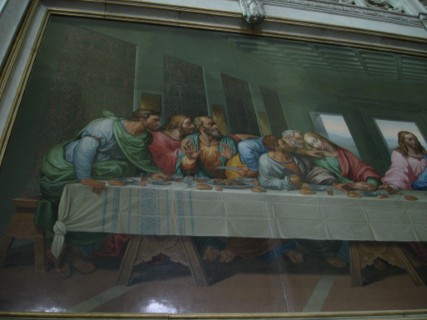
The church contains a mosaic copy of
Leonardo da Vinci's Last Supper and a faded fragment of the 16th-century
fresco of St. Francis of Assisi.
|
 |
|
|
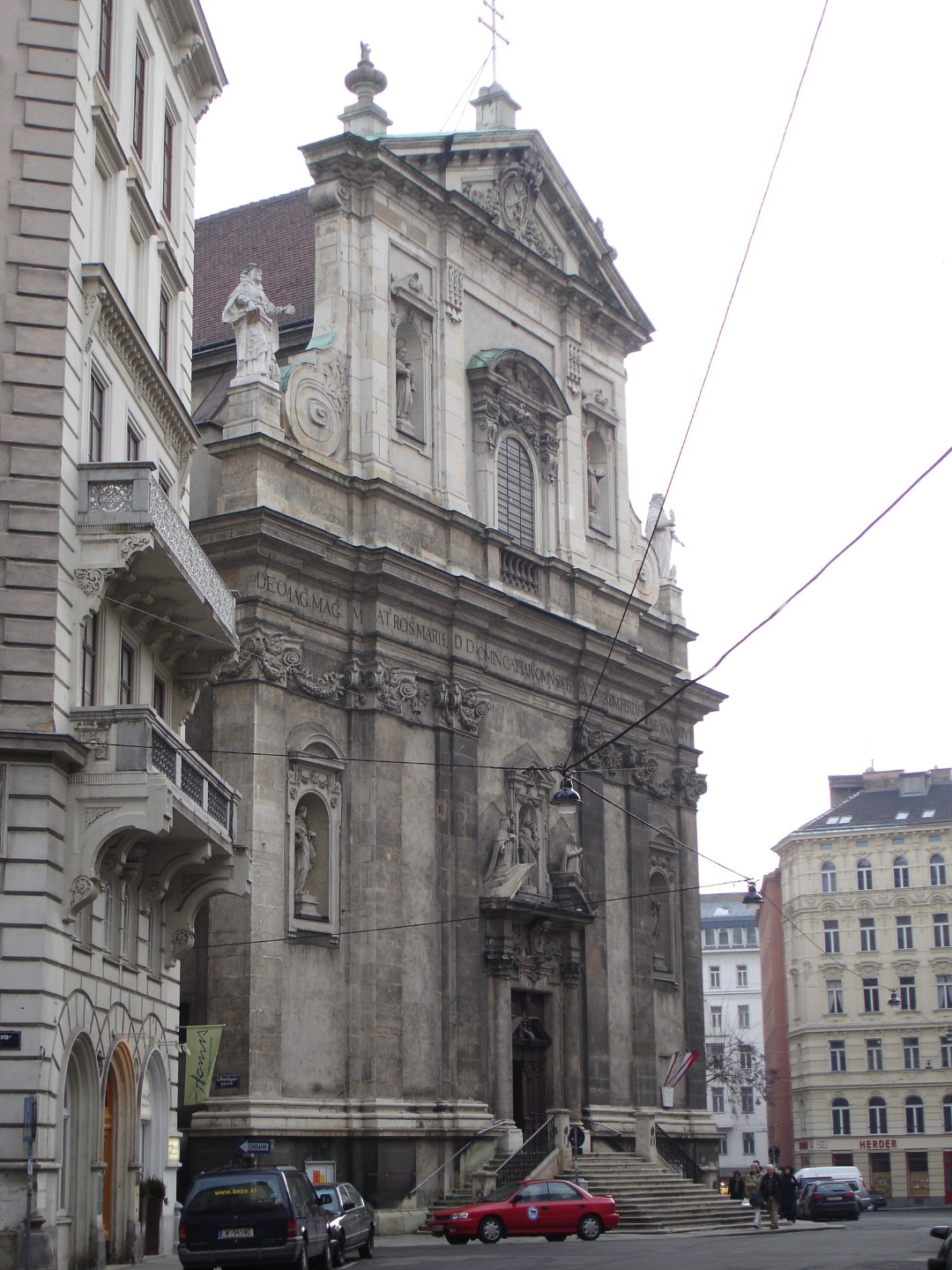
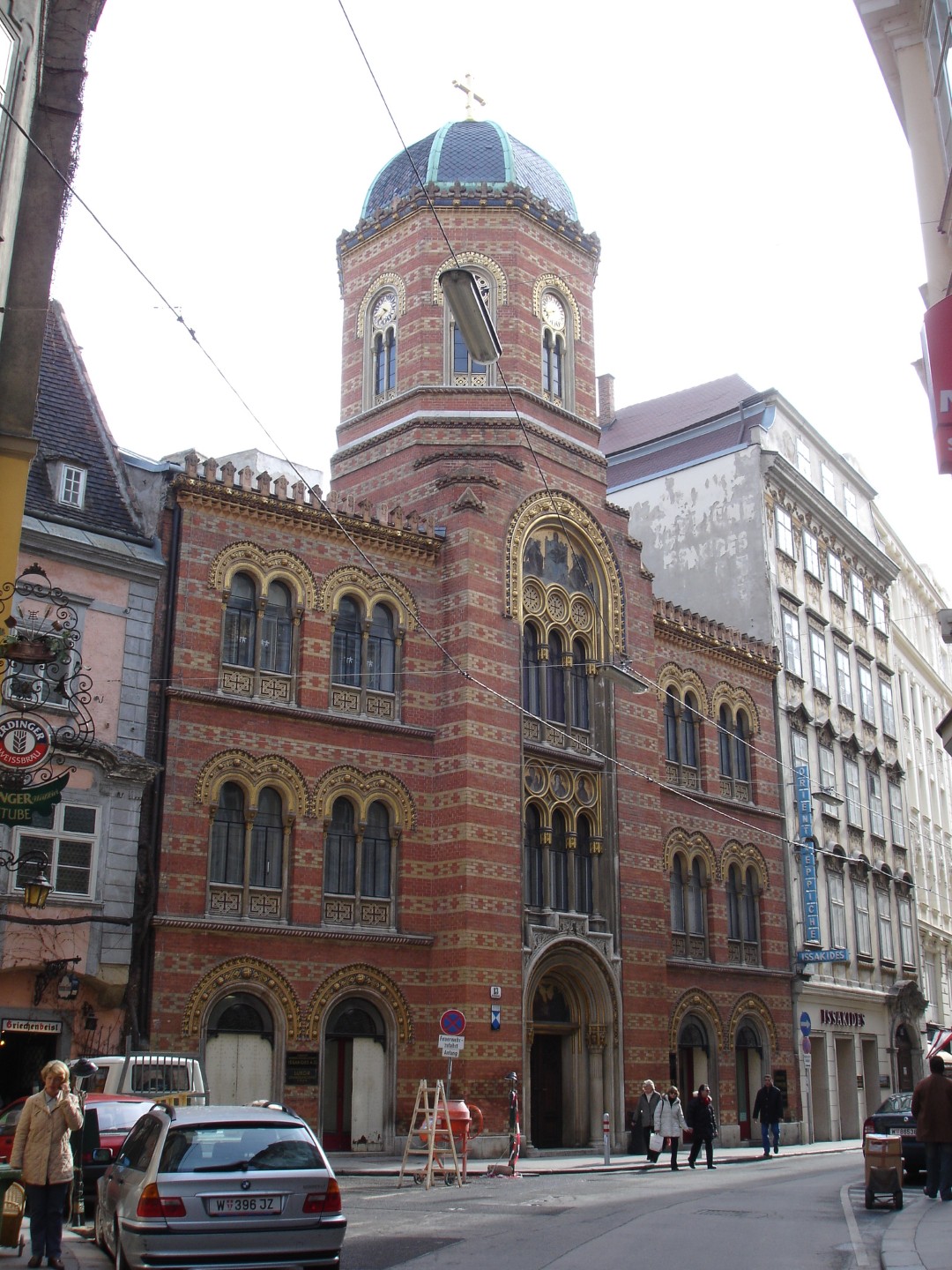
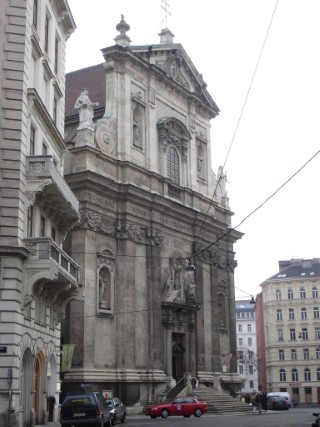
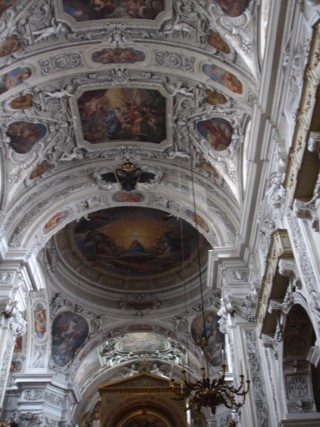
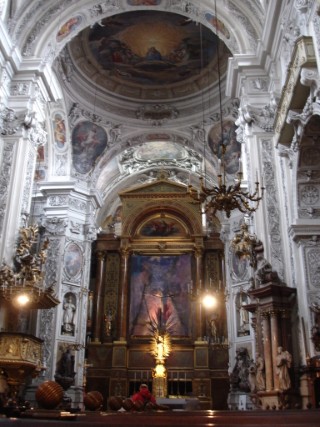
Dominikanerkirche: The Dominican Church, also known as the Church of St. Maria Rotunda, is an early Baroque parish church and minor basilica in the historic center of Vienna, Austria. It is the third church built on the same site in the course of time. |
|
|
|
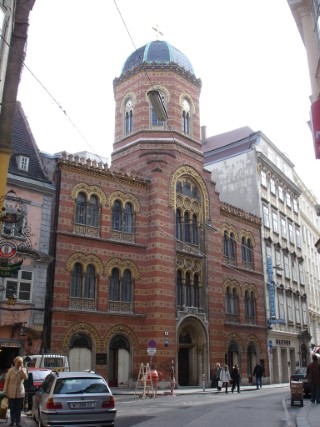
Miscl. Church |
|
|
|
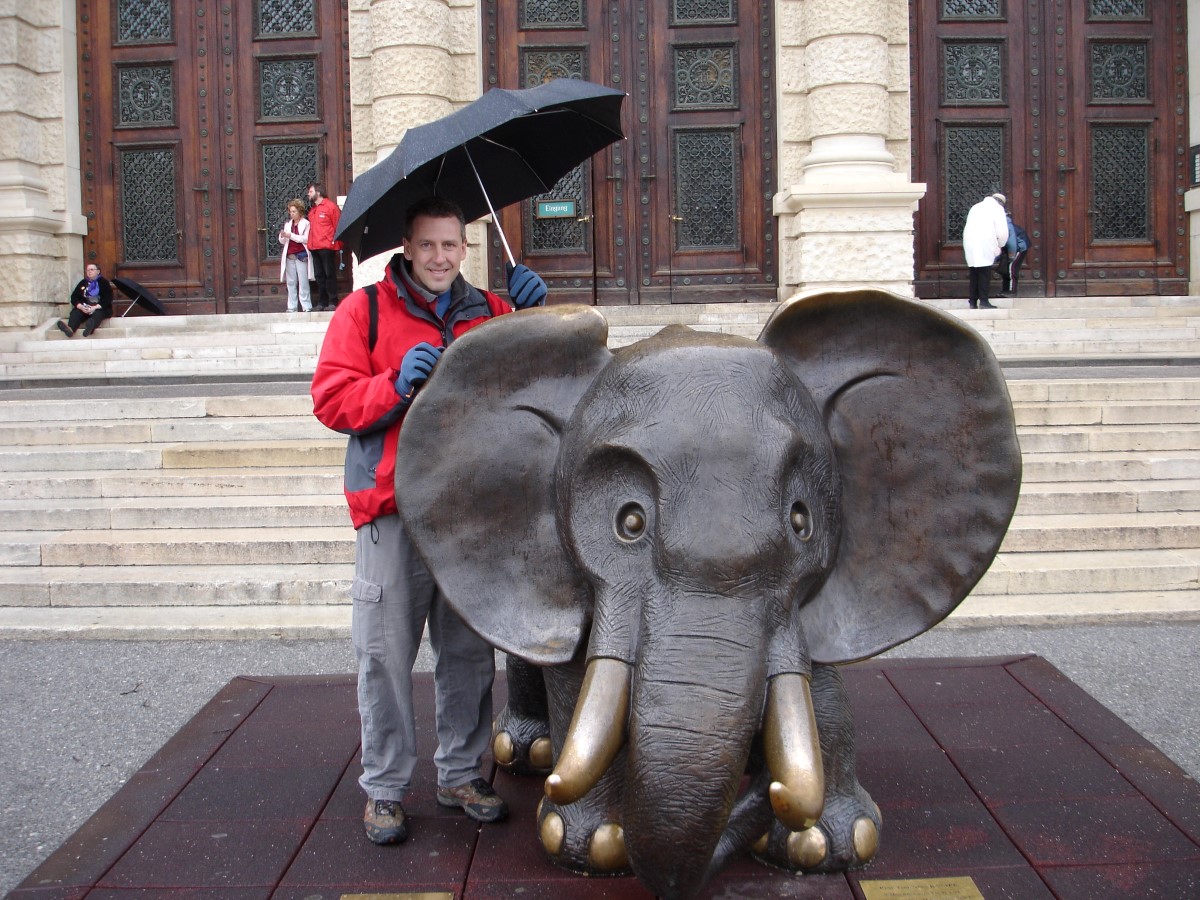
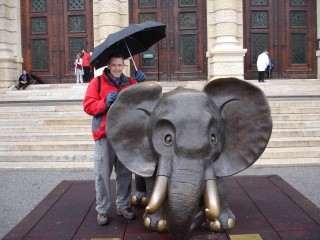
Museum Area: An elephant statue
outside of one of the museums.
|
 |
|
|
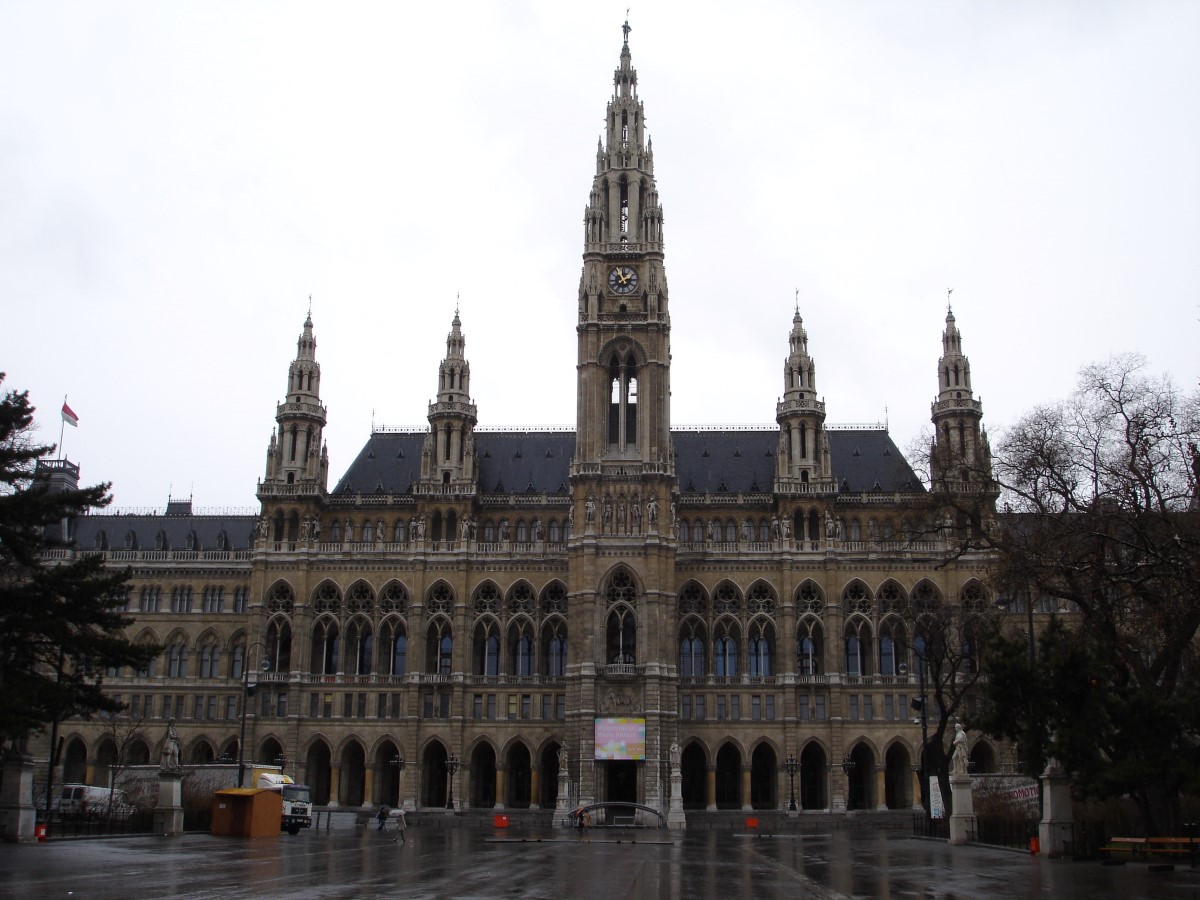
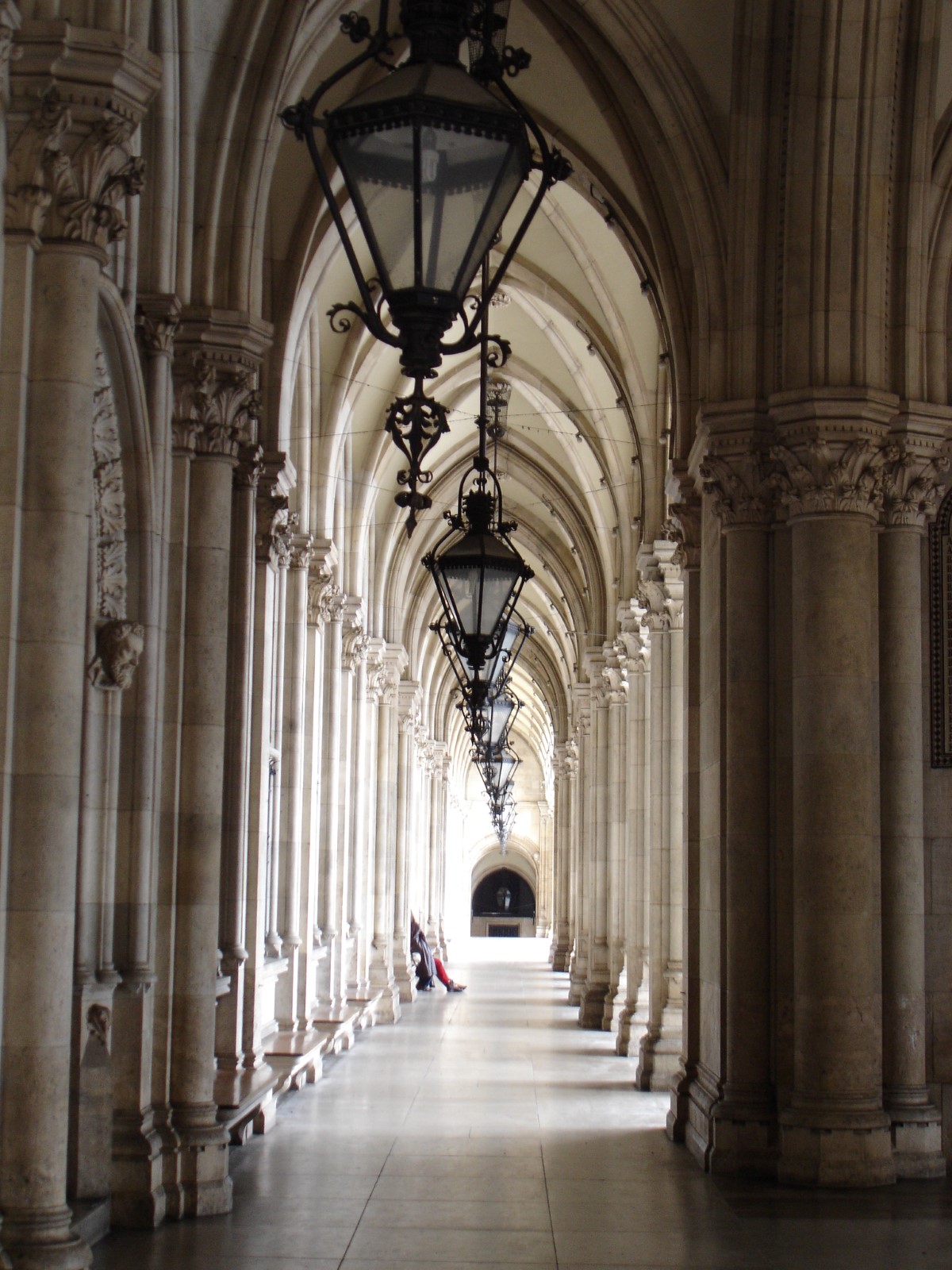
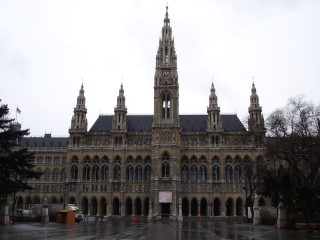
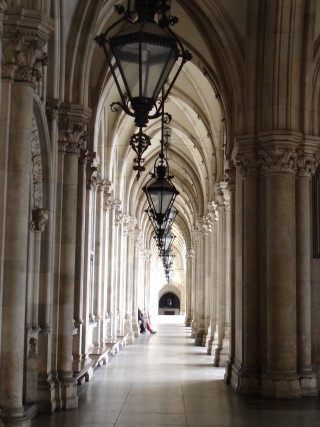
Neus Rathaus: The Town Hall.
|
 |
|
|
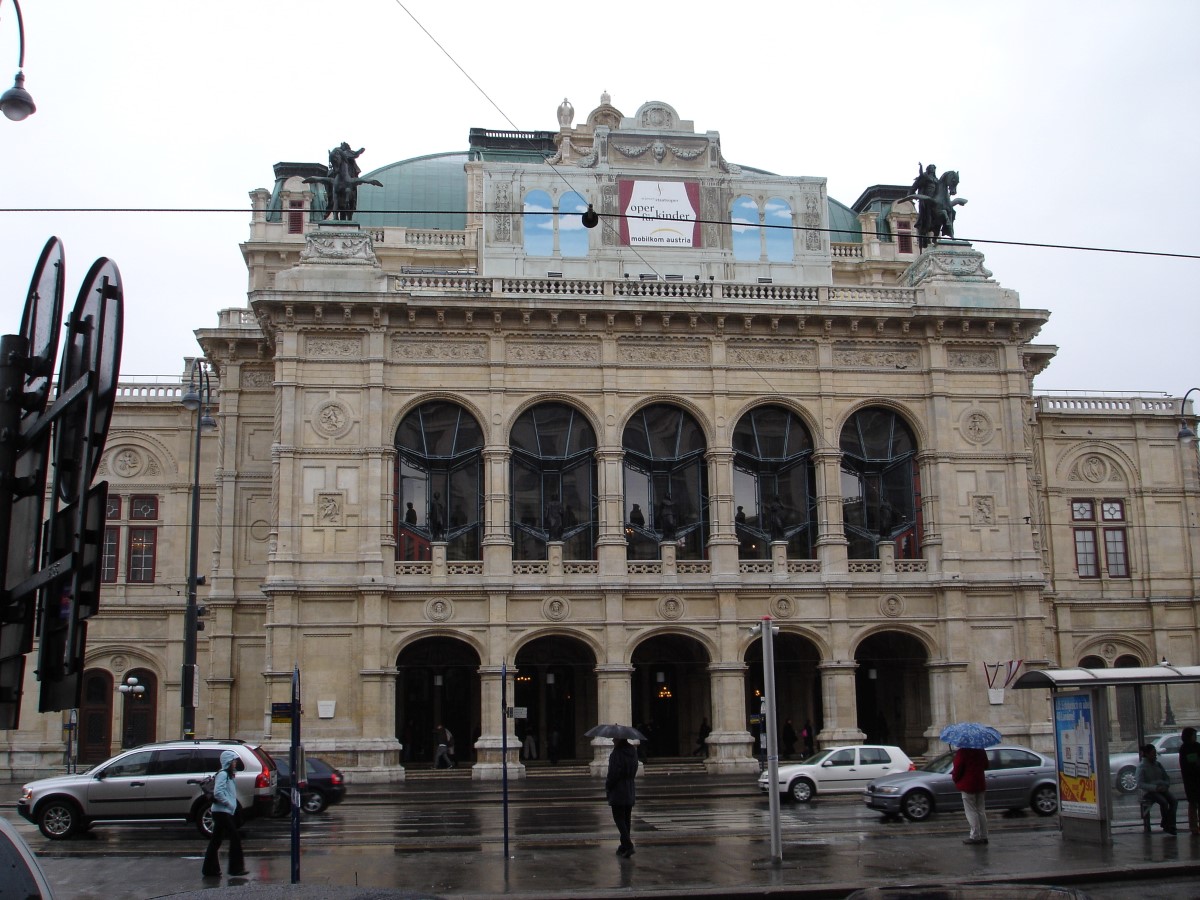
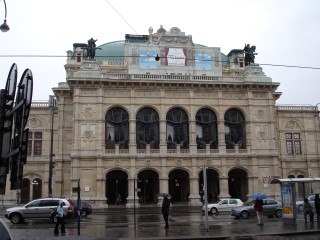
Opera House: The Vienna Opera
House. When we arrived, the main auditorium was closed due to
technical issues and we had missed the English speaking tour so we did not
get to go inside. This is on our list for a future trip to Vienna.
|
 |
|
|
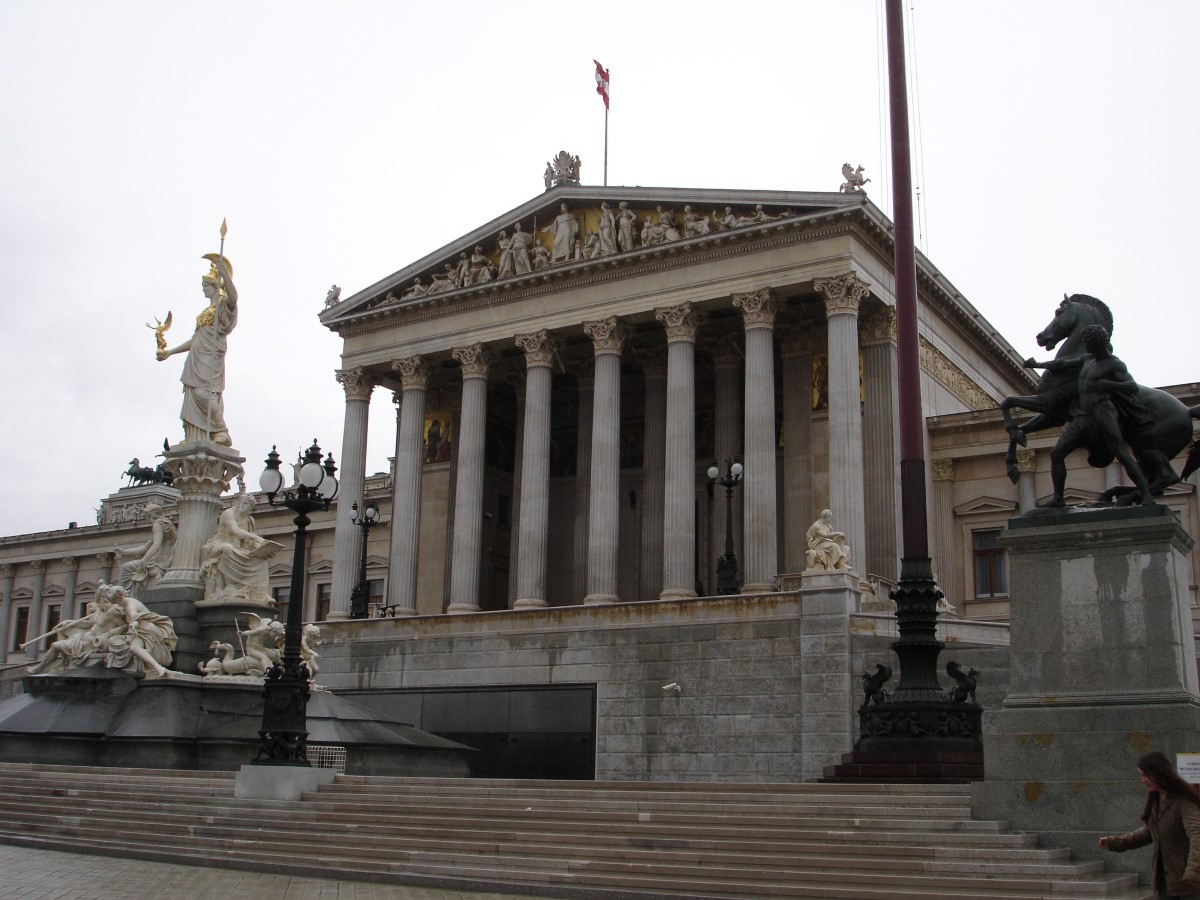
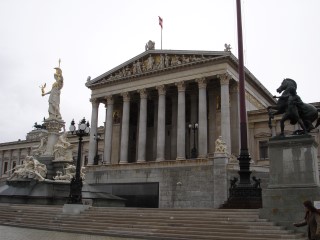
Parliament: Vienna's house of Parliament.
|
 |
|
|
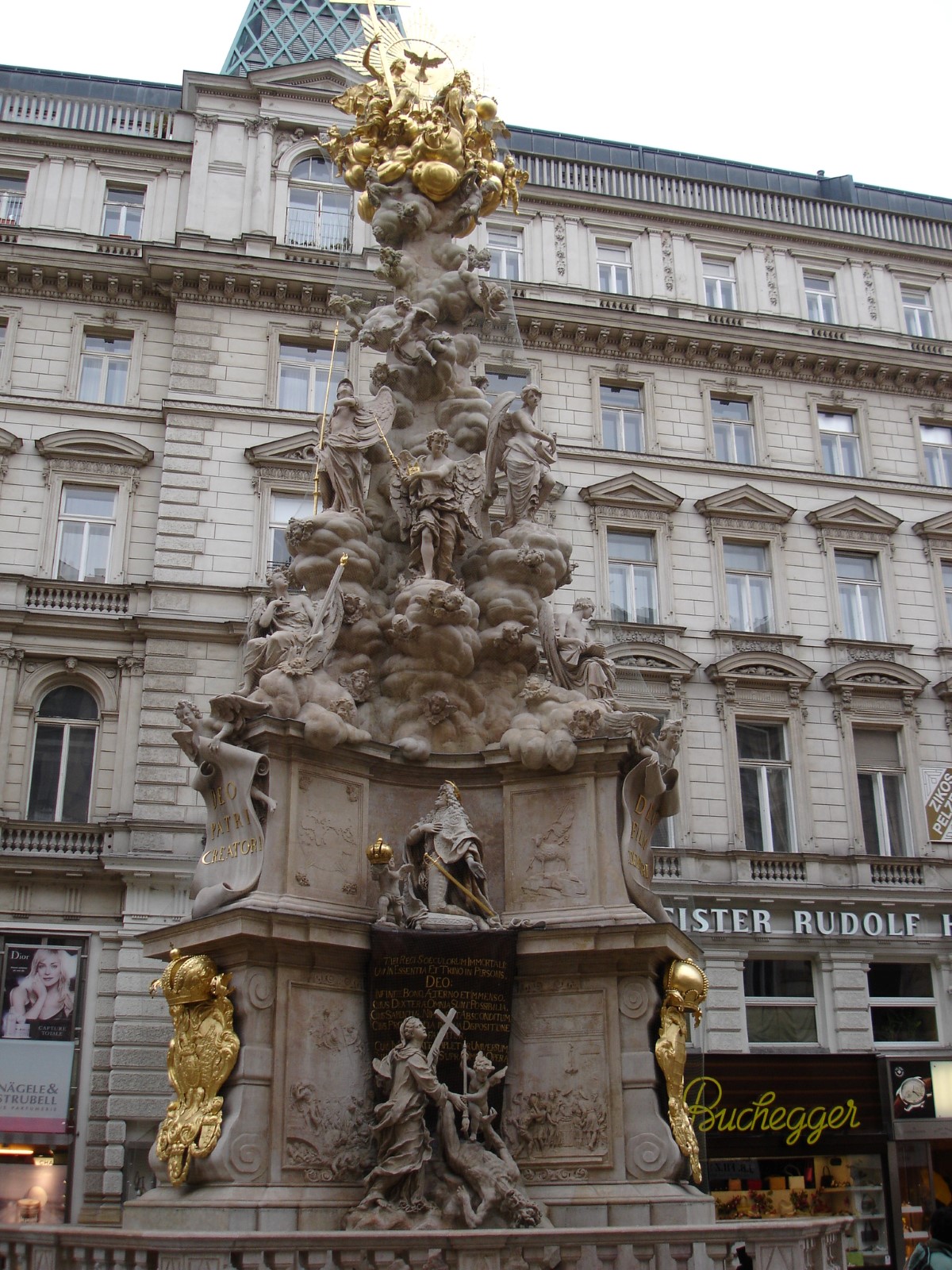
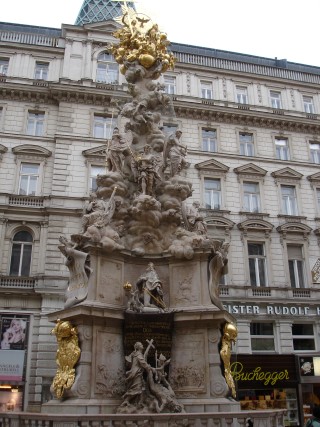
Pestsaule: During the plague of
1679, Emperor Leopold I vowed to commemorate Vienna's eventual
deliverance. The plague over, he commissioned the statue showing a
saintly figure on an angel supervising the destruction of a hag
representing the plague, while above the bewigged Emperor prays.
|
 |
|
|
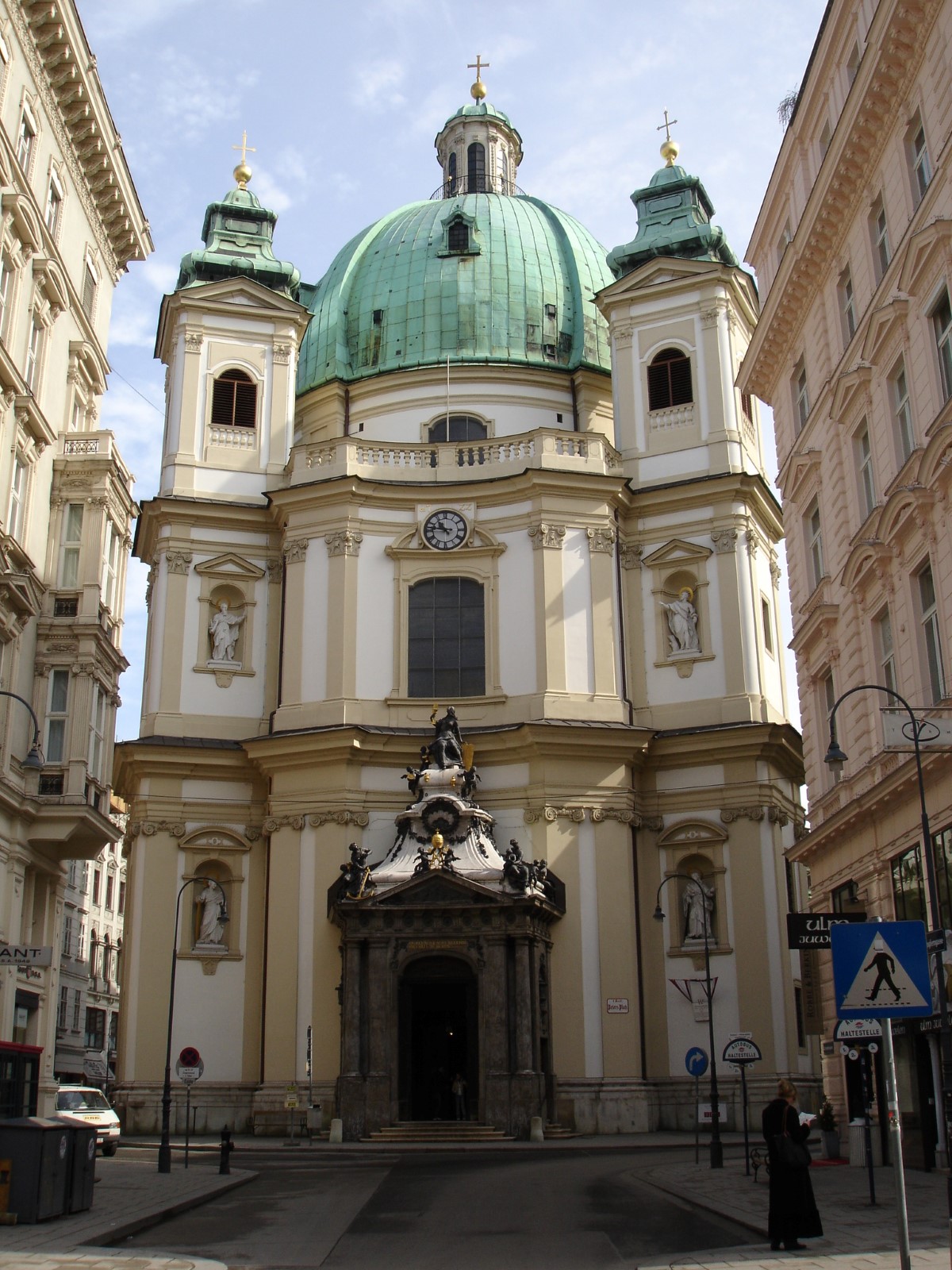
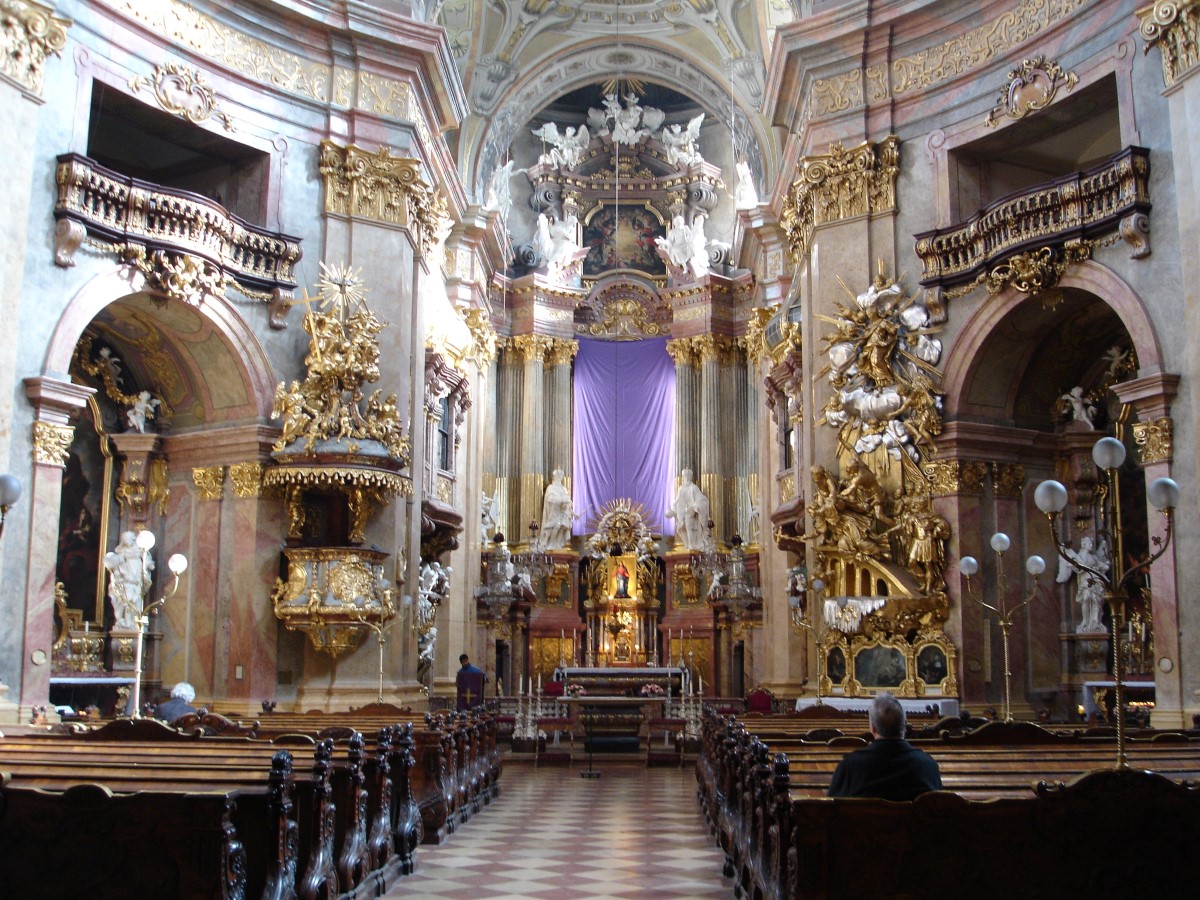
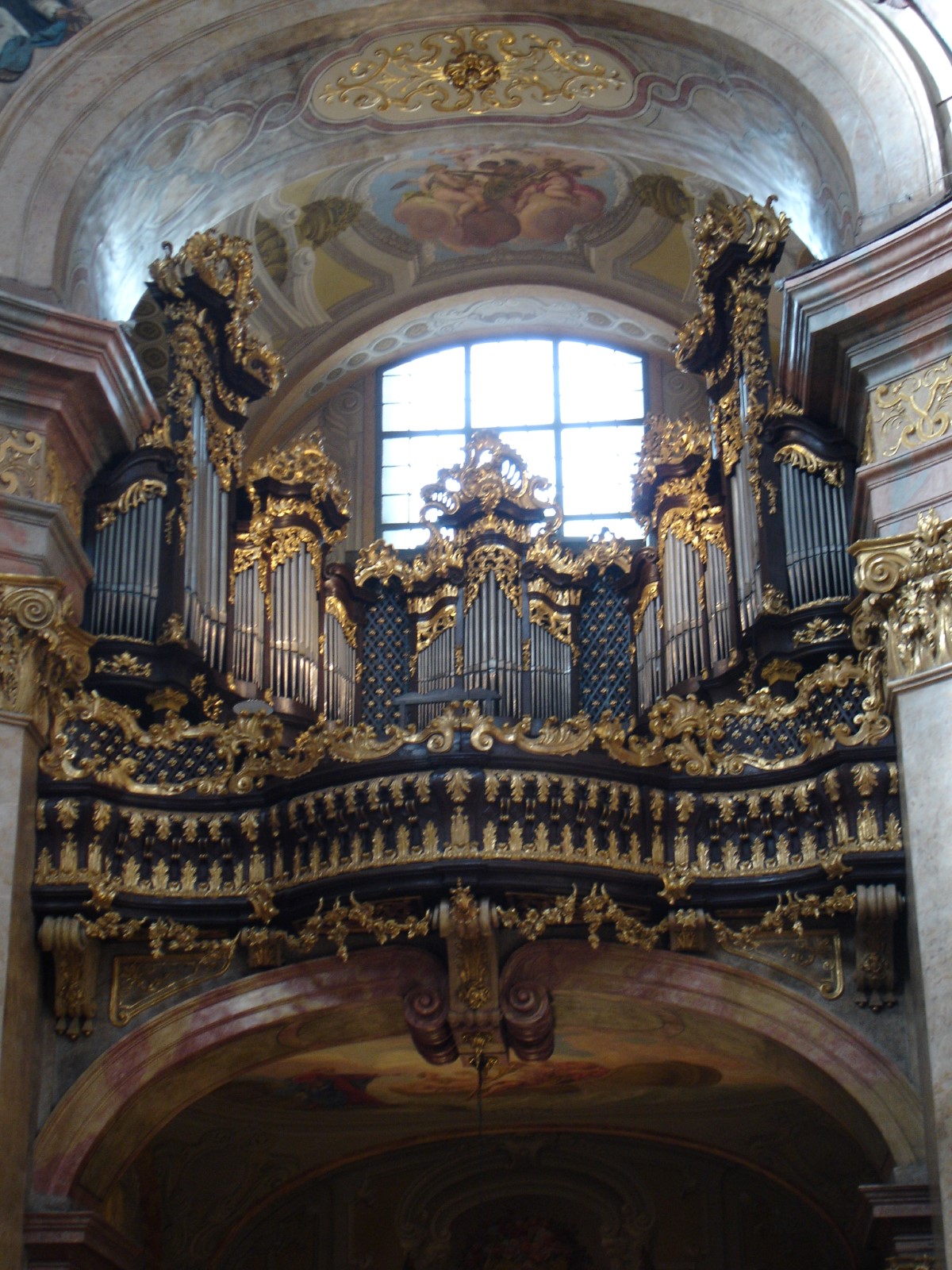
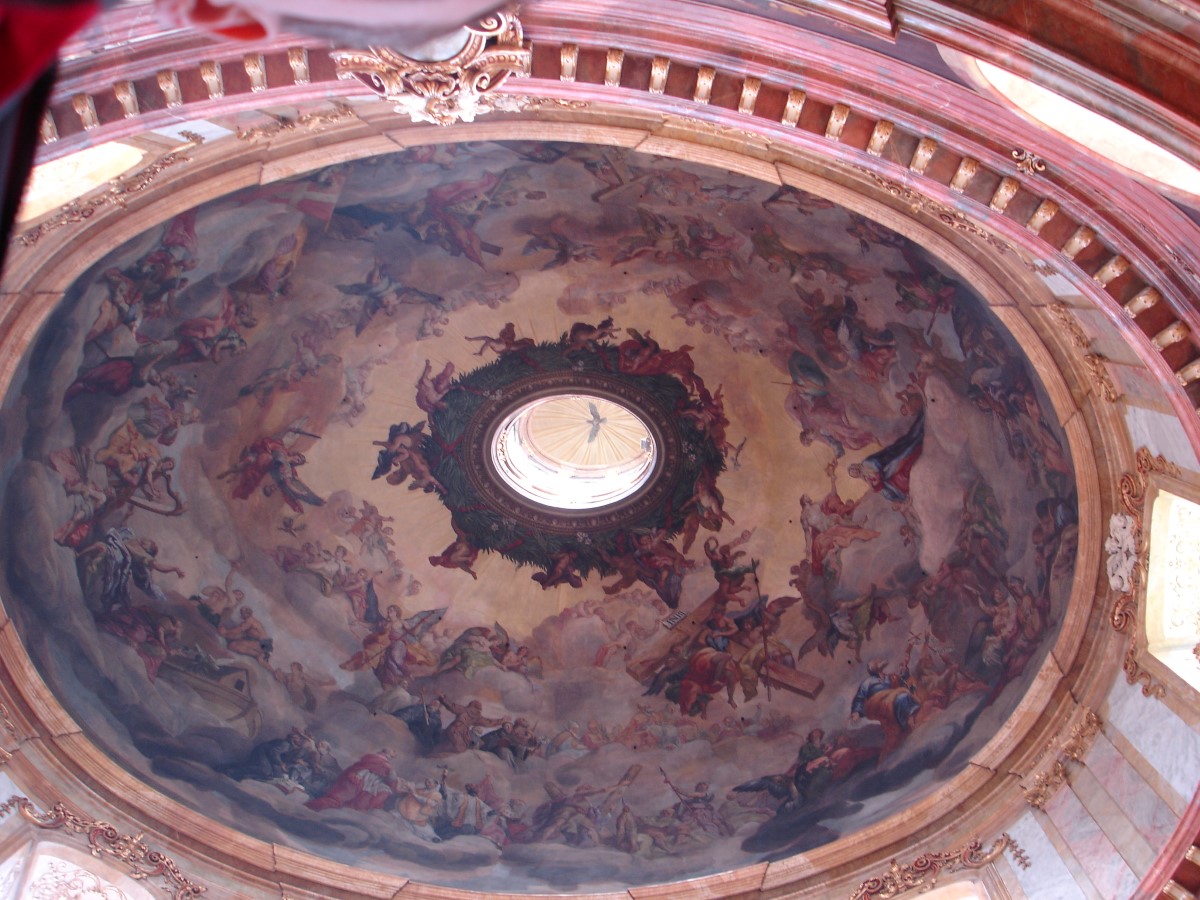
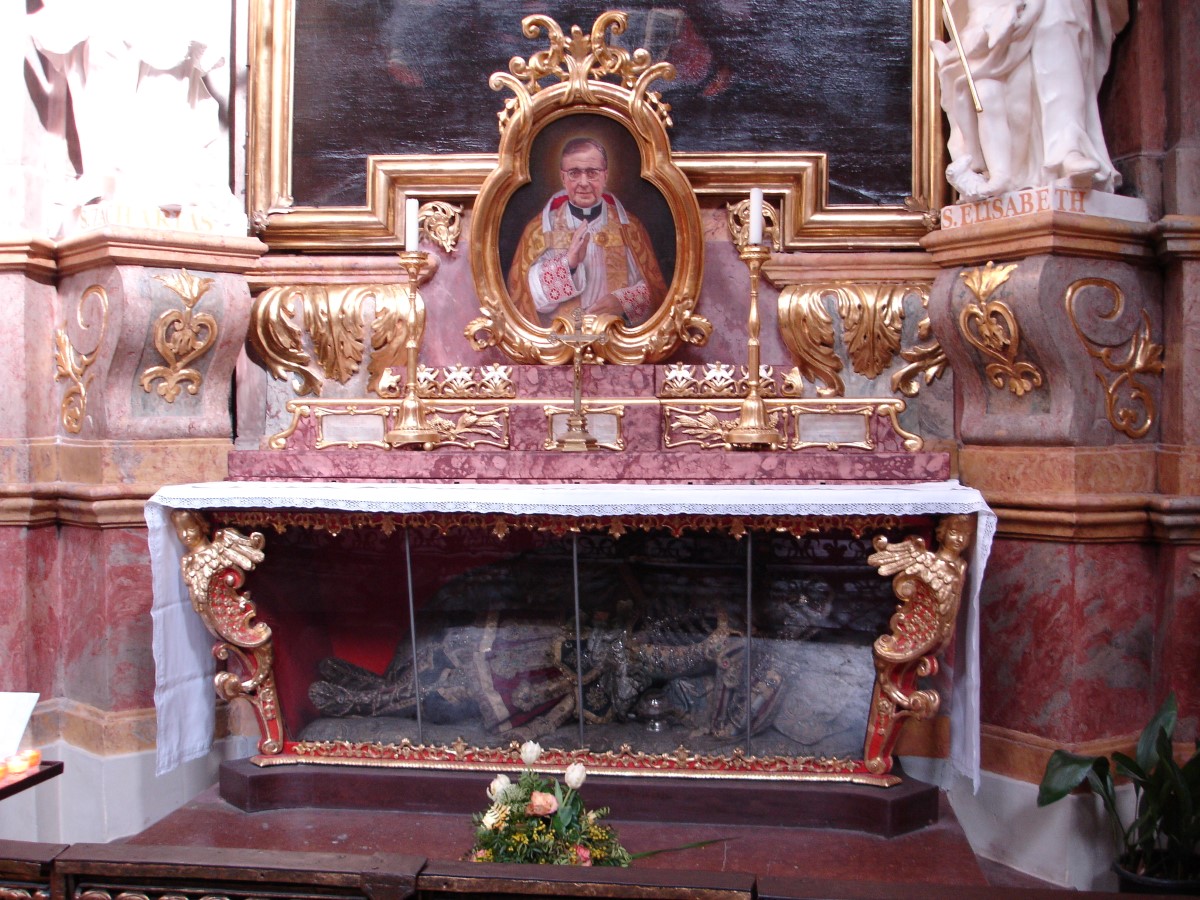
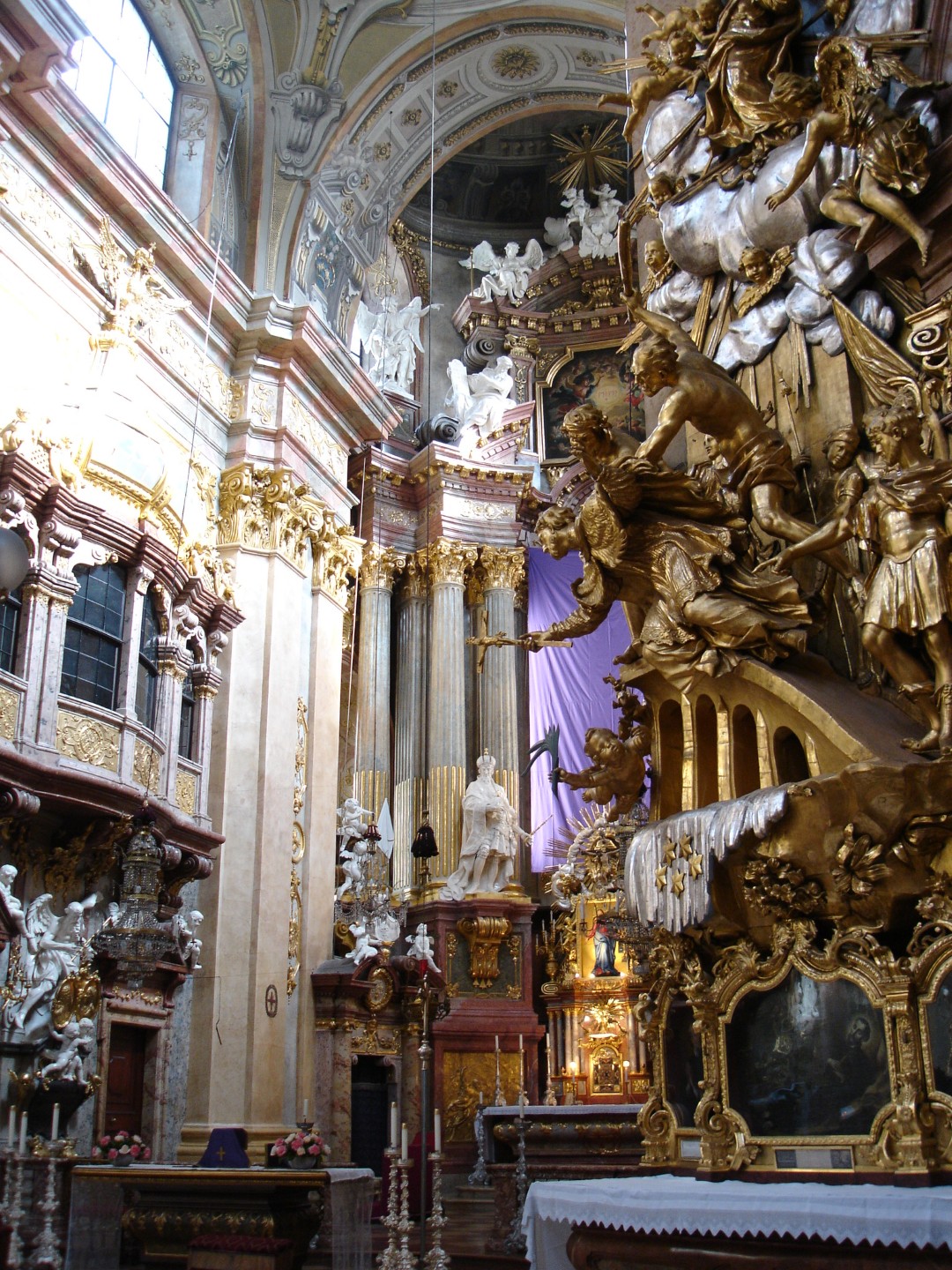
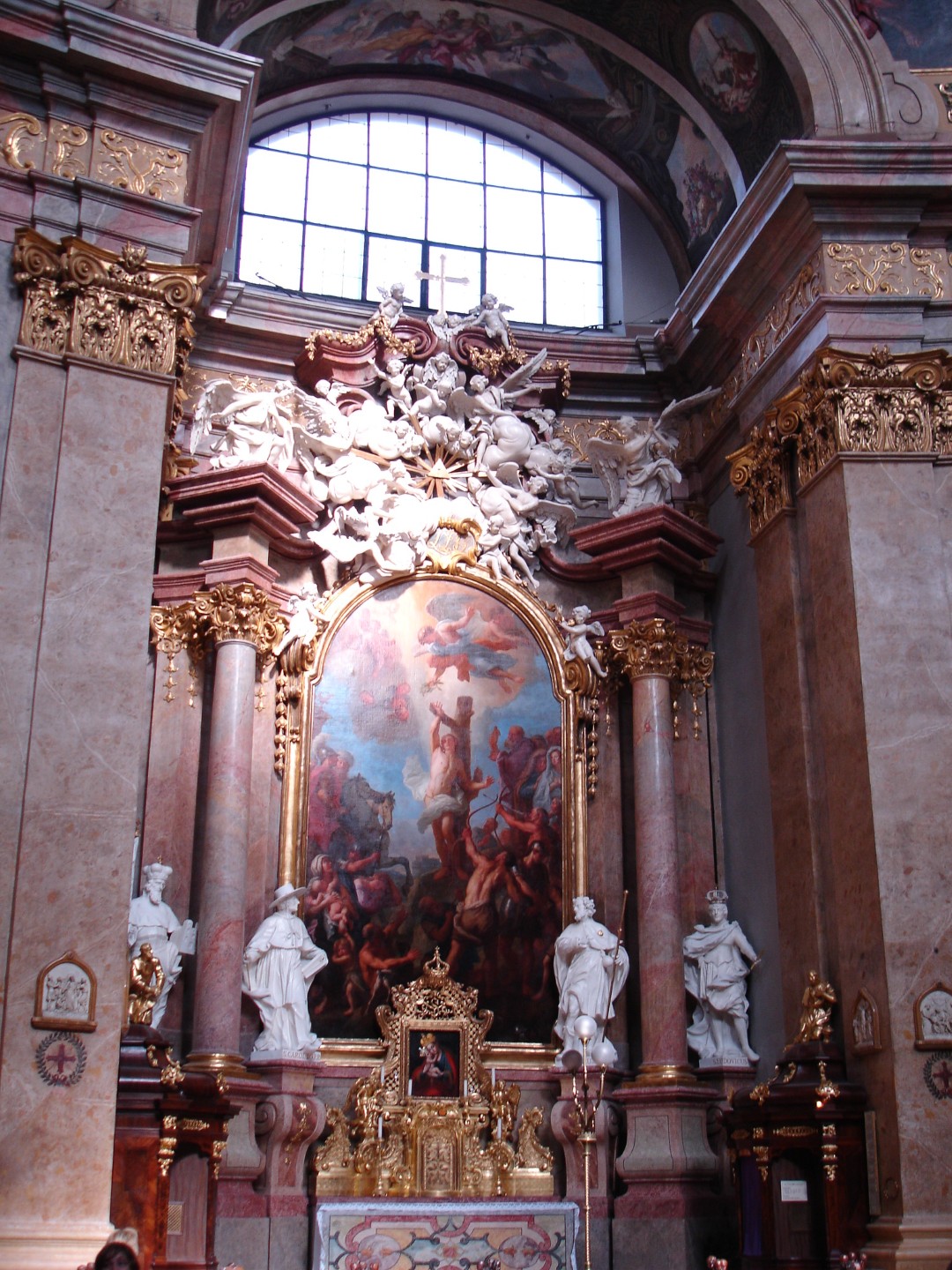
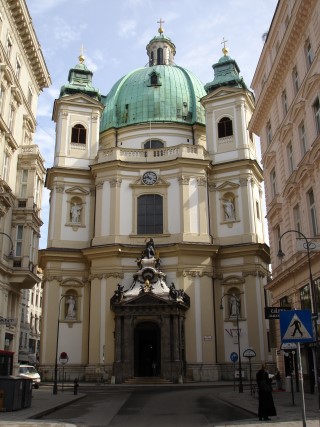
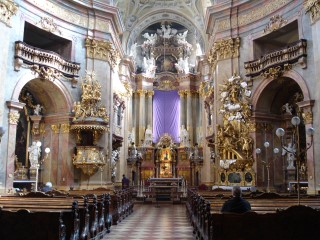
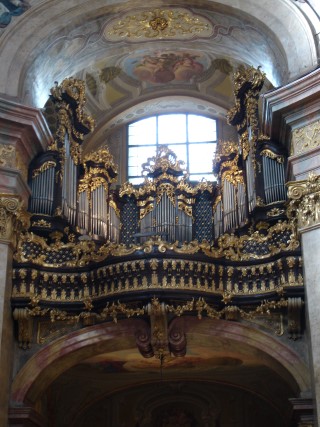
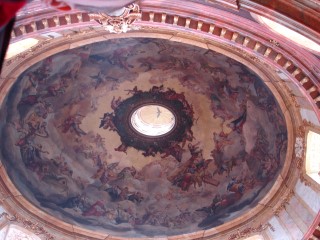
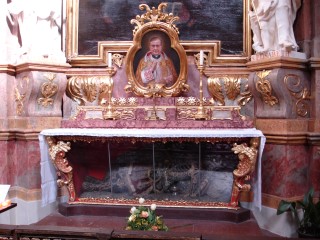
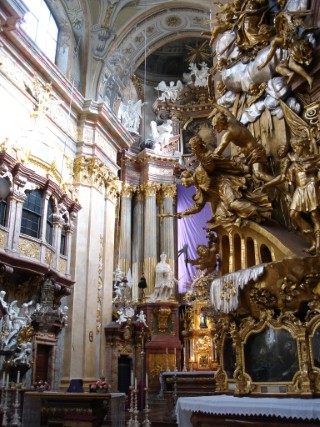
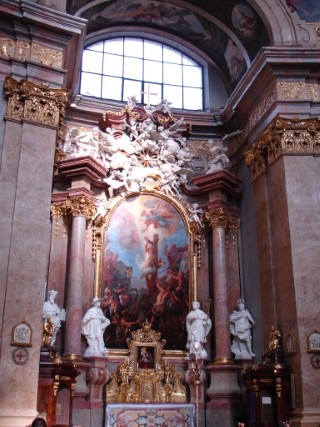
Peterskirche: This church has
been here since the 12th century although the oval structure dates from
the 18th century. It was modeled on St Peter's in Rome. The
interior is amazingly lavish and there's an exuberant, eye-catching pulpit
(1716). The richly clothed skeletons on the right and beneath the
alter are the remains of early Christian martyrs originally deposited in
the catacombs in Rome.
|
|
|
|
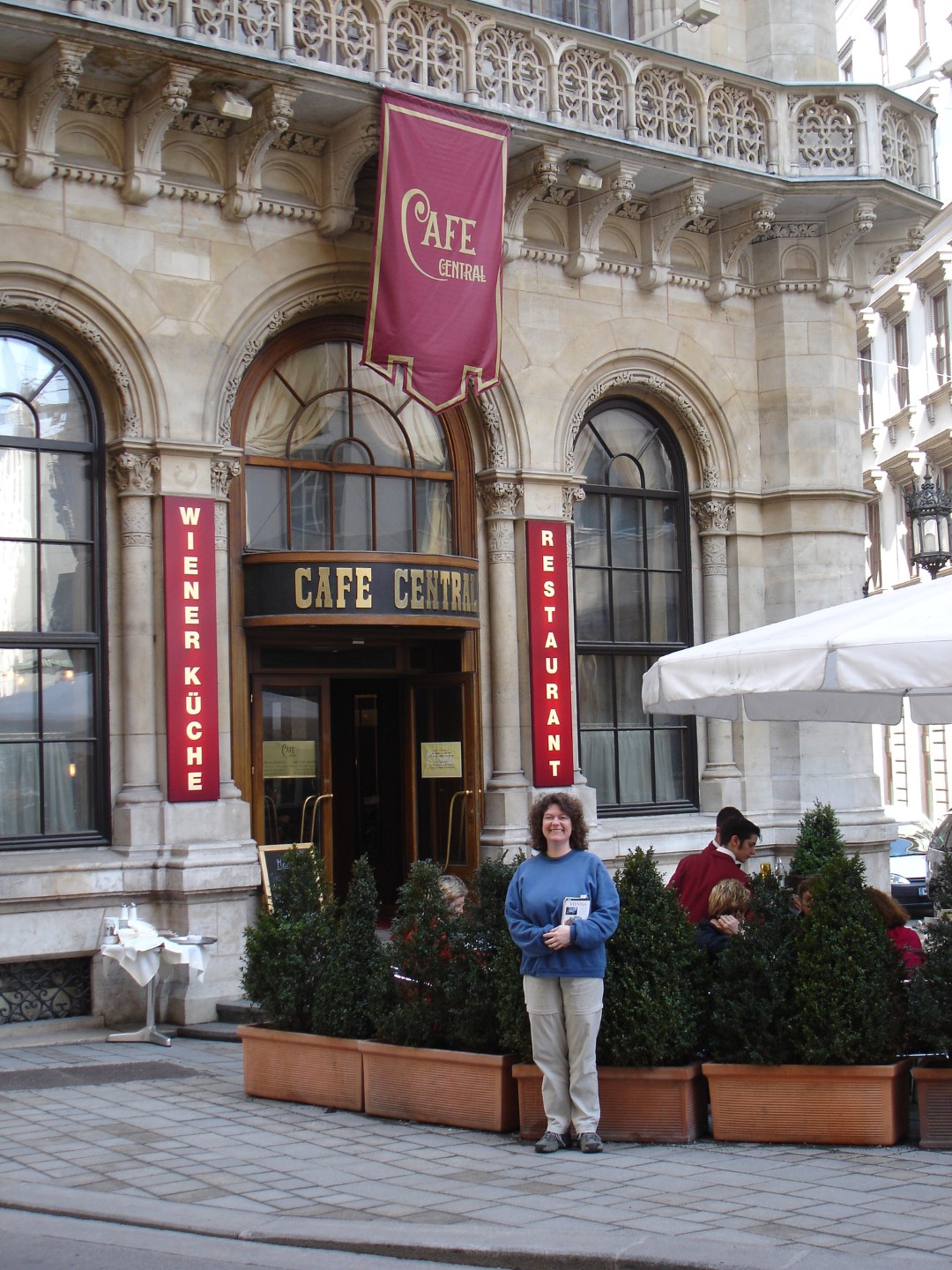
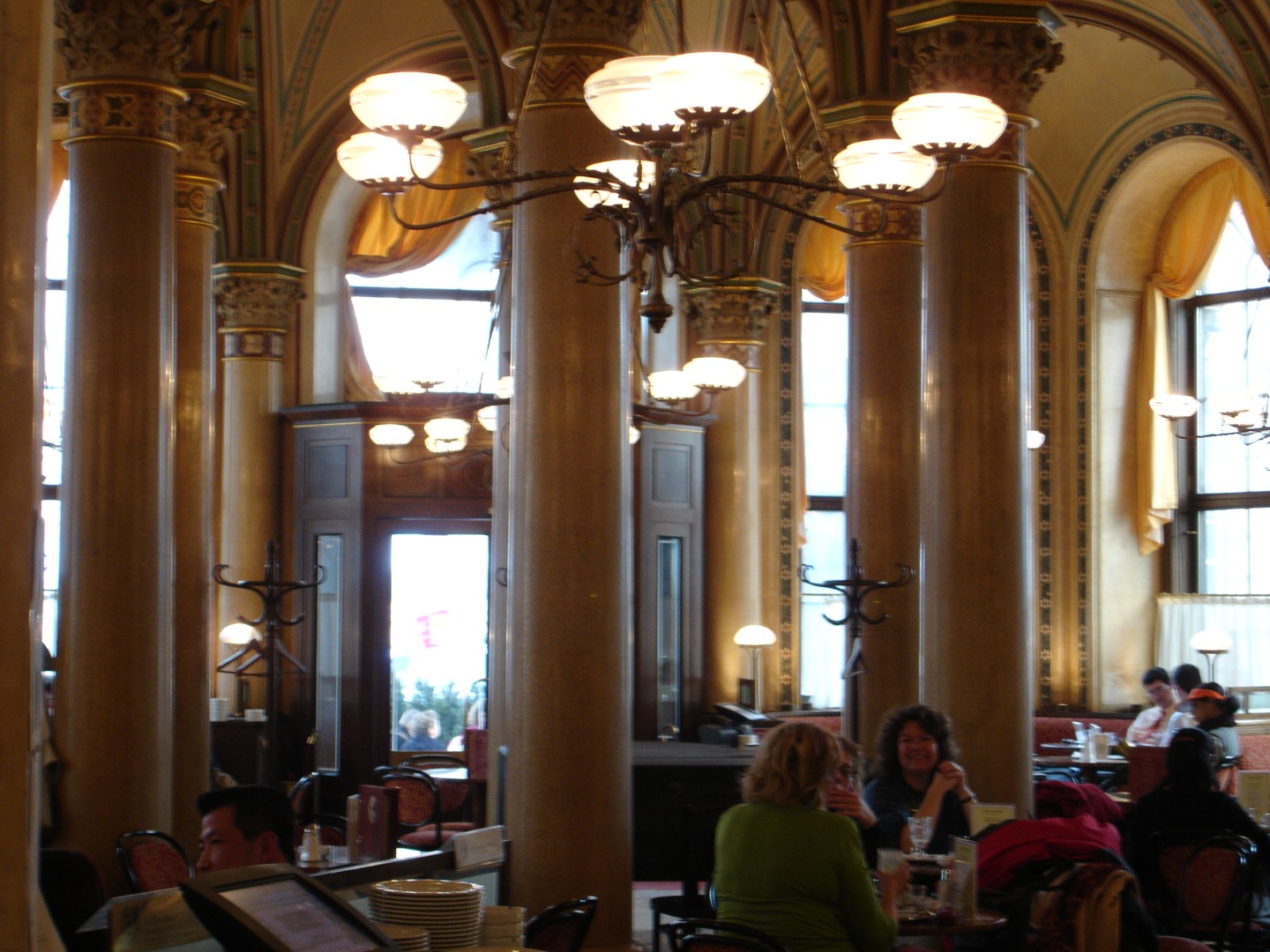
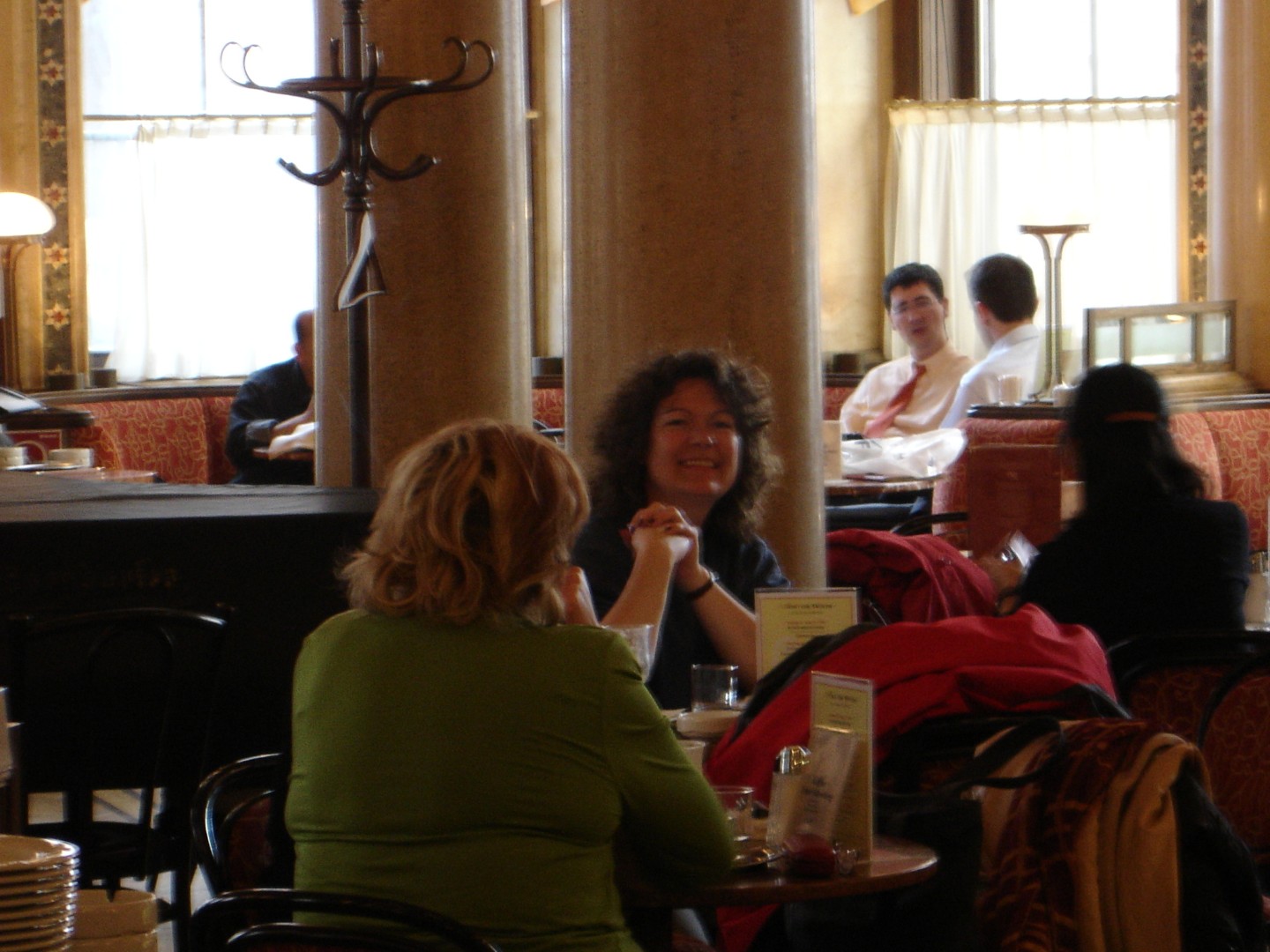
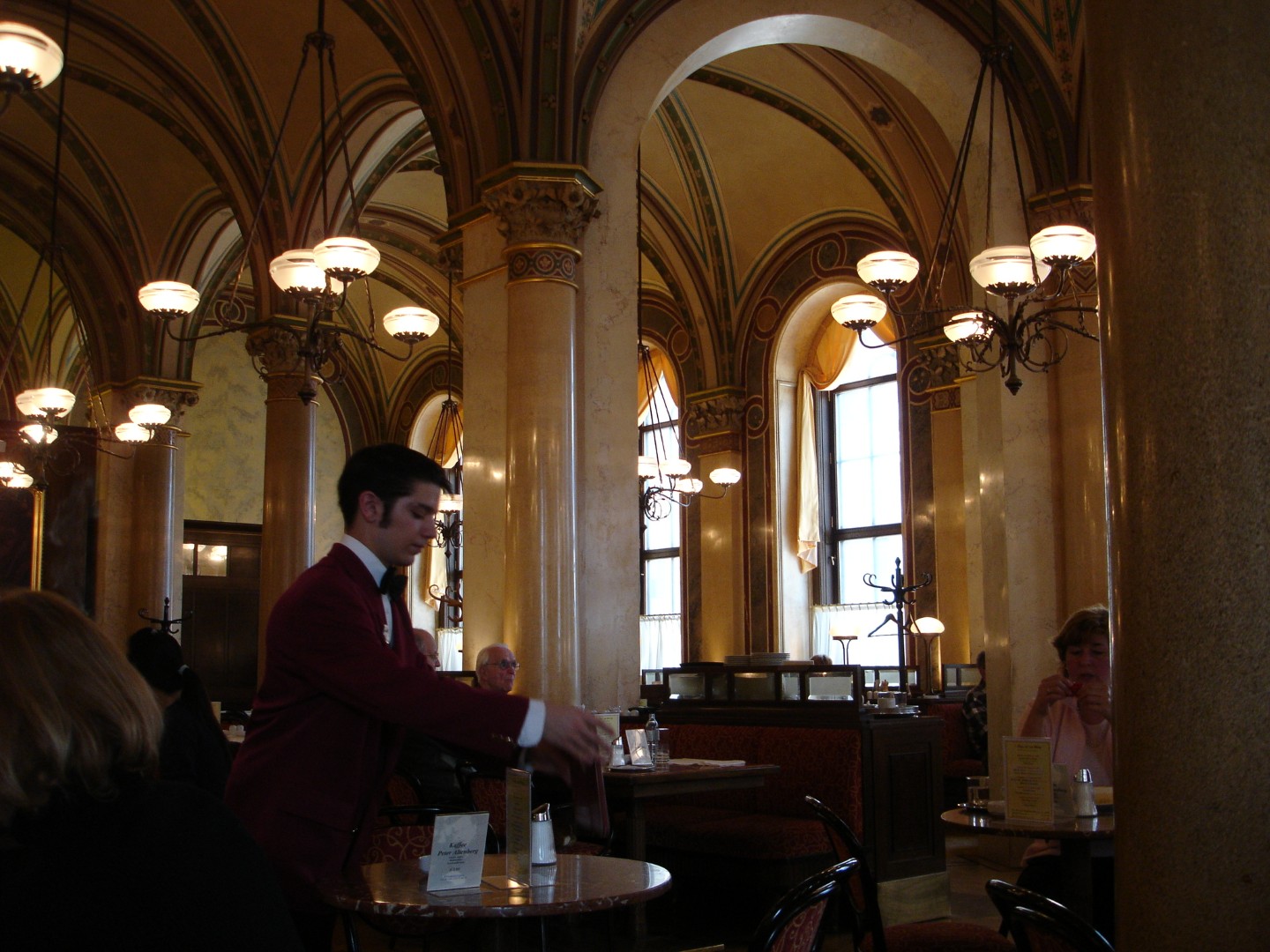
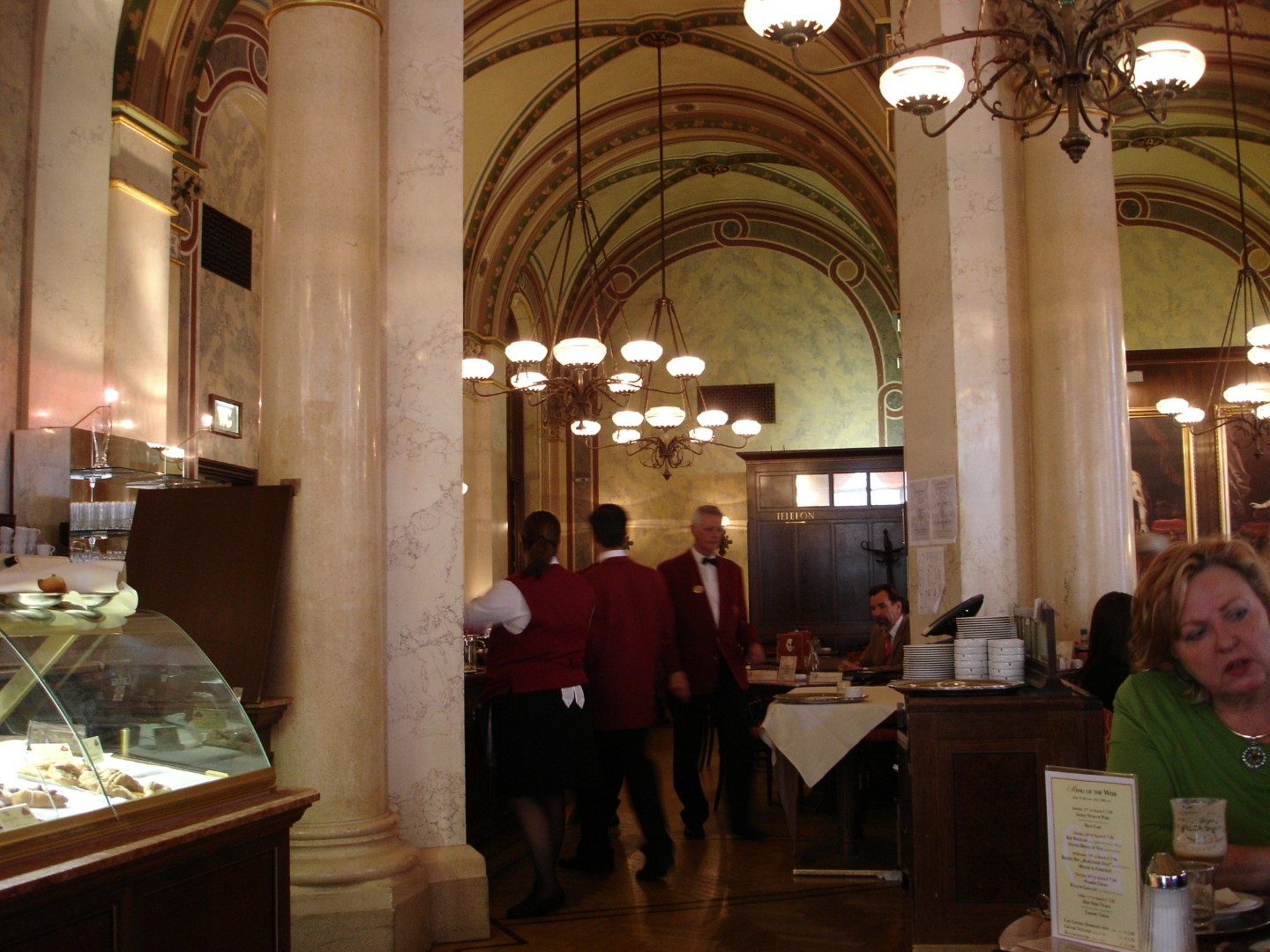
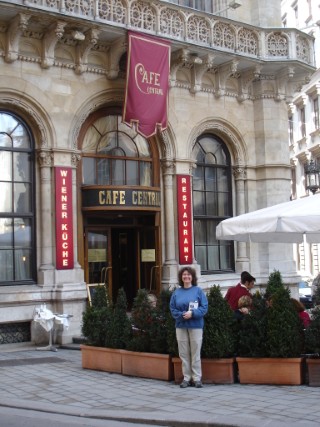
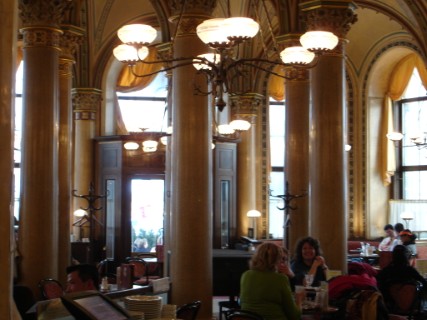
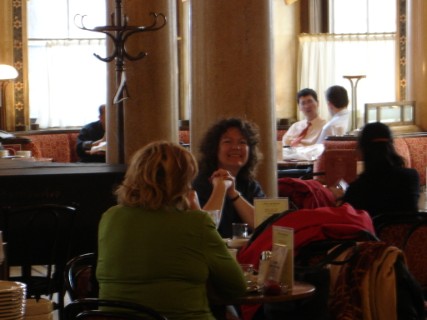
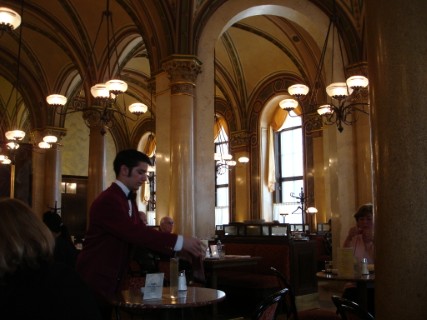
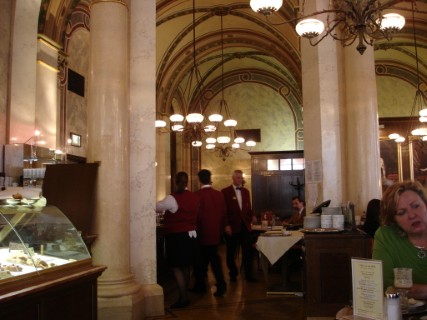
Central Cafe: The café was one of the most important meeting hubs for intellectual life in the city right the way through until 1938, and also welcomed numerous chess masters during this time. |
|
|
|
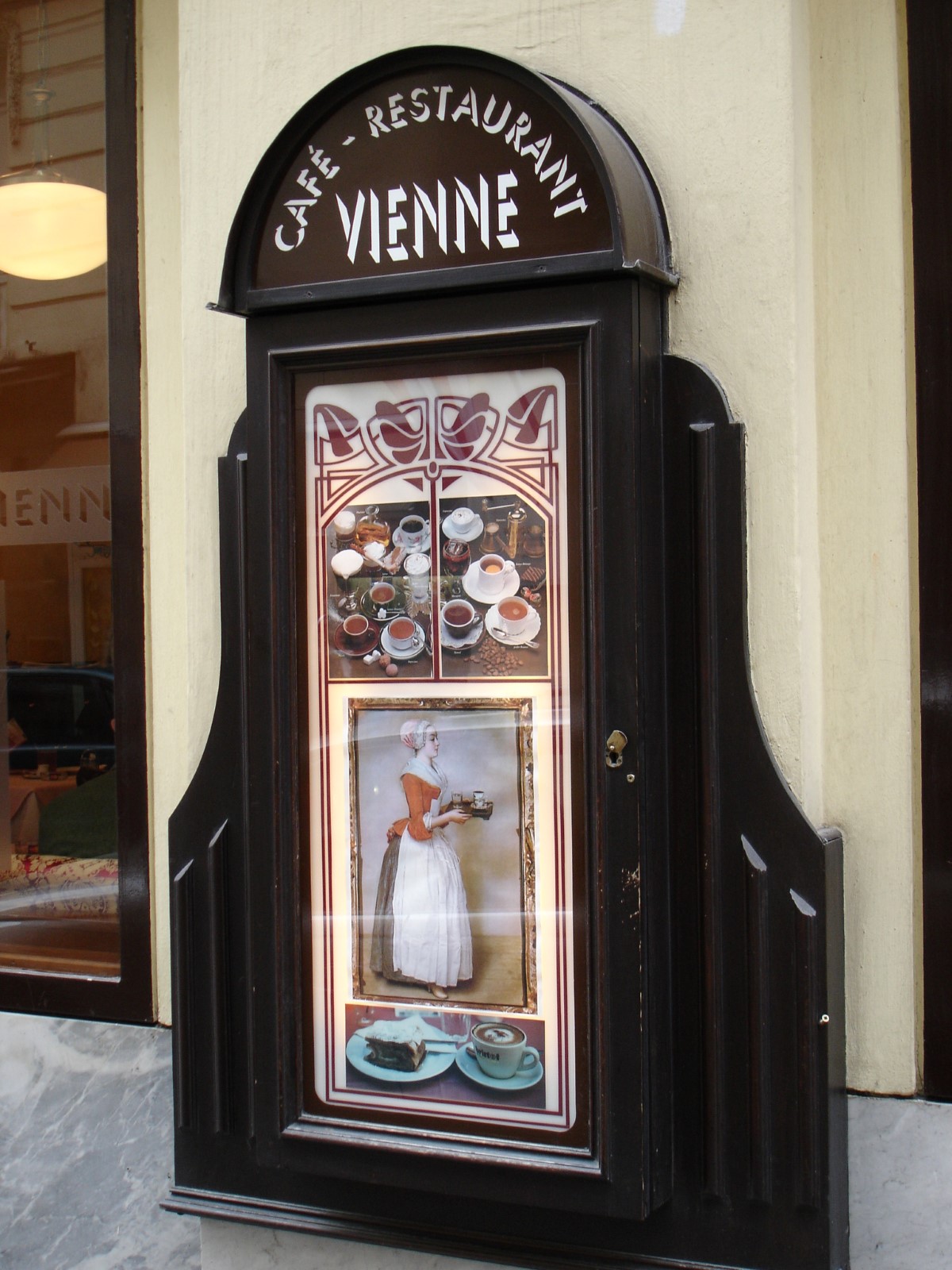
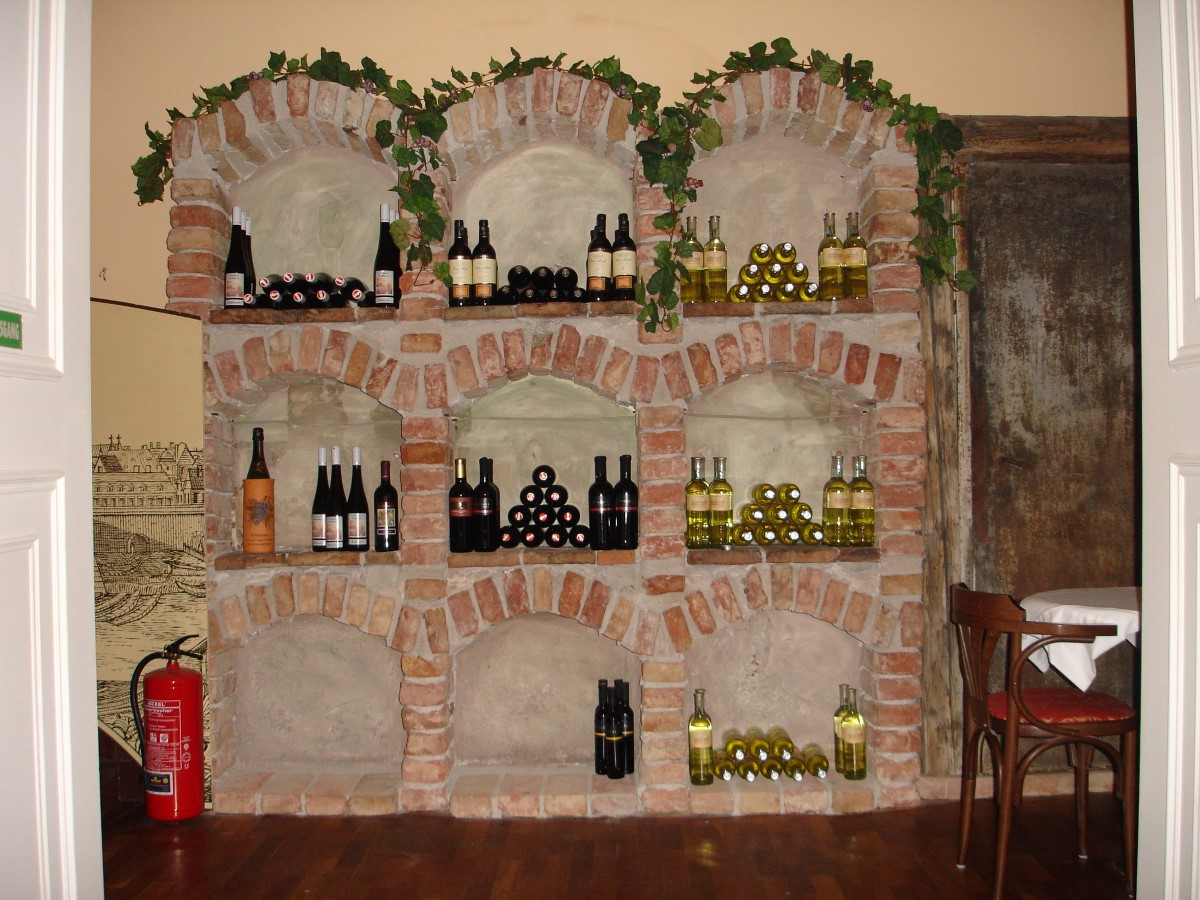
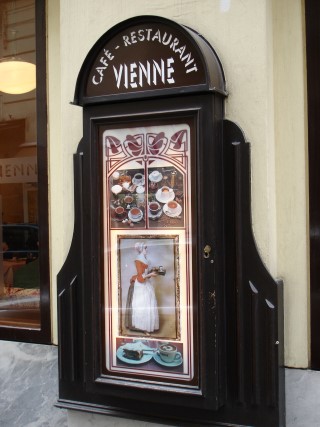
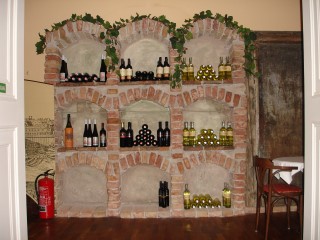
Vienna Cafe: This cafe had a nice
brick and cement wine storage area. We took a photo to remember it
by. If we ever get around to finishing the basement in our
home, we may build something similar.
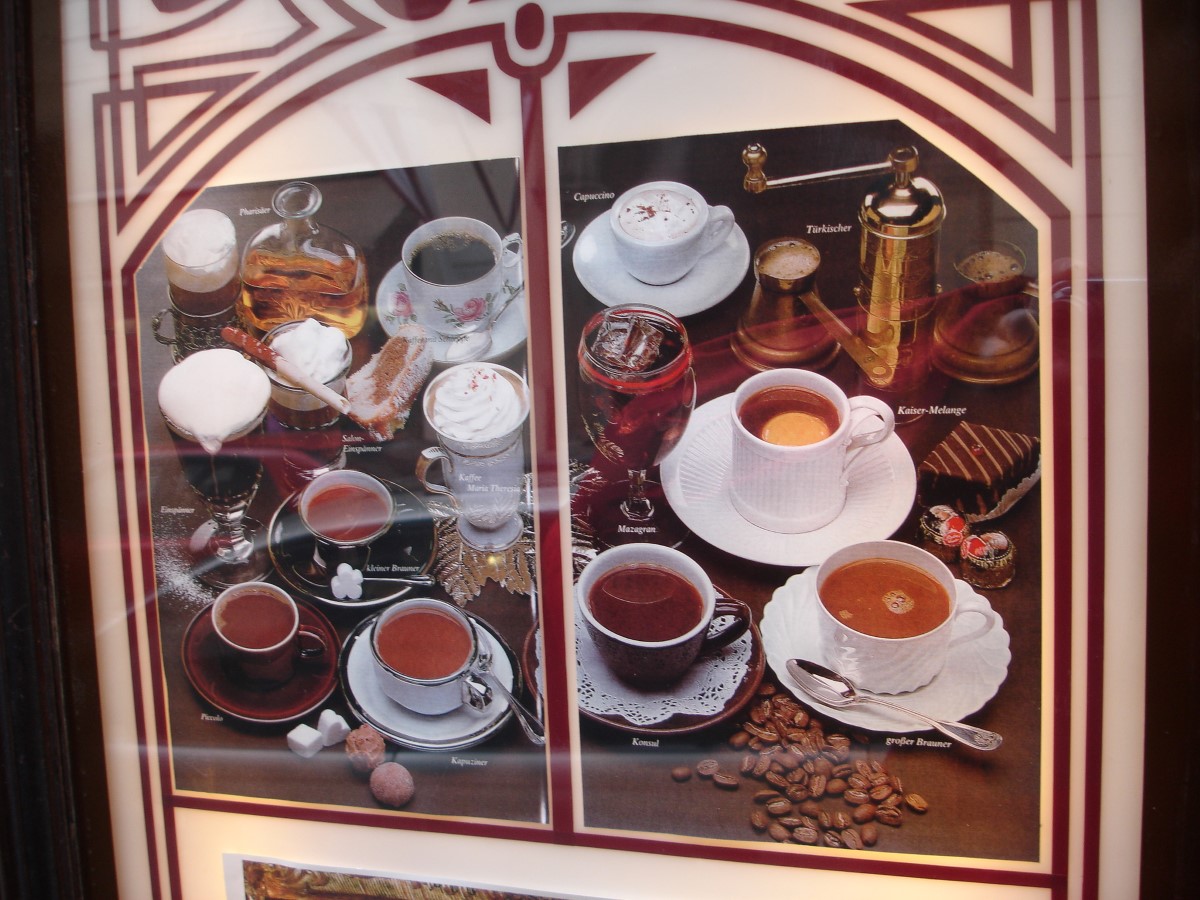
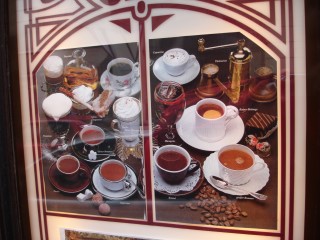
Vienna is known for it's coffee
shops. If you look closely at the cafe sign, you will see a coffee
with an egg yolk. We saw a photo of this in our travel book and for
some reason really wanted to try it. It is called 'Kaisermelange',
black coffee with an egg yolk and brandy. We went to several coffee
shops and could not find one that served it. On our last day, we
were walking through town and happened to notice this picture. We
went in and ordered and the waitress said they did not serve it. I
said it was on the sign outside. She was from the Czech Republic and
had only worked there a short time. We went outside and I showed her
the sign. She could not believe no one had ever ordered it
before. She asked the manager and he said they serve
it. He even showed her how to make it. So finally, we got our coffee with
the egg. It was actually
very good. The egg completely dissolves in the hot coffee and you
can hardly taste it. It does give the coffee a slightly richer
flavor. I would recommend giving it a try.
We also tried 'Turkischer' plain, strong
black Turkish coffee. It was very strong. You are almost drinking
the finely ground coffee. It's almost like a paste in the bottom of
the glass. Another coffee, 'Pharisaer' is a strong black coffee with whipped cream
on top, server with a small glass of rum.
|
 |
|
|
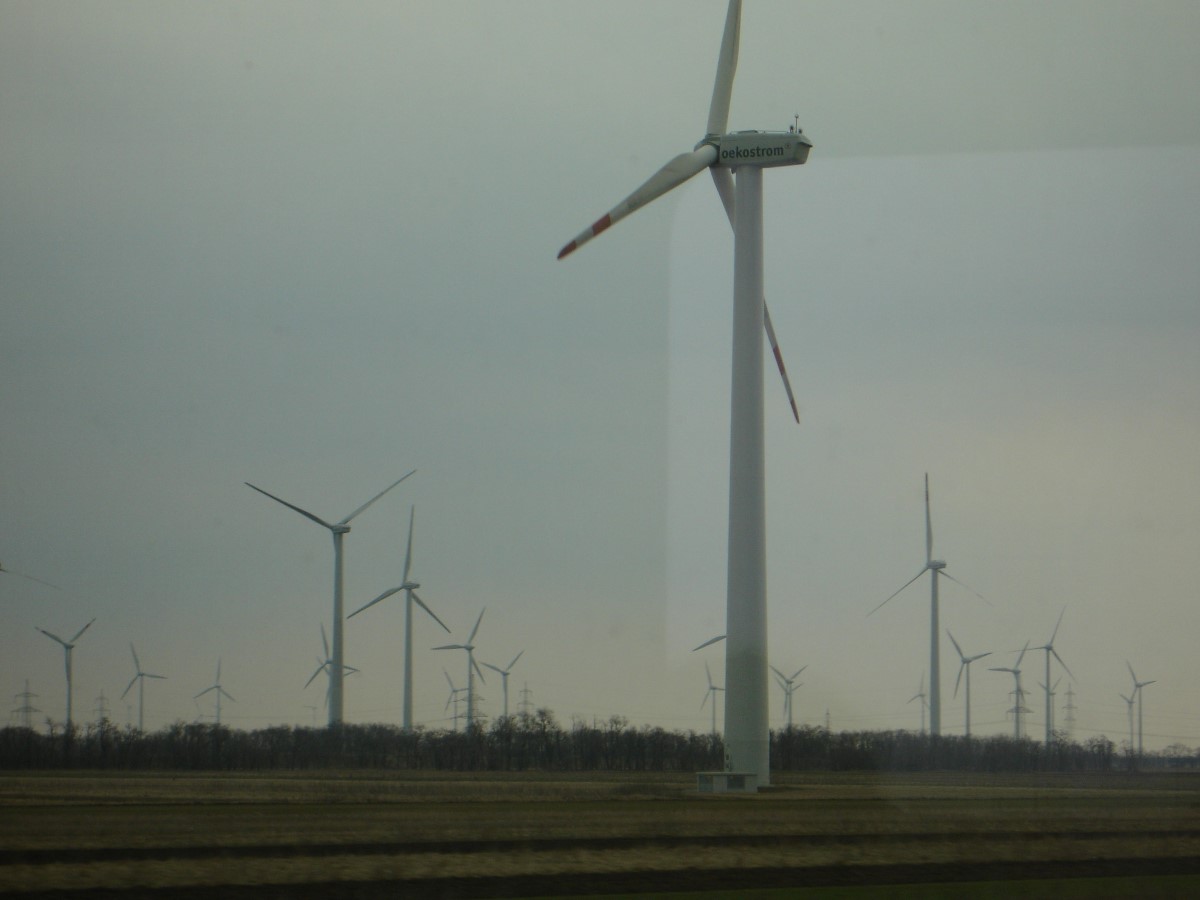
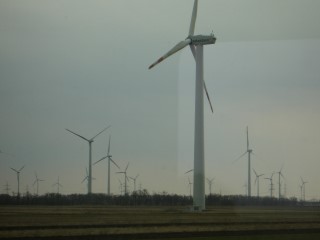
From the Train: From the train, we saw
a large windmill farm. We had actually never seen so many at once,
only a few scattered here and there.
|
 |
|
<<< Home
Next Page >>>
|
 Austria
- Vienna
Austria
- Vienna