- Calvinist Church
- Chain Bridge
- Elizabeth Bridge
- Fisherman's Bastion
- Gellert Statue
- Hero's Square
|
- Funicular
- Jak Chapel
- Liberty Bridge
- Little Princess Statue
- Matyas Church
|
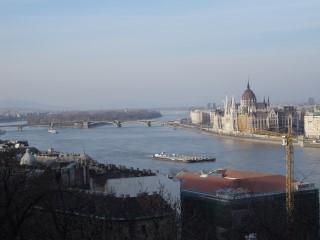
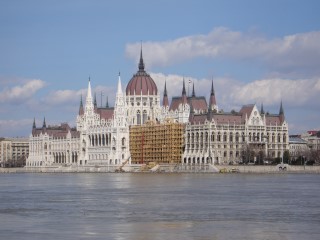
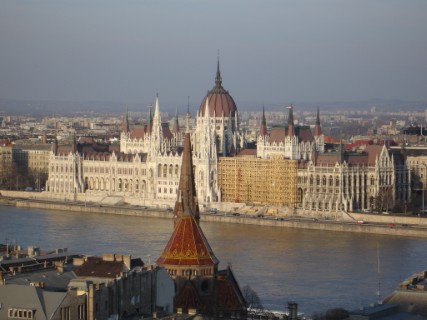
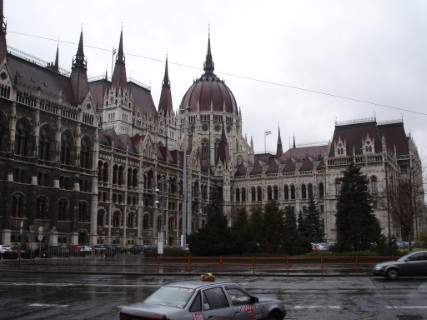
- Parliament
- Our Friend
- Fine Dining
- Royal Palace
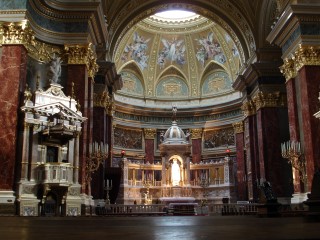
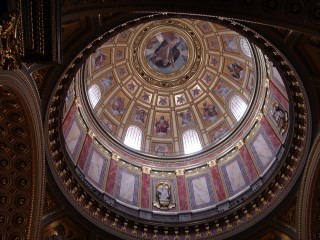
- Saint Stephens Basilica
- Vajdahunyad Castle
|
|
|
<<< Home
Next Page >>>
|
|
On this trip, we arrived in Budapest by
plane. We stayed two nights, then traveled by train to Vienna
Austria. We stayed in Vienna 3 nights, then returned to Budapest
for an additional 3 nights. We bought our train tickets to Vienna
at the Kelti train station. The tickets were not to expensive
and we got a deal on a 4 day out-and-back trip that included transportation
on the Vienna subways, trams and busses.
Our first hotel in Budapest was very nice and
had easy
access to the area by Hero's Square.
- Inn-Side Hotel Delibab
- Delibab U.35
- Budapest, HU 1062
There was also a subway stop
next to the hotel that took us directly to the Danube, close to the Chain
Bridge. Our second hotel was located at the base of Castle Hill by
Elizabeth Bridge. This hotel had very nice rooms and included
breakfast with eggs cooked to order.
- Best Western Hotel Orion
- Dobrentei U.13
- Budapest, HU 1013
- +361 356 8583
There was a restaurant next to the hotel:
Tabani Terasz. We would highly recommend this restaurant as we had
one of our best meals there.
|
|
|
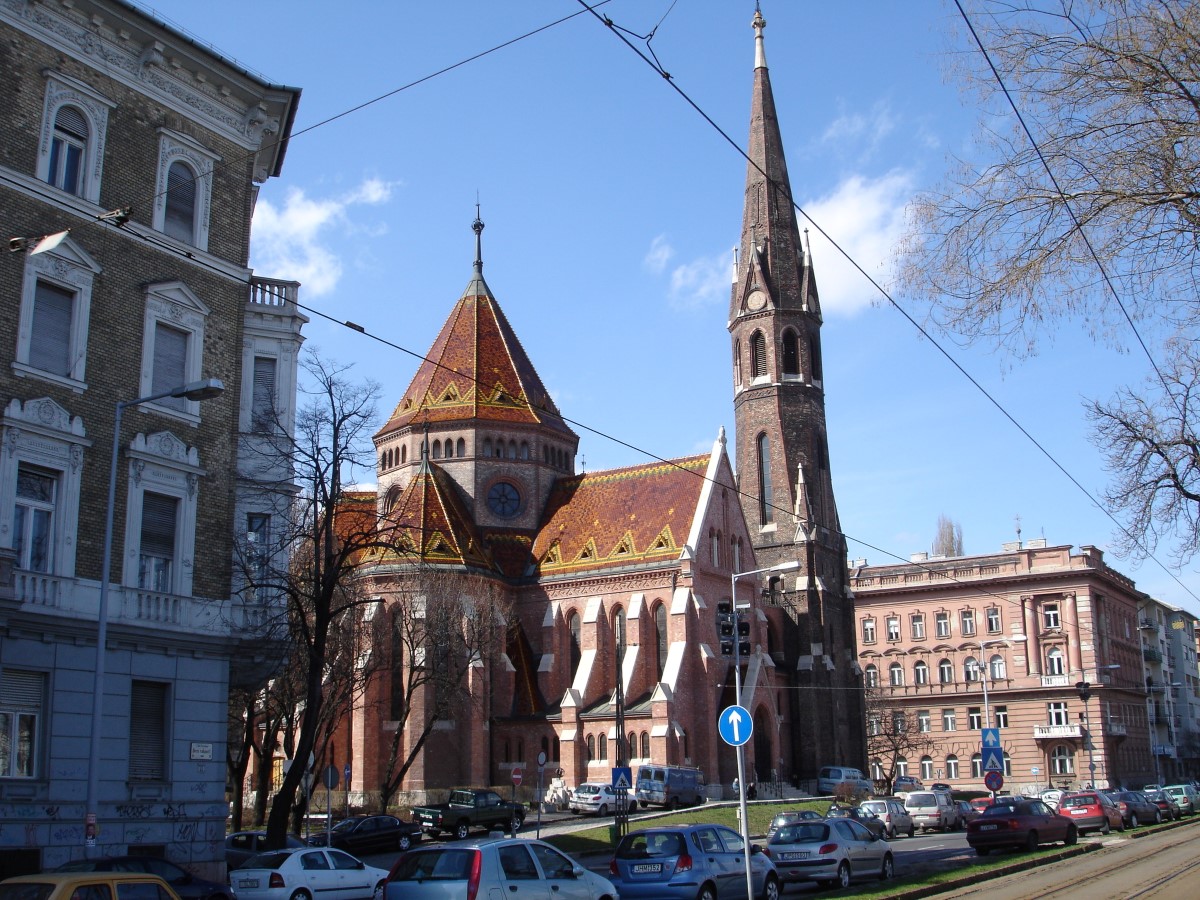
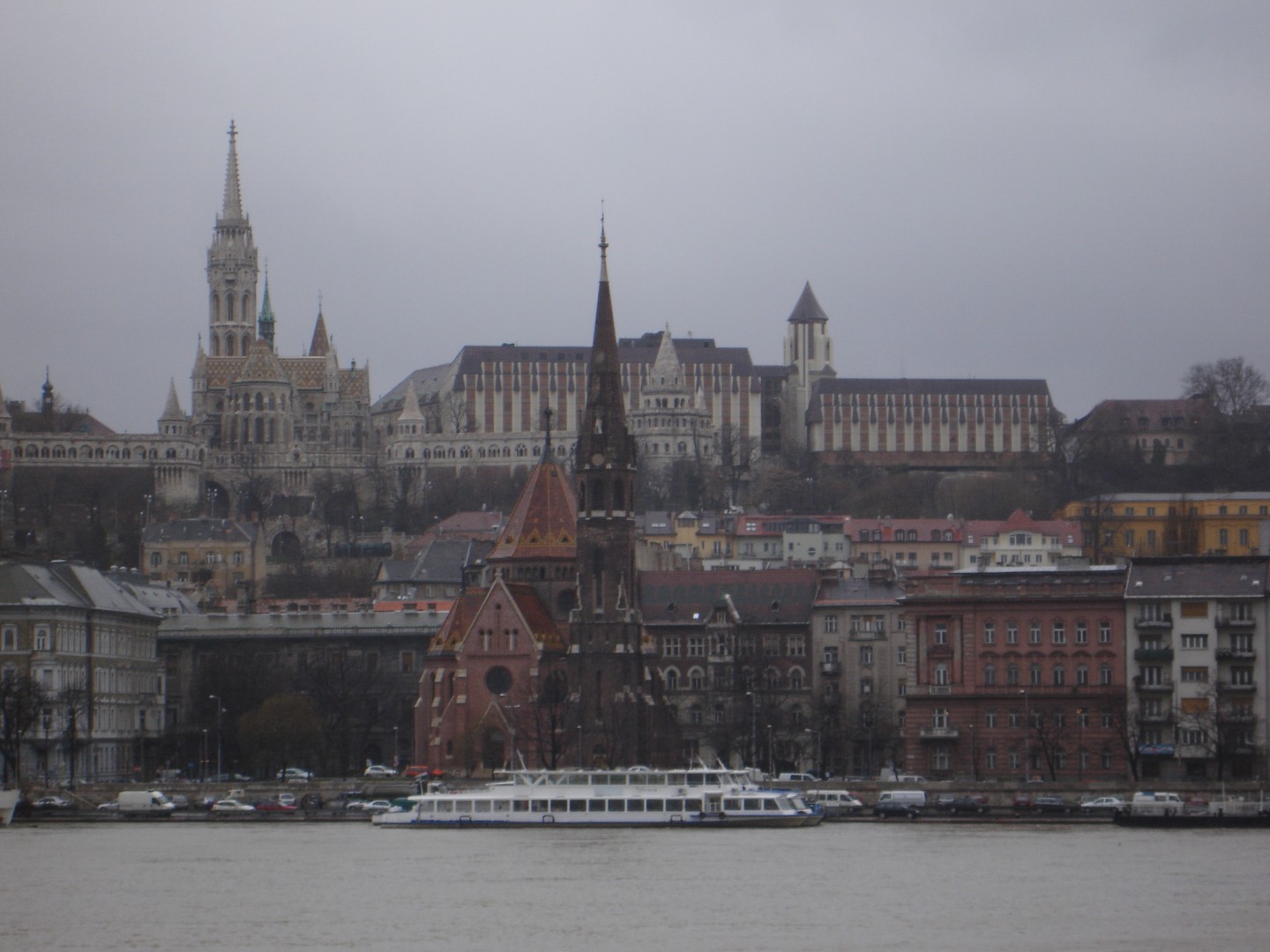
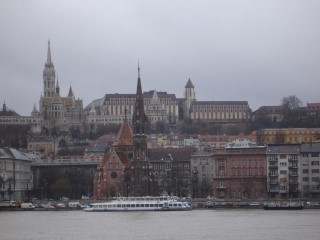
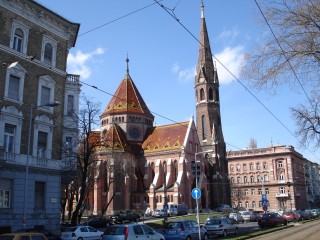
Calvinist Church: This church was built in
1893-1896 on the
site of a former medieval market. It is Neo-Gothic in style and is
covered with colorful ceramic tiles.
|
 |
|
|
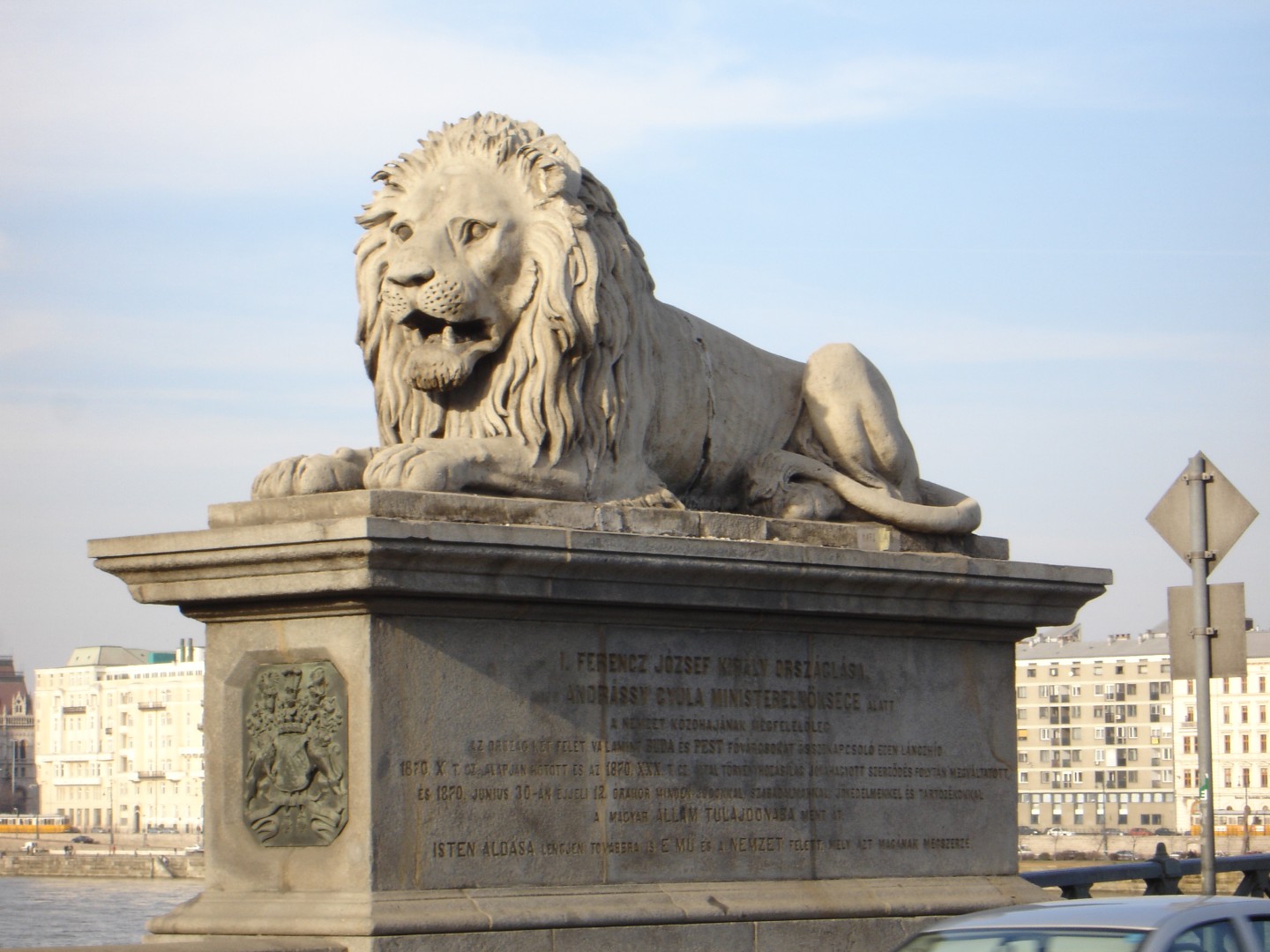
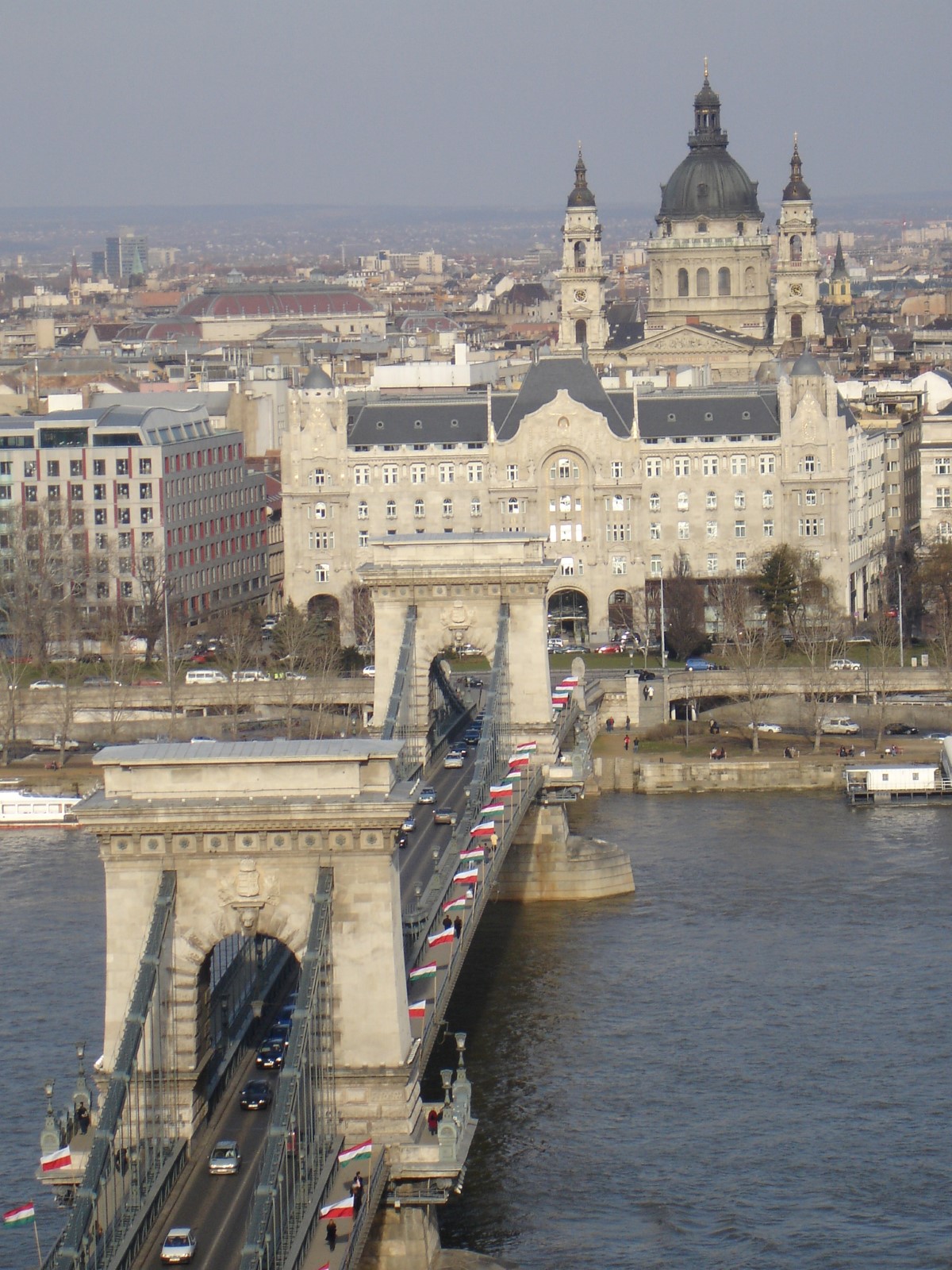
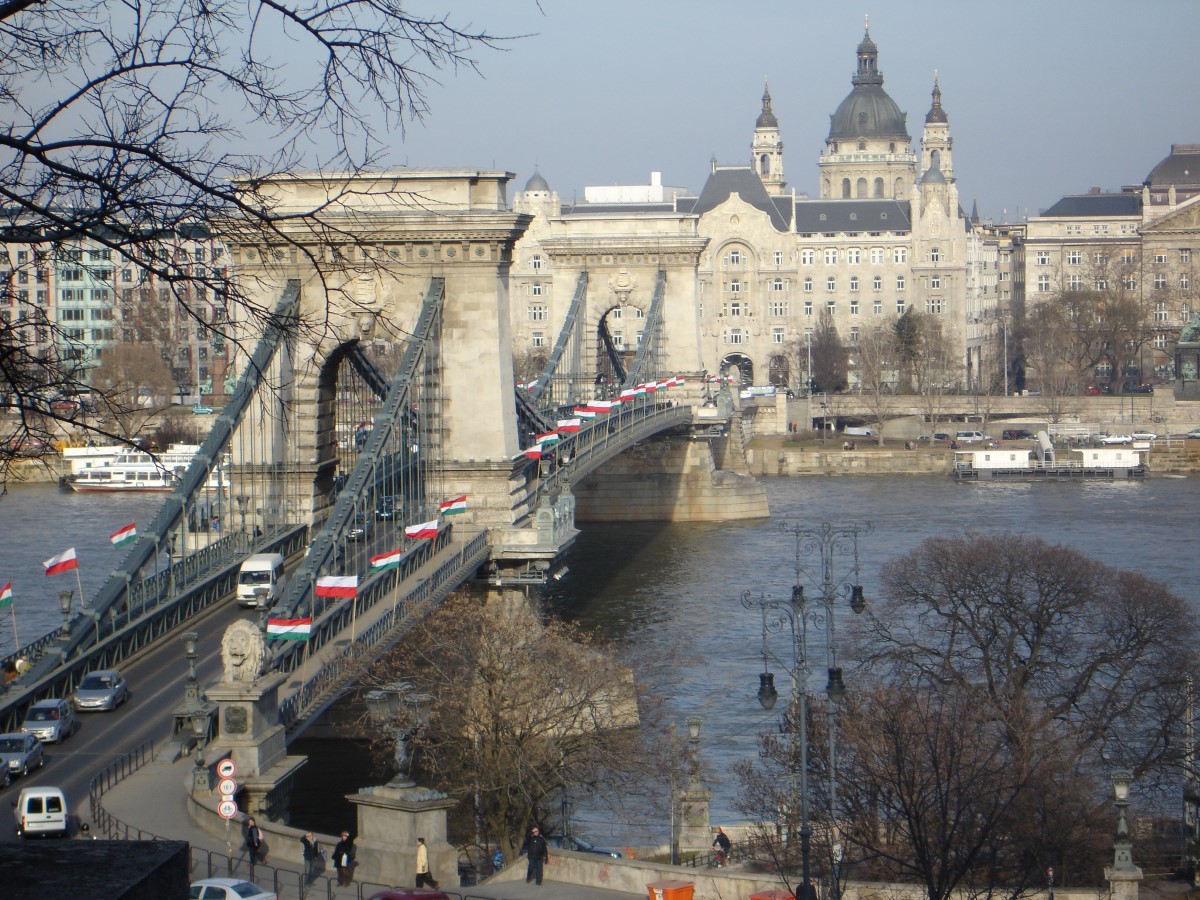
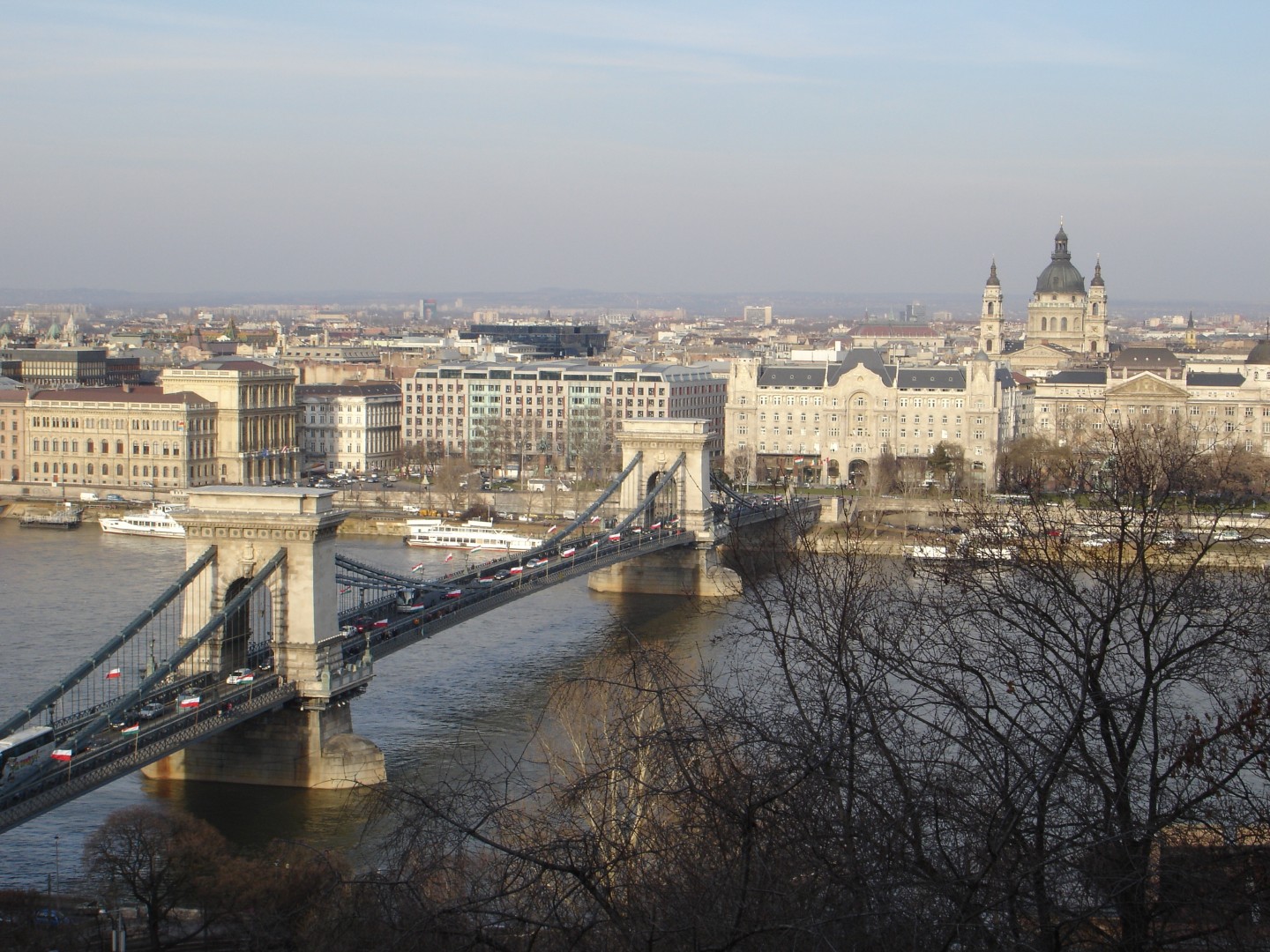
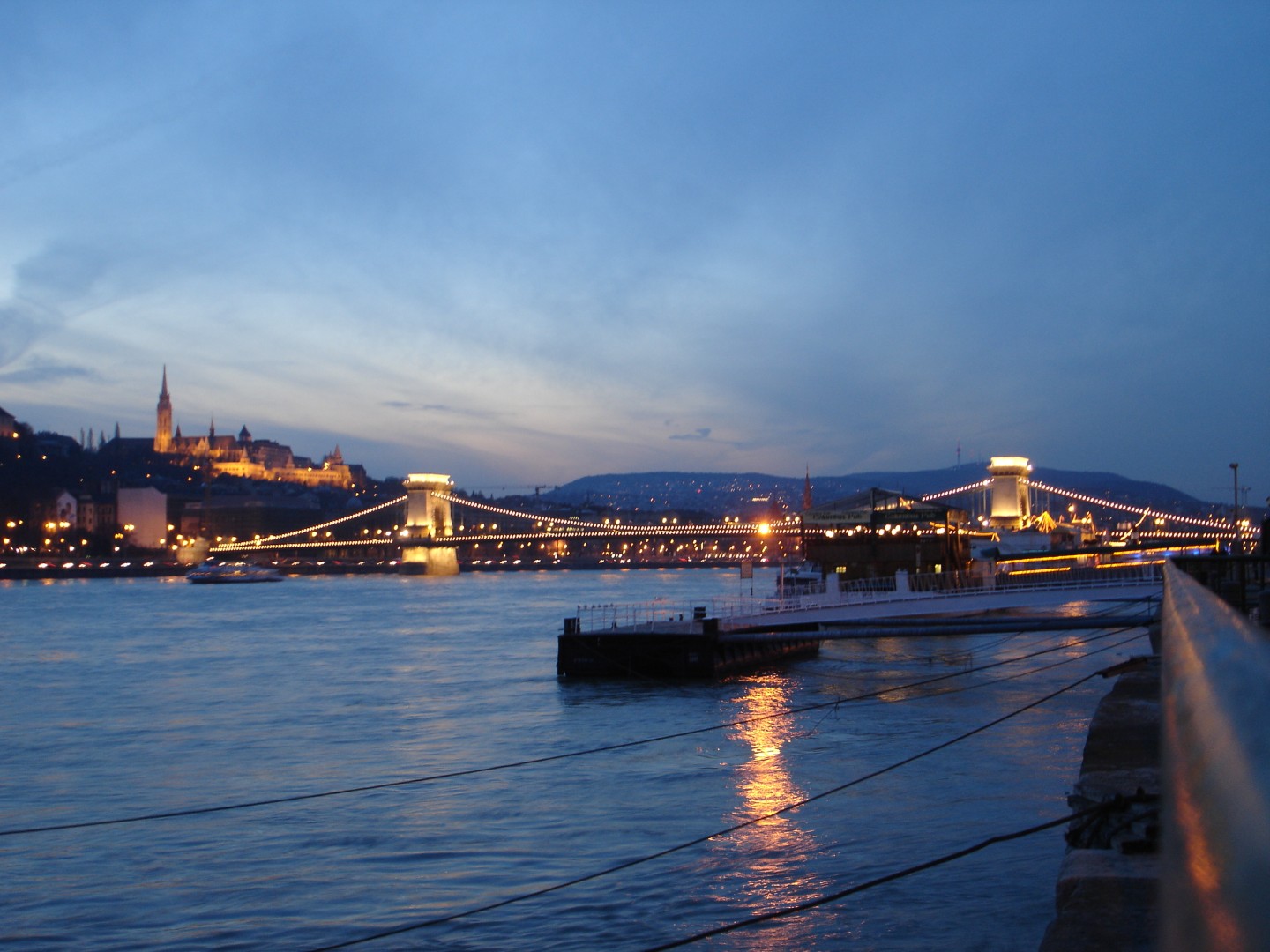
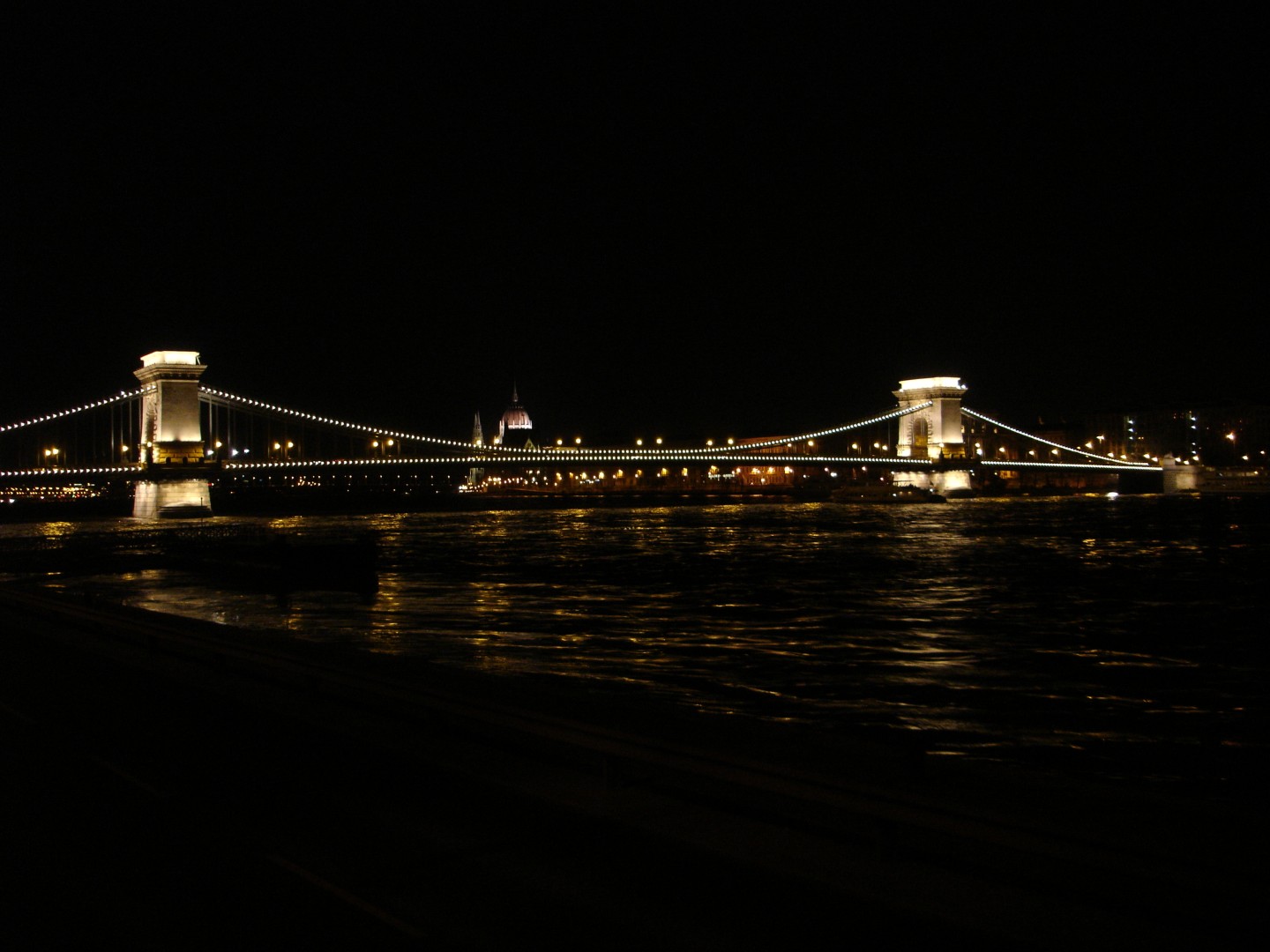
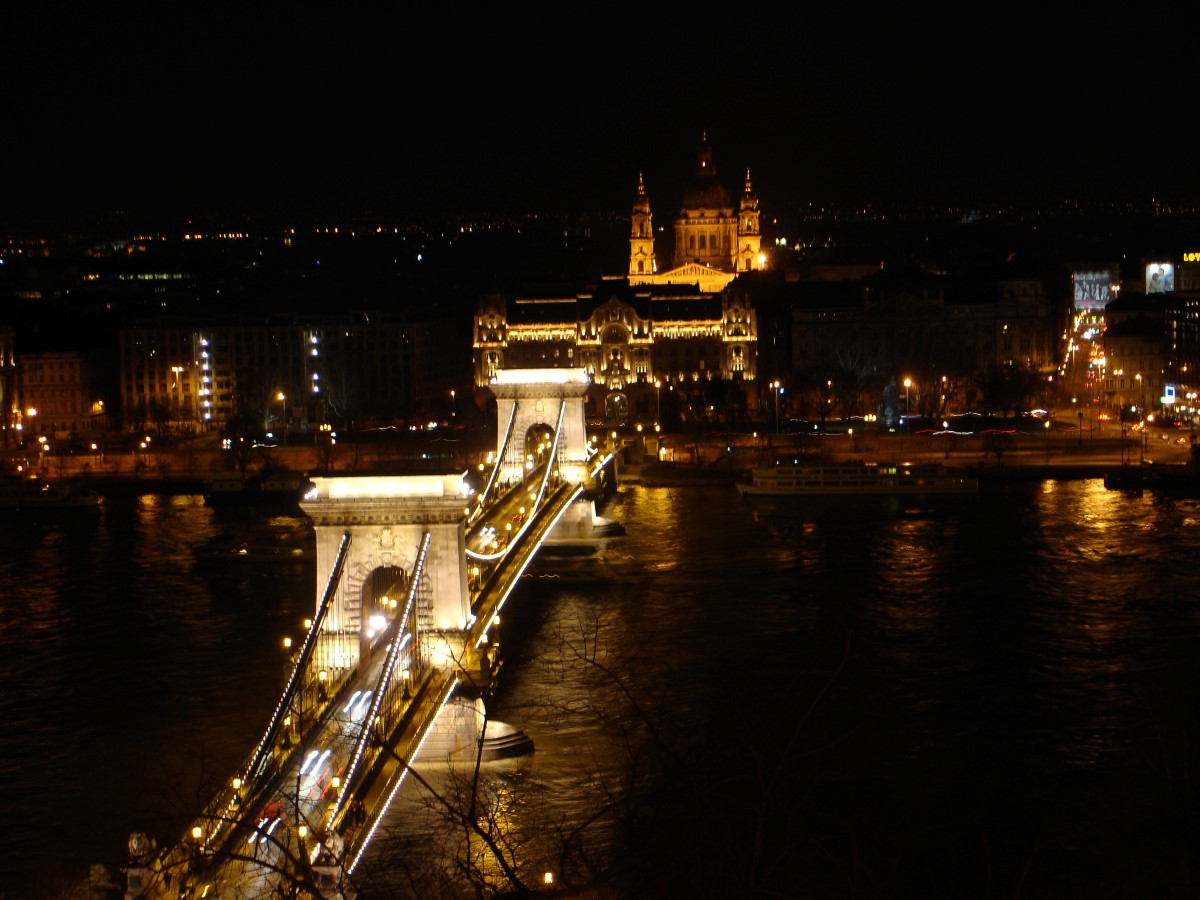
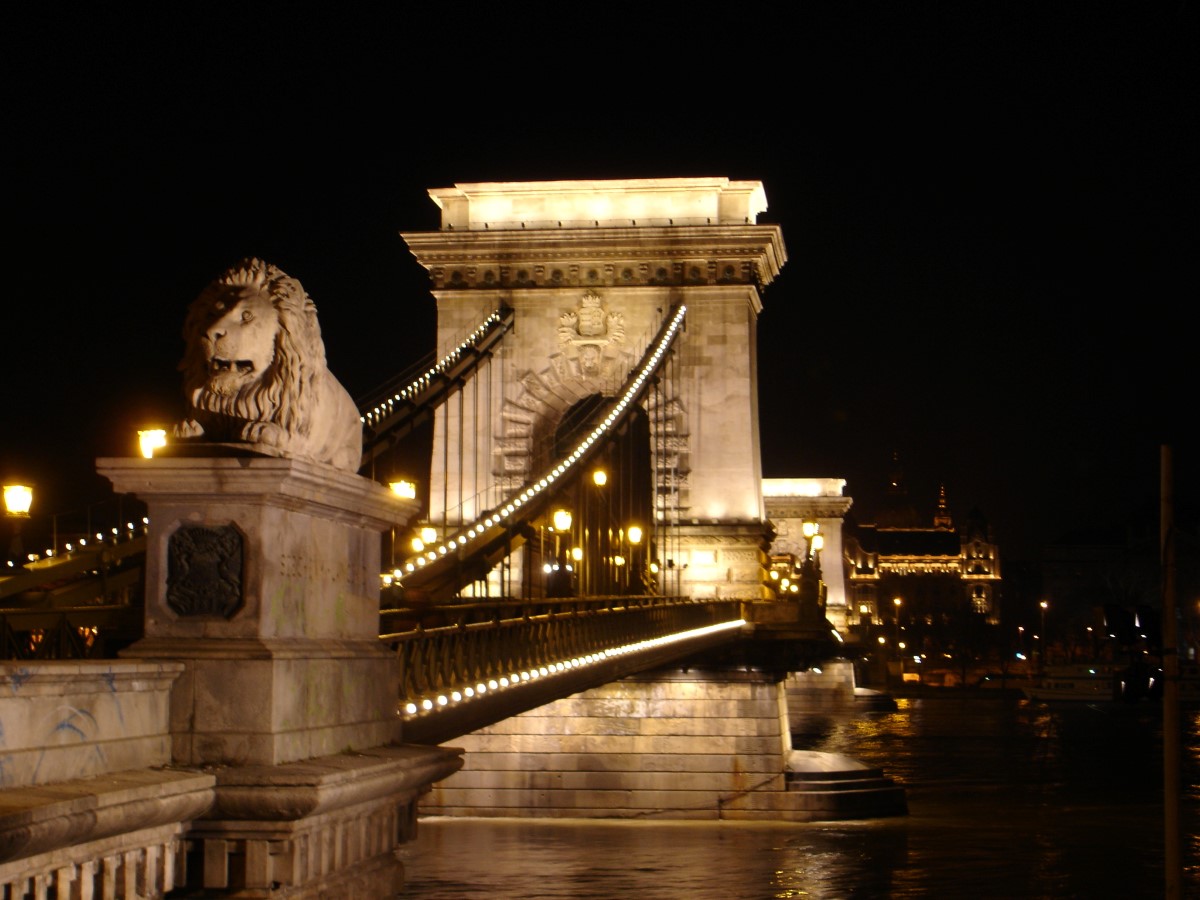
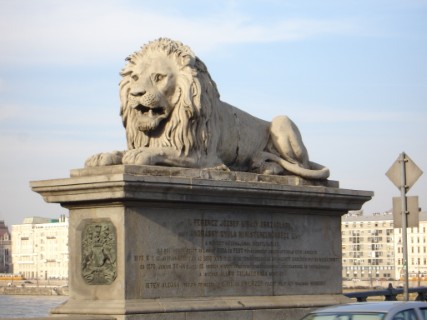
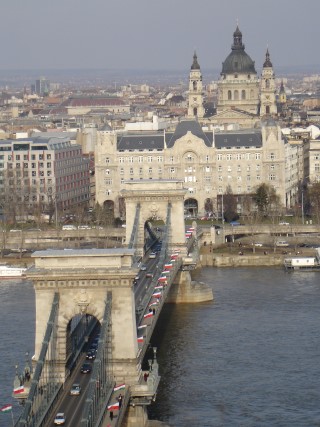
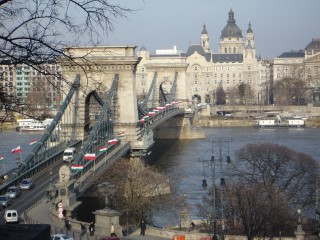
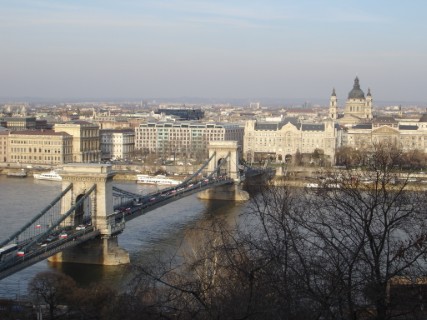
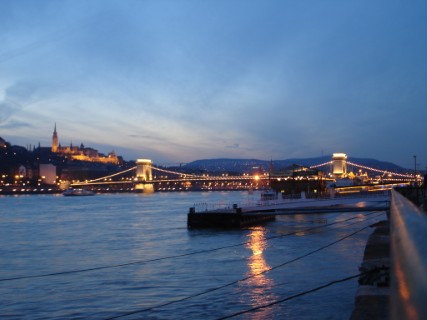
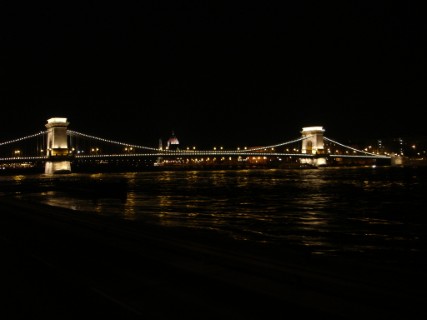
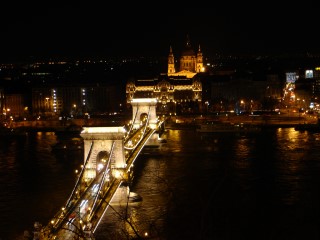
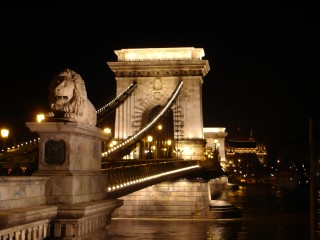
Chain Bridge: The first
permanent bridge over the Danube, was built in 1839.
The bridgehead is guarded by two vast
stone lions sculpted by Janos Marschalko. According to an anecdote
Janos was heartbroken because he forgot to give the lions any tongues,
so he drowned himself in the river. In fact the lions do have
tongues, but they are not easily visible.
There is an identical bridge, built by the
same person over the Thames river in Marlow England. Marlow is
only about a 30 minute drive from Windsor
Link
to Marlow page
|
 |
|
|
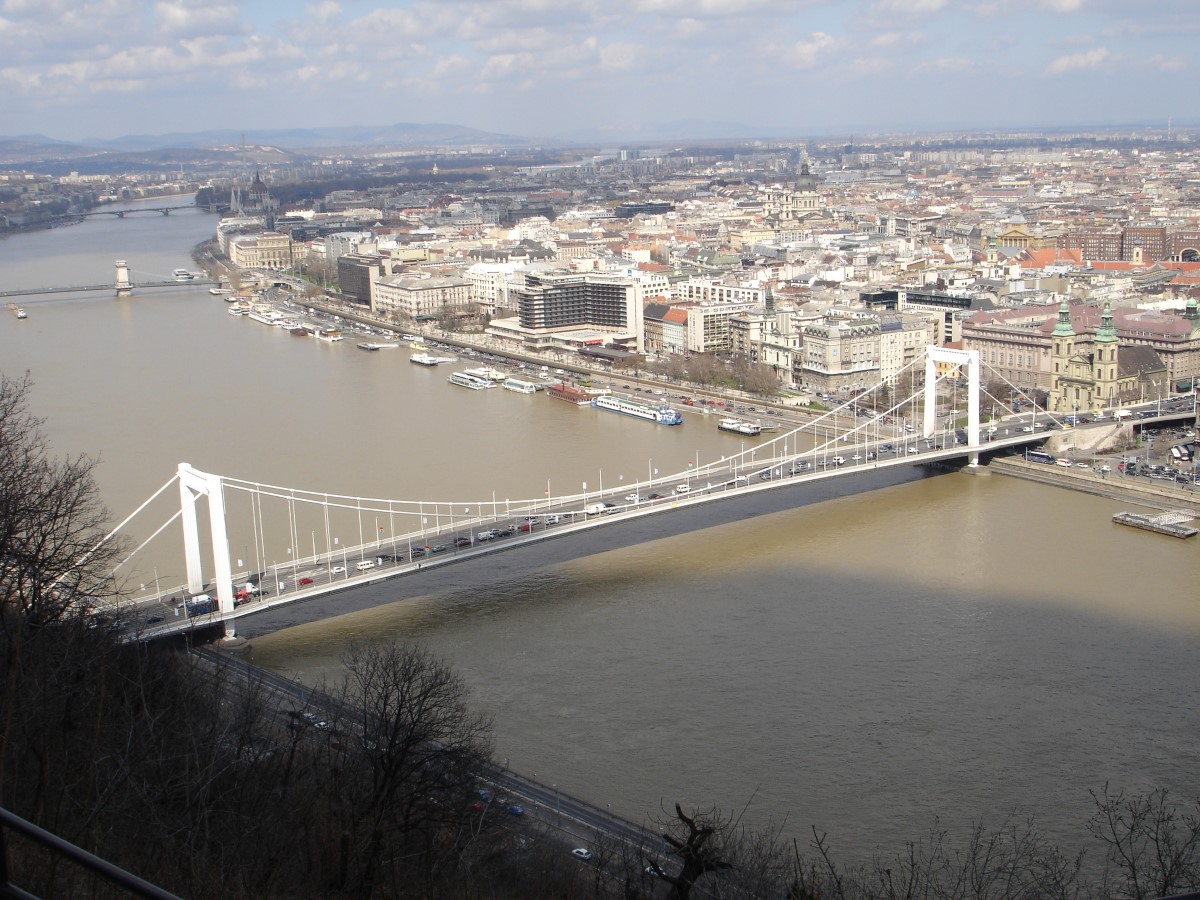
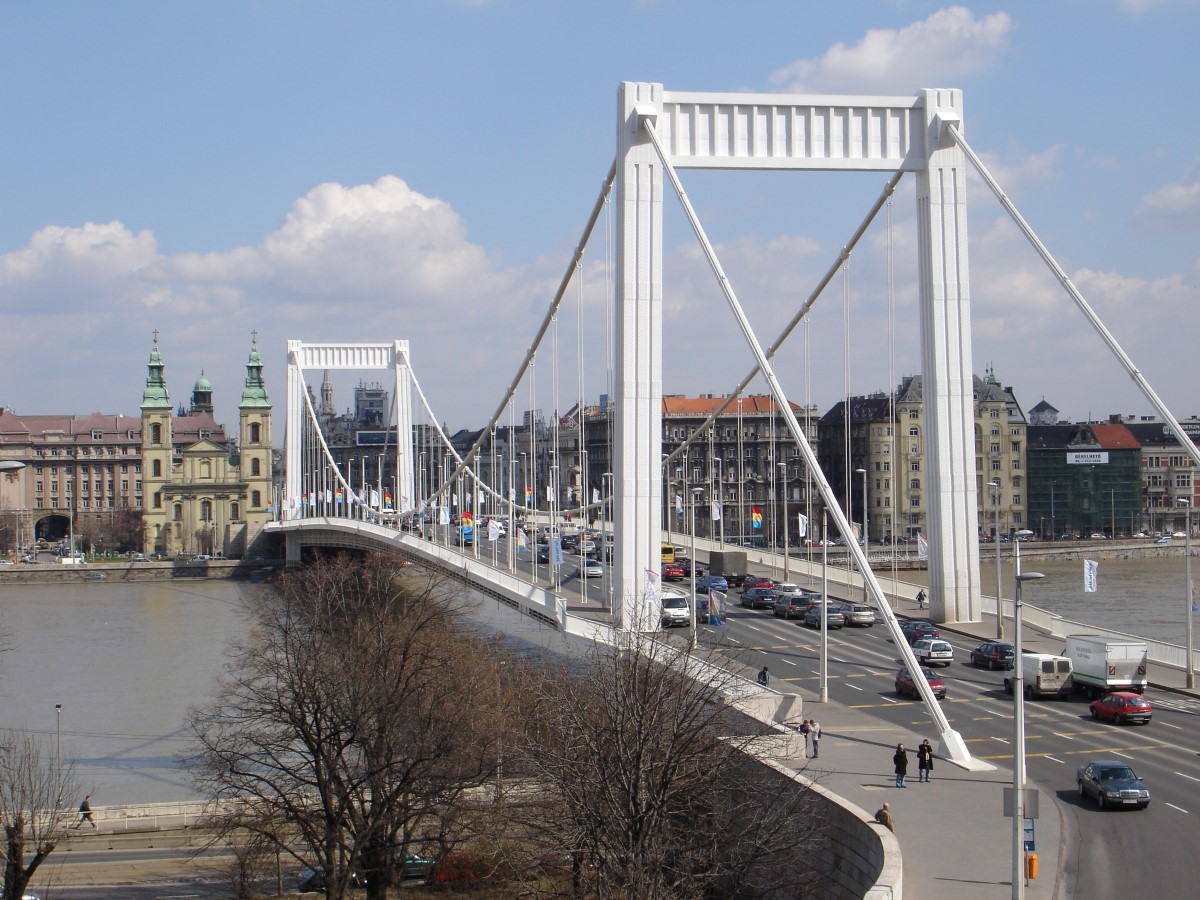
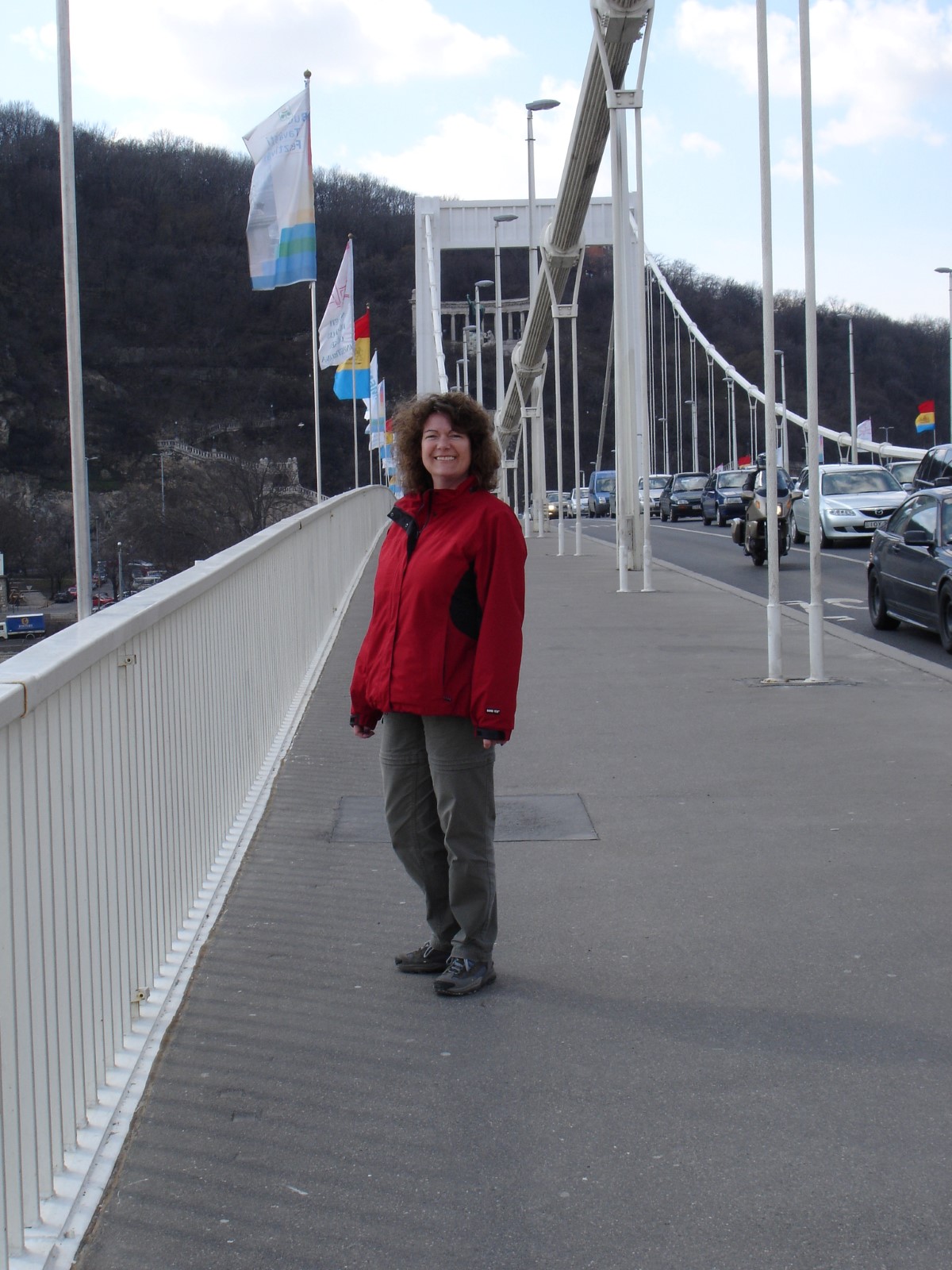
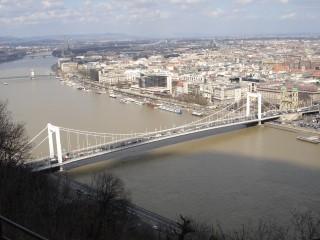
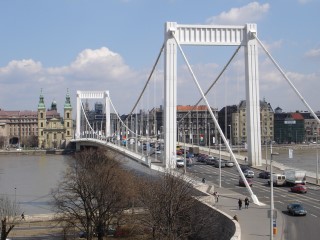
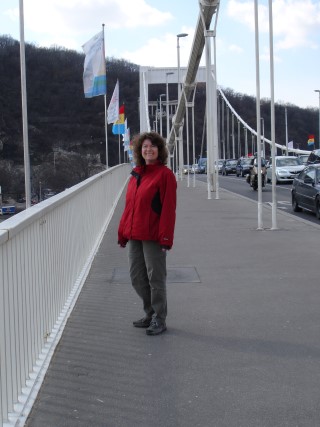
Elizabeth Bridge: Constructed in
1897-1903, was at the time the longest suspension bridge in the
world. Destroyed in 1945, it was rebuilt in its current form.
|
 |
|
|
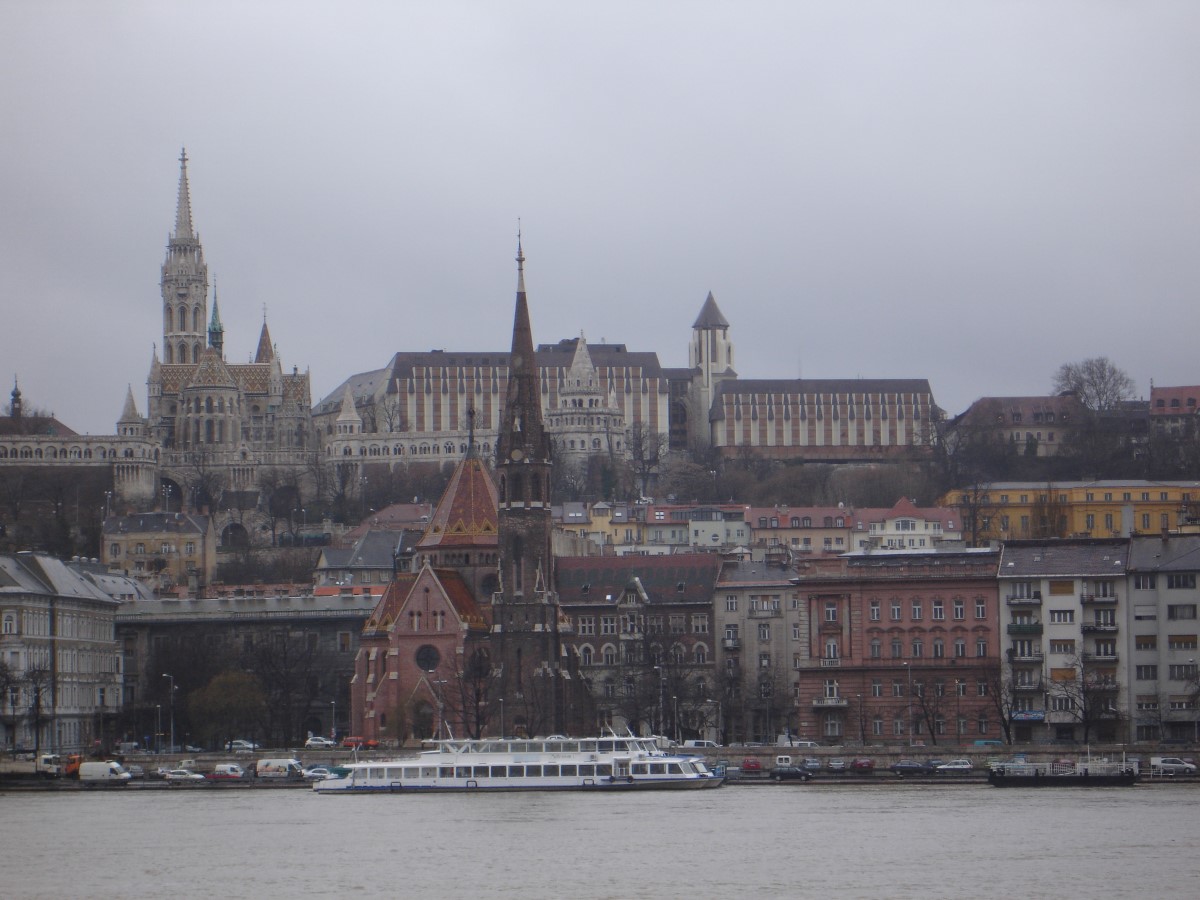
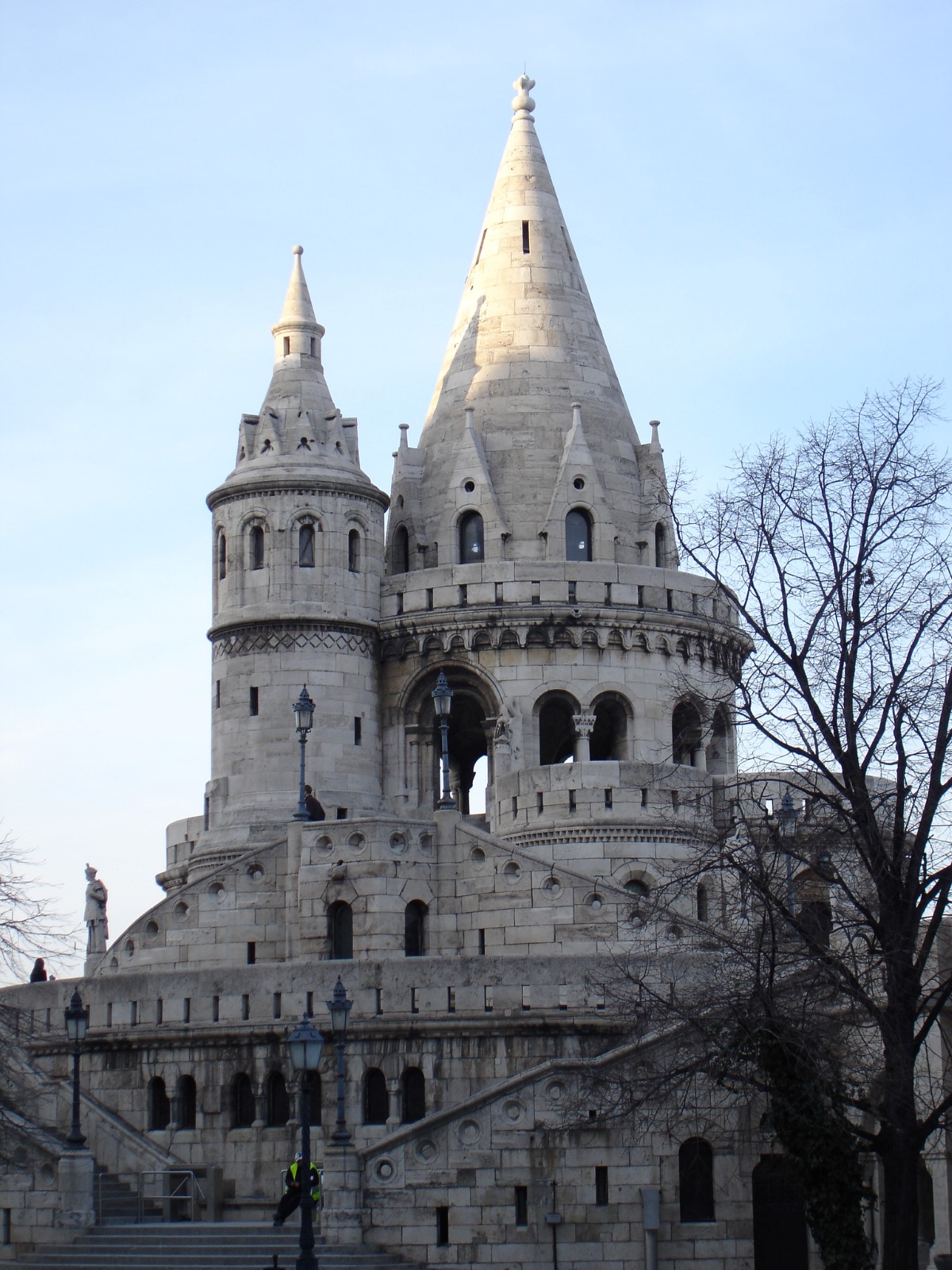
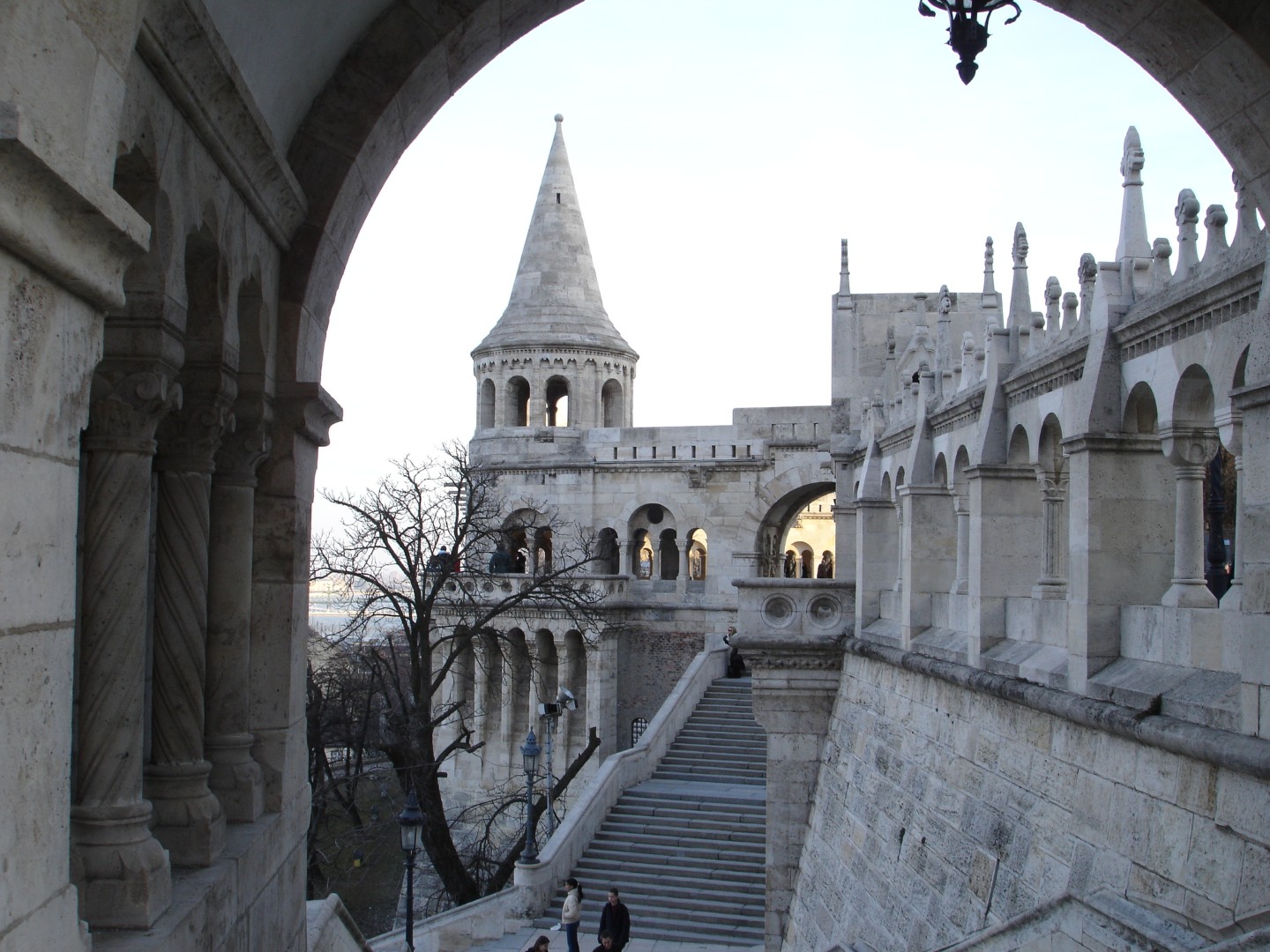
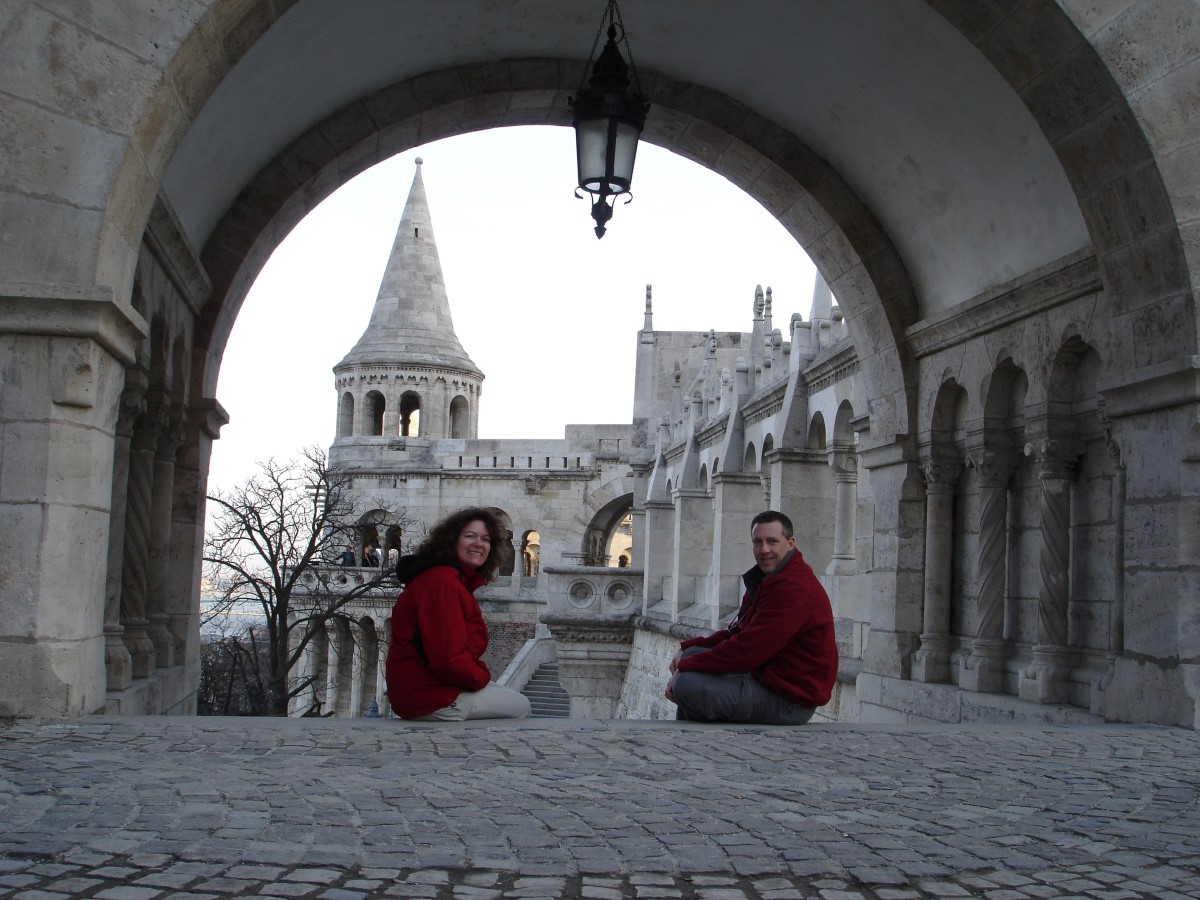
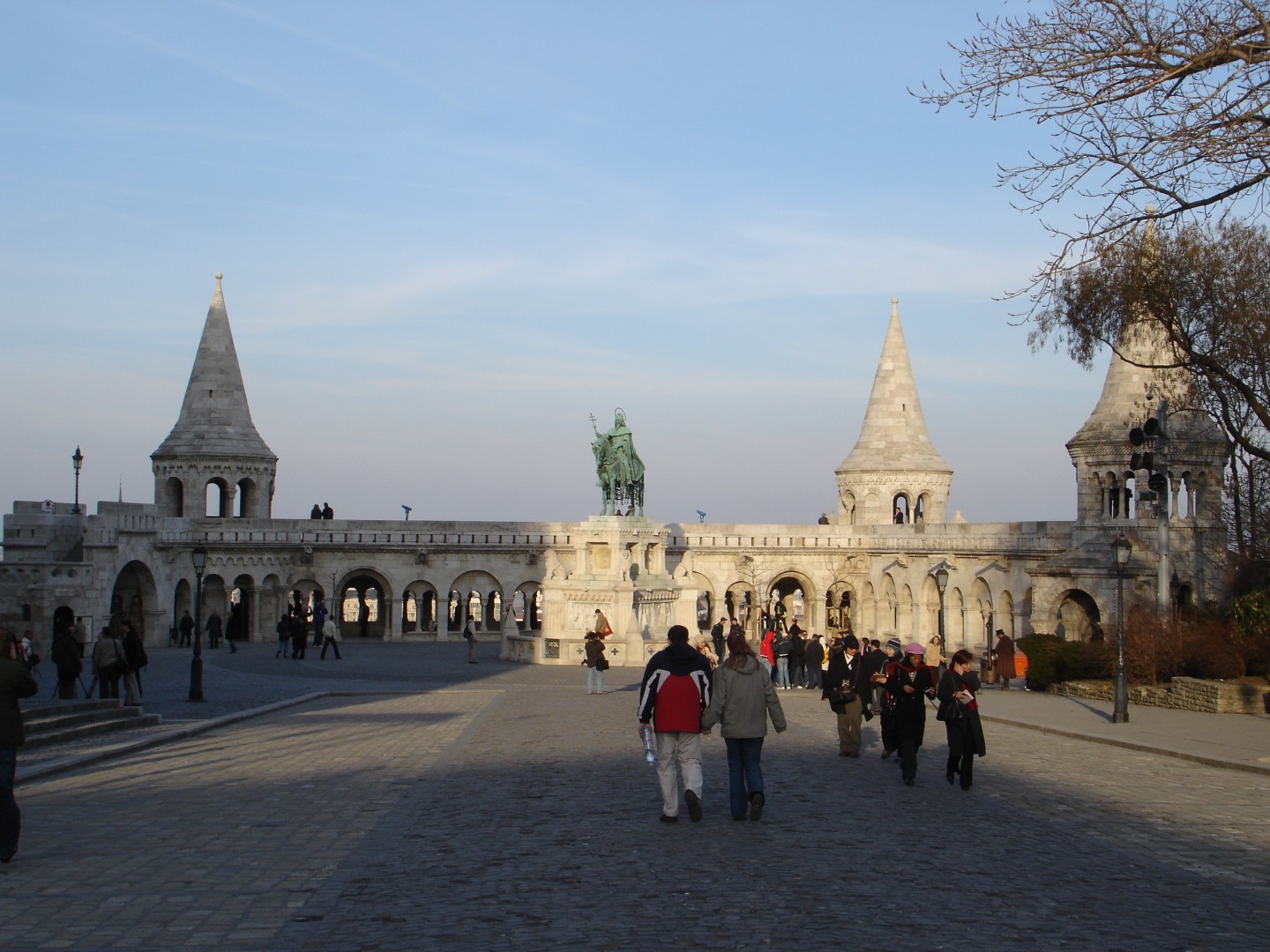
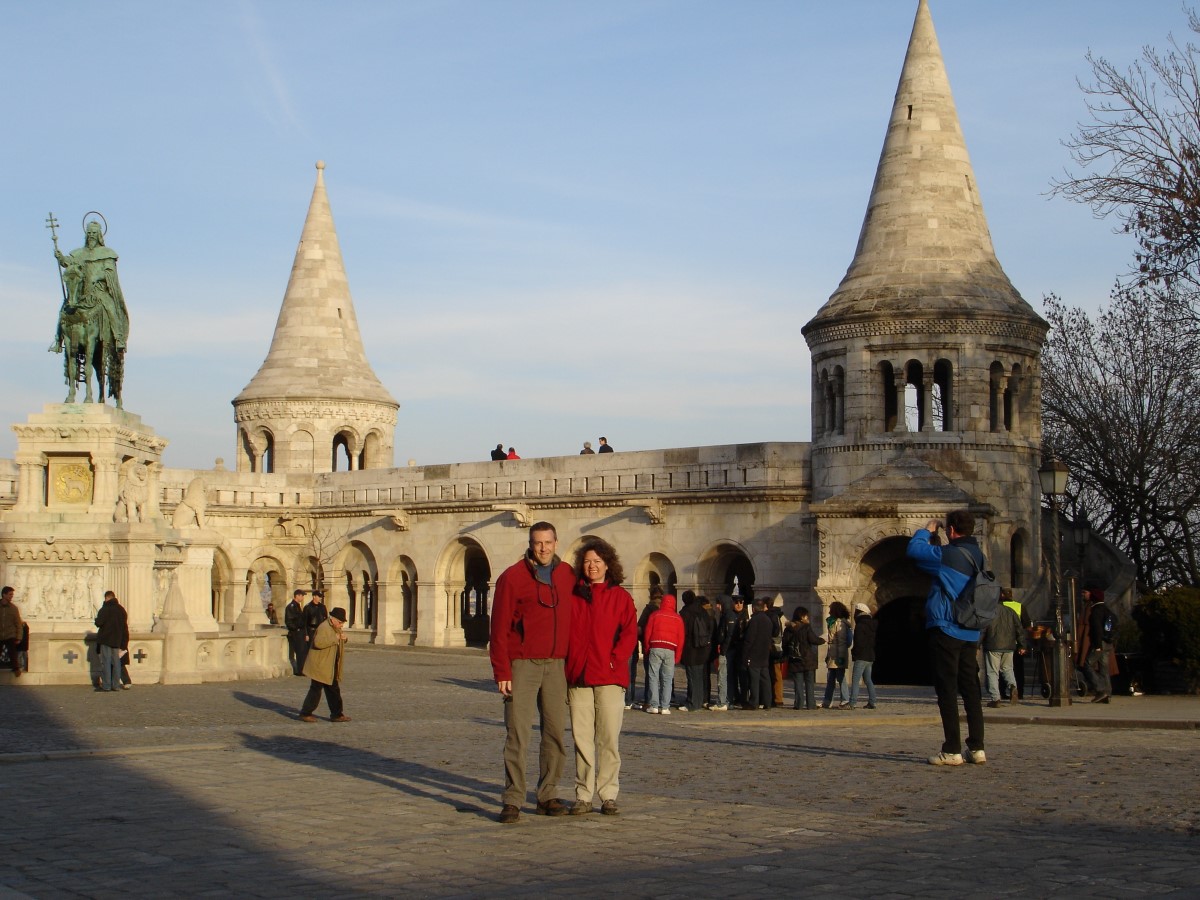
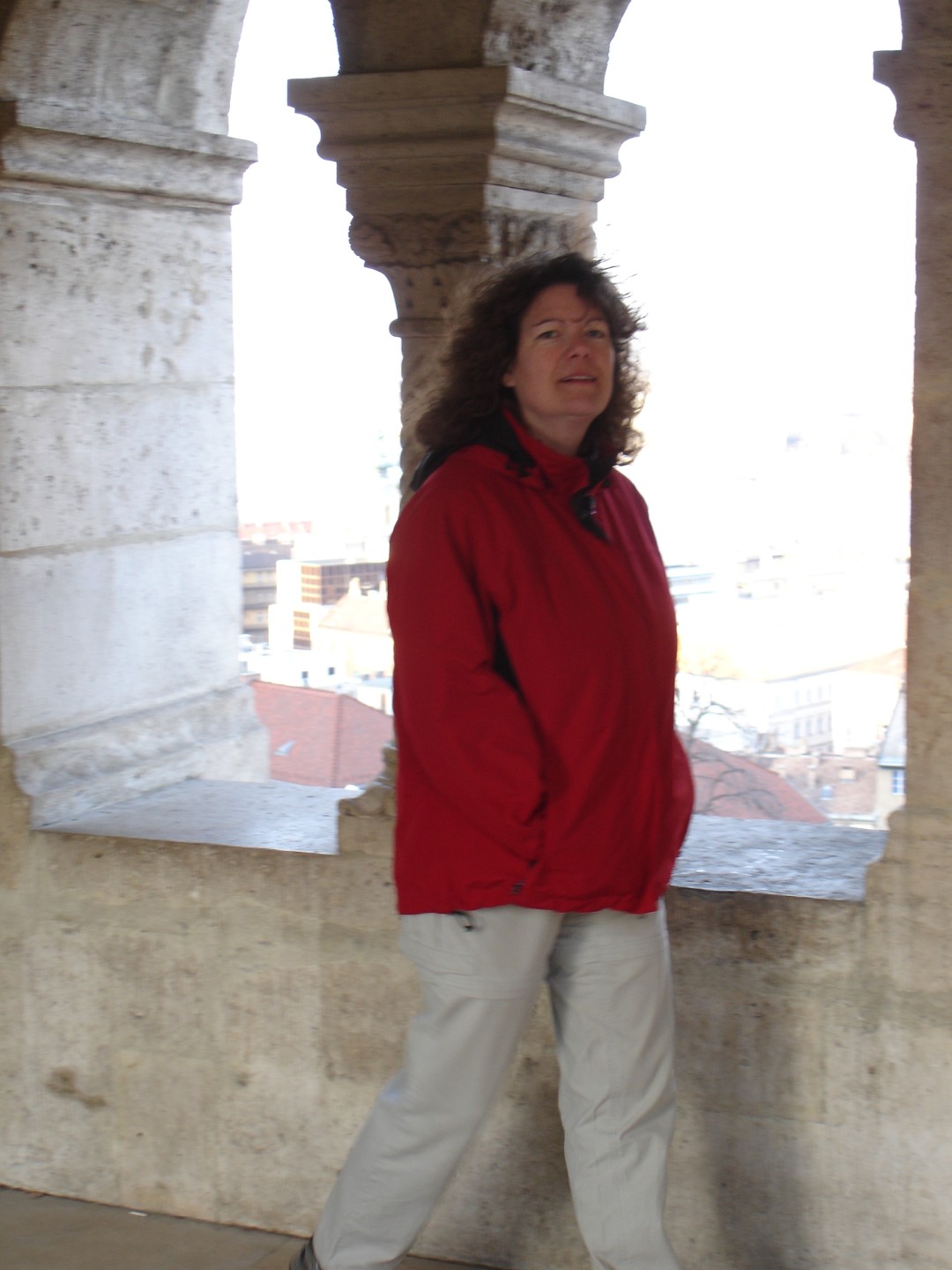
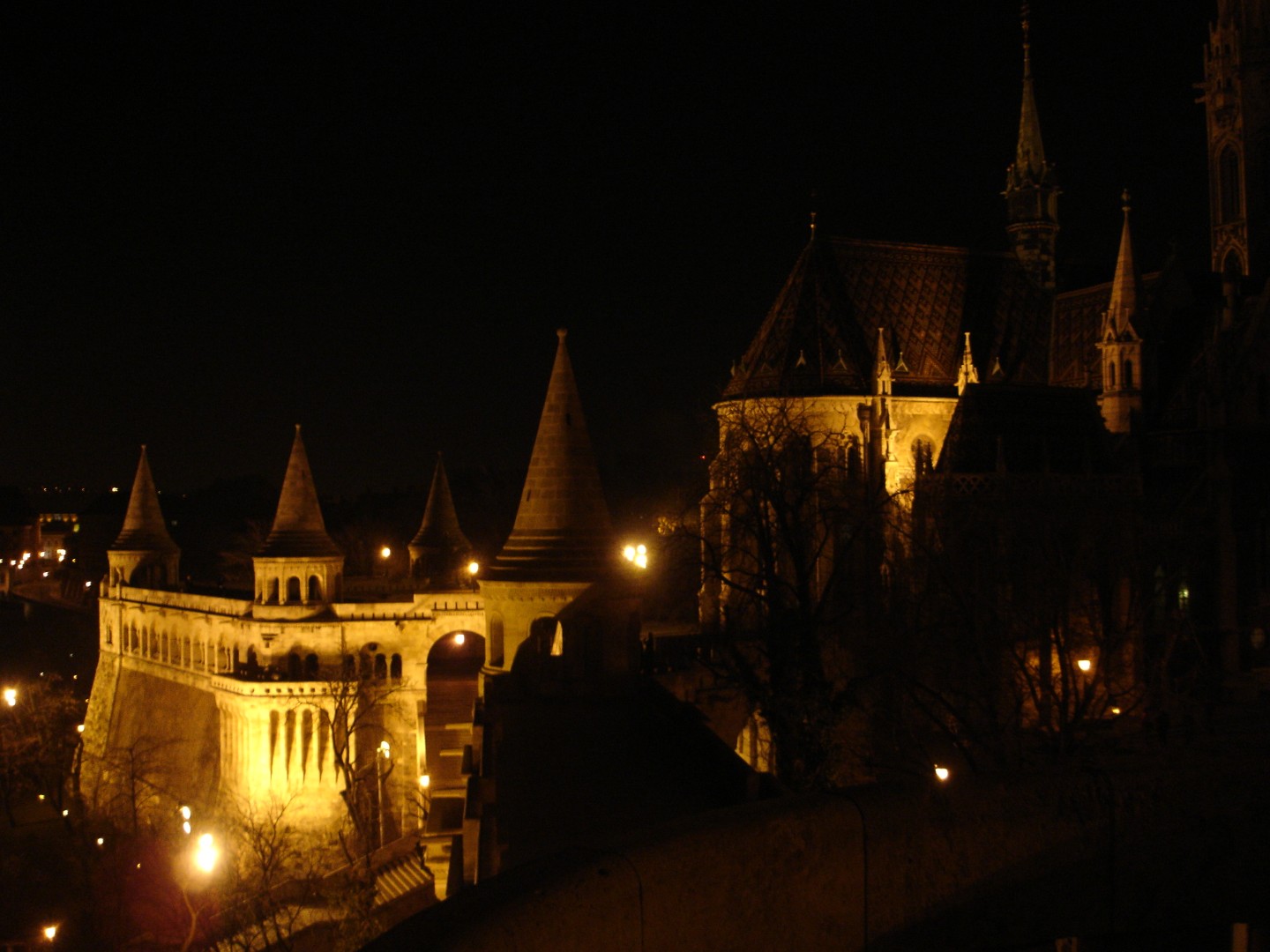
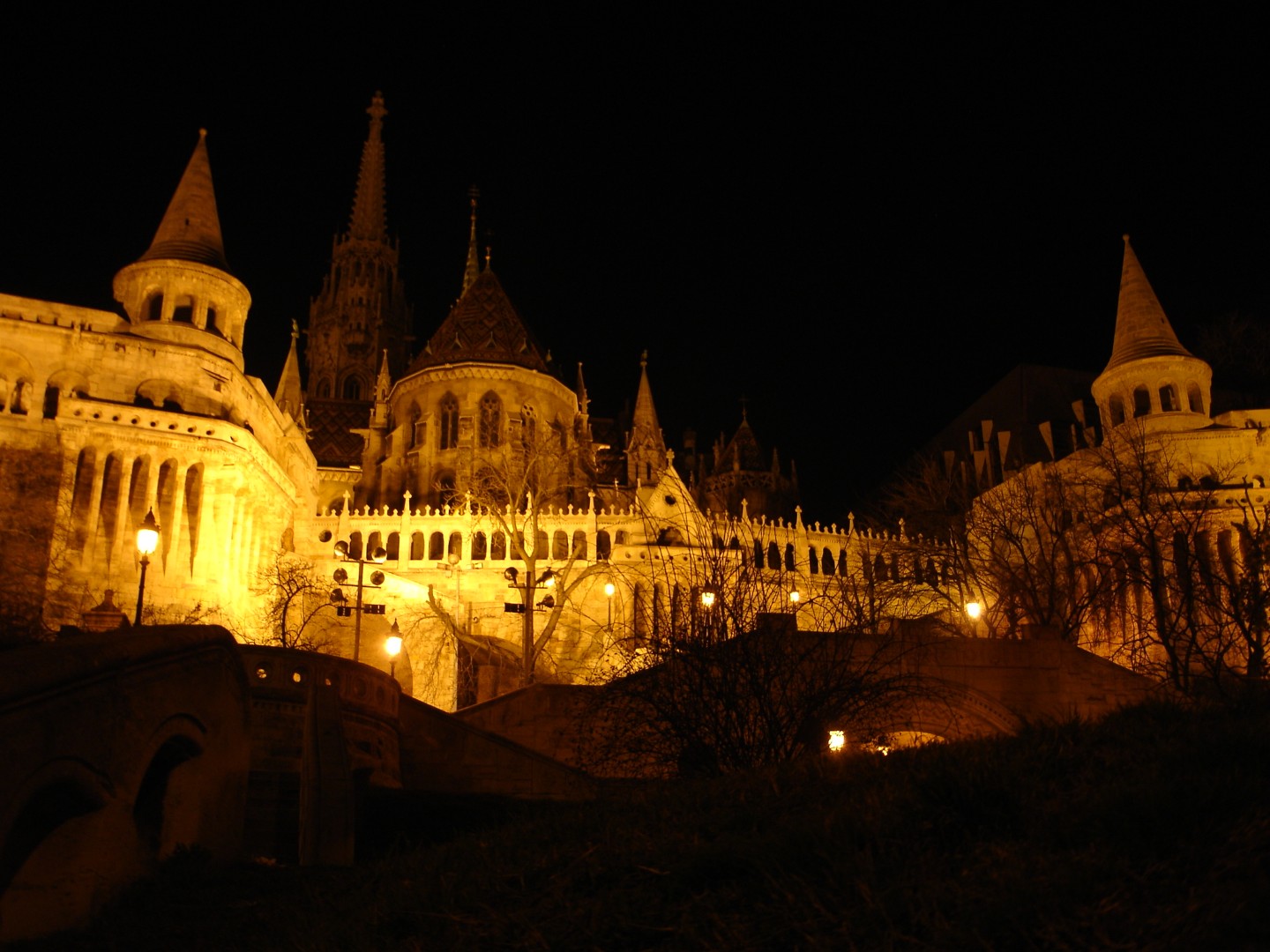
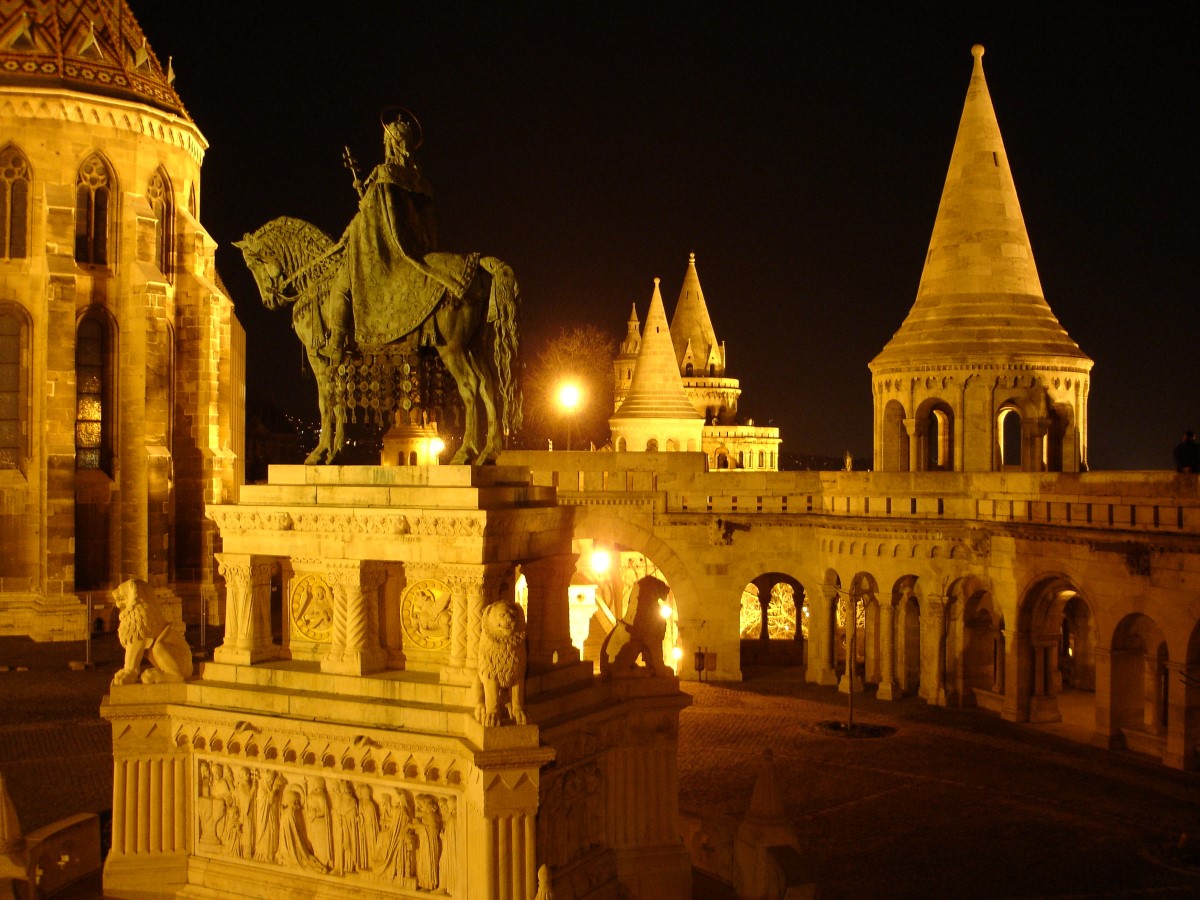
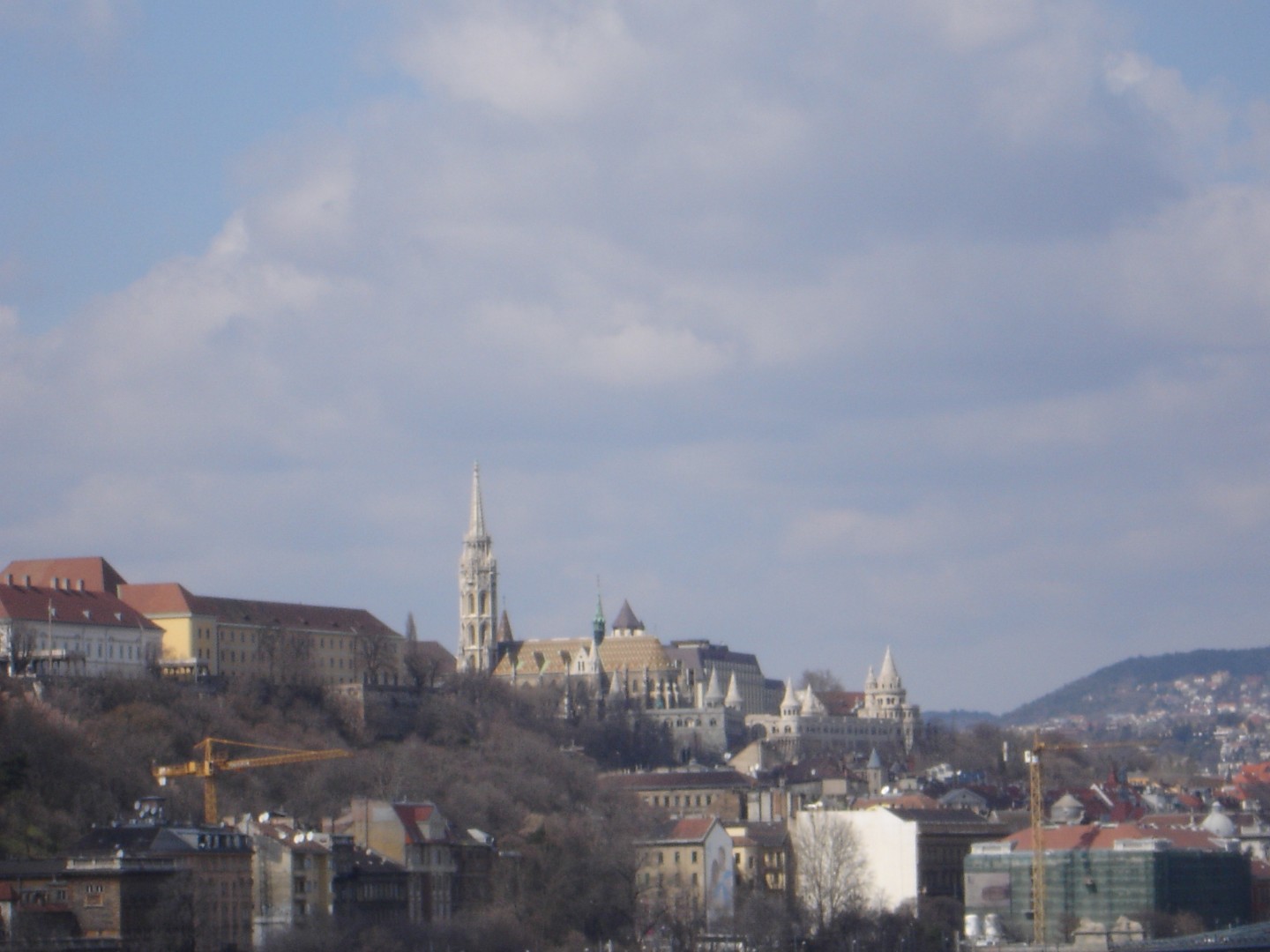
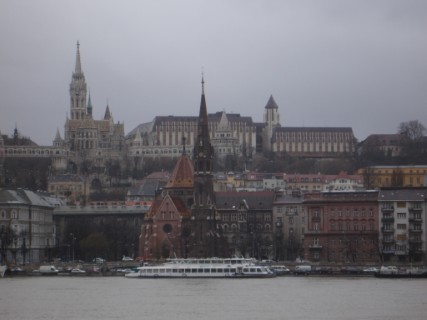
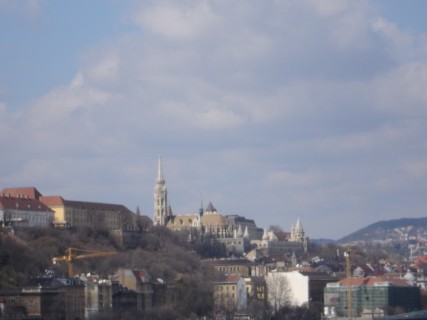
Fisherman's Bastion: Built in
1895, this structure never had the role of a defensive building, despite
its name. It serves instead as a viewing terrace. The conical
towers are an allusion to the tribal tents of the early Magyars.
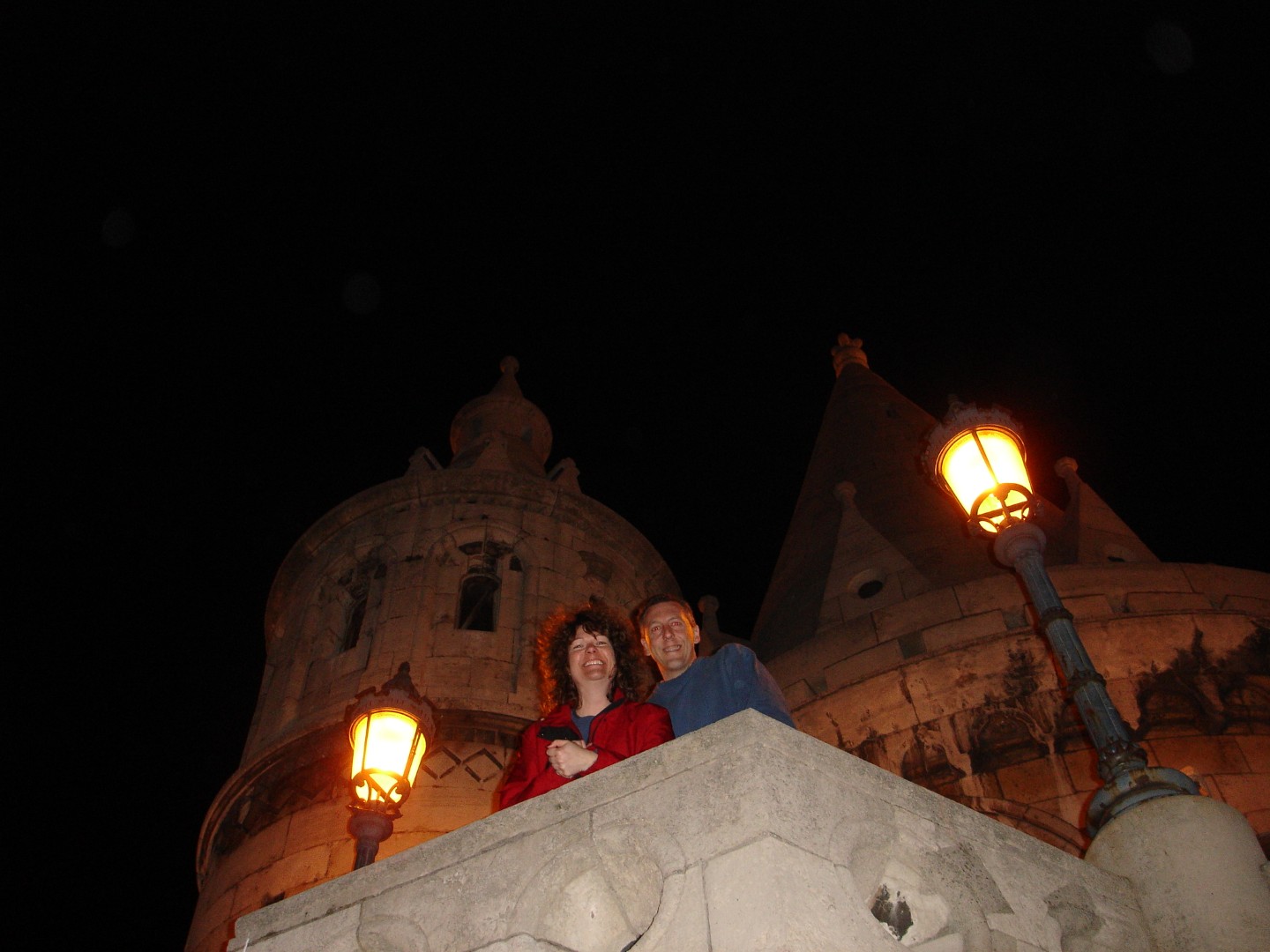
This may be the most romantic place we
have ever been. At night, you have fantastic views of the
city with it's bridges, castles and cathedrals all brilliantly
illuminated.
|
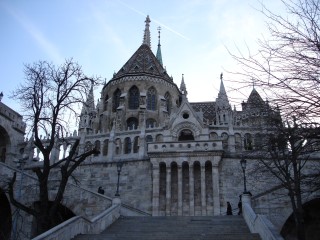
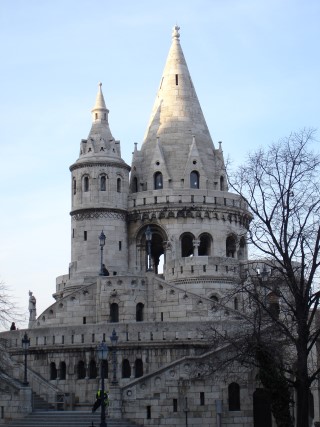
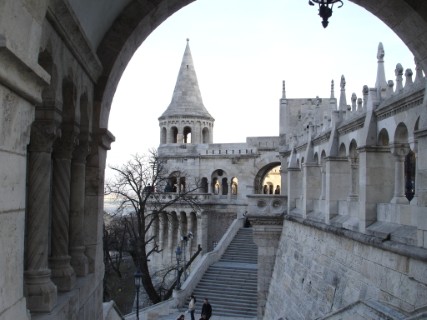
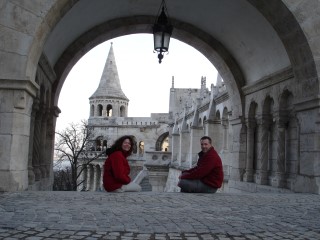
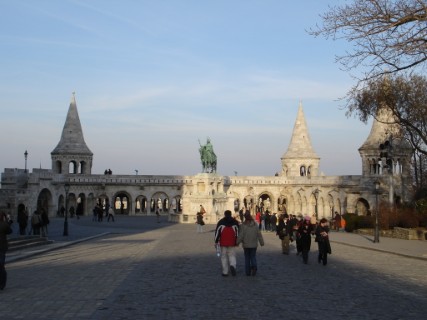
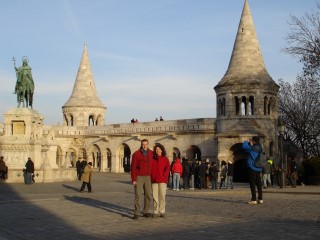
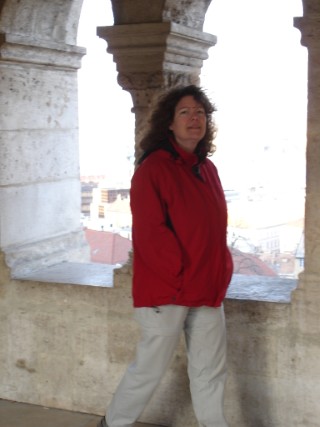
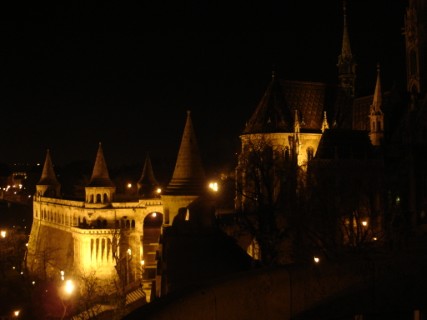
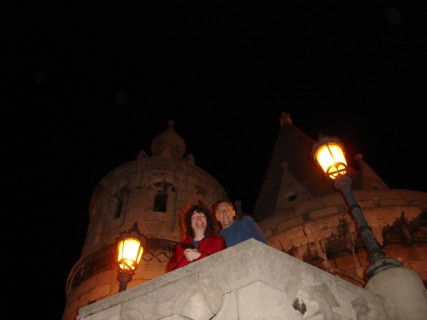
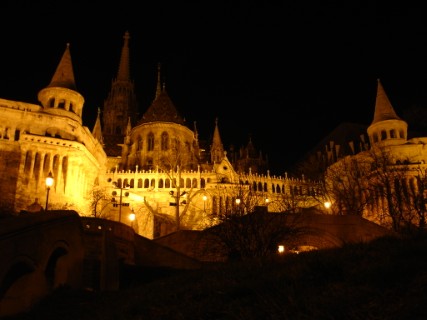
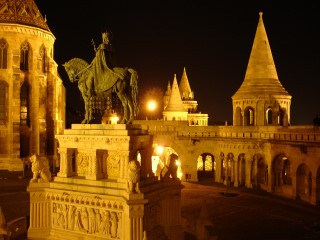
Views of the bastion from across the river
 |
|
|
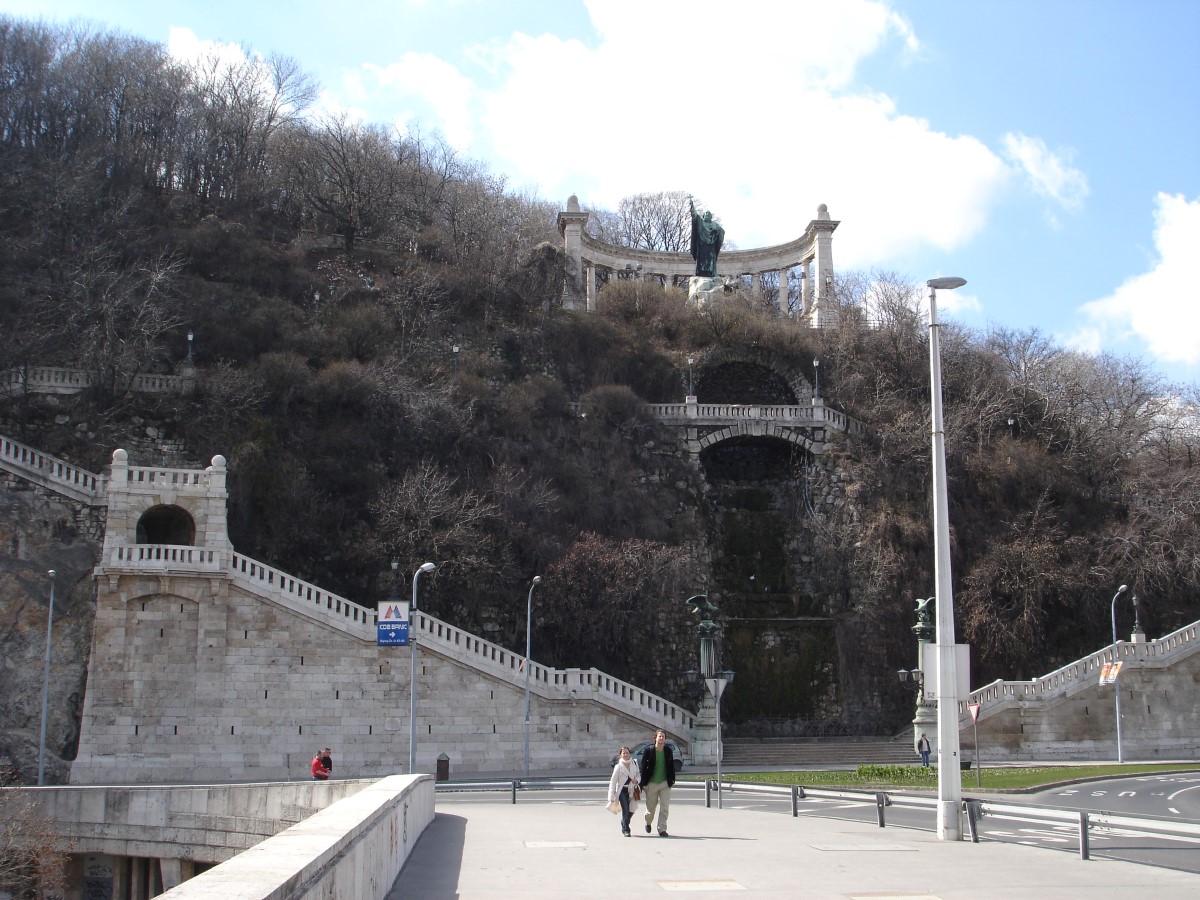
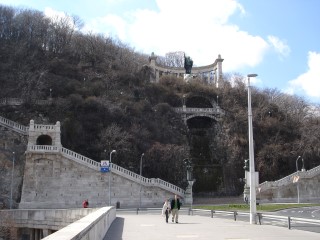
Gellert Statue: In 1904 a vast
monument was established on the spot where Bishop Gellert was supposedly
murdered in the 11th century. According to the tale, the bishop was
thrown into the Danube in a barrel, by a mob opposed to the adoption of
Christianity. St Gellert holds a cross in his outstretched hand and
a Hungarian convert to Christianity is depicted kneeling at his feet.
|
 |
|
|
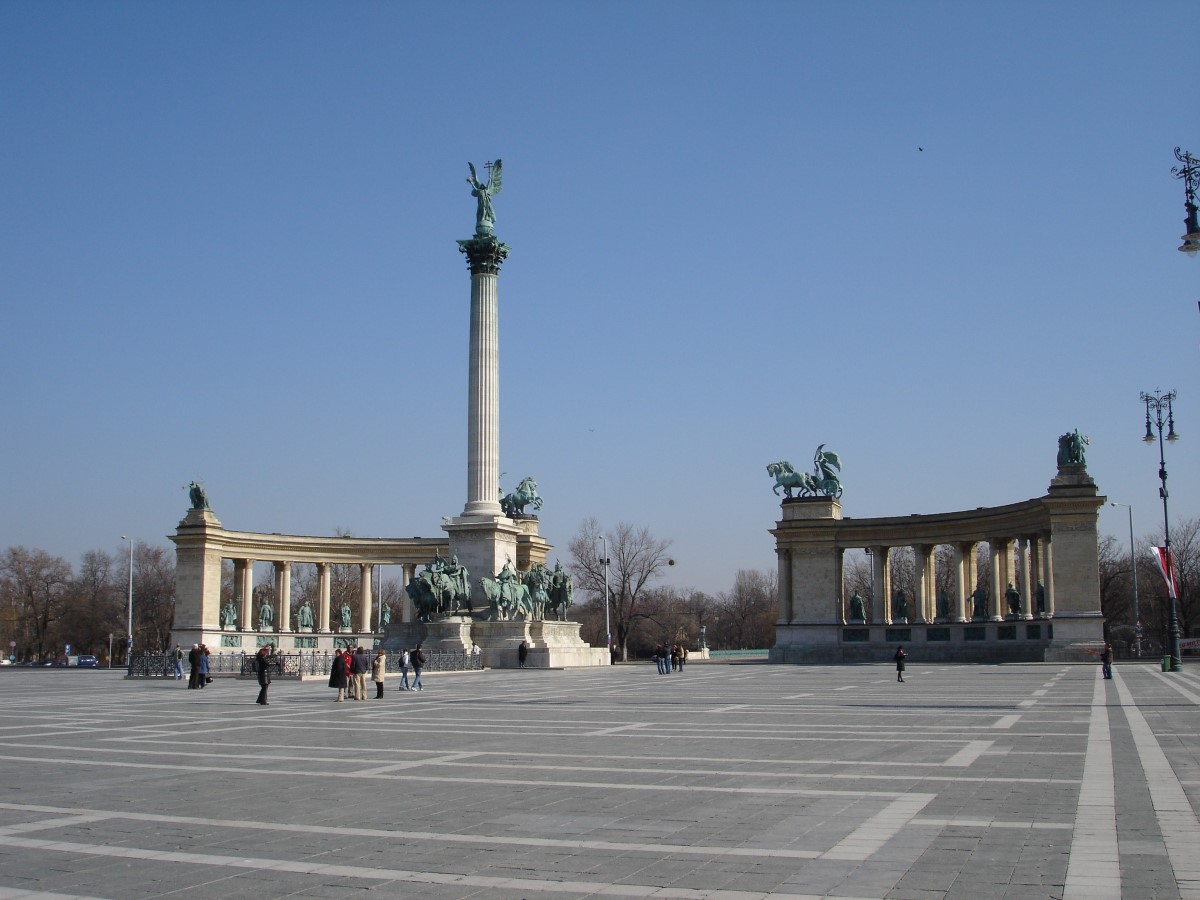
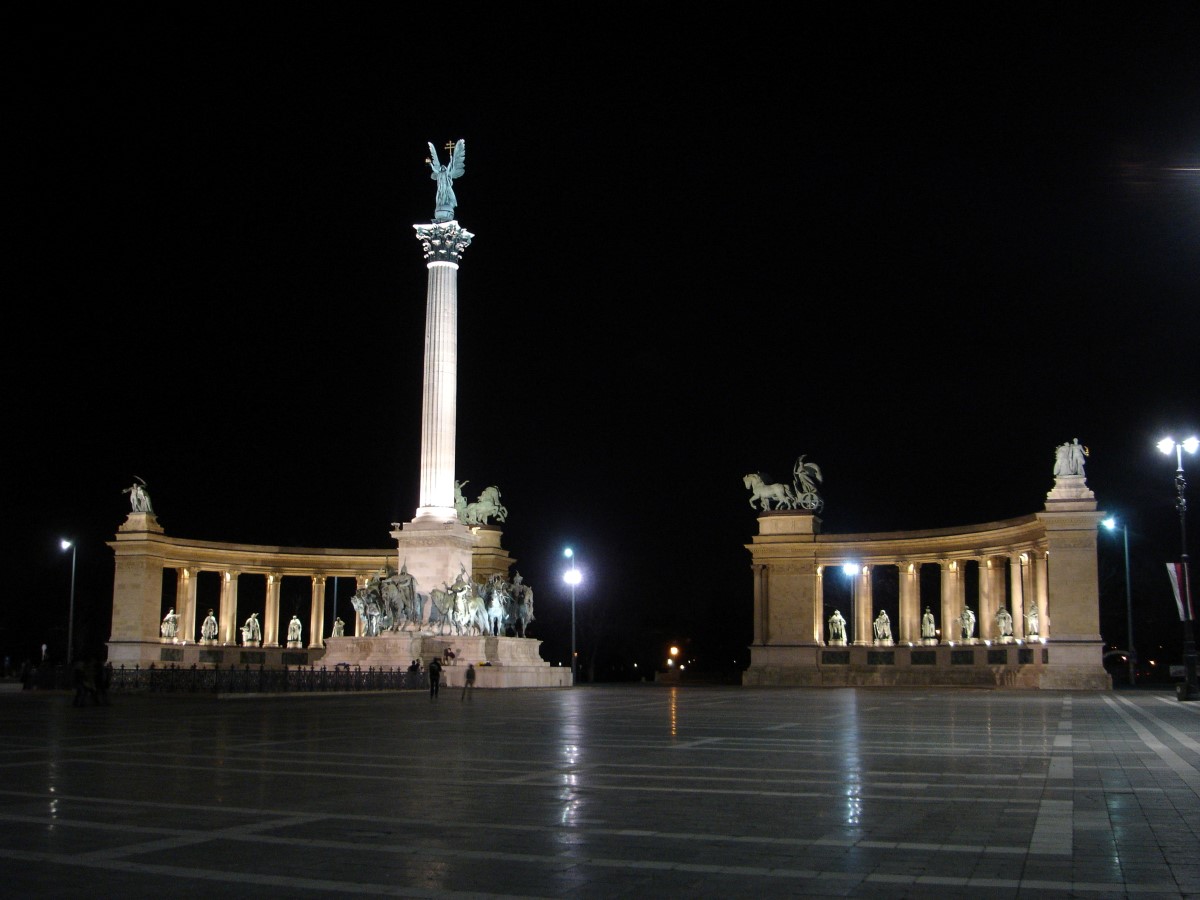
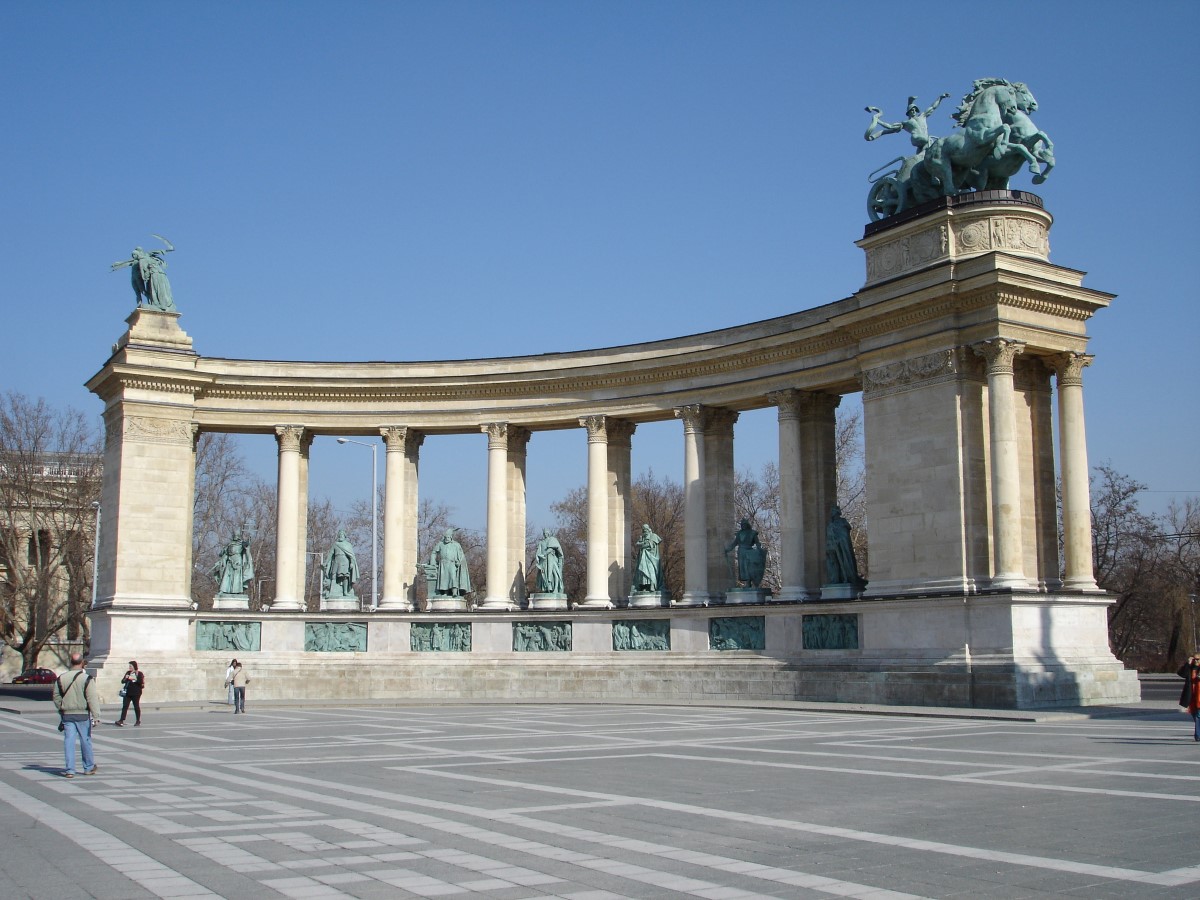
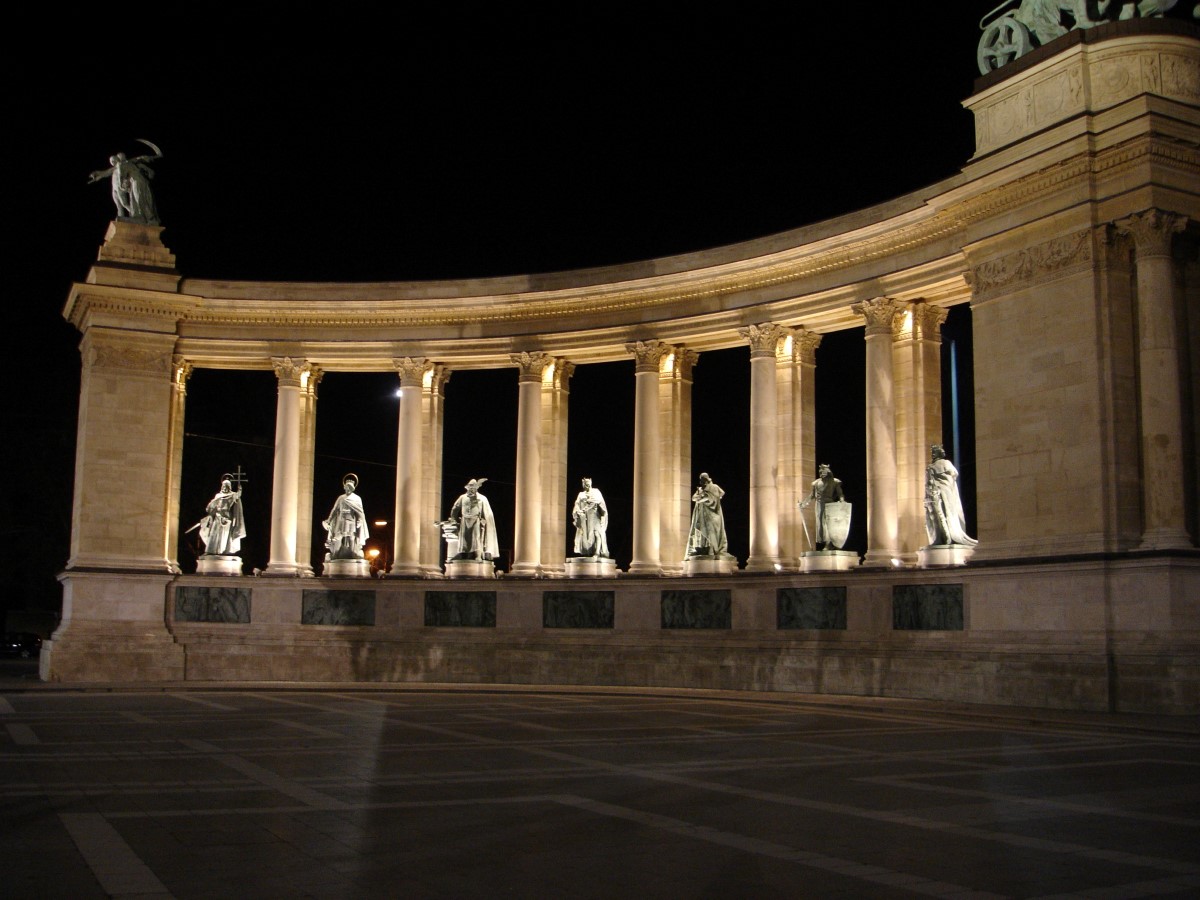
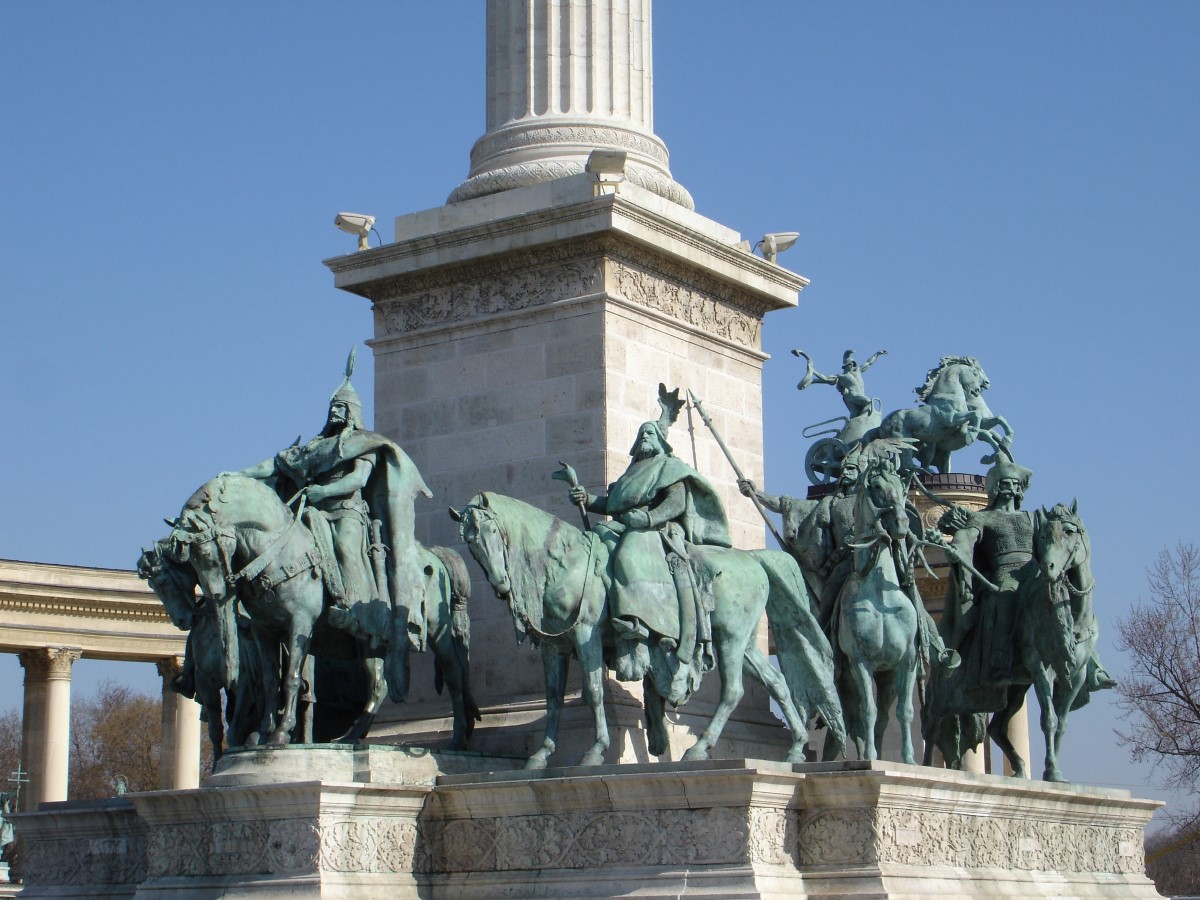
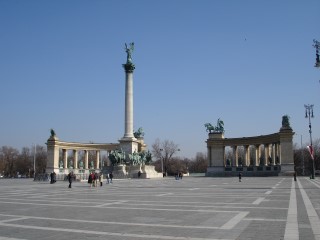
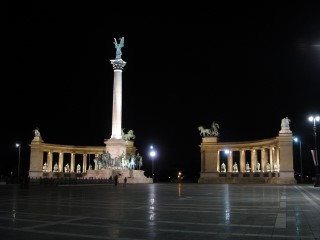
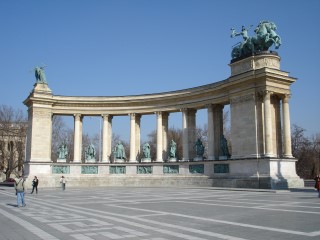
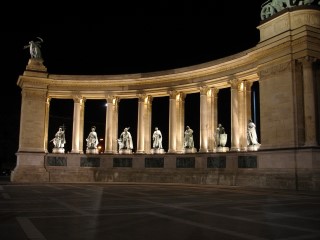
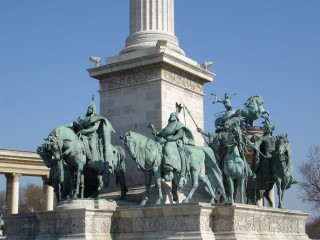
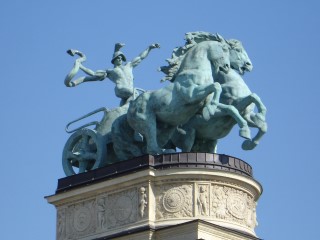
Hero's Square: Representing Hungary's
history, this is where the Millennium Celebrations opened in 1896.
It's colonnades feature statues of renowned Hungarian leaders and
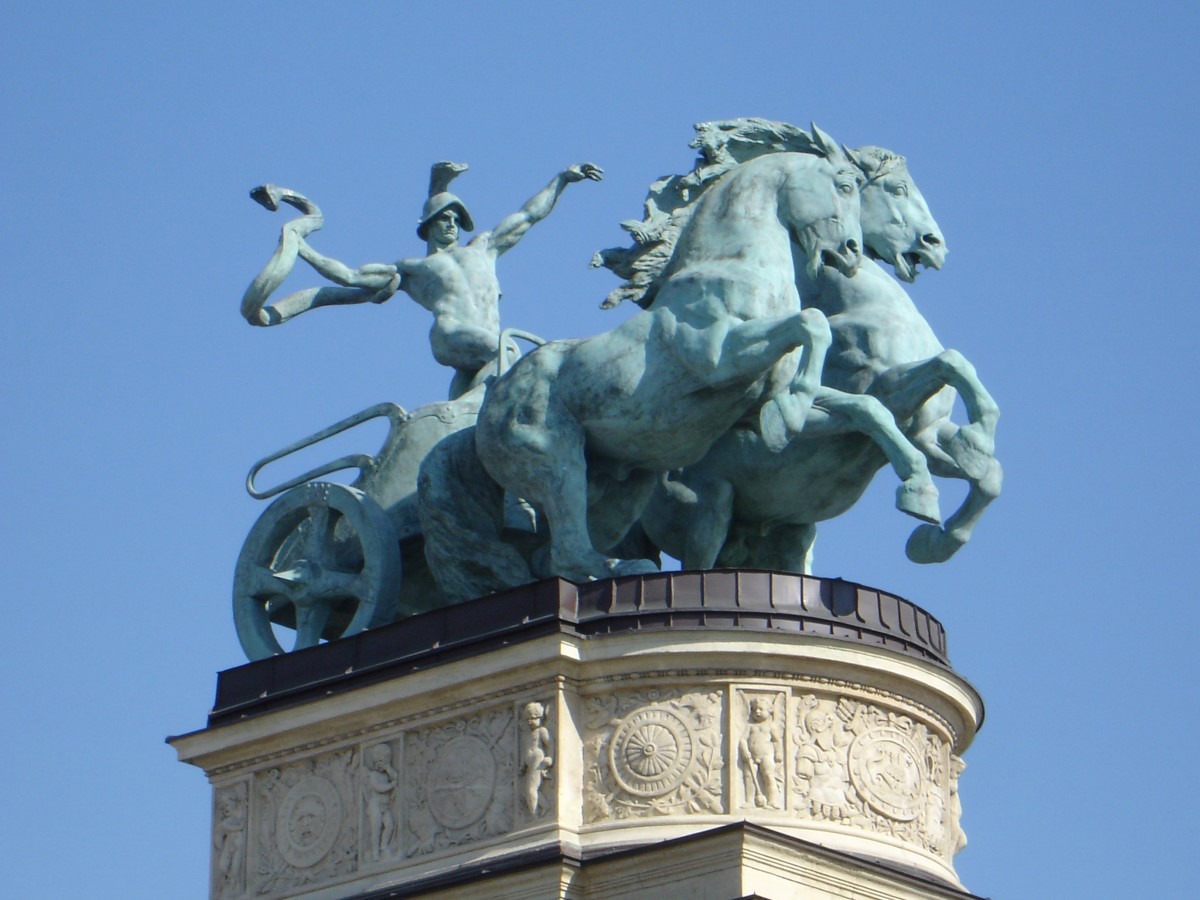
politicians. The grand central column is crowned by a figure of
Archangel Gabriel.
The figure at the top on the chariot is
Rydwan, the god of war.
|
 |
|
|
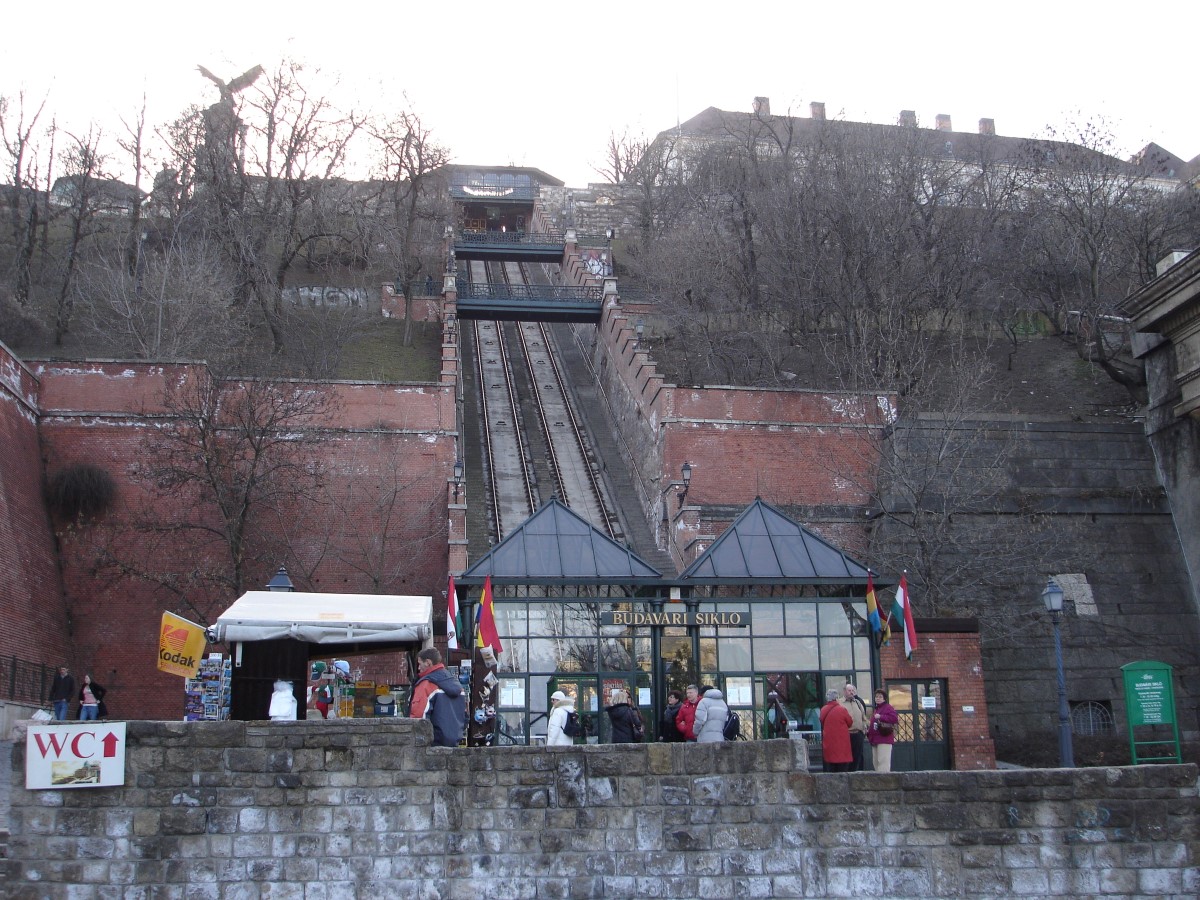
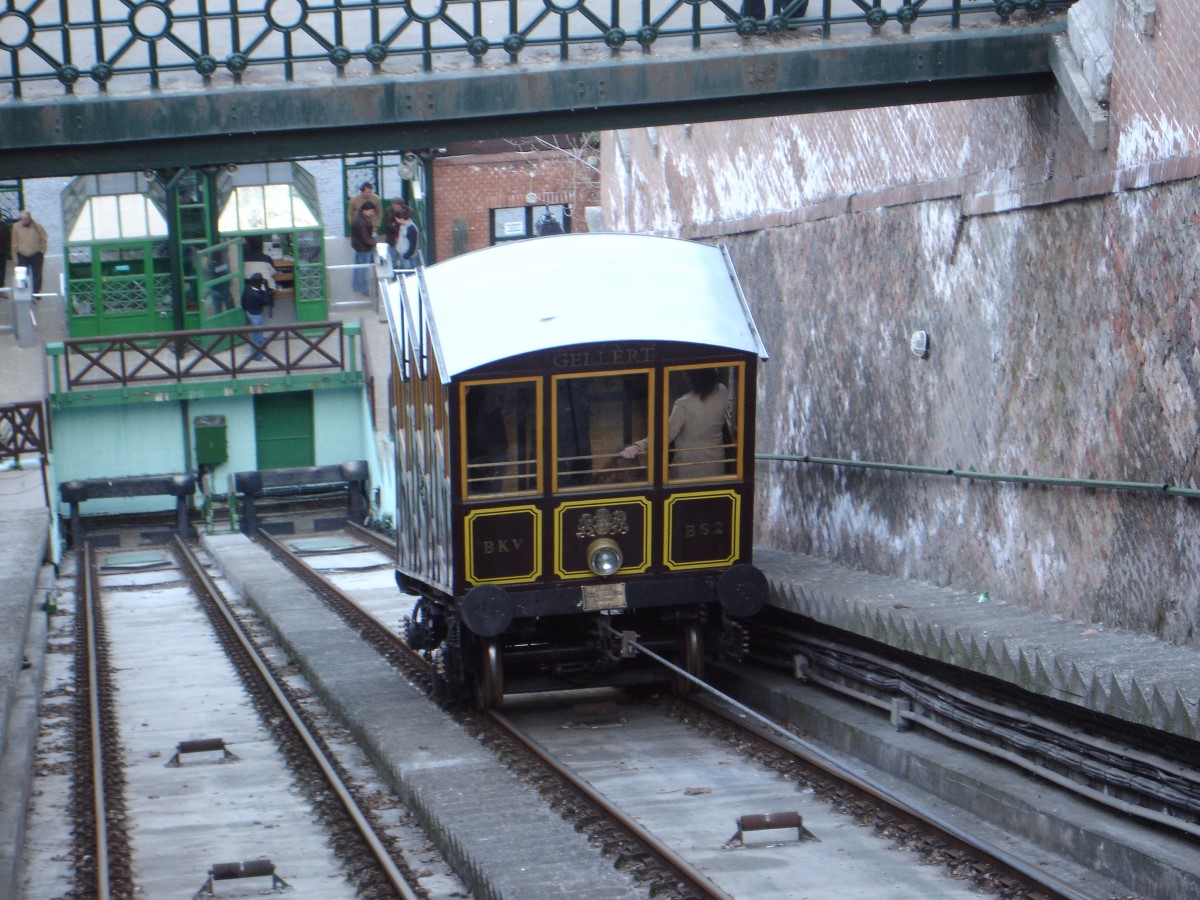
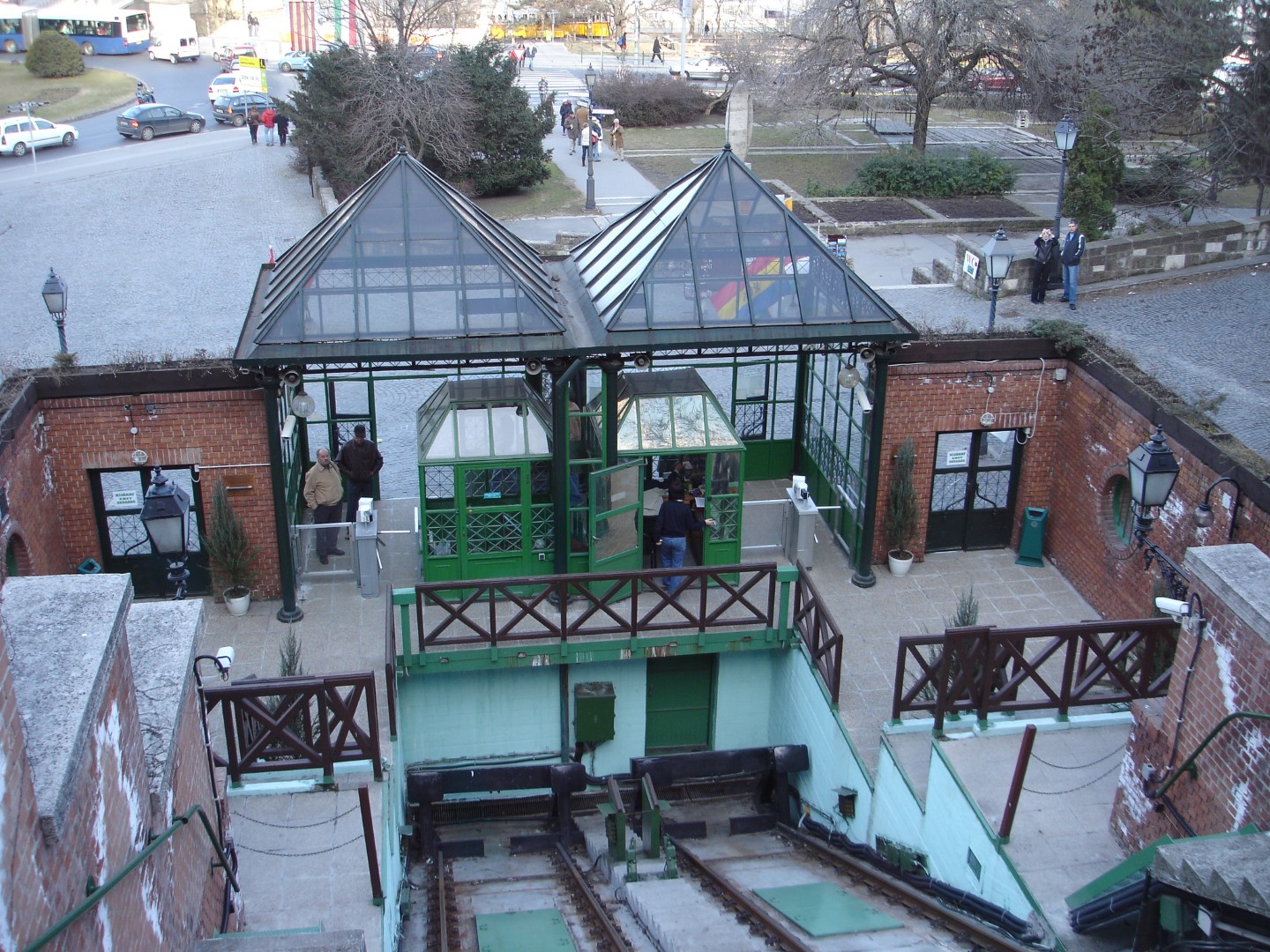
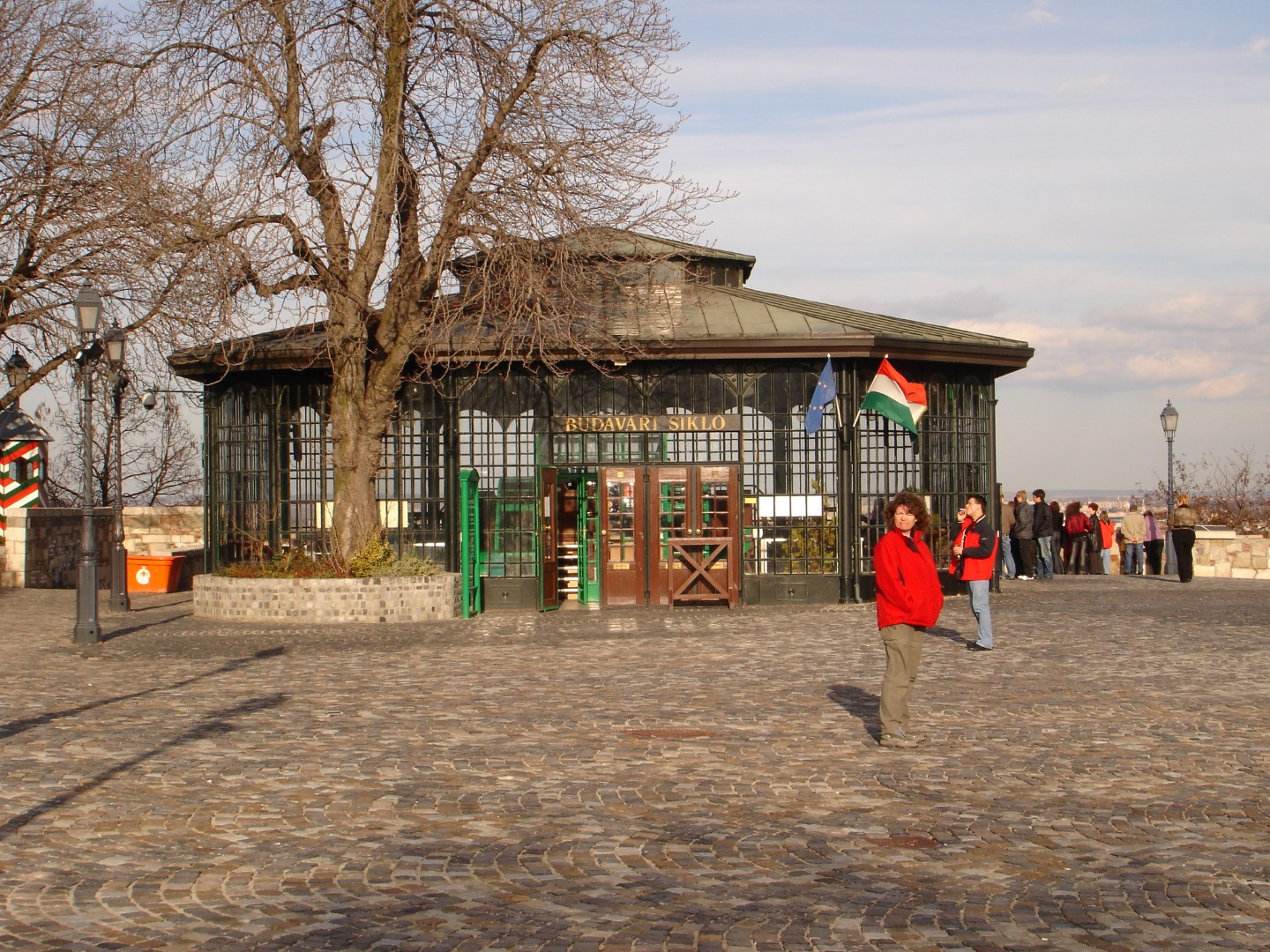
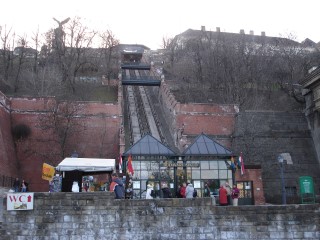
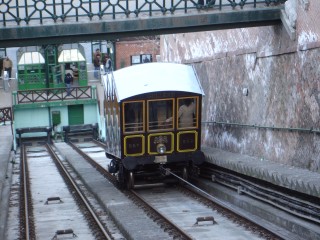
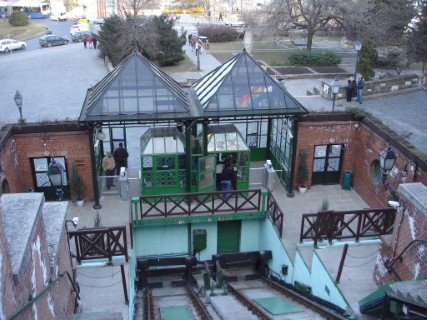
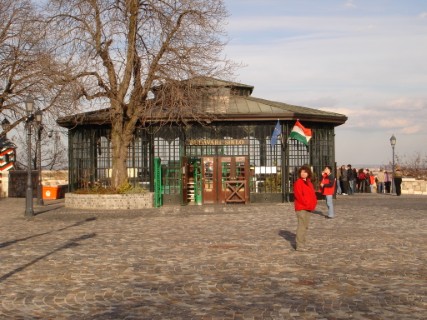
Funicular: This funicular or
inclined railway was built for access to the Royal Palace.
|
|
|
|
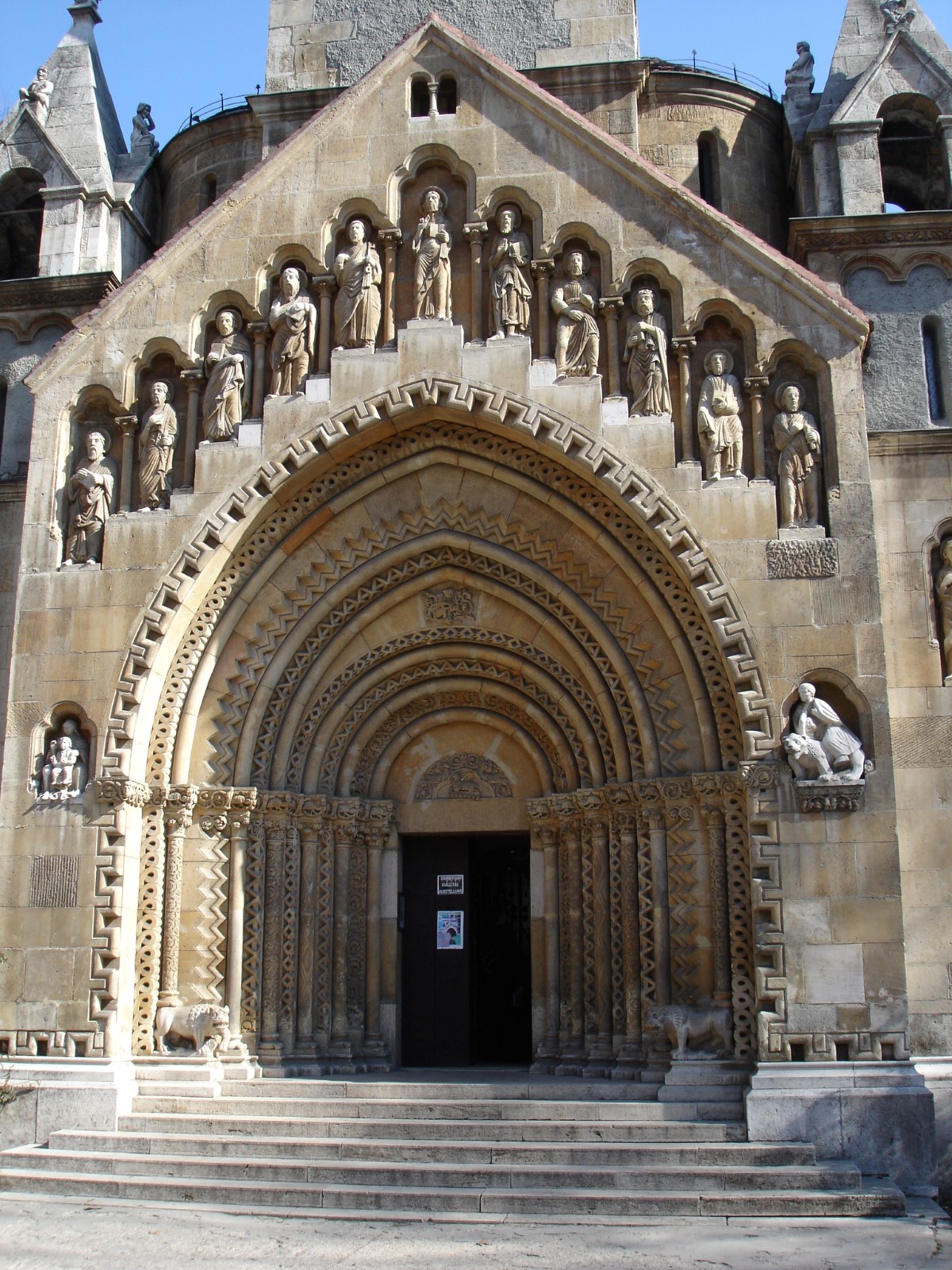
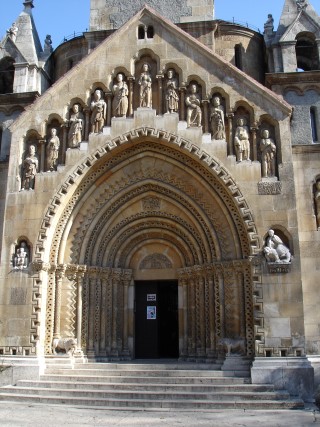
Jak Chapel: The chapel
reproduces the portal of a Benedictine chapel, dating from 1214, which can
be found in the area of Jak, near the border with Austria. It is
part of the Vajdahunyad Castle complex.
|
 |
|
|
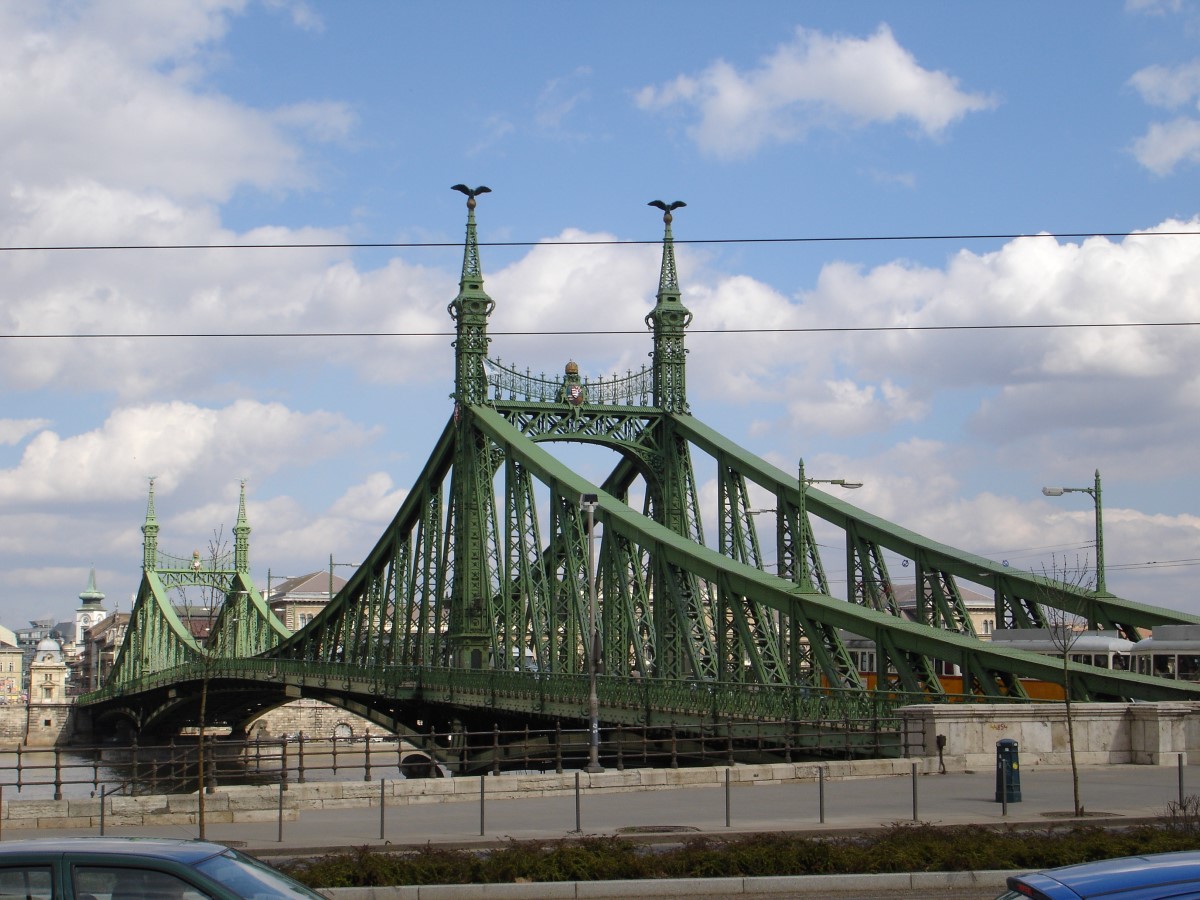
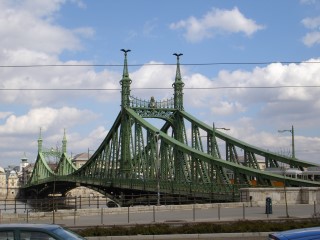
Liberty Bridge: Another nice and
old bridge crossing Danube.
|
 |
|
|
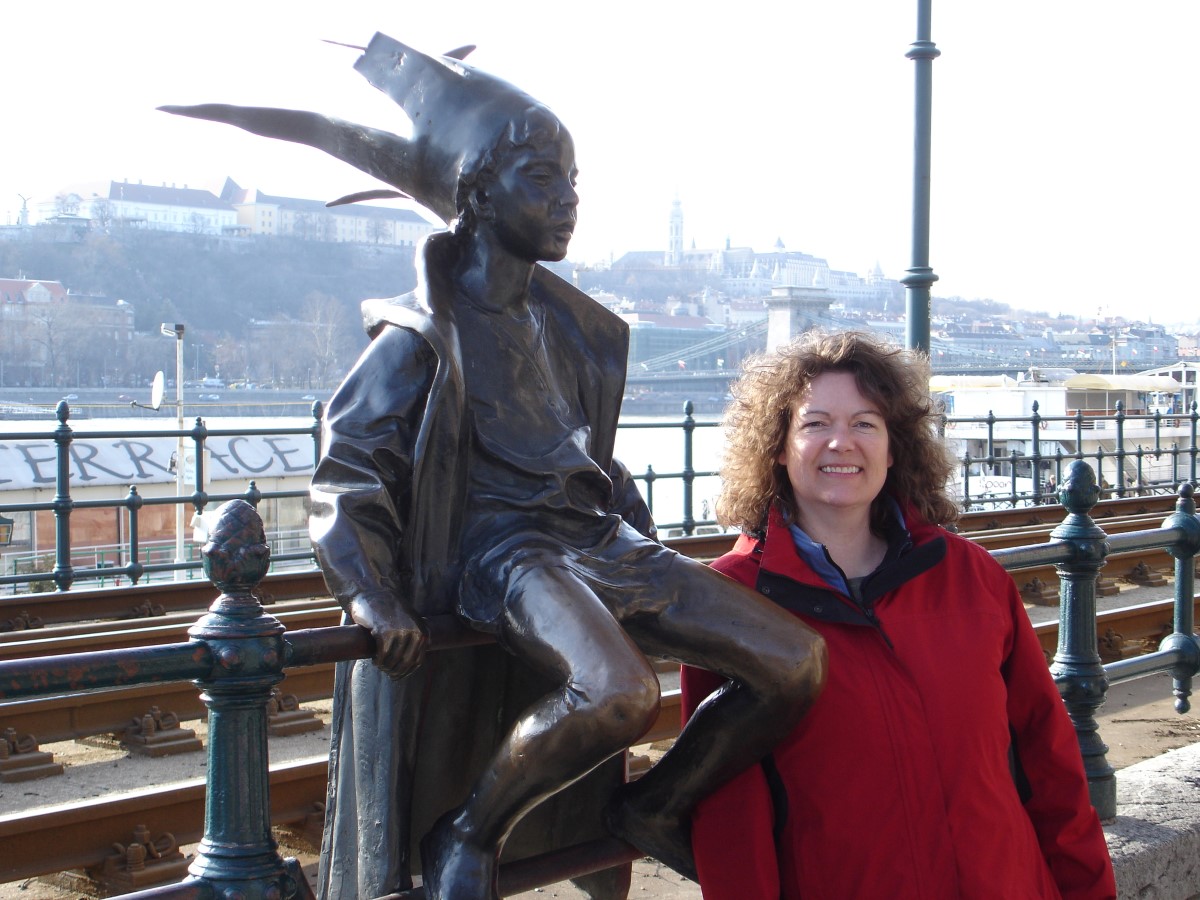
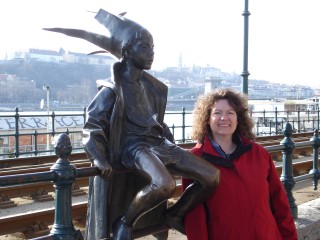
Little Princess Statue: That's
Chris on the right.
|
 |
|
|
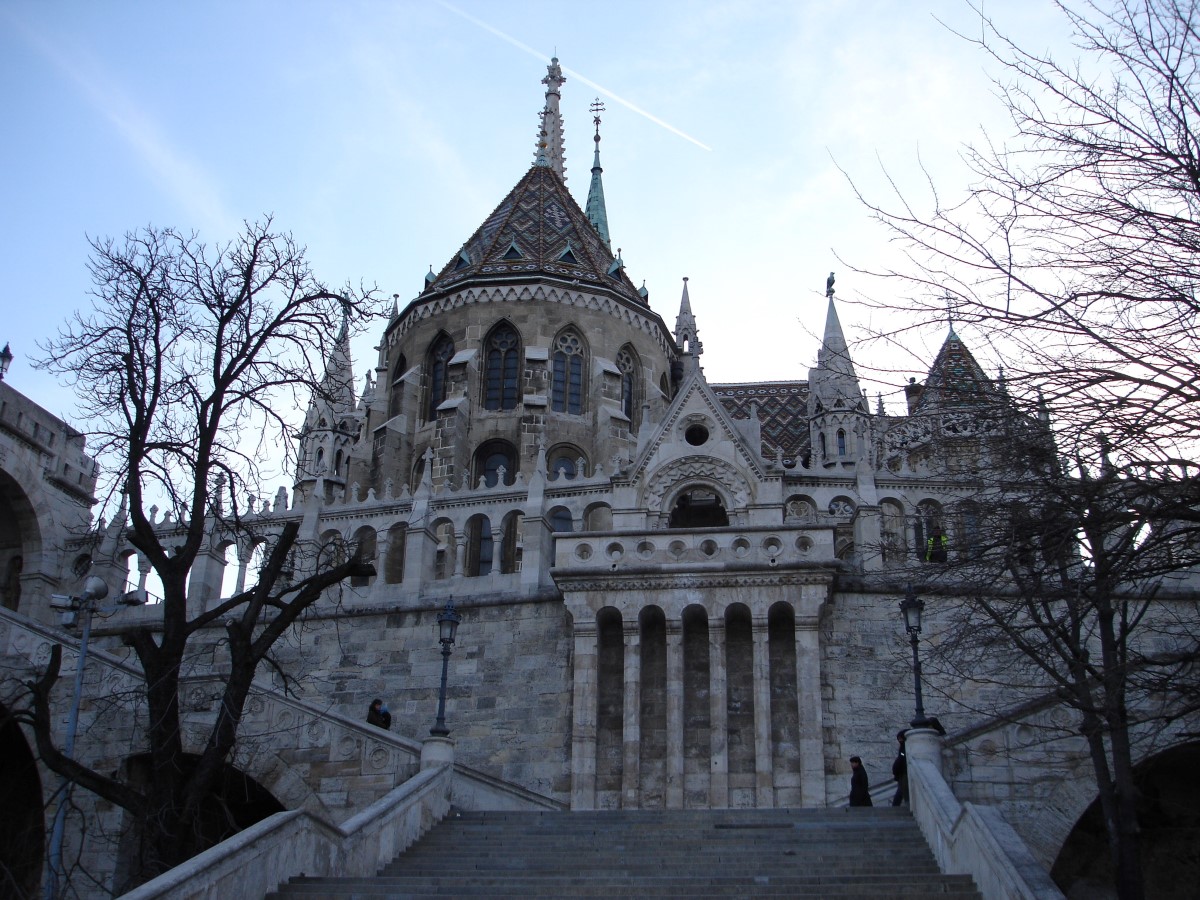
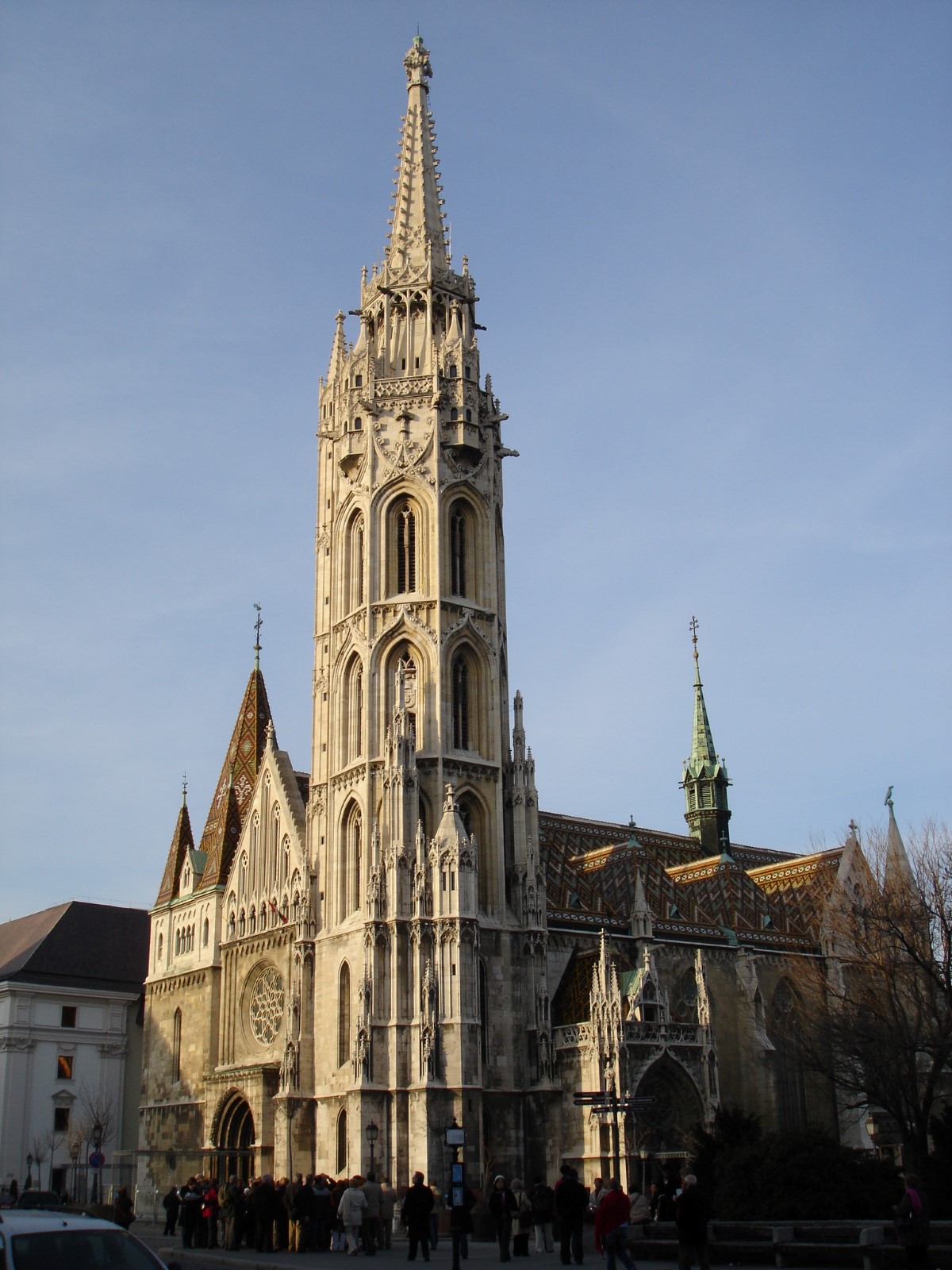
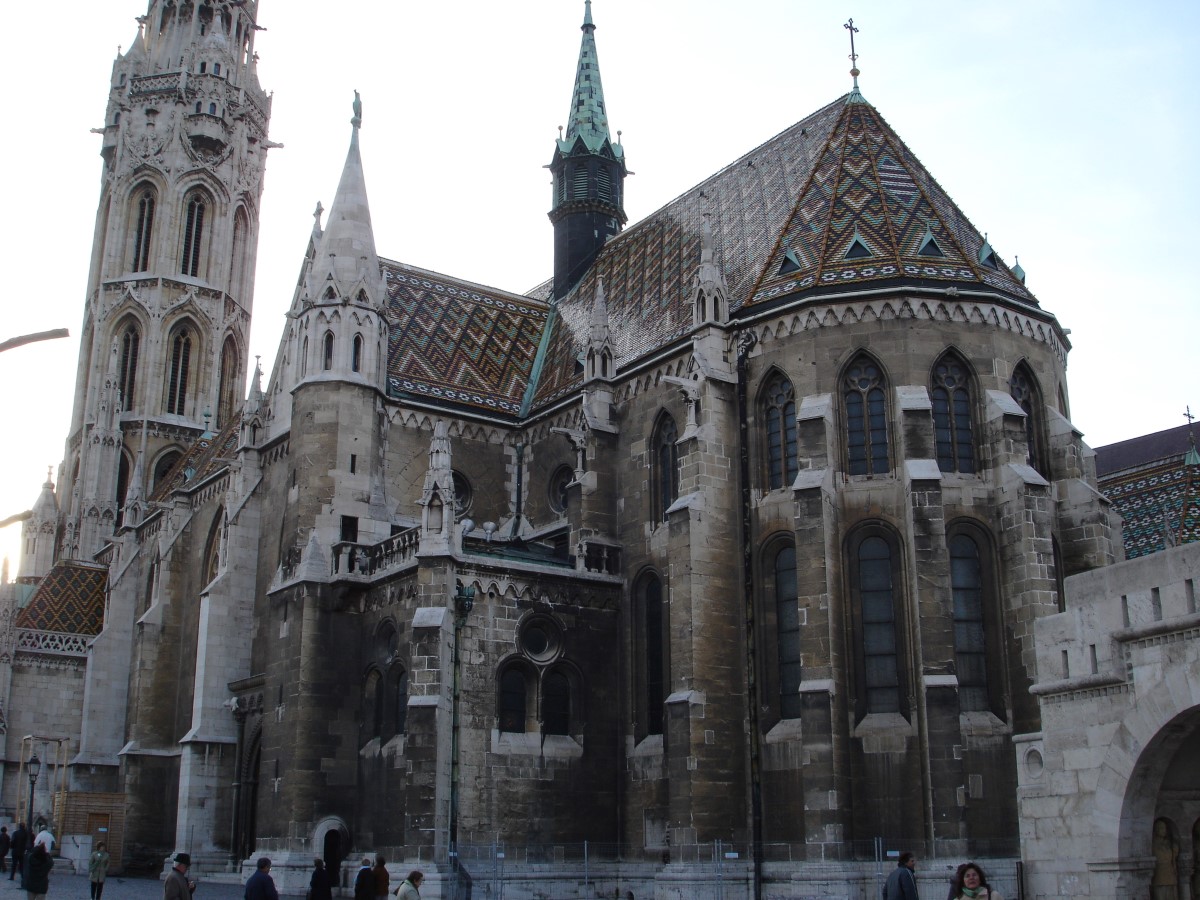
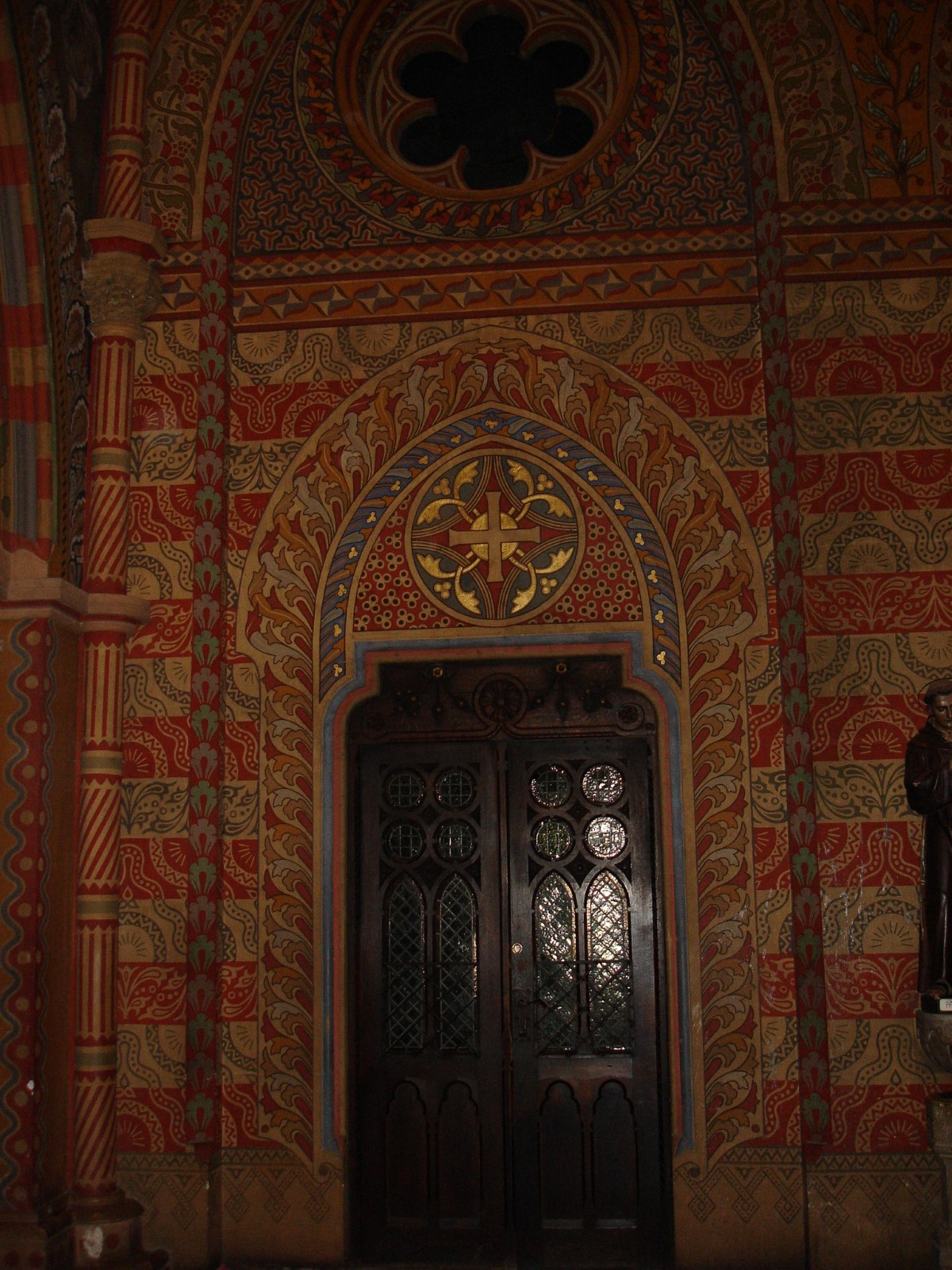
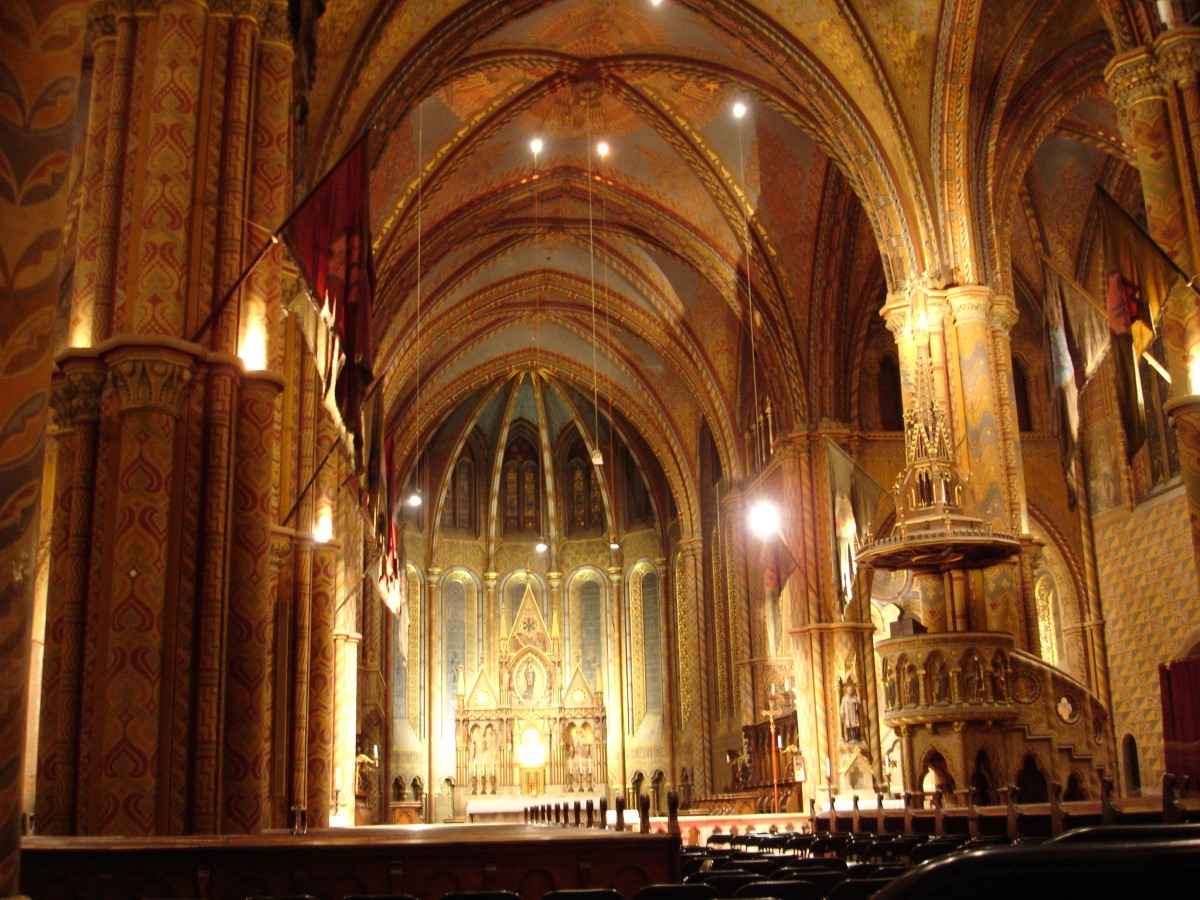
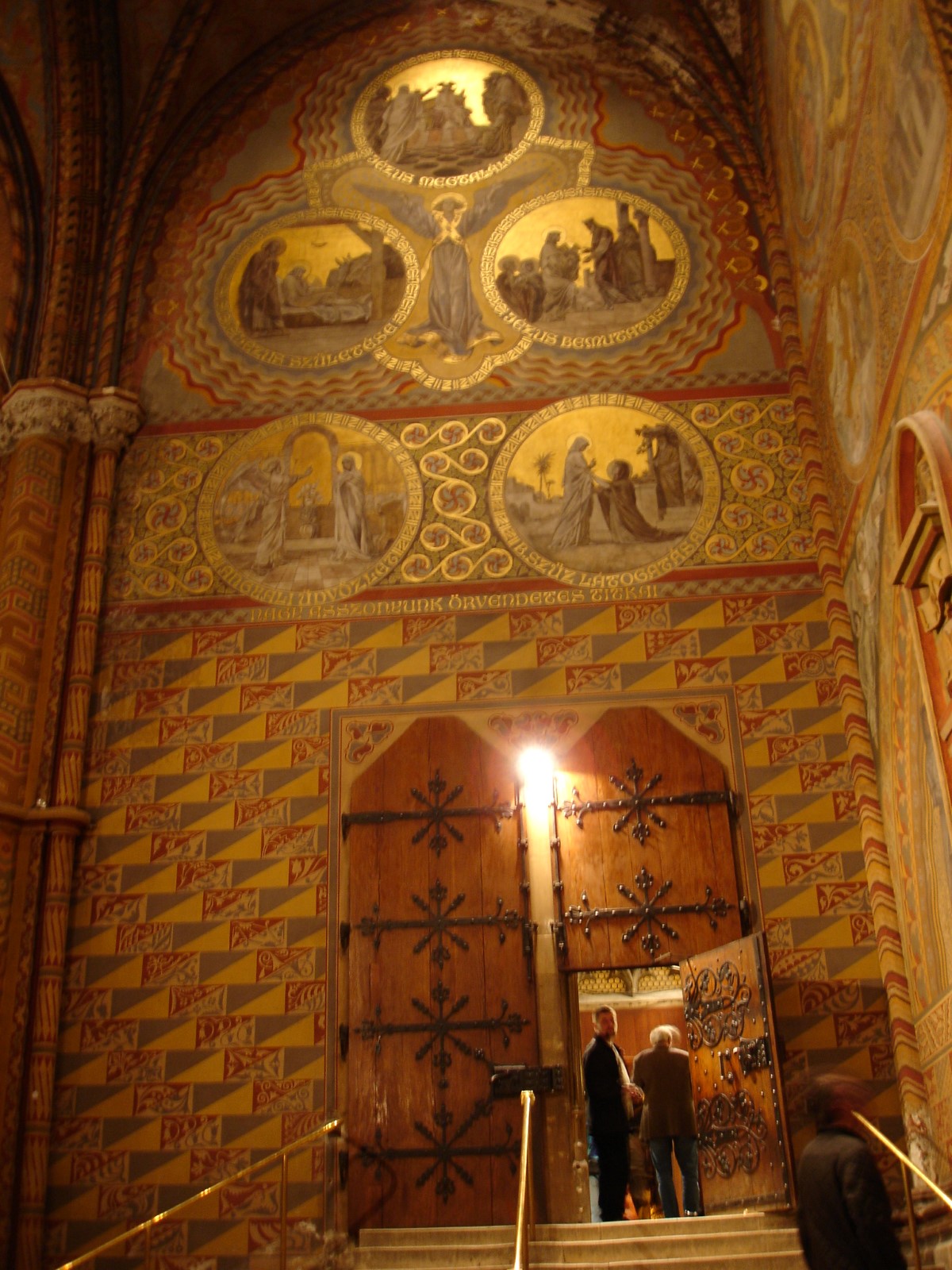
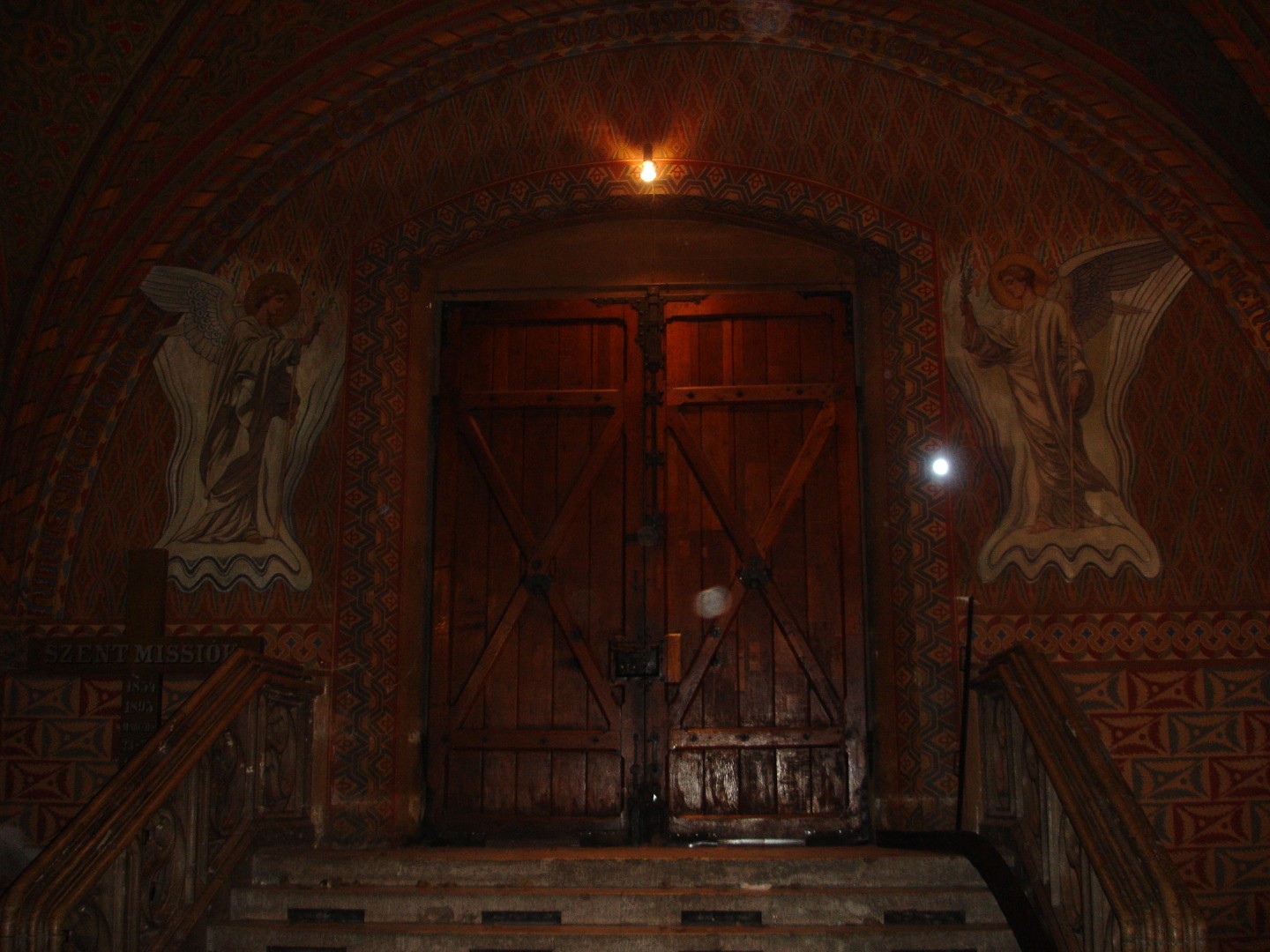
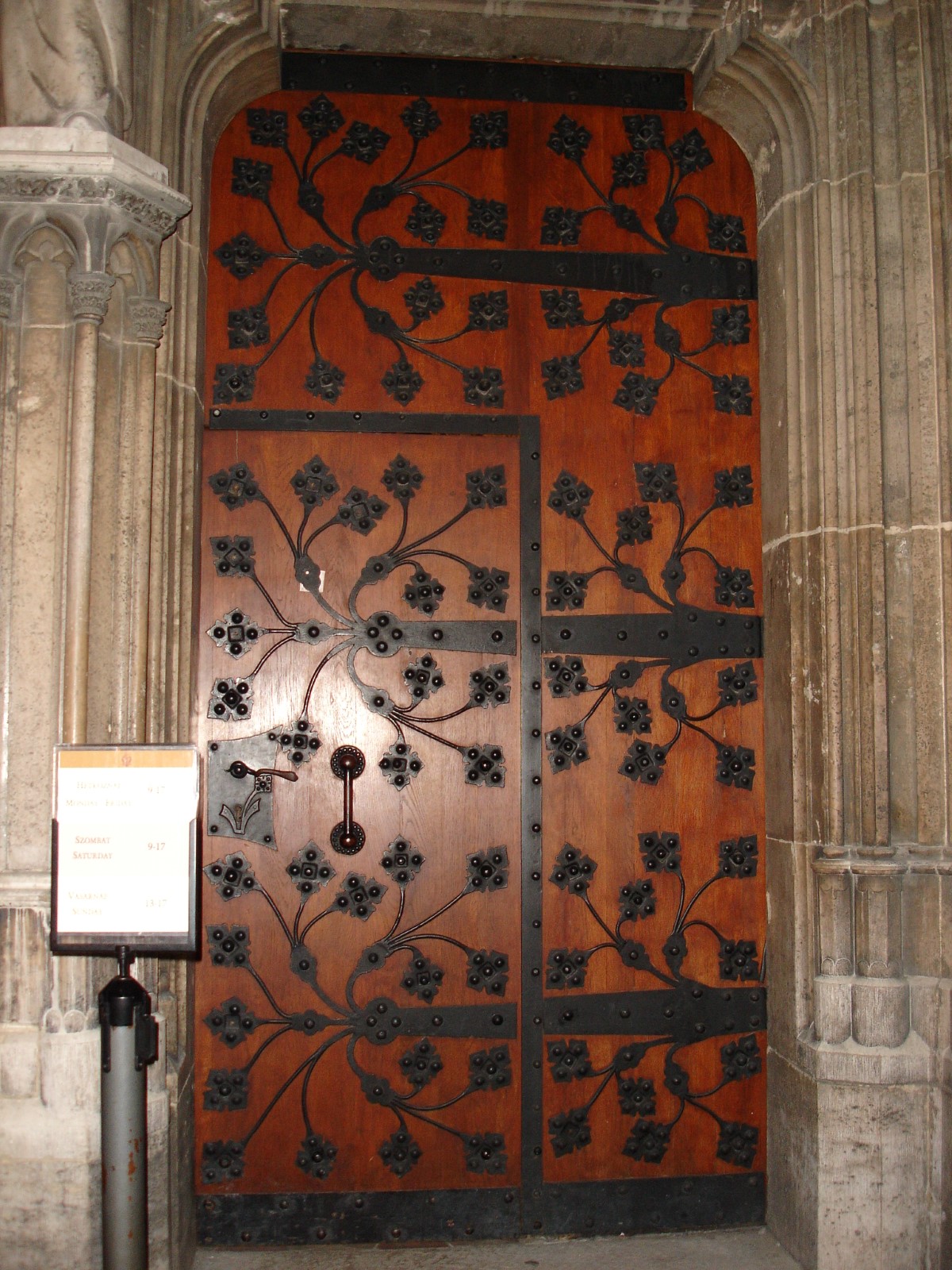
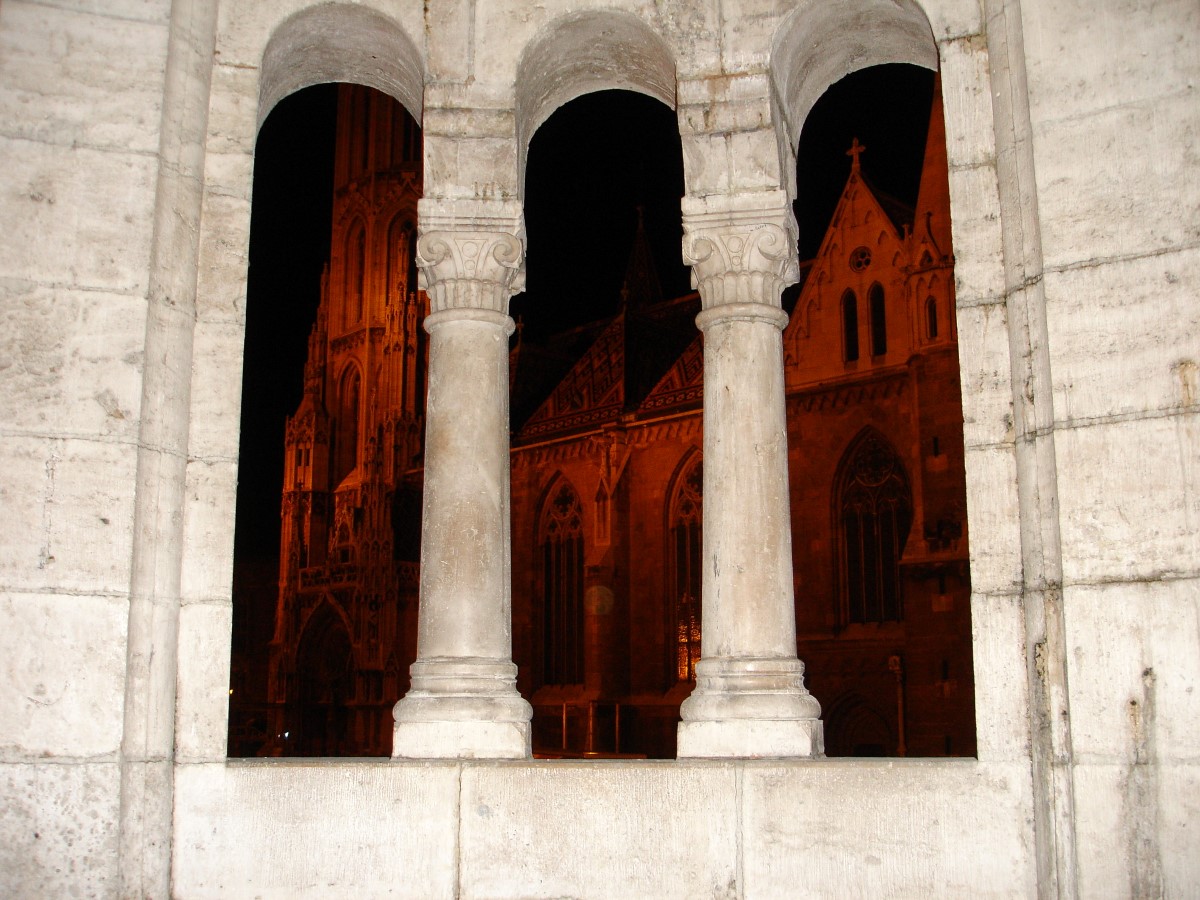
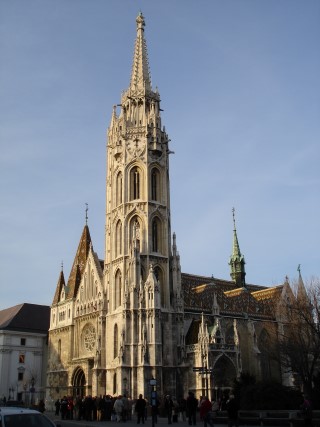
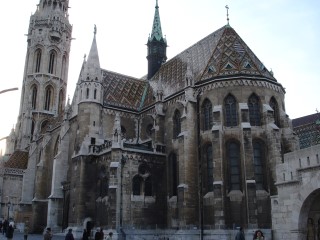
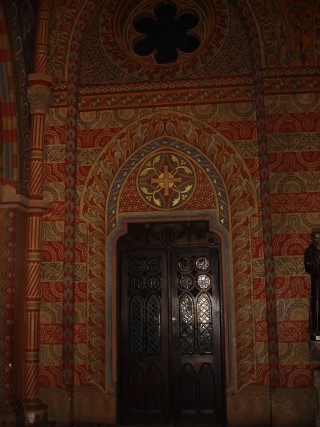
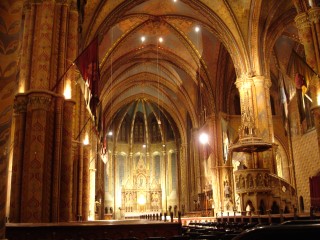
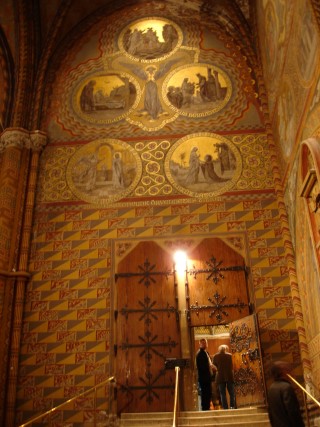
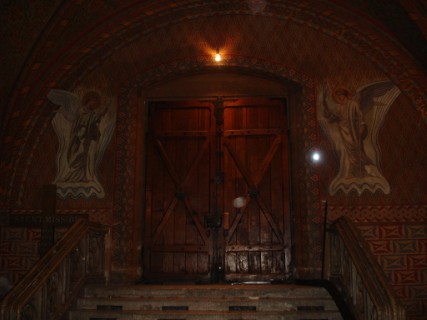
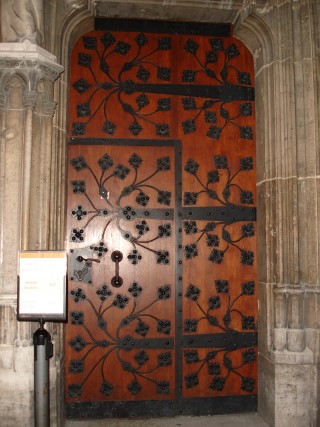
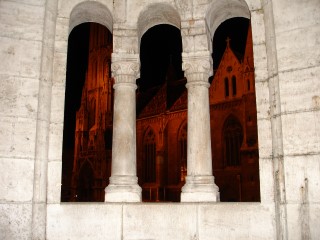
Matyas Church: Although with
much earlier parts, this church is mainly a Neo-Gothic reconstruction
dating from 1874-1896. A picturesque vestibule on the church's
southern facade covers an original Gothic portal dating from the 14th
century.
|
 |
|
|
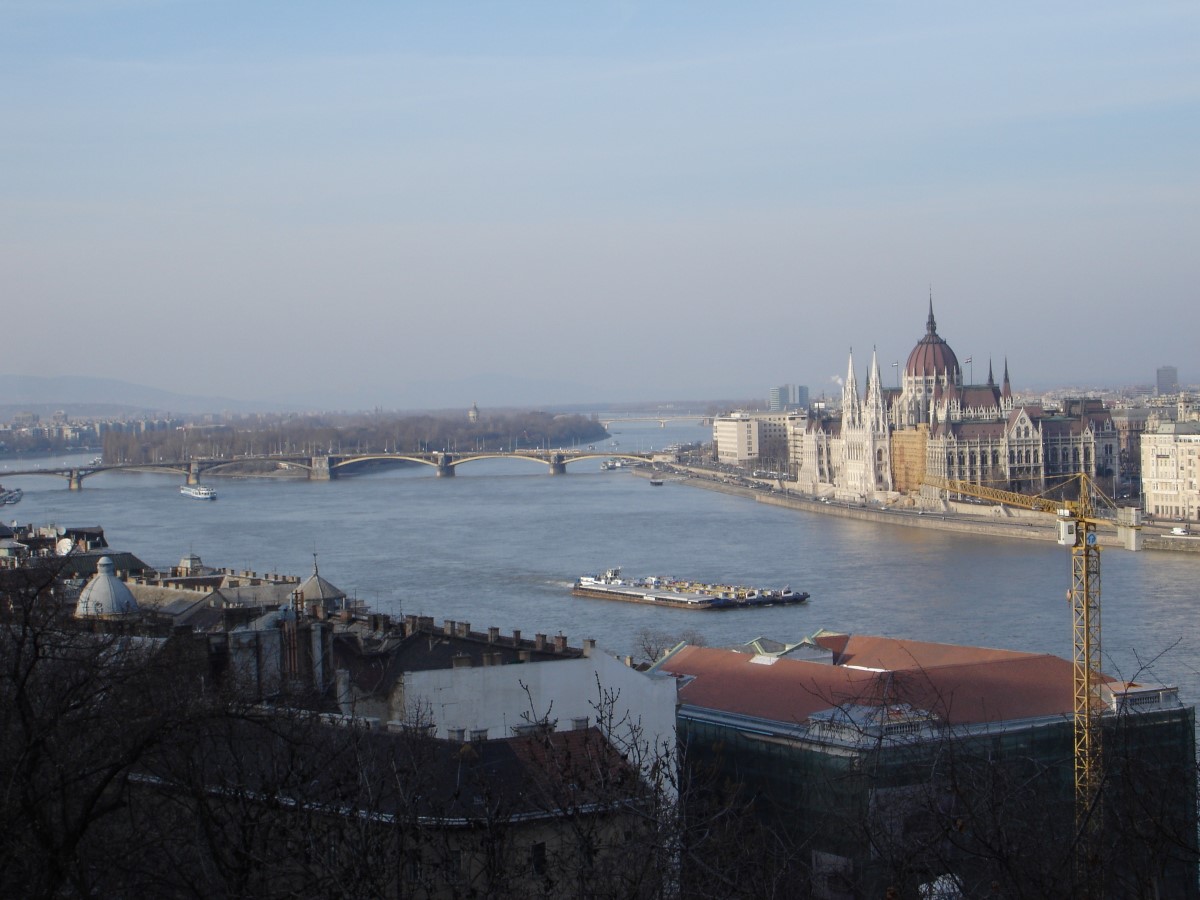
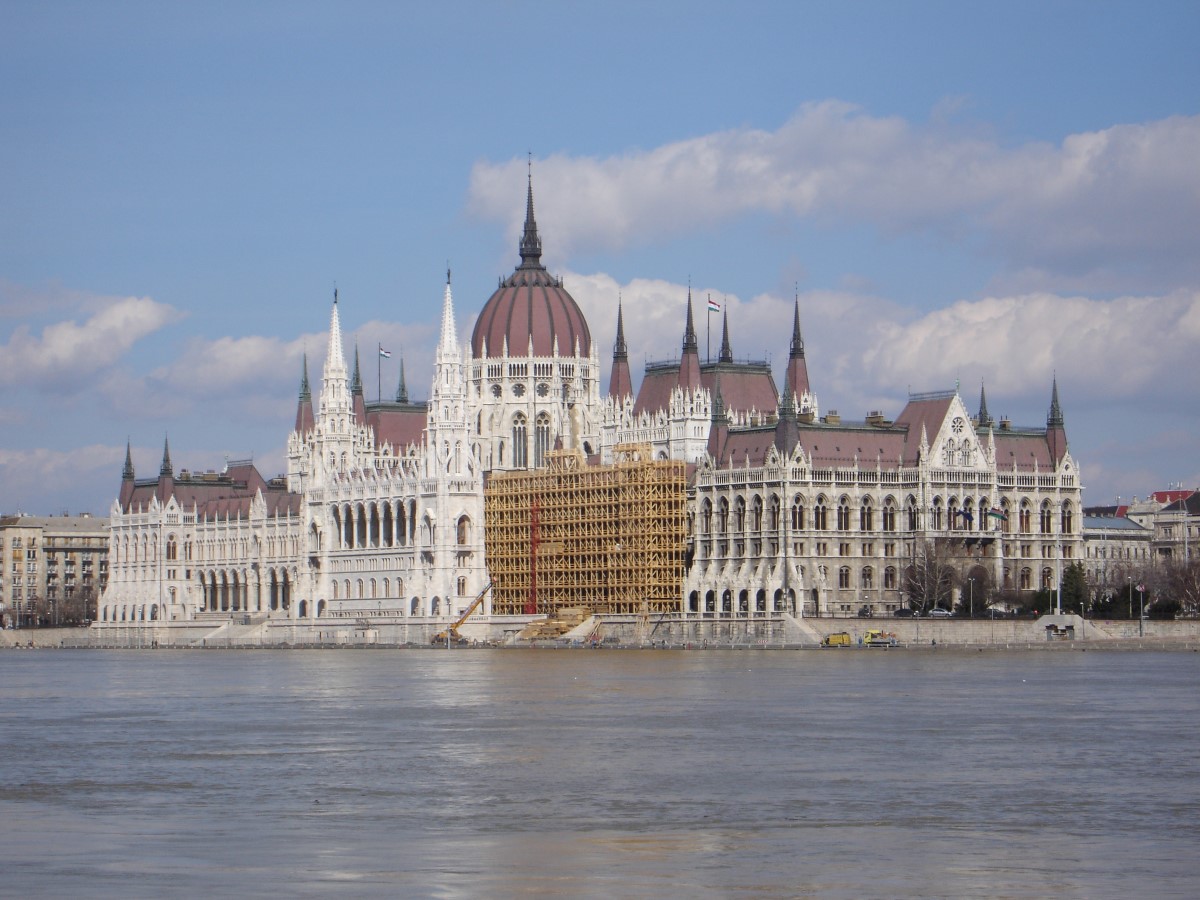
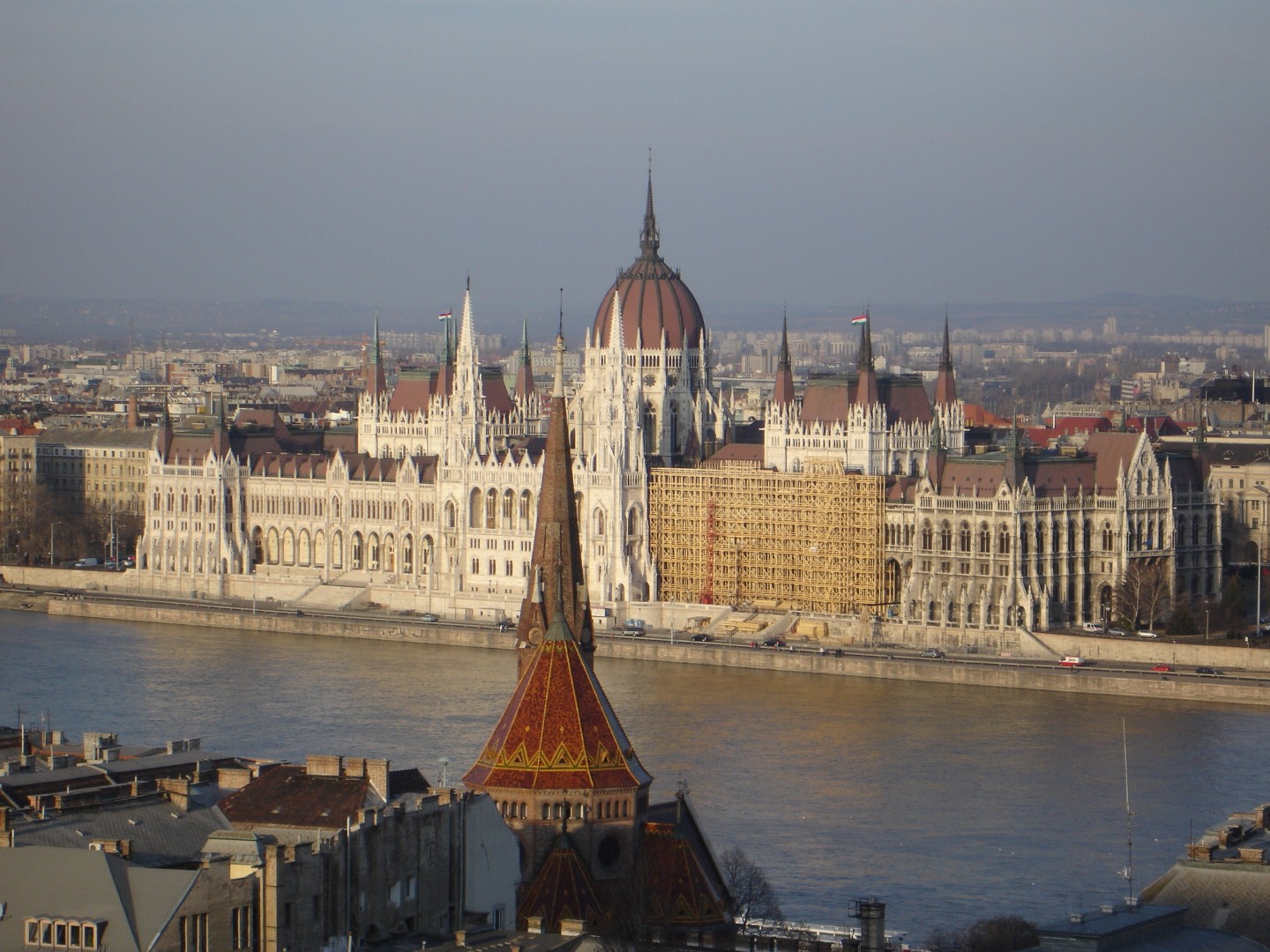
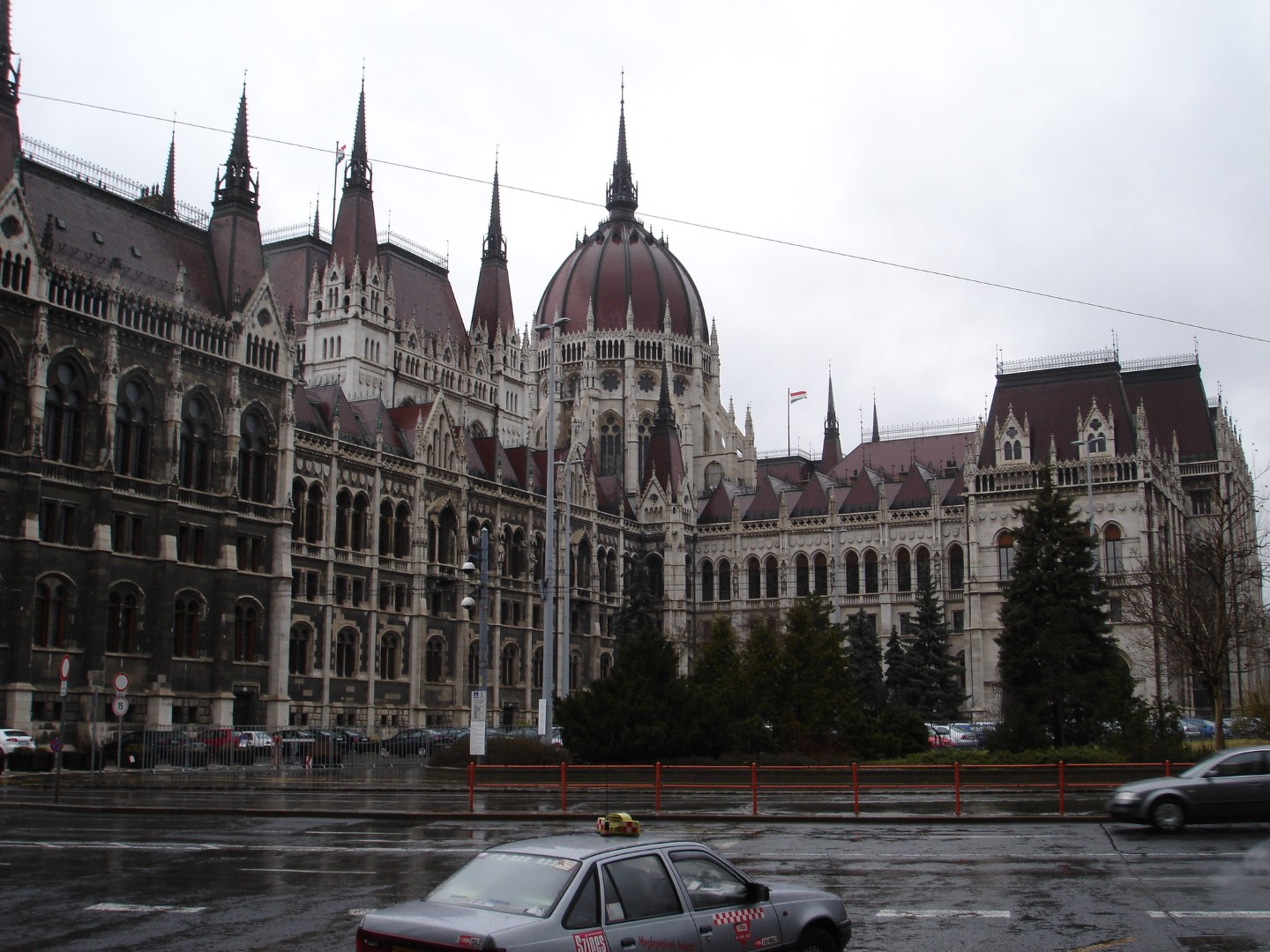
Parliament: This is the countries
largest building and was based on the houses of Parliament in London
England.
|
 |
|
|
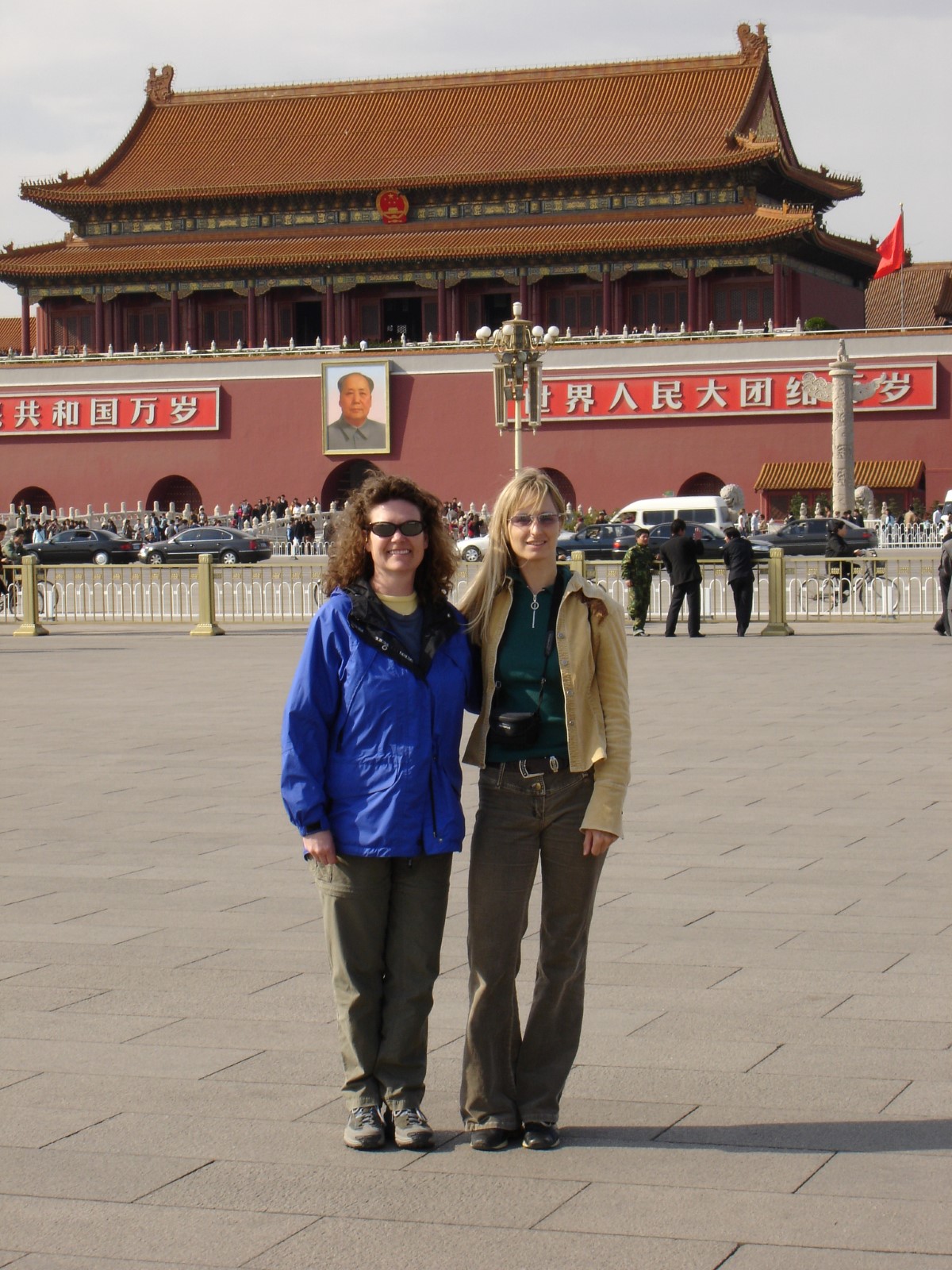
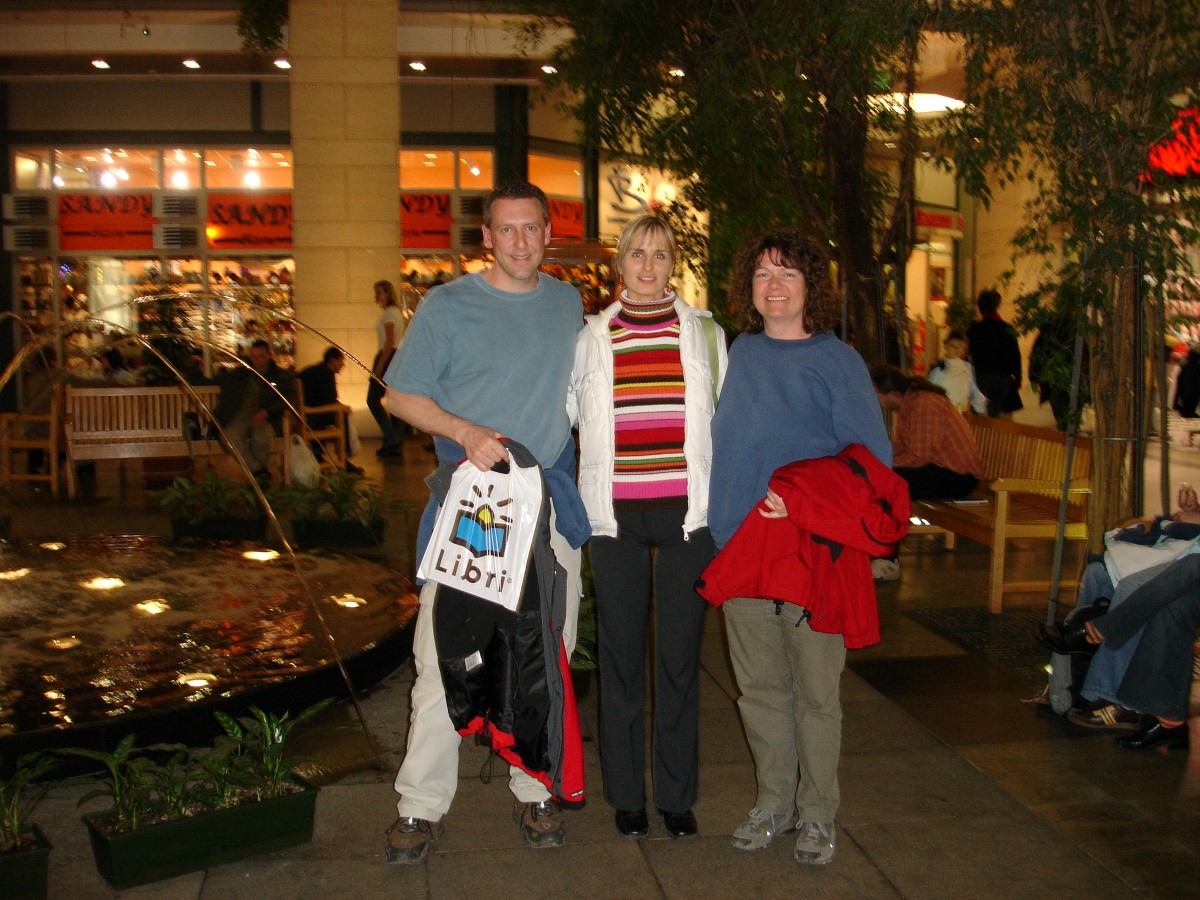
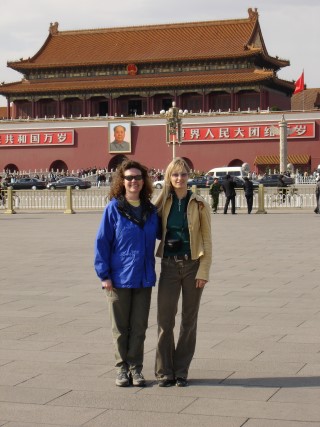
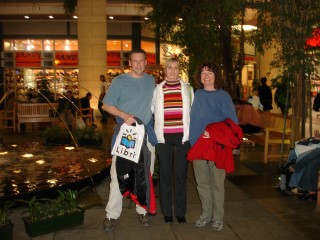
Our Friend: The first photo is of
Chris with our friend Rita who lives in Budapest. We met her last year while we
were on vacation in Beijing China. We have stayed in contact and met
up with her again in Budapest on our trip.
|
 |
|
|
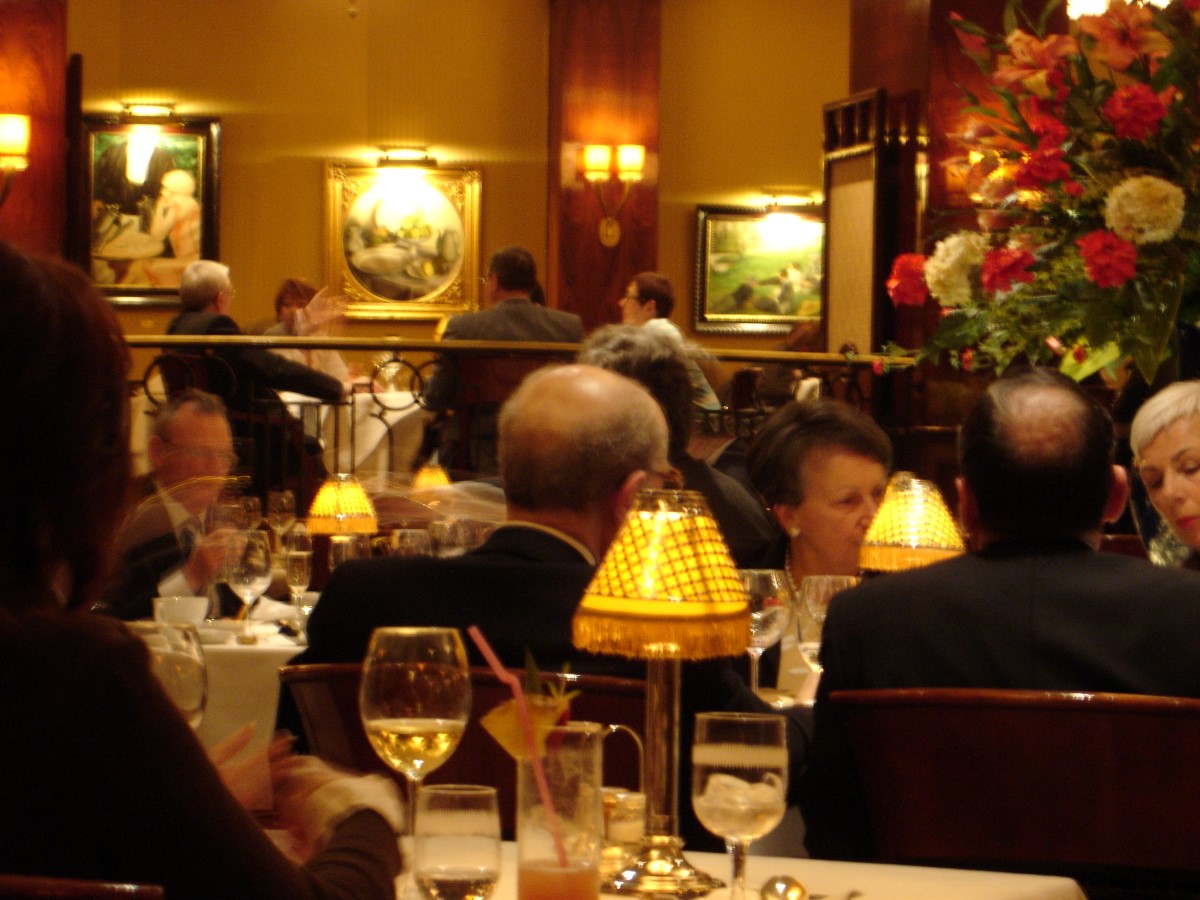
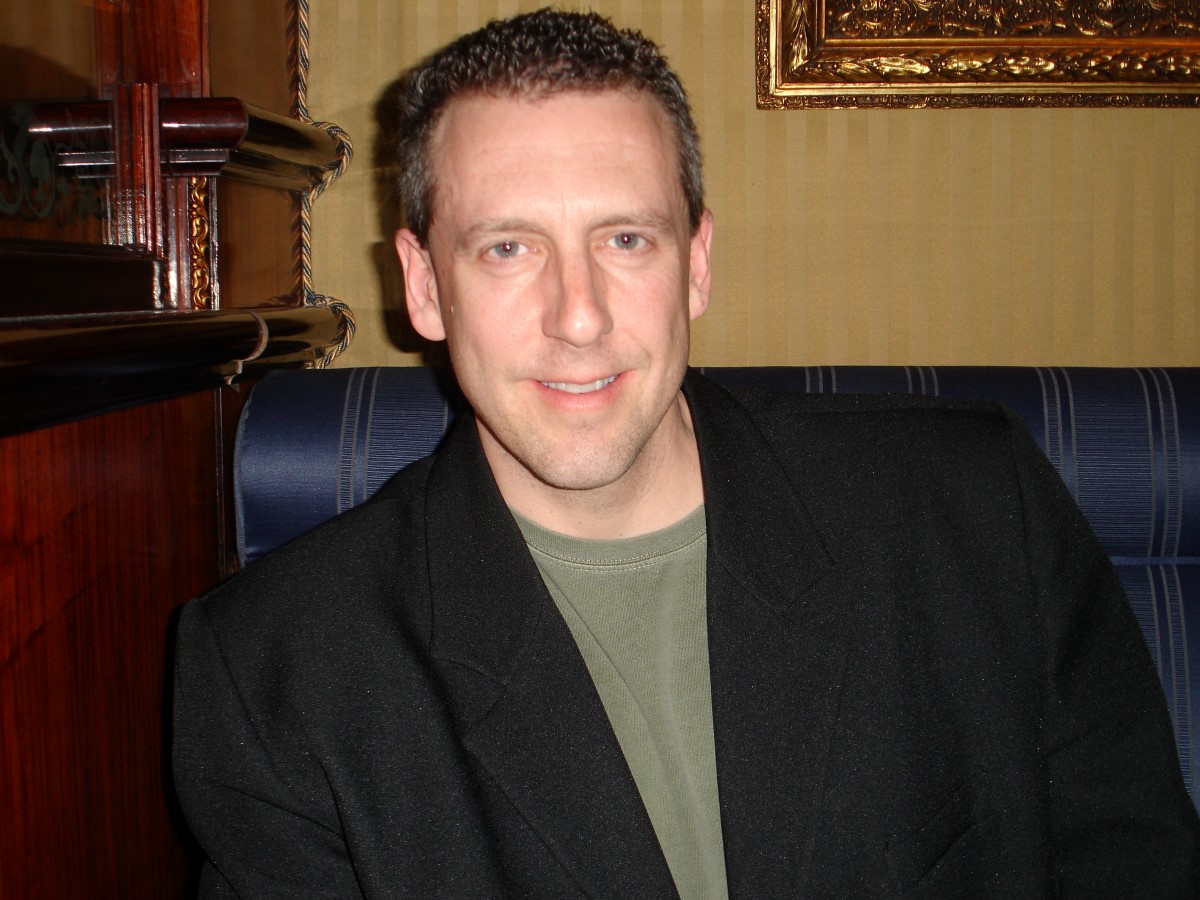
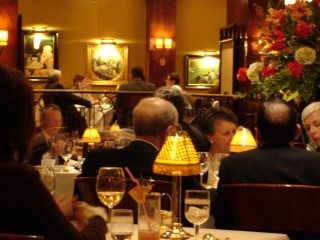
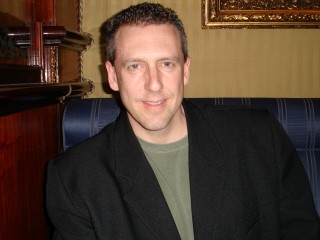
Fine Dining: We had dinner in
this nice Hungarian restaurant where men had to wear a jacket. I was
able to borrow this one at the restaurant before we were seated.
|
 |
|
|
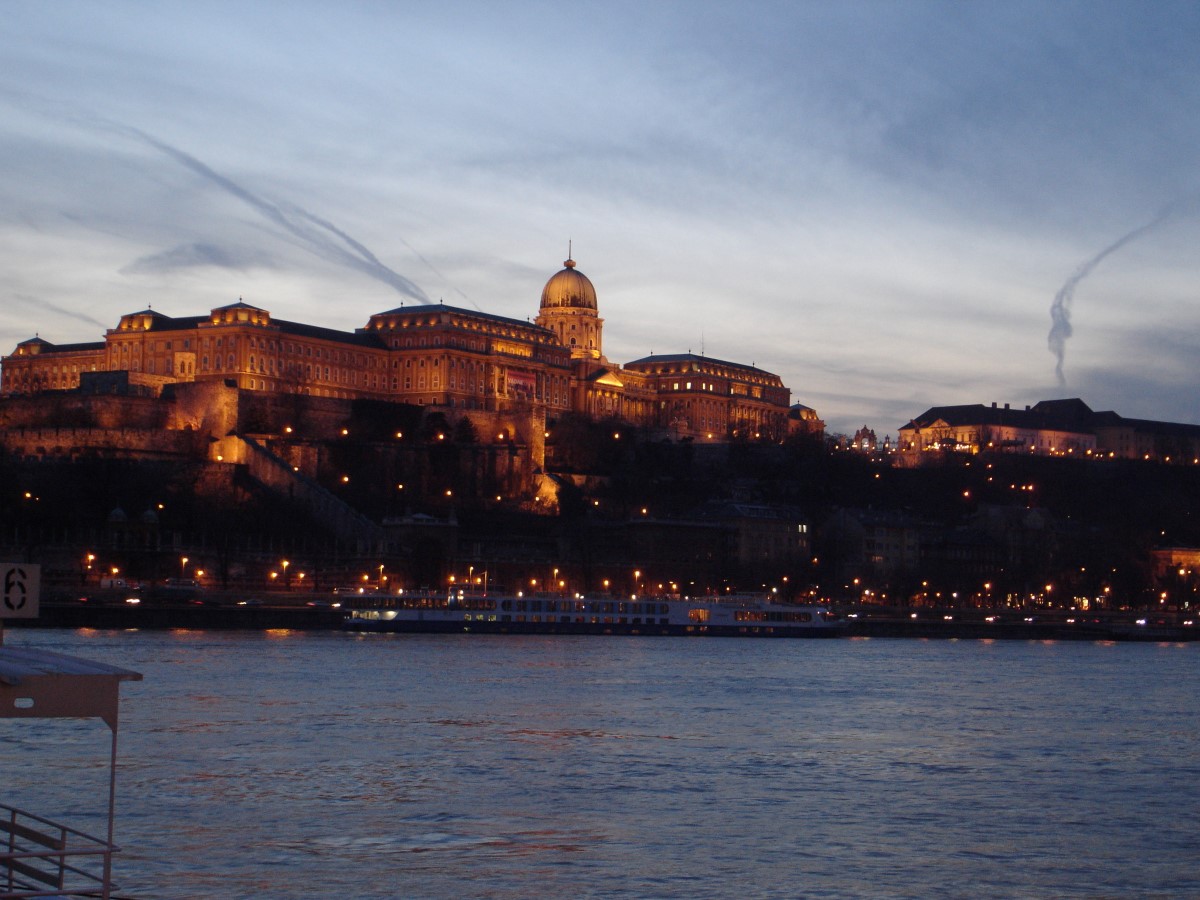
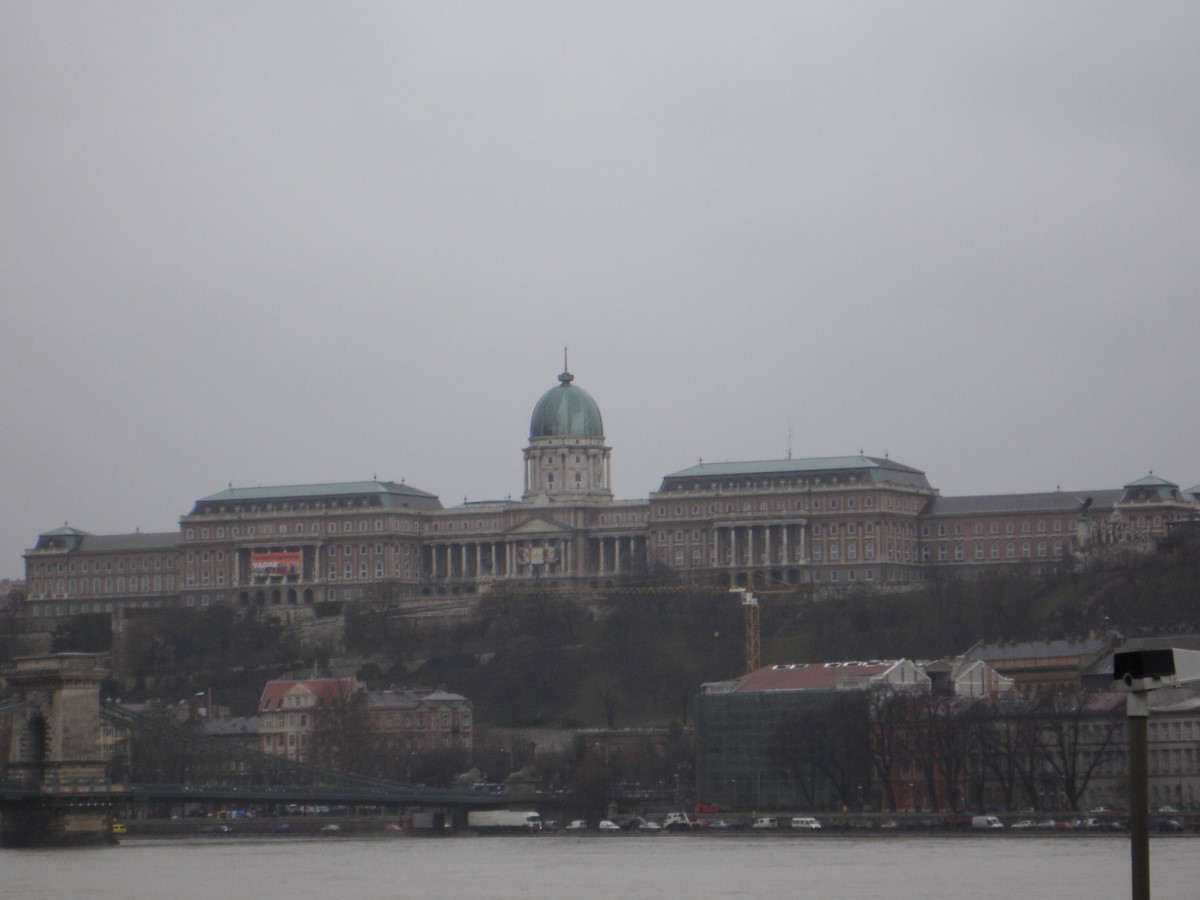
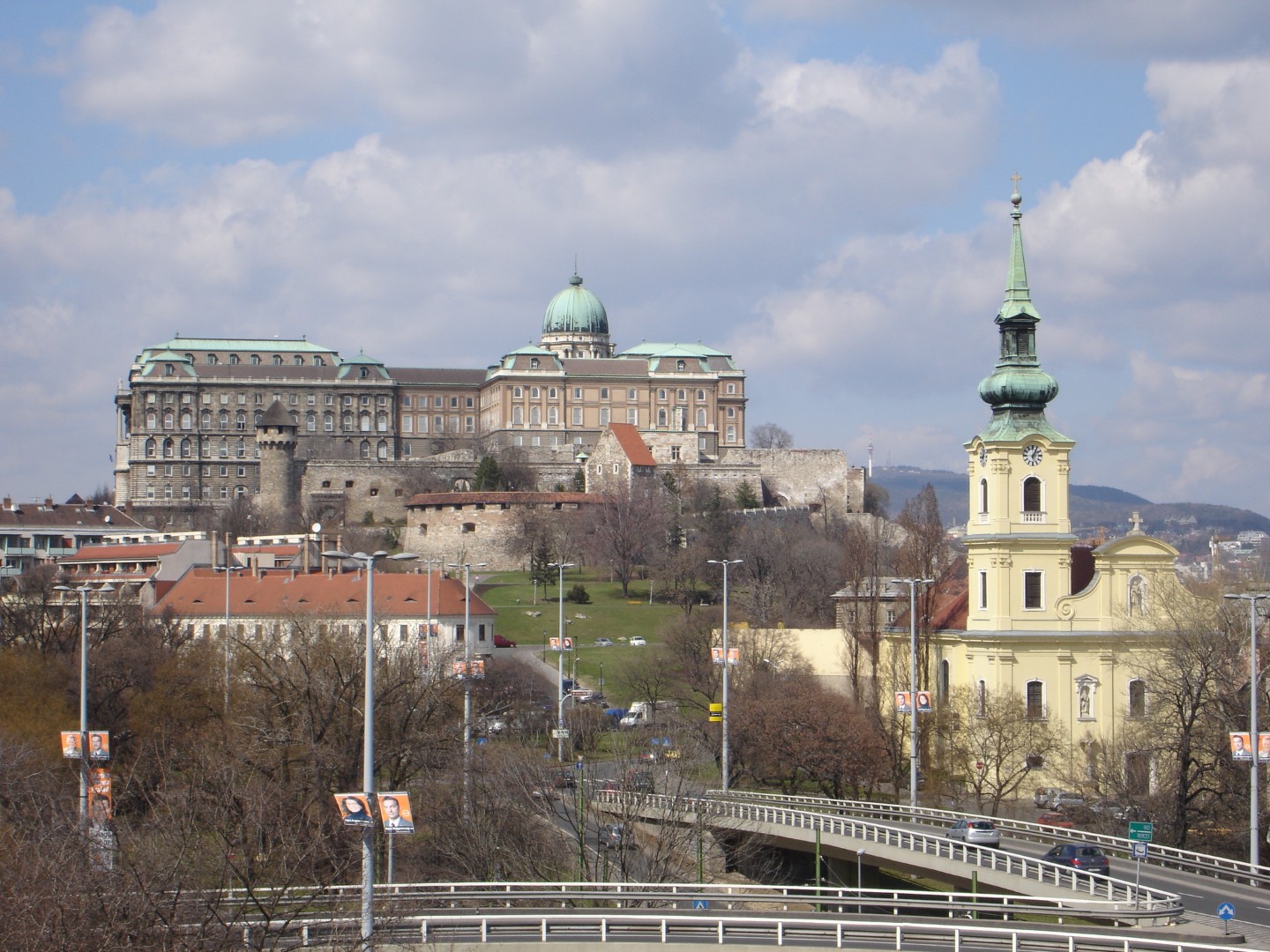
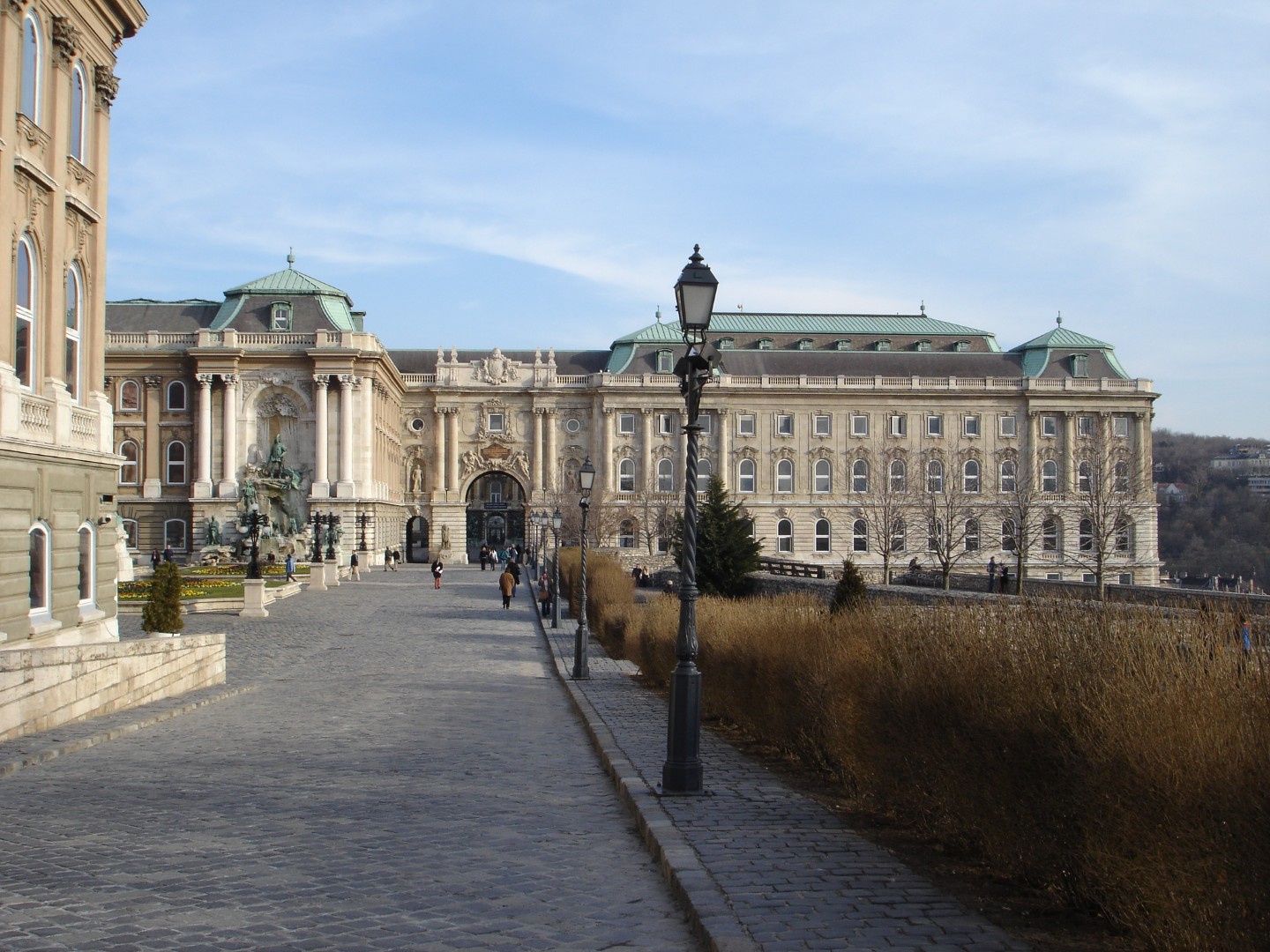
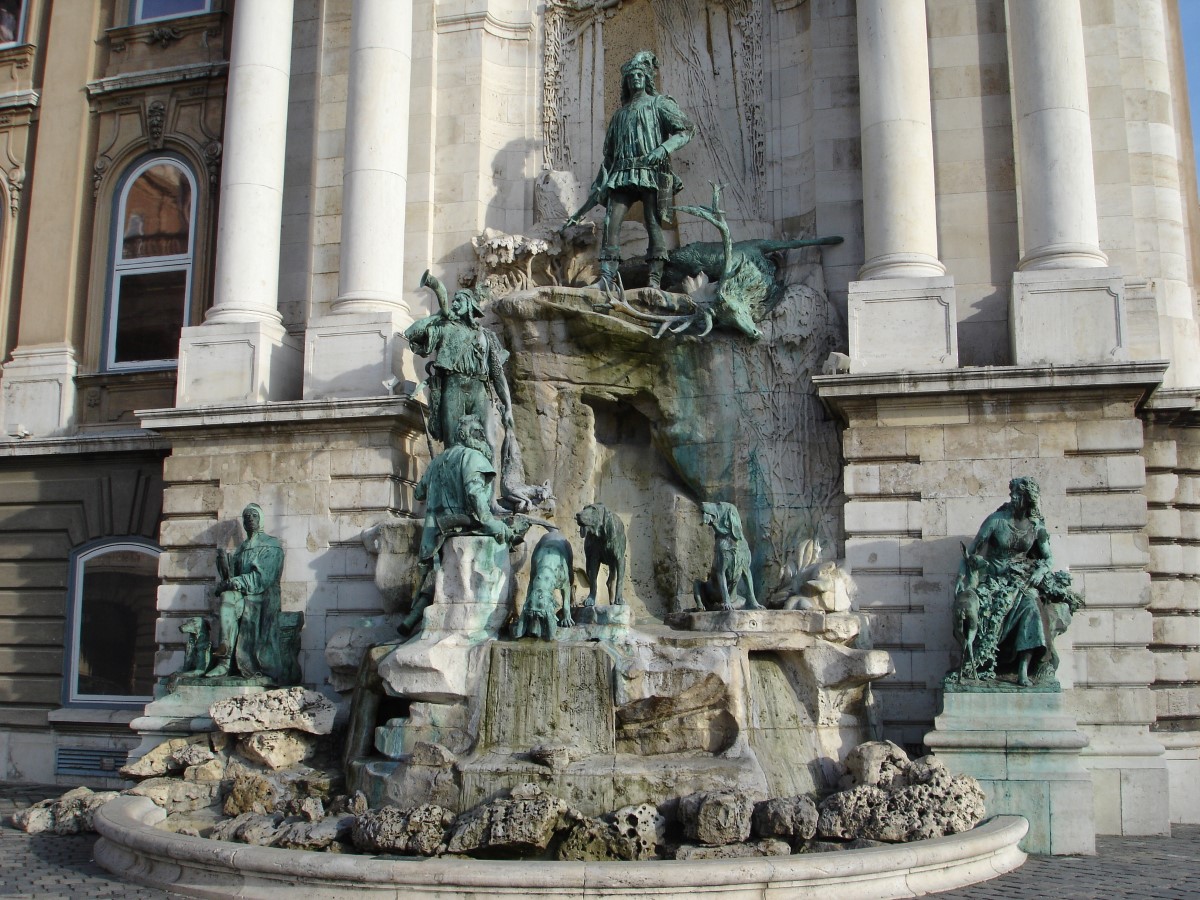
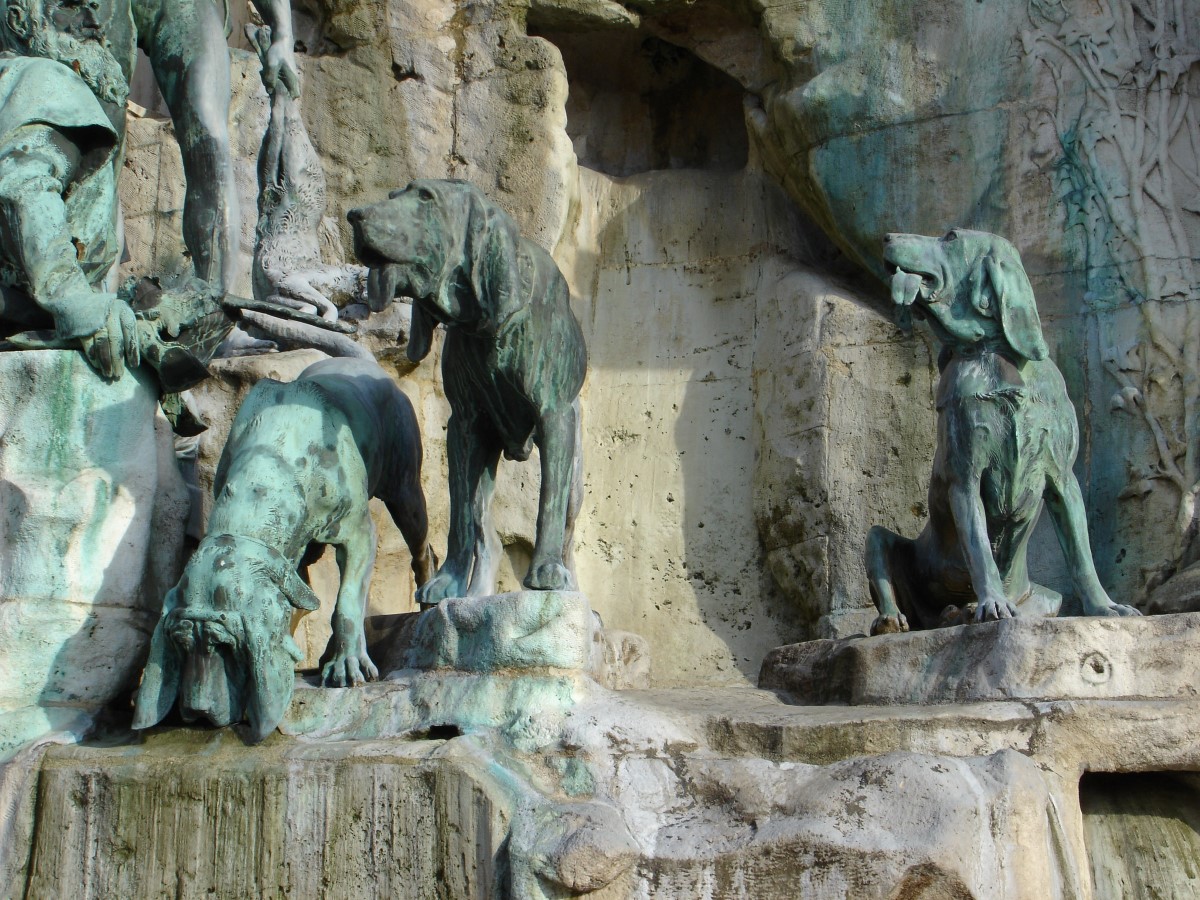
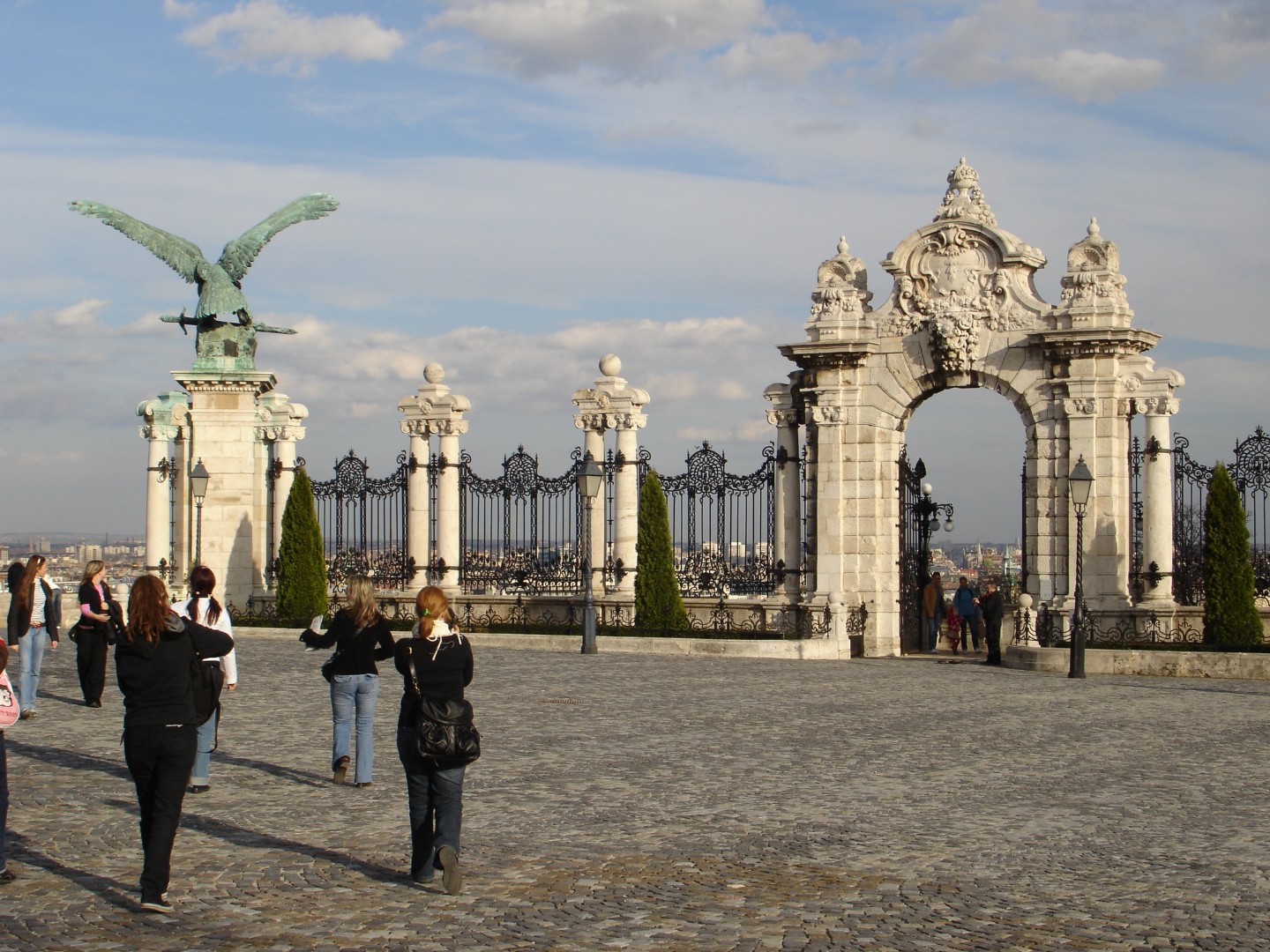
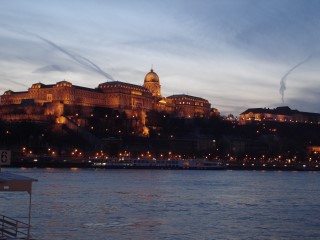
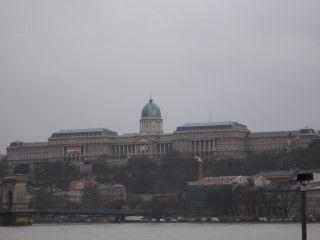
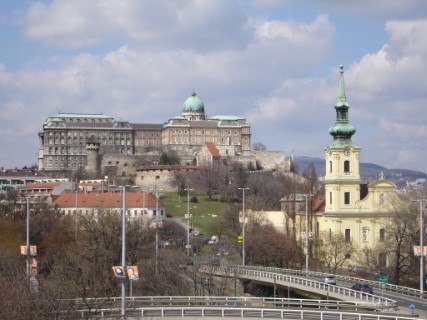
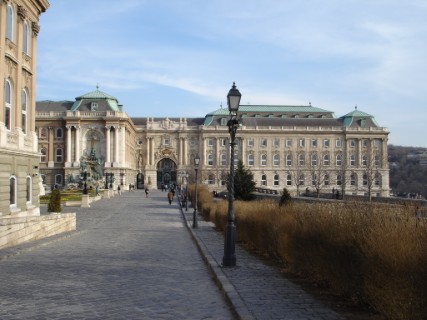
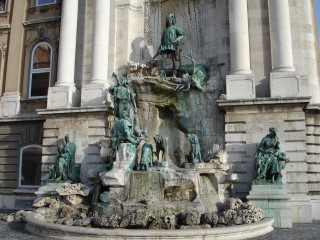
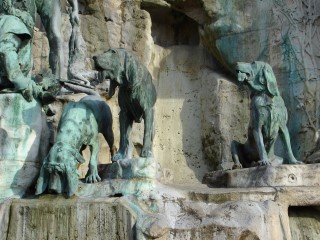
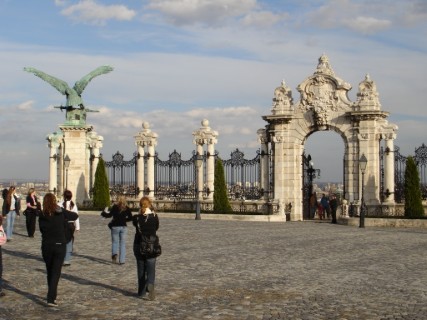
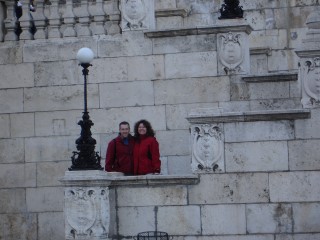
Royal Palace: The palace is
located at the top of Castle Hill above the Chain Bridge. Matyas
Fountain from 1904 depicts King Matyas Corvinus and Ilonka.
|
 |
|
|
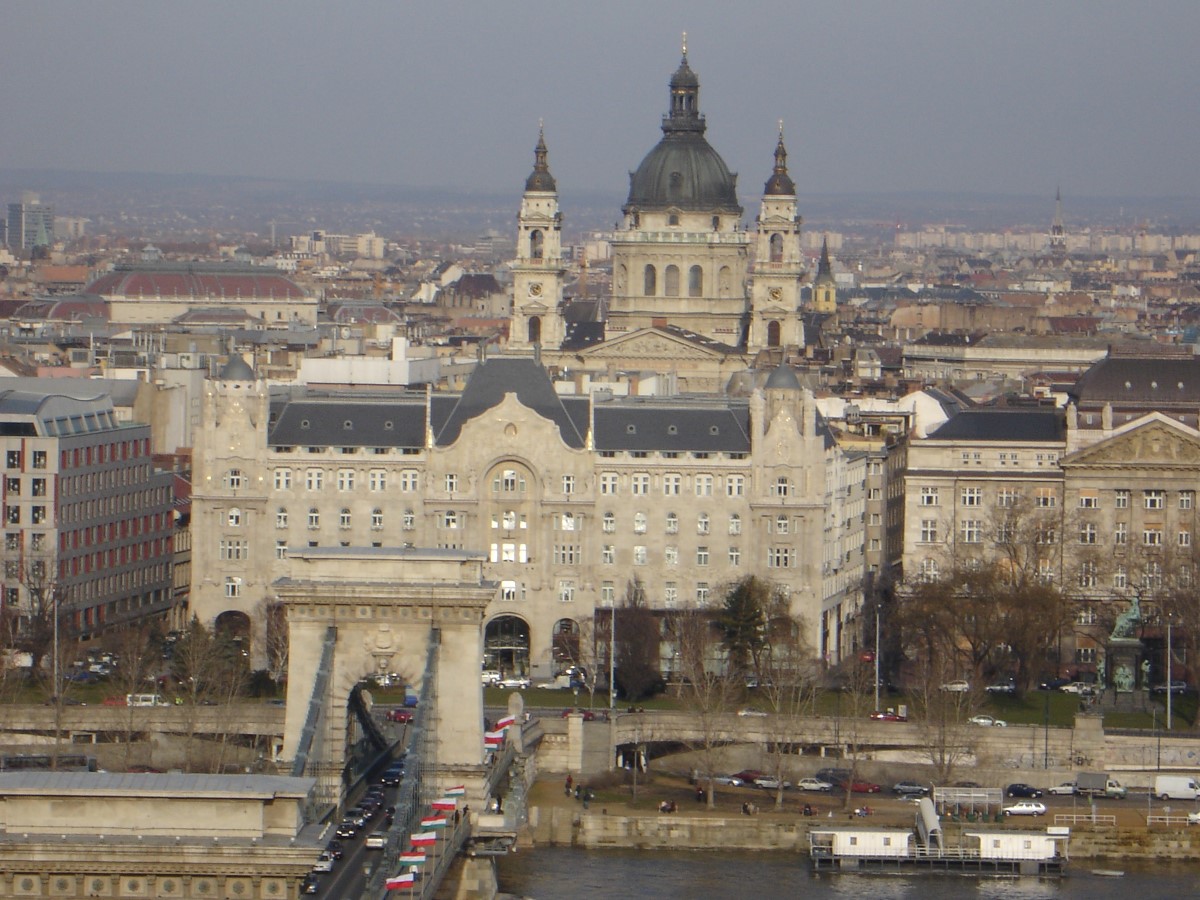
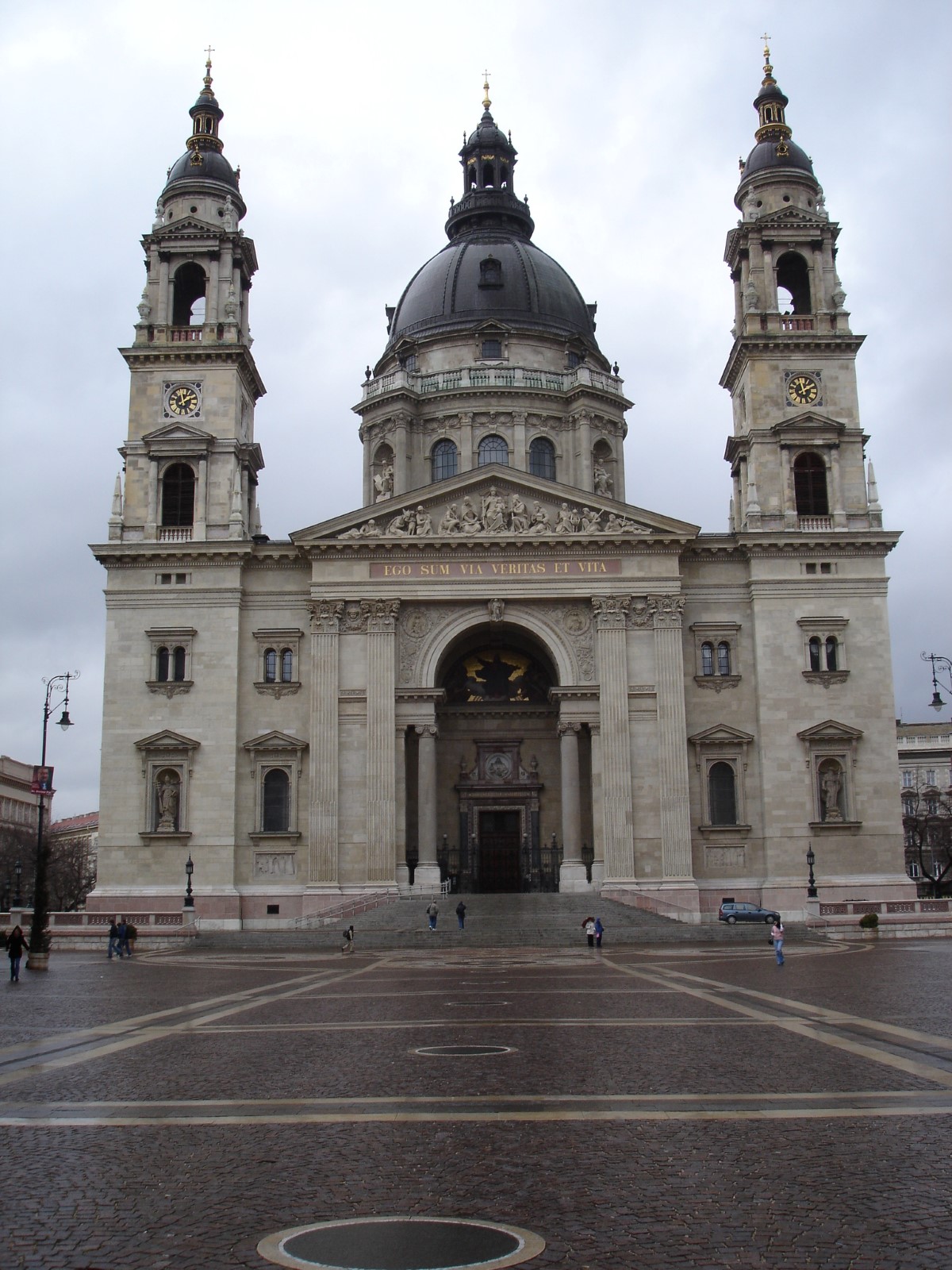
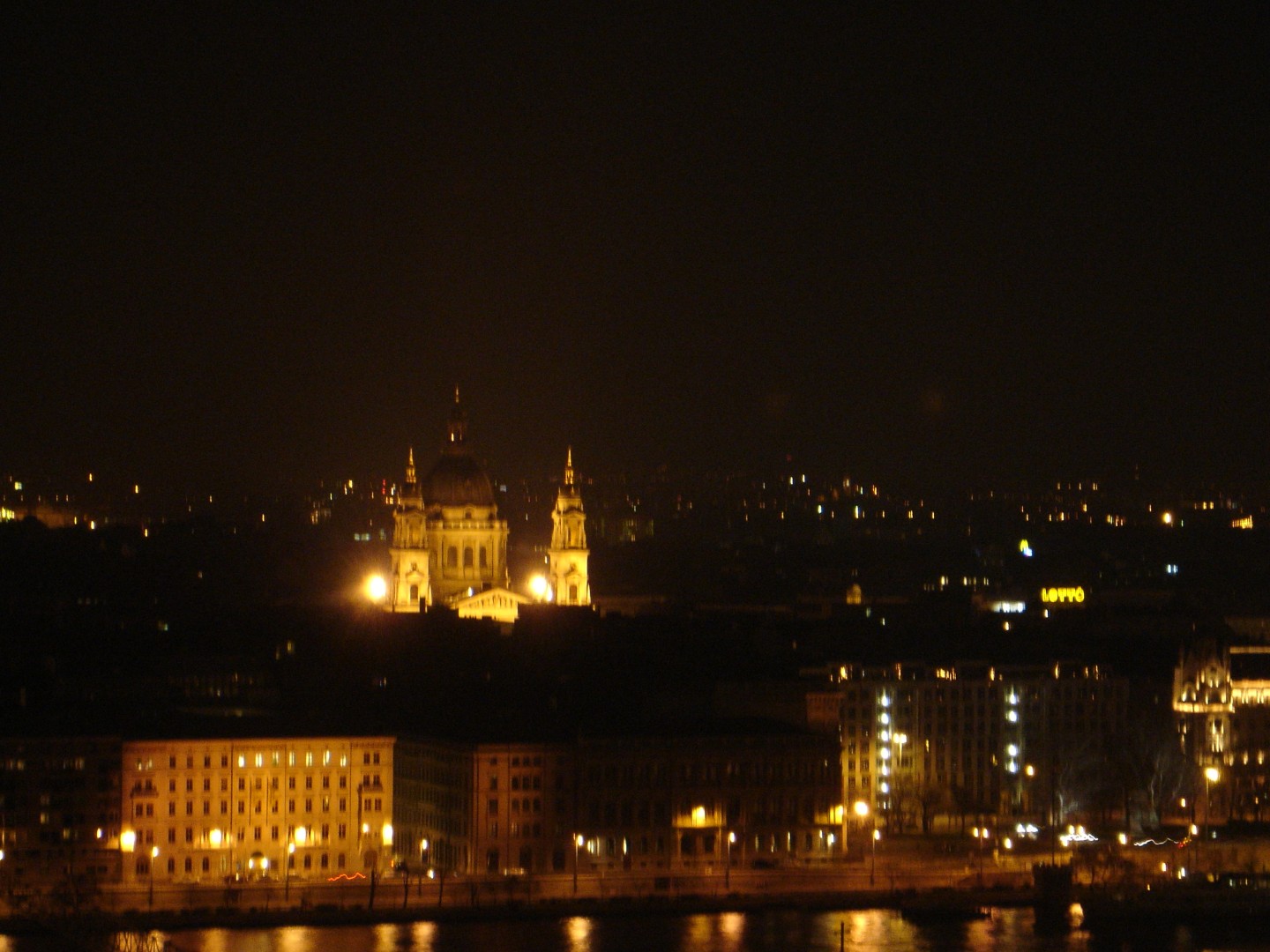
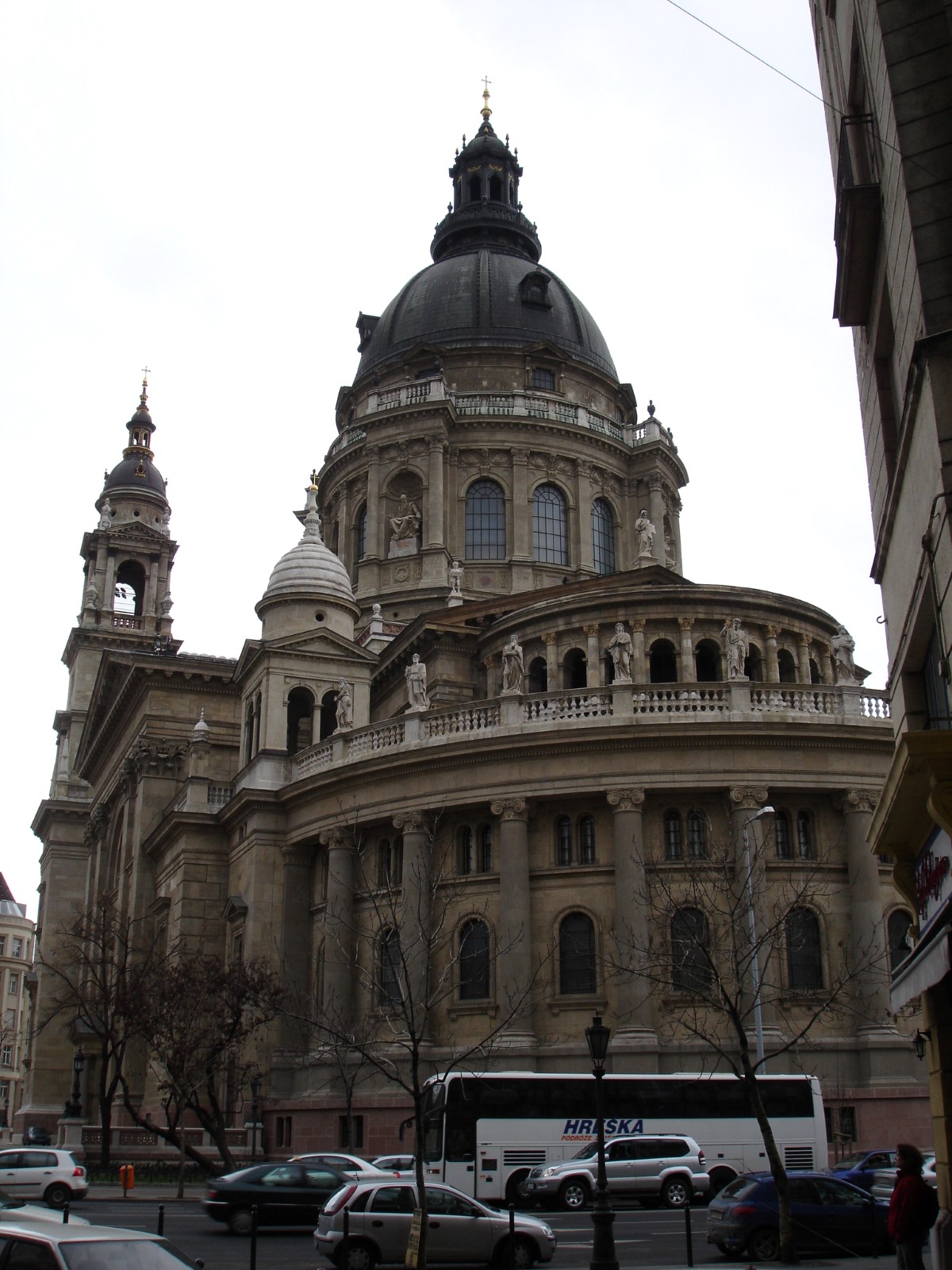
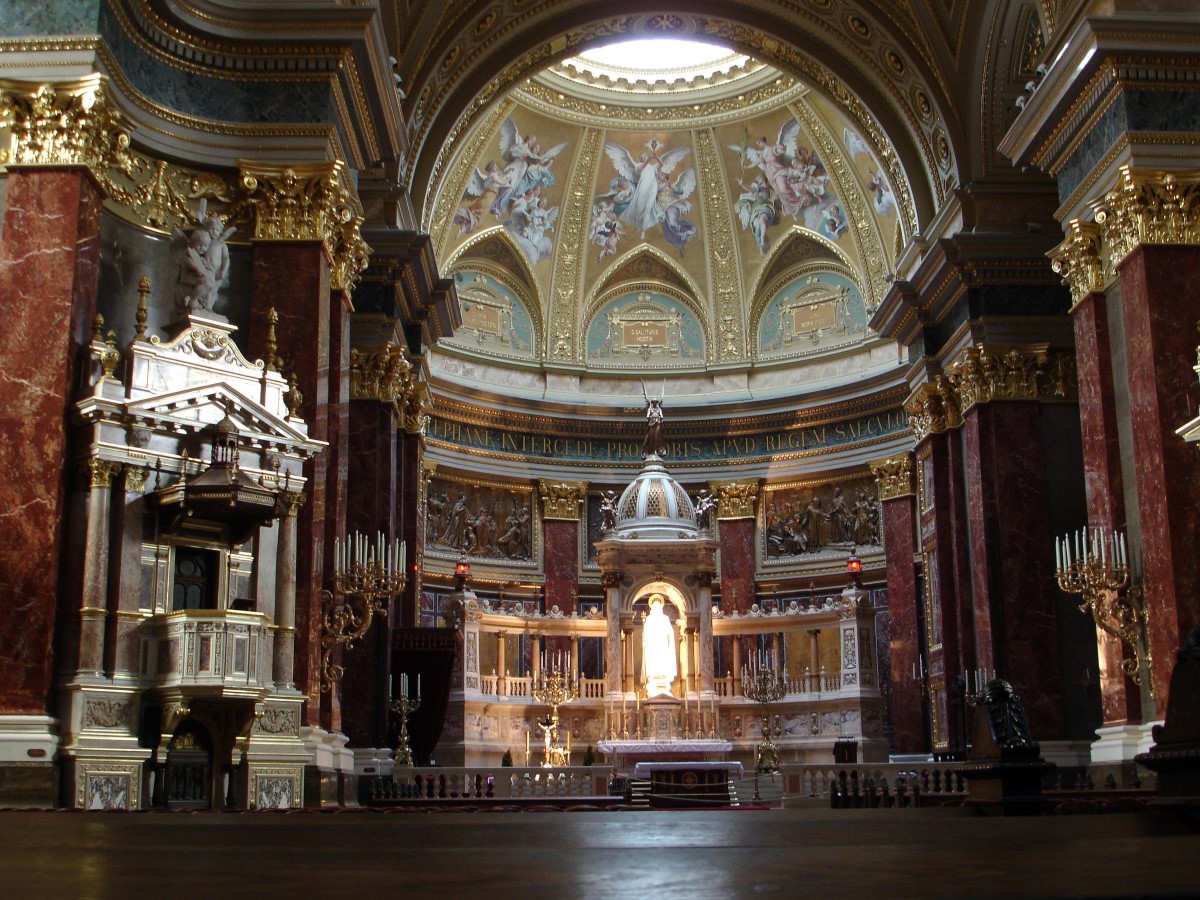
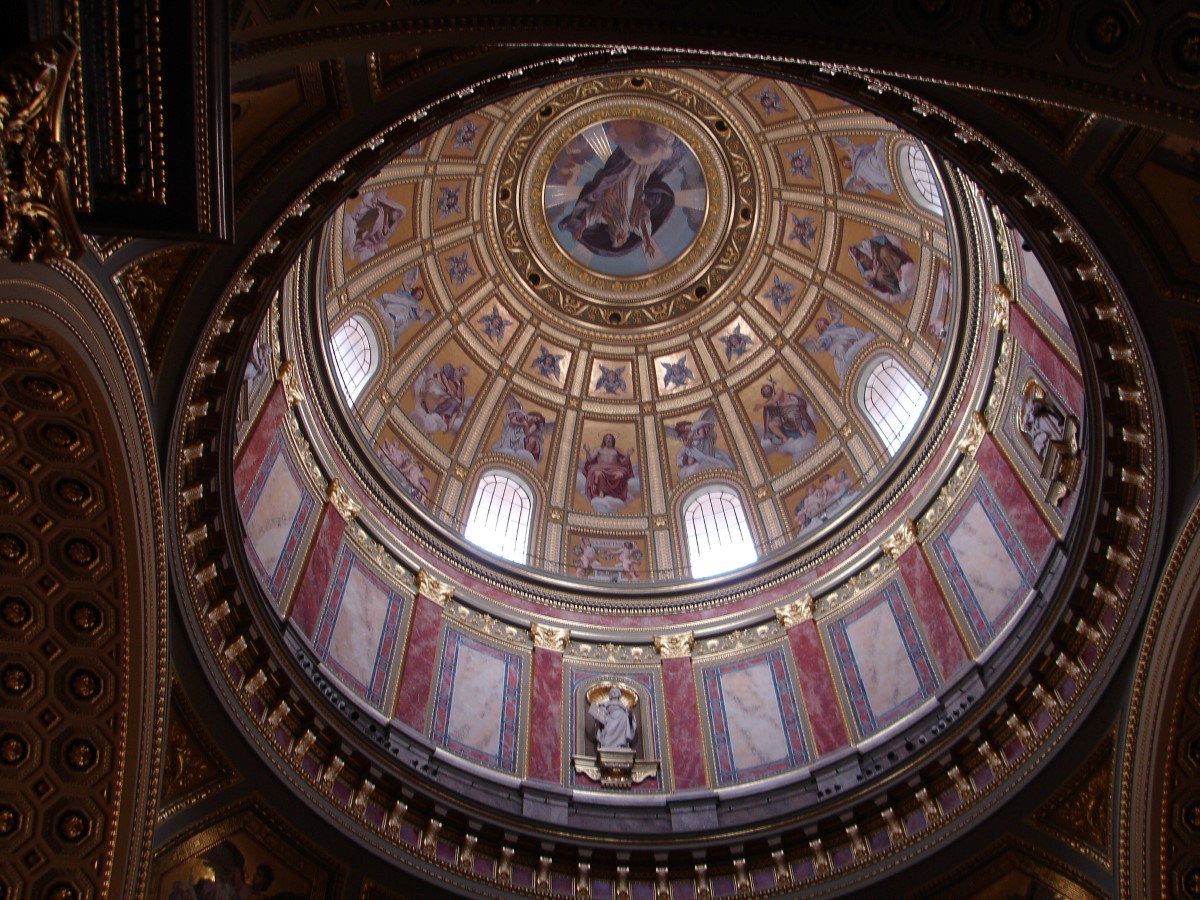
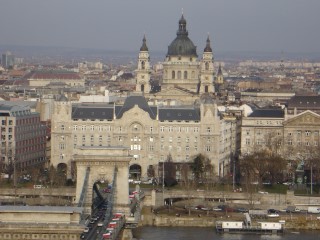
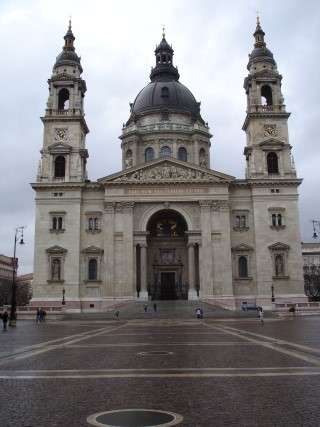
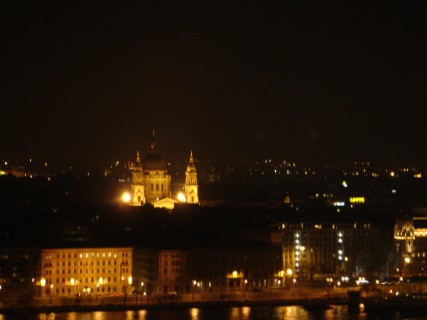
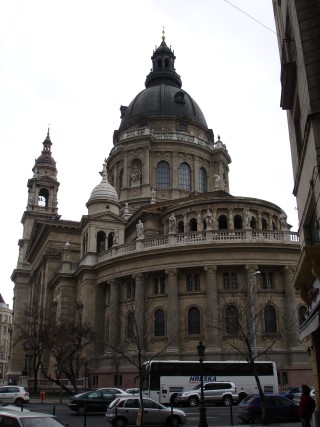
Saint Stephens Basilica: Dedicated
to St Stephen, or Istvan, the first Hungarian Christian King. The
church is designed with a Neo-Classical style, using a Greek cross floor
plan. Construction began in 1851 and was taken over in 1867 by
Miklos Ybl who added the Neo-Renaissance dome after the original one
collapsed in 1868. The church was completed in 1905. It
received the title of Basilica Minor in 1938, the 900th anniversary of St
Istvan's death.
|
 |
|
|
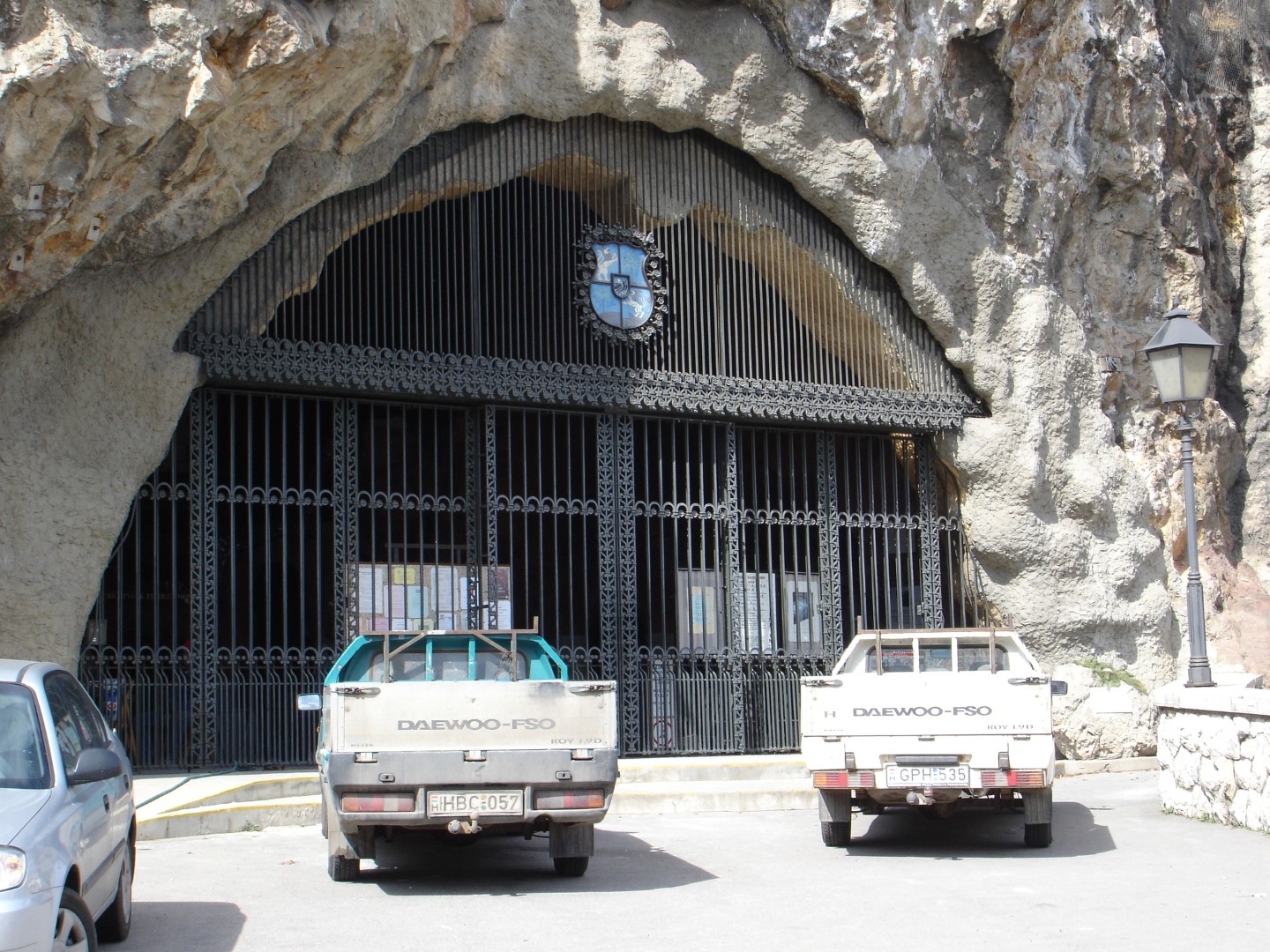
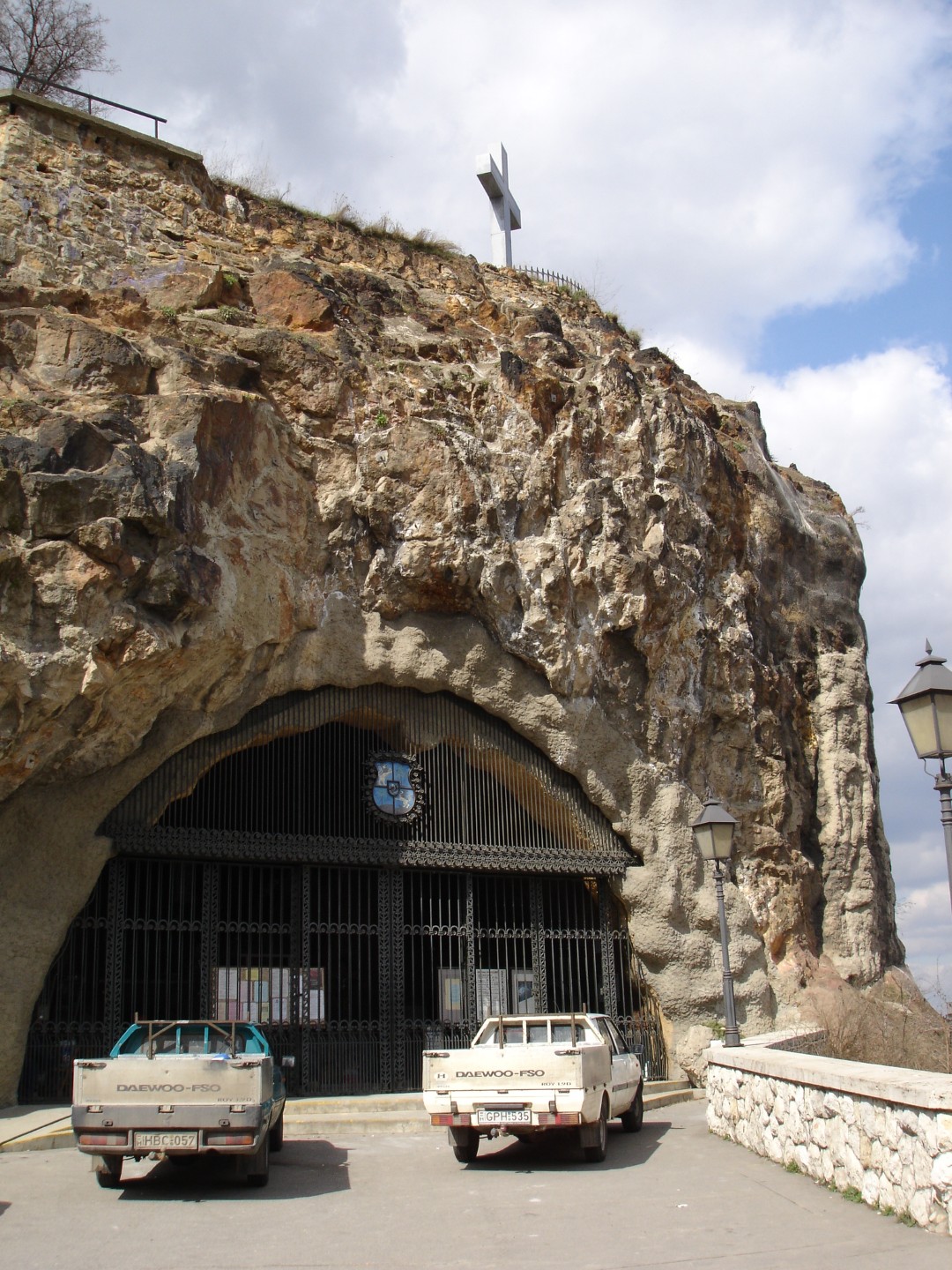
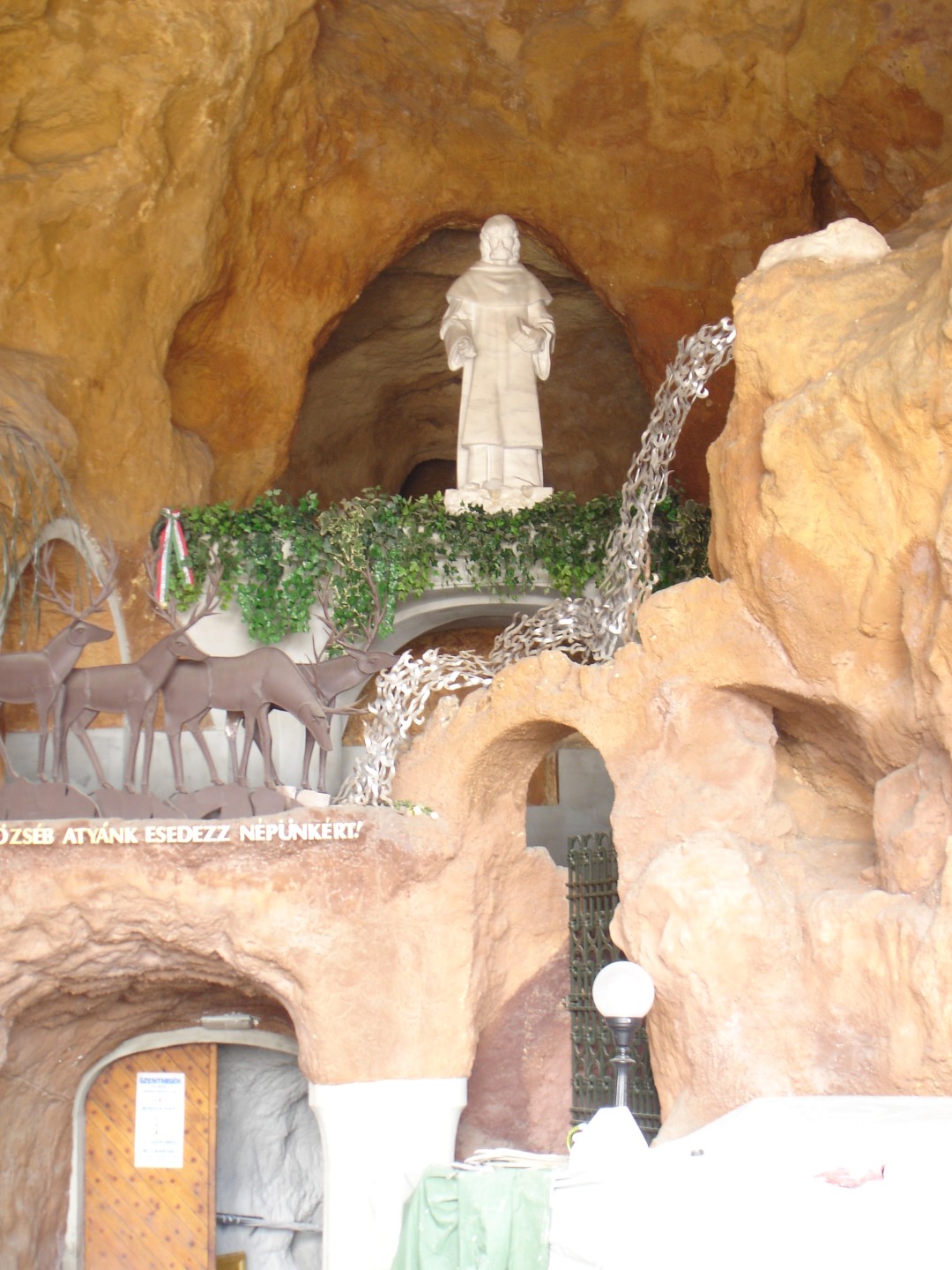
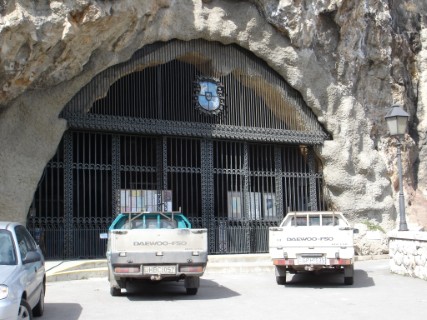
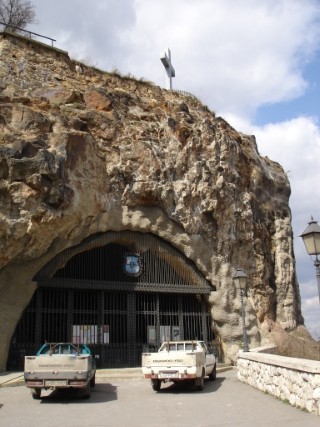
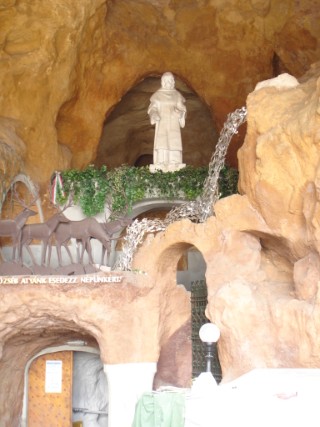
Gellert Hill Cave Church: After its consecration in 1926, it served as a chapel (Sziklatemplom English: Cave Church) and monastery until 1951. During this time, it also served as a field hospital for the army of Nazi Germany during World War II.
The church was closed when we arrived, so we did not get to enter, only
take a photo through the bars.
|
|
|
|
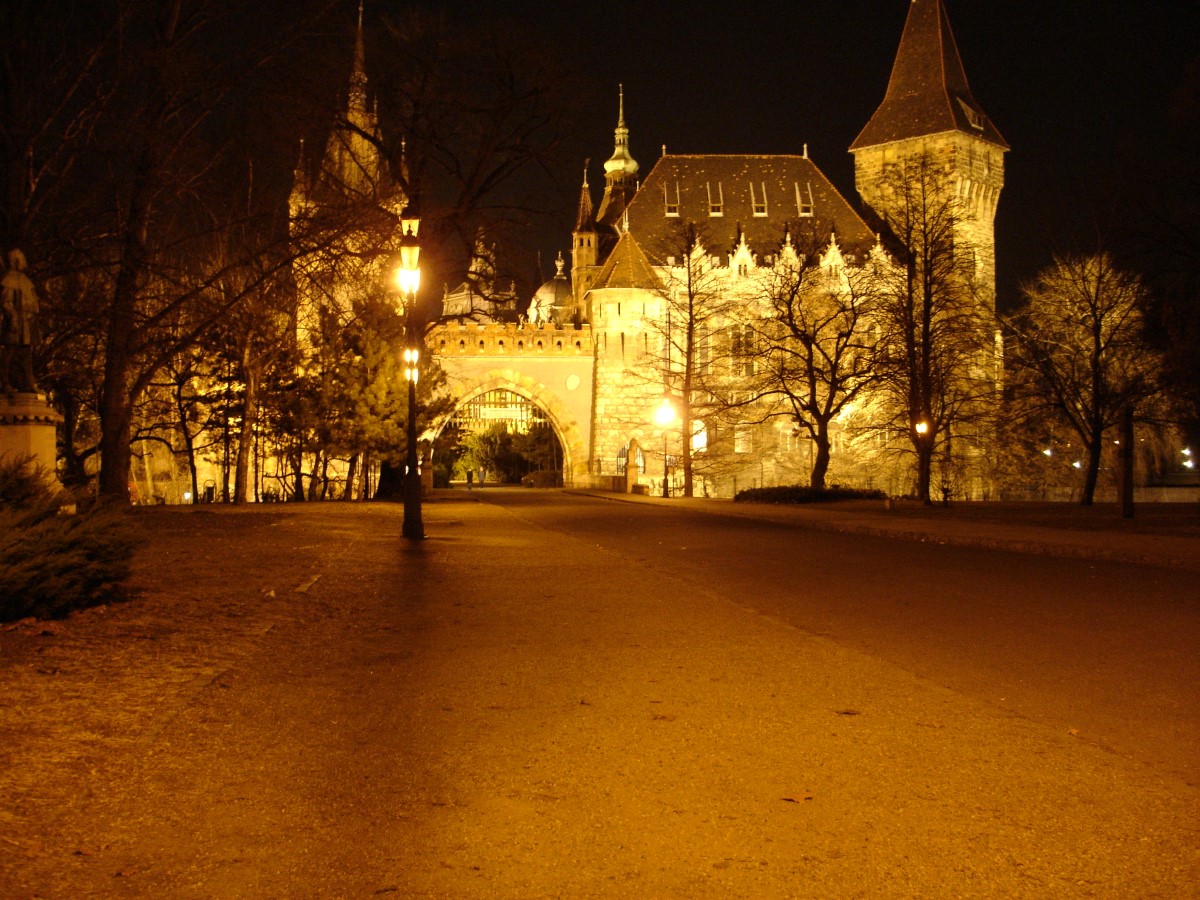
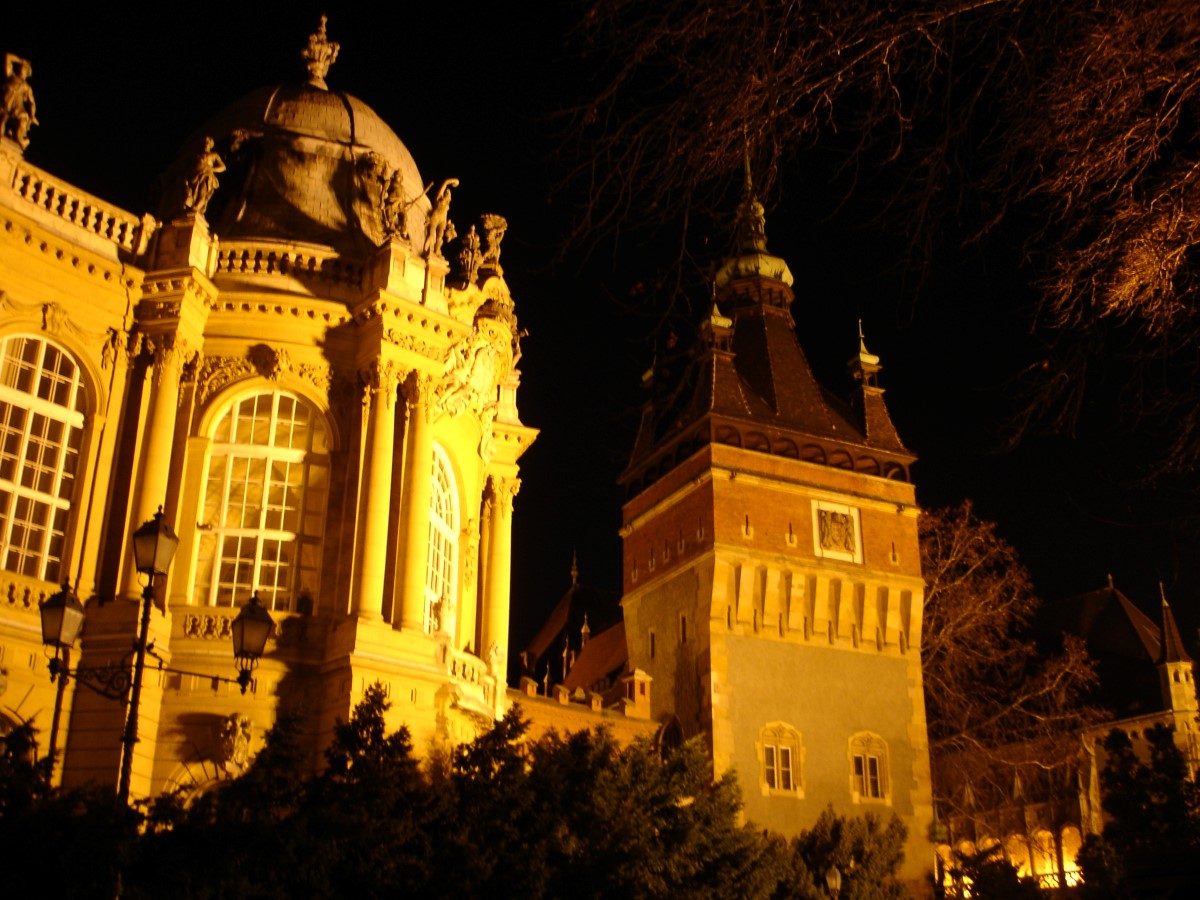
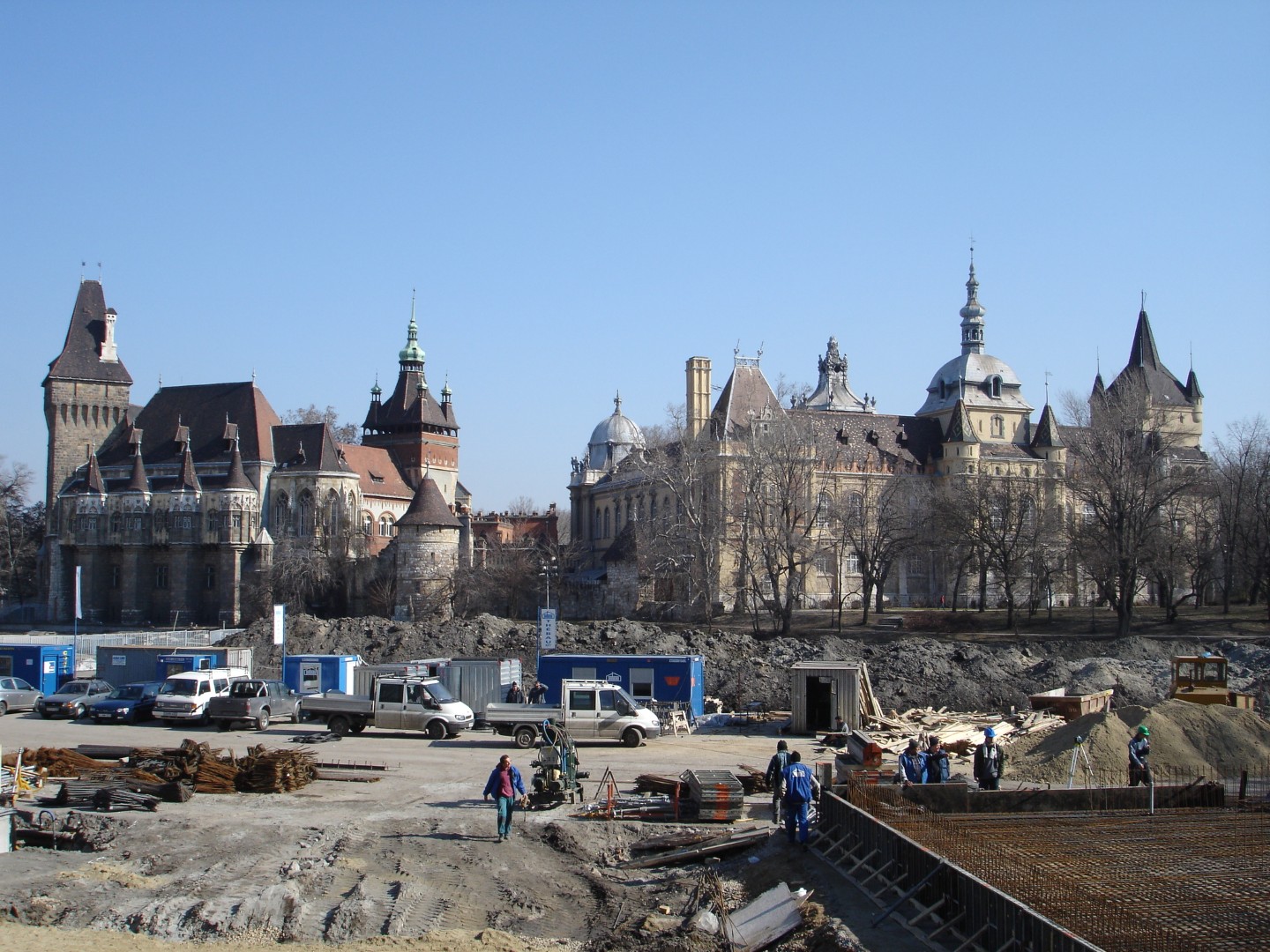
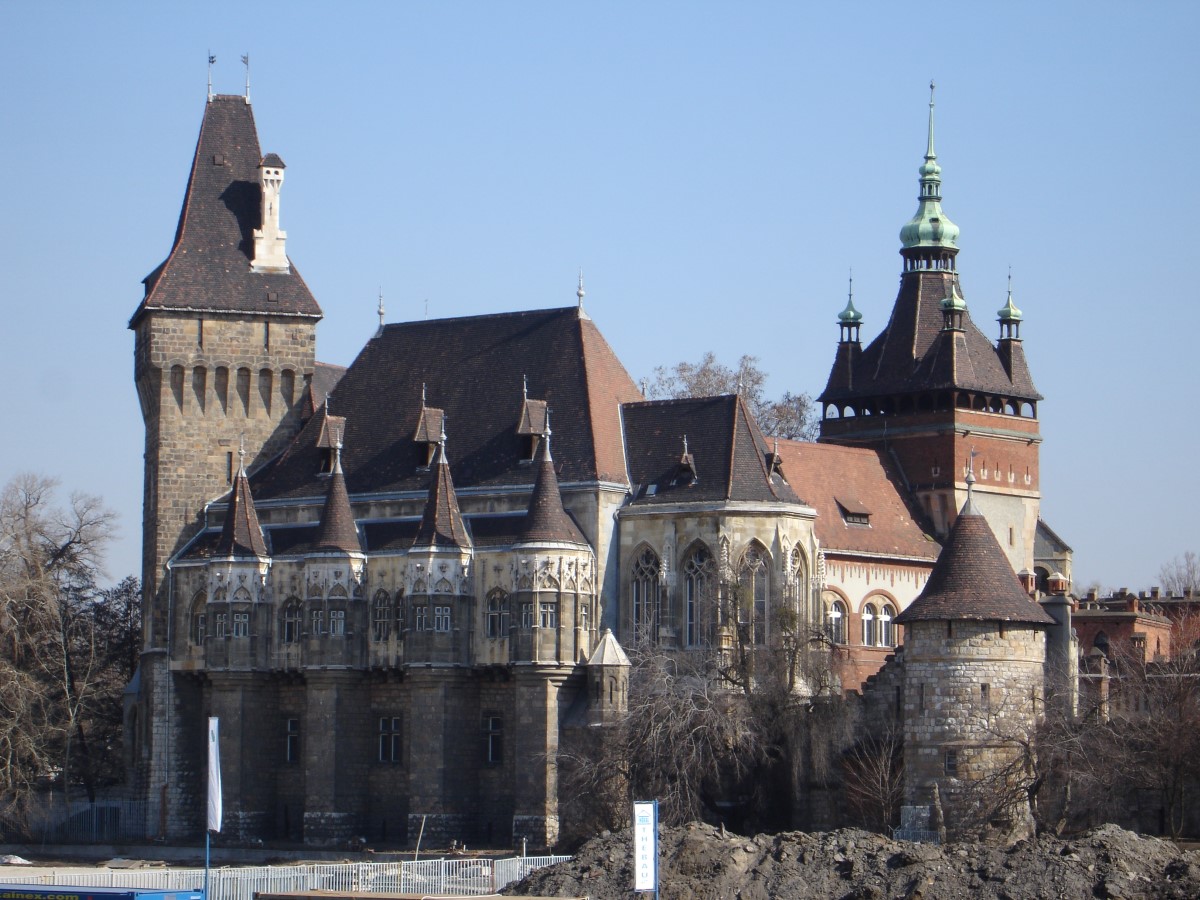
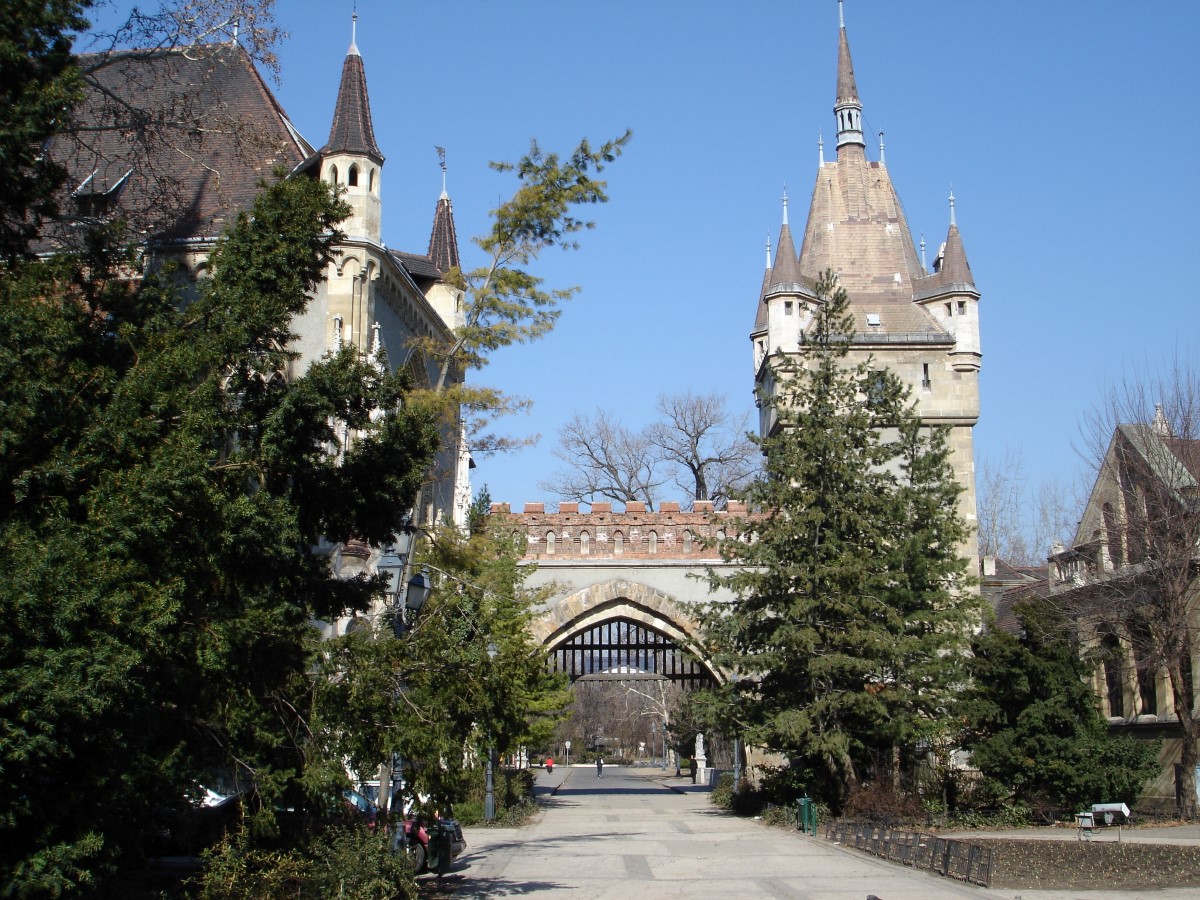
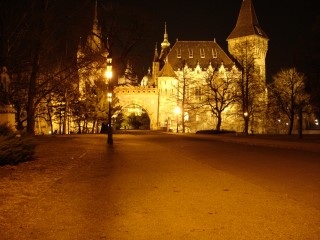
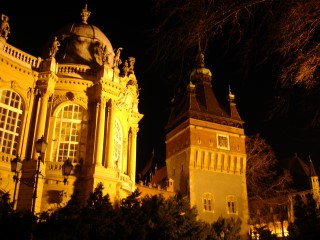
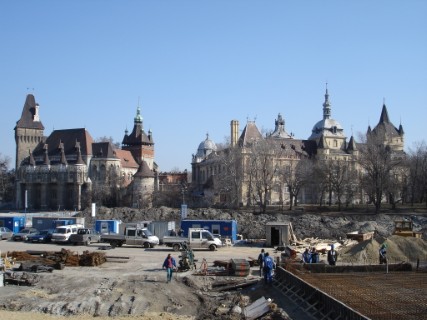
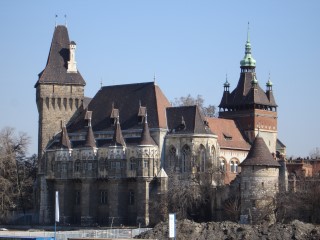
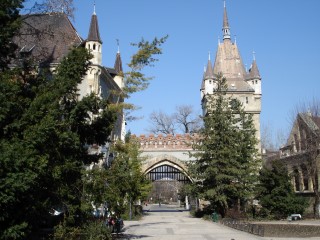
Vajdahunyad Castle: This is not
a genuine castle, but a complex of buildings reflecting various architectural
styles. The individual pavilions are grouped in chronological order
of style. Romanesque is followed by Gothic, Renaissance, Baroque and so
on. The individual styles were linked together to give the impression
of a single structure.
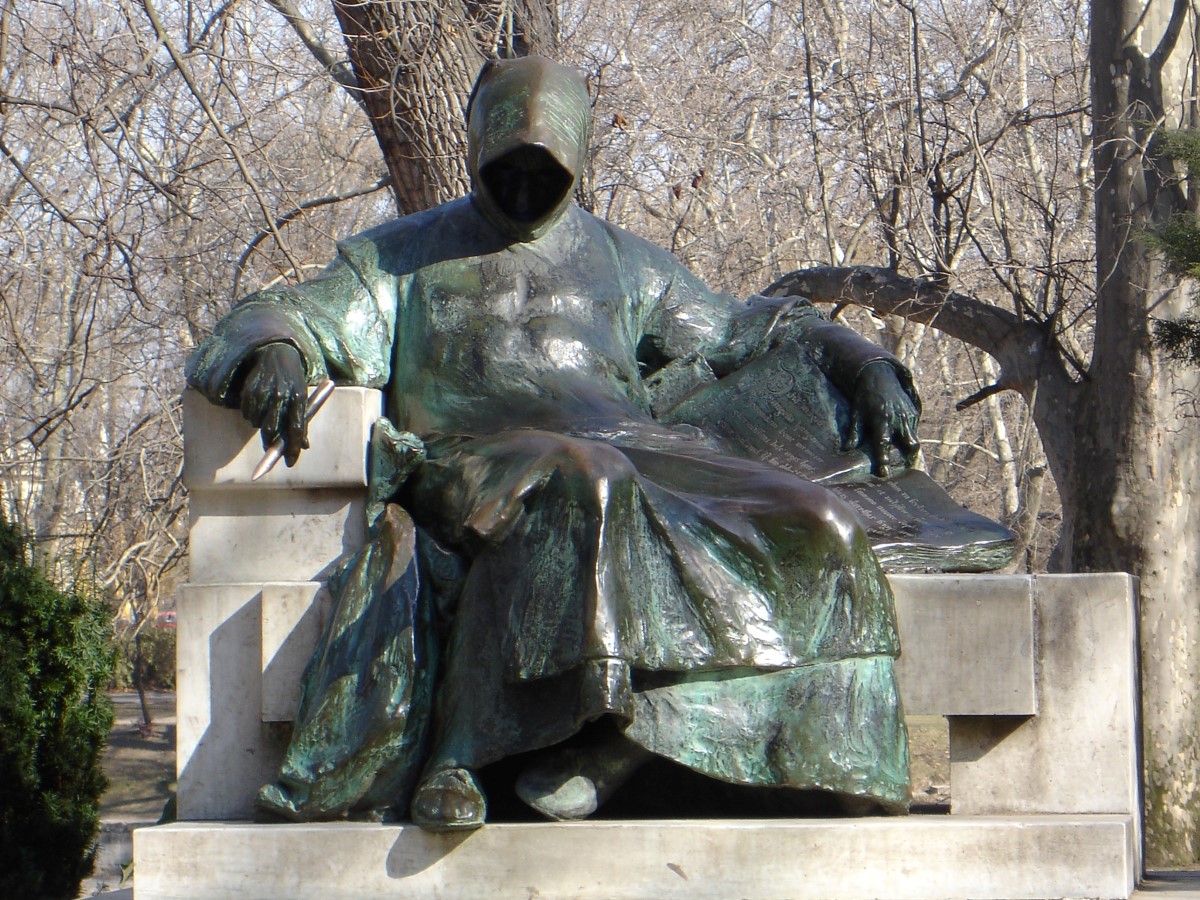
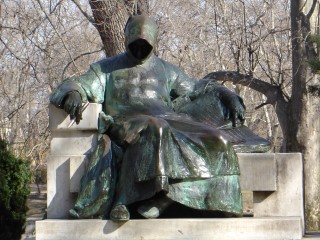
The Statue of Anonymous, completed in 1903, it is one of Budapest's most famous
monuments.
|
 |
|
|
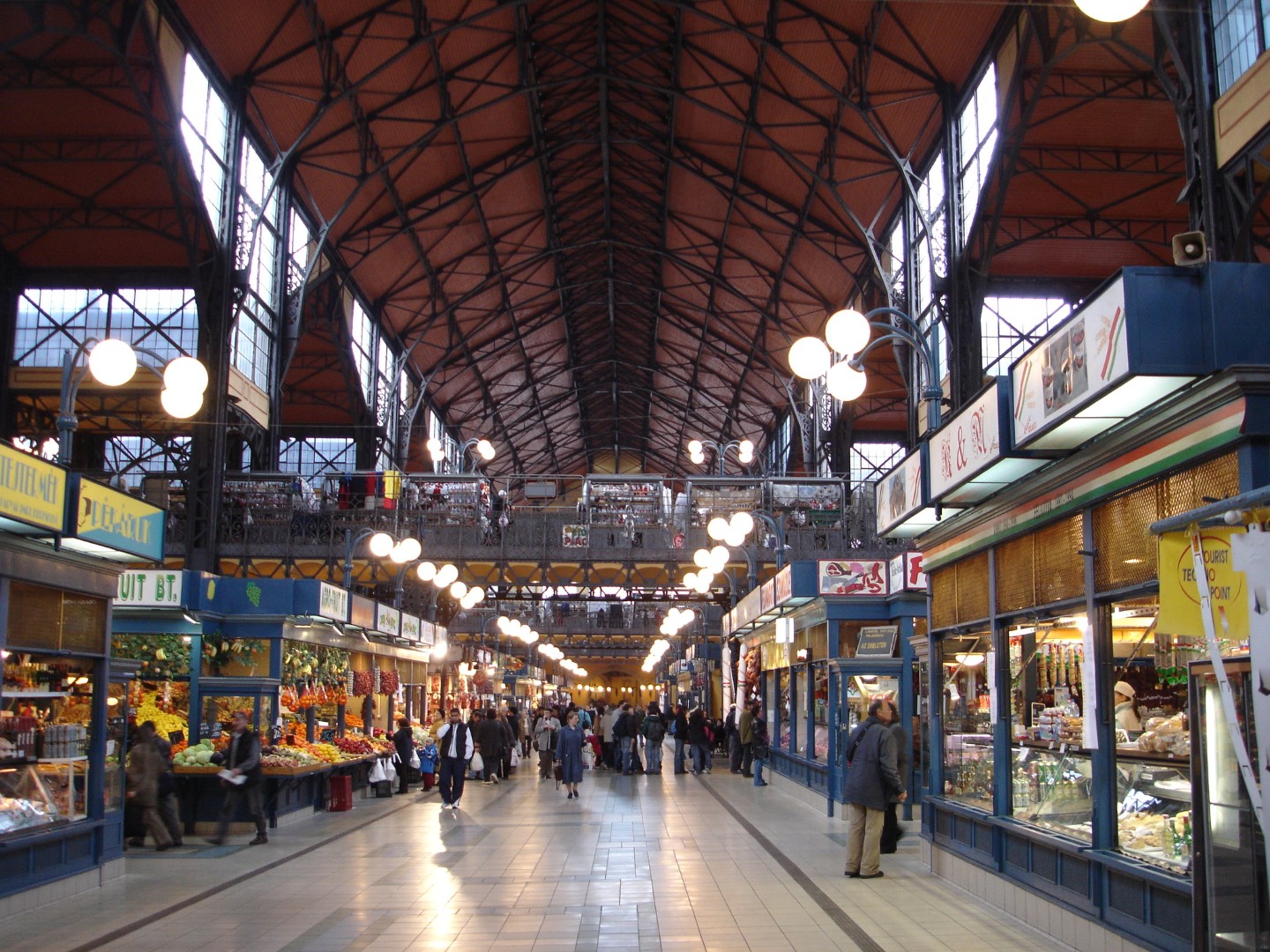
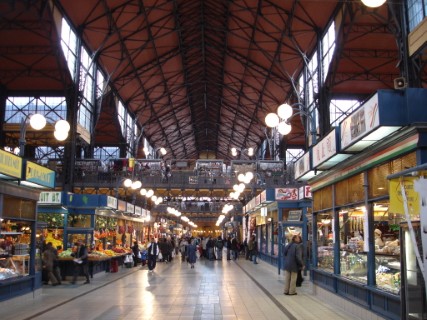
Fovam Market: The Budapest Fovam Market,
or Central Market Hall. This is where we bought some little boxes
of paprika, both sweet and hot, to bring back with us. |
 |
|
<<< Home
Next Page >>>
|
 Hungary -
Budapest
Hungary -
Budapest