Poland: Berkenau (Auschwitz II)

  • Berkenau Maps
  • Death Gate
  • Monument to Camp Victims
  • Bathhouse Memorial Wall
  • Around the Camp
  • Guard Tower
  • SS Administration Building
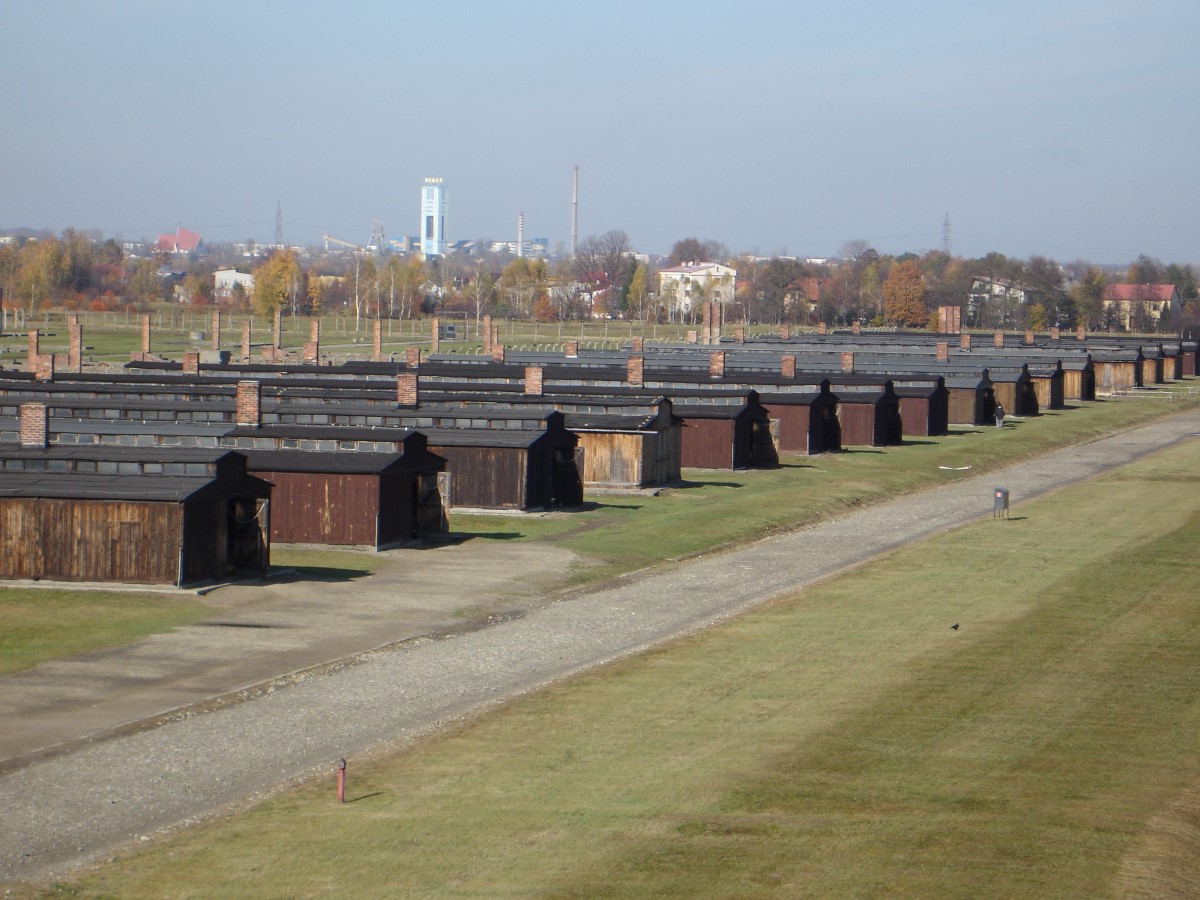
  • Wooden Barracks
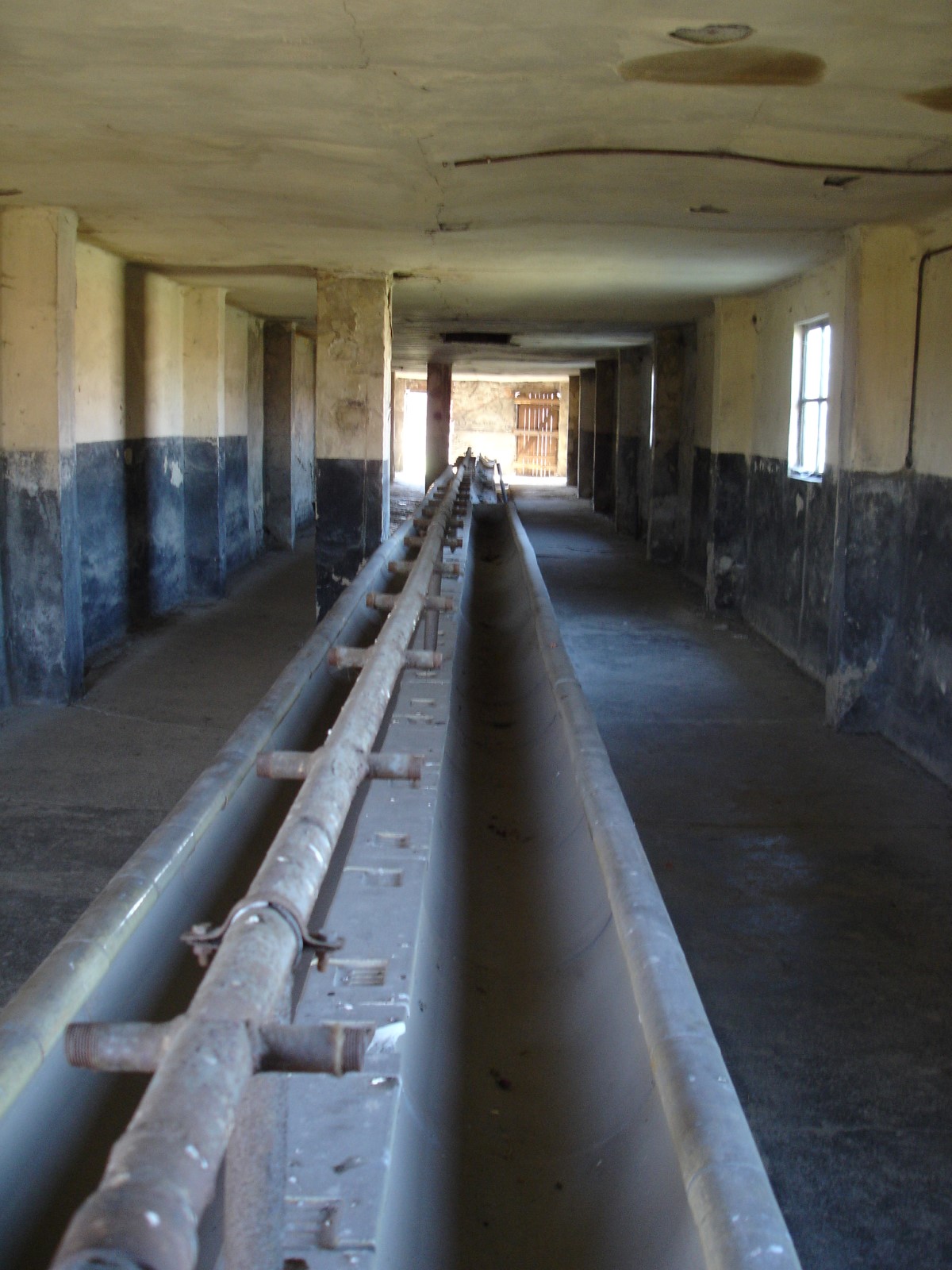
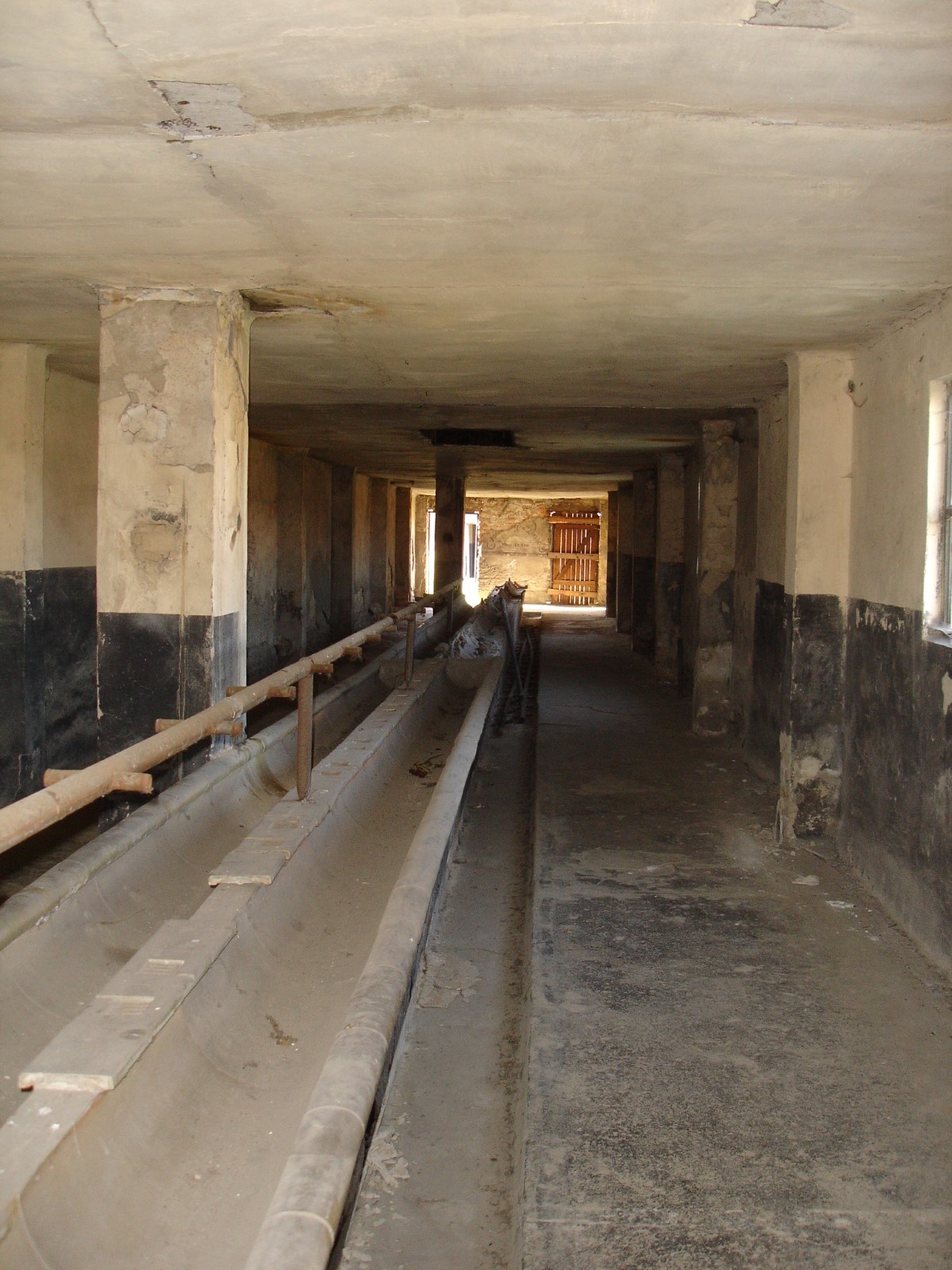
  • Brick Barracks
  • Gas Chamber and Crematorium III
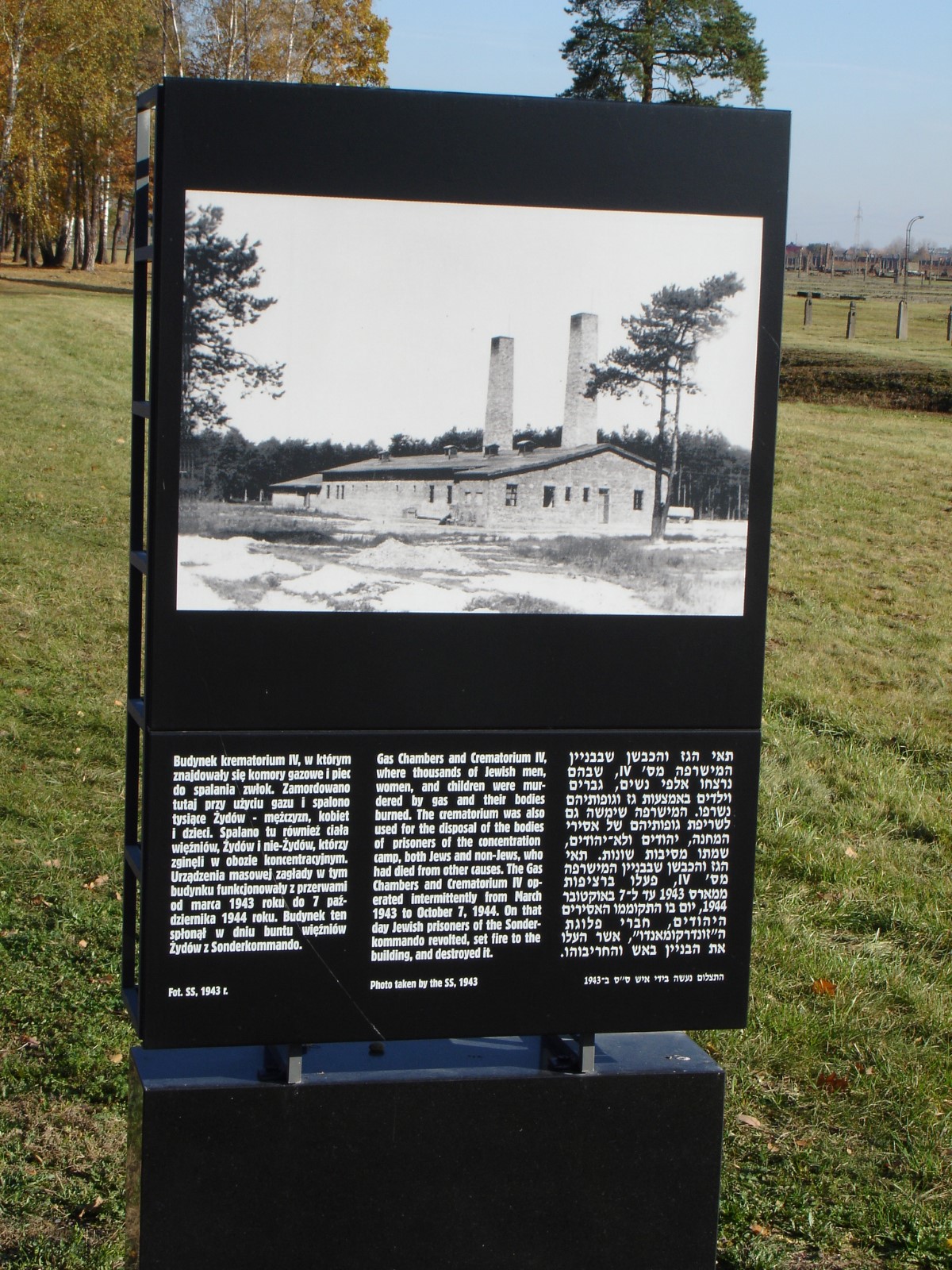
  • Gas Chamber and Crematorium IV
  • Body Trolley
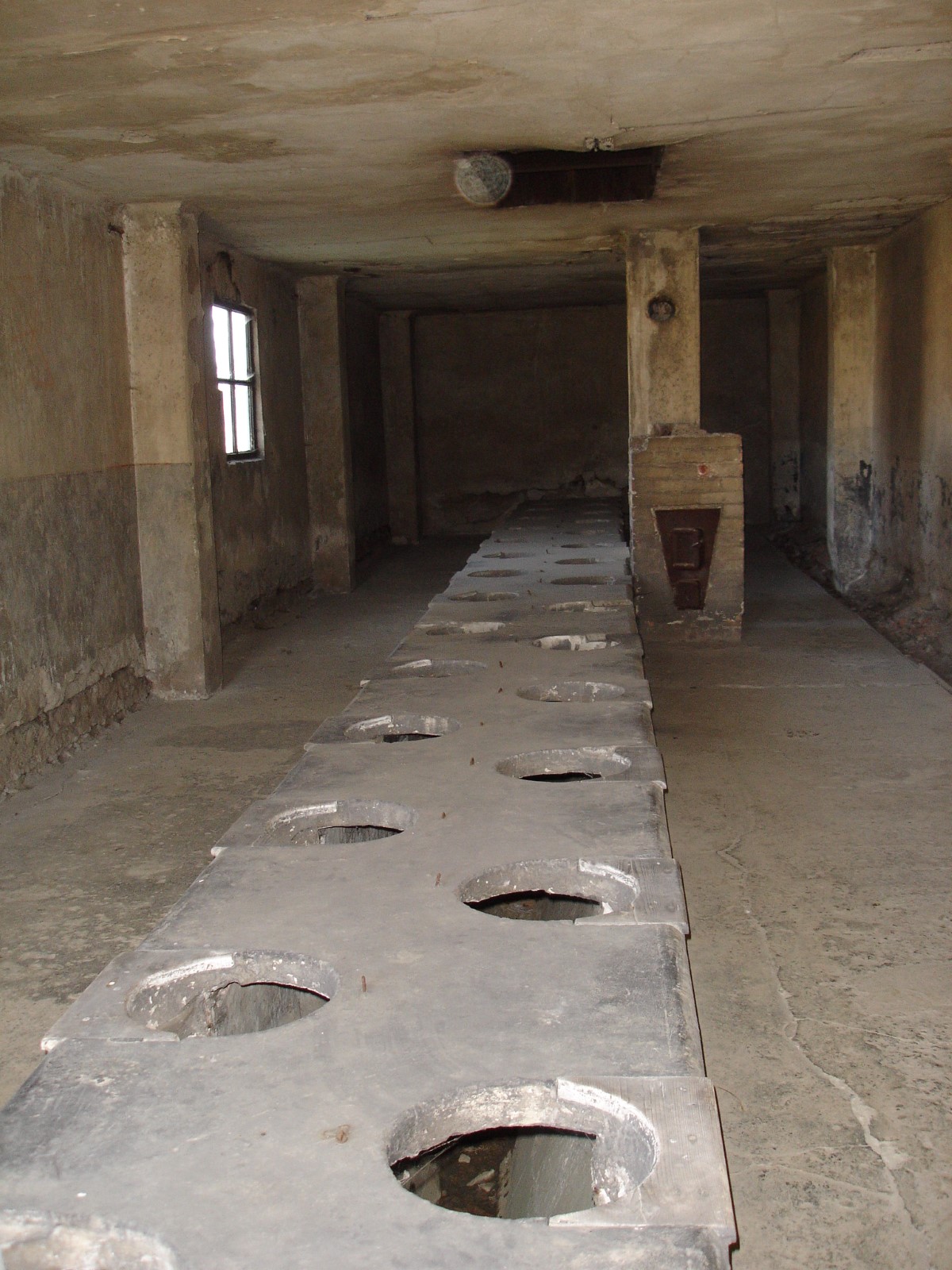
  • Toilets
  • Sewage Plant
  • Autoclaves

<<< Previous Page     Next Page >>>

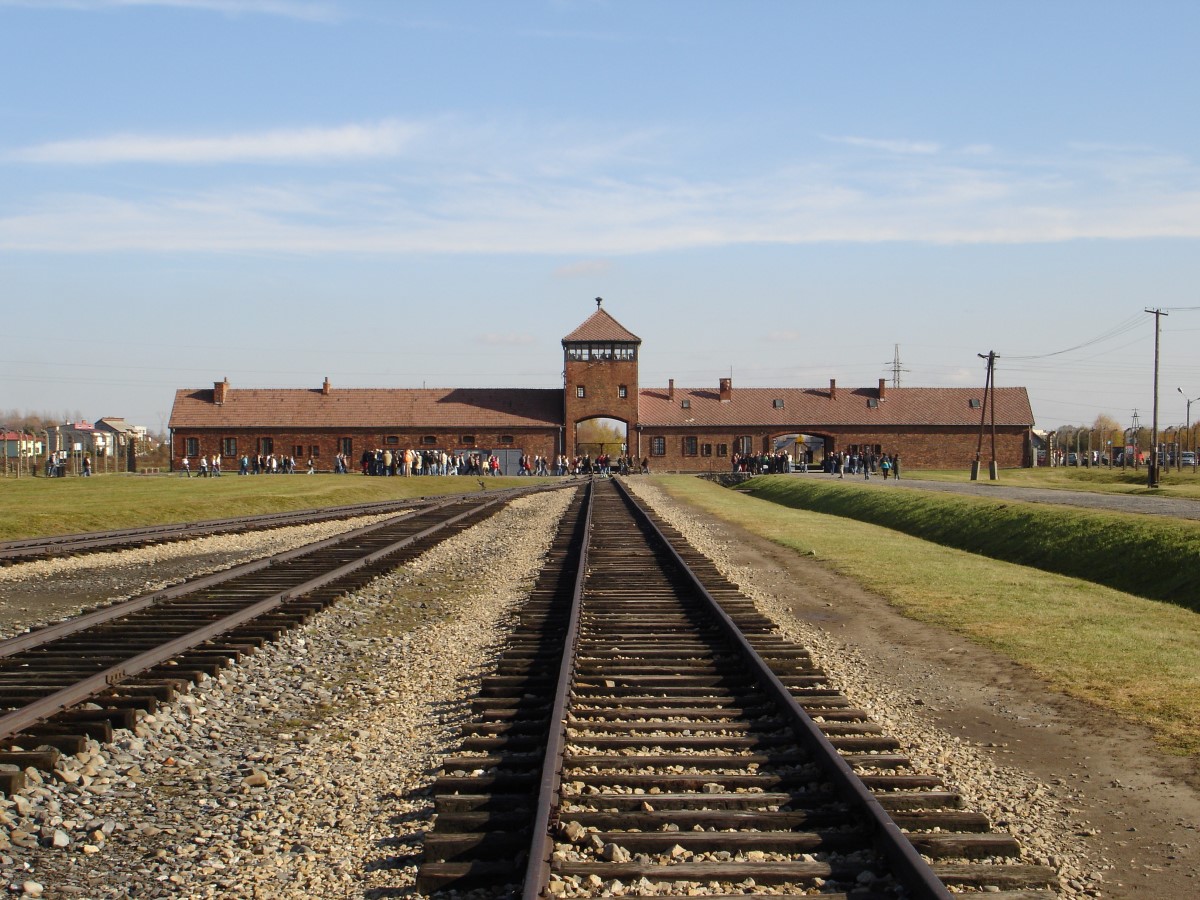
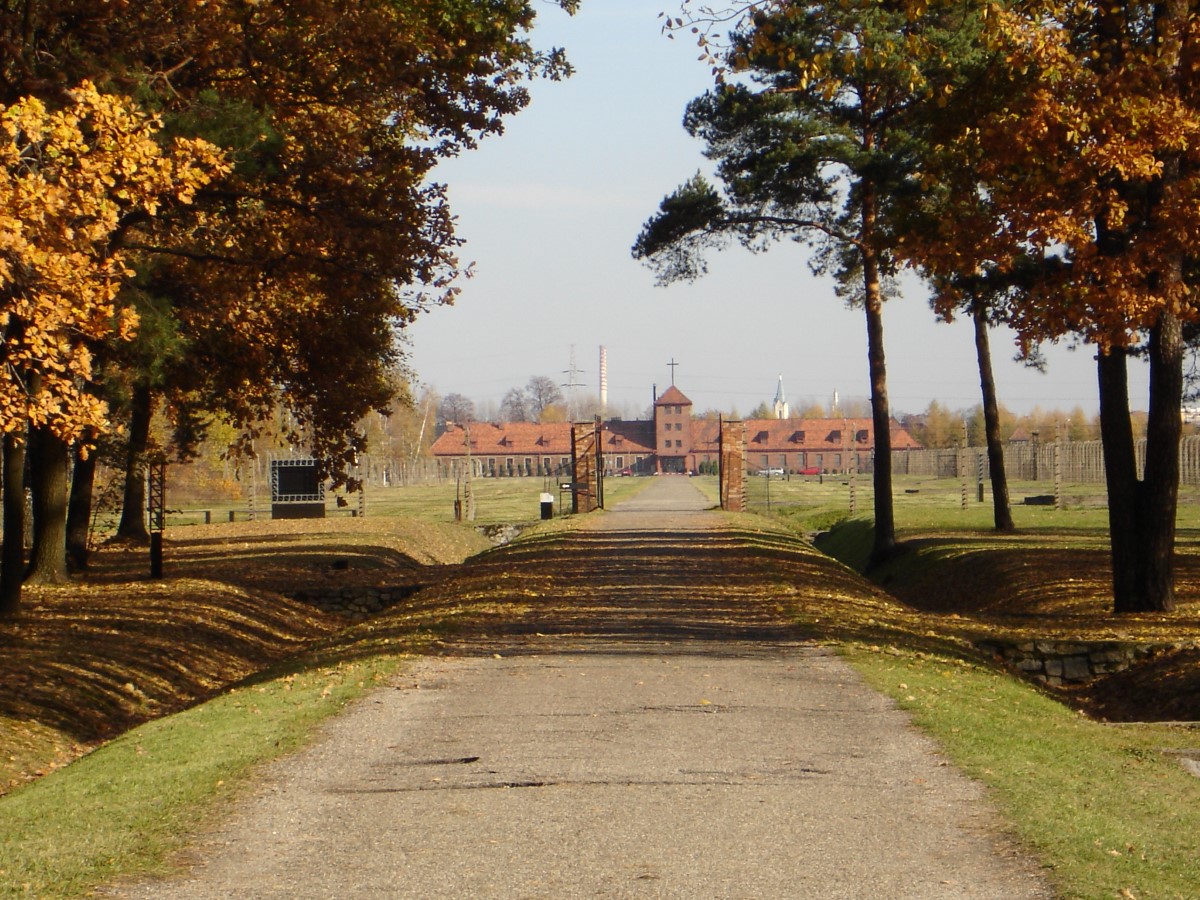
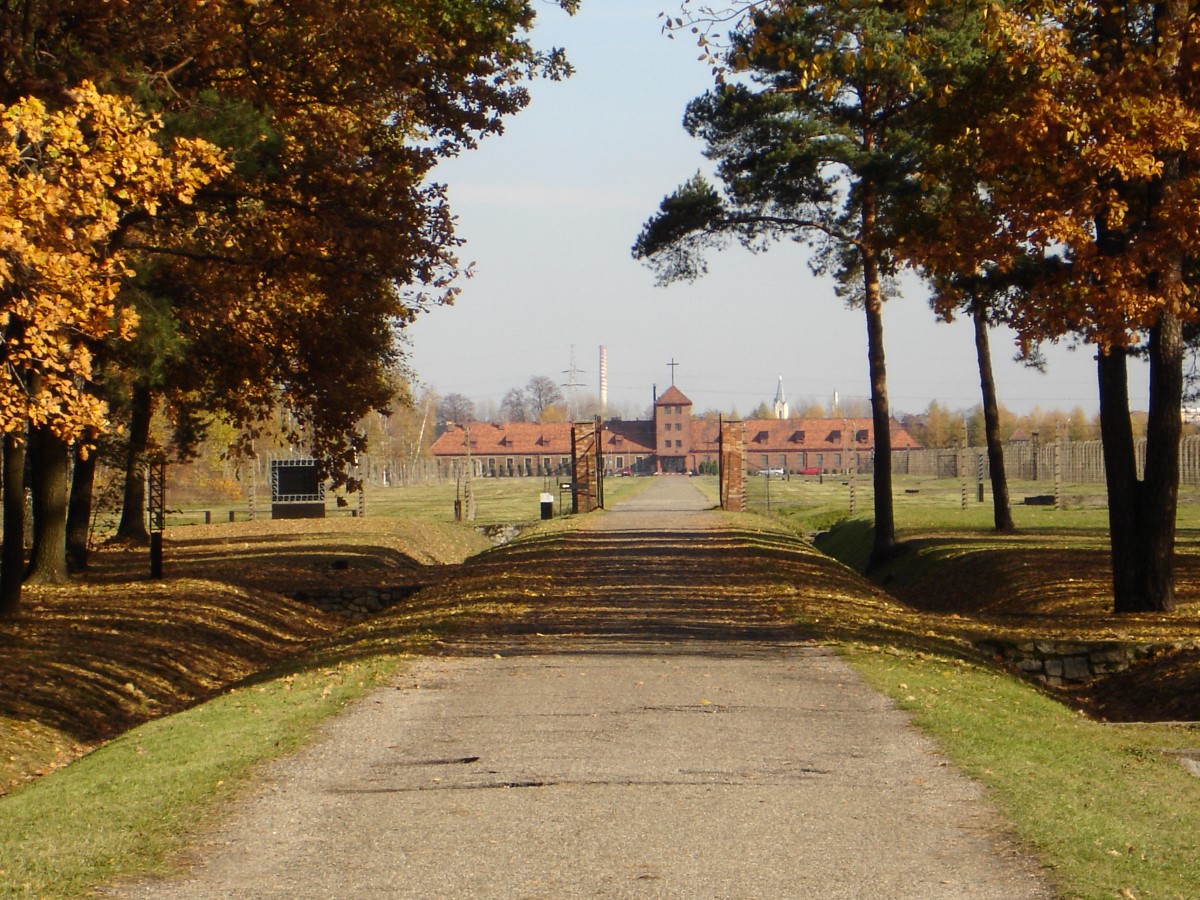
Death Gate - Berkenau entrance from within the camp

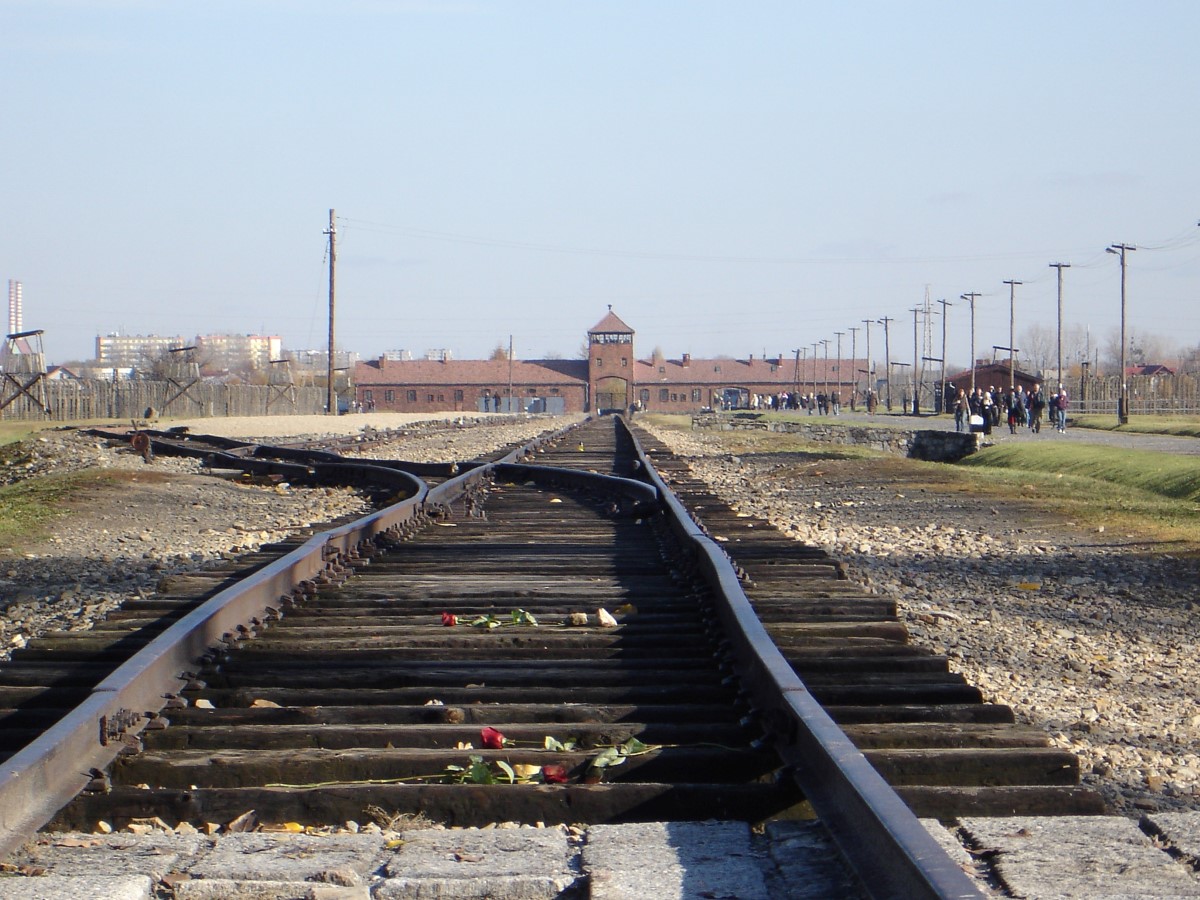
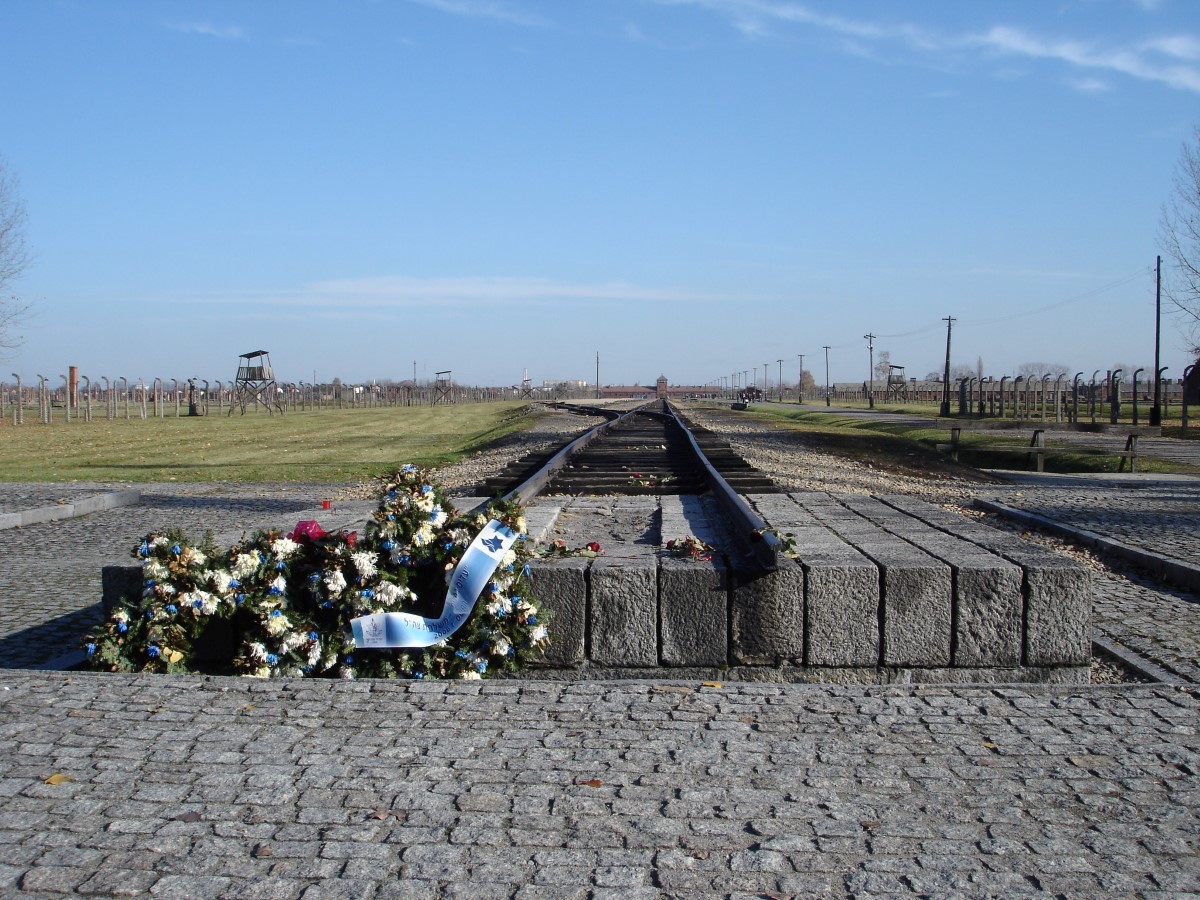
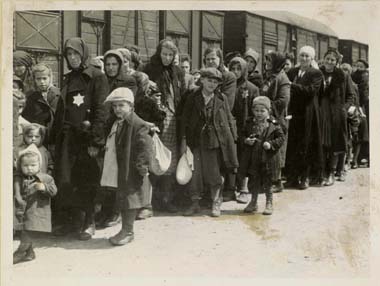
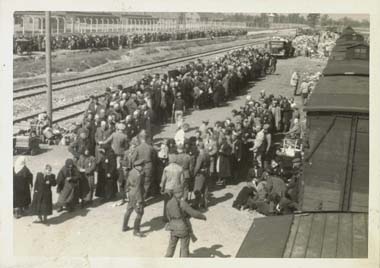
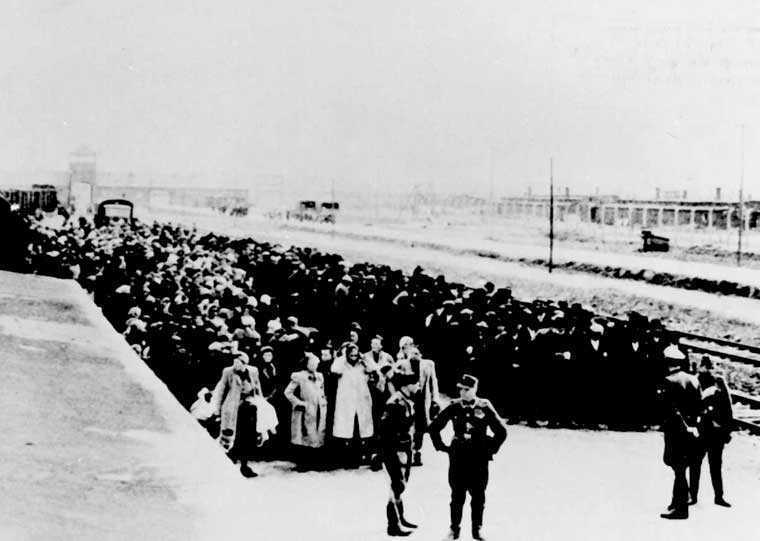
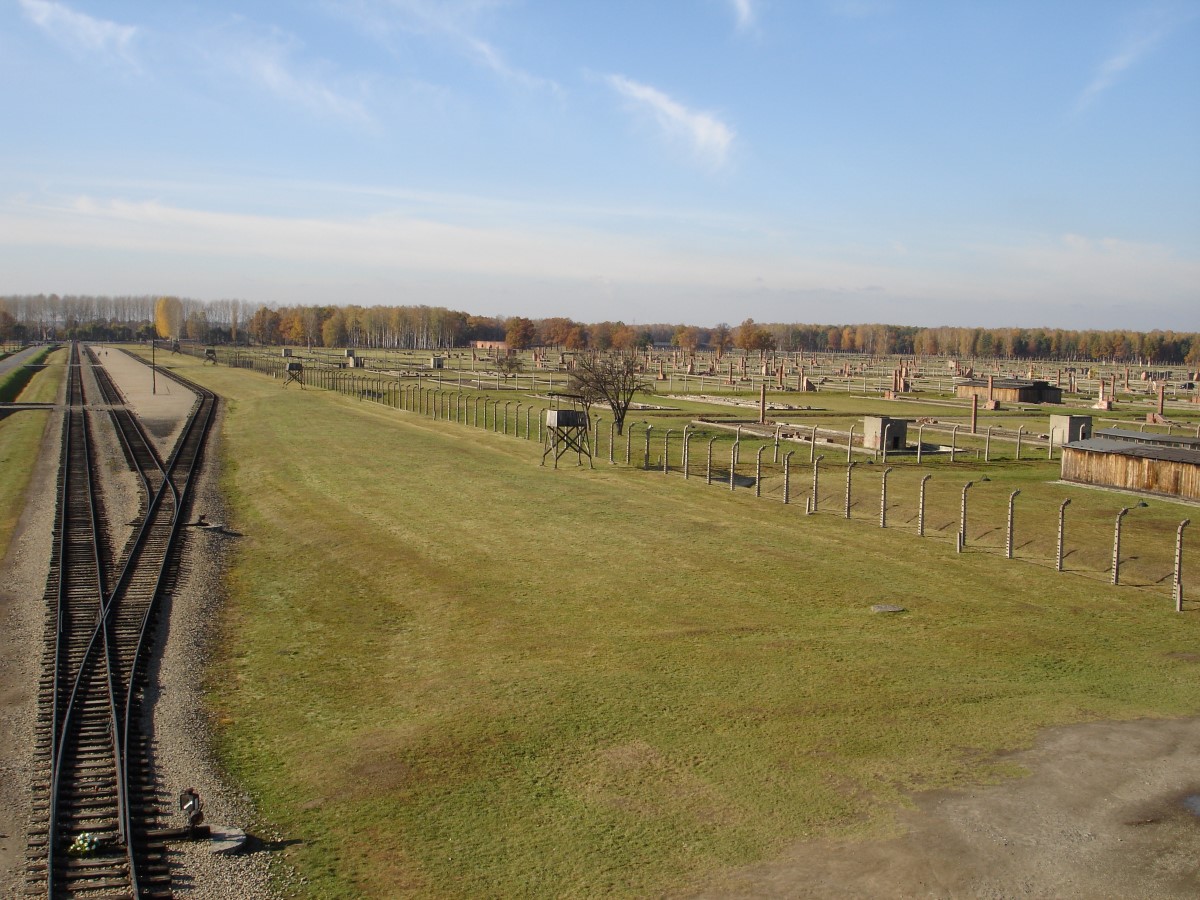
Of all the places in the camp, this was the most moving place for both of us.  Standing at the end of the tracks at Berkenau and looking all the way back to the camp entrance 'Death Gate'.  This was the place where prisoners stepped off the train not knowing what was going on or what would happen to them.  Some were sentenced to immediate death, while a few others were sentenced to hard labor until they died.  It's just strange to look down the tracks and try to imagine what it must have been like.


Birkenau is this massive camp and a large number of killings took place here.   Birkenau is located approximately 3km away from Auschwitz I.

Arrival

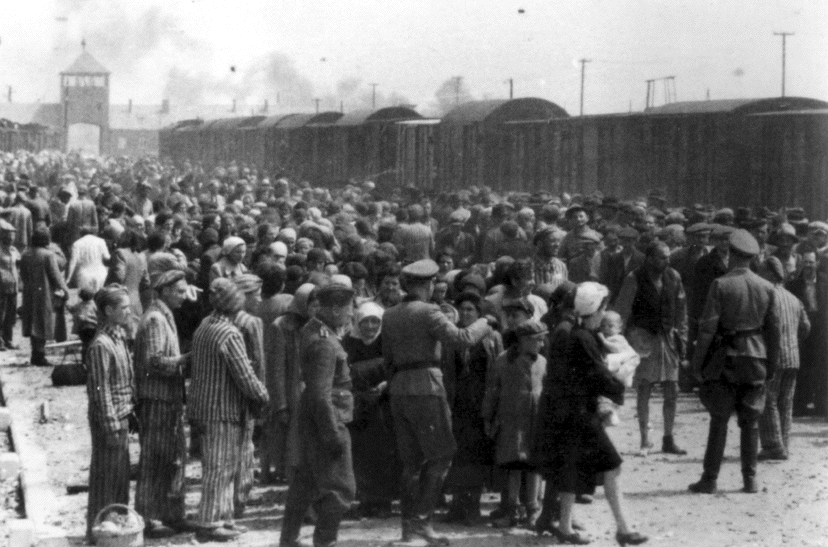
Most Jews deported to Auschwitz-Birkenau were transported by rail, a method employed by the Nazis from 1941. The German Transport Ministry and German Railways assisted the Nazis by providing special trains to transport Jews. The journey to Auschwitz-Birkenau lasted anywhere between a few hours and ten days, with men, women and children crowded into cars without food or water, insufficient air and no toilet facilities. In most cases, a number of people in each car died during the journey.

Selection

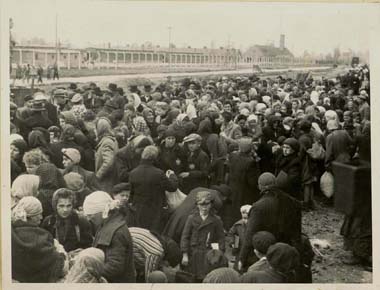
Newly arrived prisoners were immediately divided into two lines: men on one side and women and children on the other. The SS doctors conducted selection, sending the most “fit” for forced labor, whereas the majority were selected for immediate execution. These selection were the first time that most of the Jewish families had been separated; although many Jewish families had managed to remain together in the ghettos, once they arrived at Auschwitz-Birkenau, men and women were separated and family units ceased to exist. Moreover, selection often marked the last time that family members saw each other.

Holocaust survivor Alex Feuer also describes selektionen at Auschwitz-Birkenau:

“At the ripe old age of fifteen I arrived in Auschwitz, the infamous human extermination center. We were pushed like cattle into freight train cars. After a five-day, unbelievable hard journey we arrived in Auschwitz. As we were being removed from the train our first view was SS men with guns and guard dogs. The SS guards told us to leave the little belongings we had on the ground and line up. Little did we know at the time that we were about to be selected for life or for death. As I stood in line a stranger tapped me on the shoulders from behind and told me in Yiddish: ‘Little boy, stand on your feet. Stand on your toes when you come up to the German SS. Make yourself taller.’ I stretched and strained, somehow knowing that my life depended upon the stranger's advice. I was selected to work in a road gang while my parents and my younger brother were taken to the gas chambers.”

This page contains some pictures of a graphic nature.  We have included these pictures to show what took place at various locations throughout the camp.

Now that we have been to the camp, walked the ground, been inside the barracks and gas chambers, it really gives you a different perspective on what happened at the camp.  To have stood in the same place where so many were murdered at the hands of the Nazi's and reflect on the experience...


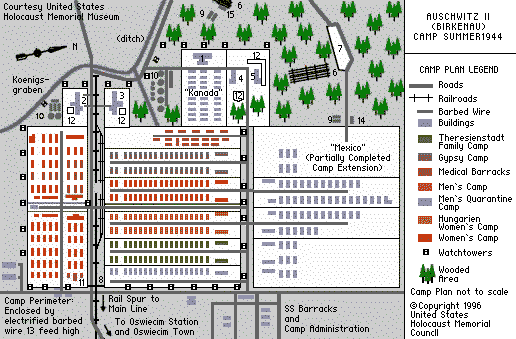
Berkenau Maps: The first map shows the locations of the Auschwitz camps in Poland while the second shows a detailed map of the Berkenau camp.

auschwitz_1-2-map.gif (6072 bytes) AUSCHWITZ-2_Map.gif (24783 bytes)


Death Gate: This is the famous unloading platform many are familiar with from their history books. The train would pull into the camp and people would be sorted into two groups. One would go to the north east end of the camp where they would be stripped of their belongings, take a shower, be deliced, and given their uniforms. The other group would go to the crematories/gas chambers at the end of these tracks. This picture is from inside the gate facing towards it.

From the testimony of Rudolph Hoess, Commandant of Auschwitz

"On arrival at the "Cottage," they were told to undress. At first they went calmly into the rooms where they were supposed to be disinfected. But some of them showed signs of alarm, and spoke of death by suffocation and of annihilation. A sort of panic set in at once. Immediately all the Jews still outside were pushed into the chambers, and the doors were screwed shut. With subsequent transports the difficult individuals were picked out early on and most carefully supervised. At the first signs of unrest, those responsible were unobtrusively led behind the building and killed with a small-caliber gun that was inaudible to the others. "

Notice the roses on the tracks, and the flower bouquet.  The photo from the far end gives you an idea of just how large the camp is.

DSC09354.JPG (61237 bytes) DSC09372.JPG (59303 bytes) DSC09371.JPG (65844 bytes)
death_gate.jpg (49944 bytes) 10-13a.jpg (27383 bytes) 23-26d.jpg (28947 bytes) Selekcja-BIa-1.jpg (38503 bytes) 17-20c.jpg (30303 bytes)

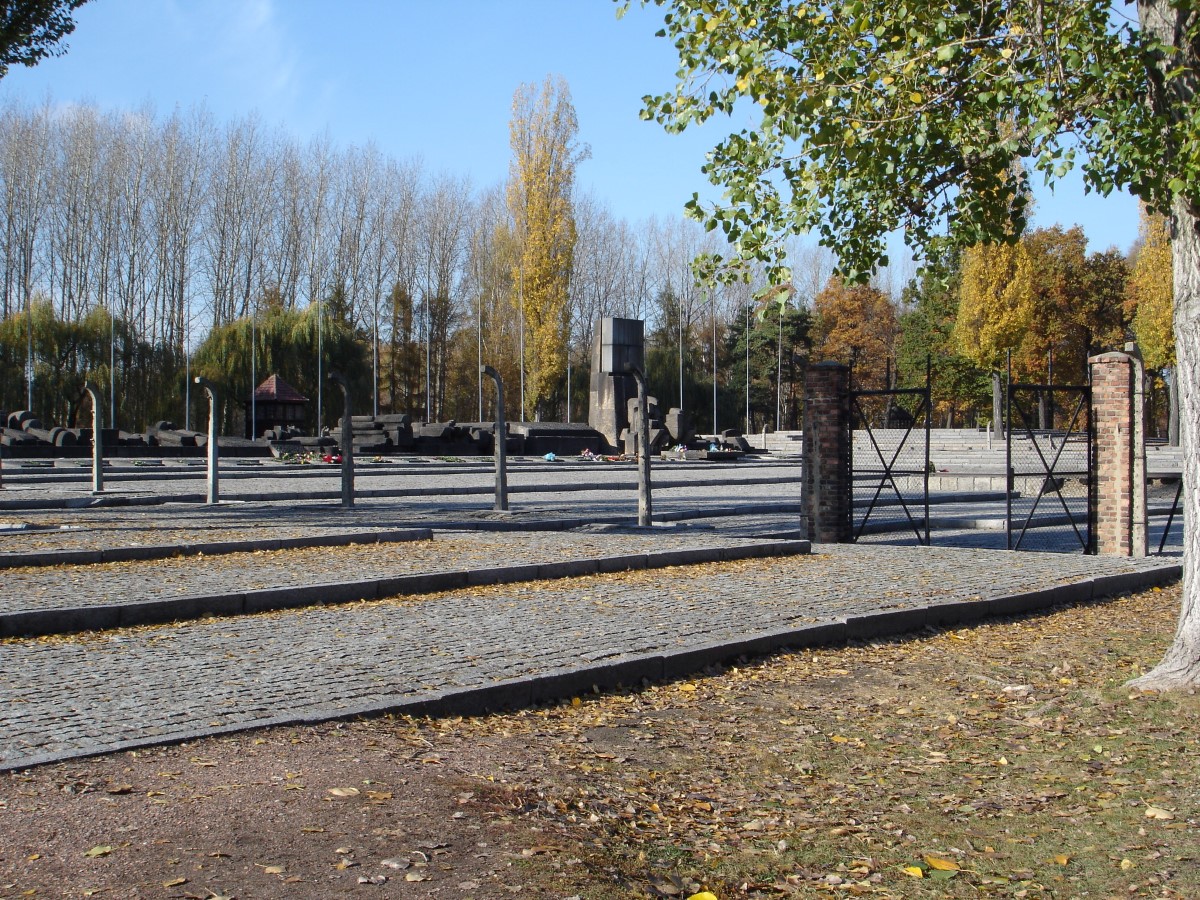
Monument to Camp Victims: In between Birkenau's former crematoria II and III, Polish authorities erected the International Monument to the Victims of Fascism, which bears inscriptions on more than a dozen languages to honor the more than 1 million murdered at the Auschwitz camp complexes.
DSC09370.JPG (99429 bytes)

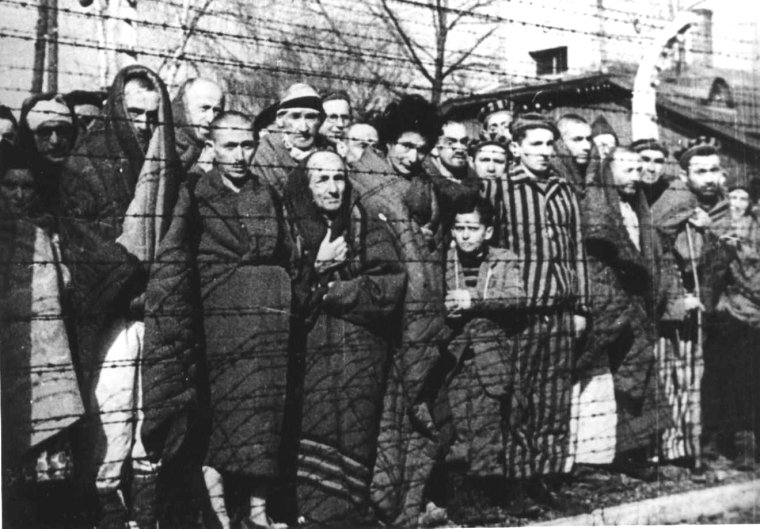
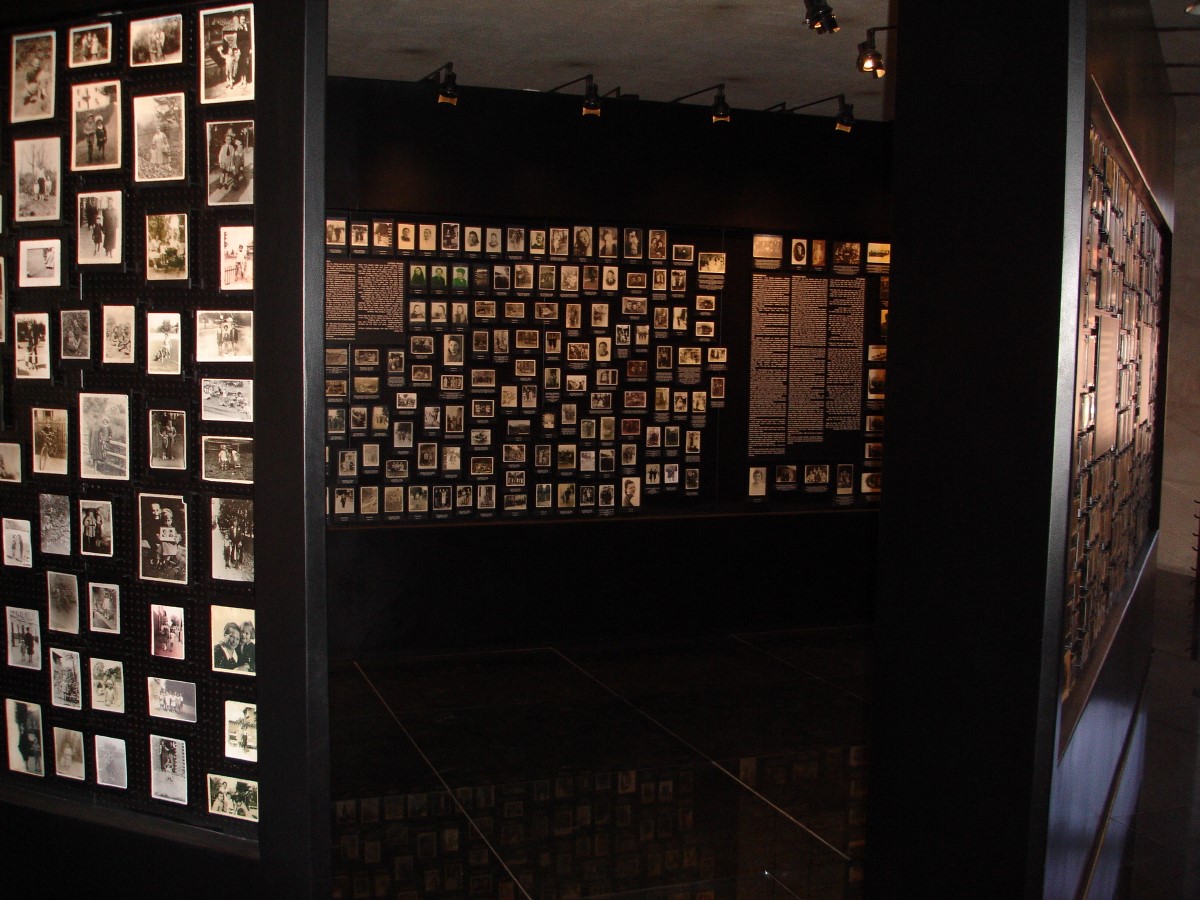
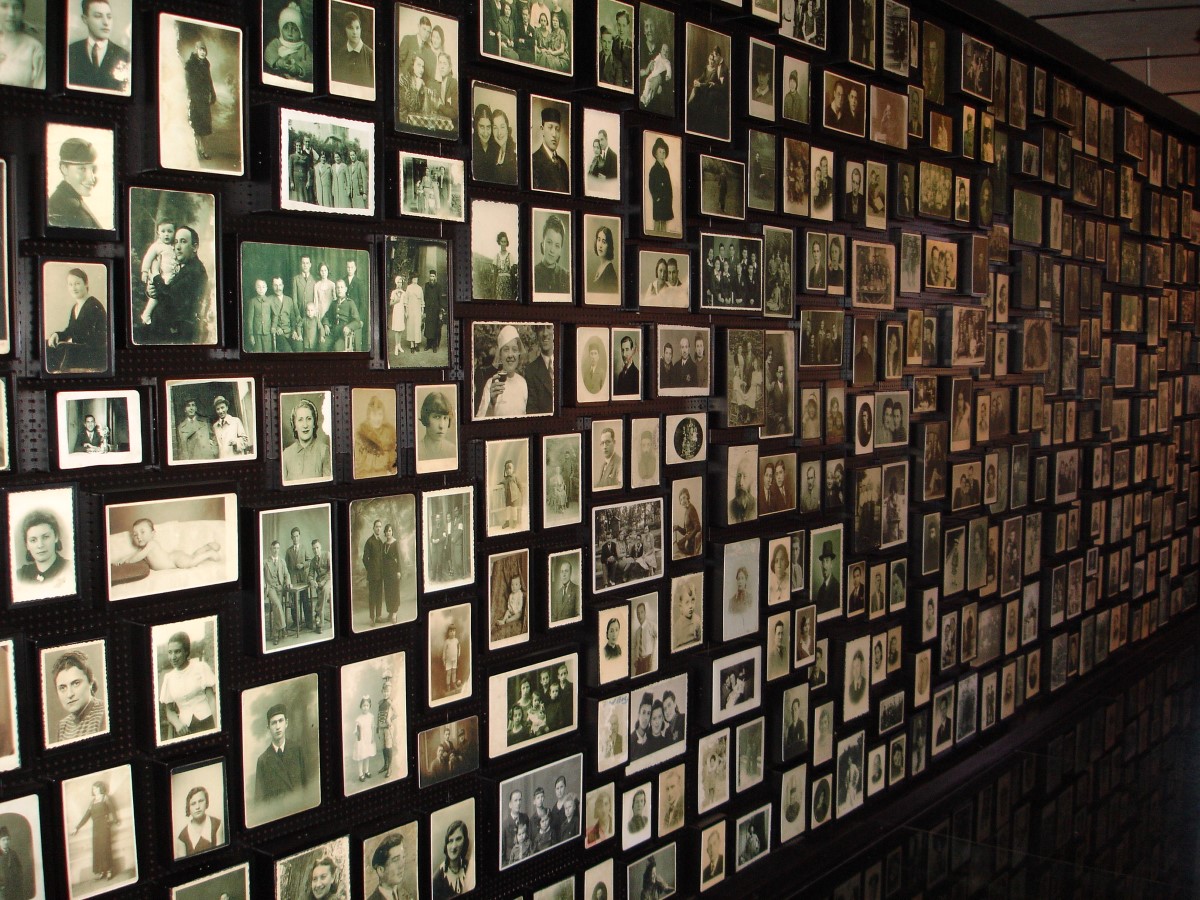
Bathhouse Memorial Wall: Contains numerous photos of camp prisoners.

Dehumanization

According to Nazi ideology the Nordic Aryan Germans were the Master Race. Other races were inferior to them and the Jews were considered to be the “anti-race,” the exact opposite of the Germans, and an evil and destructive race. The Nazis went to great efforts to strip the personal identities of those Jews whom they did select for slave labor, a process known as “dehumanization.”
At Auschwitz-Birkenau, the so-called “sauna” was the first stage in the process of dehumanization. At the “sauna,” prisoners selected for forced labor were stripped of their clothes, showered, disinfected, shaved all over, and given an ill-fitting prisoner uniform and wooden clogs. Registration numbers were tattooed into their left arms.

Helena Citron, a Holocaust survivor, recalls her loss of identity in the “sauna” at Auschwitz-Birkenau:

“…So they rushed us there, to some building that was called the ‘sauna,’ meaning, the bathhouse. We stood there in line, for hours, in our clothing, with our long hair, with everything, and we clung to each other, we felt safer when we were together…and then we had to take our clothing off, and the SS were walking around in there, and we, young girls, had to walk around naked….they were yelling and screaming…and we were in shock…not even embarrassed, just in shock….we were turned, almost instantly, into animals, because we didn’t even recognize one another. It was as if we lost our humanity, and we lost our friends, because even my best friend stood next to me, and I didn’t recognize her…”

DSC09385.JPG (51173 bytes) DSC09388.JPG (85393 bytes)


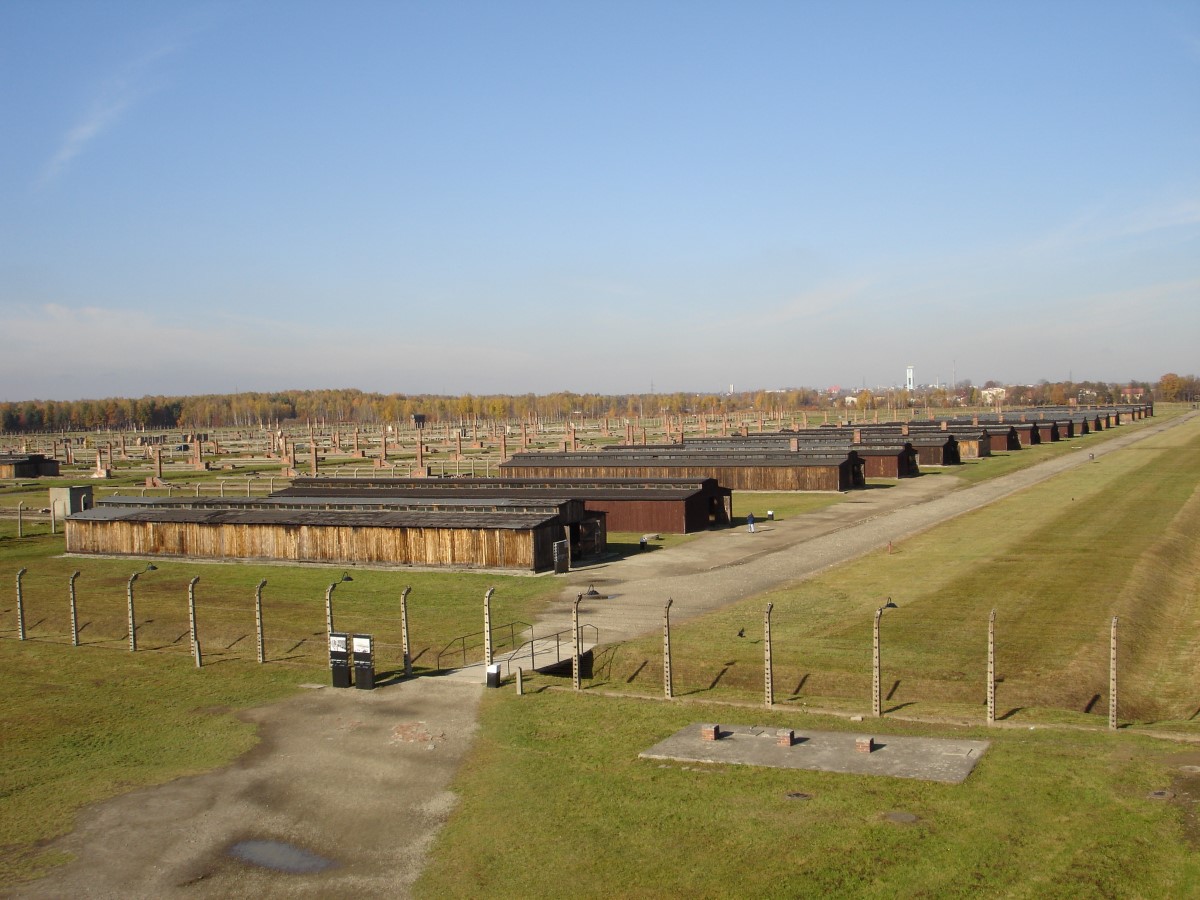
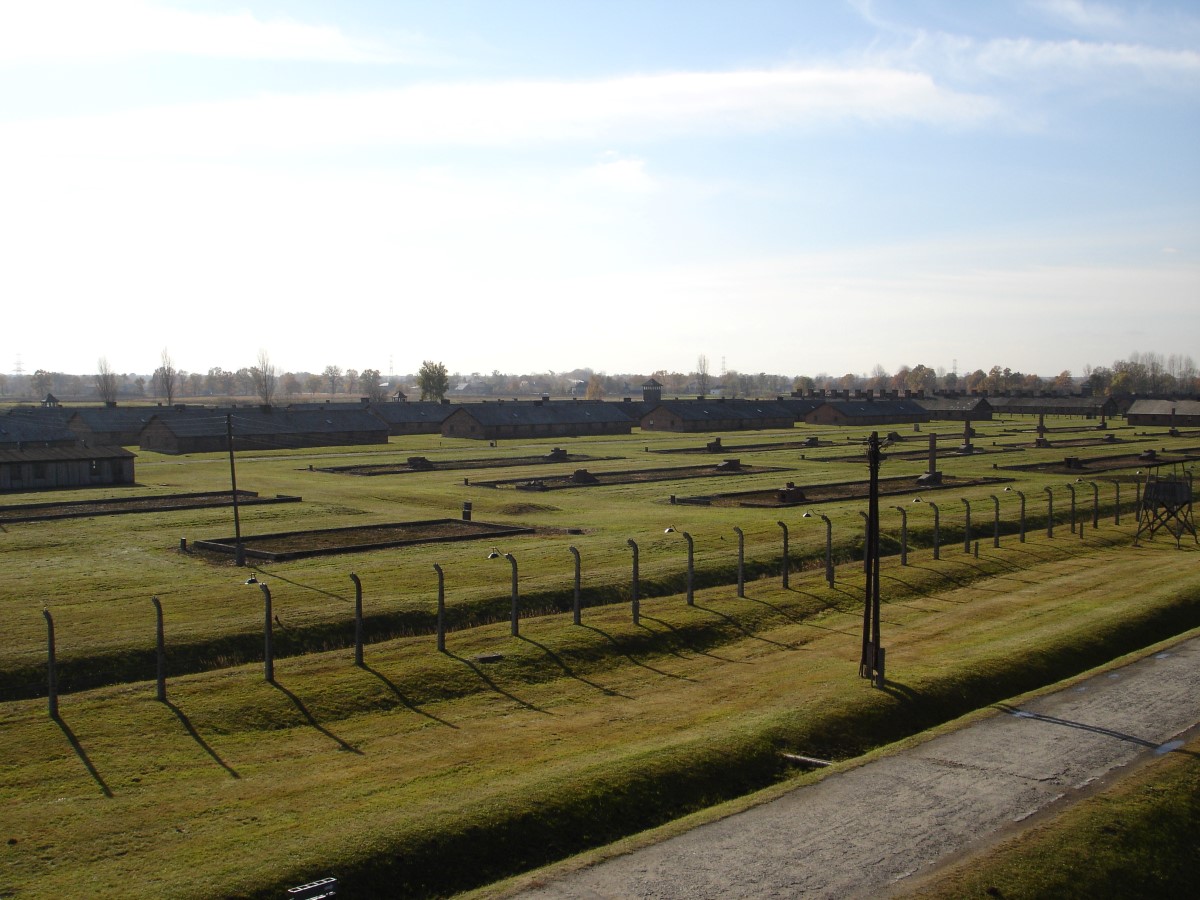
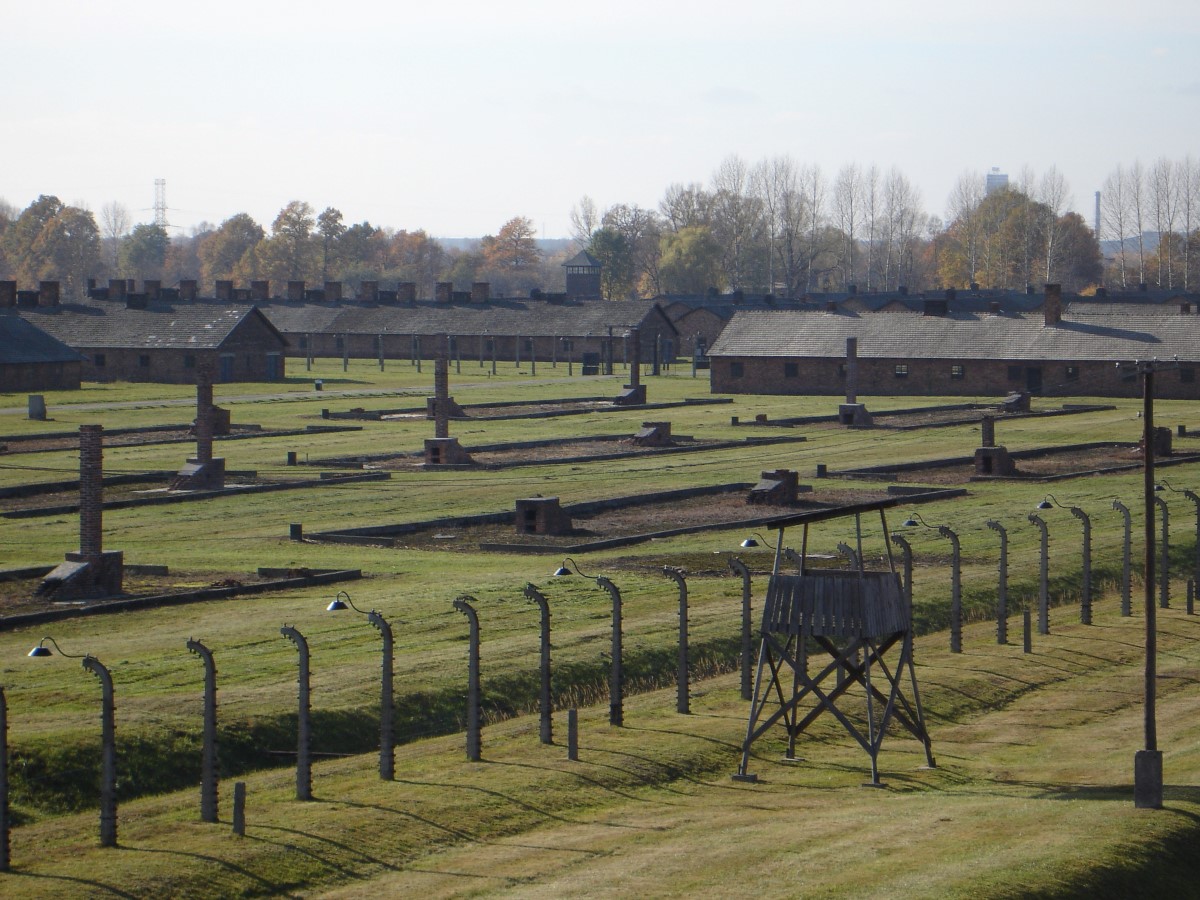
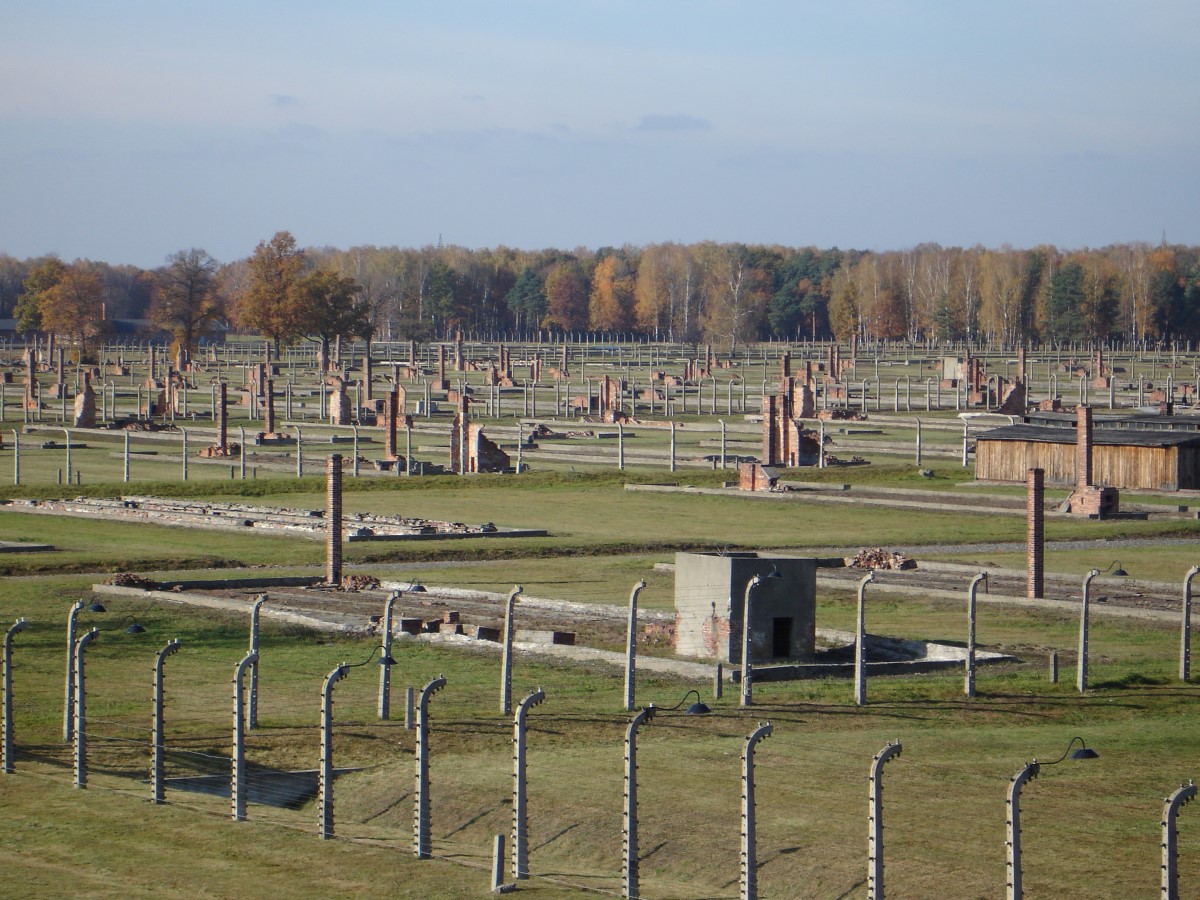
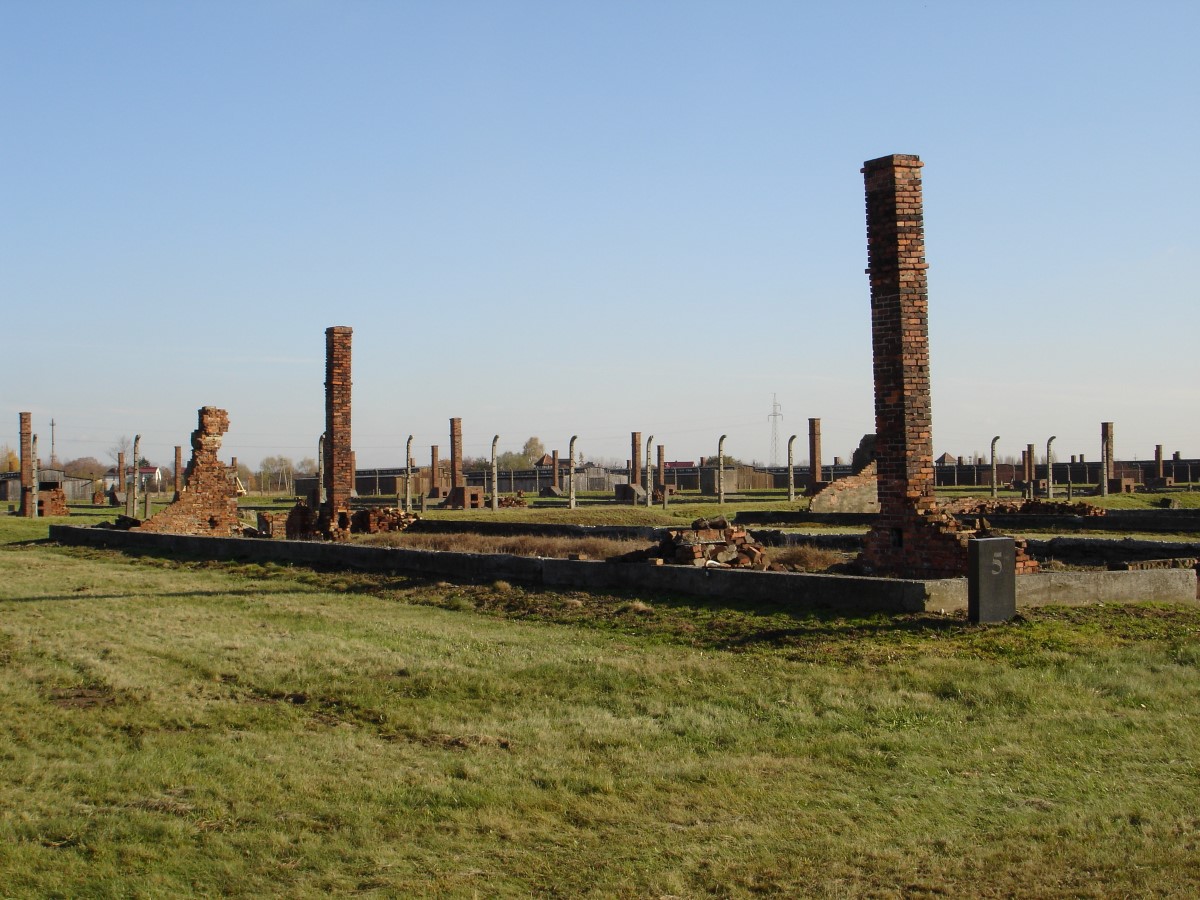
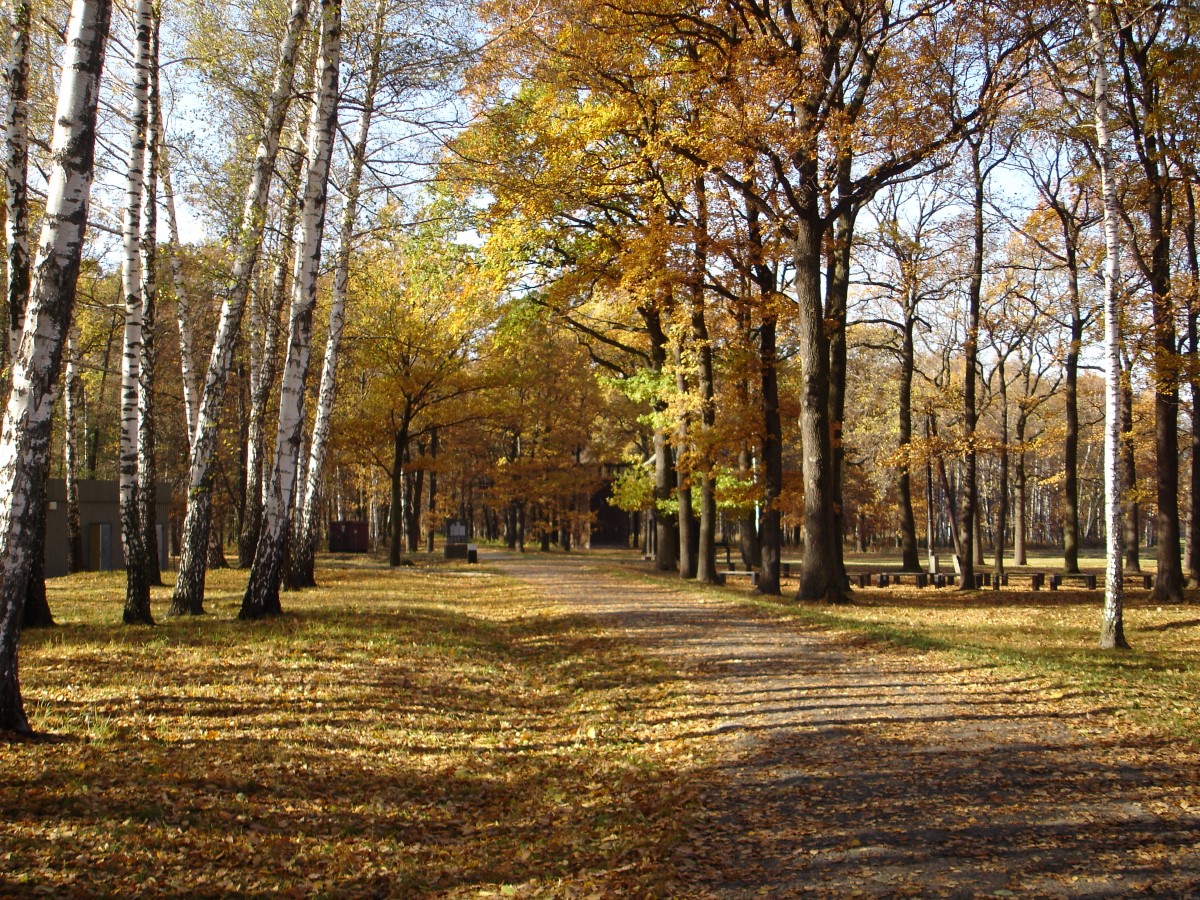
Around the Camp: These are various photos from around the camp.  Several were taken from atop the guard tower at camp entrance (Death Gate).

Daily Life at Auschwitz-Birkenau

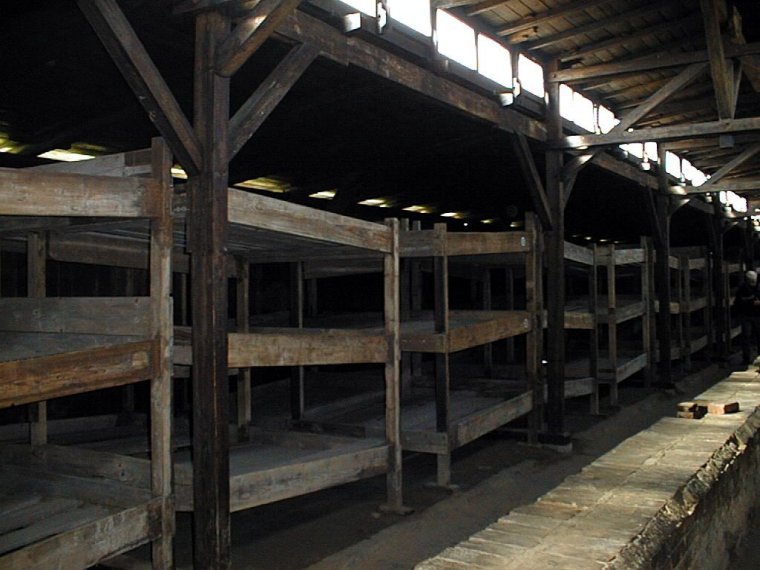
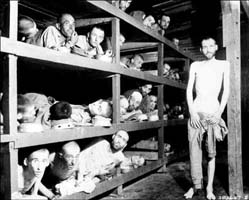
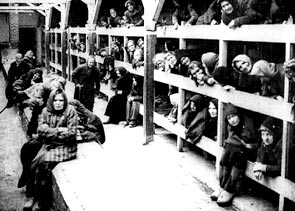
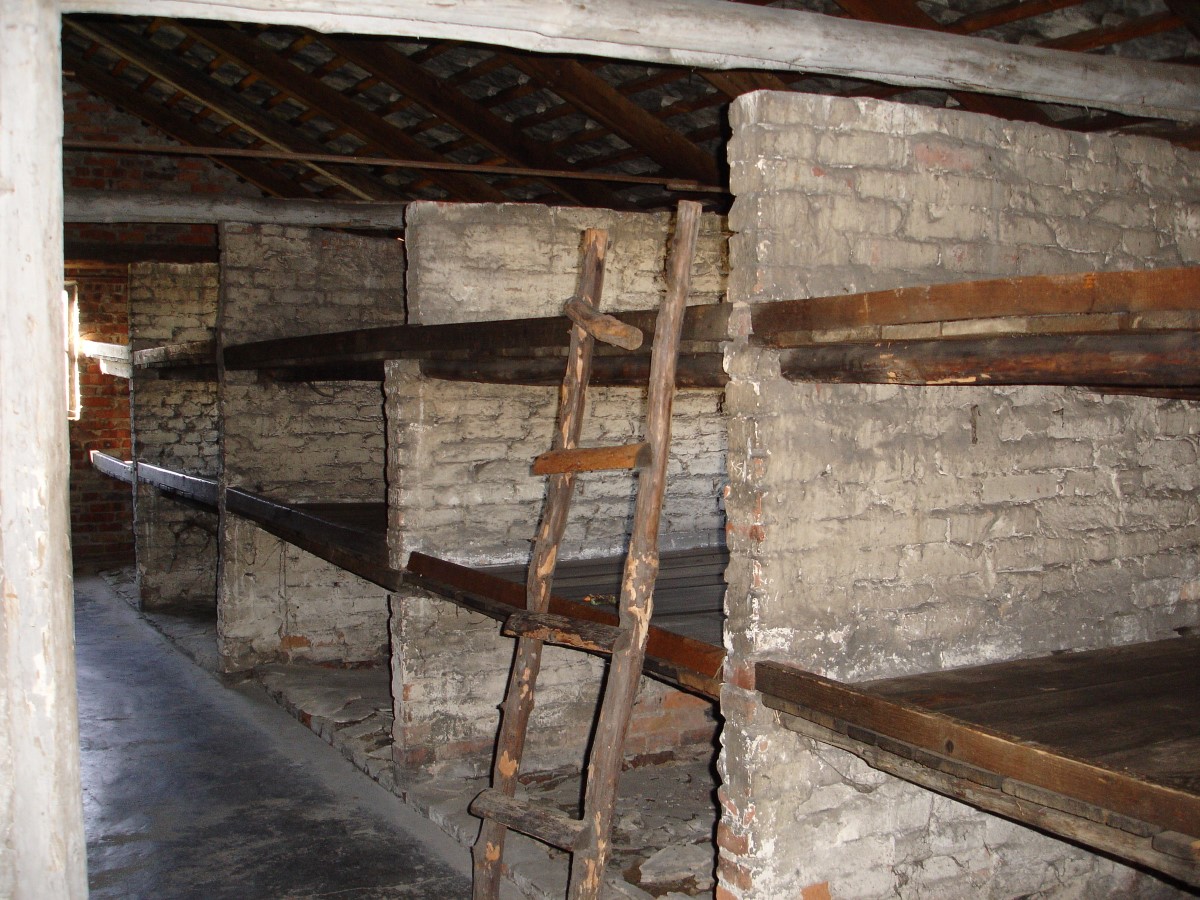
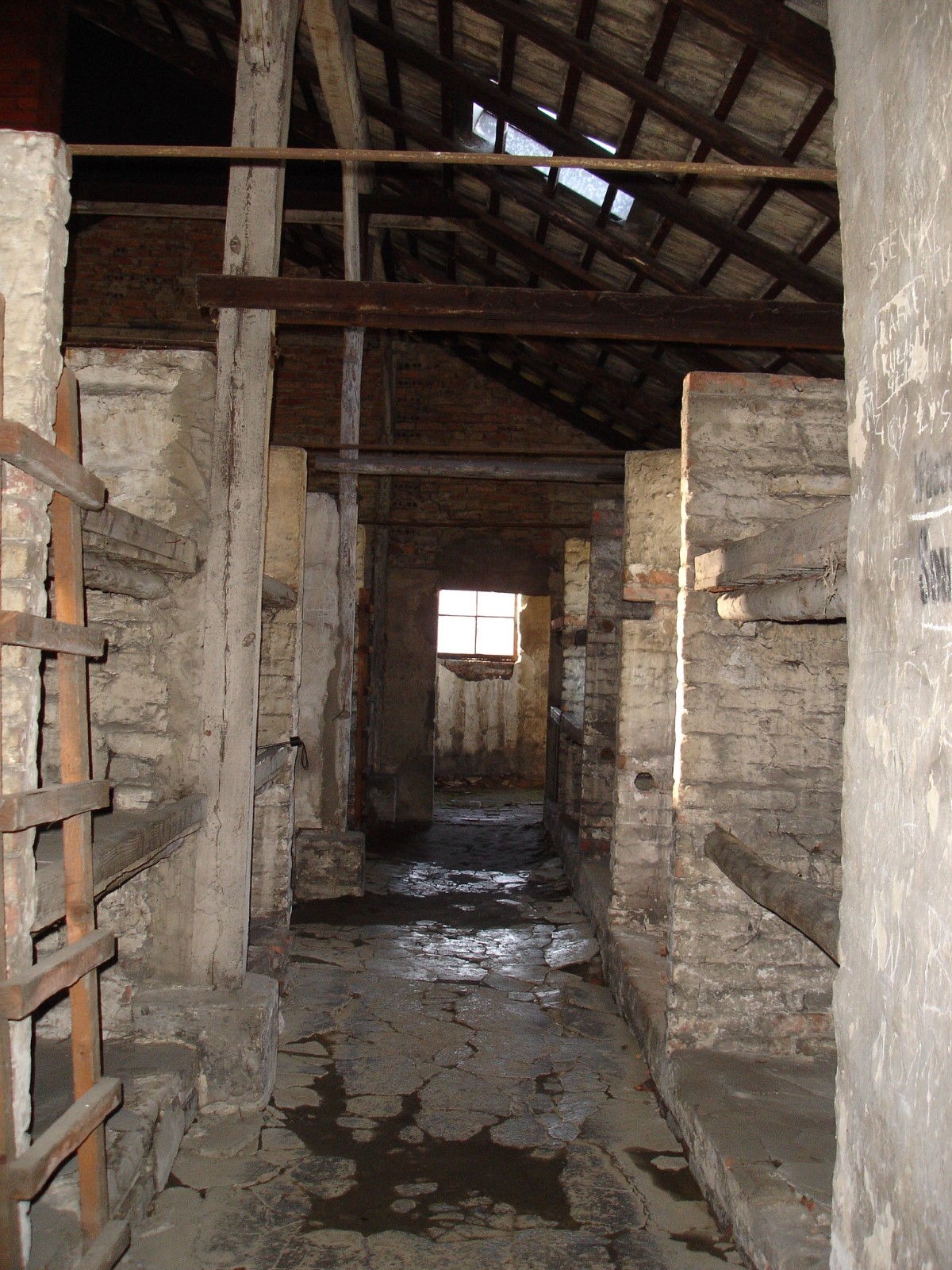
About 1,200 prisoners lived in each barrack at Auschwitz-Birkenau. Due to the overcrowded conditions, prisoners often slept on bare floorboards, without sheets or blankets. It was almost impossible to maintain hygiene because of a lack of sanitary facilities, soap, towels, toothbrushes or toilet paper.

Mornings began with roll call (appell), during which the Nazis counted thousands of prisoners. Prisoners had to stand completely motionless and quiet for hours, even in extreme cold and heat, without proper clothing. Those who did not comply, or who stumbled and fell, were shot. 

Ruth Eliaz remembers:

“The daily routine would begin early in the morning…we would wake up and immediately go to the appell…We had to stand still as we were counted by the SS…we would have to wait until they counted all the sick ones and all those who were healthy...We had to stand with minimal clothing in the cold winter days when it was snowing and raining until they had a full count. This would often take place for hours.”

After the initial roll call, prisoners at Auschwitz-Birkenau received a half-liter of coffee or tea substance. Afterwards, they had to march to their places of work, and endure long hours of backbreaking labor. A workday was usually twelve hours long, with no rest. Anyone who rested, or even paused briefly, was often brutally punished. After work, prisoners returned to the camp and stood for block inspection and evening roll call.

DSC09345.JPG (50933 bytes) DSC09347.JPG (44496 bytes) DSC09348.JPG (56206 bytes) DSC09350.JPG (61249 bytes) DSC09393.JPG (50743 bytes) DSC09392.JPG (82774 bytes) DSC09376.JPG (119939 bytes)


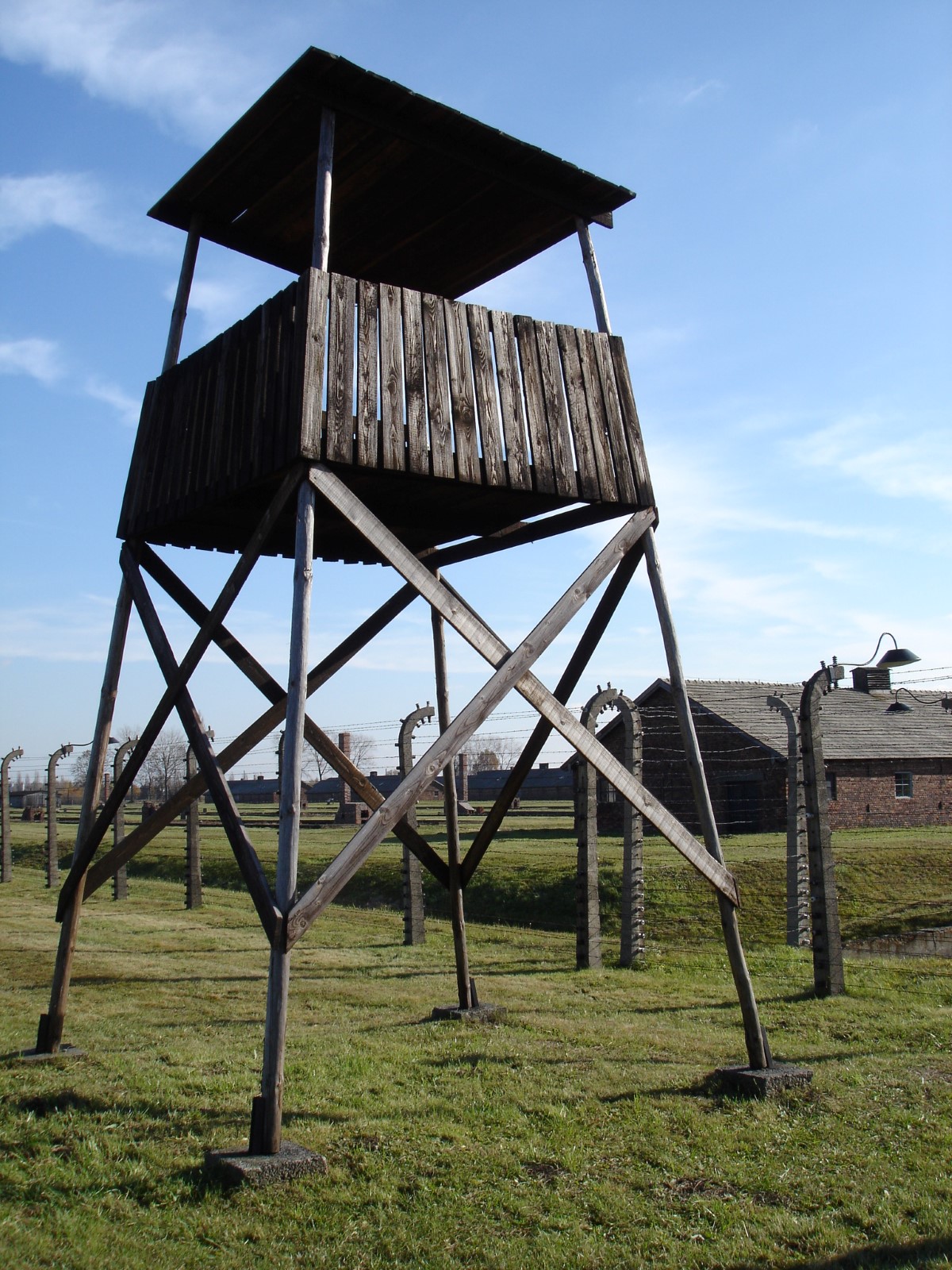
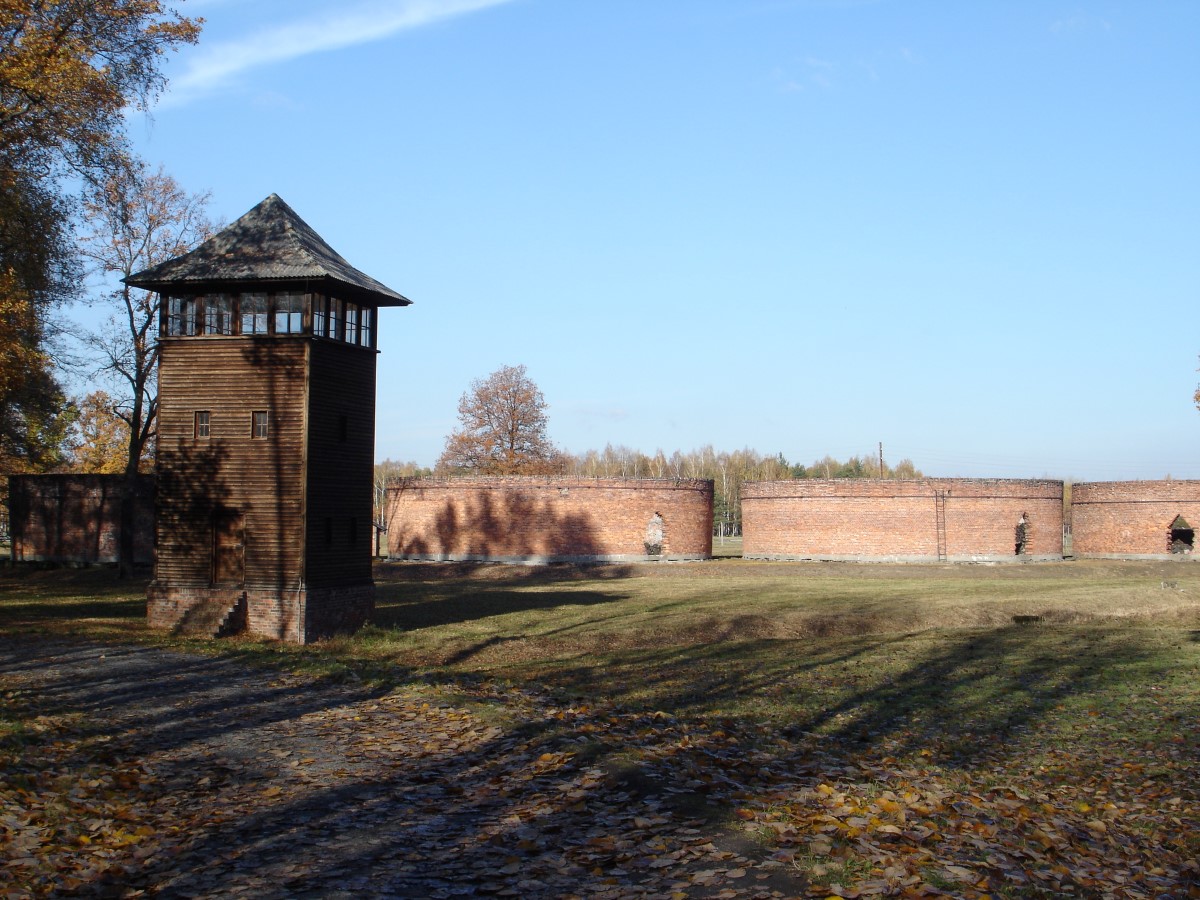
Guard Tower: One of several guard towers located throughout the camp.
DSC09355.JPG (38425 bytes)

SS Administration Building: Notice the cross on the top of the building.  This is now a Catholic Church.
DSC09392.JPG (82774 bytes)

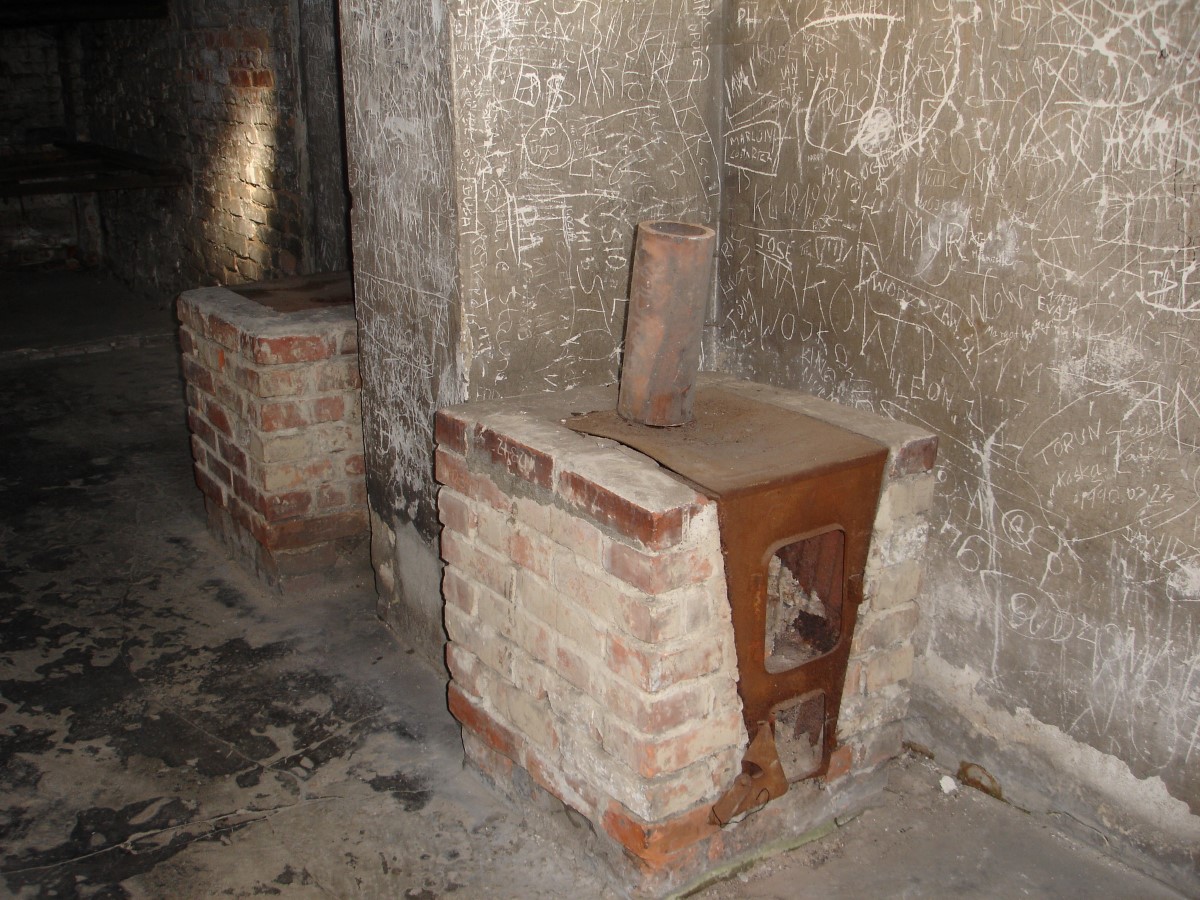
Wooden Barracks: It's interesting to note that according to regulations, any housing built for people had to include some sort of heating system. What you see in the middle is a stone flu that connects to a small fire pit at one end and a chimney at the other end. The justification was that the "heat" from the smoke going through the chimney would provide heat for the people inside, therefore the building was within regulations.

At its height the camp held over 100,000 people. At its height the camp was also murdering 10,000 people a day. These barracks were adopted from the design of German field stables for cavalry horses. Rather than house some 50 horses it was meant to house over 700 people each.

DSC09346.JPG (42448 bytes) DSC09349.JPG (45905 bytes) inside.jpg (49762 bytes)  
Auschwitz103%20copy.jpg (34075 bytes) t020dh15.jpg (21450 bytes) libe_auschwitz1.jpg (86048 bytes)

Brick Barracks (Inside): These are the stone barracks from the west side of Birkenau. Women and children were initially kept in these stone barracks. They had a cement floor and people slept on the bottom bunk as well (3 levels).
DSC09359.JPG (64591 bytes) DSC09362.JPG (36034 bytes) DSC09360.JPG (63480 bytes)

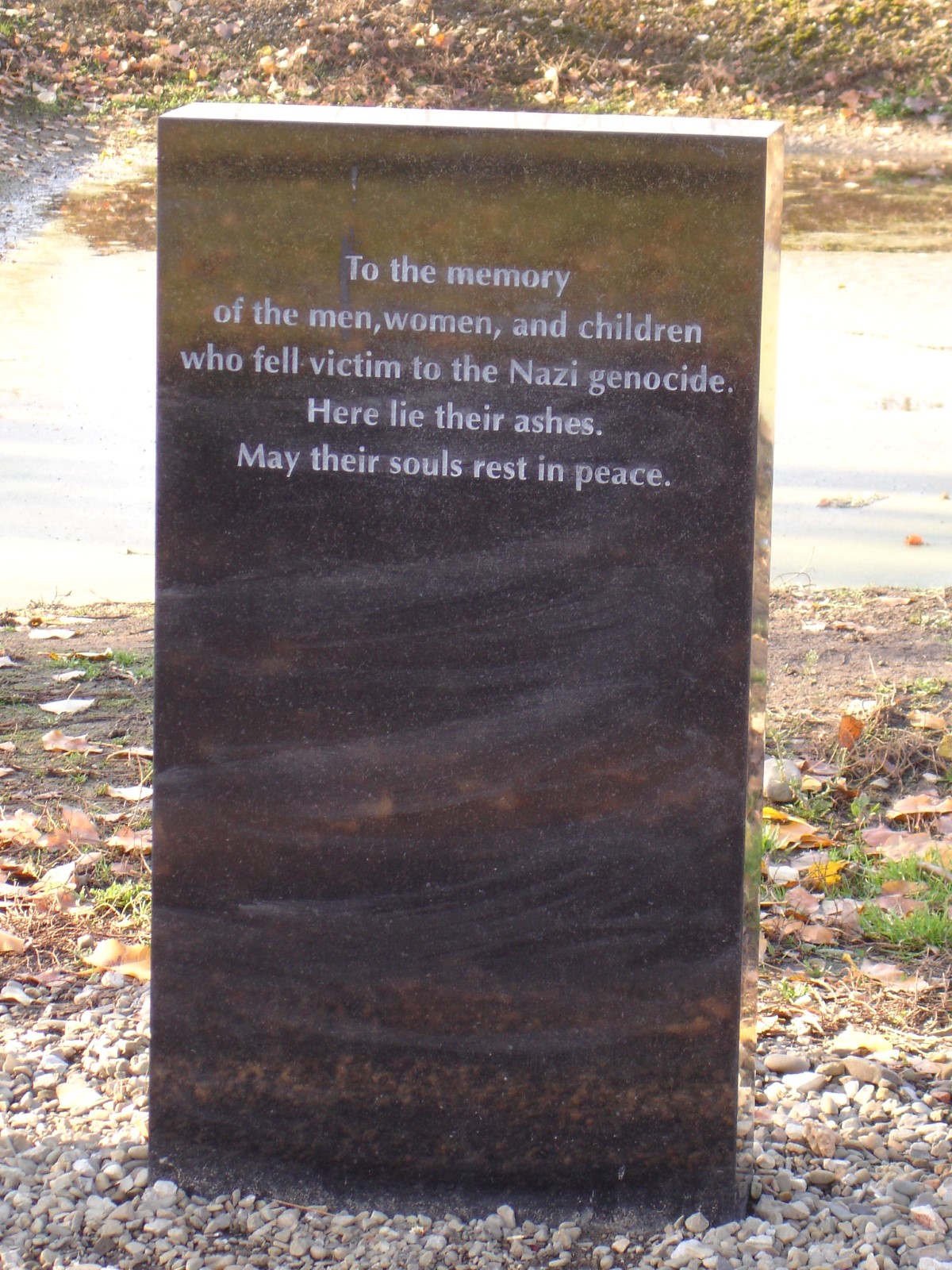
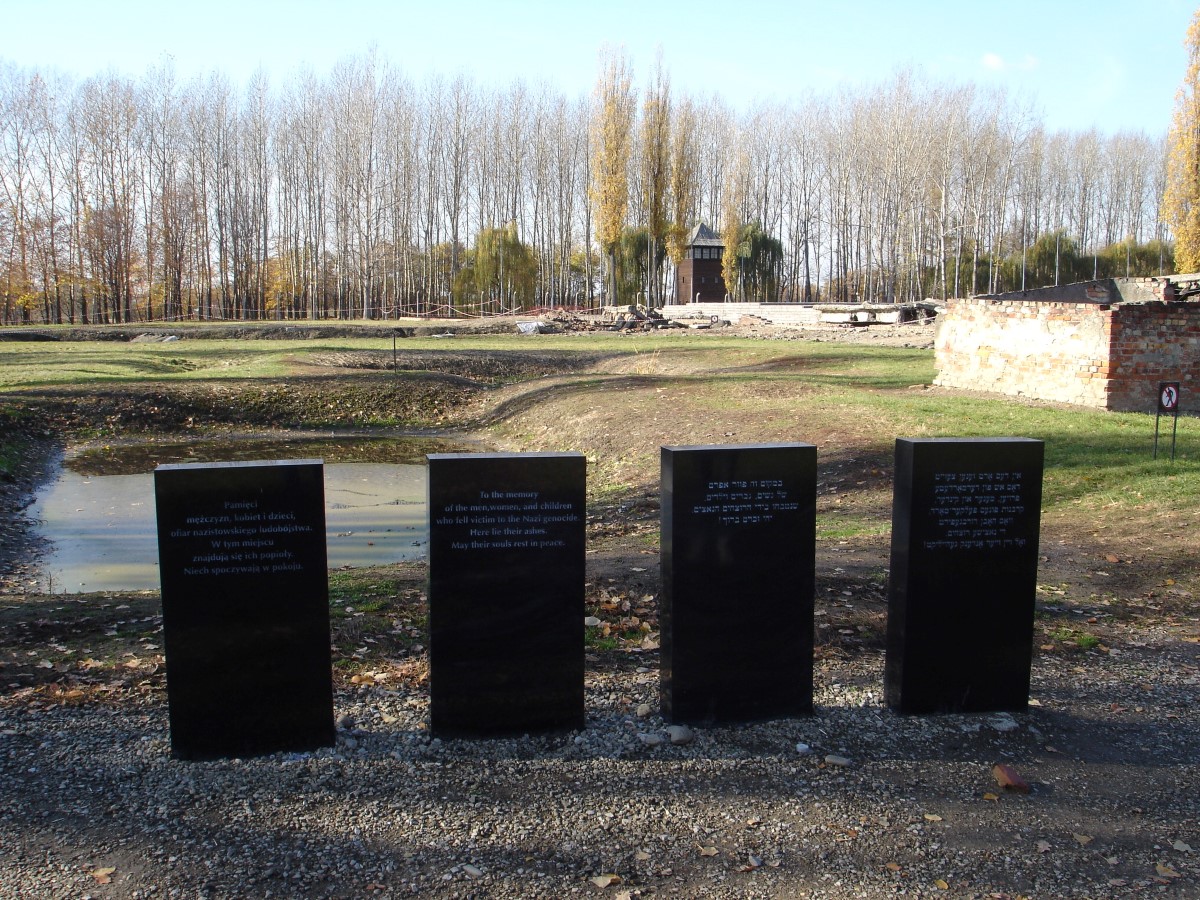
Gas Chamber and Crematorium III: The monument reads 'To the memory of the men, women, and children who fell victim to the Nazi genocide.  Here lie their ashes.  May their souls rest in peace.'  There are 4, all in different languages.

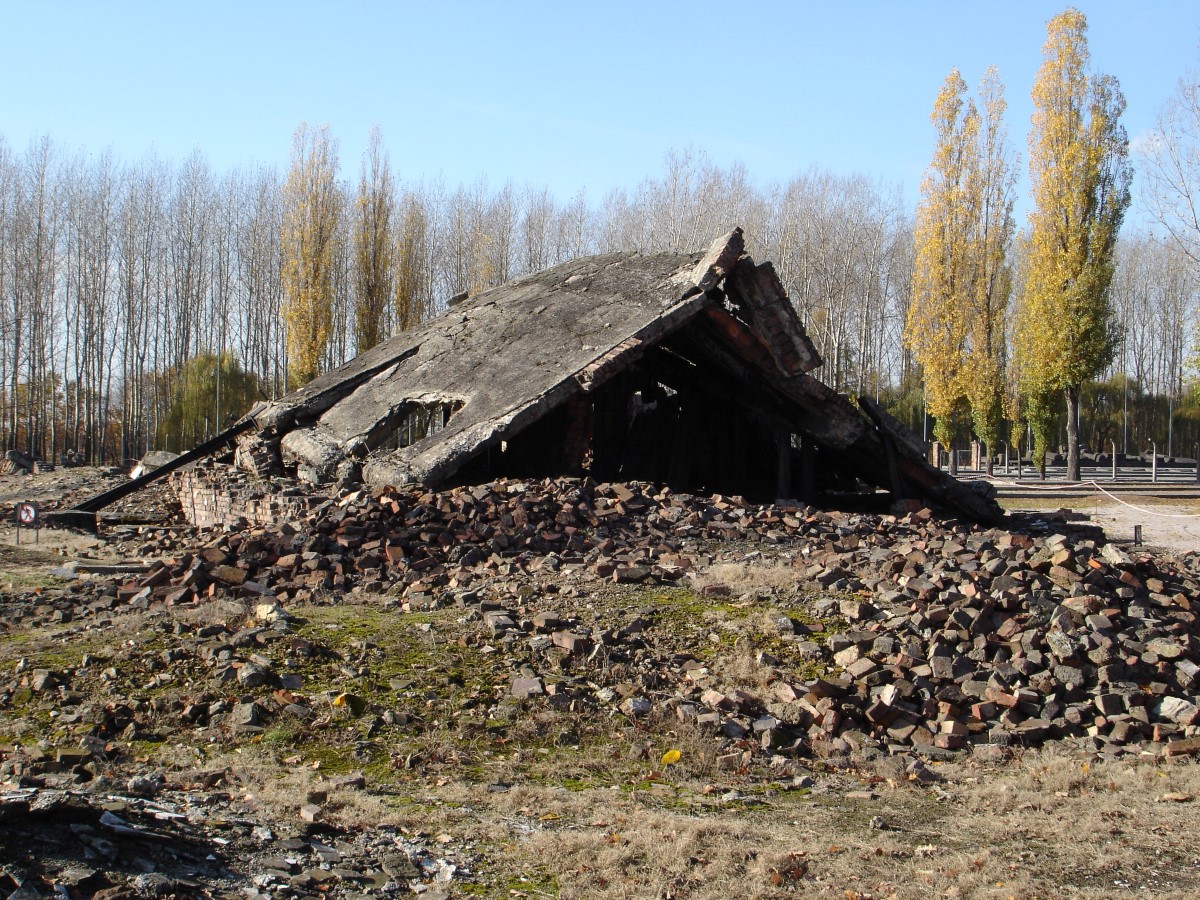
A few days in advance of the Russian army arriving to Auschwitz the SS blew up their gas chambers and took all people that were able to walk on a march towards Germany. The remains of the blown up gas chambers still remain undisturbed.

DSC09367.JPG (39875 bytes) DSC09368.JPG (77780 bytes) DSC09369.JPG (94029 bytes)

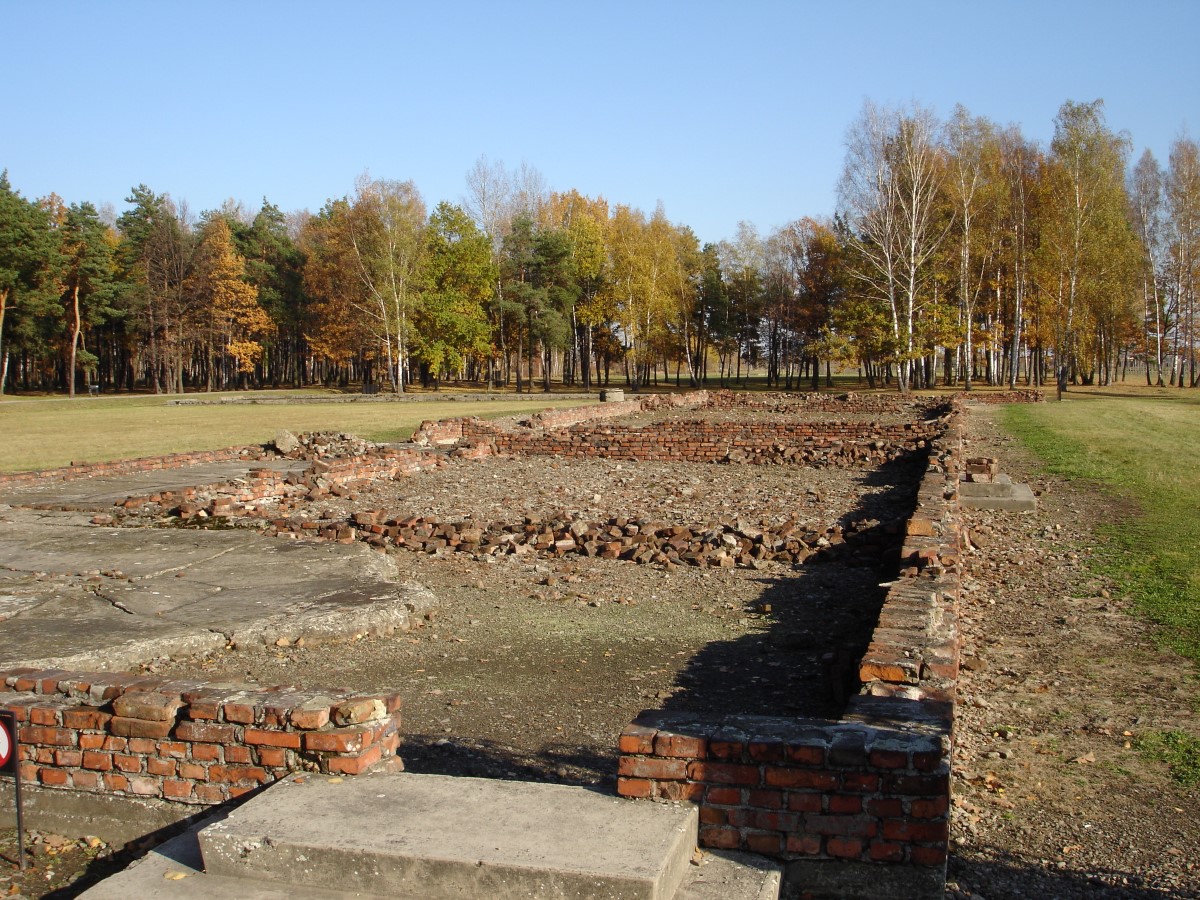
Gas Chamber and Crematorium IV: Gas Chambers and Crematorium IV, where thousands of Jewish men, women, and children were murdered by gas and their bodies burned.  The crematorium was also used for the disposal of the bodies of prisoners of the concentration camp, both Jews and non-Jews, who had died from other causes.  The Gas Chambers and Crematorium IV operated intermittently from March 1943 to October 7, 1944.  On that day Jewish prisoners of the Sonder-kommando revolted, set fire to the building, and destroyed it.

The photo on the plaque was taken by the SS in 1943.

DSC09390.JPG (78774 bytes) DSC09391.JPG (40398 bytes)

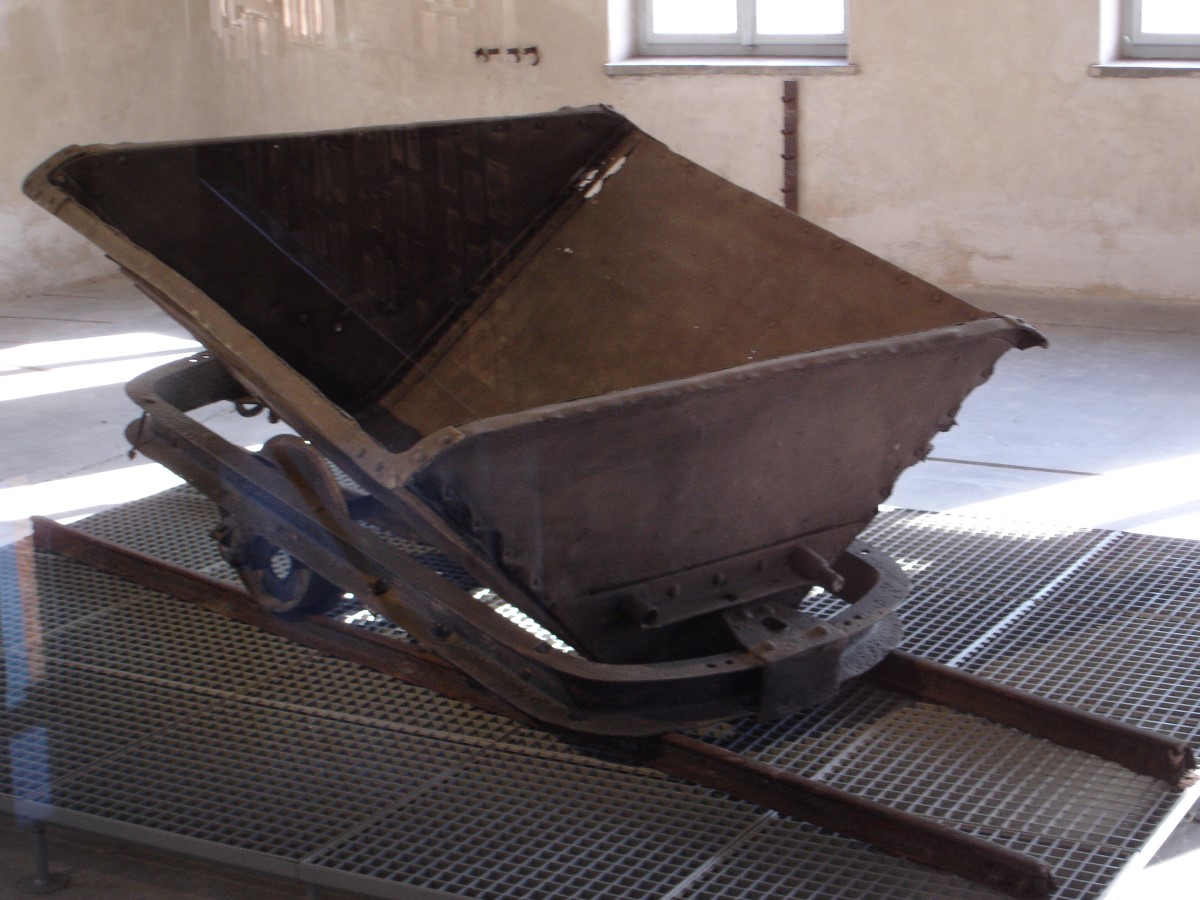
Body Trolley: The ashes of the people who had been murdered in the camp were dumped in ponds and rivers, and strewn on fields, as fertilizer.  This cart was recovered from a pond near Crematorium IV.  The pond was one of the many places in Birkenau with the ashes of people who had been murdered and whose bodies had been burned.

DSC09384.JPG (46296 bytes)

sonder.jpg (16417 bytes) h9.jpg (44456 bytes)


Toilets: Some of the brick barracks were used as toilets.  Below you see some of them.  Prisoners were lined up and given only 10 seconds to use the toilets.  Toilets had no drainage and were cleaned by hand by the prisioners.
DSC09363.JPG (24702 bytes) DSC09365.JPG (24613 bytes) DSC09366.JPG (25092 bytes)

Sewage Plant: The large sewage plant located at the far end of the camp.
DSC09375.JPG (56317 bytes)

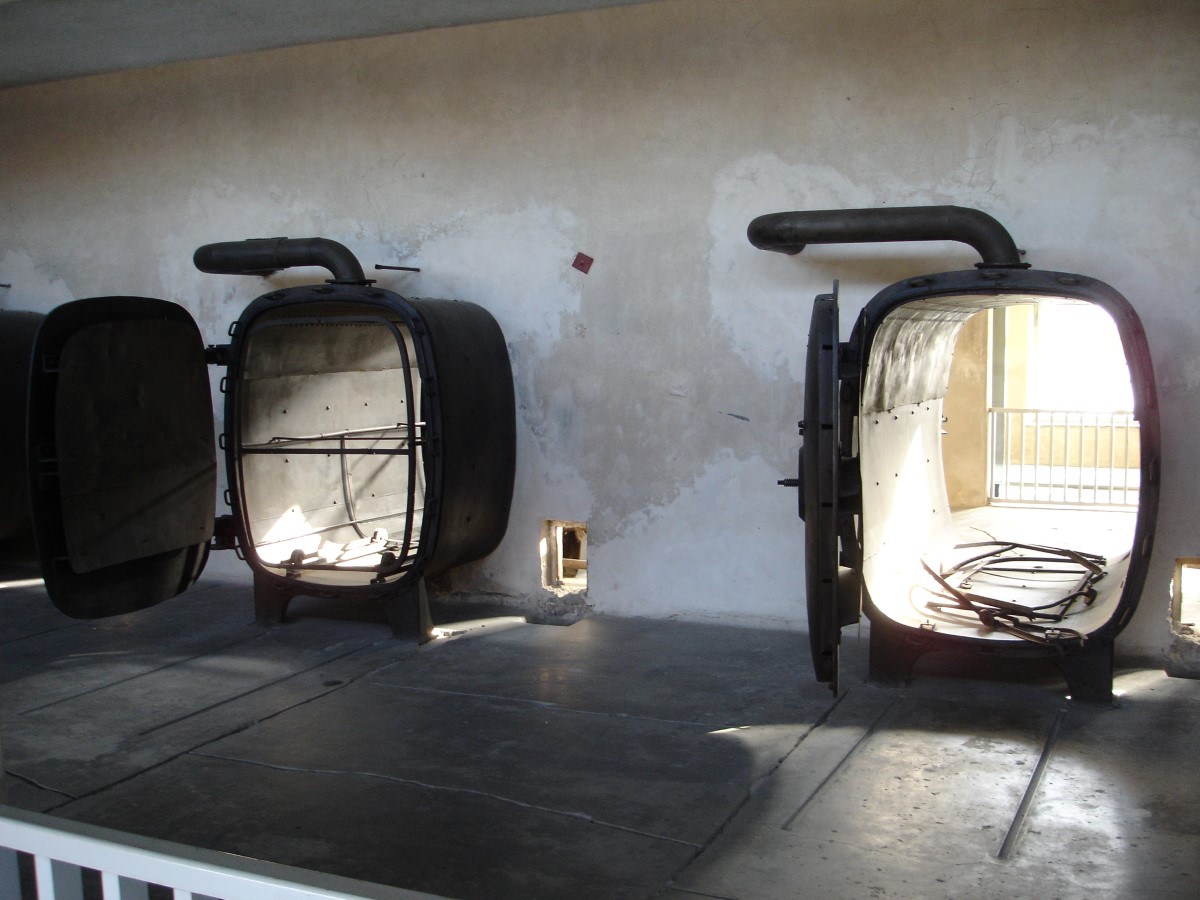
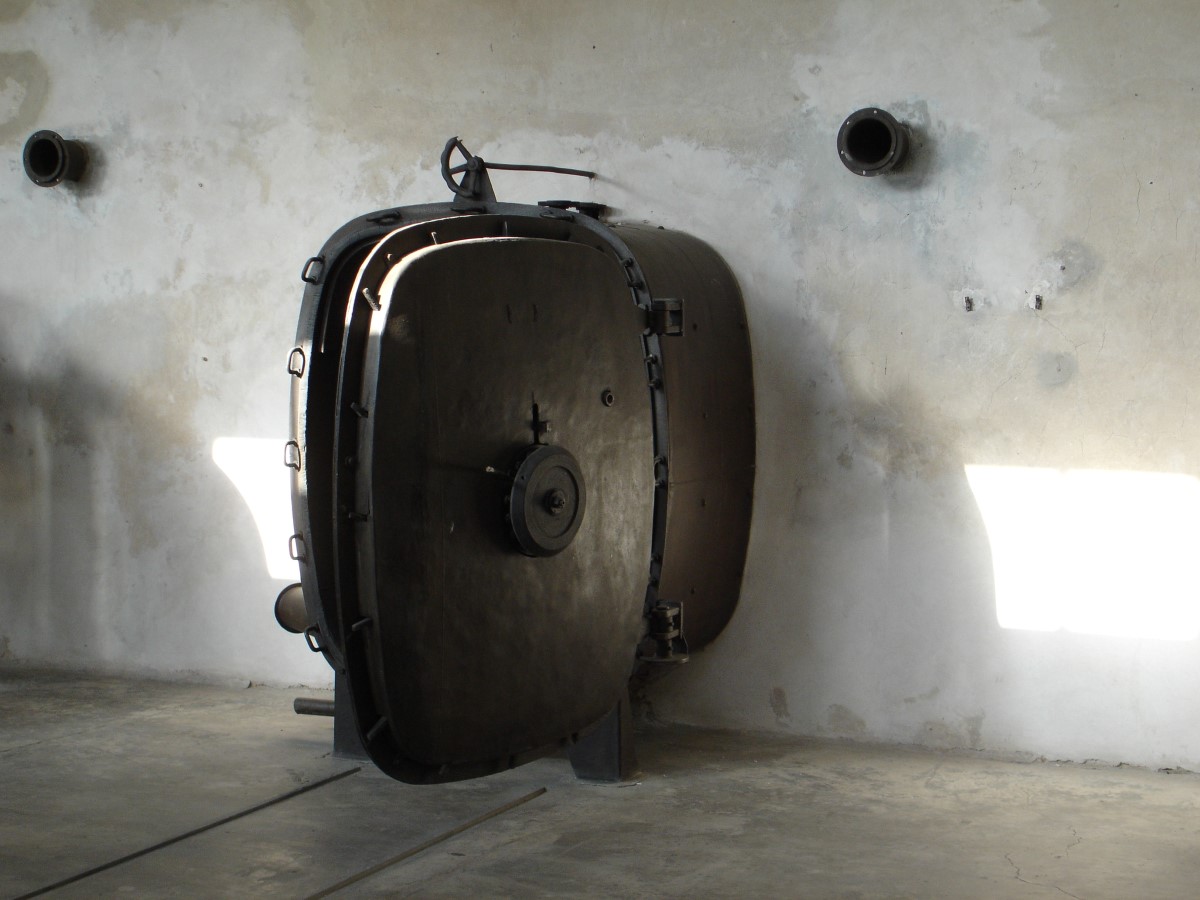
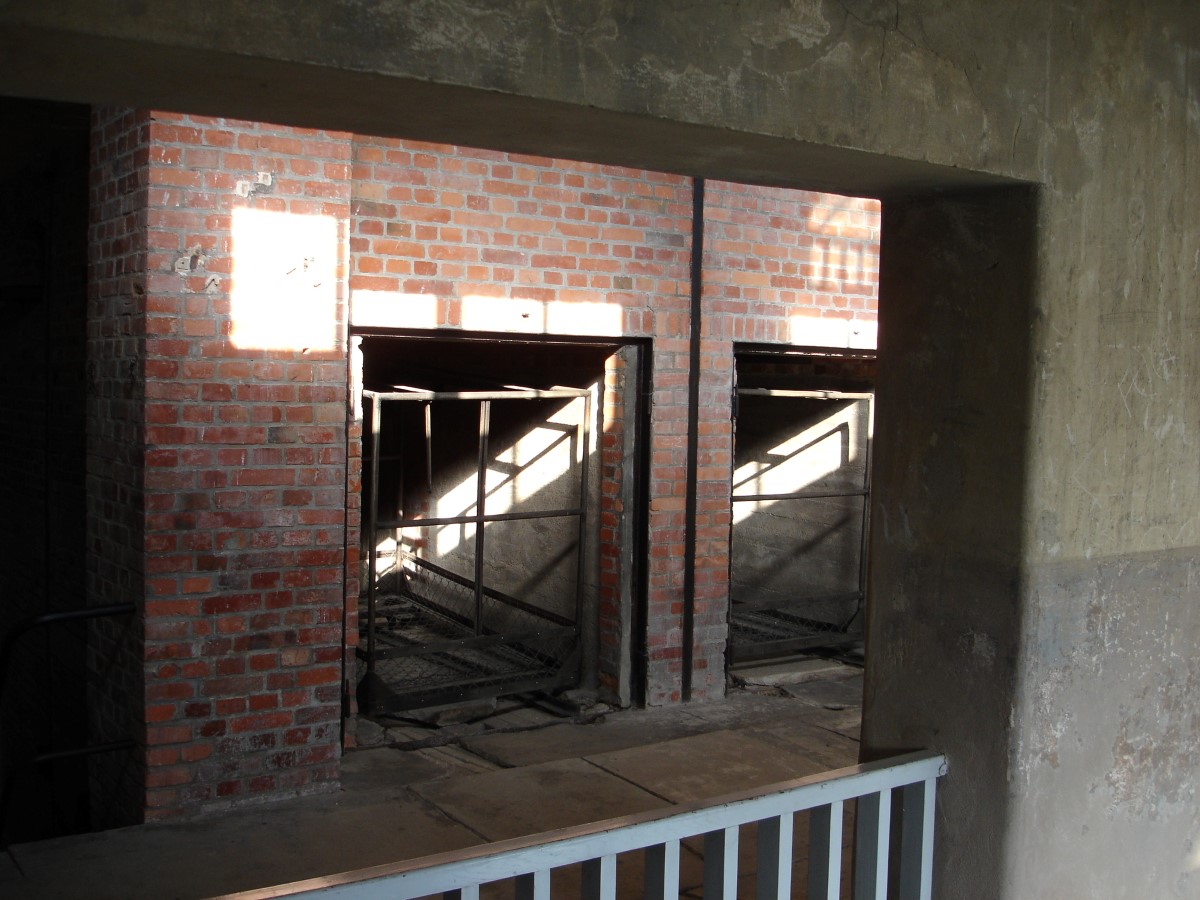
Autoclaves: Prisoners operated the equipment in which clothing was disinfected by means of steam.

DSC09378.JPG (40483 bytes) DSC09379.JPG (32256 bytes) DSC09380.JPG (46284 bytes)

<<< Previous Page     Next Page  >>>