 Germany: Nuremberg
Germany: Nuremberg
|
||||
|
||||
|
|
||||
|
Situated on the river Pegnitz, Nuremberg is not only a paradise for lovers of its famous gingerbread and sausages but is also the symbol of Germany's history. The earliest records of the town, the second largest in Bavaria, date from 1050 when it was a trading settlement. From 1219 Nuremberg, a free town of the Holy Roman Empire, was an important centre of craft and commerce. In 1945-1949, the town was the scene of the trials for war crimes of Nazi leaders. The trip was to visit the Christmas markets in Germany. We flew to Nuremberg and stayed one night. We then took the train to Rothenberg ob der Tauber for another night. After Rothenberg, we took the train to Munich for two nights. Our hotel was located about a 10 minute walk from the train. It was in a nice location, one street over from the red light district. The rooms were fine and we would stay here again.
|
||||
|
|
||||
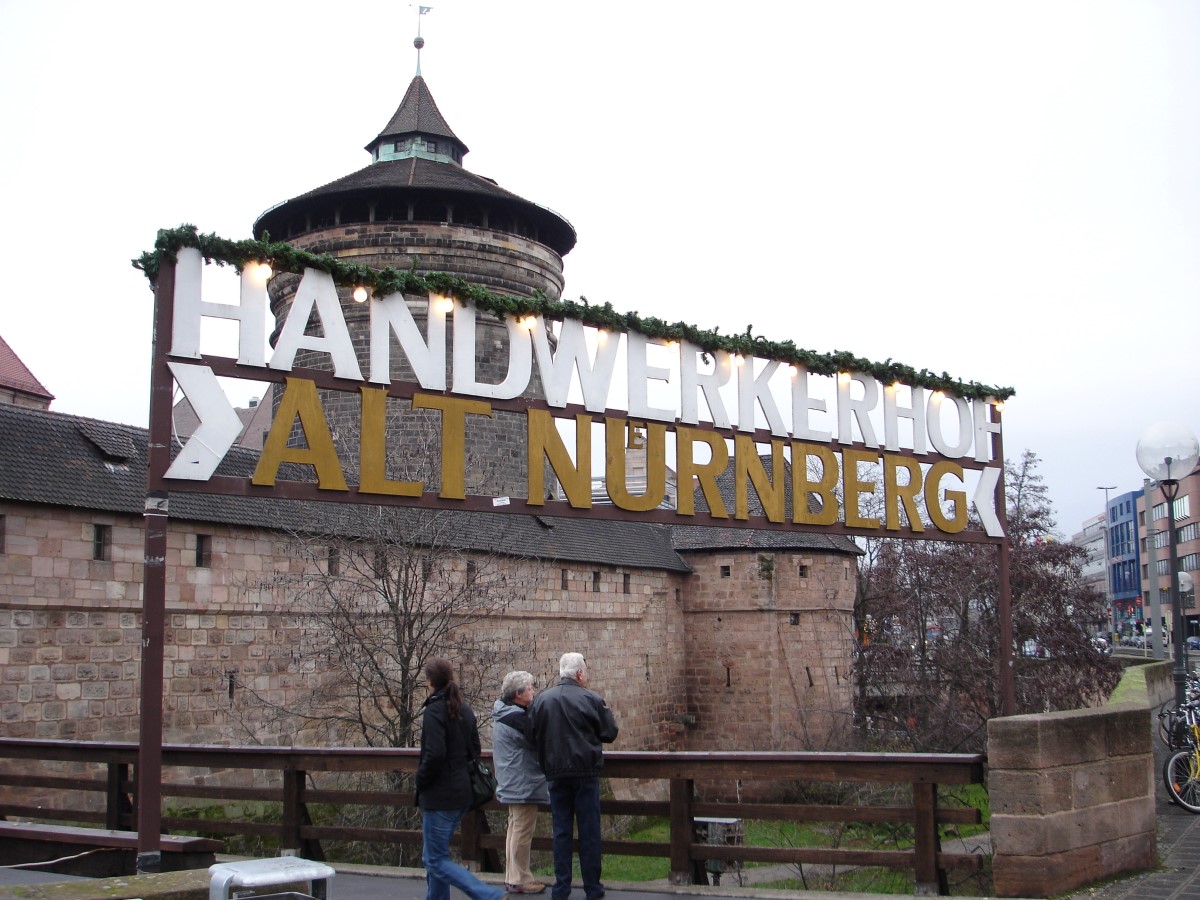
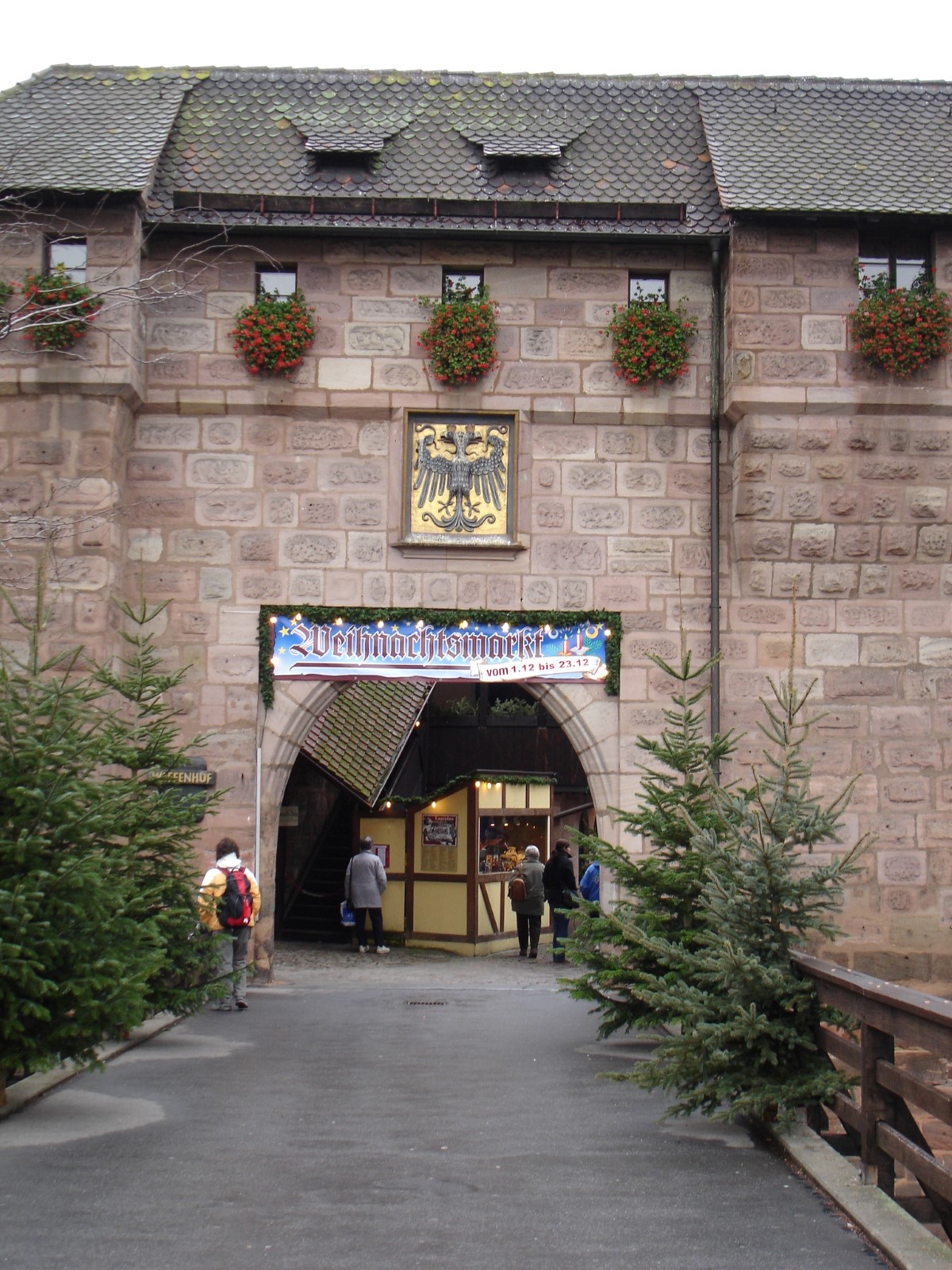
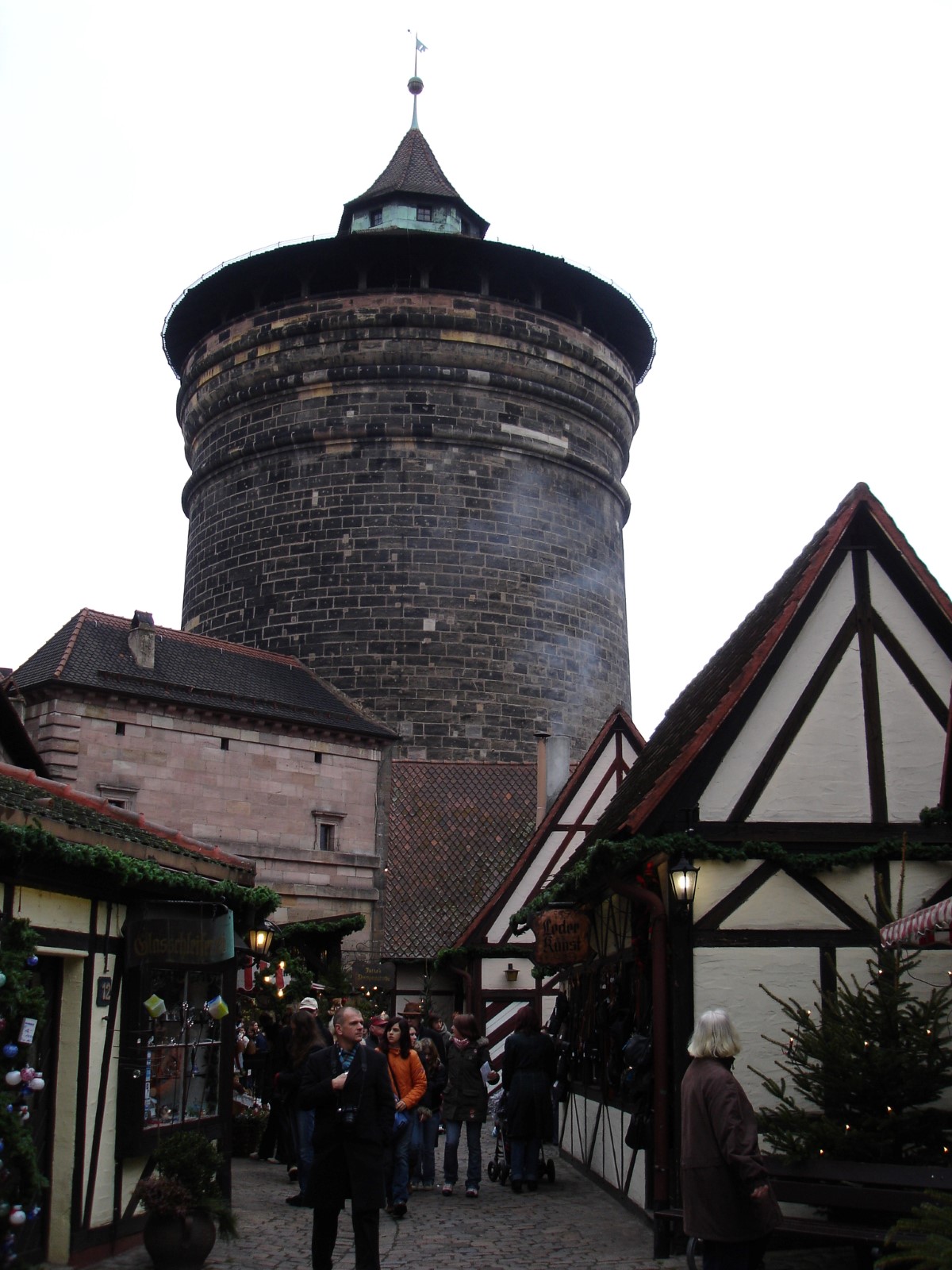
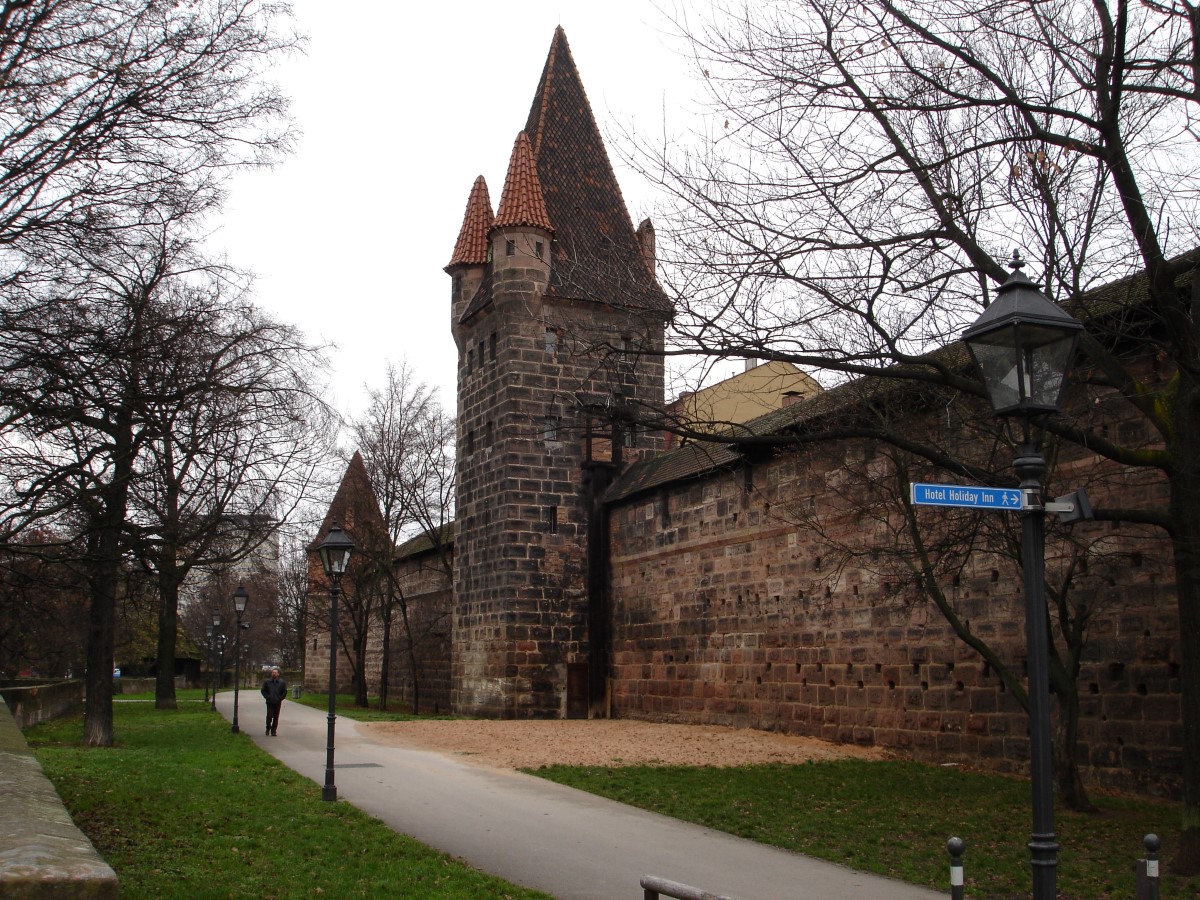
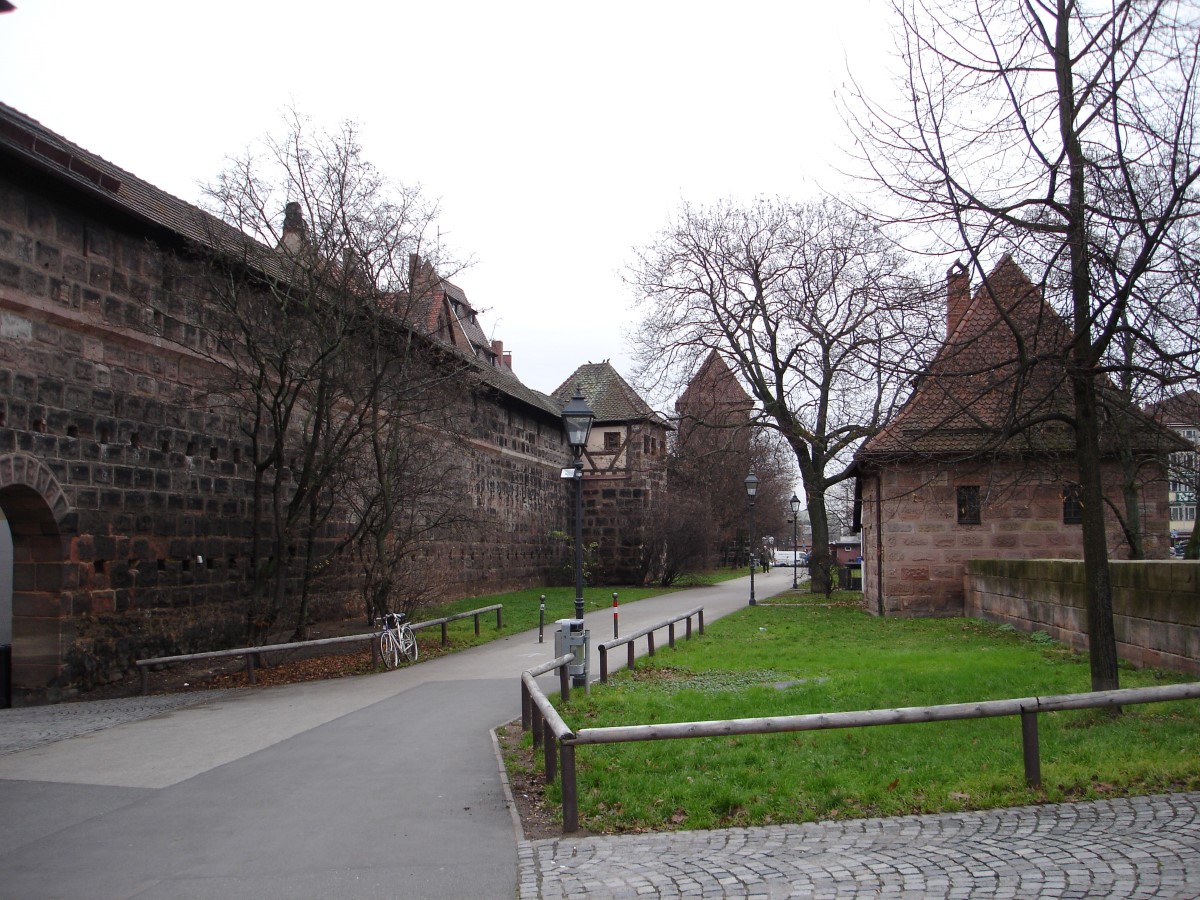
| City Walls: The city is encircled by the old medieval walls. This particular area is located directly across the street from the train station where we arrived. Walking through the walls, we entered the old city where our hotel was located and the Chriskindlesmarkt market. | ||||
|
||||
|
|
||||
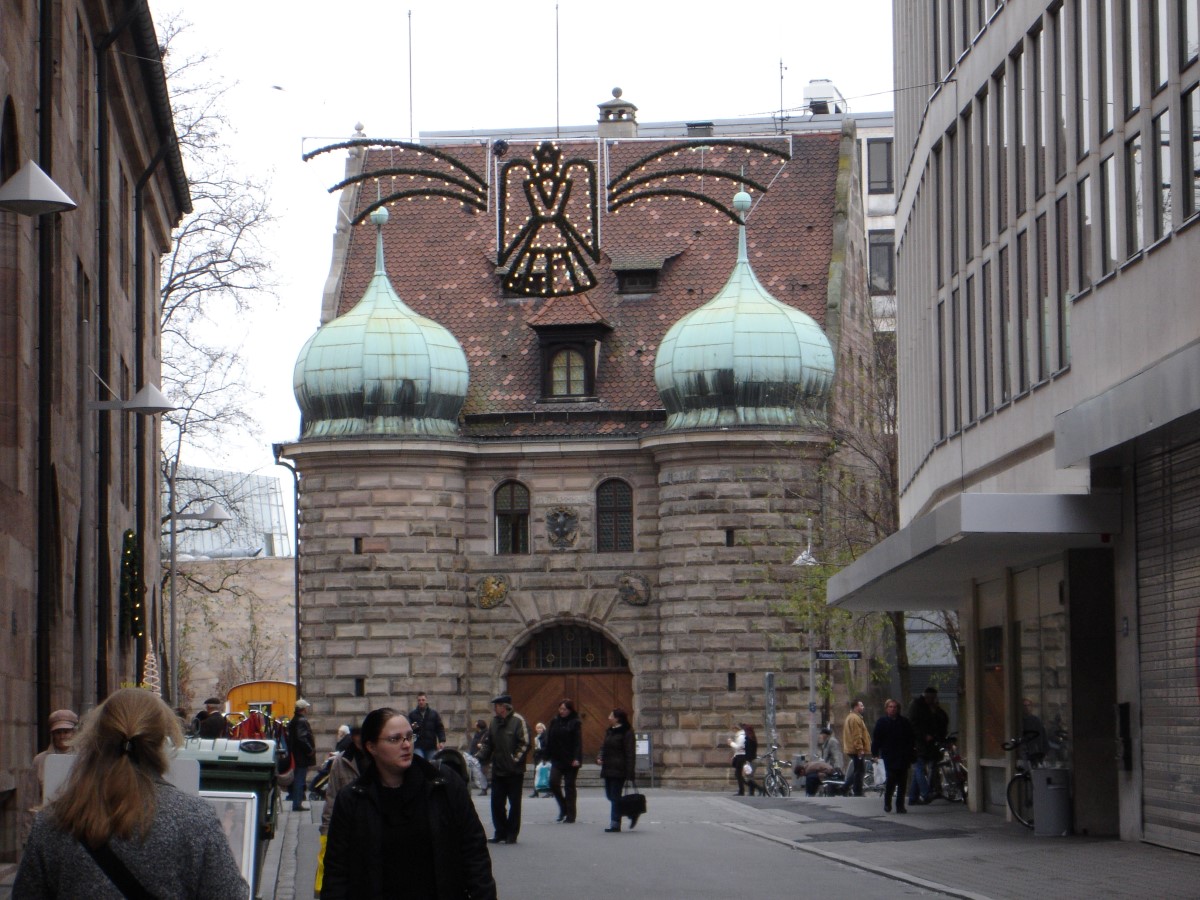
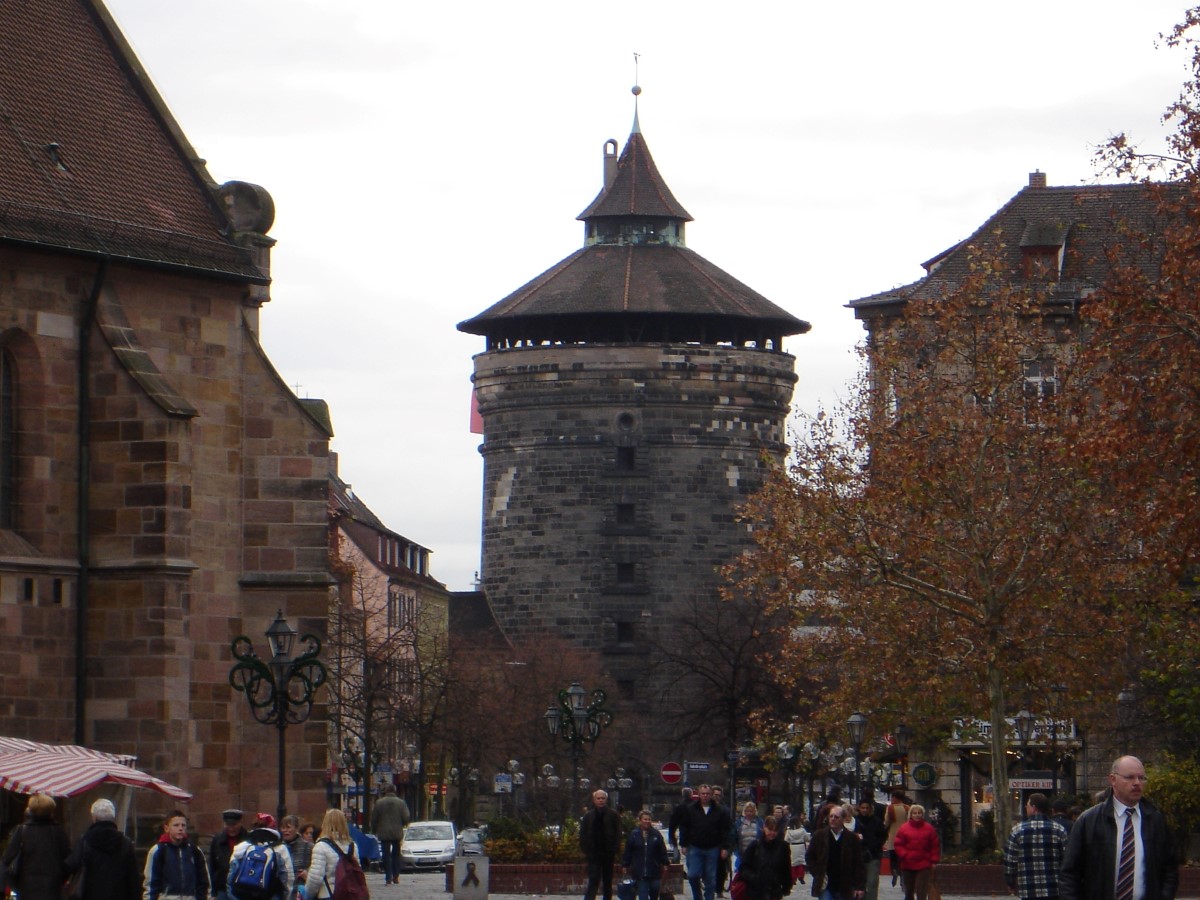
| City Walls and Gates: More photos of some of the city walls and gates to the city. | ||||
|
||||
|
|
||||
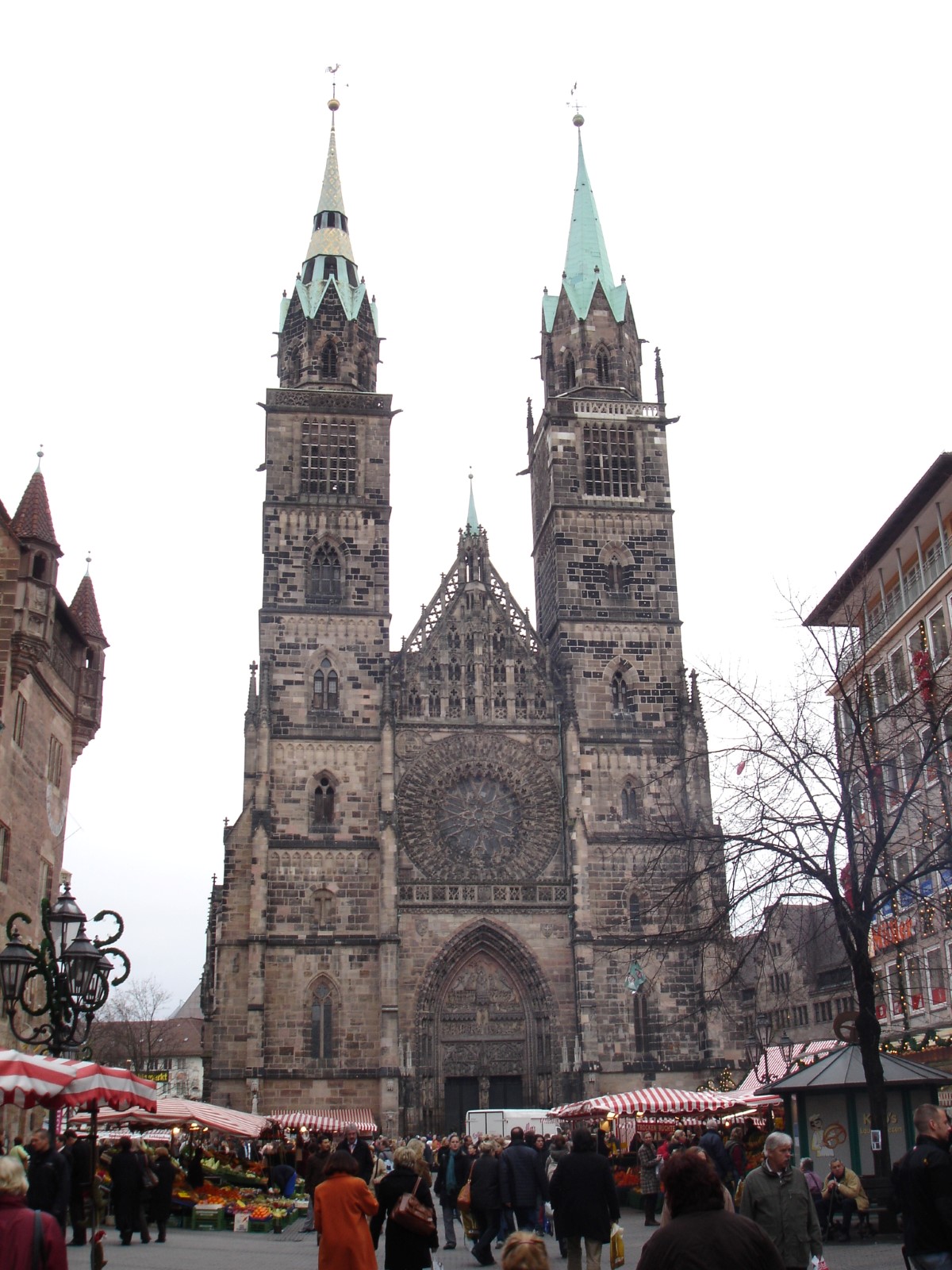
| St. Lorenz Kirche: The most important building in the city is the Gothic church of St. Lorenz, whose basilica-style main body was built around 1270-1350. | ||||
|
||||
|
|
||||
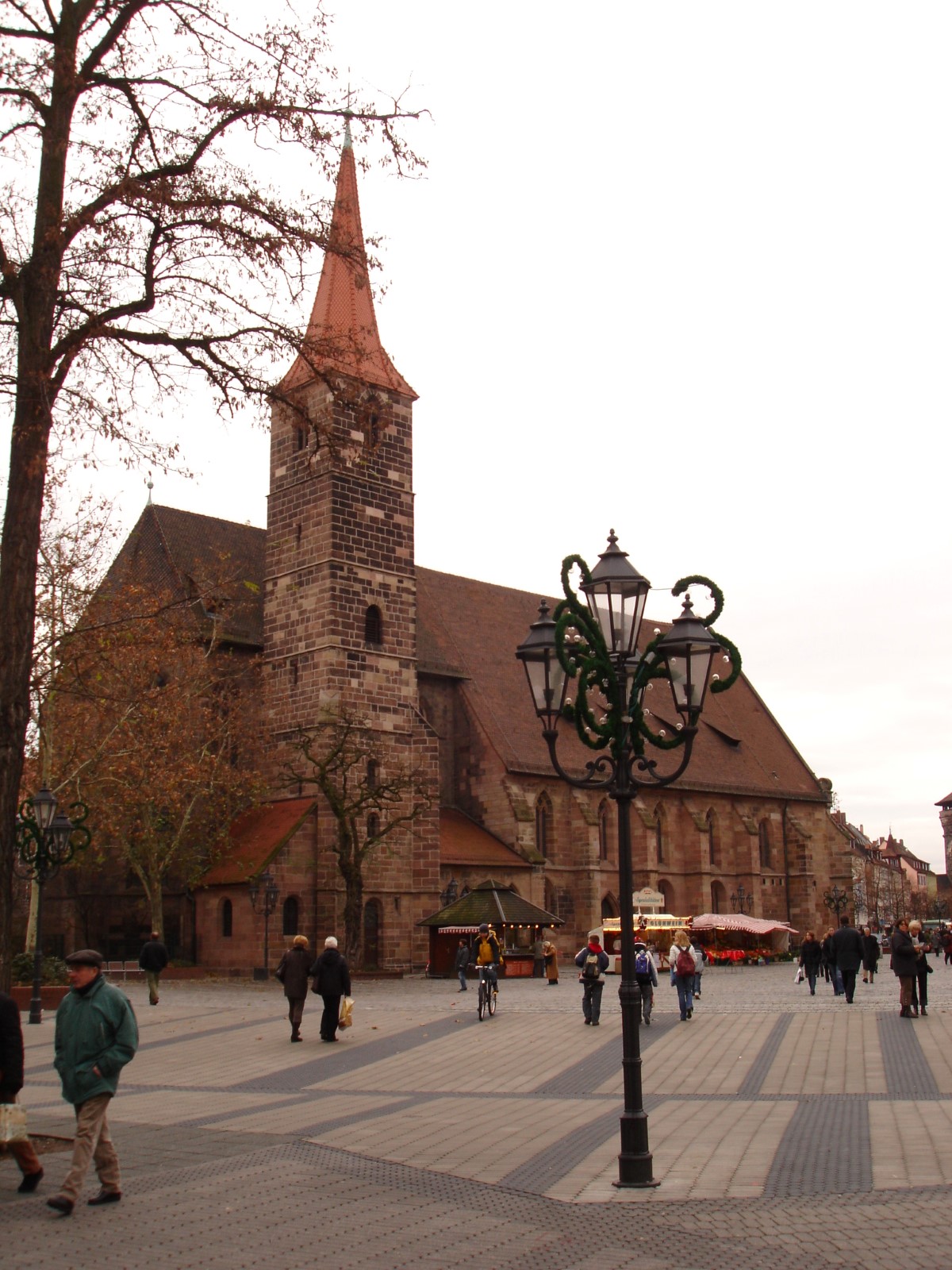
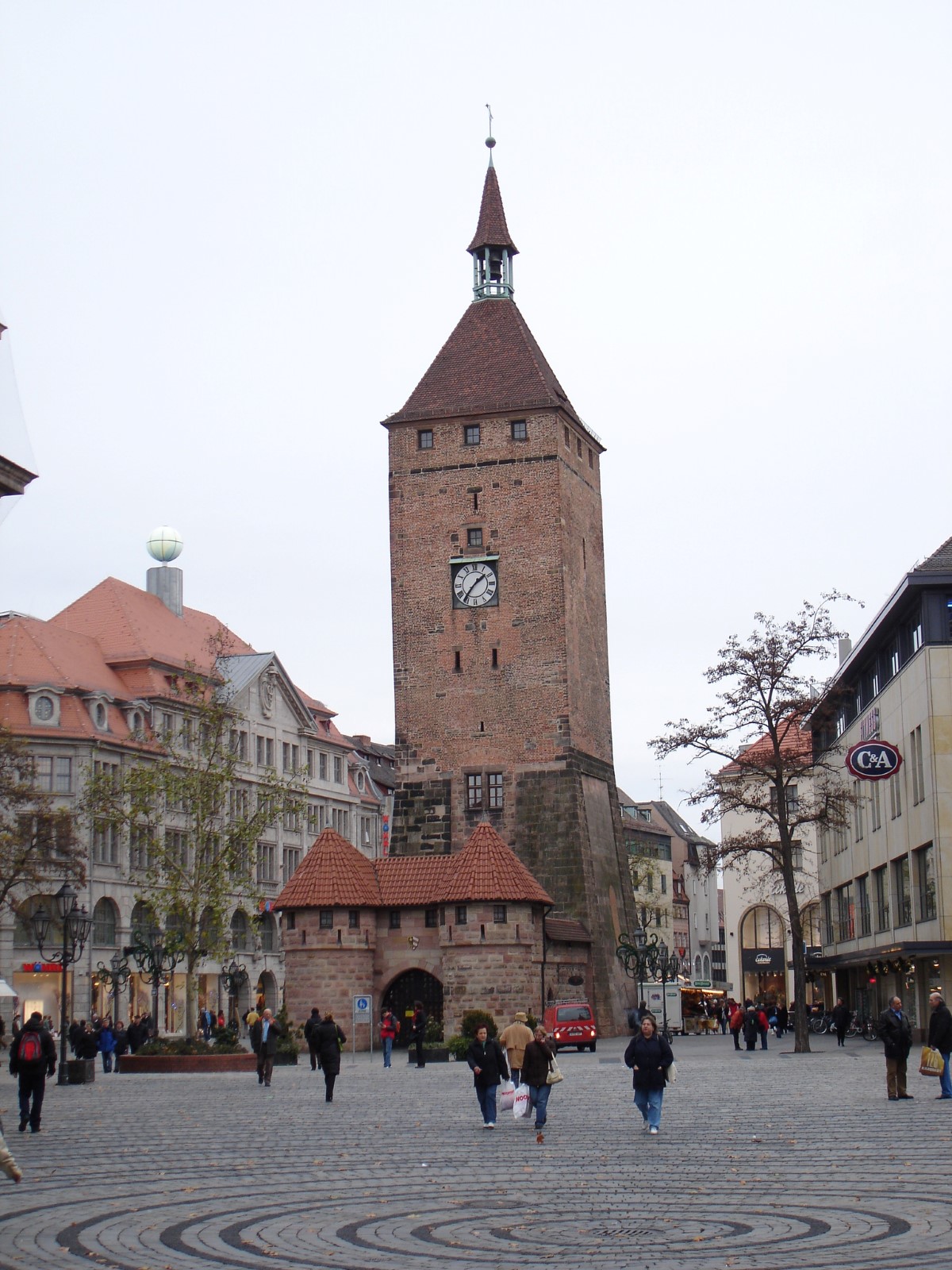
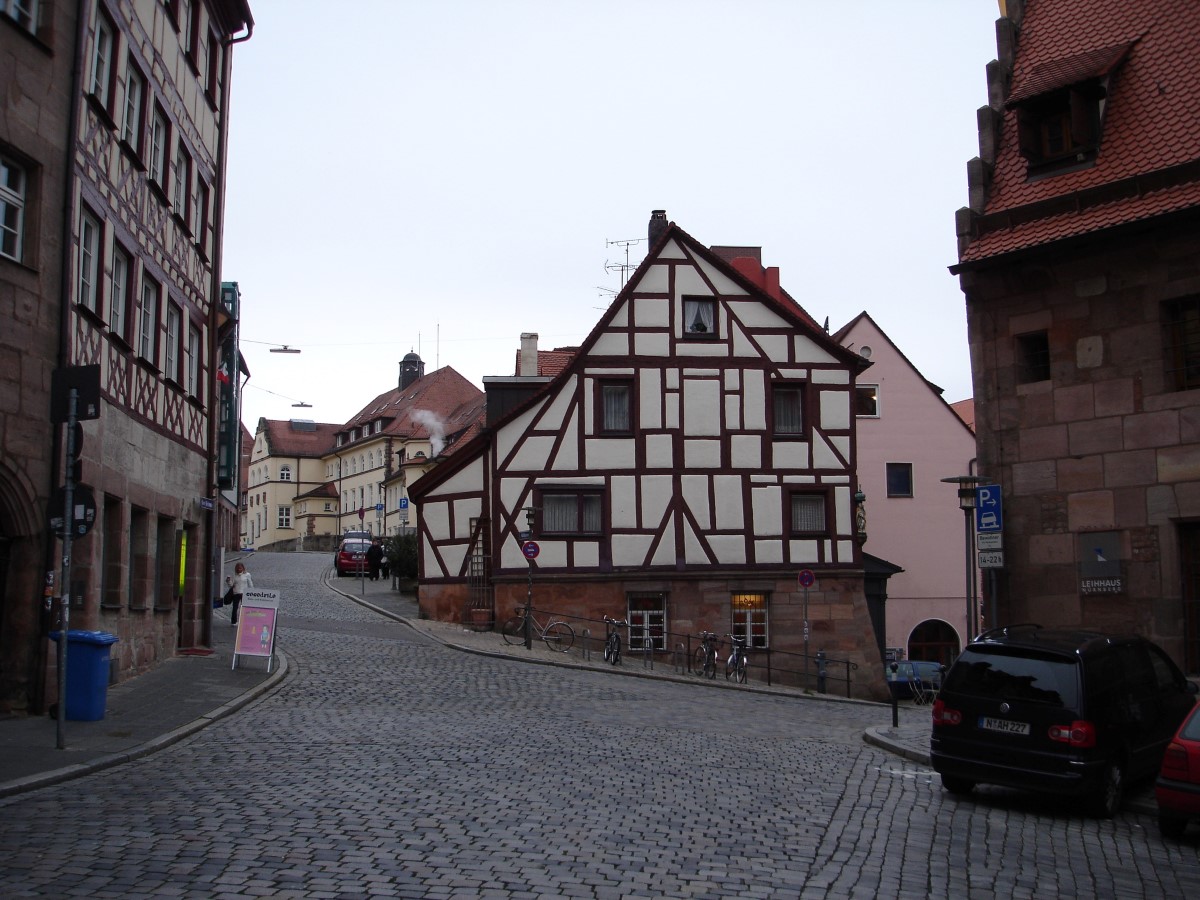
| Around the Town: Various photos from walking around the town. | ||||
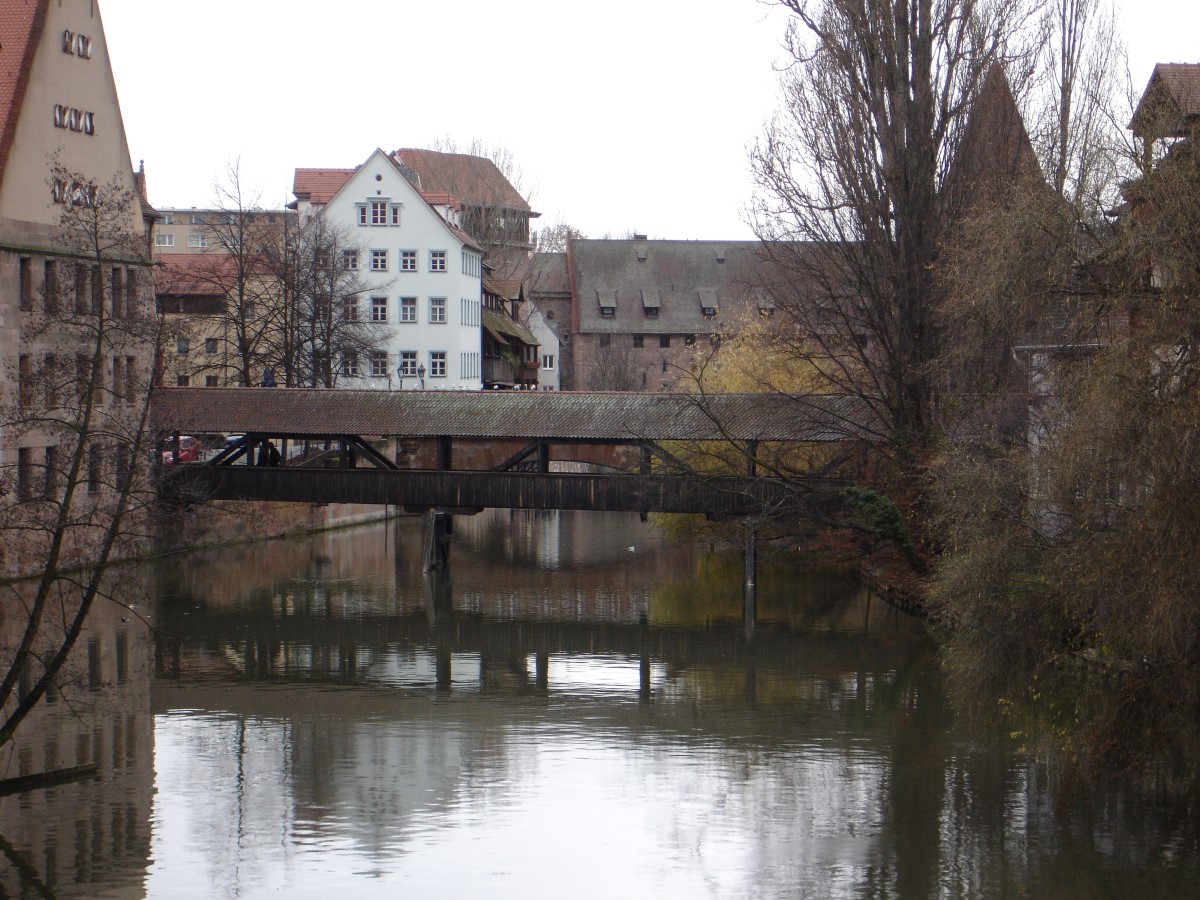
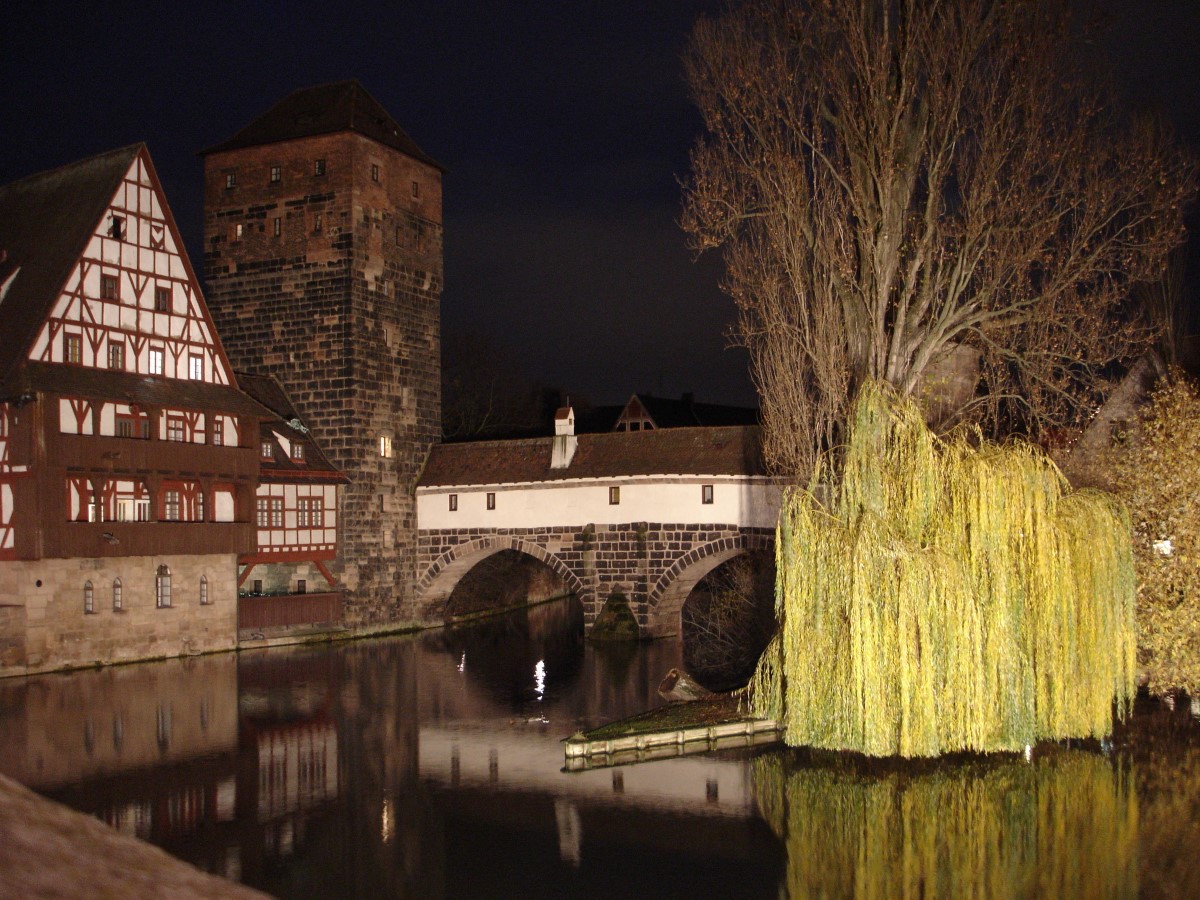
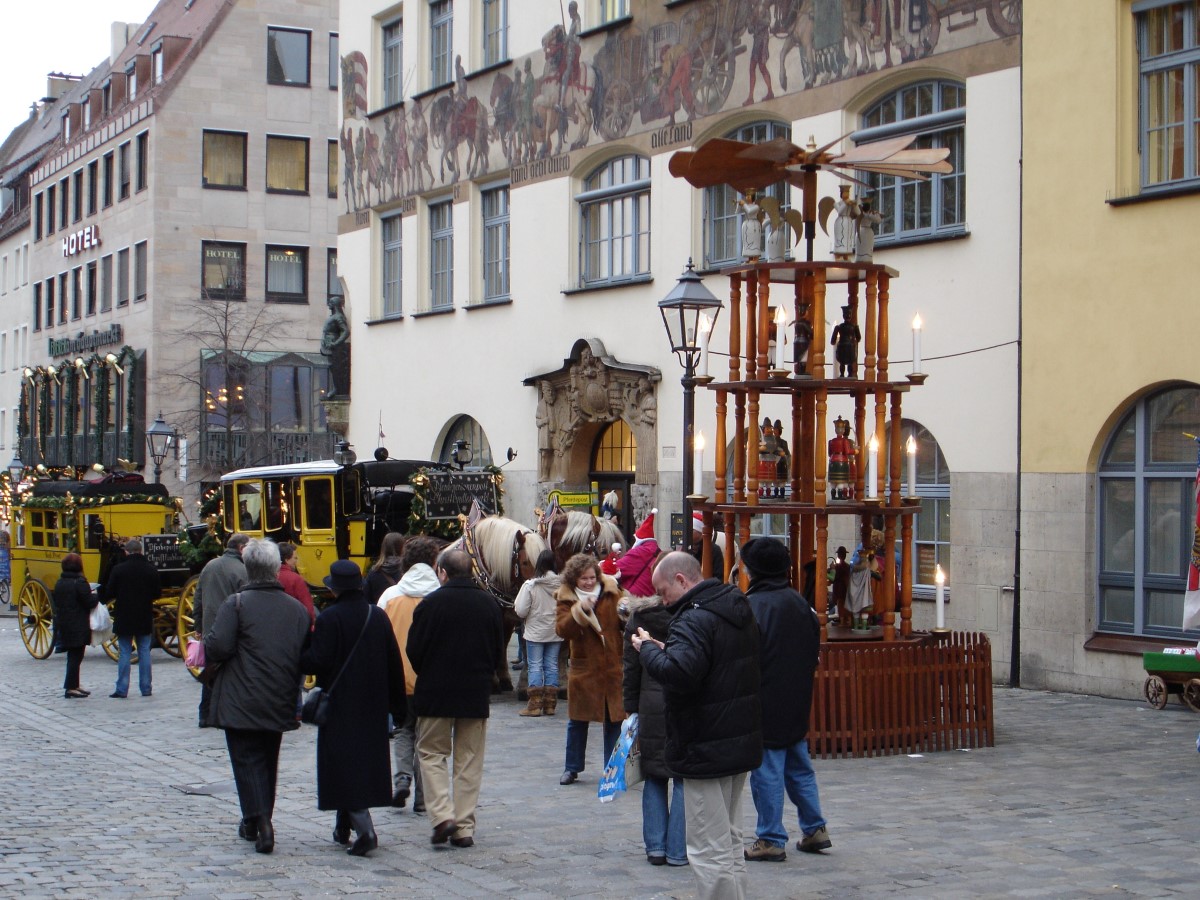
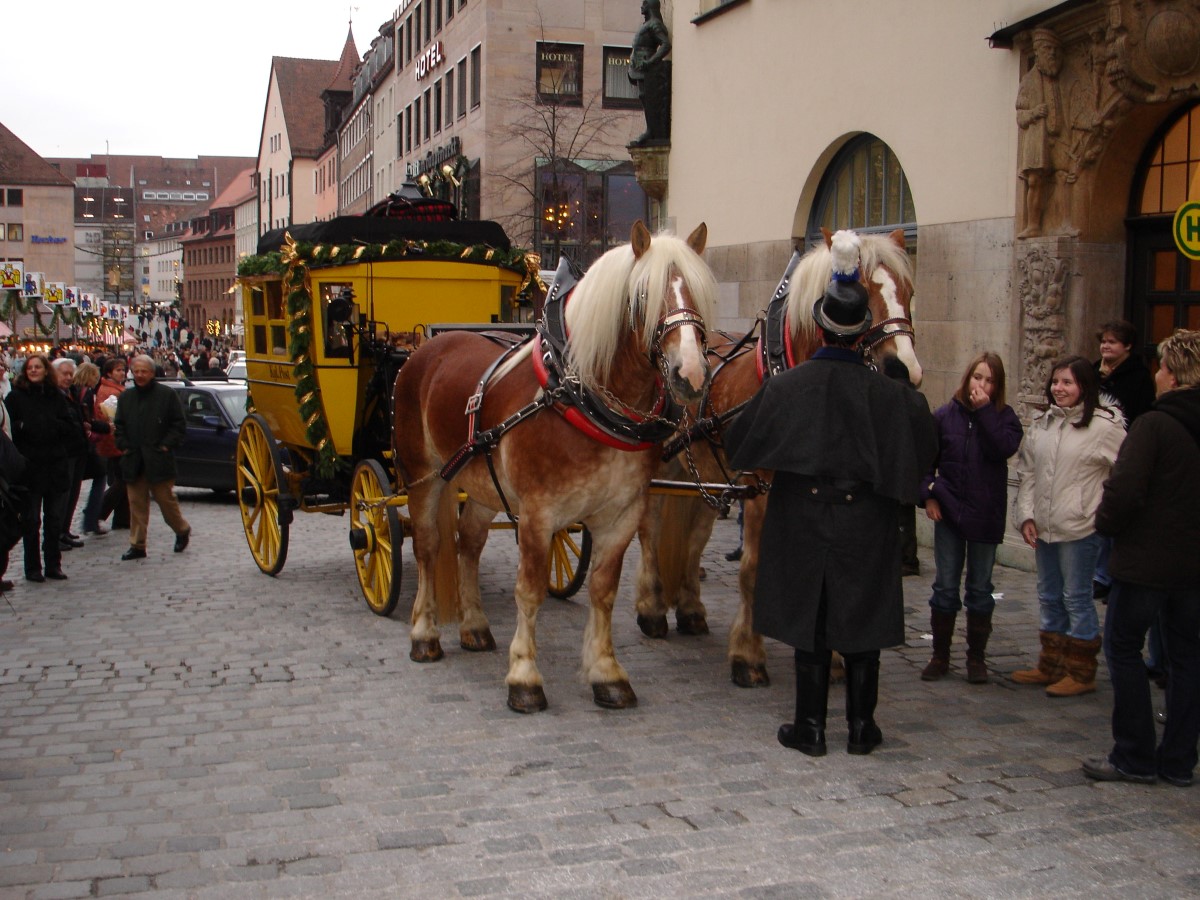
|
||||
|
|
||||
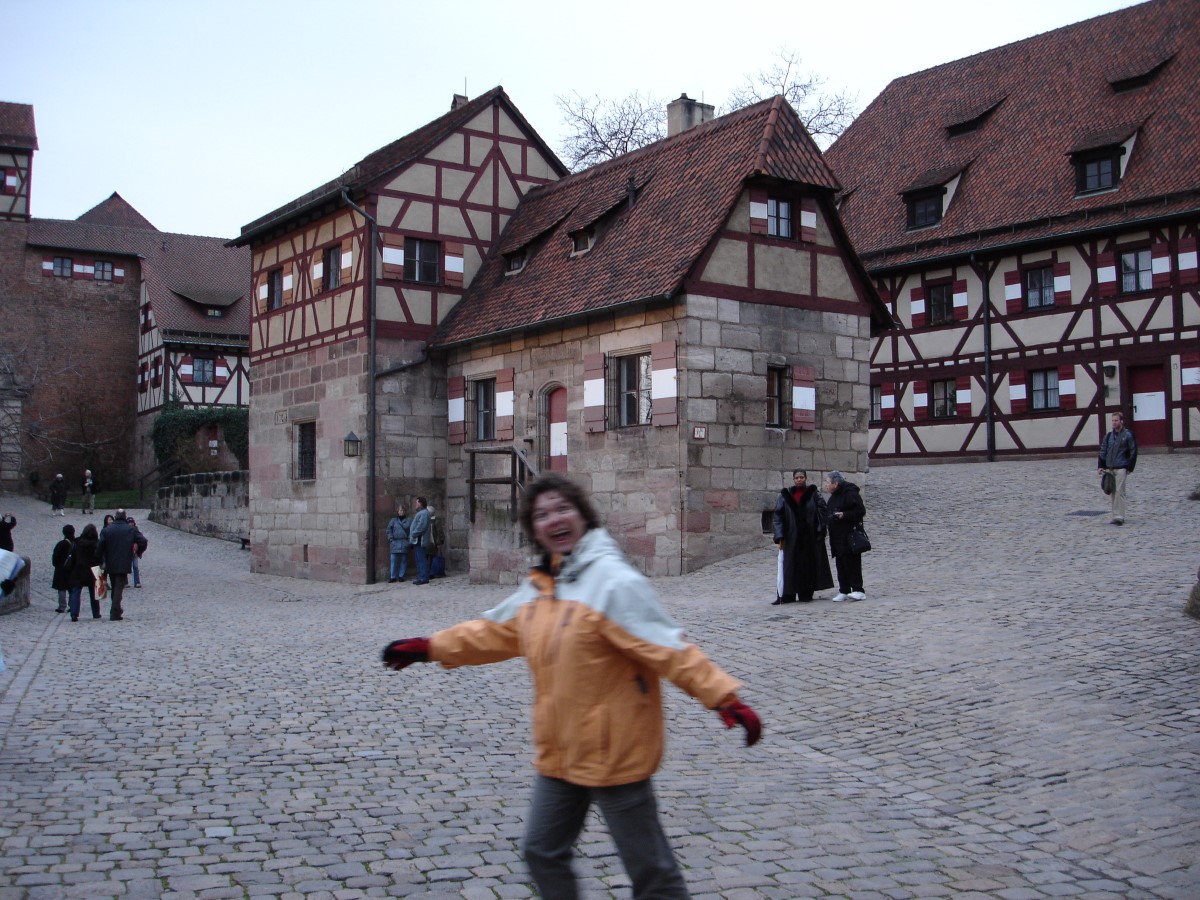
| Big Foot? | ||||
|
||||
|
|
||||
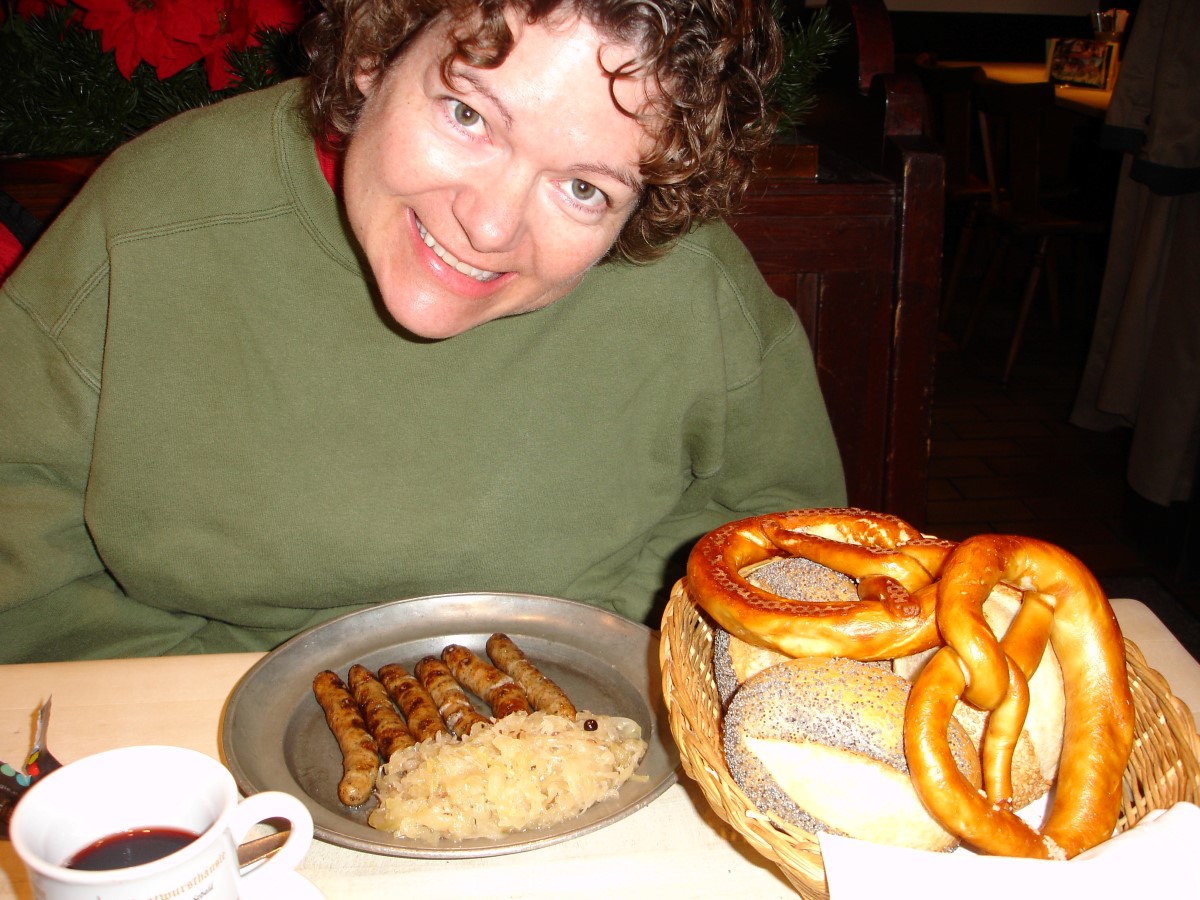
| Food: Our first German meal included bratwurst, sauerkraut, pretzels and spiced wine. | ||||
|
||||
|
|
||||
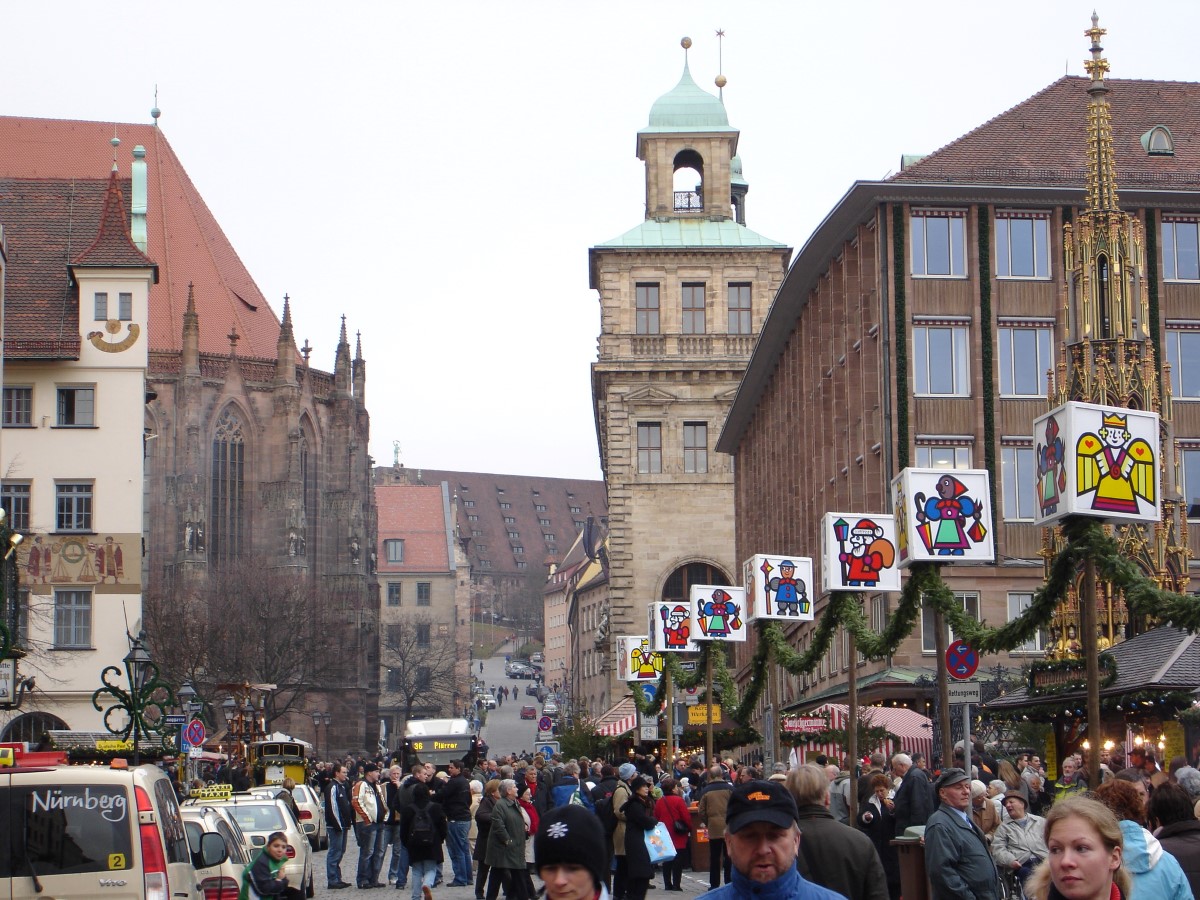
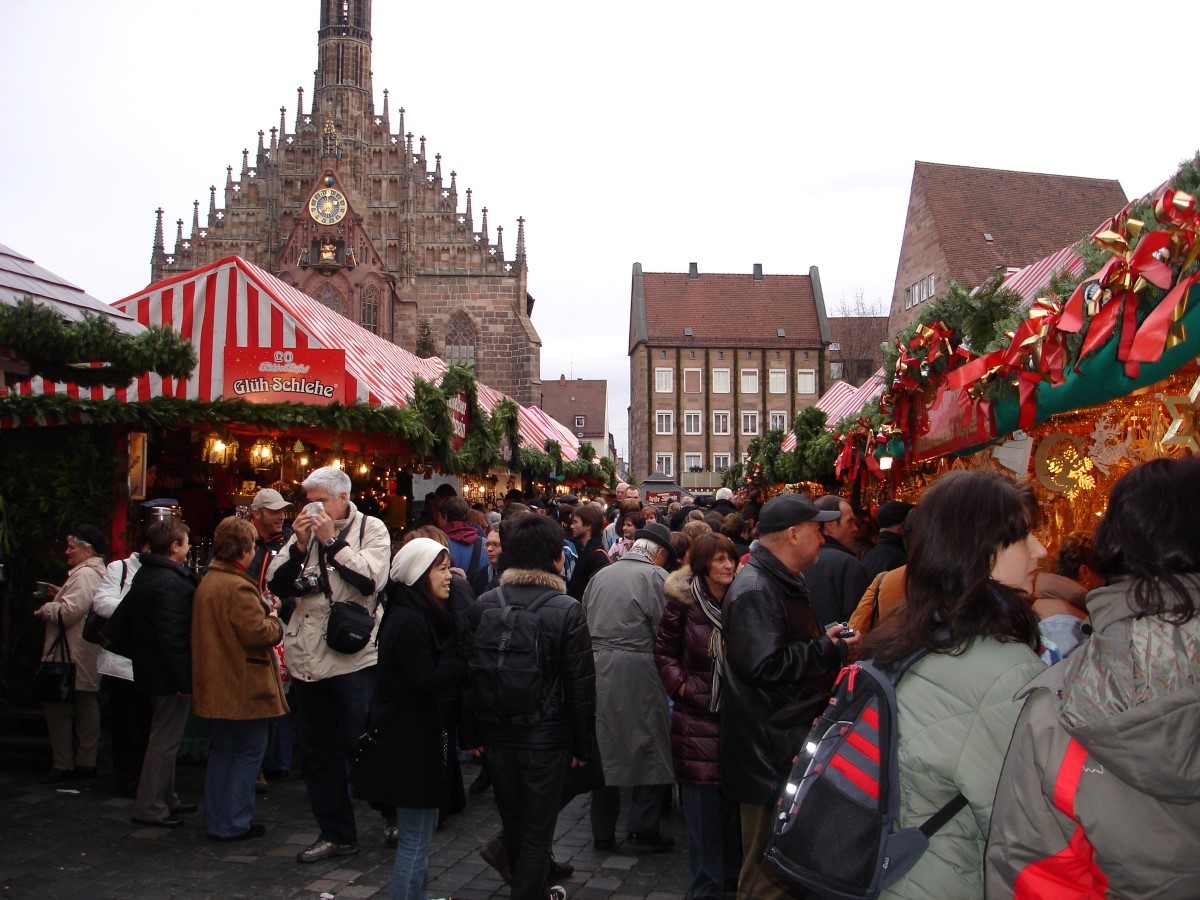
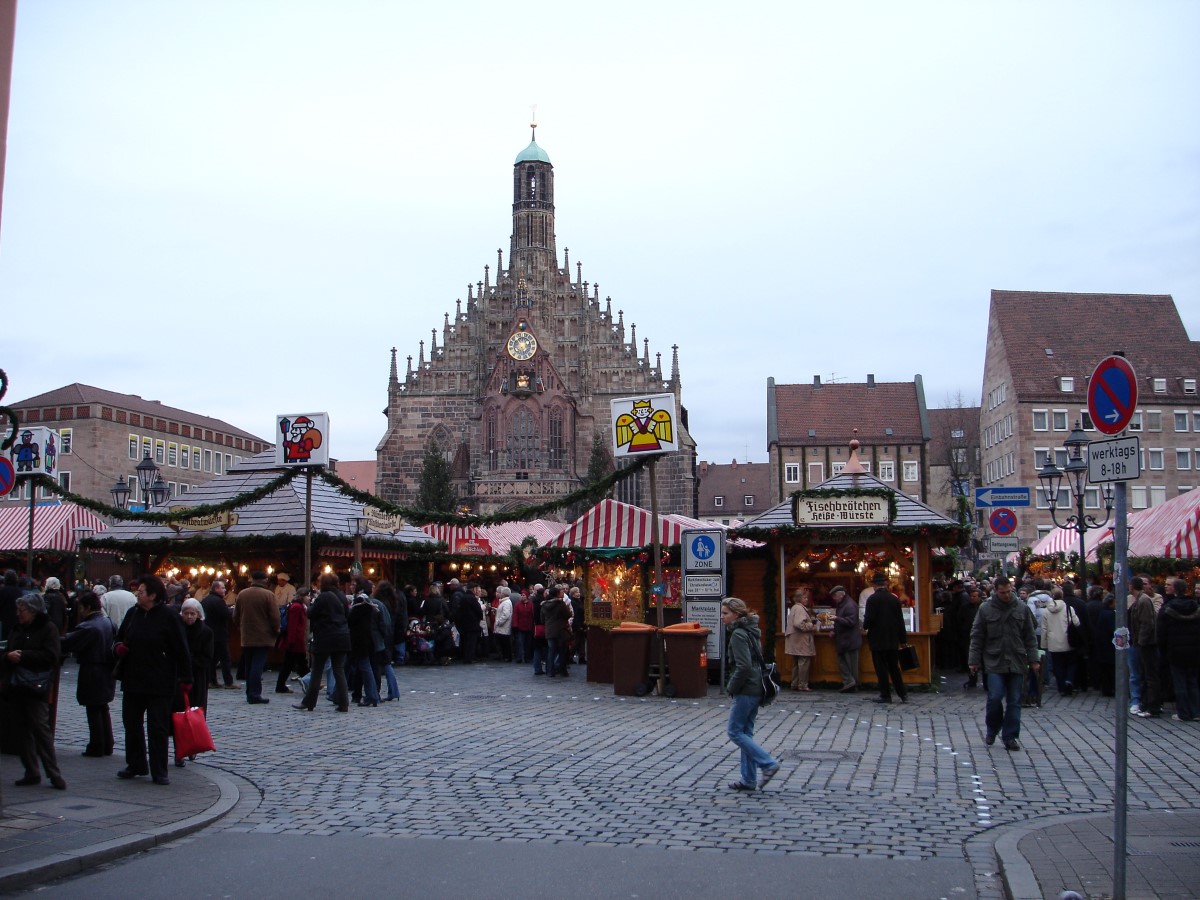
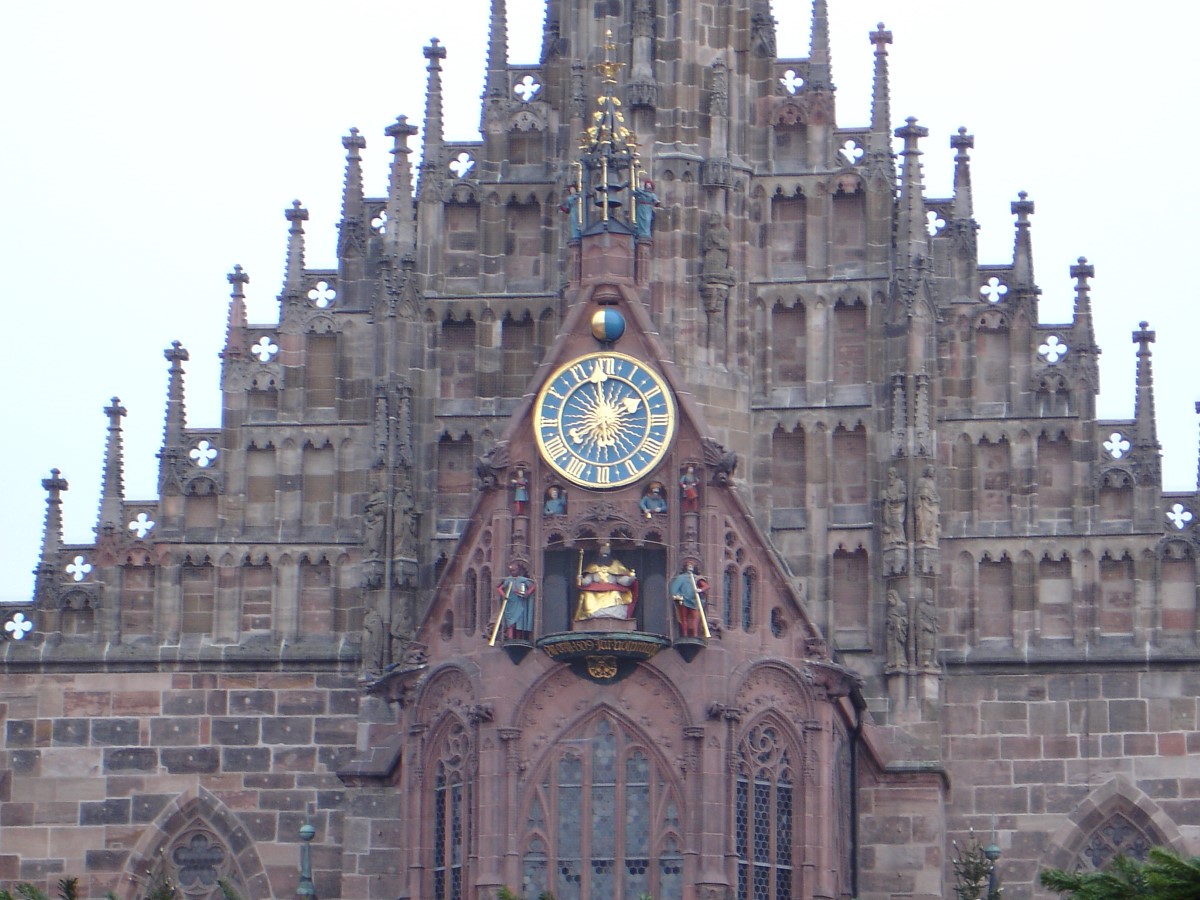
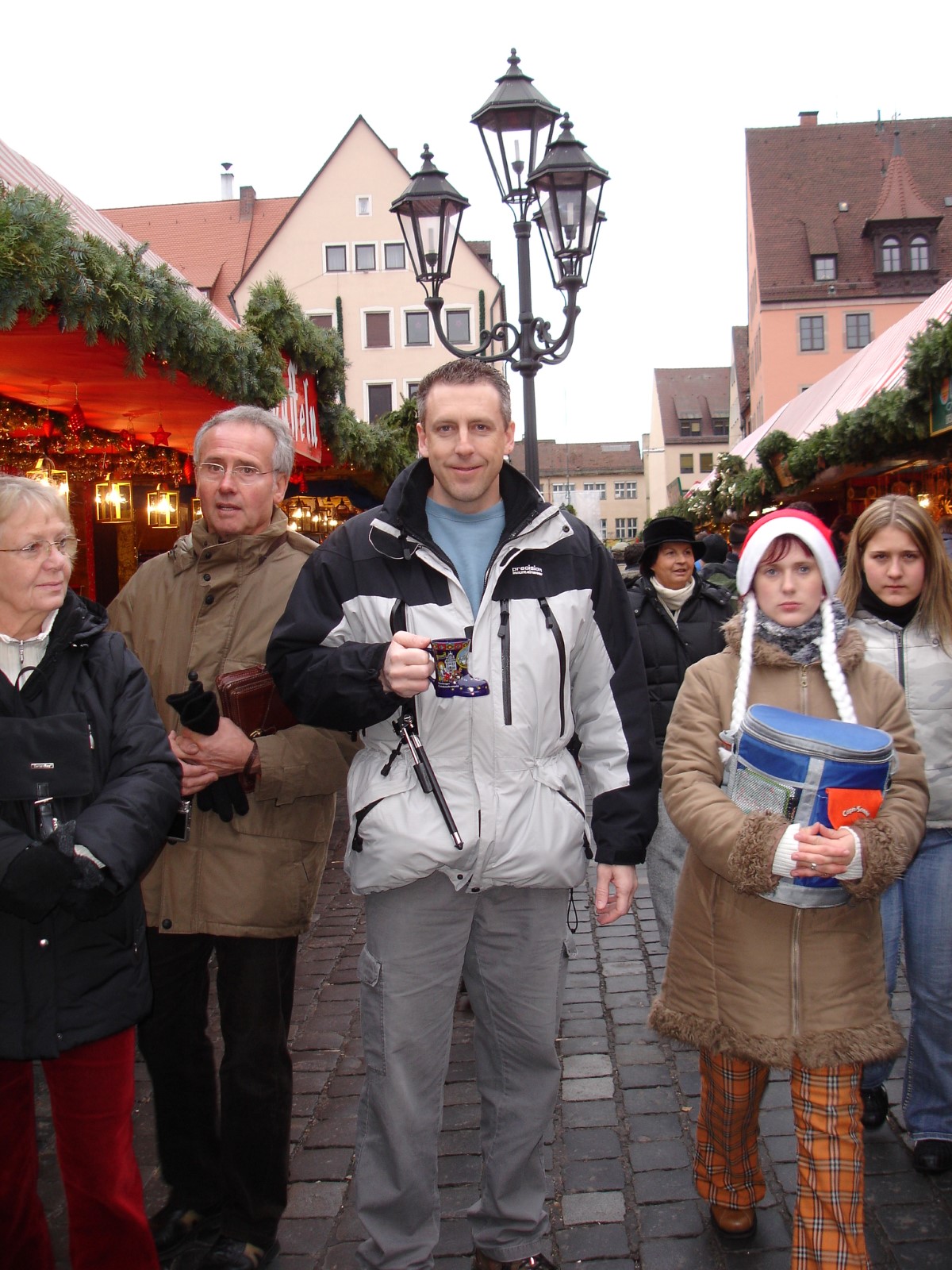
| Hauptmarkt: The location of the Christkindlesmarkt, which goes on throughout Advent. At this market, you can buy gingerbread, enjoy the taste of German sausages, warm yourself with a glass of red wine and locally made souvenirs. | ||||
|
||||
|
|
||||
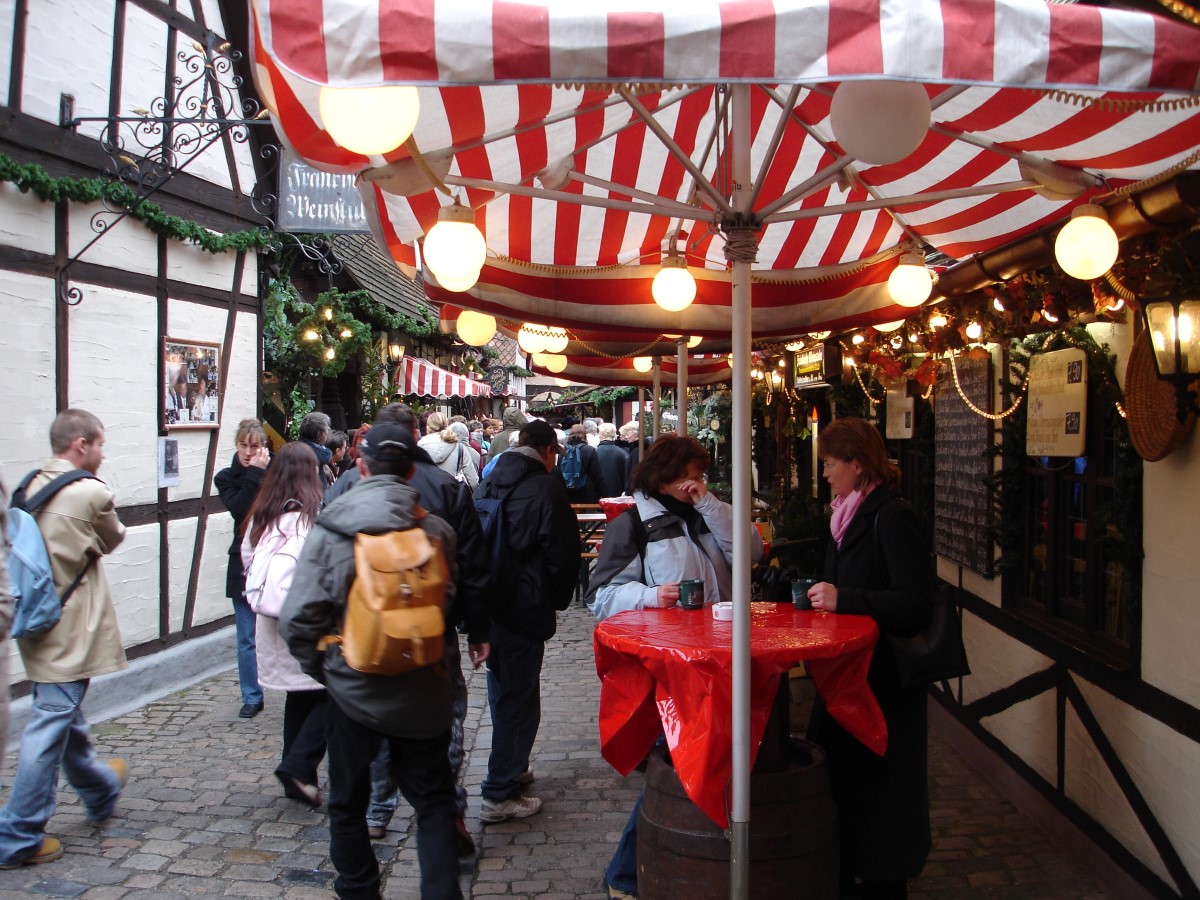
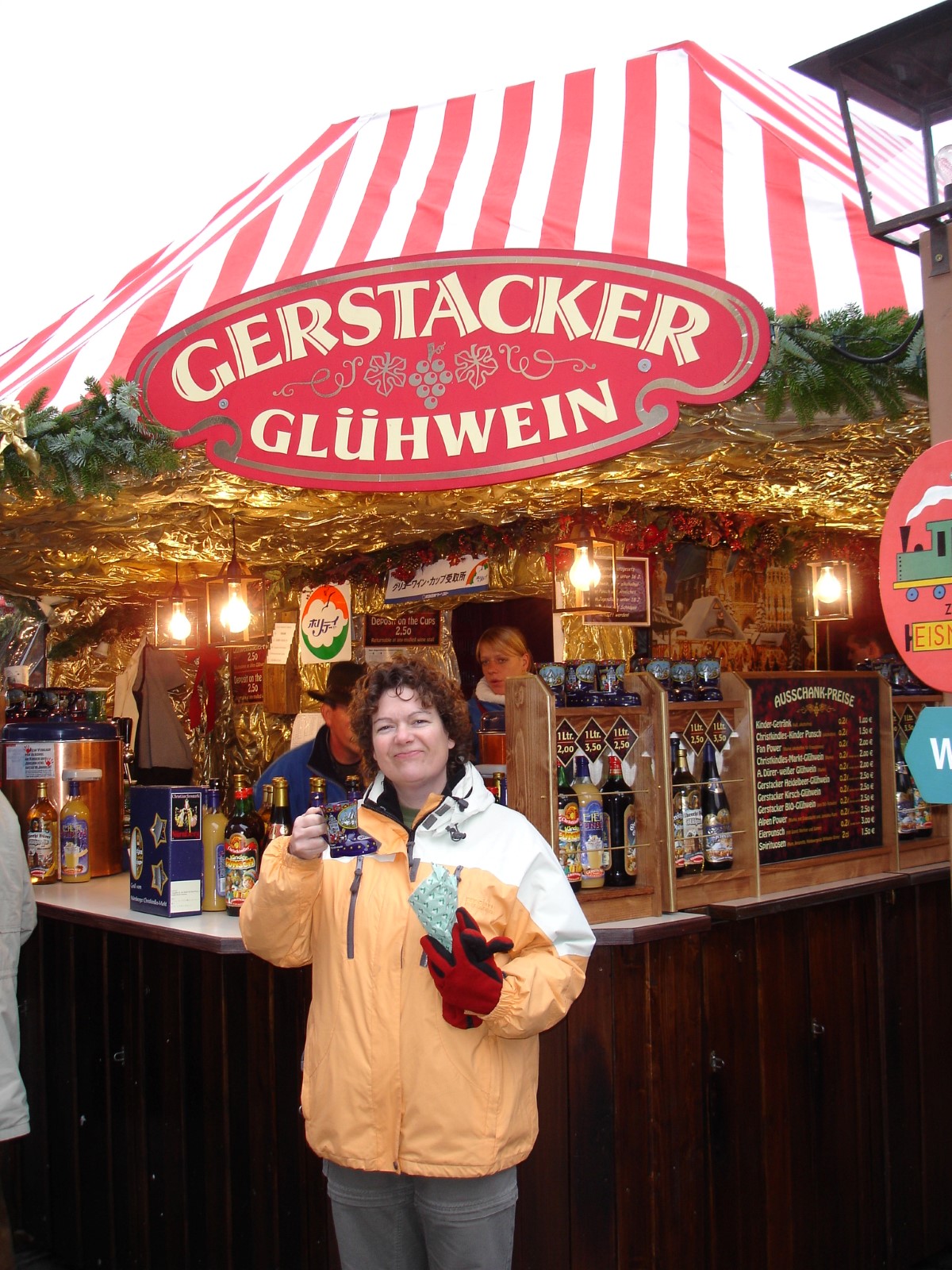
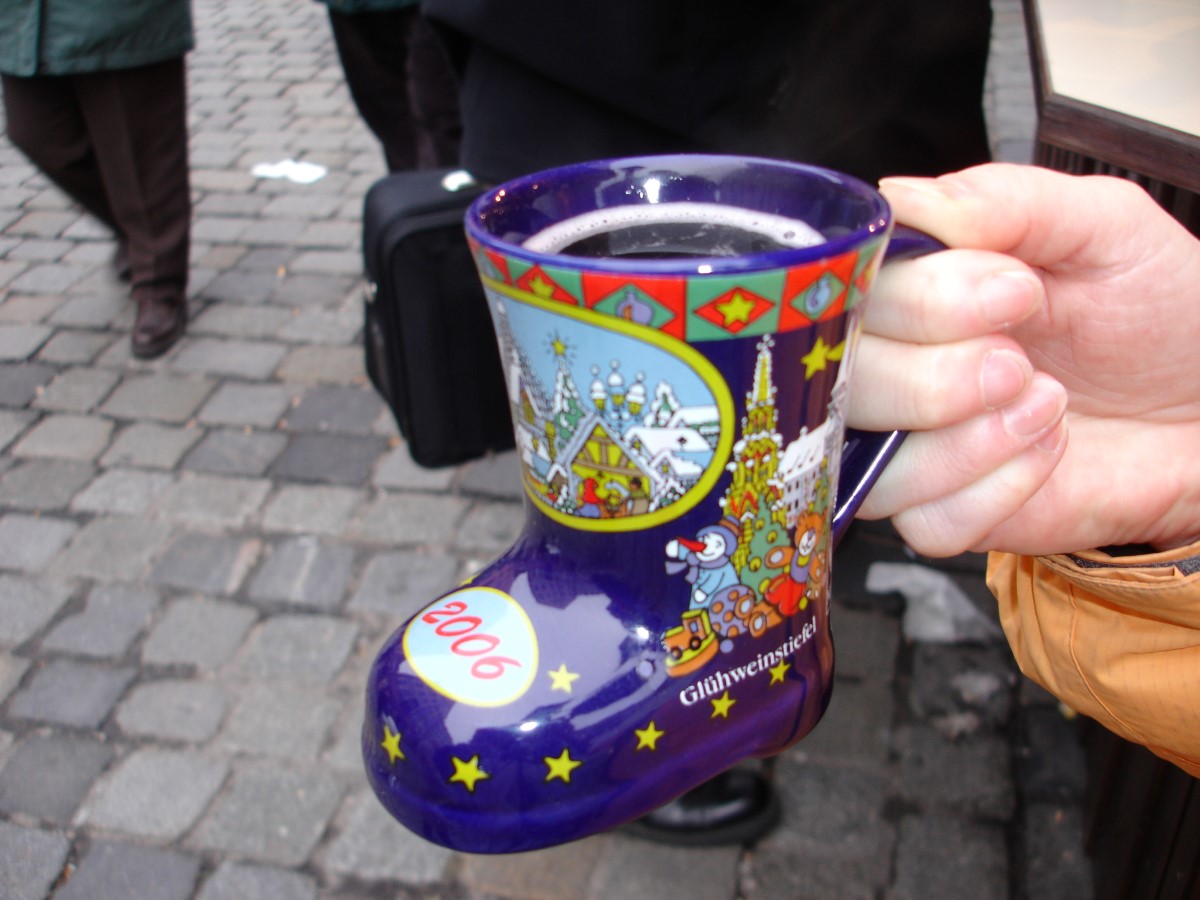
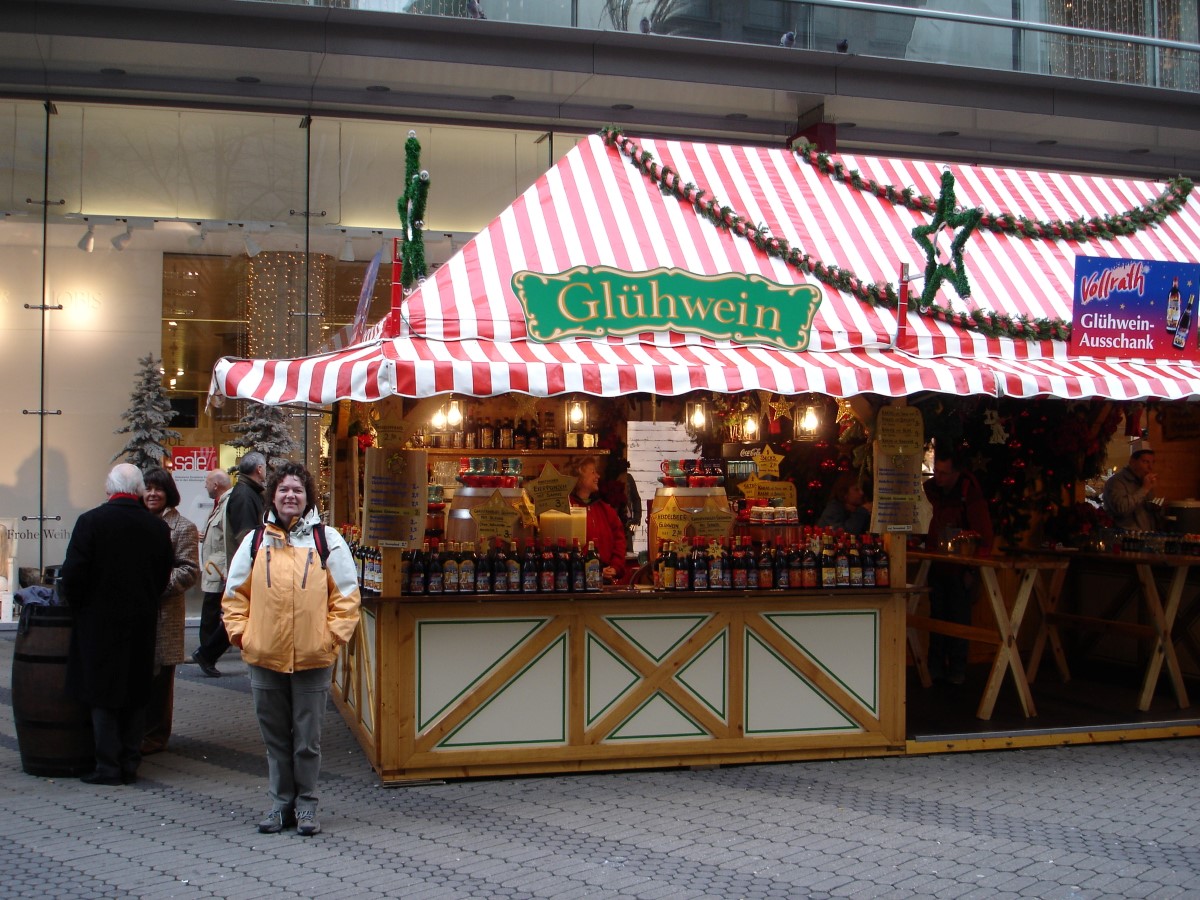
| Gluhwein: One of the many stalls selling Gluhwein (spiced wine). They serve the wine in little souvenir mugs that you can pay an extra couple of Euro's for and keep. | ||||
|
||||
|
|
||||
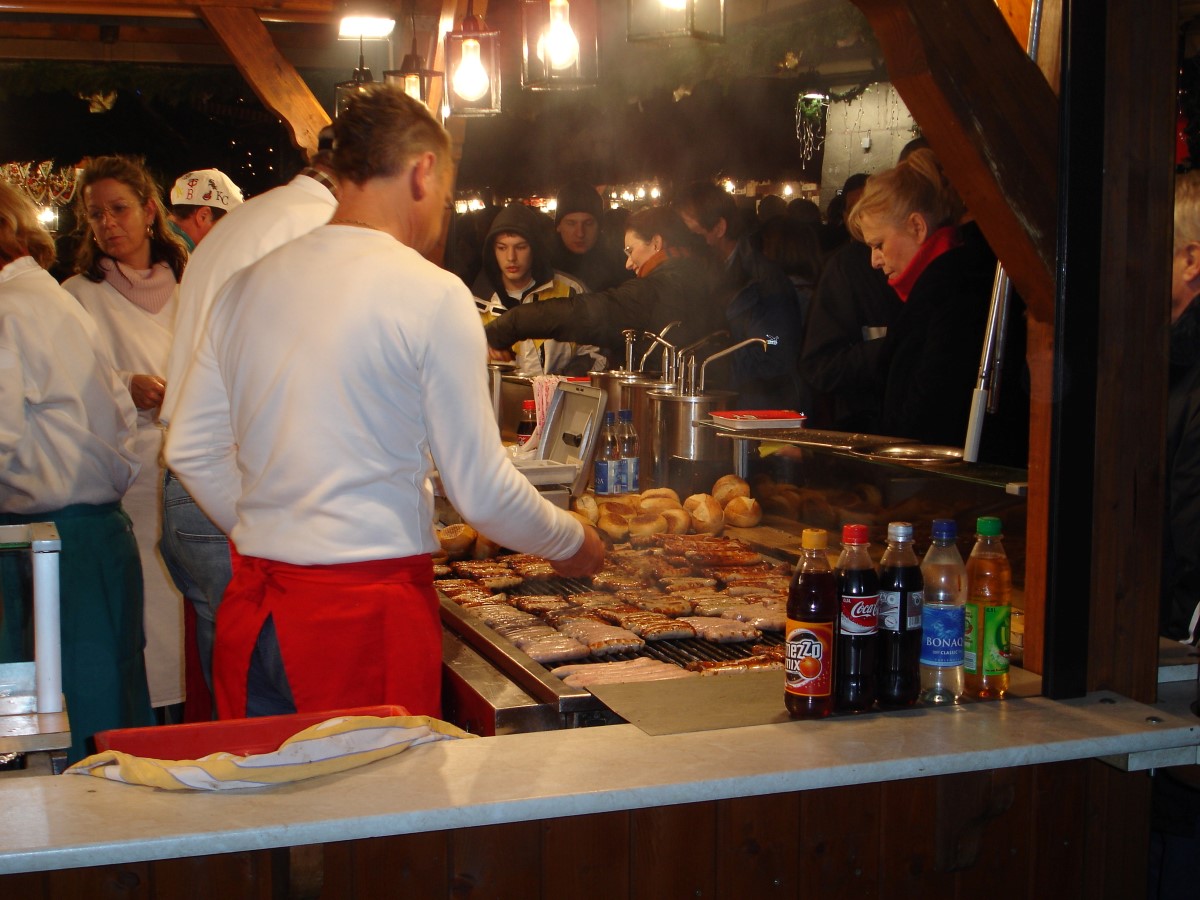
| Bratwurst: Brats cooking at the Christmas market. | ||||
|
||||
|
|
||||
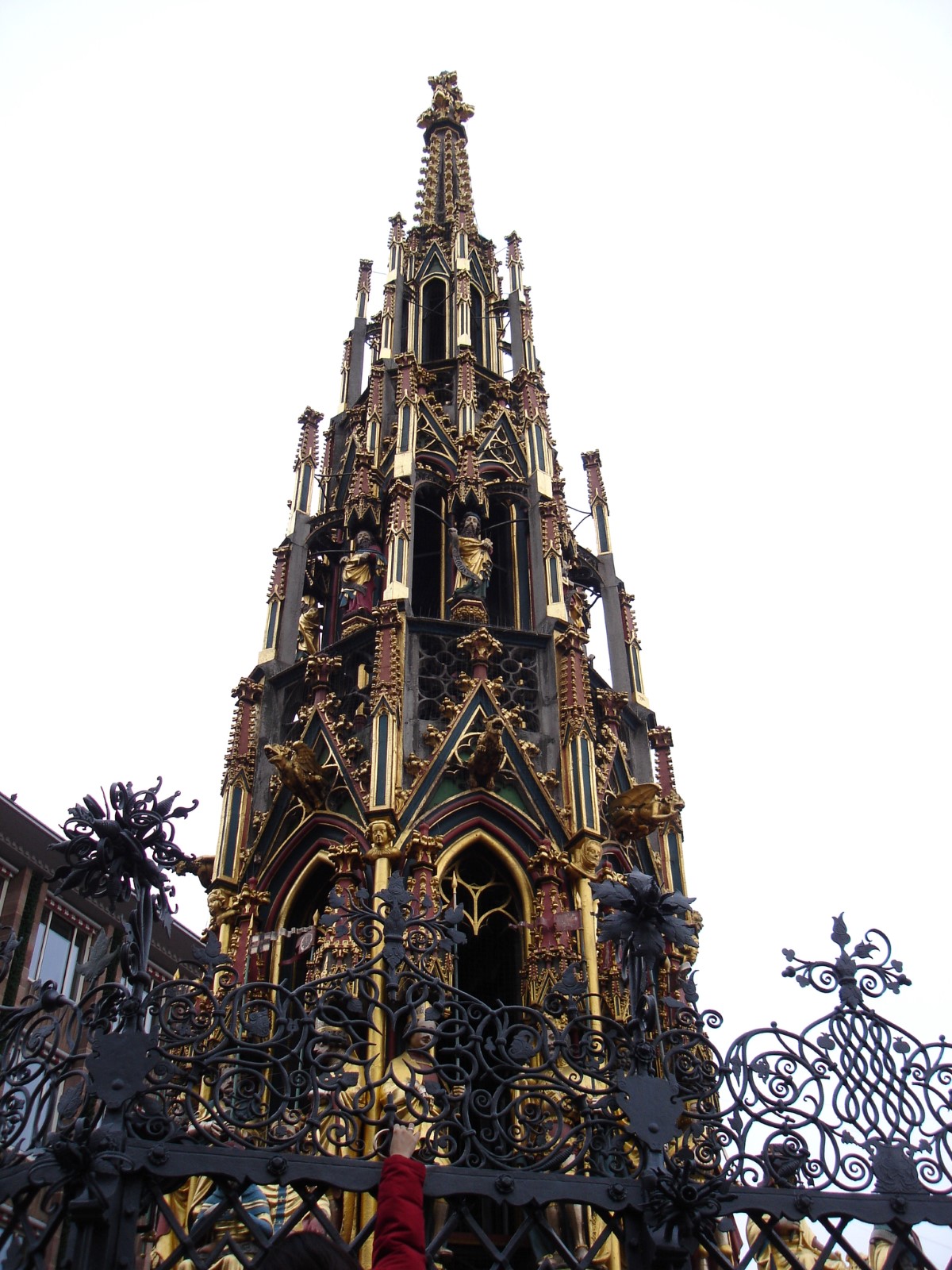
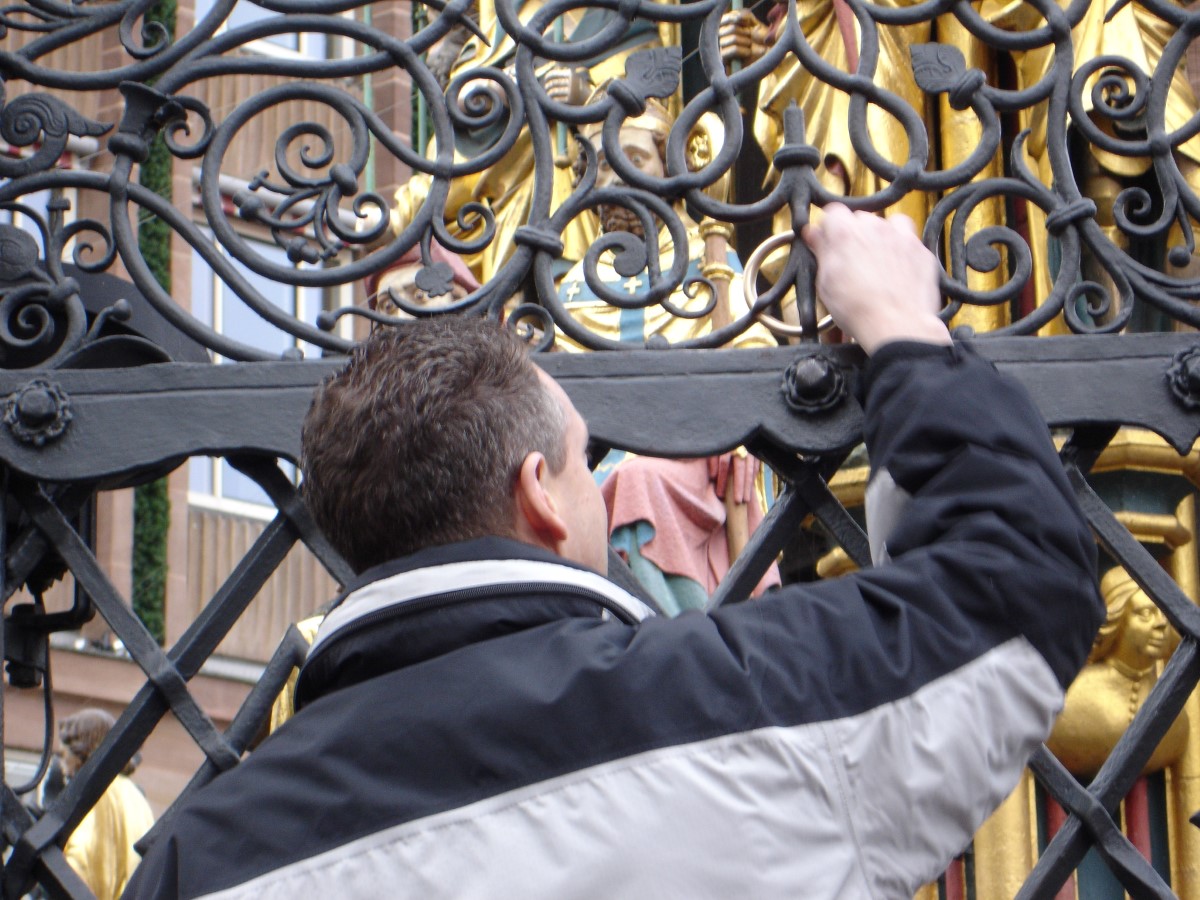
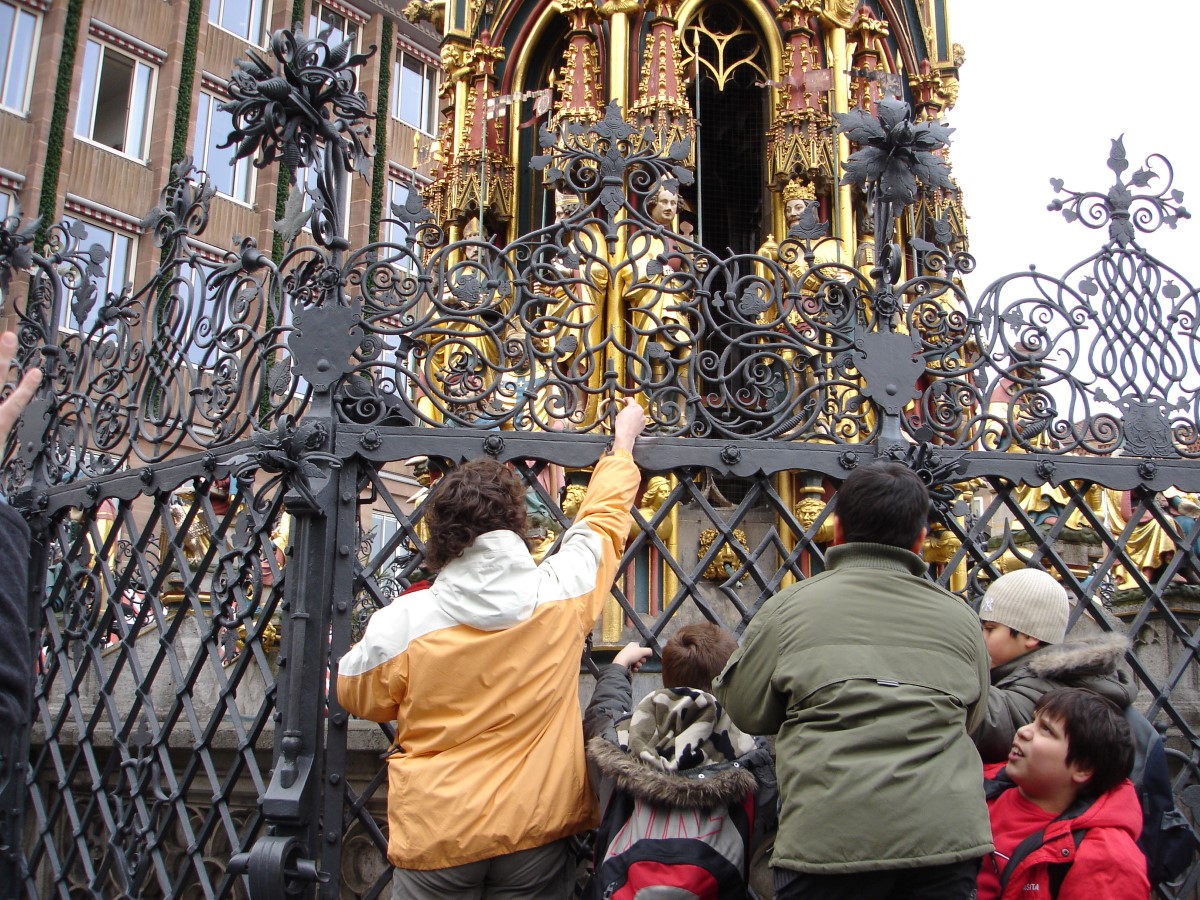
| Schoner Brunnen: Meaning Beautiful Fountain, was erected around 1385 but replaced in the early 20th century with a replica. It stands 62 feet high and is surrounded by a Renaissance grille that included the famous golden ring: the local tradition is that if you turn the ring three times, your wishes will come true. The pool is adorned with the statues of philosophers, evangelists and church fathers, while the spire is decorated with the statues of Electors and of Jewish and Christian heroes. | ||||
|
||||
|
|
||||
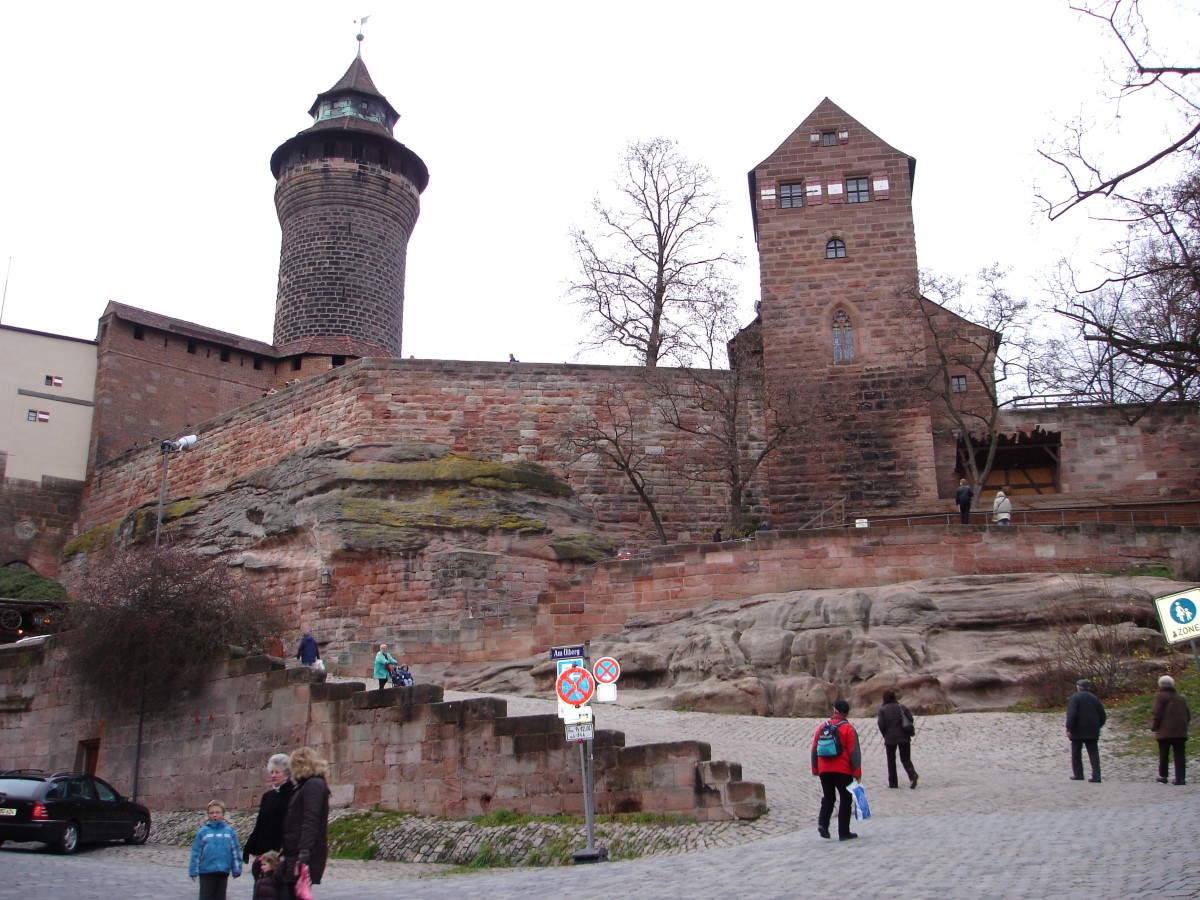
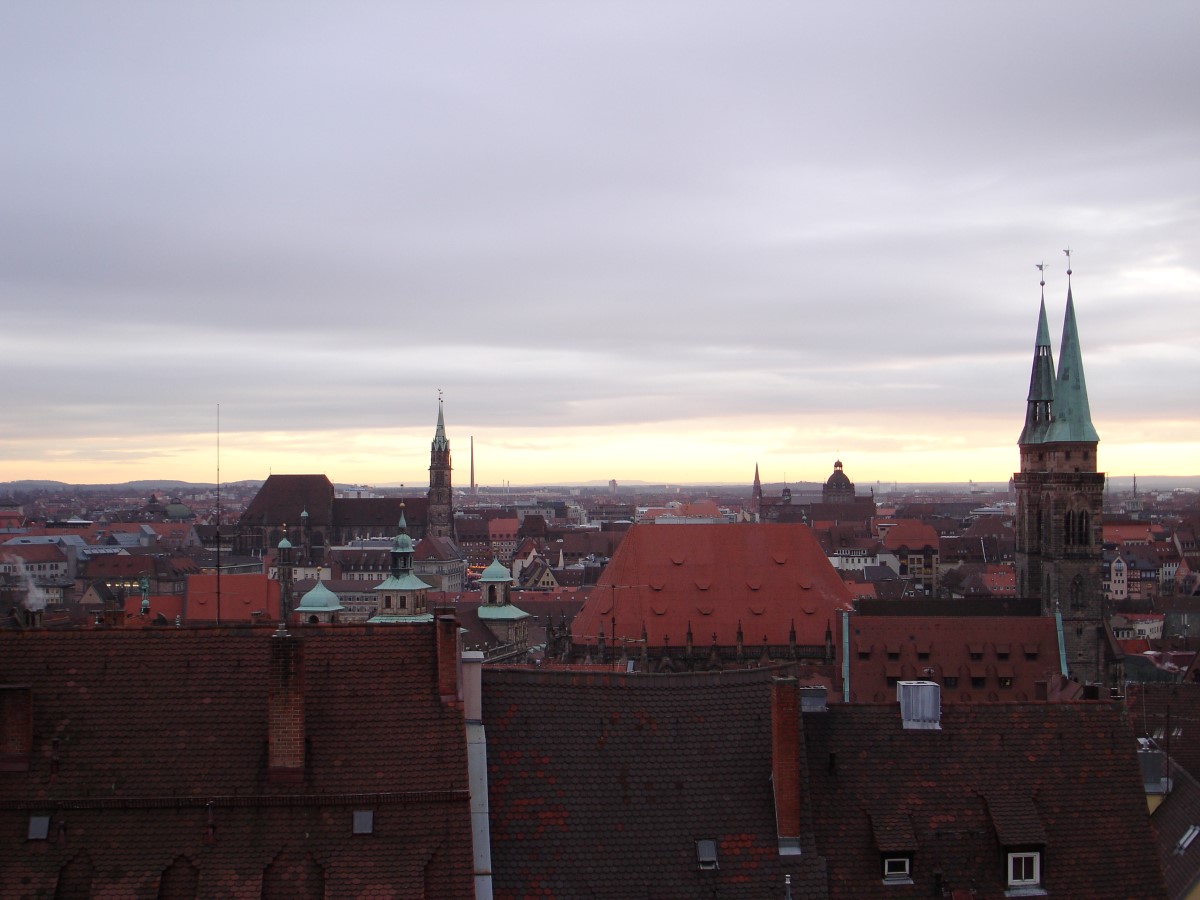
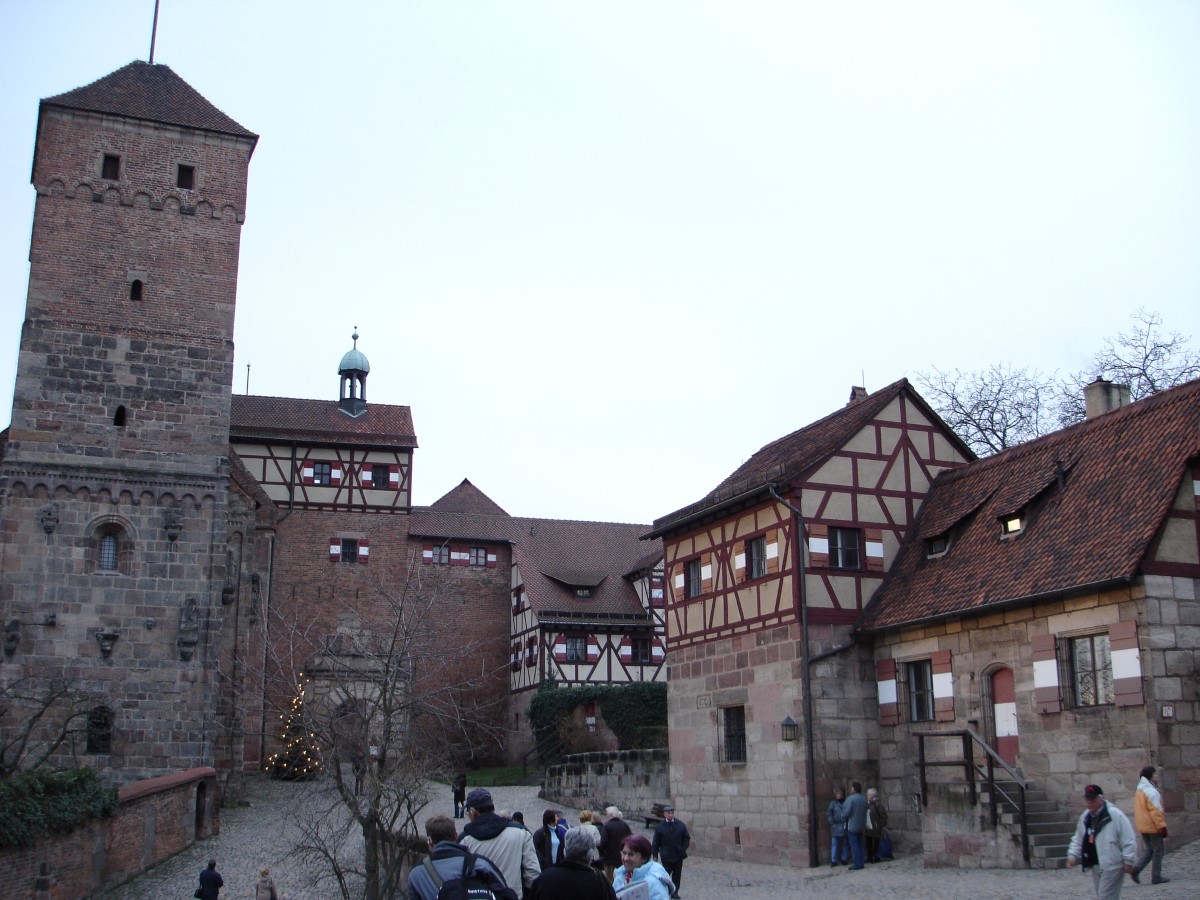
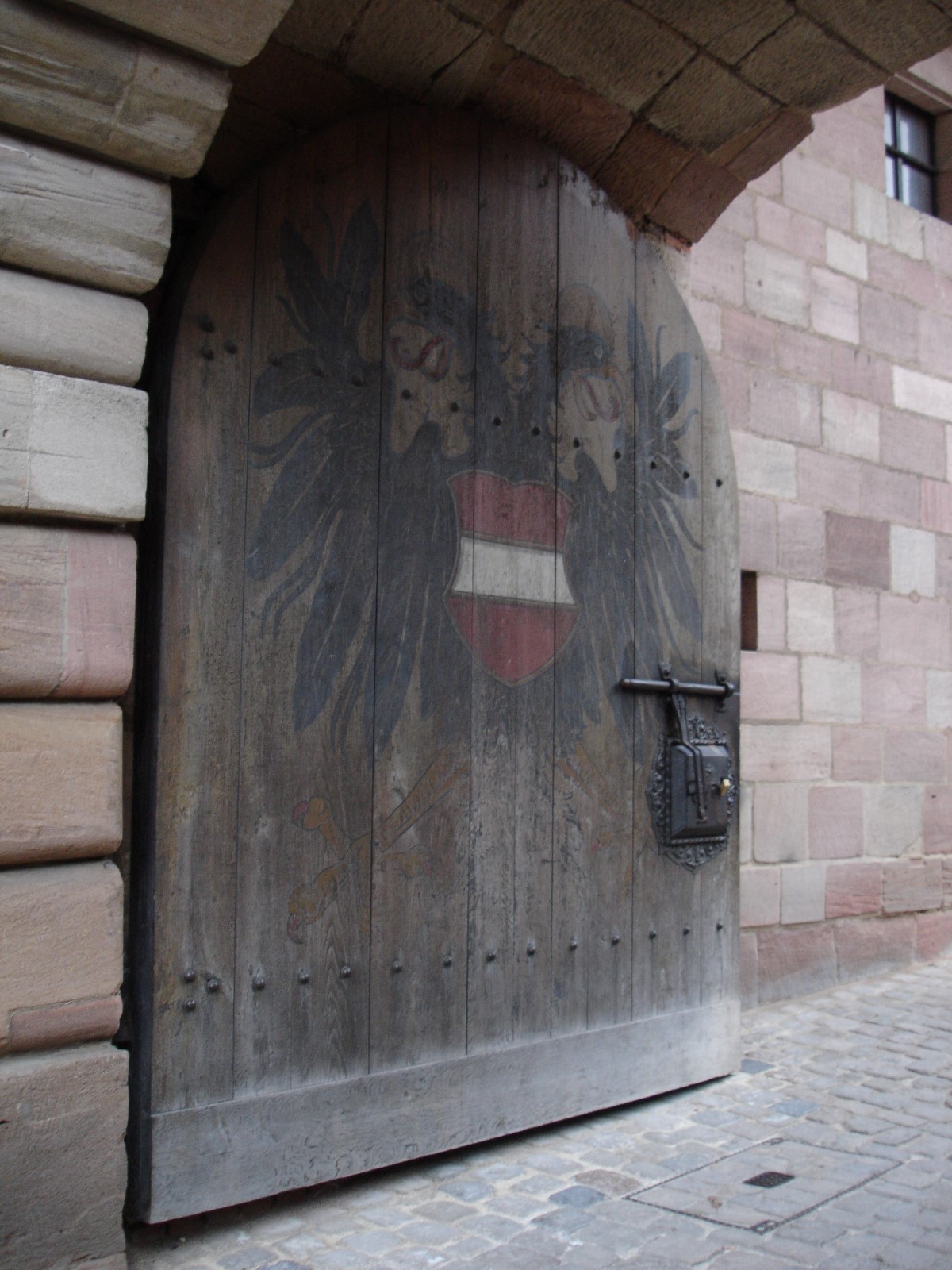
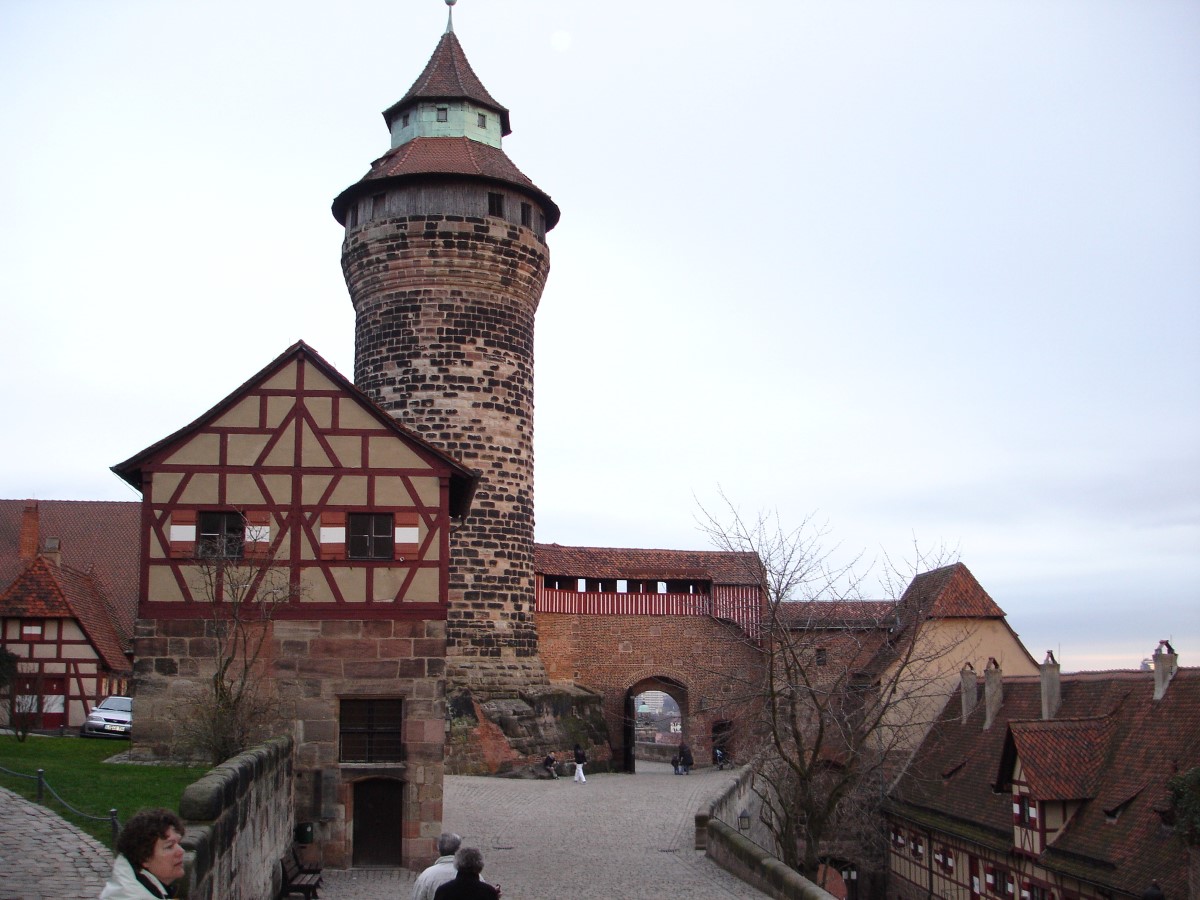
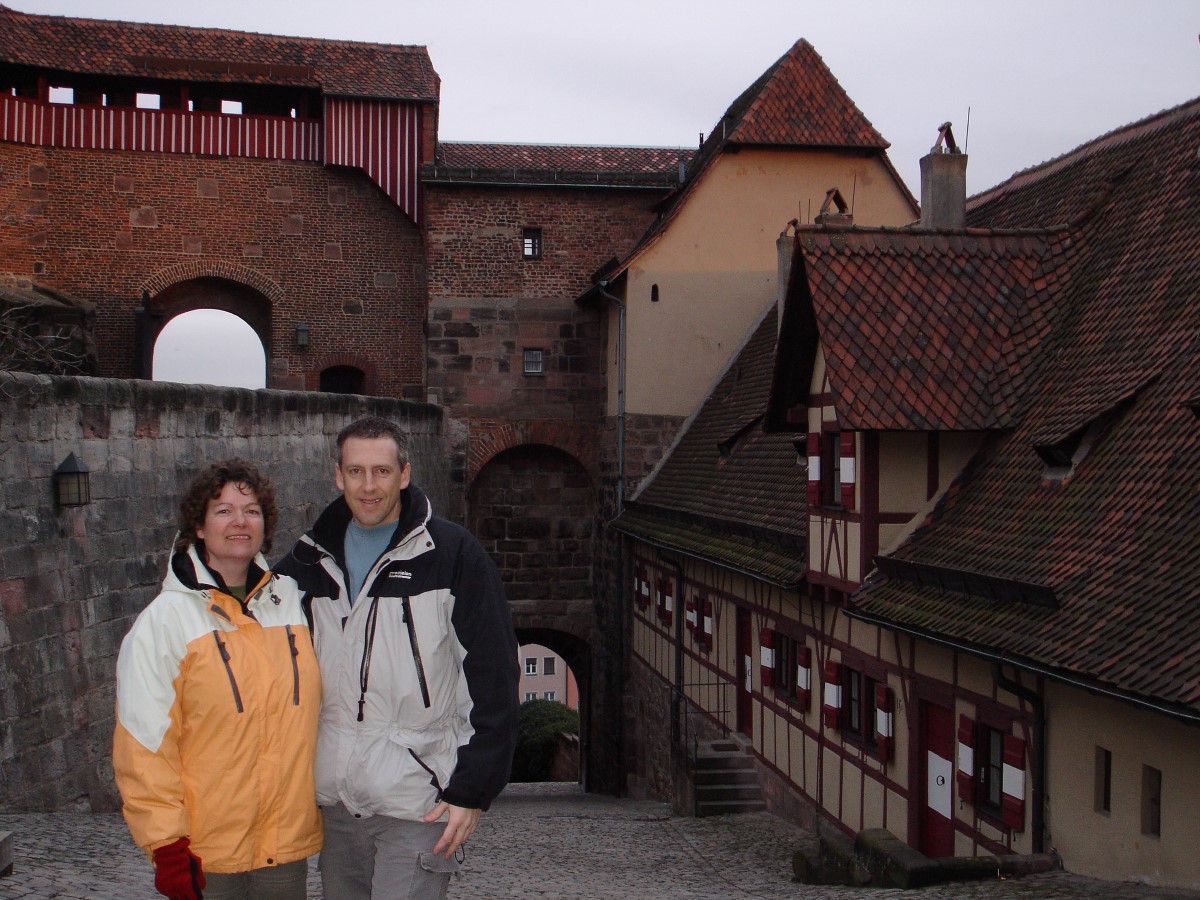
| Kaiserburg: Nuremberg Castle is located on a sandstone rock in the north of the historical city of Nuremberg, Germany. It is comprised of three parts: the Emperor's buildings ("Kaiserburg"), the mostly ruined buildings of the rulers of Nuremberg ("Burggrafenburg"), and the buildings on the eastern side ("städtische Burganlage"). The castle was damaged in the Second World War but then reconstructed; today it is one of the main landmarks in Nuremberg. | ||||
|
||||